
Best Porsche Boxster Model Years & Variants Ever Produced
The Boxster has quietly become one of the purest expressions of Porsche’s sports-car philosophy. Mid-engine balance, compact dimensions, and an open-top driving experience. Not all variants are created equal and this page is about the Boxster at its very best.
What's the best Boxster? We ask the experts.
The wide array of available Porsche models may overwhelm a new enthusiast. We hope to narrow the options and make the selection task a little easier. We asked our team of Porsche experts and enthusiastic members and they didn't let us down. This page is a culmination of their opinions and experience. If you're shopping for a Boxster or thinking about which selection is future-proof in terms of an investment, this is the page for you.
The Porsche Boxster began as the car that saved Porsche in the 1990s and has since evolved into one of the most respected mid-engine sports cars in history. By placing the engine directly behind the driver, Porsche achieved a level of balance and agility that often rivals its more expensive sibling, the 911. Here are the best Porsche Boxster variants and model years ever produced, spanning from raw, lightweight specials to the high-revving machines of today.
The Most Desirable Boxster
The Porsche Boxster is far more than just "the car that saved Porsche." While its 1996 debut provided the financial lifeline the company desperately needed, the Boxster quickly carved out its own legacy as a precision instrument that, in many ways, offers a more balanced driving experience than the legendary 911. By placing the engine in the middle of the chassis, Porsche engineers achieved a near-perfect center of gravity, creating a roadster that dances through corners with an agility and predictability that has become the industry benchmark for over a quarter-century.
Finding the "best" Boxster is an exercise in identifying what you value most as a driver. For the purist, the early 986 and 987 generations offer a mechanical, hydraulic connection to the road that modern electric steering systems struggle to replicate. For the technophile, the latest 718 generation provides blistering performance and daily-driver refinement that was once reserved for six-figure supercars. The beauty of the Boxster timeline is that it offers a distinct "sweet spot" for every type of enthusiast, whether you are hunting for a budget-friendly analog weekend toy or a blue-chip collectible like the 981 Spyder.
Ultimately, the best years of the Boxster are defined by Porsche’s willingness to let the model outgrow its "entry-level" shadow. From the reliability breakthroughs of the 2009–2012 models to the high-revving, 9,000 RPM insanity of the modern Spyder RS, the Boxster has matured into a world-class athlete. Choosing the right one is less about avoiding "bad" years—as even the early cars are brilliant when maintained—and more about selecting the specific era of Porsche soul that speaks to you.
About Our Selections
The best Porsche Boxsters ever made are defined not by excess power or luxury, but by balance, sound, steering feel, and emotional connection. Early 986 and 987 models delivered lightweight, analog driving experiences that are increasingly rare today, while later naturally aspirated flat-six variants—particularly from the 981 and 982 generations—represent the Boxster at its most complete. These standout versions combine modern chassis precision with the character and immediacy enthusiasts crave.
This guide highlights the Boxster model years and variants that best capture Porsche’s sports-car DNA. Whether you’re drawn to collectible lightweight Spyders, naturally aspirated GTS models, or early analog classics that reward skill and involvement, these Boxsters represent the pinnacle of the nameplate. Together, they tell the story of how the Boxster evolved from a controversial entry-level Porsche into one of the most respected and rewarding driver’s cars Porsche has ever built.
The Best Porsche Boxster Variants Ever
Finding the "best" Boxster is an exercise in identifying what you value most as a driver. The beauty of the Boxster timeline is that it offers a distinct "sweet spot" for every type of enthusiast, whether you are hunting for a budget-friendly analog weekend toy or a blue-chip collectible like the 981 Spyder RS.
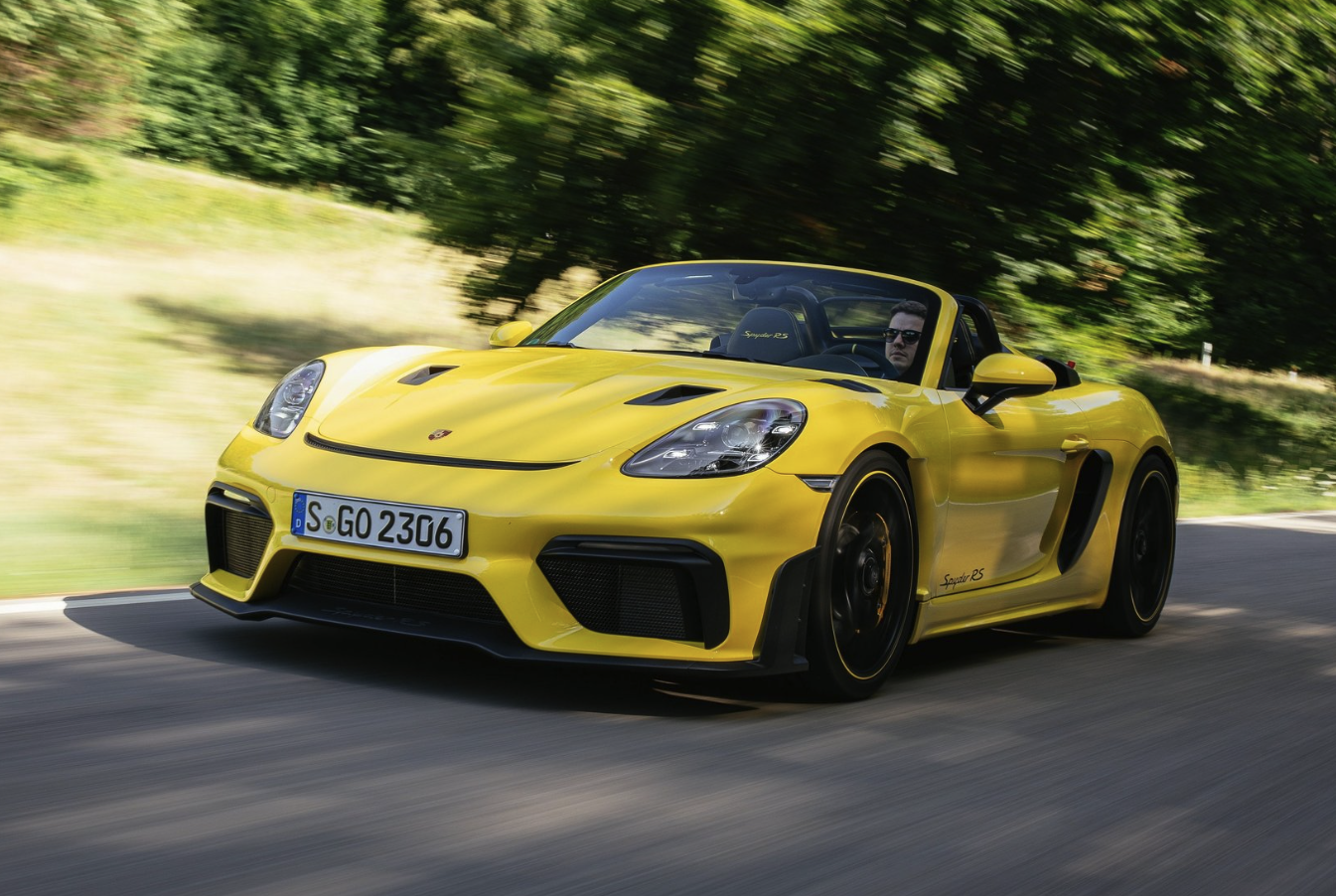
Porsche 718 Spyder RS (2024 - Present): One of the Greatest Porsches Ever!
The Ultimate Peak: A GT3 Engine with the Roof Cut Off
What Makes It Special
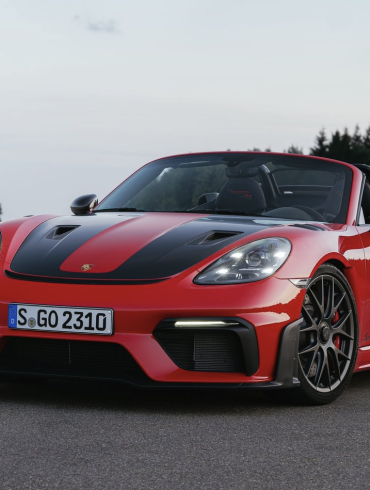
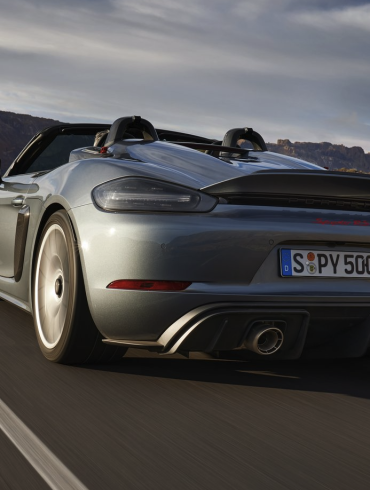
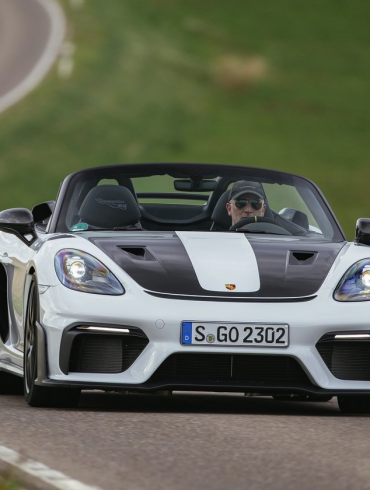
The 718 Spyder RS is the definitive "no compromises" Boxster. For the first time in history, Porsche allowed its mid-engine roadster to borrow the legendary 4.0-liter naturally aspirated engine from the 911 GT3. This isn't just a fast roadster; it is a mechanical symphony that revs to an eye-watering 9,000 RPM, featuring air intakes positioned right next to the driver's ears to intensify the induction roar.
Unlike previous Spyder models that focused on a balance of road and track, the RS is a pure track weapon. It features a significantly lightened chassis, the most aggressive aerodynamics ever seen on a Boxster, and the lightning-fast PDK transmission as the only gearbox option to ensure maximum performance. The roof is a rudimentary "sun sail" designed for emergency use, reinforcing the car's mission as an open-air sensory assault.
Driving the Spyder RS is a visceral experience that few modern cars can match. It represents the "final shout" of the internal combustion Boxster platform before the transition to electric, and it does so with enough power to outpace supercars twice its price.
Engine & Drivetrain Specifications
Engine: 4.0L Naturally Aspirated Flat-6 (GT3 Engine)
Power: 493 hp @ 8,400 RPM
Torque: 331 lb-ft @ 6,750 RPM
Transmission: 7-Speed PDK (Dual-Clutch)
Drive: Rear-Wheel Drive
Known For
The first and only Boxster to house the high-revving 911 GT3 engine.
Features a lightweight manual roof and a 9,000 RPM redline for an unparalleled aural experience.
Learn More
Porsche Boxster S (986, 2000 - 2004): The Complete Boxster
The Original Statement: Where It All Came Together
What Makes It Special
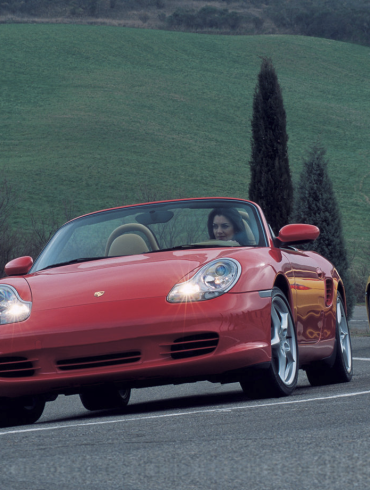
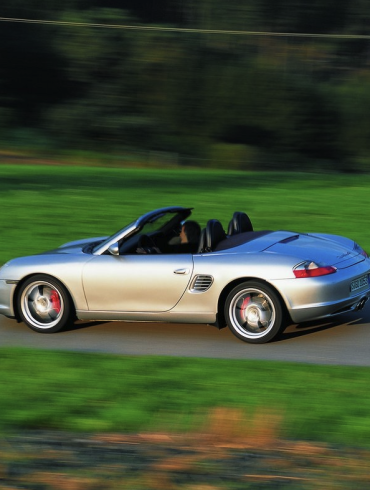
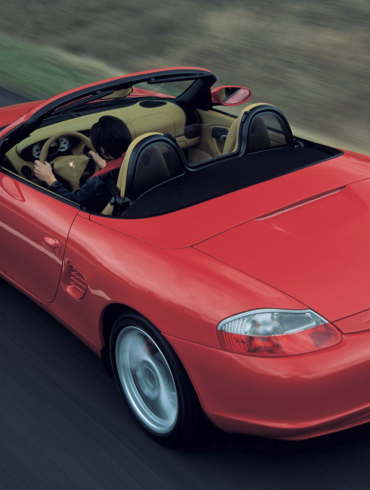
The Porsche Boxster S was the model that cemented the Boxster’s legitimacy as a true Porsche sports car. While the base Boxster introduced the concept, the S delivered the performance and refinement enthusiasts expected from the brand.
With increased displacement, stronger brakes, and sharper handling, the Boxster S offered a driving experience that rivaled contemporary 911s on twisty roads. Its lightweight construction and hydraulic steering delivered feedback modern cars struggle to replicate.
Today, the 986 Boxster S is appreciated for its analog feel and affordability. It represents one of the most accessible entry points into classic Porsche driving enjoyment.
Engine & Drivetrain Specifications
Engine: 3.2L naturally aspirated flat-six
Power: 250–258 hp @ ~6,200 rpm
Torque: 225 lb-ft @ 4,600 rpm
Transmission: 6-speed manual or 5-speed Tiptronic
Drive: Rear-wheel drive
Known For
Pure analog Porsche driving experience
Outstanding value for enthusiasts
Learn More
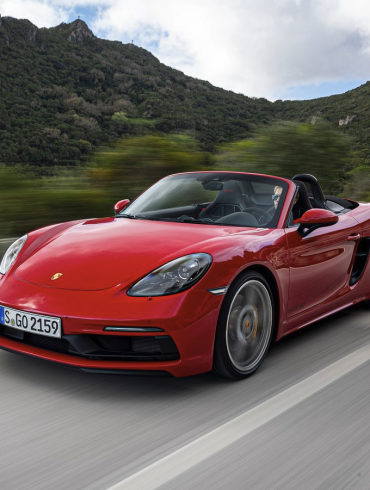
Porsche 718 Boxster GTS 4.0: The Modern Soul Still Alive
The Return of the Flat-Six. Porsche listened to us.
What Makes It Special
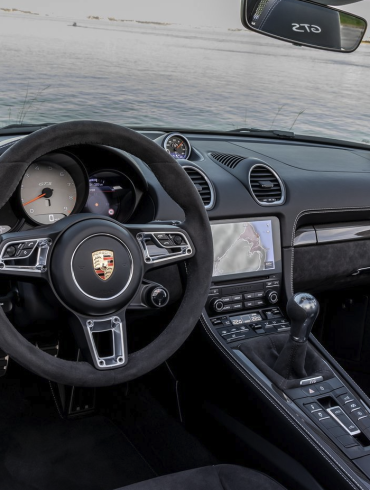
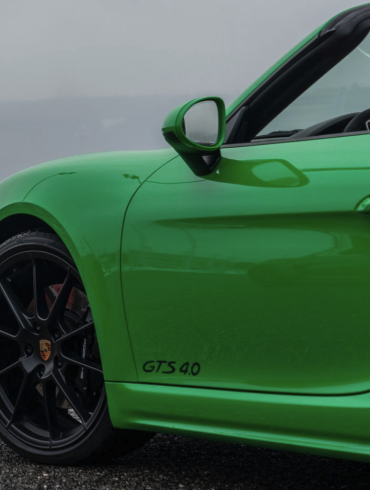
After the initial 718 Boxster launch used turbocharged four-cylinder engines (which were fast but lacked character), Porsche listened to its fans and created the GTS 4.0. This model saw the return of a large, naturally aspirated 4.0-liter flat-six to the regular production line. It is designed to be the ultimate daily-driver Porsche: fast, comfortable, and soul-stirringly vocal.
The GTS 4.0 is often called the "goldilocks" car. It comes standard with almost every performance option Porsche offers, including a 20mm lowered sport suspension, Porsche Torque Vectoring (PTV), and the Sport Chrono package. It delivers a smooth, linear power delivery that builds to a crescendo, rewarding the driver for revving it out to its 7,800 RPM redline.
Unlike the specialized Spyder models, the GTS 4.0 retains a fully electric, insulated folding roof and a high-end interior. It is the car for the enthusiast who wants the "Spyder engine" experience without the hassle of a manual roof or a bone-shaking ride.
Engine & Drivetrain Specifications
Engine: 4.0L Naturally Aspirated Flat-6
Power: 394 hp @ 7,000 RPM
Torque: 309 lb-ft @ 5,000 – 6,500 RPM
Transmission: 6-Speed Manual / 7-Speed PDK
Drive: Rear-Wheel Drive
Known For
Significant for returning the high-displacement, naturally aspirated flat-six to the 718 lineup.
Praised as the best "all-rounder" that balances daily luxury with a purist drivetrain.
Learn More
Porsche 718 Spyder (with Manual Gearbox): The Precision Athlete
The Purest Chassis of the Modern Era
What Makes It Special
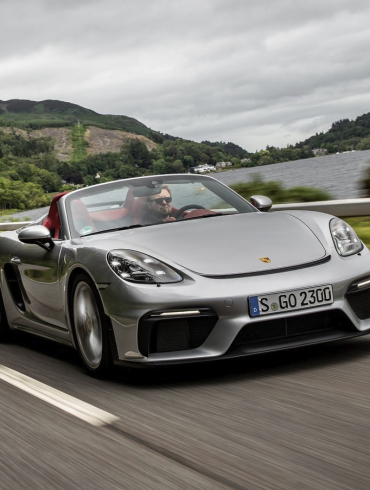
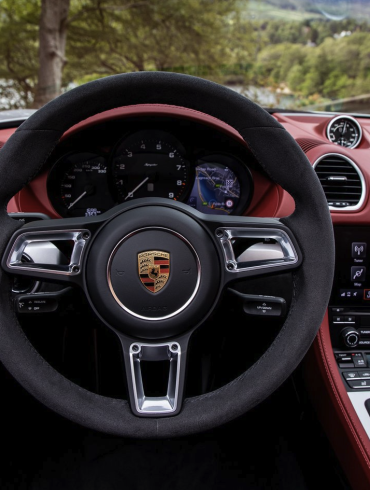
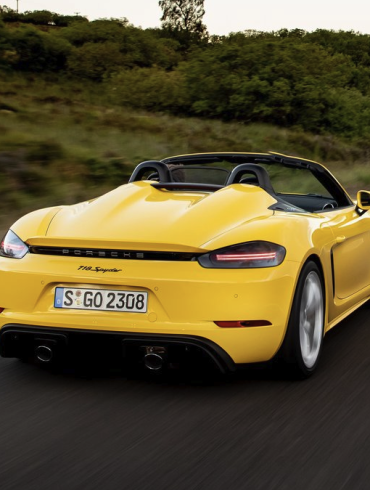
The 718 Spyder (released in 2019) was a landmark car because it was the first Boxster developed by the Porsche Motorsport department—the same people who build the GT3. Unlike previous Spyders that were tuned-up Boxster S models, the 718 Spyder received a bespoke GT-style chassis with adjustable suspension components and a full aero-kit that generated actual downforce.
It features a 4.0-liter engine that, while not the GT3 unit found in the RS, was a specially developed naturally aspirated powerplant that provided a massive 414 horsepower. It was designed to be driven on the limit, offering a level of stability and front-end grip that felt closer to a racing car than a road-going convertible.
Because it was available with a manual transmission and didn't have the extreme noise levels of the RS, many purists view the "standard" 718 Spyder as the better road car. It is a precision instrument that rewards a skilled driver.
Engine & Drivetrain Specifications
Engine: 4.0L Naturally Aspirated Flat-6
Power: 414 hp @ 7,600 RPM
Torque: 310 lb-ft @ 5,000 – 6,800 RPM
Transmission: 6-Speed Manual / 7-Speed PDK
Drive: Rear-Wheel Drive
Known For
The first Boxster to feature a chassis developed by the Porsche Motorsport department.
Renowned for its immense mechanical grip and high-speed stability compared to previous generations.
Learn More
Porsche Boxster 25 Years (718 Edition): The Anniversary Icon
A Modern Tribute to the 1993 Concept
What Makes It Special
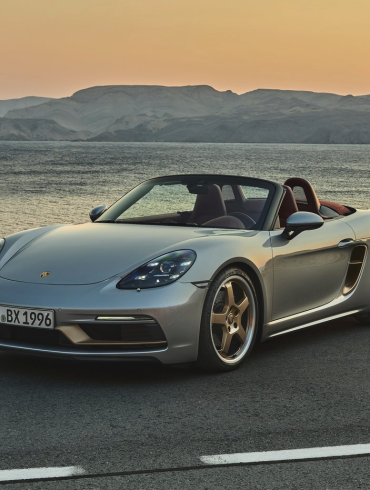
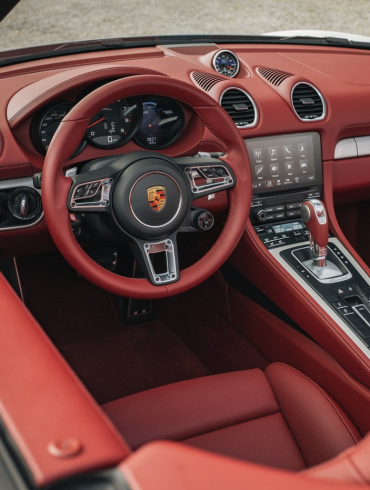
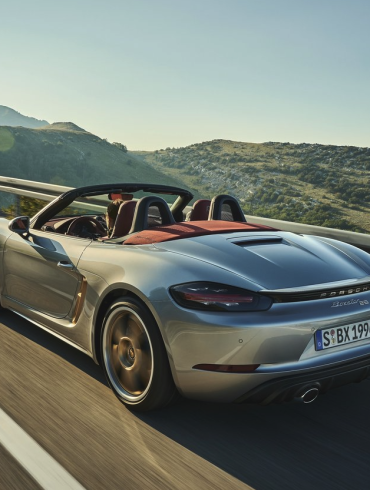
To celebrate a quarter-century of the Boxster, Porsche released this limited edition of 1,250 units in 2021. Based on the mechanicals of the GTS 4.0, this model is a visual homage to the original 1993 Detroit Auto Show concept car. It features stunning "Neodyme" (copper-colored) accents on the air intakes and wheels, contrasted against a GT Silver Metallic body.
Inside, the car is draped in Bordeaux Red leather with a matching fabric top, echoing the color scheme of the concept that first stole the world's attention. While it doesn't offer more power than a standard GTS 4.0, its rarity and historical significance make it a highly sought-after variant for collectors who want a piece of Porsche history.
This car represents the journey of the Boxster from a "cheap Porsche" to a world-class luxury icon. It carries the "25" badge with pride, serving as a celebration of the car that ensured Porsche’s survival into the 21st century.
Engine & Drivetrain Specifications
Engine: 4.0L Naturally Aspirated Flat-6
Power: 394 hp @ 7,000 RPM
Torque: 309 lb-ft @ 5,000 – 6,500 RPM
Transmission: 6-Speed Manual / 7-Speed PDK
Drive: Rear-Wheel Drive
Known For
A limited-edition collector's model featuring Neodyme copper accents and a 1993 concept-inspired color scheme.
Mechanically identical to the GTS 4.0, offering peak performance in a historically significant package.
Learn More
The Best Porsche Boxster Model Years
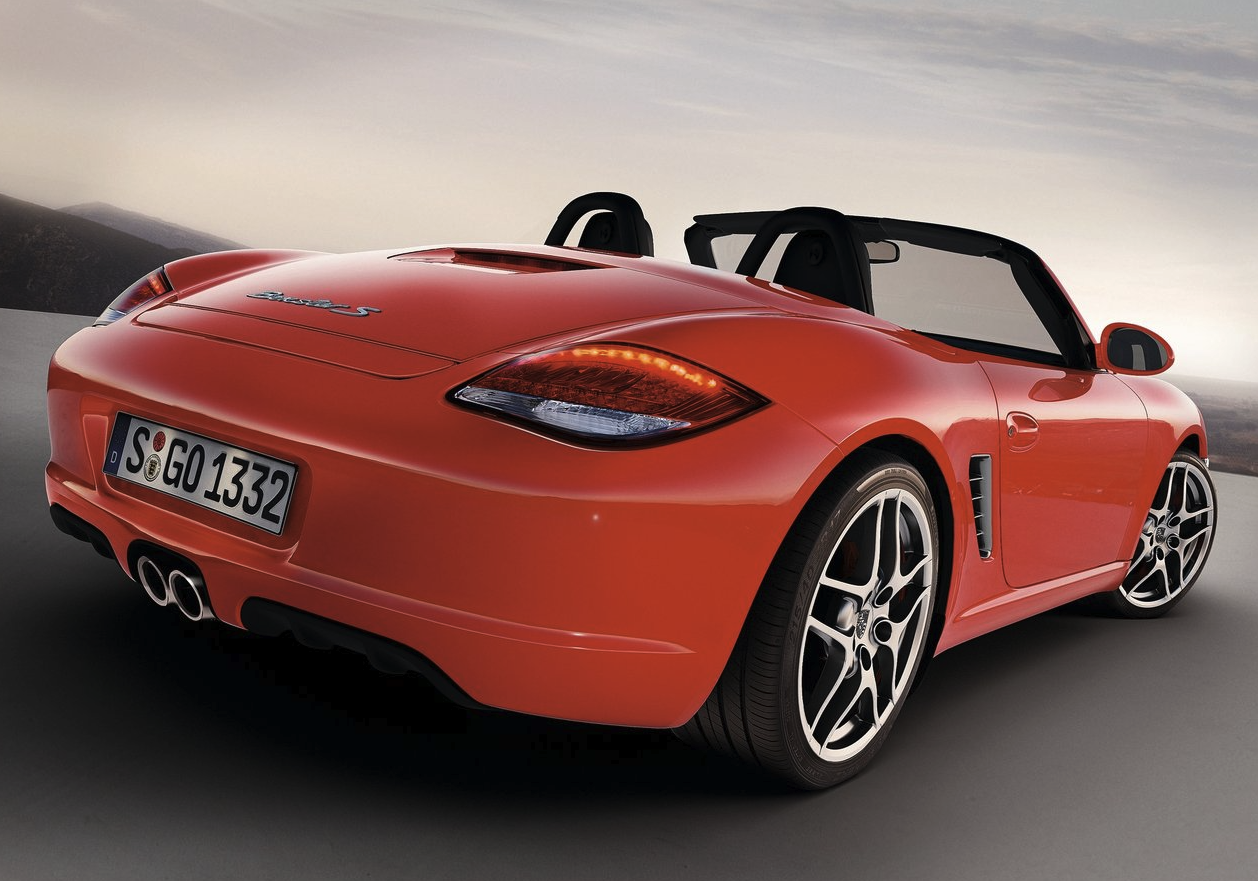
Ultimately, the best years of the Boxster are defined by Porsche’s willingness to let the model outgrow its "entry-level" shadow. Choosing the right one is less about avoiding "bad" years and more about selecting the specific era of Porsche soul that speaks to you.
2013–2016 (981 Generation)
The Definitive Boxster Era
What Makes It Special
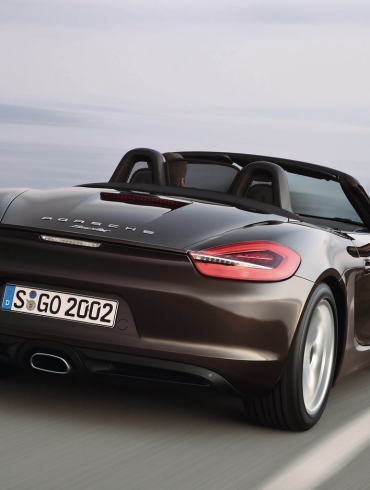
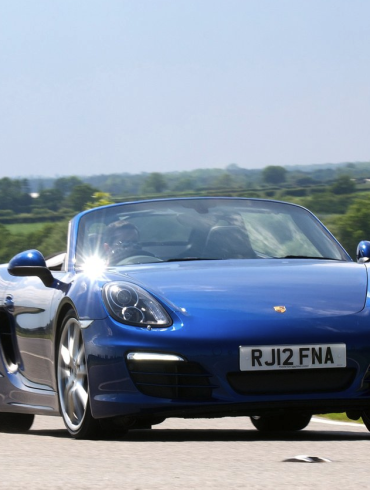
The 981 generation is almost universally regarded as the best Boxster Porsche ever built, and for good reason. These years represent a perfect convergence of old-school Porsche character and modern engineering maturity. Every 981 Boxster is powered by a naturally aspirated flat-six—engines known for their throttle response, linear power delivery, and unmistakable sound. Unlike later turbocharged four-cylinder cars, the 981 engines reward revs and driver input rather than relying on boost.
Equally important is steering feel. The 981 was the last Boxster to use hydraulic steering, which provides real feedback from the front tires and road surface. This gives the car an organic, communicative feel that many enthusiasts consider essential to a true Porsche driving experience. Combined with the mid-engine layout and relatively low curb weight, the 981 delivers balance and confidence that remains a benchmark even today.
From an ownership perspective, these years also benefit from improved interior quality, modern safety features, and strong reliability compared to earlier generations. They feel special without feeling dated, making them ideal both as weekend toys and daily drivers. For most buyers, any 981 Boxster from 2013–2016 is a “can’t miss” choice.
Variants Available (2013–2016)
Boxster (2.7L flat-six)
Boxster S (3.4L flat-six)
Boxster GTS (2015–2016)
Boxster Spyder (2016)
Known For
Last all–naturally aspirated Boxster generation
Best balance of steering feel, sound, and modern usability
2015–2016 (981 GTS & Spyder)
Peak Enthusiast Years
What Makes It Special
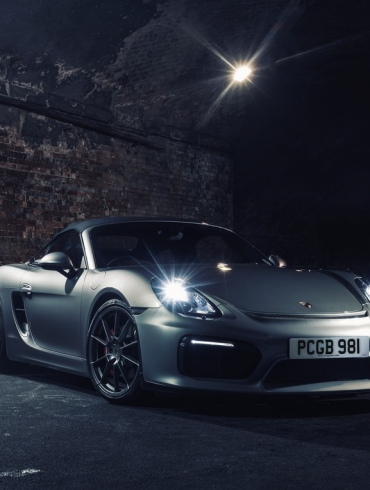
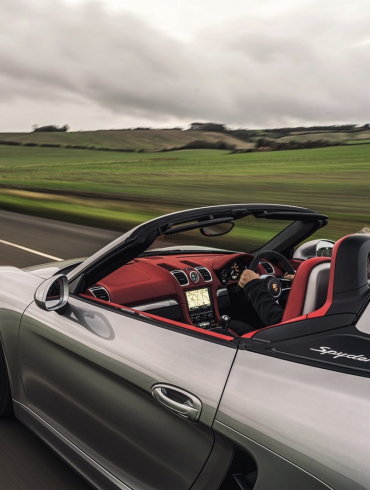
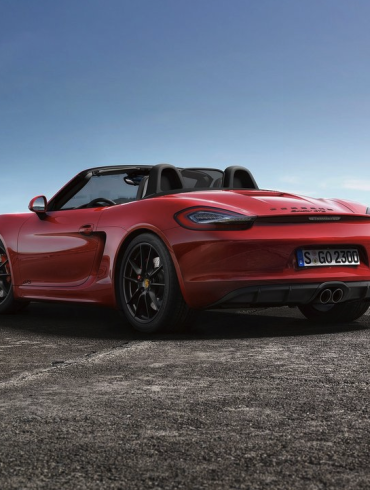
Within the 981 run, 2015 and 2016 stand apart as the most enthusiast-focused years. Porsche leaned fully into driver engagement, offering sharper factory tuning, higher-output engines, and special variants that required few compromises. These years represent the Boxster at its most intentional.
The Boxster GTS offered the ideal “one-car solution,” blending everyday comfort with heightened performance and character. The Boxster Spyder, meanwhile, adopted a lightweight, manual-only philosophy and a Carrera-derived 3.8-liter engine—instantly elevating it to modern-classic status.
From a market perspective, these years command the strongest demand. Low-mileage examples, particularly Spyders and well-optioned GTS models, have already shown strong value retention and collector interest.
Variants Available (2015–2016)
Boxster
Boxster S
Boxster GTS
Boxster Spyder (2016 only)
Known For
Highest enthusiast and collector desirability
Home to the most iconic Boxster variants ever built
2007–2008 (987.1 Boxster & Boxster S)
Refined but Still Analog
What Makes It Special
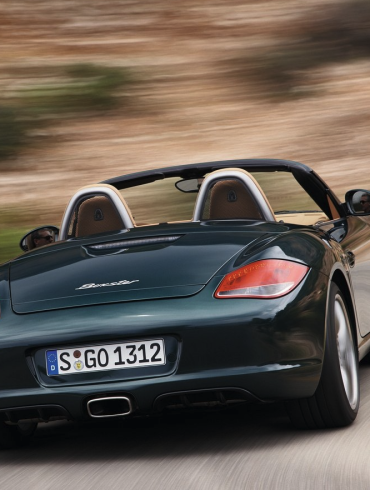
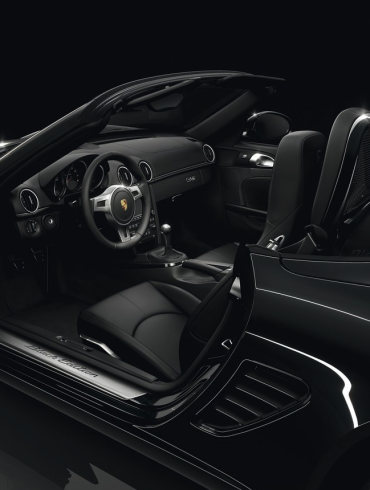
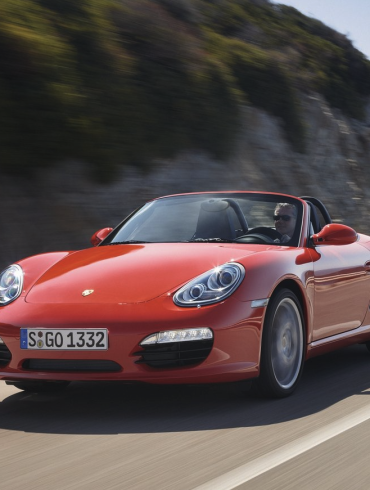
The 987.1 Boxsters represent a meaningful evolution of the original concept. These years retained naturally aspirated flat-six engines and hydraulic steering but improved build quality, chassis refinement, and interior materials. The result is a car that feels more solid and mature without losing its analog soul.
These Boxsters are often overlooked, but they deliver an excellent balance of engagement and refinement. For buyers who want a traditional Porsche driving feel without the rough edges of earlier cars, the 987.1 years are a compelling choice.
They also benefit from strong reliability when properly serviced, making them appealing long-term ownership cars.
Variants Available (2007–2008)
Boxster
Boxster S
Known For
Best blend of analog feel and refinement pre-981
Underrated enthusiast choice with strong reliability
The Best Porsche Boxster to Buy
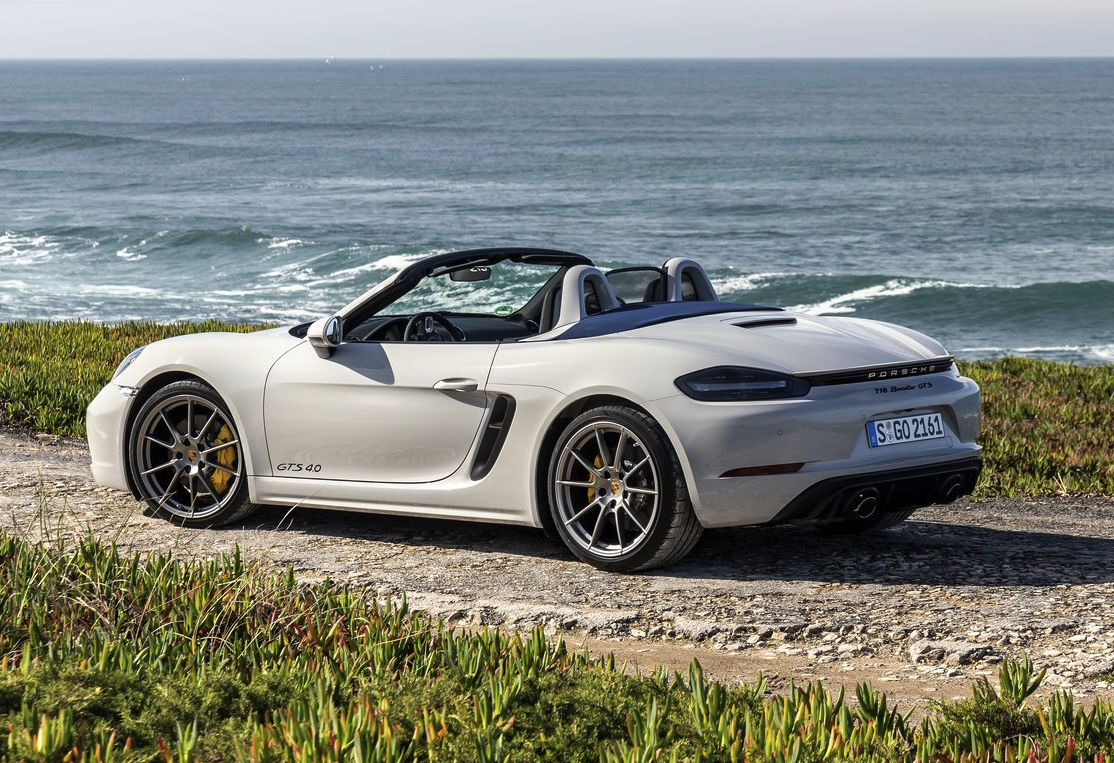
This is the no-excuses, no-hedging answer for buyers who want the smartest Boxster purchase. These picks prioritize pure driving enjoyment and long-term desirability above all else. These are the cars that are a landmark that marks the peak of mid-engine internal combustion engineering.
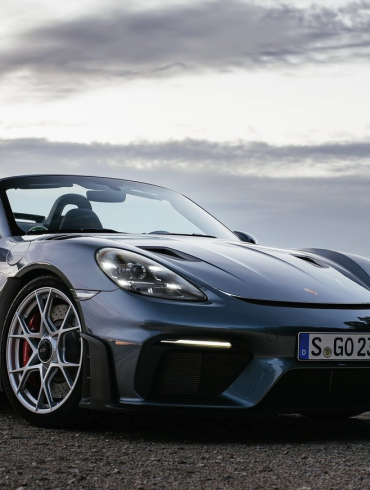
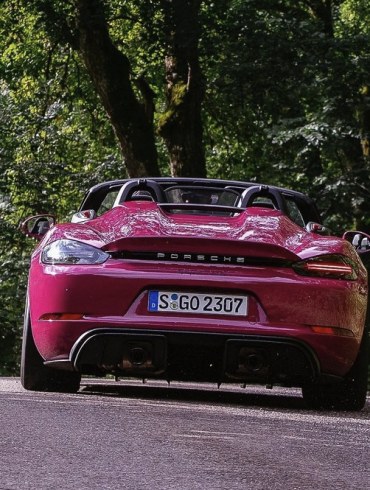
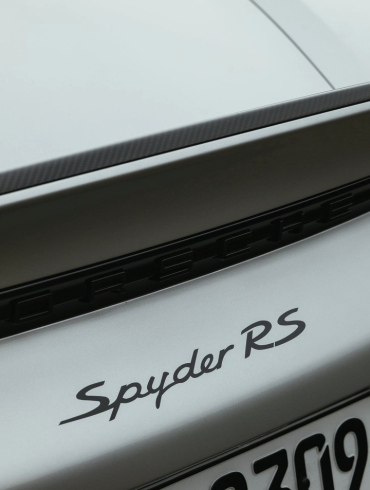
Porsche 718 Spyder RS: The Collector’s Grail
A 9,000 RPM Masterpiece: The Final Evolution
What Makes It Special
The Porsche 718 Spyder RS is widely considered the best Boxster ever made because it represents the "forbidden fruit" fans have craved for decades: a mid-engine roadster with the heart of a 911 GT3. For years, Porsche carefully guarded the hierarchy between the Boxster and the 911, never allowing the smaller car to outshine the flagship. The Spyder RS breaks that rule entirely, serving as the ultimate "final shout" for the internal combustion Boxster platform before it transitions to an all-electric future.
At the center of this car's greatness is the 4.0-liter naturally aspirated flat-six. Unlike the standard 718 Spyder, which used a modified Carrera engine, the RS uses the high-revving racing unit found in the GT3 and GT4 RS. To make the experience even more visceral, Porsche moved the air intakes to shoulder height, right behind the driver’s head. This creates an induction roar so intense and mechanical that it transforms every drive into a sensory assault that no other open-top car can replicate.
Weight savings and chassis precision are the other pillars of its "best ever" status. The Spyder RS is lighter than the standard Spyder, thanks to a simplified manual "sun sail" roof and extensive use of Carbon Fiber Reinforced Plastic (CFRP). It features a shortened gearing ratio for the 7-speed PDK, making its acceleration feel violent and immediate. While the suspension is slightly softer than its sibling, the GT4 RS, it is tuned specifically for the world's most challenging backroads, offering a level of poise and feedback that is unmatched in the roadster segment.
Engine & Drivetrain Specifications
Engine: 4.0L Naturally Aspirated Flat-6 (GT3 Engine)
Power: 493 hp @ 8,400 RPM
Torque: 331 lb-ft @ 6,750 RPM
Transmission: 7-Speed PDK (Dual-Clutch)
Drive: Rear-Wheel Drive
Known For
This is one of the greatest sports cars ever made. Period.
It is the most extreme, a car that demands your attention, rewards your skill, and provides a direct, uncurated connection to the mechanical soul of Porsche.
Learn More
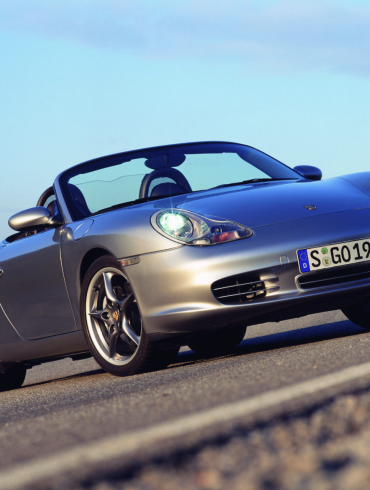
Porsche Boxster S 550 Spyder Edition (986): The Original Collectible
A Silver Farewell to the First Generation
What Makes It Special
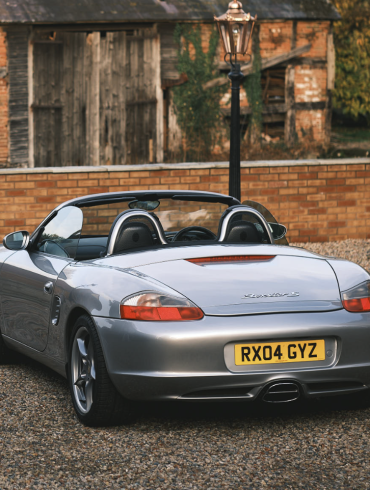
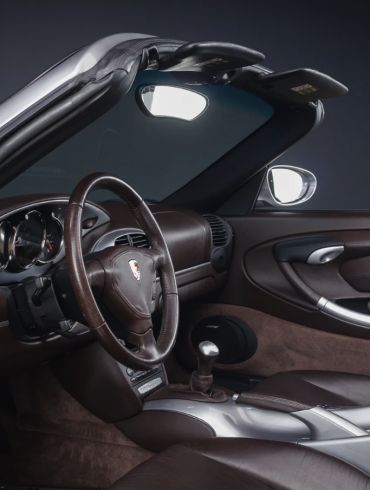
The 986-generation Boxster S "50 Years of the 550 Spyder" was the ultimate version of the car that started it all. Released in 2004, it was limited to 1,953 units (marking the year the original 550 Spyder debuted). It featured a unique "Cocoa" brown leather interior and a slightly tuned 3.2-liter engine that made it the most powerful 986 ever sold to the public.
This variant was more than just a paint job. It included a shorter gear lever, 18-inch Carrera wheels, and a 5mm wheel spacer kit from the factory to give it a wider, more aggressive stance. The suspension was lowered and stiffened using the M030 "Sport" package, transforming the 986 into a significantly more capable corner-carver.
As the first generation of the Boxster enters the "classic" phase, the 550 Spyder edition remains the gold standard for collectors. It captures the charm of the original design but fixes many of the early production issues, offering a reliable and engaging driving experience.
Engine & Drivetrain Specifications
Engine: 3.2L Naturally Aspirated Flat-6
Power: 266 hp @ 6,200 RPM
Torque: 229 lb-ft @ 4,600 RPM
Transmission: 6-Speed Manual
Drive: Rear-Wheel Drive
Known For
The rarest and most powerful variant of the first-generation (986) Boxster.
Notable for its unique GT Silver and Cocoa Brown color scheme and upgraded M030 sport suspension.
Learn More
Porsche Boxster Spyder (987.2 Generation): The Purist’s Benchmark
Agility Through Lightweight Simplicity. The Modern Classic. Lightweight, Manual, and Unfiltered
What Makes It Special
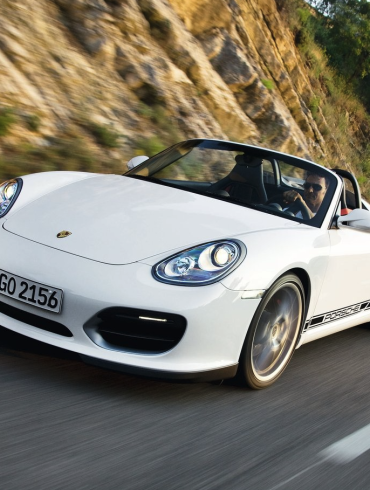
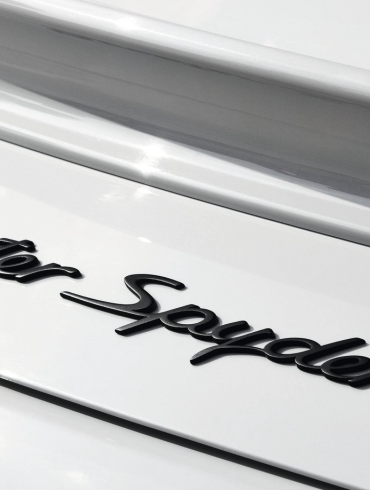
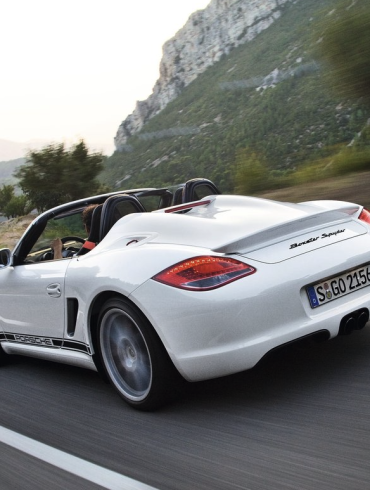
The 987.2 Spyder was the car that reinvented the Boxster’s reputation. Before its arrival in 2011, the Boxster was often viewed as a "lifestyle" car; the Spyder proved it was a serious driver’s tool. By stripping out the heavy electric roof mechanism, air conditioning, and radio, Porsche managed to shed nearly 180 lbs, making this the lightest Porsche available at the time.
The 987.2 platform is beloved for its hydraulic steering, which provides a level of "granular" feedback through the wheel that modern electric systems cannot replicate. With its lowered suspension and firmer dampening, the Spyder felt telepathic in corners. It wasn't about the fastest 0–60 time; it was about the purity of the connection between the driver and the road.
Its "tent-like" manual roof was famously difficult to operate, but owners didn't care. It was a compromise they were willing to make for a car that felt like a go-kart on the backroads. Today, it is a blue-chip collectible because it represents the end of the hydraulic-steering era for Porsche roadsters.
Engine & Drivetrain Specifications
Engine: 3.4L Naturally Aspirated Flat-6
Power: 320 hp @ 7,200 RPM
Torque: 273 lb-ft @ 4,750 RPM
Transmission: 6-Speed Manual / 7-Speed PDK
Drive: Rear-Wheel Drive
Known For
Celebrated for its ultra-lightweight construction and tactile hydraulic steering feel.
The first modern "Spyder" variant that shifted the Boxster into the purist collector category.
Learn More
Porsche Boxster GTS (981, 2015–2016): Mid-Engined Sports Car Perfection
The Sweet Spot: Sound, Style, and Balance. The High-Water Mark for the 3.4L Engine.
What Makes It Special
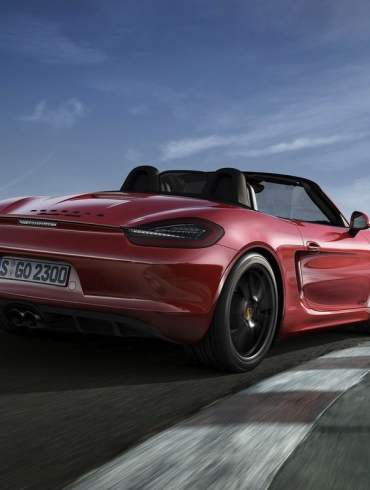
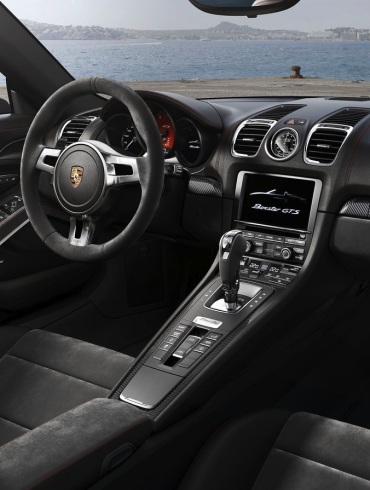
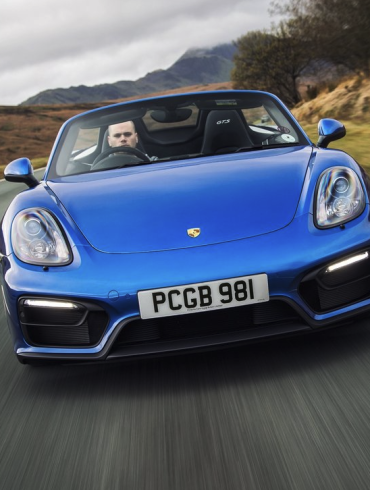
Before the GTS 4.0 existed, the 981 GTS was the pinnacle of the regular Boxster line. It utilized the 3.4-liter flat-six from the Boxster S but tweaked the software to provide more power and an incredibly aggressive exhaust note. This car is famous for its "pops and bangs" on overrun, making it one of the most entertaining Porsches to drive through a tunnel.
The 981 GTS came standard with the SportDesign front apron and blacked-out Bi-Xenon headlights, giving it a much meaner look than the base models. It also included the Porsche Active Suspension Management (PASM) and Sport Chrono as standard, ensuring it had the handling to back up its aggressive looks.
Many enthusiasts prefer the 981 GTS over newer models because of its engine's high-pitched, metallic "wail" as it nears the redline. It represents the ultimate evolution of the 3.4L engine that powered the Boxster for over a decade.
Engine & Drivetrain Specifications
Engine: 3.4L Naturally Aspirated Flat-6
Power: 330 hp @ 6,700 RPM
Torque: 273 lb-ft @ 4,500 – 5,800 RPM
Transmission: 6-Speed Manual / 7-Speed PDK
Drive: Rear-Wheel Drive
Known For
Famous for having one of the best factory exhaust notes in Porsche history.
The most aggressive and well-optioned variant of the standard 981-generation body.
Learn More
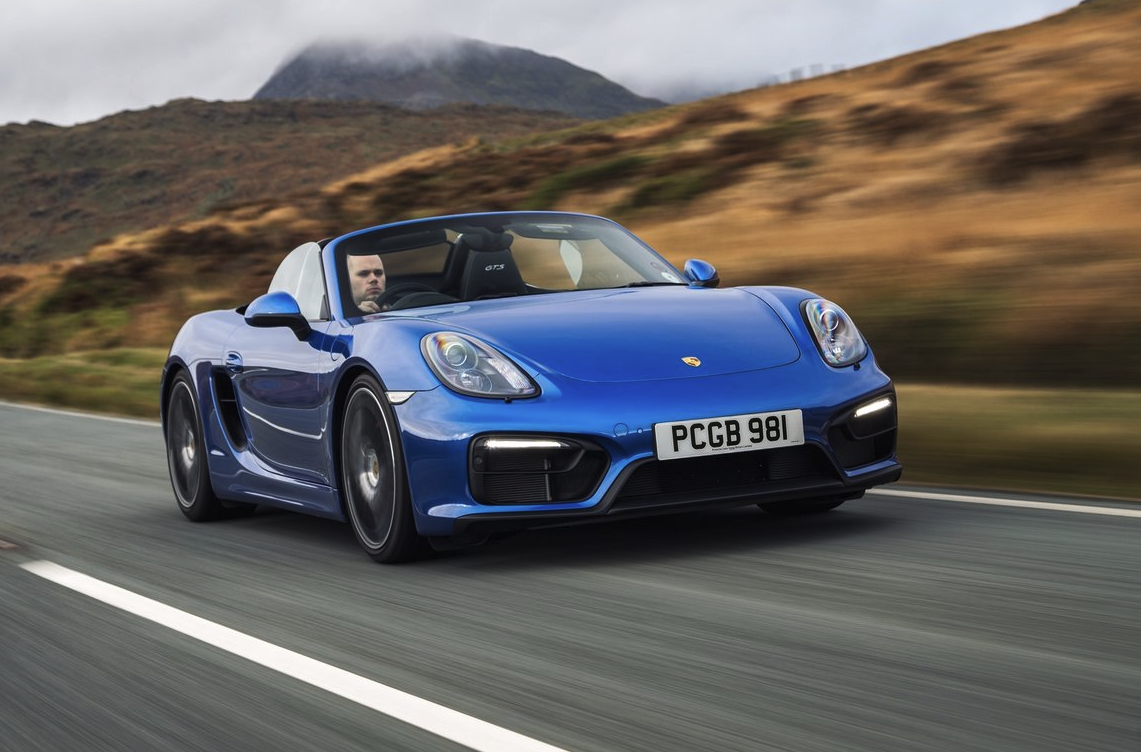
BONUS: The Best Porsche Boxster Generation
The 981 generation sits at a perfect crossroads in Porsche history. It offers the sound, response, and steering purity enthusiasts crave, wrapped in a chassis and interior refined enough for modern expectations. It isn’t just the best Boxster—it’s one of the best sports cars ever built.
The 981 Generation Porsche Boxster
The moment when everything finally came together for the Boxster
What Makes It Special
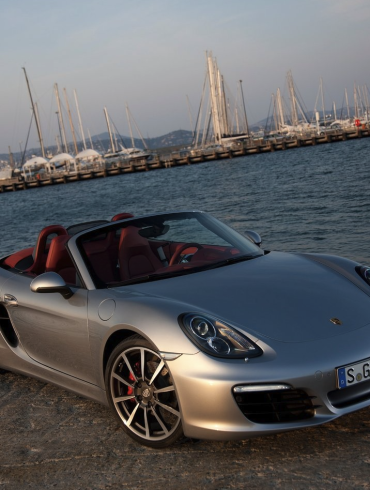
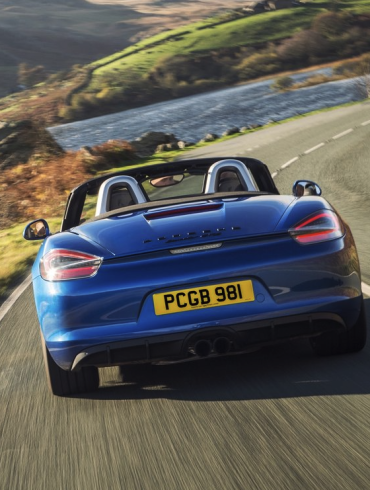
The Porsche Boxster 981 represents the moment when everything finally came together for the Boxster. Built from 2012 to 2016, the 981 generation perfectly balanced classic Porsche character with modern engineering, delivering a driving experience that many enthusiasts consider the high-water mark of the nameplate. It was the last Boxster generation to rely exclusively on naturally aspirated flat-six engines, and it arrived just before rising weight, turbocharging, and digital layers began to soften the experience in later cars.
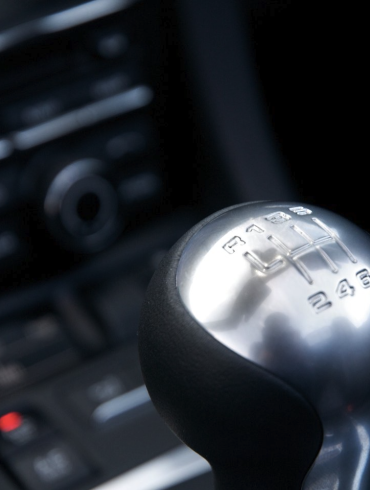
At the heart of the 981’s appeal is its powertrain. The 2.7-liter and 3.4-liter naturally aspirated flat-six engines are responsive, free-revving, and emotionally engaging in a way that turbocharged successors simply cannot replicate. Throttle response is immediate, the power delivery is linear, and the sound—especially above 5,000 rpm—is unmistakably Porsche. Combined with a six-speed manual or lightning-quick PDK, the 981 delivers performance that feels earned rather than assisted.
Chassis balance is where the 981 truly separates itself. Porsche’s mid-engine layout shines here, offering near-perfect weight distribution and steering precision that remains a benchmark even today. Hydraulic steering provides genuine road feedback, allowing the driver to feel grip levels and surface changes with clarity. Whether on a twisty back road or a track day, the 981 Boxster feels agile, predictable, and deeply confidence-inspiring—qualities that define great sports cars regardless of era.
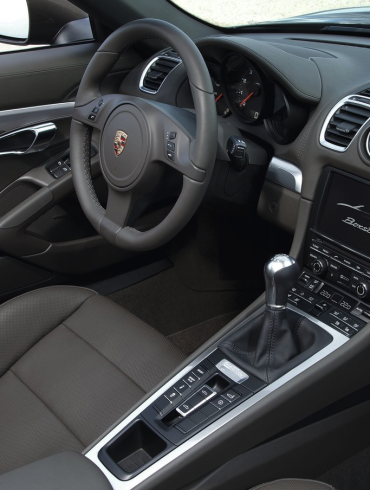
Equally important is the 981’s sweet spot between analog feel and modern usability. The interior is a significant step up from earlier Boxsters, with better materials, improved ergonomics, and modern safety features, yet it avoids the screen-heavy, software-driven experience of newer models. It feels mechanical and driver-focused without being old-fashioned, making it just as enjoyable to drive daily as it is to push hard on weekends.
Engine & Drivetrain Specifications
Engine: Naturally aspirated flat-six (2.7L or 3.4L, variant dependent)
Power: 2.7L: ~265 hp, 3.4L (Boxster S / GTS): 315–330 hp
Torque: 2.7L: ~206 lb-ft, 3.4L: ~266–273 lb-ft
Transmission: 6-speed manual or 7-speed PDK dual-clutch automatic
Drive: Rear-wheel drive
Known For
The last generation to feature exclusively naturally aspirated flat-six engines
Stands out for its near-perfect mid-engine balance and hydraulic steering feel, making it one of the most engaging modern Porsches to drive.