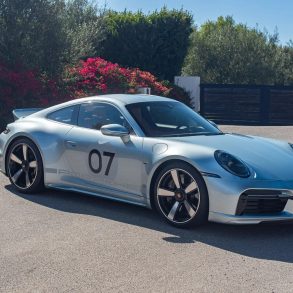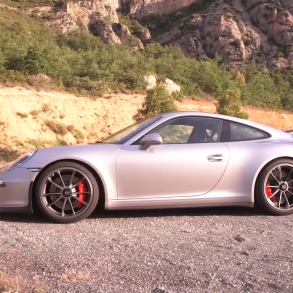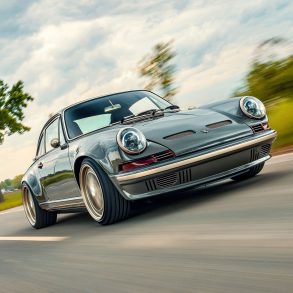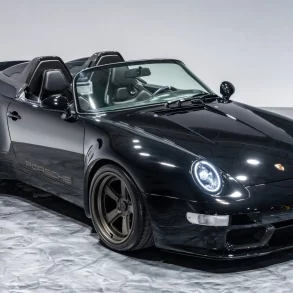


Current Porsche 911 GT3 (992.2) – Reviews, Pricing, Specs & Buyers Guide
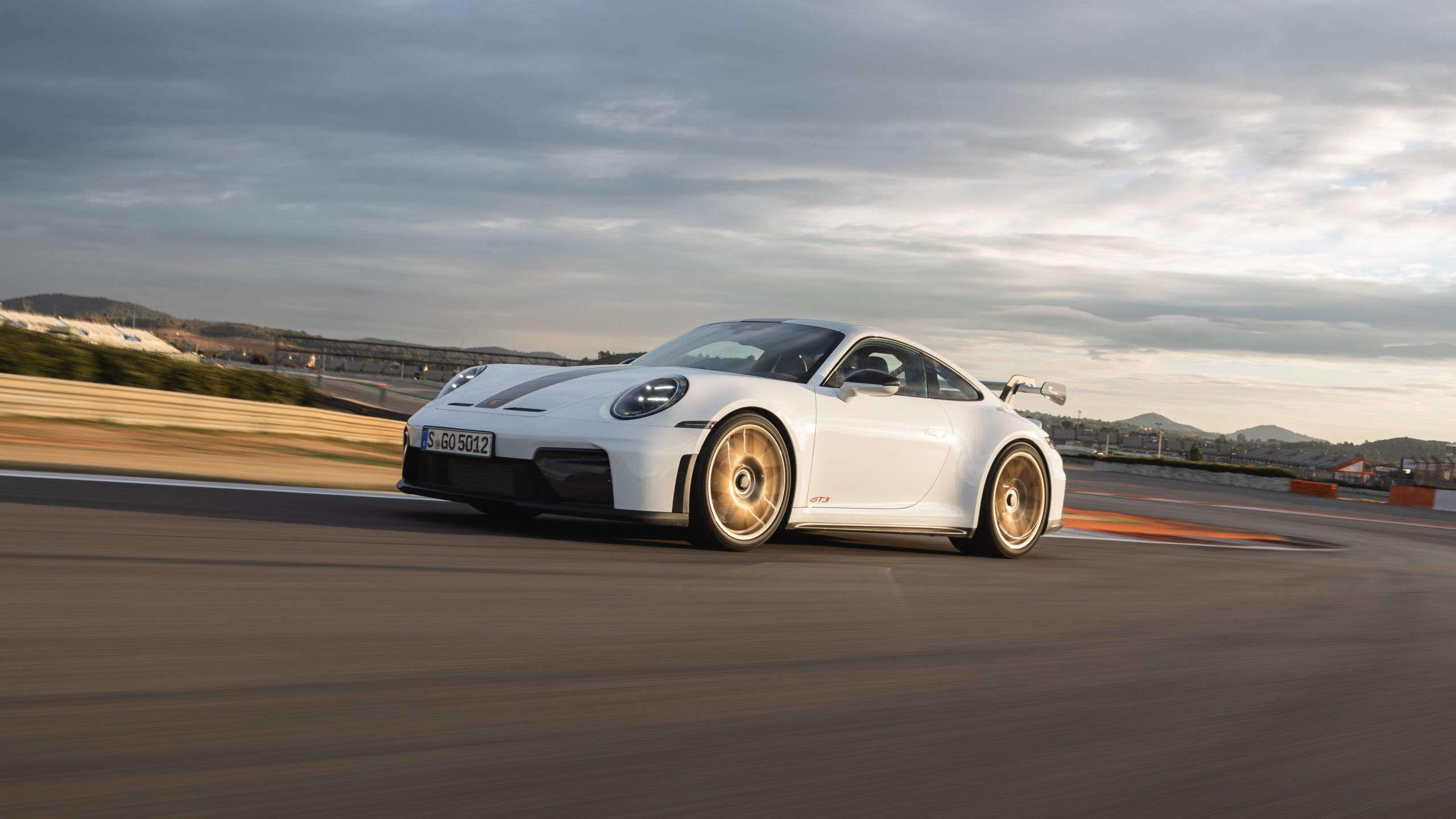
The Porsche 911 GT3 (992.2) is one of those rare “don’t screw it up” updates. The outgoing 992.1 GT3 was already a benchmark: 4.0-liter naturally aspirated flat-six, 9,000 rpm redline, Nürburgring lap times that embarrassed supercars. For the facelifted 992.2, Porsche chose evolution, not revolution: the GT3 stays naturally aspirated, keeps the 6-speed manual alive, and refines everything around the core formula—aero, suspension, gearing, and customization—to celebrate 25 years of GT3.
Porsche revealed the 2025 911 GT3 (992.2) and GT3 with Touring package in October 2024, explicitly tying the launch to the 25th anniversary of the modern GT3 line.
Key strategic decisions:
- No hybridization. Despite the 992.2 Carrera GTS adopting T-Hybrid tech, Porsche kept the GT3 purely ICE, citing emotional engagement and weight as priorities.
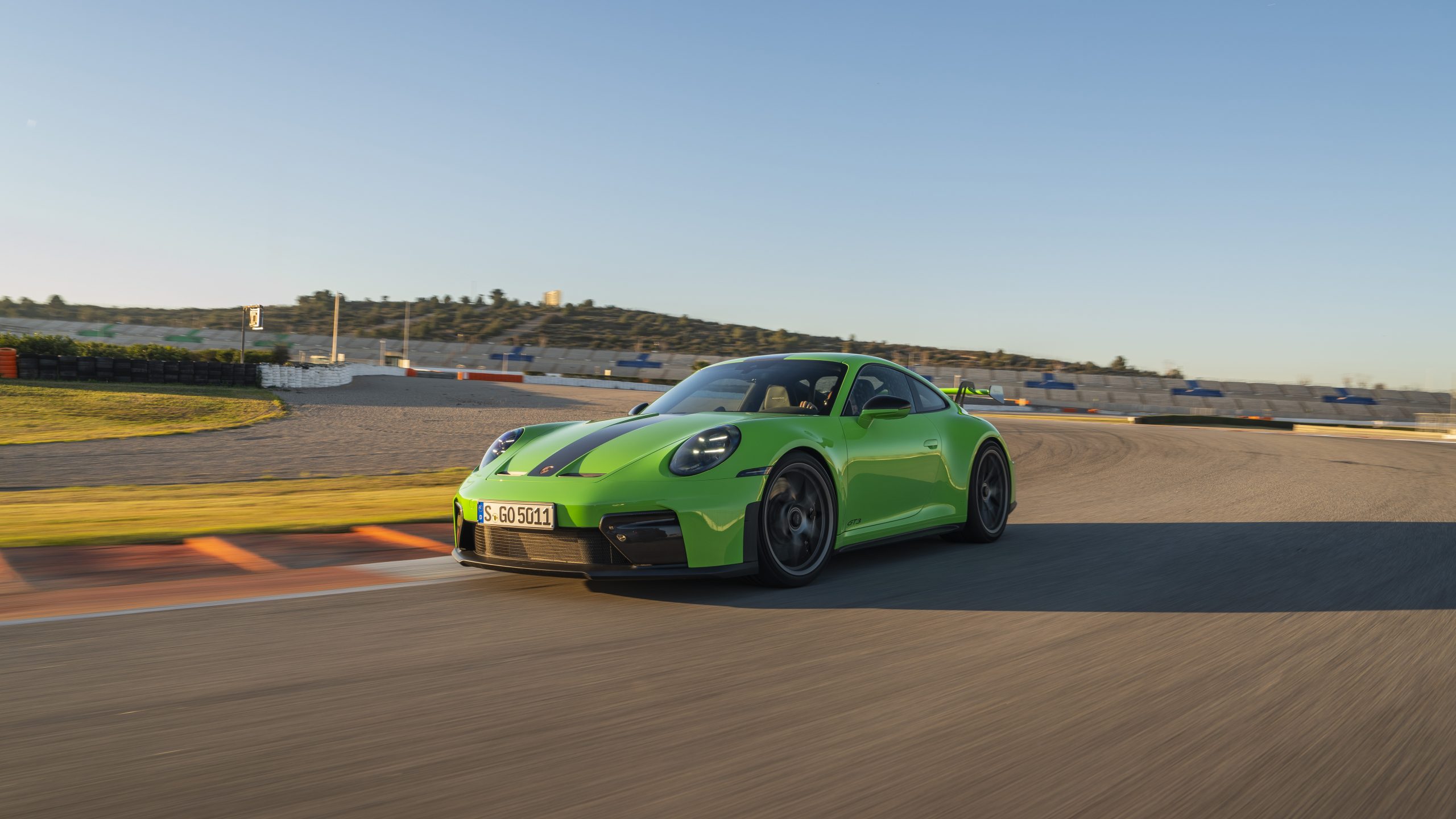
- Two body styles from day one. The winged GT3 and the stealthier GT3 Touring (no fixed rear wing) launch together, both with the same drivetrain and performance focus.
- Broader configuration freedom. For the first time, the GT3 offers both a Weissach Package and a Lightweight package, and in some markets you can spec manual or PDK, winged or Touring, and even choose rear seats or not.
In the 992.2 hierarchy, the GT3 continues to sit above the Carrera/GTS family and below the extreme GT3 RS and future GT2 cars, as the track-focused yet still road-usable 911.
Engine & Powertrain
Porsche stuck with the magic recipe: a high-revving, naturally aspirated 4.0-liter flat-six with serious motorsport DNA.
Core Specs
From Porsche’s official GT3 announcement and configurator:
- Engine: 4.0-liter naturally aspirated flat-six
- Power: 502 hp (375 kW) @ ~8,400 rpm
- Torque: 331 lb-ft (450 Nm)
- Redline: 9,000 rpm
- Induction: Individual throttle bodies, dry-sump lubrication
- Drivetrain: Rear-wheel drive, rear-engine
Compared with the 992.1 GT3, power and torque are essentially unchanged on paper, but the engine hardware is updated to meet stricter emissions while sharpening response:
- New “hotter” camshafts derived from the GT3 RS
- Revised throttle bodies and cylinder heads
- Additional exhaust after-treatment: two gasoline particulate filters and four catalytic converters
- New oil cooling layout and engine management strategies
Reviewers note that despite the extra emissions hardware, the motor feels at least as eager as before, with a healthier mid-range and that familiar, crescendoing pull to 9,000 rpm.
Transmissions
The GT3 keeps its beloved gearbox choices:
- 6-speed manual: Now with a shorter final drive (around 8% shorter), addressing long-gearing complaints in earlier GT cars.
- 7-speed PDK dual-clutch: Quicker on track, same 9,000-rpm glory, with revised shift logic for the facelift.
Both are rear-drive only. No AWD GT3—Porsche keeps that for Turbo and T-Hybrid GTS cars.
Chassis, Aero & Handling
The genius of the GT3 has always been as much about chassis and aero as it is about the engine. The 992.2 pushes further in both areas.
Suspension & Brakes
The 992-generation GT3 already introduced a double-wishbone front suspension derived from the 911 RSR and GT3 Cup car; the 992.2 refines it further:
- Front control arms now feature aero-profiled links (previously a GT3 RS trick), generating extra front downforce and cooling air for the brakes.
- Rear suspension tuning has been revised for better traction and stability out of slower corners.
- Porsche Active Suspension Management (PASM) remains standard, with track-focused calibration.
- Steel brakes are standard; PCCB (Porsche Ceramic Composite Brakes) remain optional.
Aerodynamics
Porsche’s own “new 2025 GT3” story puts big emphasis on aero:
- Redesigned front splitter and underbody diffuser boost front downforce.
- New rear wing endplates and refined swan-neck wing shape improve stability and efficiency.
- Ventilation and flow around the front wheels and radiators are tidied up thanks to the revised front bumper and 992.2 headlight design.
The front aero bars—those little wing-shaped elements in the suspension—were previously unique to the GT3 RS and now appear on the GT3, underscoring how far down RS tech has trickled. Porsche hasn’t publicly quoted a new Nürburgring time at the time of writing, but internal descriptions talk about significant aero balance gains and more stability on fast circuits.
Exterior & Interior Design Changes
Visually, the 992.2 GT3 is subtle enough that only nerds spot it instantly.
Outside
Compared with the 992.1 GT3:
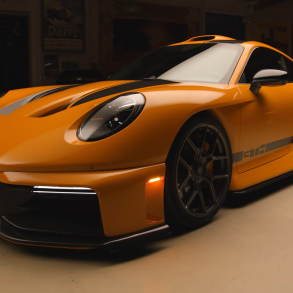
- Slightly reworked front bumper with larger, more structured intakes
- New front splitter with different contouring and stronger tie-in with the underside diffuser
- Revised rear light bar and bumper, in line with the broader 992.2 facelift
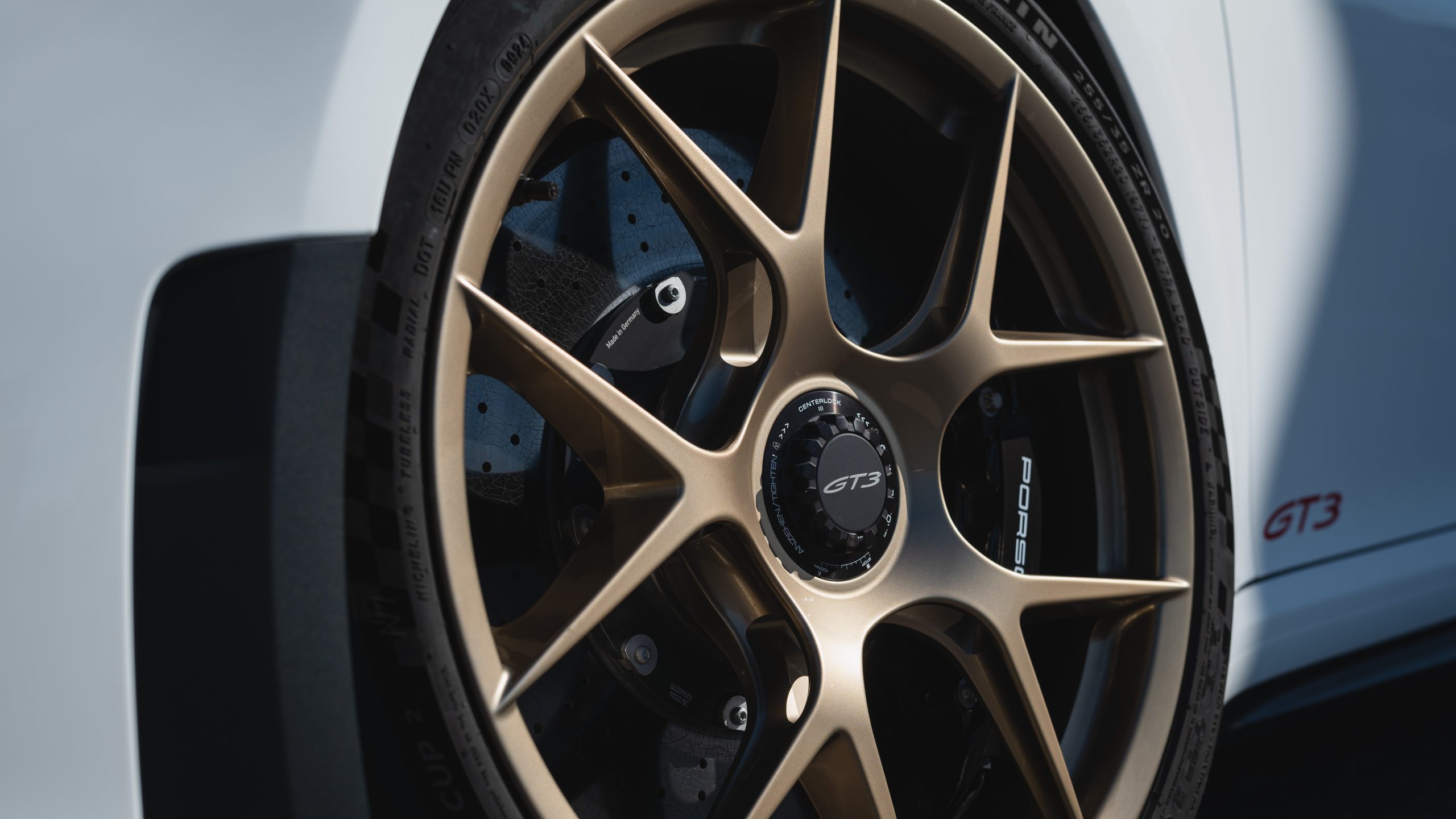
- New wheel designs (including center-lock options) and fresh color palette
- GT3 Touring continues with no fixed rear wing, but otherwise shares the mechanical package.
Most media outlets describe it as “a nip-and-tuck facelift”, with Motor1’s write-up emphasizing that “it looks a lot like the old one” but with meaningful detail changes that aid aero and cooling.
Inside
The interior adopts the updated 992.2 architecture:
- A 12.6-inch fully digital instrument cluster, with classic five-dial and track-focused layouts.
- The familiar 10.9-inch PCM infotainment, now with updated software, enhanced CarPlay and app integration.
- New steering wheel switchgear and trim options; GT-specific seats (standard Sport Seats Plus, optional carbon buckets).
- Lightweight materials everywhere: carbon-fiber roof, reduced sound deadening, and slim glass, depending on options.
Despite the added screens, reviews still note that it feels more function-led than luxury-focused: thin-rim steering wheel, clear instrumentation, and buttons/switches where you need them for track use.
Model-Year Updates & Options
Because the 992.2 GT3 launches as a 2025 model, the “model-year updates” story is really a 992.1 vs 992.2 comparison.
Key changes vs 992.1:
- Same 502 hp / 331 lb-ft, but revised hardware and emissions gear (GPFs, extra cats) with RS-inspired cams and throttle bodies.
- Aero revisions front and rear for additional downforce and better aero stability.
- Shorter final drive in the manual, improving acceleration feel and addressing long-gearing criticisms.
- More RS tech trickle-down (aero links, aero-optimized suspension components).
- New Weissach Package offered on GT3 for the first time.
Weissach Package & Lightweight Options
For the first time, GT3 buyers can spec a Weissach Package, previously reserved for GT3 RS/GT2 RS. Official and configurator coverage highlights:
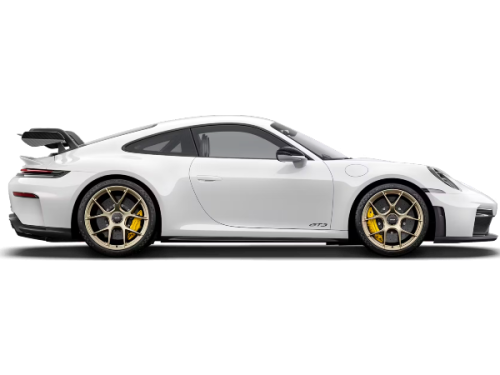
- Extensive carbon-fiber exterior (roof, mirrors, parts of the rear wing, engine cover)
- Carbon-fiber anti-roll bars and underbody panels
- Additional weight reduction vs standard GT3
- Unique wheel and trim finishes
There’s also a Lightweight package in some markets (similar in spirit to the Clubsport/Clubsport-adjacent packs), adding:
- CFRP bucket seats
- Reduced sound insulation
- Lightweight glass
- Deleted rear seats (where offered)
CarExpert’s “Top 10 USPs” piece describes the 992.2 GT3 as “lighter, stiffer and aerodynamically cleaner than before – but now also more adaptable to real-world life,” largely because you can mix and match manual/PDK, wing/Touring, Weissach/Lightweight, and rear seats or not.
Performance & Driving Experience
Official Porsche performance data for the 992.2 GT3 closely mirrors the outgoing car:
- 0–60 mph (PDK): ~3.2 s (Porsche conservative figure)
- Top speed: ~198–199 mph (Touring slightly higher due to lower drag)
- Weight: ~3,150–3,200 lb depending on spec (manual typically lighter)
Because the engine output is unchanged, the big gains are in aero consistency, gearing and chassis tuning. Early first drives and reviews (Australia, Europe, and U.S.) all sing a similar tune:
- The car feels more planted at very high speeds, especially in fast curves where aero balance matters
- The engine feels more urgent in the mid-range, thanks to the shorter manual gearing and revised cams/throttle bodies.
- On track, the 992.2 GT3 is marginally quicker than its predecessor and easier to drive at the limit because of its more stable aero platform and refined damping.
Man of Many’s 2026 GT3 review (992.2) calls it “an all-around better product than before, just as desirable, and somehow even more capable, without losing the theatre and feedback that made the GT3 an icon in the first place.”
Reception, Reviews & Criticisms
Praise
Common themes across outlets like Motor1, Carwow, CarExpert and lifestyle/enthusiast sites:
- Engine character: That 4.0-liter NA flat-six remains the star—instant throttle, linear pull, spine-tingling noise up to 9,000 rpm.
- Steering and chassis: The double-wishbone front end and rear-steer combo give huge front-end bite and uncanny stability.
- Usability: Still comfortable enough to drive to the track and back; the ability to configure manual/PDK, Touring vs wing, and comfort versus lightweight interior makes it more versatile.
- Purity: In a world of hybridized 911s, the GT3’s pure ICE drivetrain feels special and “defiant”.
Criticisms
The main negatives aren’t about how it drives:
- Price increase. U.S. base MSRP jumps to around $224,495 including destination—roughly $40k more than before—with some outlets calling it “inexplicably way more expensive” given modest headline changes.
- Availability & markups. As ever, GT3 allocations are limited; many buyers will face dealer markups or long waits.
- Digital cluster. Some purists lament the loss of an analog tach, even if the digital layout is well executed.
But the consensus is clear: the 992.2 GT3 preserves the magic while gently nudging performance and tech forward.
Buying & Spec Advice
Assuming you can get an allocation…
Manual vs PDK
- Manual (6-speed): More involvement, lighter, now with shorter gearing that better suits the engine’s character. Ideal for road-biased owners and occasional track use.
- PDK (7-speed): Quicker and more consistent on circuit; better if lap times matter or you do lots of track days.
Wing vs Touring
- Winged GT3: Maximum aero, louder visual statement, slightly more downforce at speed.
- GT3 Touring: Wingless, more understated, very similar performance; perfect if you want a “sleeper” GT3.
Weissach & Lightweight
- Weissach Package: Opt if you’re a track rat or collector; it will likely be desirable in the long term and does meaningfully cut weight while dialing up the motorsport vibe.
- Lightweight options: Carbon buckets, lightweight glass, deleted rear seats make sense if you’re chasing purity; for mixed use, consider keeping rear seats for practicality and noise damping.
Daily Use Considerations
- Ride is firm but livable; many owners daily 992-gen GT3s.
- The Touring in particular makes a compelling all-rounder if you’re less track-focused and more long-drive-obsessed.
- Tyre choice matters; Cup 2s are epic on a warm track but can be sketchy in cold/wet conditions.
Verdict
The Porsche 911 GT3 (992.2) doesn’t try to reinvent an icon; it quietly sharpens every edge. Faced with stricter emissions rules and a hybridized 911 range, Porsche chose to double down on what the GT3 does best: a screaming naturally aspirated flat-six, motorsport-derived chassis, and just enough tech to make it devastatingly effective without numbing your senses.
It’s more expensive, a bit more digital inside, and inevitably hard to get. But by keeping the engine pure, adding a shorter-geared manual, improving aero and expanding configuration options, Porsche has made the 992.2 GT3 arguably the most complete and configurable GT3 ever.
Videos & Reviews
Pictures & Gallery
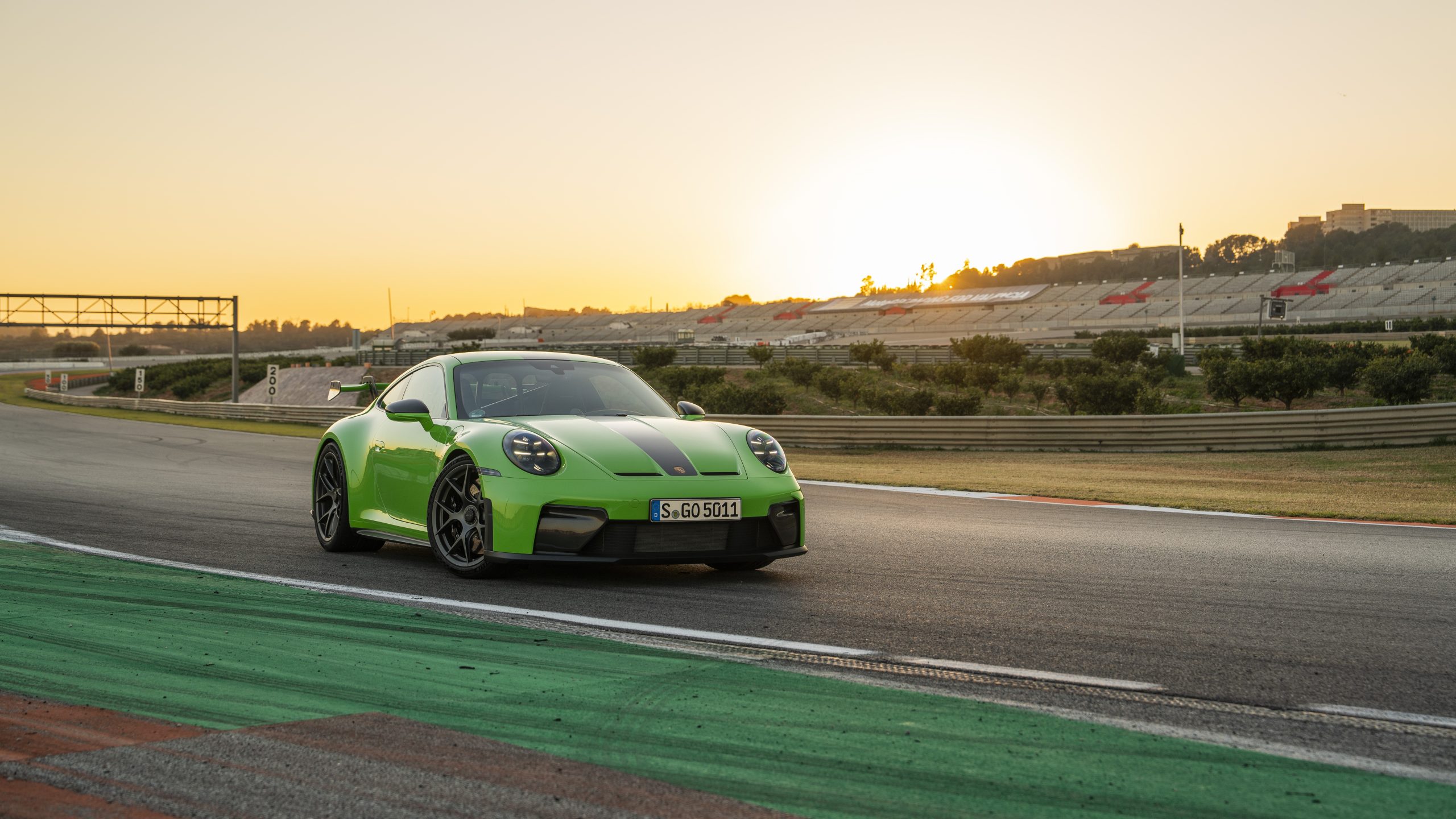
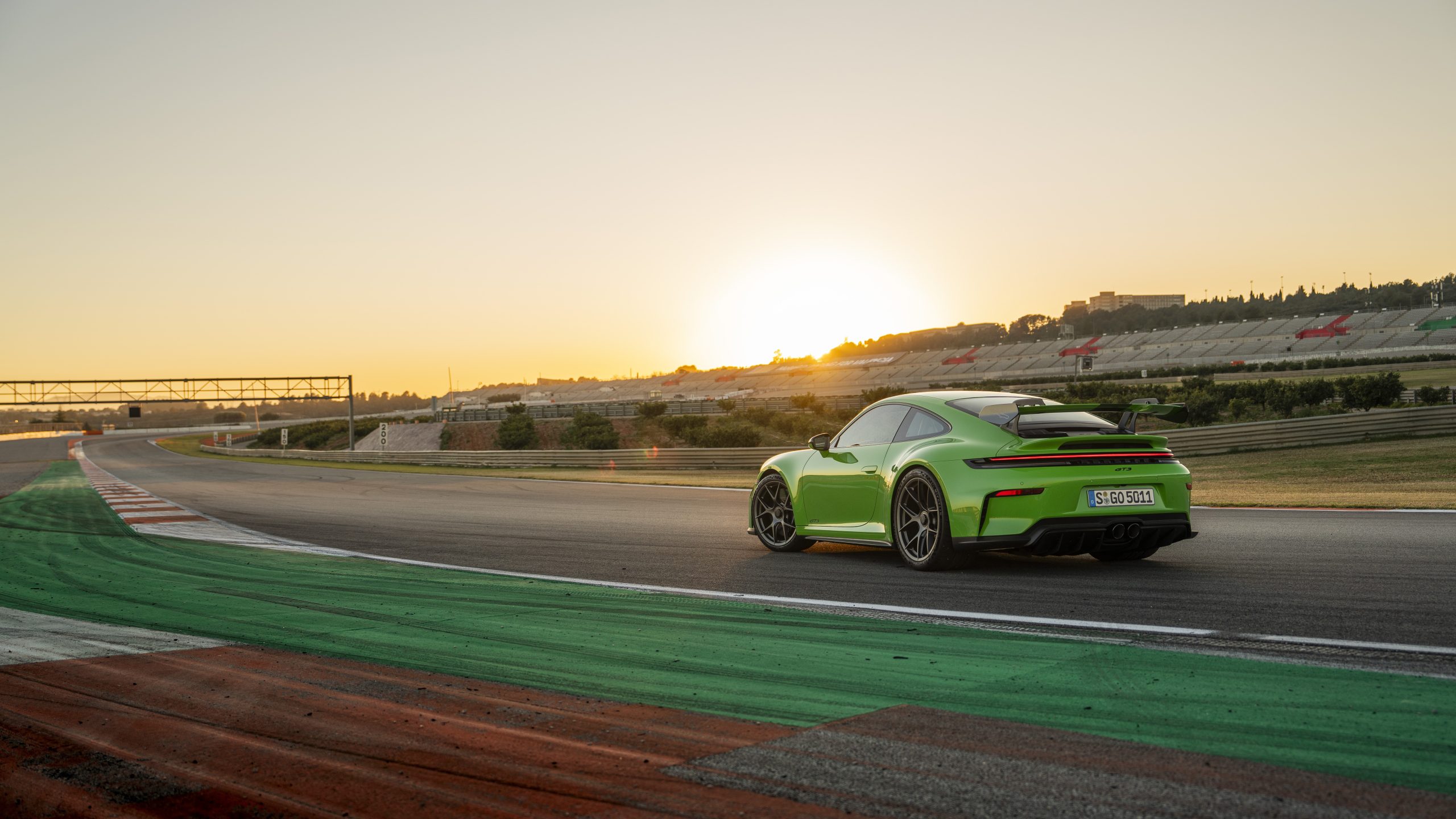
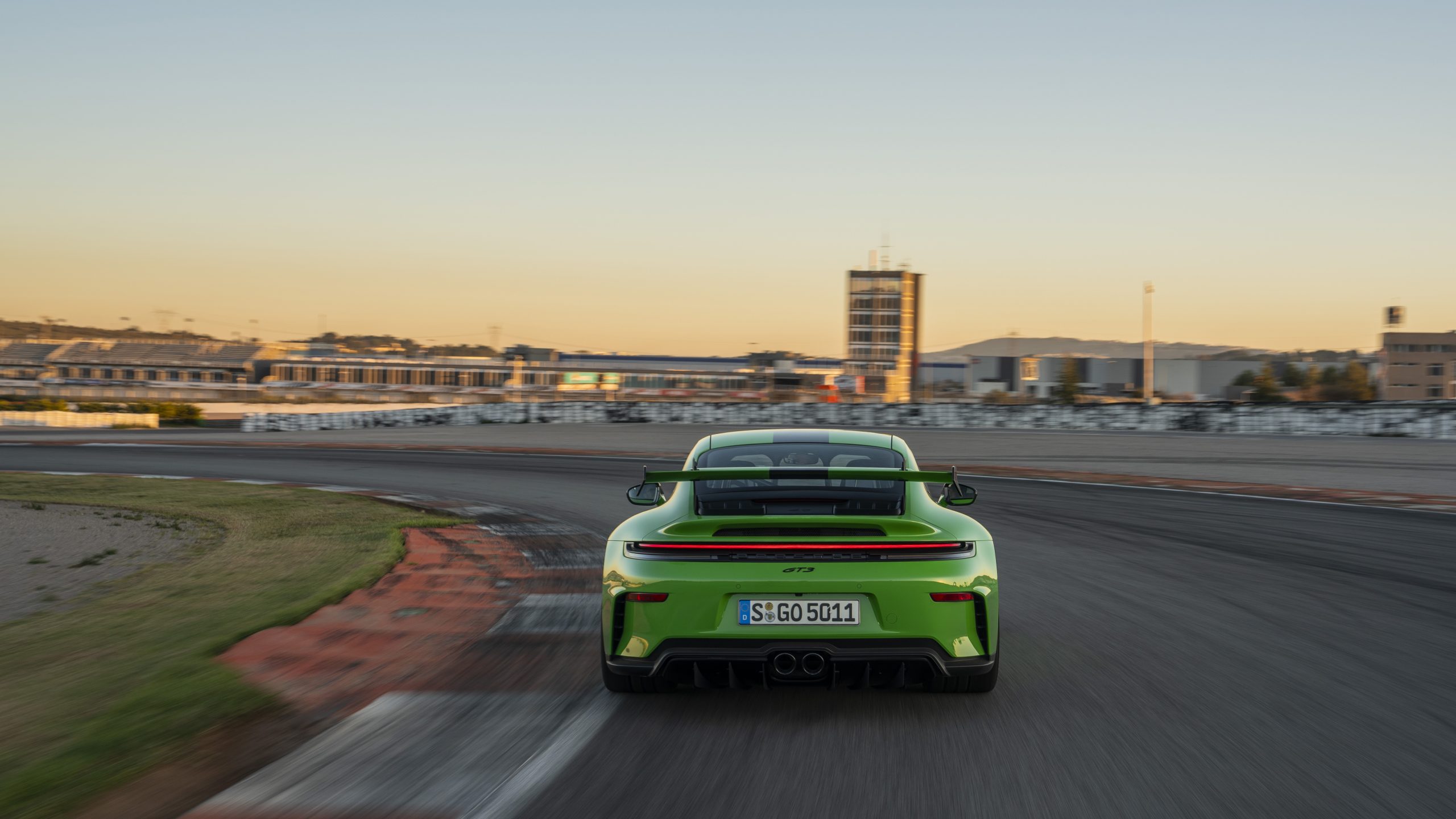
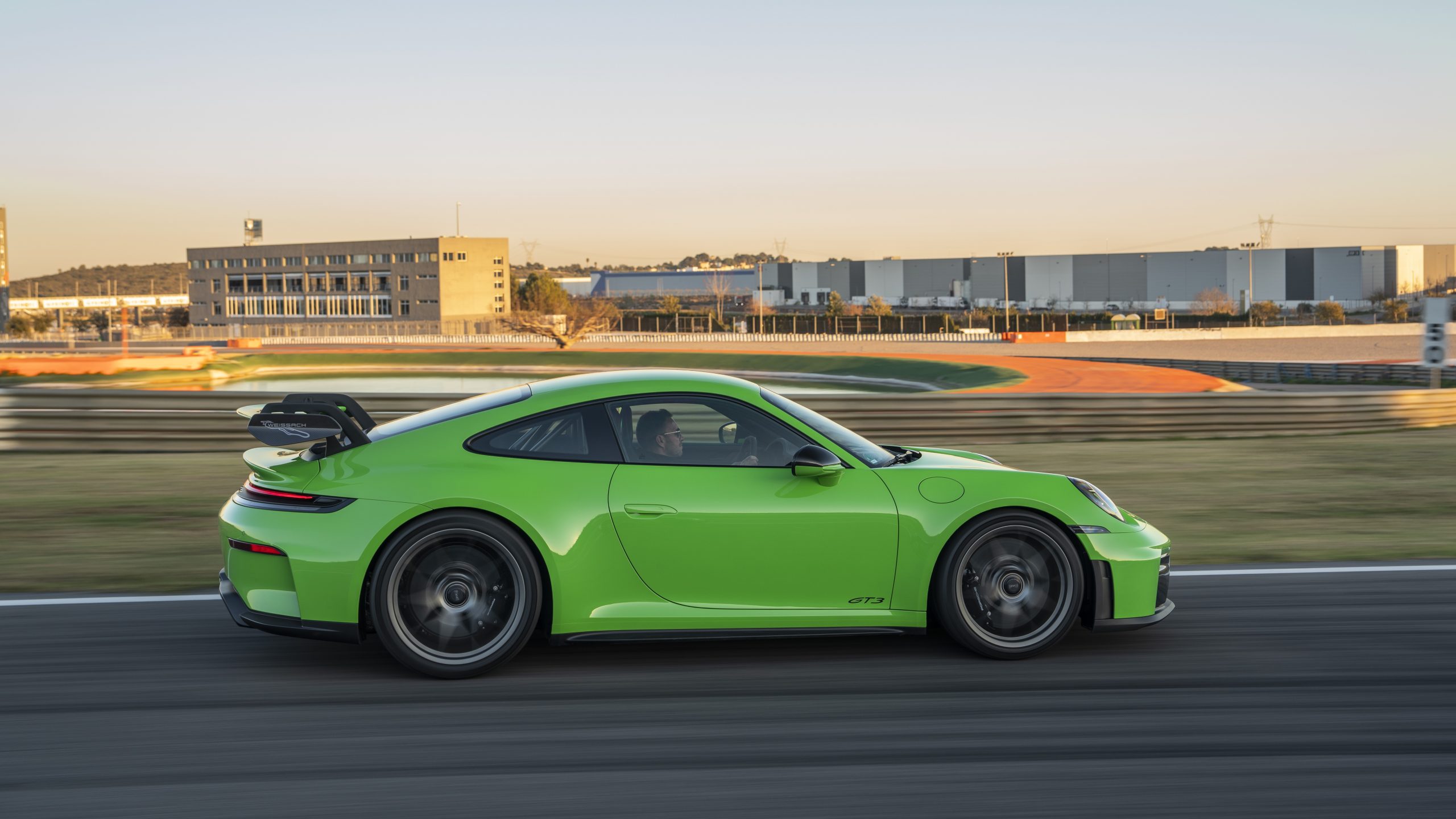
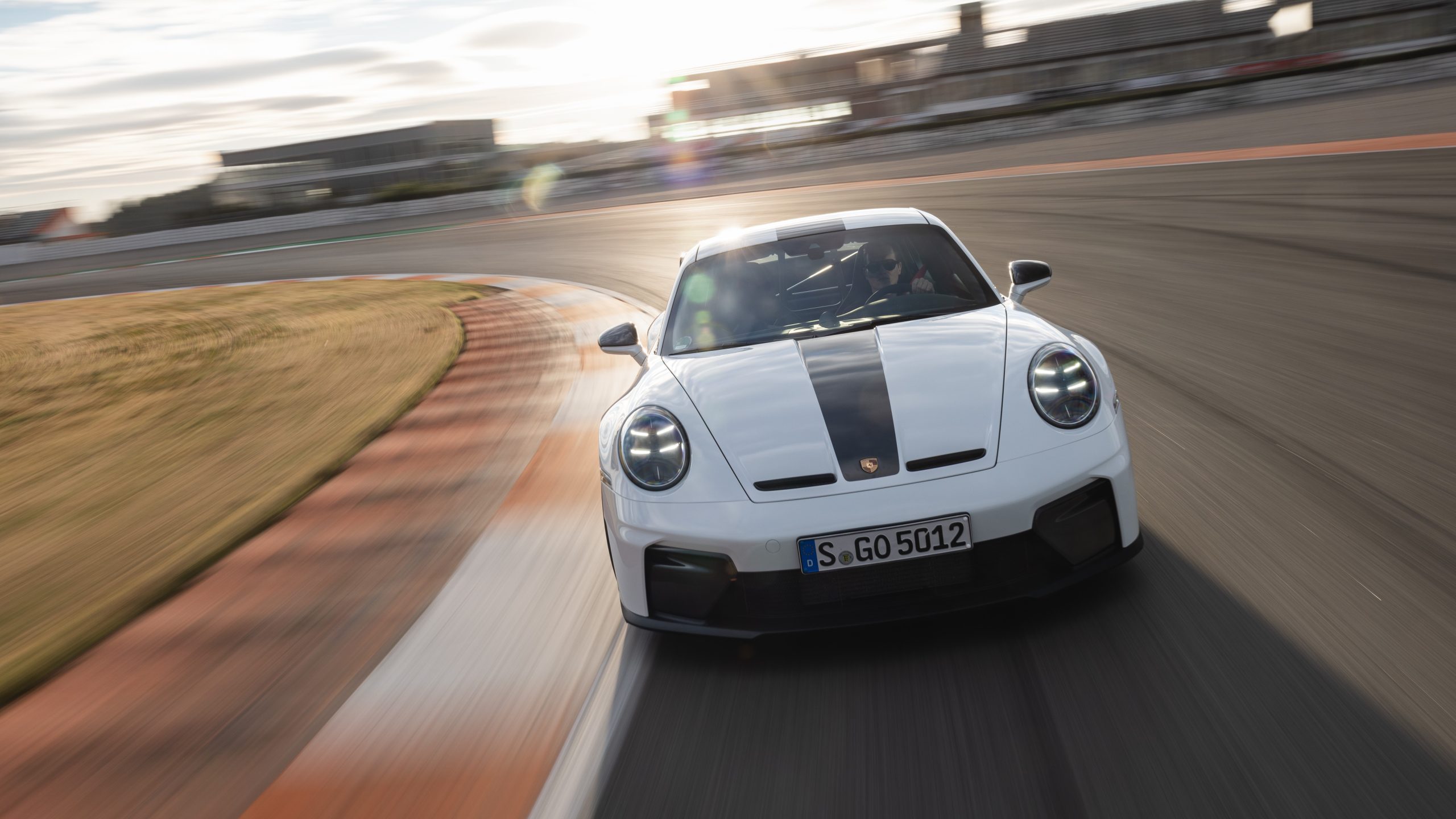
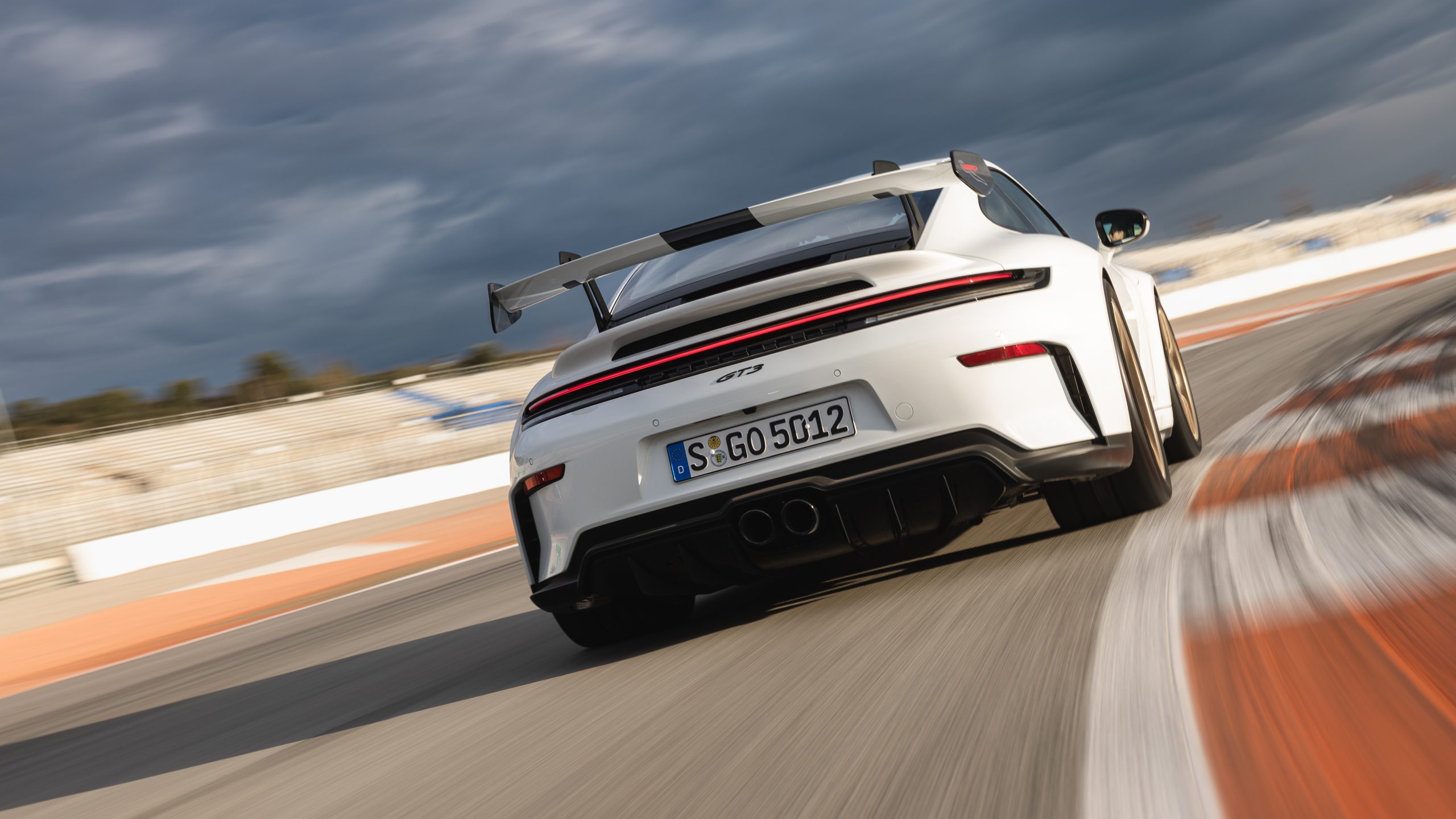
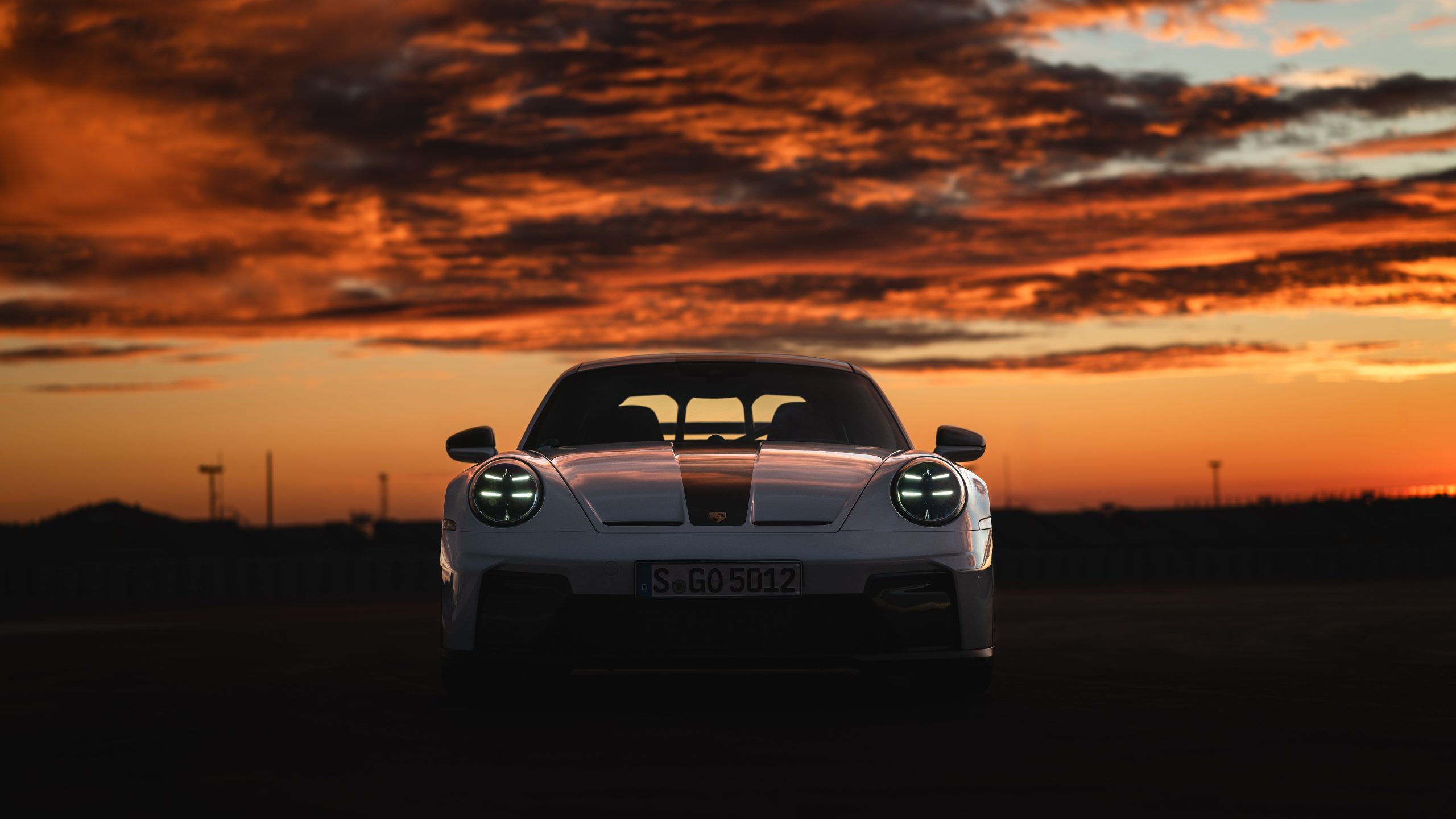
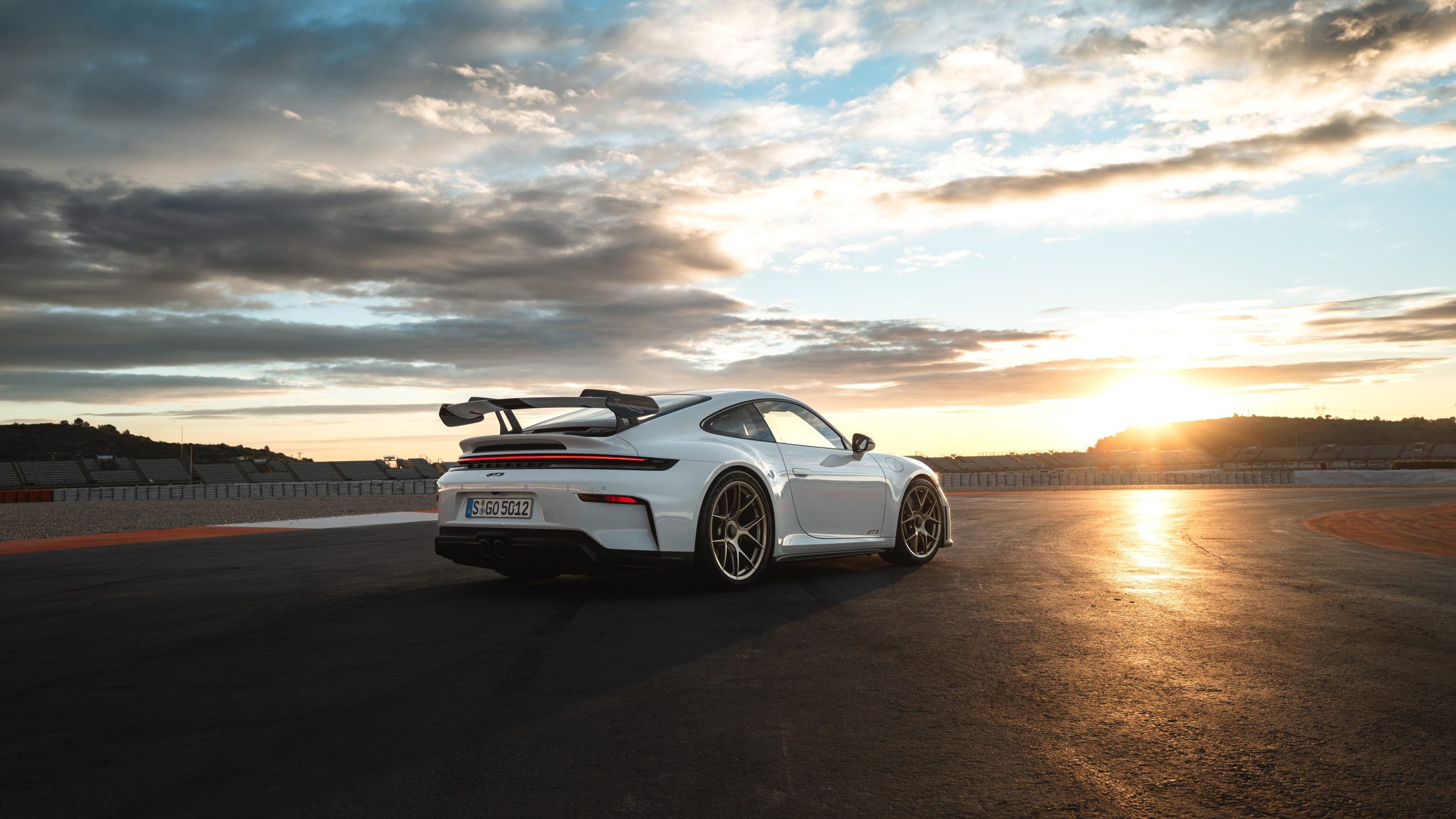
Press Release
For the track and the road: The 2025 911 GT3 and 911 GT3 with Touring Package
October 18, 2024
For the track and the road: The 2025 911 GT3 and 911 GT3 with Touring Package
Porsche marks 25th anniversary with double premiere
- Exhilarating naturally aspirated 4.0-liter naturally engine
- Shortened gearing through a modified final drive ratio
- 911 GT3 with Touring Package offers optional rear seats for first time
- Weissach and Lightweight (Leichtbau) packages offer more customization
- New, optional lightweight carbon fiber bucket seats with folding function
The 911 GT3 has offered the ultimate combination of racing genes and day-to-day usability since its introduction in 1999. To mark its 25th anniversary, two versions of the new model will launch simultaneously for the first time: as a track-focused sports car with a rear wing and as a more understated version with a Touring Package. With tailor-made packages and innovative options, the GT3 variants can be customized to the customer’s taste and intended use more now than ever before.
Atlanta. The 911 GT3 enters its next generation and 25th anniversary year with an expanded lightweight equipment strategy, a naturally aspirated 4.0-liter boxer engine with 502 hp, and 331 lb.-ft. of torque, and new, highly customer-focused options. The Weissach Package, available for the first time in the 911 GT3, offers even more custom configuration for track use. Other options that further enhance its precision and sportiness are also available.
“Particularly on winding country roads, you can clearly feel that the steering is even better tuned than its predecessor,” says Porsche brand ambassador Walter Röhrl. “It instils even greater confidence in the car because it responds with more composure from the center position without losing any of its directness. The shorter gear ratios also significantly enhance driving pleasure on country roads.”
911 GT3 with modern styling
The new 911 GT3 models feature a sharpened design in the front and rear as well as improved aerodynamics. In both variants, the redesigned front diffuser, the shape of the spoiler lip, and modified underbody air guides increase downforce and optimize air flow. Redesigned Matrix Design LED headlights, available on the 911 GT3 with an optional white accent ring, consolidate the light functions of the 911 and eliminate the need for additional lights in the front fascia. This creates a clearly structured appearance and enables an enlarged air inlet area. In the rear, the diffuser, air inlets, side plates on the wing, and the decklid are all redesigned. Porsche uses special teardrop shaped trailing arms on the double-wishbone front axle. They increase downforce at high speeds and improve brake cooling. On the new 911 GT3, the front ball joint of the lower trailing arm sits lower on the front axle to create an anti-dive effect that reduces pitching under braking. This helps maintain consistent aerodynamic balance under heavy braking, which is important during corner entry at high speed on a track. The 911 GT3 adopted these modifications from the current 911 GT3 RS. The 911 GT3 comes standard with 255/35 ZR 20 (front) and 315/30 ZR 21 (rear) sport tires. Customers can also buy model-specific, street-legal ultra high performance tires through approved retailers.
Touring Package available from launch and even more customizable
The “Touring Package” designation goes back to an equipment variant of the 1973 911 Carrera RS 2.7. It has been part of the GT3 program since 2017. The 911 GT3 with Touring Package dispenses with the fixed wing and thus preserves the silhouette of the 911. An active rear spoiler with a Gurney flap and refined underbody air guides provide aerodynamic balance.
The interior of the preceding 911 GT3 with Touring Package was already a point of distinction compared to the standard GT3. A wide range of high quality colored leather upholsteries gave customers the ability to customize their car. This concept expands in the new model. Fulfilling a longstanding customer request, rear seats are now available as an option for the first time, and specifically with the Touring Package.
Lightweight design throughout
Its carefully controlled curb weight contributes to the agile and direct handling of the 911 GT3. The new 911 GT3 goes all-in on lightweight design. New, silver-colored lightweight aluminum wheels reduce unsprung mass by roughly 3.3 lbs. compared to the previous model. Magnesium wheels are available as an option with the Weissach Package for the GT3 or the Lightweight (Leichtbau) Package for the GT3 with Touring Package and they save approximately 20 lbs. A new 40 Ah lithium-ion lightweight battery also keeps weight in check by shaving off another roughly 9.9 lbs as compared to the standard 60 Ah of the previous model.
Eight percent shorter gear ratio
The 4.0-liter, naturally aspirated engine in the new 911 GT3 has been designed for current, significantly stricter exhaust standards and equipped with two particulate filters and four catalytic converters. Despite the powerful emission control system, the 911 GT3 still makes spine tingling sounds as the engine revs to 9,000 rpm. The engine maintained its impressive power through a series of optimization measures including the camshaft profile of the 911 GT3 RS and revised cylinder heads. Optimized butterfly valves in the individual throttle bodies and improved oil coolers also contribute, enabling the 4.0-liter boxer engine to generate 502 hp. In addition, both the seven-speed PDK and the six-speed GT Sport manual transmission have a final drive ratio that is eight percent shorter than in the predecessor. Both gearbox options are available for both the 911 GT3 and the 911 GT3 with Touring Package. The new 911 GT3 accelerates to 60 mph in 3.2 seconds with PDK and reaches a top track speed of 193 mph (manual gearbox: 3.7 s; 195 mph).
“On the track, the new 911 GT3 enables even better control because it holds even steadier and handles better on bumps and when driving over curbs thanks to the optimized damper tuning,” says brand ambassador Jörg Bergmeister. “The anti-dive system noticeably reduces the pitching movement when braking. As a result, the balance of the car remains significantly more consistent.”
CFRP bucket seat with folding seatback
For the new 911 GT3, a new lightweight bucket seats with a folding backrest and a seat shell made of CFRP is available as an option. The seat is equipped with an integrated
thorax airbag, electric height adjustment and manual longitudinal adjustment; a threestage seat heater is standard. A part of the headrest padding can also be removed to improve ergonomics for most drivers when wearing a helmet while driving on track. The folding function of the backrest enables better access to the space behind the seats or to access the newly available rear seats in the case of the 911 GT3 with Touring Package. As an alternative, customers can also order the 18-way Adaptive Sports Seats Plus.
The two-seat standard cockpit in the new 911 GT3 is based on the design of the current 911 models. Unlike the Carrera models, however, the 911 GT3 is not started with a button, but still has a rotary ignition switch. The digital instrument panel in the center supports the driver with a clearly structured display and control concept. Thanks to the contrasting color scheme, the tachometer and stopwatch can be read in a flash. The “Track Screen” display mode reduces the digital displays to the left and right of the tachometer to key data on tires, oil, water and fuel and indicates the optimal shifting time to the driver by way of a shift flash. If desired, the tachometer display can be rotated so that the cut-off speed of 9,000 rpm is at the 12 o’clock marking.
In addition, the sports car comes with enhanced standard equipment including LED Matrix design headlights and a smartphone compartment with up to 15 W wireless charging.
Individual packages for 911 GT3 and 911 GT3 Touring
Porsche offers various equipment packages for the new 911 GT3. For the first time, the options list includes the Weissach Package. So-equipped, the anti-roll bar, coupling rods and shear panel of the rear axle are made of CFRP as is the roof, side plates of the rear wing, exterior mirror top shells, mirror triangles and the air blades in the front area. Additional leather and Race-Tex upholstery enhance the look of the interior. For the first time, the upper side of the dashboard on the 911 GT3 is covered in anti-glare Race-Tex. CFRP door handles and storage nets optimize the interior door panels for a lightweight design. Forged magnesium wheels are also available as additional cost options. For the 911 GT3 with Touring Package, Porsche offers the Lightweight Package. Here, the roof painted in the exterior color as well as the anti-roll bar, coupling rods and shear panel on the rear axle are made of CFRP. The forged magnesium wheels and lightweight door panels are also part of the package. In conjunction with the standard six-speed GT Sport gearbox, the shortened gear lever from the 911 S/T is used. In front of the gear lever, a plaque with the inscription “Leichtbau” indicates the package. “The new 911 GT3 has become even more exhilarating and individual. We dug into a wealth of details and gave it many features that our customers wanted. This allows the GT3 to be adapted even more specifically to the purpose or preferences of the driver,” says Andreas Preuninger, Head of GT Cars.
Exclusive chronograph is a “sports car for the wrist”
Exclusively for owners of the 911 GT3 and the 911 GT3 with Touring Package, Porsche Design has created an exceptional timepiece that translates the design and performance of the sports car to the wrist. The 911 GT3 chronograph and the 911 GT3 with Touring Package chronograph are equipped with the precise, COSC-certified Porsche Design WERK 01.200 movement, which has a flyback function. The ultra-lightweight titanium case, available optionally with black titanium carbide coating, combines sports car design with modern watchmaking. The GT3 design dial with yellow accents and hexagonal structure evokes the vehicle’s instrument panel, while the winding rotor is based on the design of the GT3 rims. The dial ring is available in all exterior colors of the 911 GT3 and the Touring Package, as well as in the colors of the Paint to Sample program. The band, crafted using original Porsche interior leather and thread, is also matched to the respective configuration of the vehicle.
The new Porsche 911 GT3 and the new Porsche 911 GT3 with Touring Package can be ordered starting at the end of the year, and are expected to reach US Porsche Centers in Summer, 2025 with an MSRP of $222,500 excluding $1,995 for delivery, processing and handling.