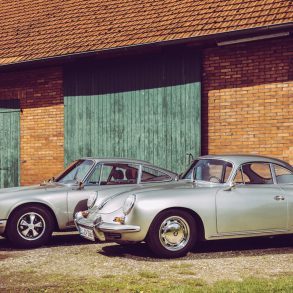


Under the leadership of Ferdinand Porsche’s son, Ferry Porsche, the 356 was envisioned as a lightweight, nimble two-seat sports car. It featured independent suspension at all four corners and a rear-mounted, air-cooled four-cylinder engine. Erwin Komenda penned the now-iconic body shape, which was initially hand-formed in lightweight aluminum before later transitioning to steel for series production.
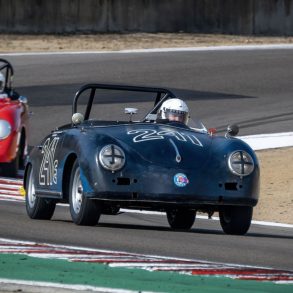
Porsche introduced the first 356 A Carrera models in 1955, offered in GS (Grand Sport) and the more competition-focused GT (Grand Touring) specifications. These cars produced a dependable 100 horsepower from a 1,498 cc engine. With a dry weight of only 820 kilograms, the Carrera was capable of reaching 200 km/h—an extraordinary figure for the era.
The advanced four-cam, dry-sump engines continued to evolve in motorsport, eventually delivering more than 180 horsepower by the end of production in 1965. Properly prepared and driven, Carrera models earned a reputation for exceptional durability and near-unmatched performance.
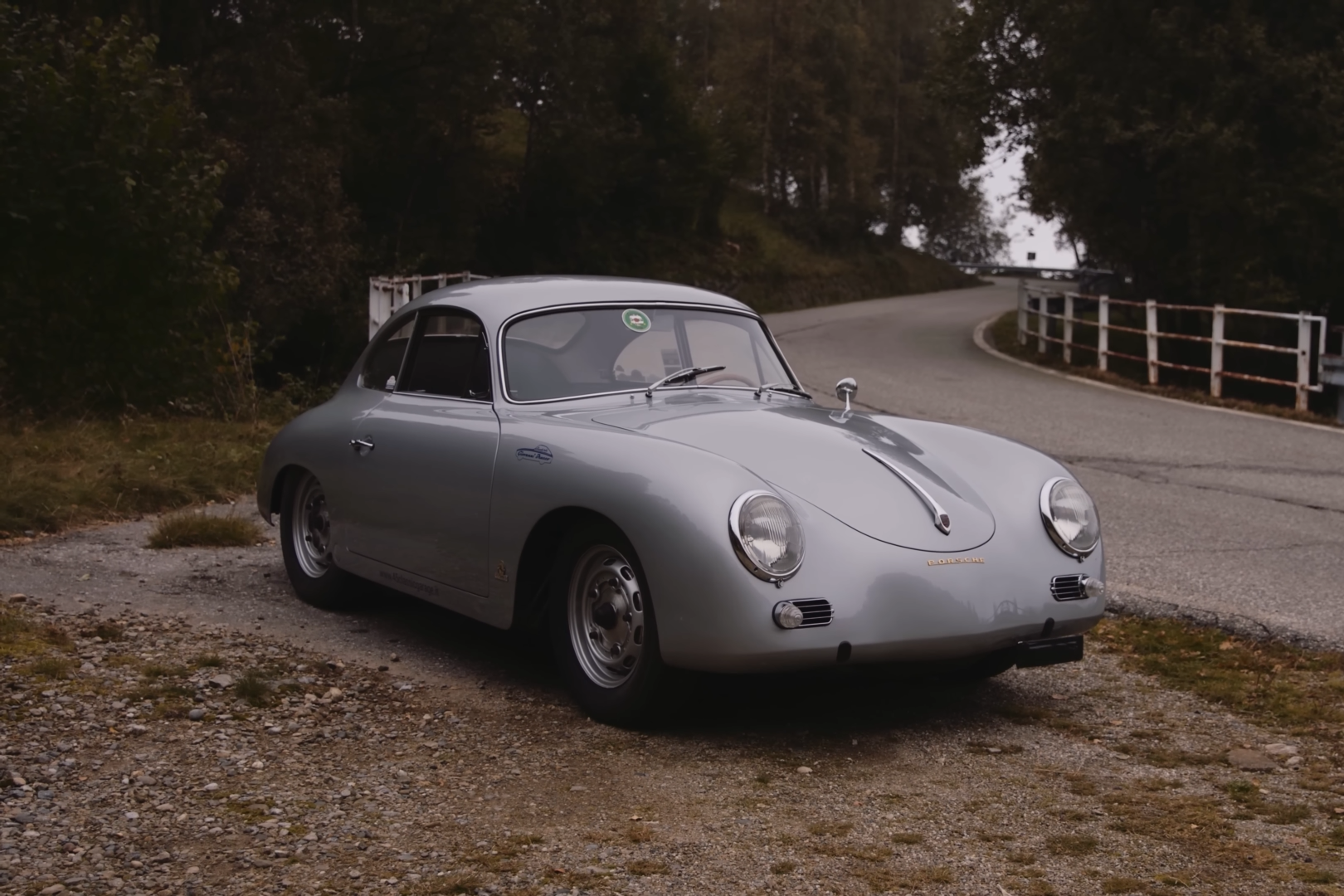
The car featured in the Petrolicious video is a 1959 example equipped with a larger 1.6-liter four-cam Carrera racing engine. True to Porsche tradition, buyers paid a premium for fewer comforts, especially inside the cabin. To reduce weight, the interior was pared back to the bare essentials.
While this particular car retains carpeting, many period race cars omitted it altogether. The door panels are sparse, the windows are made from Perspex, and there is no heater—hence the 356’s long-standing “icebox” nickname, something that becomes especially apparent on cold drives through the Italian mountains.
Source: Petrolicious