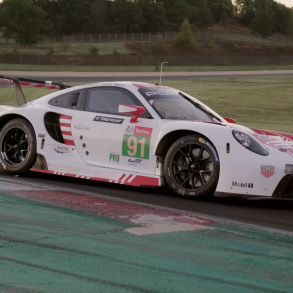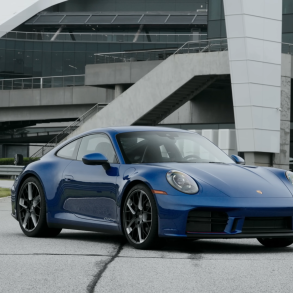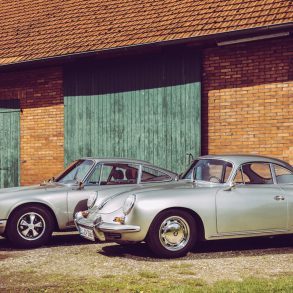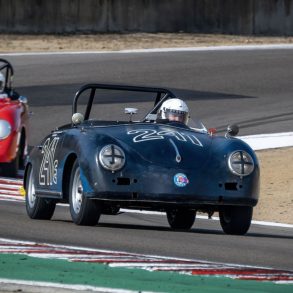


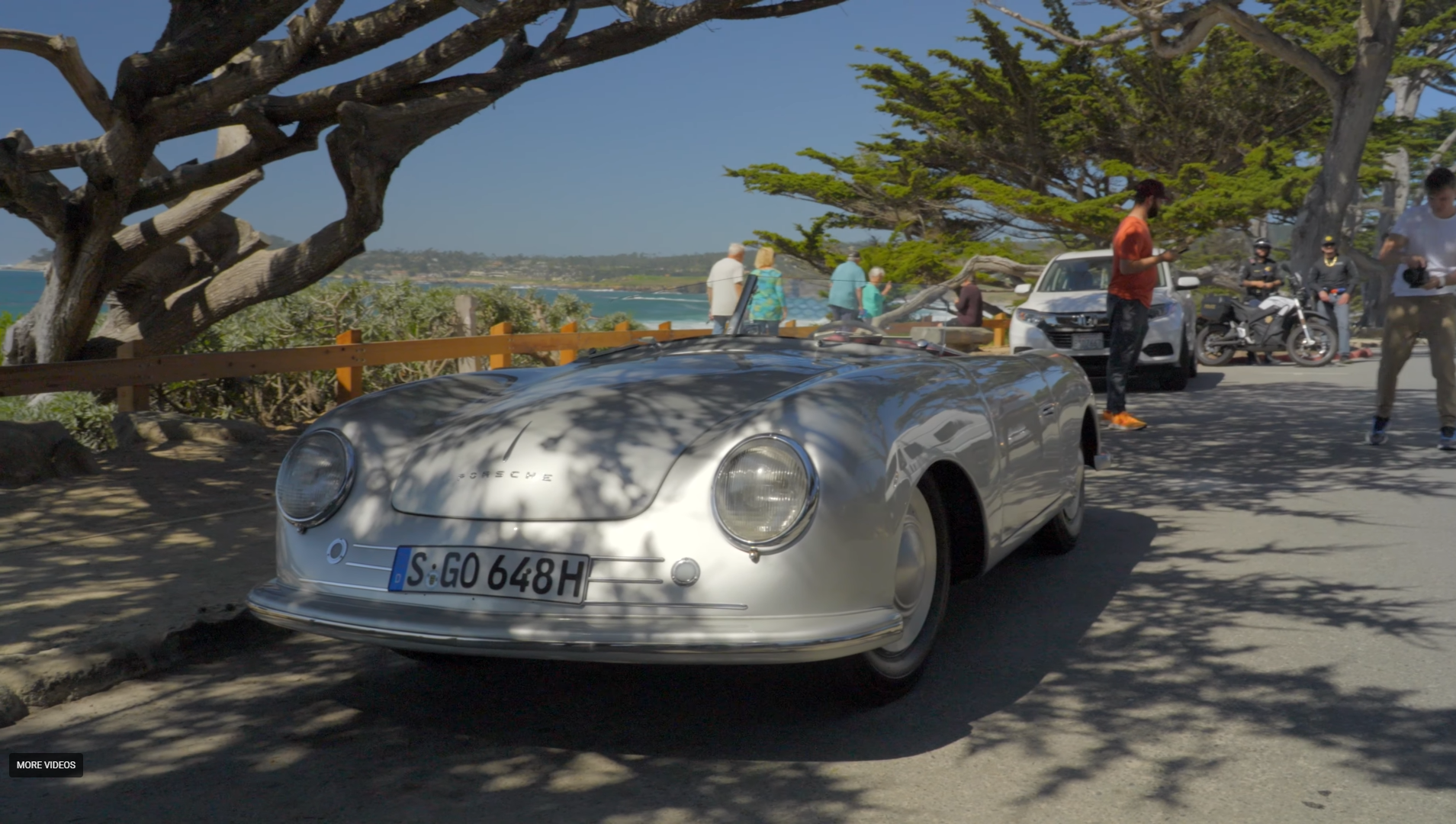
The Porsche 356 No.1 is not just a museum piece—it is a functioning, road-certified prototype and the origin point of Porsche as a car manufacturer. It is the first Porsche sports car ever registered for road use, dated June 8, 1948—the official birth of Porsche as a car manufacturer rather than an engineering consultancy.
The very first Porsche, chassis 356-001, was built in Gmünd, Austria, as a two-seat roadster assembled largely from Volkswagen components. Development began in 1947, and Ferry Porsche authorized construction of the Sportwagen Typ 356 in March 1948.
Engineers created a tubular spaceframe chassis, mounting the engine behind the driver and ahead of the rear axle, echoing prewar Auto Union race cars. A reversed VW swing-arm rear suspension was used, though its layout required a longer-than-usual chassis. Steering, brakes, suspension, transmission, clutch, and lighting all came from Volkswagen. The original 25-horsepower engine was enlarged and modified to deliver roughly 35–40 horsepower.
Completed in March 1948, the prototype—often called Porsche No. 1—was tested as a bare chassis before Erwin Komenda styled its body. Design touches such as integrated bumpers and pop-out door handles helped distinguish it from its VW origins. After appearing at the Swiss Grand Prix, it went on to win a local Austrian race.
Series production of the 356 began in Stuttgart in 1950, offered as a Coupé, Speedster, and Convertible. Today, the original car is preserved at the Porsche Museum. It now runs a later 1.5-liter flat-four for improved drivability, while its original engine remains in Porsche’s collection.
The 356 No.1 is a one-off prototype and the only surviving example of Porsche’s first mid-engine road car. More importantly, it already contains the DNA that would define the brand: light weight, responsive controls, mechanical sound, and a clear connection between driver and machine.
Source: Porsche Club of America