
The Best Porsche Cayenne Model Years & Variants Ever Produced
It didn’t just save Porsche from financial ruin; it redefined the high-performance SUV. It has balanced family utility with the visceral driving dynamics. We’ve rounded up the best Porsche Cayenne model years and variants that continue to set the benchmark for what a performance SUV can be.
What's the best Cayenne? We ask the experts.
The wide array of available Porsche models may overwhelm a new enthusiast. We hope to narrow the options and make the selection task a little easier. We asked our team of Porsche experts and enthusiastic members and they didn't let us down. This page is a culmination of their opinions and experience. If you're shopping for a Cayenne or thinking about which selection is future-proof in terms of an investment, this is the page for you.
The Cayenne was a bold gamble by Porsche, introduced when the carmaker faced great financial difficulties and an uncertain future. It was a move that paid off. Porsche not only survived but also increased its footprint as a dominant player in the performance car segment with what is now one of its best-selling models.
The Most Desirable Cayenne - From Early V8 Legends to Modern Super-SUVs: The Greatest Porsche Cayennes Ranked
Since its debut in the early 2000s, the Porsche Cayenne has fundamentally reshaped both Porsche’s future and the performance SUV segment as a whole. What began as a controversial move for a sports-car brand quickly proved to be a masterstroke, blending Porsche’s handling expertise and powertrain engineering with real-world luxury and usability. Over three generations, the Cayenne has evolved dramatically—yet certain model years and variants stand head and shoulders above the rest.
The best Porsche Cayennes ever made are defined by more than just horsepower figures. They represent moments where Porsche perfectly balanced performance, reliability, and character. Early first-generation V8 models earned a reputation for durability and mechanical honesty, while later GTS and Turbo variants refined the formula with sharper chassis tuning, improved interiors, and unmistakable road presence. In more recent years, Porsche pushed the boundaries even further, creating Cayennes that rival supercars for straight-line speed while remaining comfortable daily drivers.
What makes the Cayenne lineup especially compelling is its breadth. From enthusiast-focused GTS models to brutally fast Turbo and Turbo GT variants, Porsche has consistently offered versions that appeal to very different buyers—yet all retain core Porsche DNA. This guide focuses on the standout Cayenne model years and variants that deliver the most complete ownership experience, whether your priorities are driving enjoyment, long-term desirability, or owning one of the most influential performance SUVs ever built.
Taken together, these best Cayenne models tell the story of Porsche’s ability to adapt without compromise. They prove that performance, prestige, and practicality don’t have to be mutually exclusive—and that some of the most rewarding Porsches to own don’t wear a 911 badge.
About Our Selections
Introduced in 2002 at the Paris Motor Show, the Cayenne marked a significant shift from Porsche's traditional sports car formula. The groundbreaking Cayenne was the brand's first-ever SUV, born out of an urgent need to diversify the carmaker's product range and secure its future.
The SUV market was booming at the time, especially in North America, one of Porsche's biggest markets. It seemed the perfect segment for Porsche to broaden its customer base and generate additional revenue. Since its inception, the Cayenne has undergone several iterations, evolving into a sophisticated and performance-oriented luxury SUV. There have been three generations of Cayenne, each building upon the success of its predecessor.
Our picks for the best Cayenne model years are subjective and influenced by various factors, including overall reliability, expert forum reviews, member feedback, model lineups and available technological features.
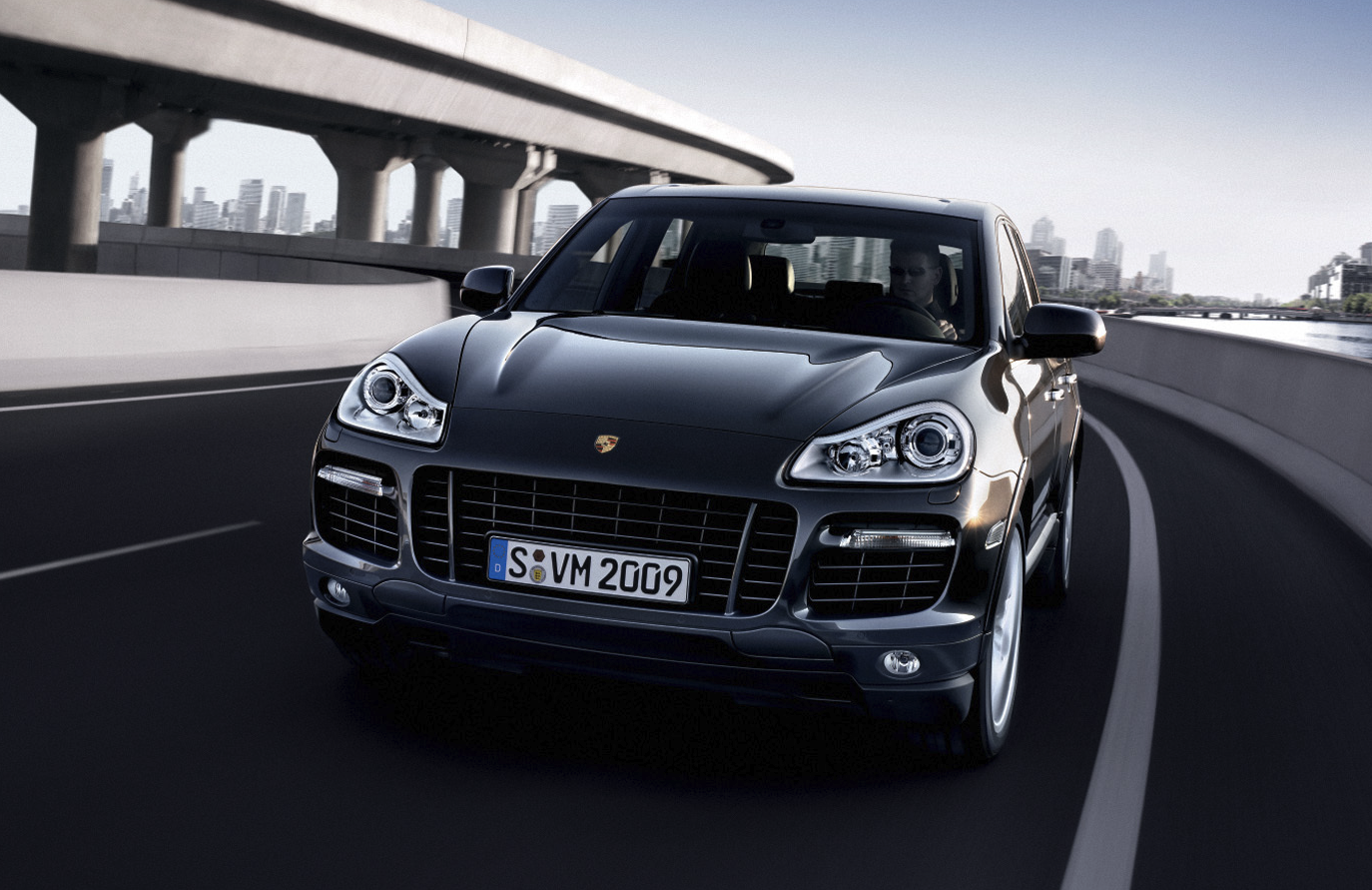
The Best Porsche Cayenne Model Years
Identifying the best model years for the Cayenne often comes down to balancing technological innovation with mechanical reliability. Selecting the right year ensures you're getting the sweet spot of Porsche’s engineering evolution.
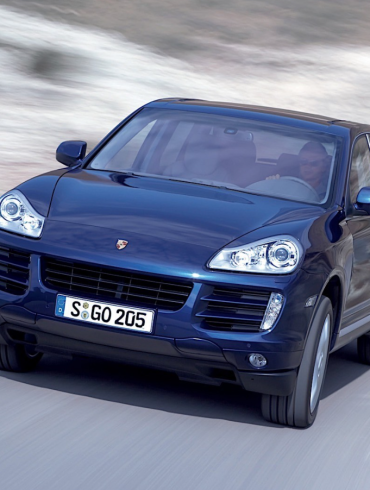
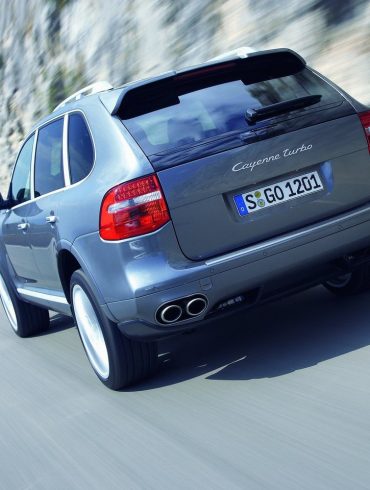
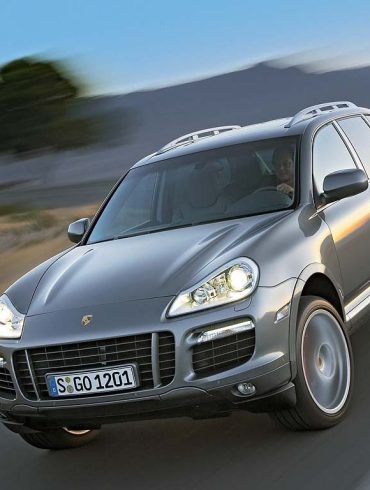
2008 Porsche Cayenne
For the 2008 model year, the Cayenne received a facelift, power upgrades, and a new variant, which joined the lineup.
What Makes It Special
In 2008, the Cayenne's front end was redesigned and now incorporated slimmer headlights and a new grille. Porsche also upgraded the infotainment system, adding more features and making it more user-friendly. The rear seats were redesigned to make them more comfortable.
The powertrains also received attention from the carmaker. The V8 in the Cayenne S was bumped up to 4.8 litres and 385 hp, up from 340 hp, while the Turbo model received 500 hp and an increase of 50 hp. An all-new variant, the Cayenne GTS, joined the lineup. At the time, it was touted by Porsche as the most sporting SUV on the market.
The 2008 Cayenne model is a relatively inexpensive way to get into the Performance SUV segment. It combines a decent, family-friendly interior with Porsche's renowned performance pedigree. With a reliability rating of 79 out of 100 from JD Power, the 2008 model year is known for its durability.
Engine & Drivetrain Specifications
Engine: 4.0L naturally aspirated flat-six
Power: 493 hp @ 8,400 rpm
Torque: 331 ft-lbs @ 6,250 rpm
Trans: 7-speed dual-clutch auto
Powertrain: All-wheel-drive
Known For
The first Cayenne facelift was introduced for the 2008 model year.
The Porsche Cayenne GTS joined the lineup for the first time, equipped with active air suspension, a lower ride height and Sport exhaust system.
Learn More
2013 Porsche Cayenne
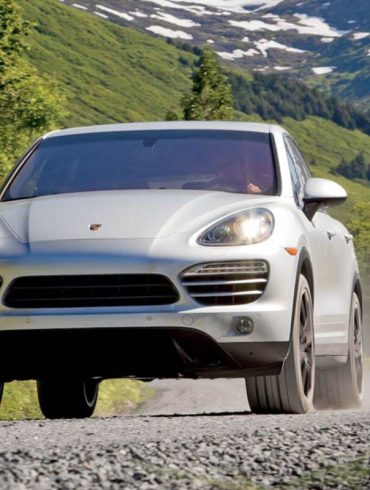
The Cayenne was three years into its second generation and some of the niggles from the earlier models had been addressed by this time.
What Makes It Special
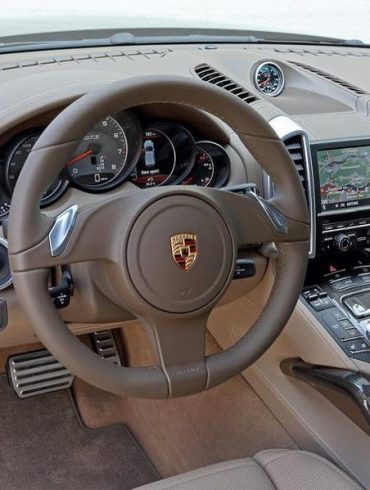
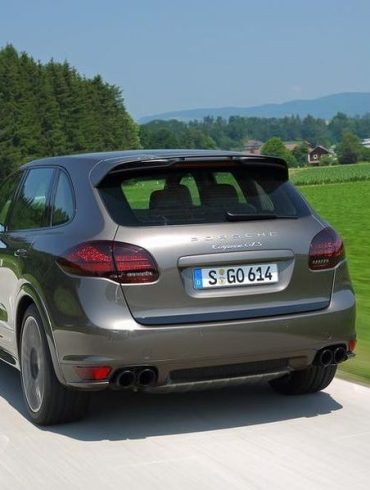
2013 for the Cayenne witnessed the reintroduction of the GTS, which had been dropped from the lineup in 2011. The sporty SUV now made 420 hp from its 4.8-litre V8. However, the most powerful car in the lineup was the Turbo S, with an impressive 550 hp on tap.
In addition to new models, Porsche's first diesel engine for the US debuted on the 2013 Cayenne. The new GTS trim got sports seats and a system that funnelled engine noise into the passenger compartment to enhance the driving experience. The range-topping Turbo S had unique 21-inch wheels and exclusive two-tone leather interior.
The 2013 Cayenne has a solid reputation for reliability, with popular sites like JD Power giving the car above-average scores. However, it is still a performance SUV, and it is crucial to purchase a well-maintained example, preferably one with a comprehensive service history.
Engine & Drivetrain Specifications
Engine: 4.8L naturally aspirated V8
Power: 420 hp @ 6,500 rpm
Torque: 380 ft-lbs @ 3,500 rpm
Trans: 8-speed auto
Powertrain: All-wheel-drive
Known For
The 2013 Cayenne Turbo S was one of the fastest SUVs at the time, able to hit 60 mph in just 4.3 seconds.
The 2013 Cayenne was available in up to 6 different variants, with different engine choices and power outputs.
Learn More
2022 Porsche Cayenne
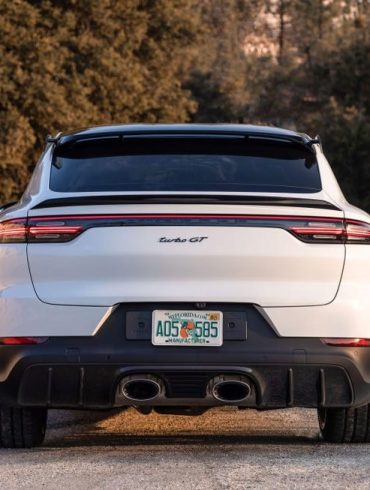
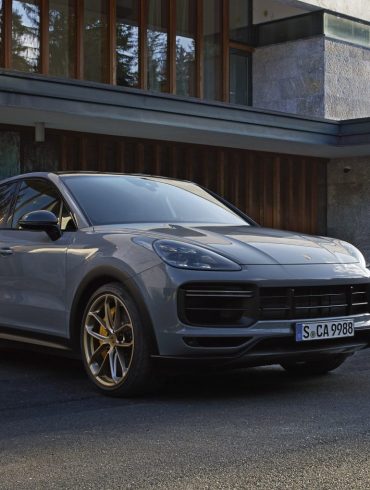
The biggest news for the 2022 model was the addition of an all-new super SUV - the Cayenne Turbo GT.
What Makes It Special
The highlight of the 2022 model year was, no doubt, the introduction of the bonkers Cayenne Turbo GT. The car set a benchmark for sporty SUVs with supercar-rivalling performance, able to rocket to 60 mph in less than 3 seconds. It is an incredible feat for a vehicle that weighs 4,950 lbs (2,245 kg).
With its coupe body style, practicality is not a priority, even though the Cayenne Turbo GT still has decent cargo space compared to its rivals. What the car offers the ultimate thrill seeker is savage acceleration, courtesy of its twin-turbocharged V8, and supreme handling that belies its size.
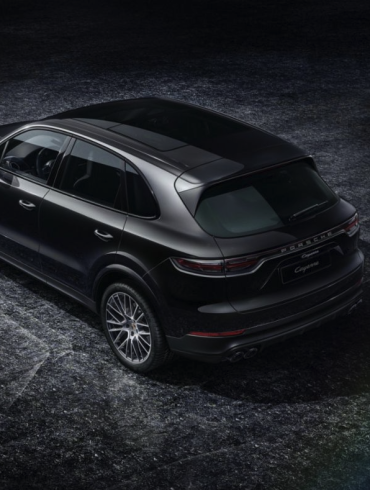
Apart from introducing the Turbo GT Cayenne coupe, Porsche updated the existing lineup with its latest infotainment software package with support for Apple CarPlay and Android Auto. There was also a Platinum Edition package available across the lineup. It enhances the Cayenne's luxurious feel with satin finishes on the exterior trim and unique 21-inch wheels.
Engine & Drivetrain Specifications
Engine: 4.0L twin-turbocharged V8
Power: 631 hp @ 6,000 rpm
Torque: 626 ft-lbs @ 2,300 rpm
Transmission: 8-speed auto
Powertrain: All-wheel-drive
Known For
The Cayenne Turbo GT is one of the fastest accelerating SUVs, with a 2.9-second sprint to 60 mph.
The infotainment system included support for wireless Android Auto for the first time.
Learn More
2025 Porsche Cayenne
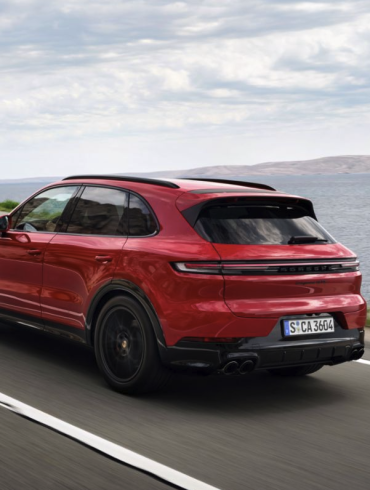
The Cayenne lineup is more capable than ever heading into 2025, with a new GTS model as one of the standouts.
What Makes It Special
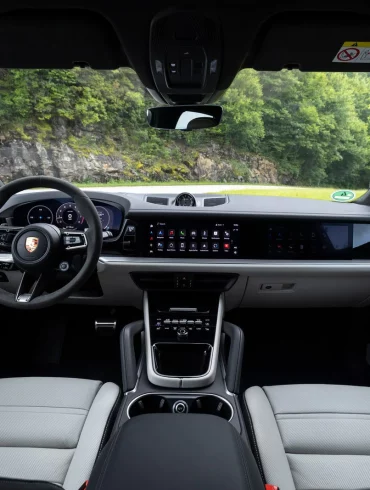
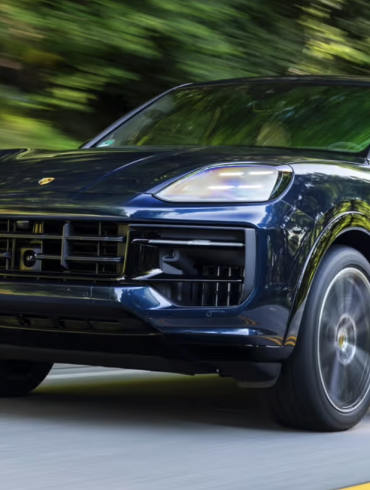
The Cayenne GTS is back in the lineup for 2025. This racier Cayenne variant boasts 493 hp from its twin-turbo V8 and some performance enhancements from the Turbo GT model. However, an interested buyer may not even need to go that far up the Cayenne hierarchy, especially if the six-figure sums of the top trims are a concern.
Even the base model of the latest Cayenne lineup still has plenty to offer an interested buyer. In addition to a turbocharged V6 that generates almost 350 hp, there's also a generous standard options list that includes a WiFi hotspot, a 10-speaker stereo and a 12.3-inch infotainment touchscreen. You will want to watch out for Porsche's famously extensive optional extras, though, as they can inflate the base price pretty quickly.
It's still too early for consumer reviews on reliability, but the Cayenne has an established reputation for quality and durability, with consistently high scores on the leading automobile review sites.
Engine & Drivetrain Specifications
Engine: 3.0L turbocharged V6
Power: 348 hp @ 5,400 rpm
Torque: 368 ft-lbs from 1,450 rpm
Transmission: 8-speed auto
Powertrain: All-wheel-drive
Known For
The Cayenne Turbo E-Hybrid boasts 729 hp; the most powerful variant yet.
The GTS model returns to the lineup with a 493 hp powerplant.
Learn More
2019 Porsche Cayenne
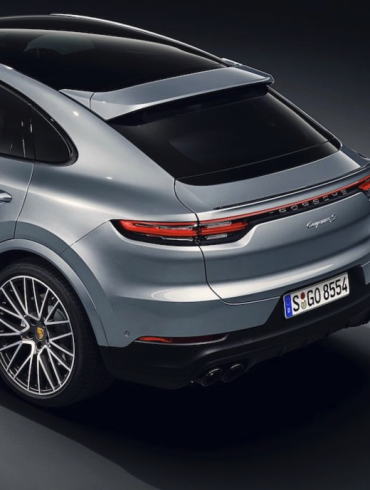
First introduced in 2017 via an online platform, the Porsche Cayenne was completely redesigned for the third generation.
What Makes It Special
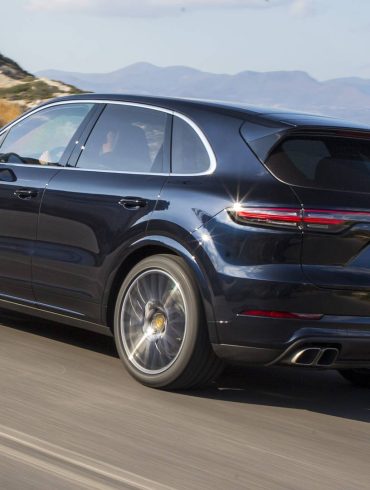
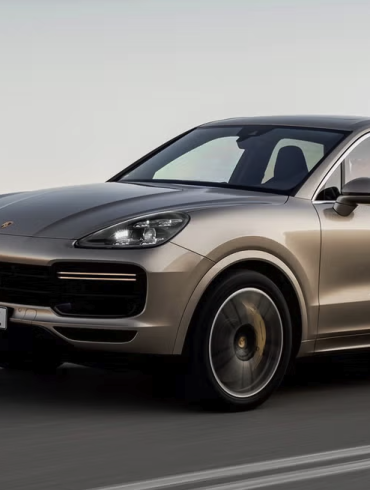
Changes to the 2019 Cayenne model were extensive, compared to the second-gen models. The Cayenne now looked sportier with a power dome on the hood, new matrix LED headlights and a crisper line above the rocker panels. The SUV was also longer, lower and wider than previous iterations.
Porsche also added a bunch of tech upgrades across the entire lineup. Examples include the Porsche Dynamic Chassis Control (PDCC) for a more balanced ride. It was standard on the Cayenne Turbo but optional on the Cayenne Base and S models. Rear-wheel steering was also introduced for the first time, improving the car's handling.
Porsche also introduced the coupe body style, expanding the Cayenne lineup to capture a broader market segment. Power upgrades were pretty decent for all trims, with even the base Cayenne pushing over 330 hp. However, adventurous buyers may want to consider the top-trim models, like the Cayenne Turbo, with 541 hp, courtesy of a potent twin-turbocharged V8. It was the Cayenne's most powerful variant at the time.
Engine & Drivetrain Specifications
Engine: 4.0L twin-turbocharged V8
Power: 541 hp @ 5,750 rpm
Torque: 568 ft-lbs @ 1,960 rpm
Transmission: 8-speed auto
Powertrain: All-wheel-drive
Known For
The Cayenne Coupe was introduced for the first time, offering more options in a highly competitive market space.
The third-gen Cayenne gained a host of upgrades like rear-wheel steering, active rear spoiler and electrically adjustable grille shutters, making for an even more rewarding driving experience.
Learn More
2011 Porsche Cayenne
The first model year of the second-generation Cayenne came with a lot of improvements over the first-ten SUV.
What Makes It Special
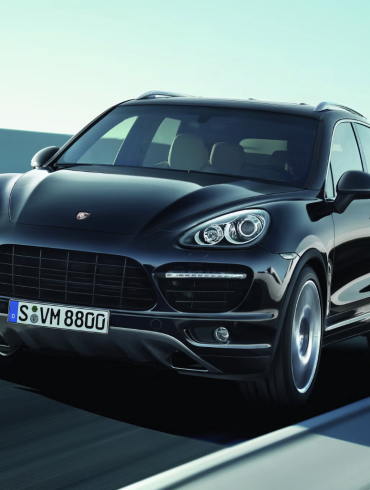
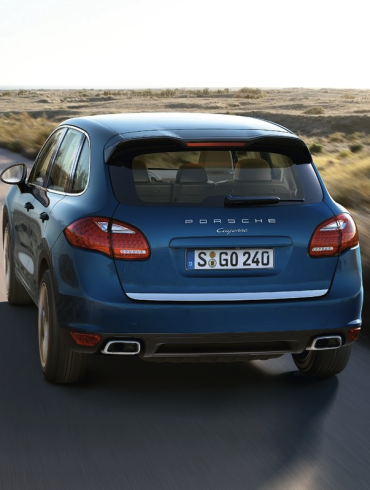
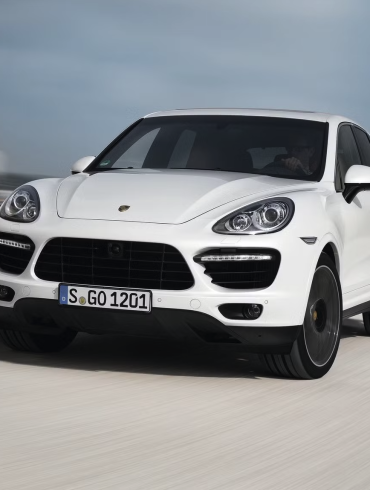
The second-generation Cayenne was introduced at the 2010 Geneva Motor Show. The SUV boasted significant improvements over the first-gen's handling and performance.
The overall looks were also improved. The first-gen Cayenne was criticized for its 'blob' shape. Porsche designers mostly fixed that with a sculpted hood with 911-like cut lines. More subtle air intakes underneath the front bumper also gave the car a more aggressive look.
Porsche also made the Cayenne much lighter with extensive use of aluminum for parts like the hood, suspension pieces and doors. That directly translated to improved handling and better gas mileage compared to the previous model.
A hybrid variant also joined the Cayenne lineup for the first time. The Cayenne S Hybrid paired a turbocharged engine, taken from Audi, with an electric motor for a total power output of around 380 hp.
Engine & Drivetrain Specifications
Engine: 333hp 3.0L supercharged V6
Electric Motor: 47 hp
Power and Torque: 380 hp / 427 lb-ft
Trans: 8-speed Tiptronic S auto
Powertrain: All-wheel-drive
Known For
The Cayenne S Hybrid was a new addition for the 2011 model year.
The design underwent several changes resulting in a sleeker and far more appealing appearance than the first-gen Cayenne.
Learn More
The Best Porsche Cayenne Variants Ever
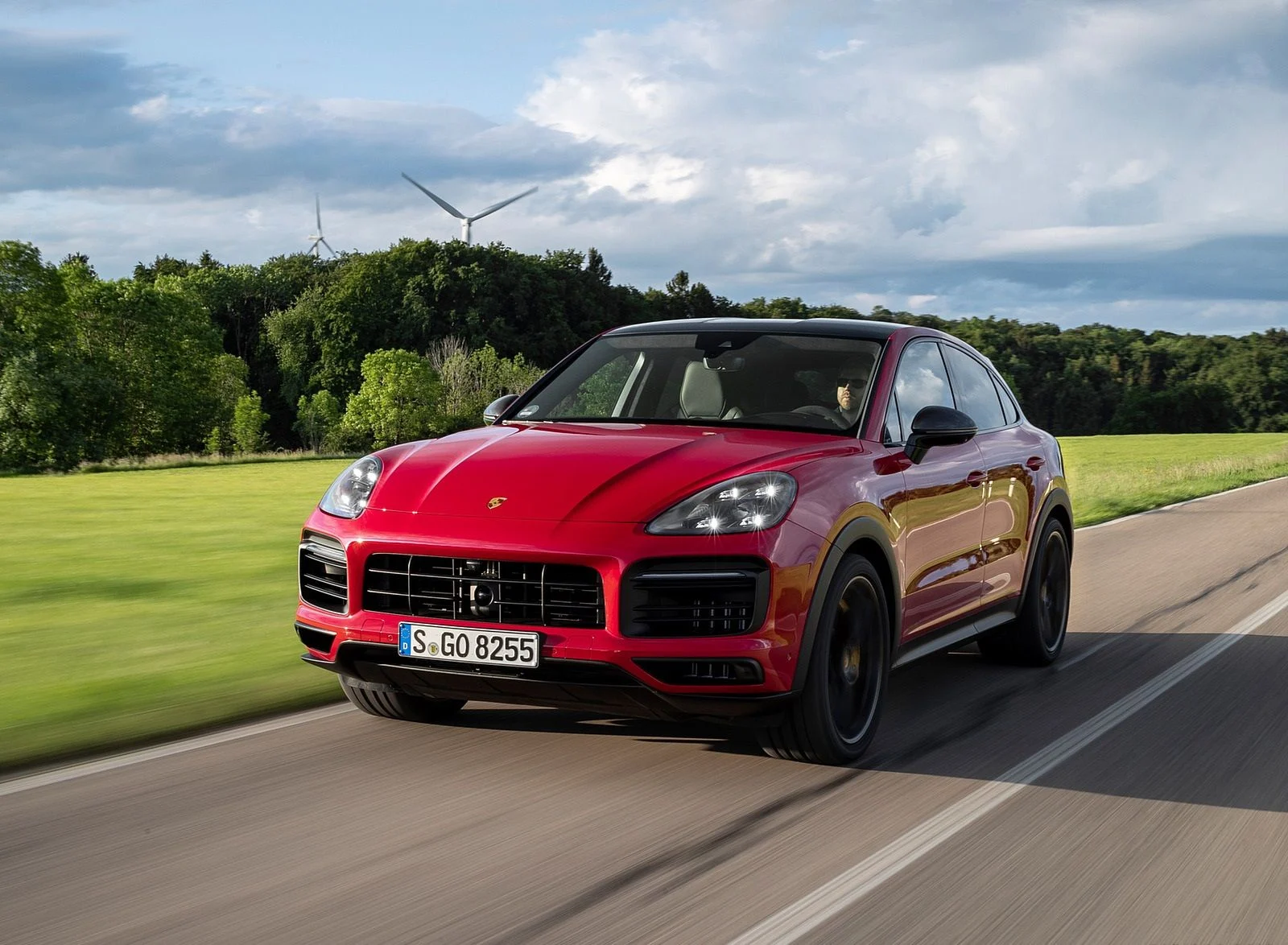
Across generations, certain Cayenne variants have transcended the SUV category to become true performance icons. The GTS has long been the enthusiast's choice while the Turbo S remains the definitive "iron fist in a velvet glove." We crown the Cayennes that prove that a high-riding Porsche can truly behave like a 911.
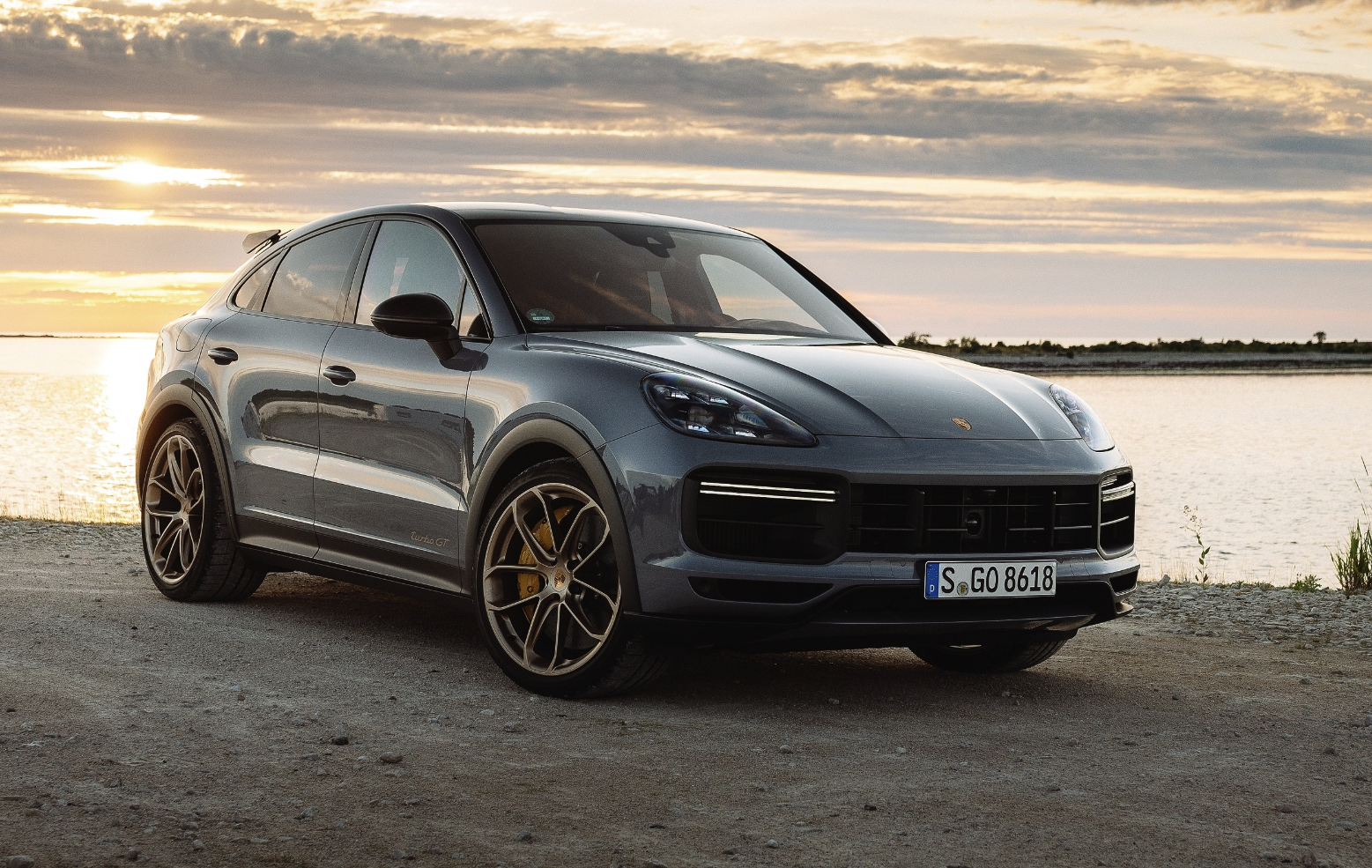
The Nürburgring King: Cayenne Turbo GT (2022–Present)
The SUV That Defies Physics - Exceptional balance of extreme performance and SUV practicality.
What Makes It Special
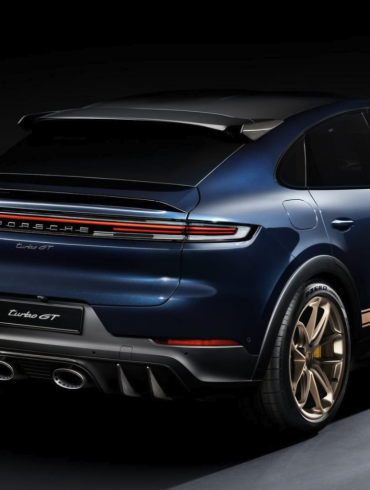
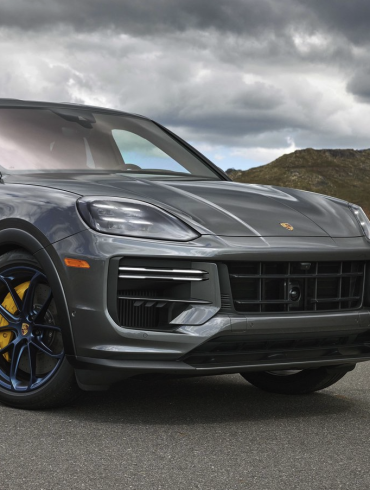
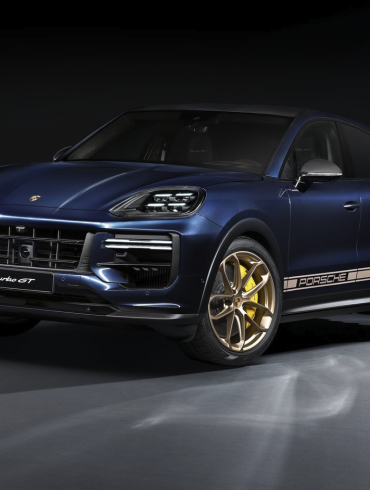
The Cayenne Turbo GT is the absolute zenith of SUV performance. Created specifically to claim the Nürburgring record for SUVs, it is available exclusively in the "Coupe" body style. While other high-end Cayennes use hybrid tech to boost power, the Turbo GT sticks to a heavily modified 4.0L twin-turbo V8. It features a titanium exhaust system that exits centrally, saving weight and providing a raw, high-pitched scream that is entirely unique in the SUV world.
This variant is 17mm lower than a standard Turbo and features a bespoke suspension setup. Porsche engineers increased the front wheel camber by 0.45 degrees and fitted wider Pirelli P Zero Corsa tires developed specifically for this car. The result is an SUV that turns in with the sharpness of a GT3, utilizing active roll stabilization and ceramic brakes to mask its 5,000-pound curb weight.
Driving a Turbo GT is a disorienting experience because your brain tells you a vehicle this tall shouldn't be able to corner this flat. It is the first SUV from Porsche to wear the "GT" nomenclature (previously reserved for the 911 and 718 GT cars), and it earns that badge through pure, unadulterated speed. It is effectively a supercar that happens to have a large trunk and four seats.
Engine & Drivetrain Specifications
Engine: 4.0L Twin-Turbo V8
Power: 631 hp @ 6,000 RPM (up to 650+ in newer iterations)
Torque: 626 lb-ft @ 2,300 – 4,500 RPM
Transmission: 8-Speed Tiptronic S
Drive: All-Wheel Drive
Known For
Held the Nürburgring SUV lap record (7:38.9) and offers 0–60 mph in a staggering 2.8 seconds.
Features a standard titanium exhaust and a GT-specific chassis tune for maximum track performance.
Learn More
The Rally Legend: Cayenne S Transsyberia
A Limited Edition Built for the Wilderness
What Makes It Special
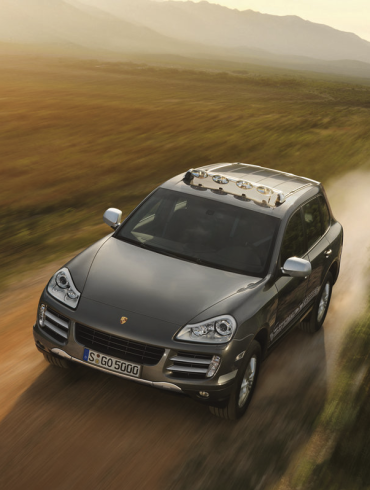
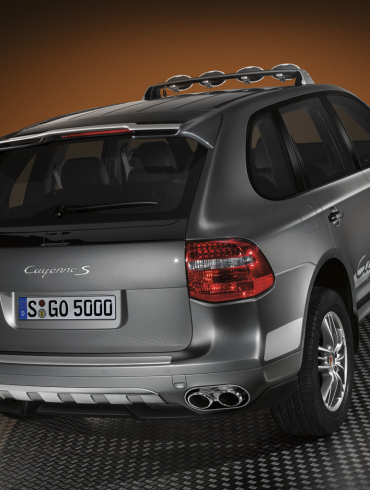
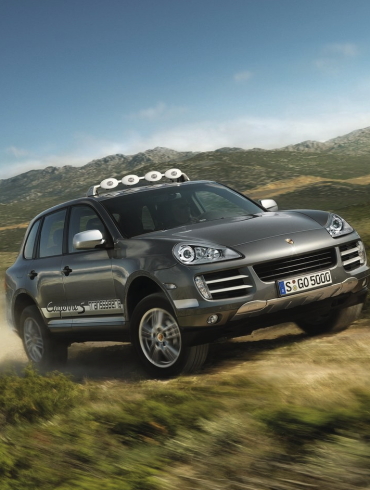
The Transsyberia is perhaps the coolest Cayenne ever made for the "adventurer" enthusiast. Produced to celebrate Porsche’s dominance in the 4,400-mile Transsyberian Rally, this limited-edition model (only 600 units for North America) brought the rugged rally-look to the street. Based on the 957-generation, it combined the high-output V8 from the GTS with the heavy-duty off-road hardware of the Cayenne S.
Visually, the Transsyberia is unmistakable. It typically features two-tone paint schemes—like Meteor Grey with Crystal Silver or Black with Orange accents—along with roof-mounted off-road lights and "Transsyberia" side decals. Inside, Alcantara and orange stitching remind you that this isn't a standard suburban crawler. It was one of the last Cayennes to offer a truly robust low-range transfer case and locking differentials as part of its core identity.
Because it was built on the 957 platform, it retains the hydraulic steering and mechanical feel that many modern Cayennes have lost. It represents a time when Porsche was eager to prove the Cayenne could conquer the Mongolian wilderness just as easily as the Autobahn. Today, it is a highly sought-after collector's item for those who appreciate Porsche’s off-road heritage.
Engine & Drivetrain Specifications
Engine: 4.8L Naturally Aspirated V8
Power: 405 hp @ 6,500 RPM
Torque: 369 lb-ft @ 3,500 RPM
Transmission: 6-Speed Tiptronic S
Drive: All-Wheel Drive (with low-range)
Known For
Rare rally-inspired special edition with distinctive two-tone paint and off-road lighting.
Features the high-revving GTS V8 engine and genuine off-road hardware for overlanding capability.
Learn More
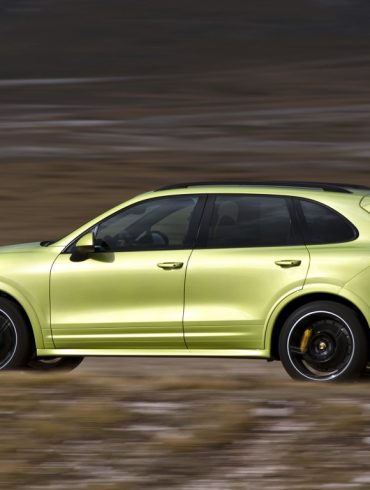
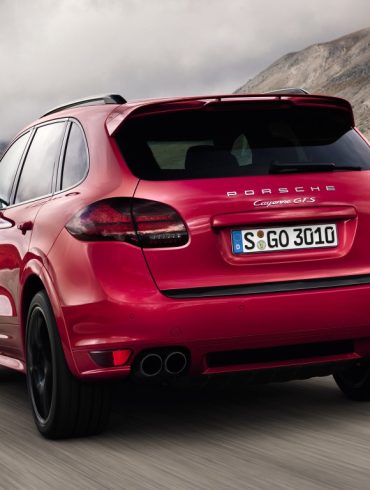
The Purist’s Peak: Cayenne GTS (958.1 Generation)
The Last of the Naturally Aspirated V8s - Helped cement the Cayenne’s reputation as a true Porsche.
What Makes It Special
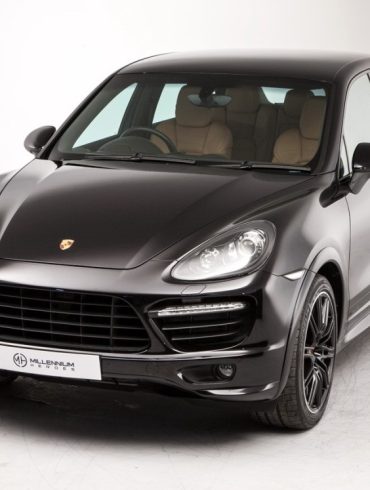
The 958.1-generation GTS is considered by many to be the "sweet spot" of the Cayenne timeline. It was the last time the GTS variant featured a naturally aspirated V8 engine before Porsche switched to turbocharging. Because it lacks turbos, the throttle response is instantaneous and the sound is legendary—a deep, mechanical V8 bark that modern turbocharged engines struggle to replicate.
The GTS was designed for the driver who prioritized handling and "feel" over raw top speed. It sits 20mm lower than the Cayenne S and features the Turbo's aggressive front fascia as standard. Inside, the GTS-specific sport seats and extensive use of Alcantara create a cockpit that feels more like a sports car than a utility vehicle. It was a masterclass in chassis tuning, proving that a heavy SUV could be genuinely playful on a winding road.
This specific generation is beloved because it strikes a perfect balance between modern luxury and "old-school" mechanical soul. It feels lighter and more agile than the first-generation models but retains the characterful engine that makes every downshift an event. For the enthusiast who wants a V8 sound and a sharp chassis without the complexity of modern hybrid systems, the 958.1 GTS is the gold standard.
Engine & Drivetrain Specifications
Engine: 4.8L Naturally Aspirated V8
Power: 420 hp @ 6,500 RPM
Torque: 380 lb-ft @ 3,500 RPM
Transmission: 8-Speed Tiptronic S
Drive: All-Wheel Drive
Known For
The final Cayenne GTS to feature a naturally aspirated V8, renowned for its incredible exhaust note and throttle response.
Features a lowered, sport-tuned chassis that provides the most car-like handling of its era.
Learn More
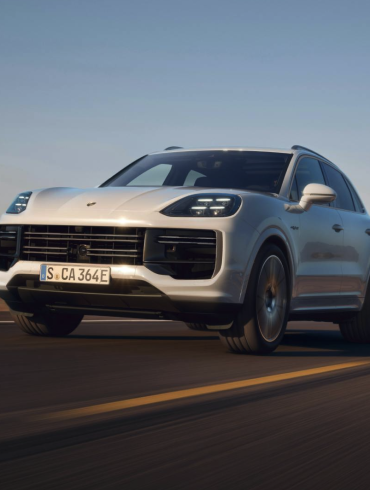
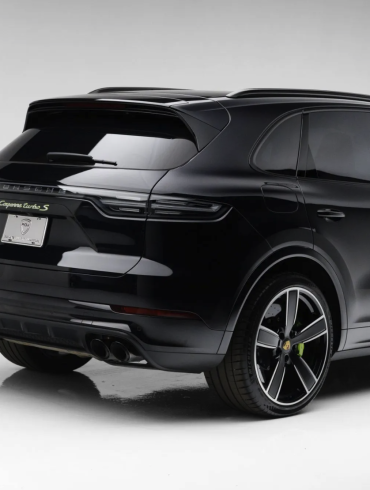
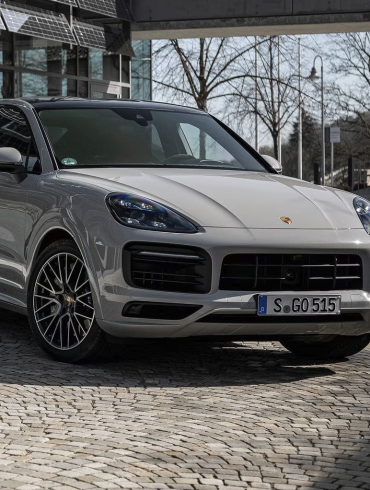
The Powerhouse: Cayenne Turbo S E-Hybrid (2020–2023)
Unstoppable Force Meets Electric Efficiency. Explosive performance that earned it widespread acclaim.
What Makes It Special
The Turbo S E-Hybrid is the ultimate expression of Porsche’s technical "brute force." By taking the already powerful twin-turbo V8 and adding a high-torque electric motor, Porsche created a vehicle with 729 horsepower (in its latest form). This model represents the "Alpha" of the lineup for those who want the most of everything: the most power, the most technology, and the most prestige.
The car uses a "boost strategy" derived from the 918 Spyder hypercar, using the electric motor to fill in the torque gaps while the turbos spool up. This results in relentless, neck-snapping acceleration from any speed. It also offers the ability to cruise in near-total silence on electric power for short commutes, giving it a dual personality that no other variant can match.
Because it is the flagship, it comes standard with almost every performance option Porsche offers, including Ceramic Composite Brakes (PCCB) and Porsche Dynamic Chassis Control (PDCC). It is a heavy machine, but it uses every bit of its advanced software to hide that weight. It is the "no-compromise" choice for the buyer who wants the fastest, most technologically advanced SUV Porsche knows how to build.
Engine & Drivetrain Specifications
Engine: 4.0L Twin-Turbo V8 + Electric Motor
Power: 729 hp (Combined)
Torque: 700 lb-ft (Combined)
Transmission: 8-Speed Tiptronic S
Drive: All-Wheel Drive
Known For
The most powerful production Cayenne ever made, utilizing 918 Spyder hybrid technology.
Capable of zero-emission electric driving while still delivering 180+ mph top speeds.
Learn More
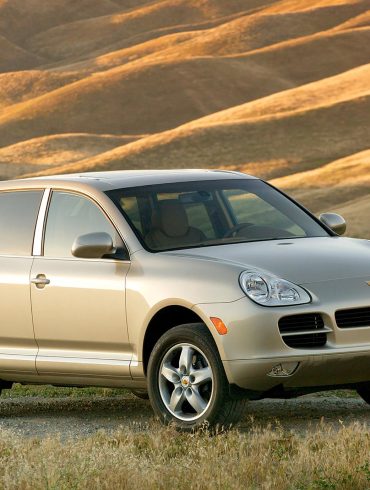
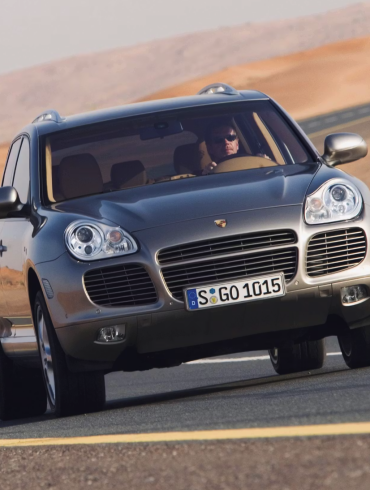
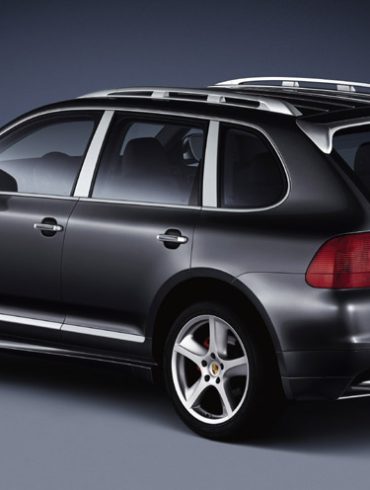
The Original Disruptor: Cayenne Turbo (955 Generation)
The Car That Changed Everything. The original "Super SUV".
What Makes It Special
The original 955 Turbo is the car that started the high-performance SUV revolution. When it launched, it was the fastest SUV in the world, capable of outrunning many contemporary sports cars while still being a legitimate off-roader. It featured a 4.5L twin-turbo V8 and an adjustable air suspension that could raise the car to provide nearly 11 inches of ground clearance.
What makes the 955 Turbo special is its "over-engineered" nature. Porsche was so determined to prove that an SUV could be a "real" Porsche that they built it to withstand extreme abuse. It featured a heavy-duty four-wheel-drive system with a low-range transfer case and a locking center differential—features that have largely been phased out of modern performance SUVs in favor of weight savings.
Today, the 955 Turbo is gaining status as a "Youngtimer" classic. Its 911-inspired "egg" headlights and muscular stance have aged better than critics originally predicted. It remains a testament to Porsche’s engineering courage, proving that you could have 911-levels of turbo boost in a package that could also tow a boat or cross a desert.
Engine & Drivetrain Specifications
Engine: 4.5L Twin-Turbo V8
Power: 450 hp @ 6,000 RPM
Torque: 457 lb-ft @ 2,250 – 4,750 RPM
Transmission: 6-Speed Tiptronic S
Drive: All-Wheel Drive
Known For
The original "Super SUV" that combined sports car speed with genuine heavy-duty off-road hardware.
Highly over-engineered, featuring a 4WD system with low-range that is rare in modern performance vehicles.
Learn More
The Best Porsche Cayenne to Buy
No compromises, no caveats, these are the two Cayennes that offer the best long-term value and driving experience. If you strip away budget concerns, practicality debates, and option-sheet distractions, only two Cayenne variants deliver peak enthusiast enjoyment today while offering the strongest long-term investment potential.
Porsche Cayenne Turbo GT (Coupe)
The Supercar in an SUV Suit. Now available at a price that is hard to turn down.
What Makes It Special
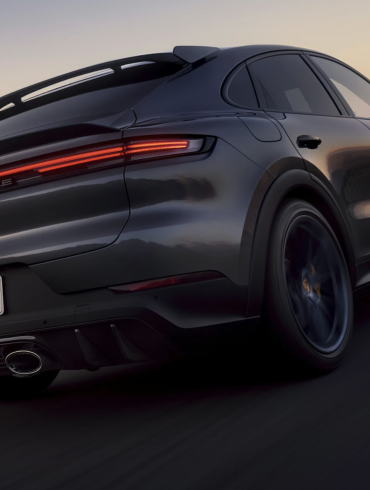
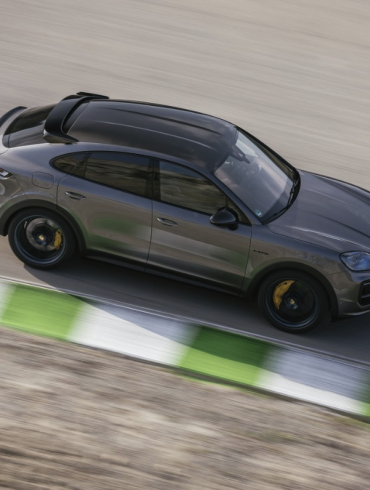
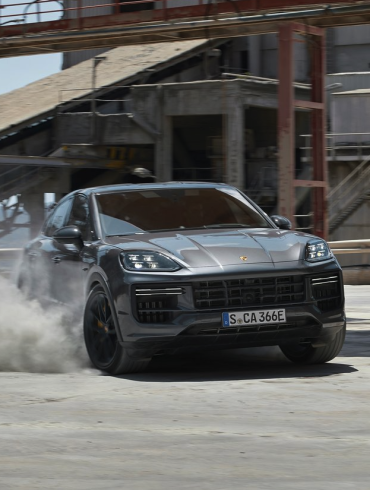
When the conversation turns to "no trade-offs," the Cayenne Turbo GT is the only answer. This is the first SUV Porsche allowed their GT department to fully develop, and it shows. By intentionally omitting the heavy hybrid batteries found in the Turbo S E-Hybrid, Porsche kept the Turbo GT focused on one thing: physics-defying lap times. It is arguably the only SUV in the world that feels truly at home on a race track, offering front-end grip that mirrors a 911.
From an investment standpoint, the Turbo GT is the "911 GT3" of the SUV world. It is produced in lower numbers than the standard Turbo and is visually distinguished by its carbon fiber roof, widened wheel arches, and those iconic center-exit titanium exhausts. As the automotive world shifts toward electrification, a pure-ICE (Internal Combustion Engine) V8 with this level of tuning is almost guaranteed to become a high-value "end of an era" collectible.
For the enthusiast, there is no higher peak. The engine is a masterpiece of violence and refinement, and the chassis is so stiff and responsive that you forget you are sitting several feet off the ground. It is the ultimate "one-car garage" solution—a vehicle that can drop the kids at school and then set a blistering lap time at a track day without changing a single setting.
Engine & Drivetrain Specifications
Engine: 4.0L Twin-Turbo V8
Power & RPM: 631 hp @ 6,000 RPM
Torque @ RPM: 626 lb-ft @ 2,300 – 4,500 RPM
Transmission: 8-Speed Tiptronic S
Drive: All-Wheel Drive
Known For
The absolute pinnacle of SUV handling, featuring a GT-specific chassis and titanium exhaust.
Extremely high investment potential as the final, most powerful non-hybrid V8 Cayenne ever built.
Learn More
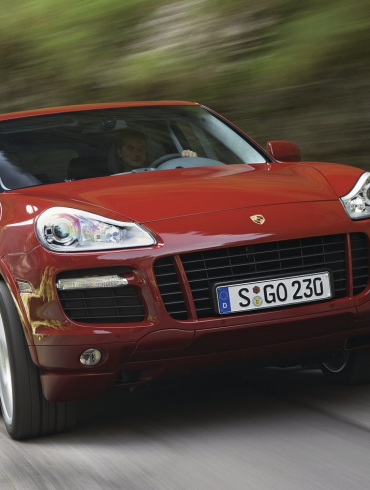
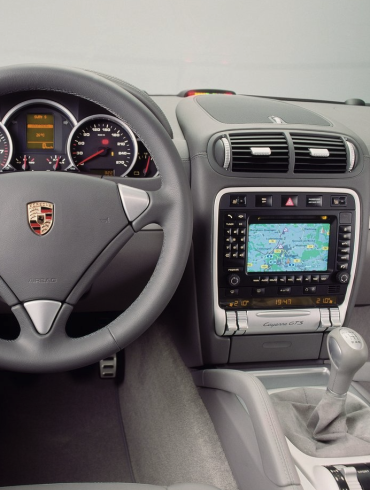
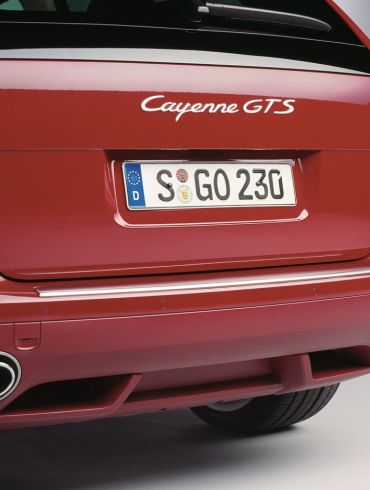
The Enthusiast’s Masterpiece: Porsche Cayenne GTS (957) 6-speed manual
It's a manual Cayenne GTS, what else do we need to say about it!!!
What Makes It Special
If the Turbo GT is the “new money” blue-chip, the manual 957 Cayenne GTS is the enthusiast’s insider pick—the one that feels increasingly impossible in hindsight. A naturally aspirated V8, the sharper GTS chassis tune, and the genuinely rare “I can’t believe they offered it” manual gearbox creates the kind of spec that becomes folklore, then demand, then price memory. The market has already started showing how irrationally people will chase the right manual Cayenne.
What makes it special to drive isn’t just the third pedal—it’s the whole era. The 957 GTS has that old-school Porsche SUV character: substantial steering feel, a V8 that likes revs, and a sense of mechanical connection you simply don’t get from the newer, more insulated cars. It’s fast enough to be entertaining, but more importantly, it’s engaging at sane speeds—exactly the trait that makes “keeper” enthusiast cars.
From an investment perspective, the manual GTS is the rare Cayenne that checks true Porsche collector boxes: rarity + narrative + analog feel. Porsche itself has essentially “validated” the idea of the manual GTS as a cultural object (not just an old used SUV) by spotlighting and restoring one through its customization/heritage storytelling channels. That kind of brand attention tends to pour gasoline on desirability.
Engine & Drivetrain Specifications
Engine: 4.8L naturally aspirated V8
Power: 405 hp @ 6,500 rpm
Torque: 369 lb-ft @ 3,500 rpm
Transmission: 6-speed manual (optional)
Drive: All-wheel drive
Known For
The unicorn-spec Cayenne: V8 + GTS chassis + manual = instant enthusiast credibility (and increasing collector pull).
Already showing “collector behavior” in the market—people pay up for the story and the spec.