

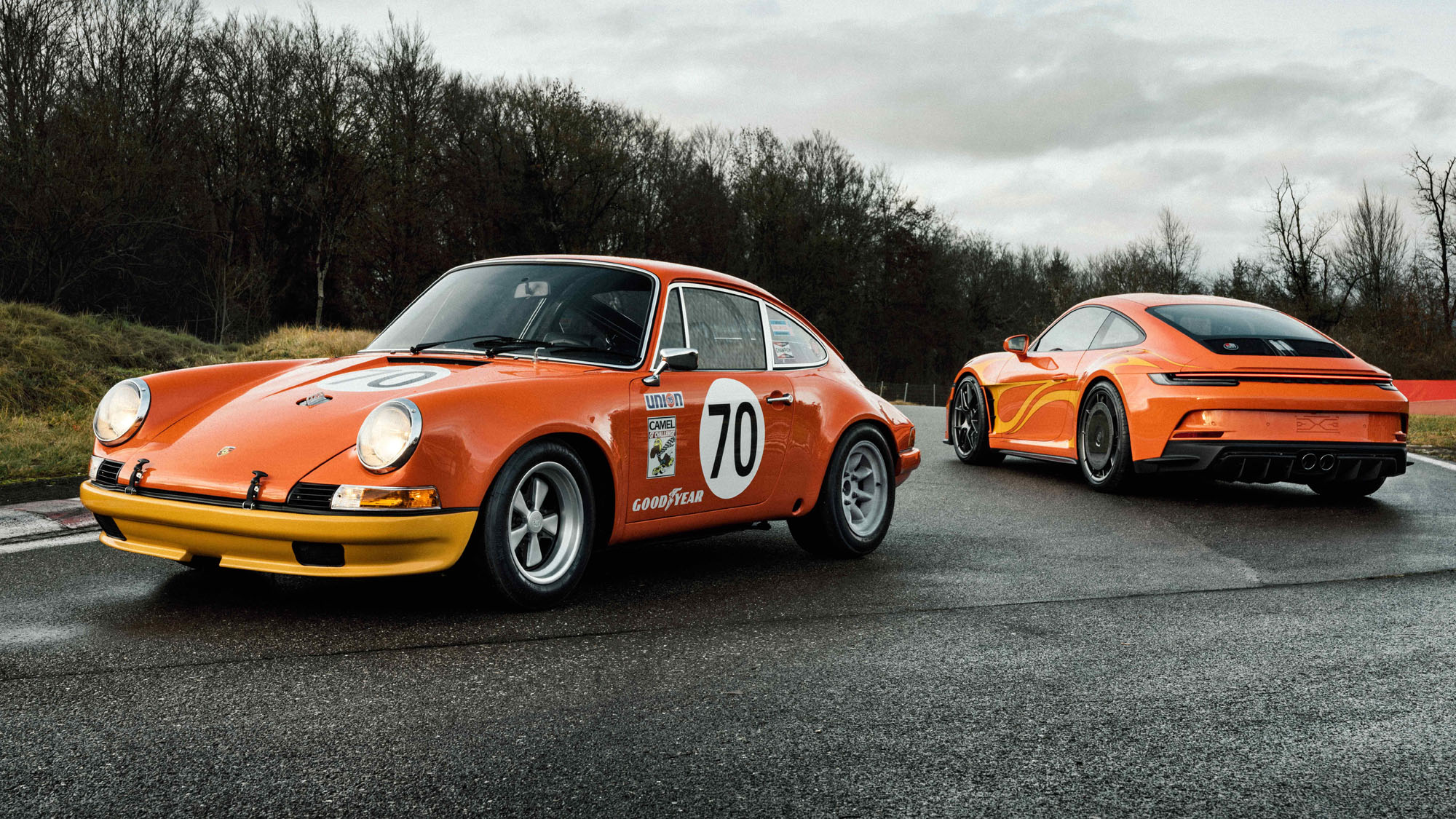
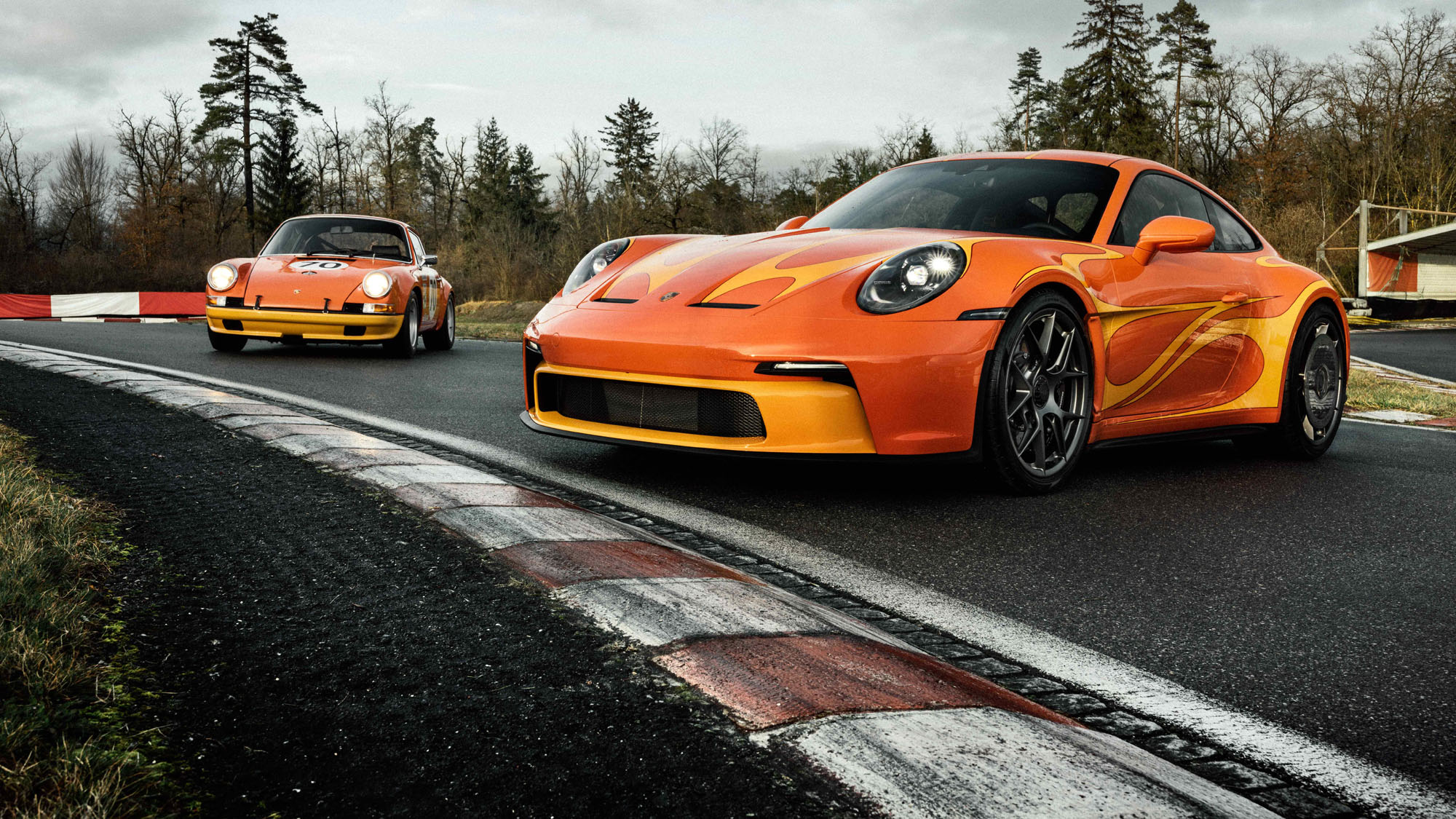
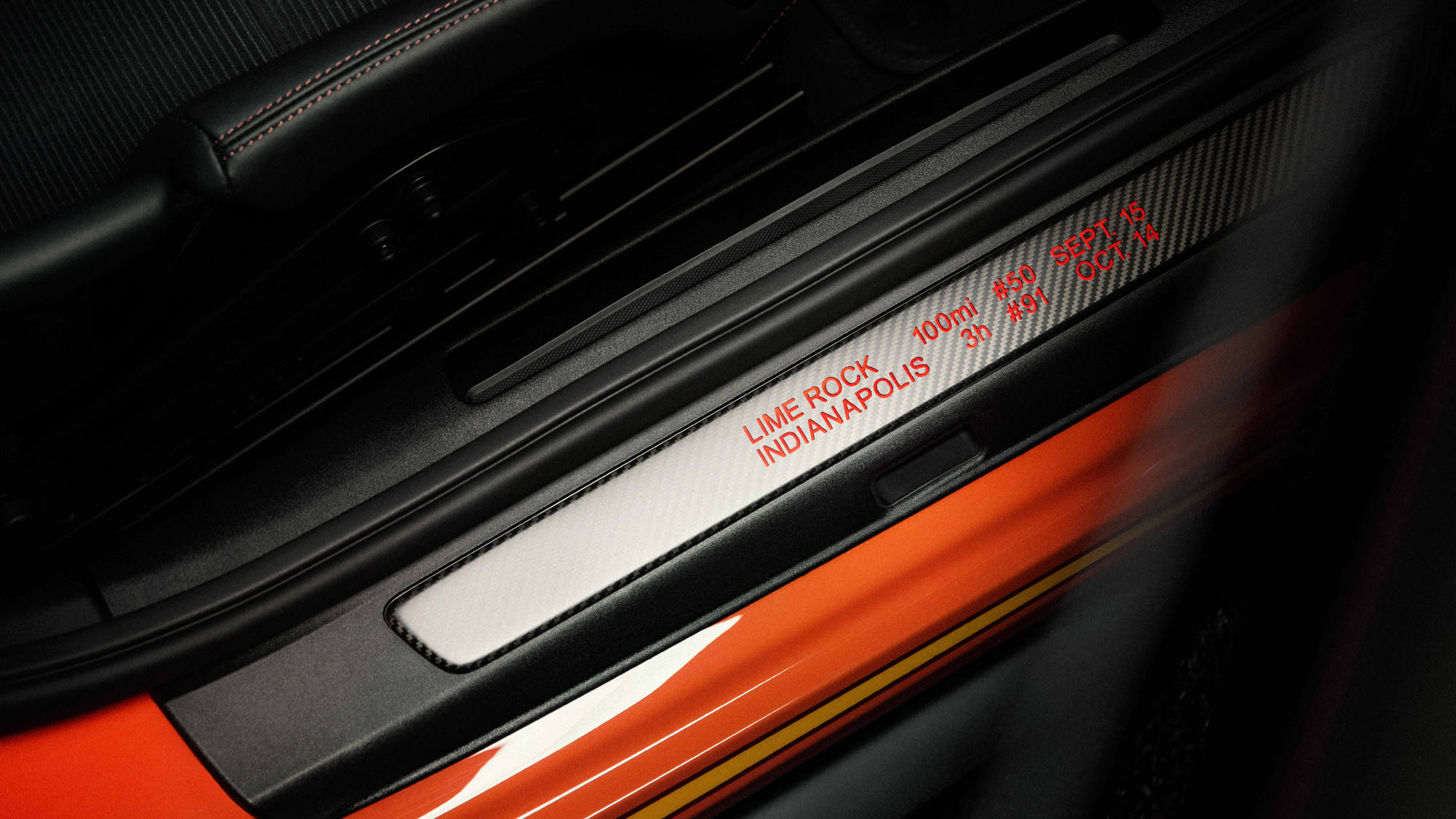
Although the 1972 Porsche 911 S/T today presents in near-perfect condition, its Phoenix Red paintwork reflects a hard-fought career on track. Between 1973 and 1978, the car competed across North America in the Camel GT Challenge, appearing at circuits including Sebring, Daytona, and Indianapolis. Archival records confirm 27 race entries, cementing its place within Porsche motorsport history.
Highlights
- Historic racing icon: The 1972 Porsche 911 S/T carries a rich motorsport heritage, having competed in 27 races in the Camel GT Challenge.
- Reborn as inspiration: Decades later, the 911 S/T was restored and went on to inspire a highly individualized modern reinterpretation through Porsche Sonderwunsch.
- Unique Sonderwunsch creation: The contemporary build blends historic references with modern craftsmanship, highlighting Porsche Exclusive Manufaktur capabilities.
Colorful racing history
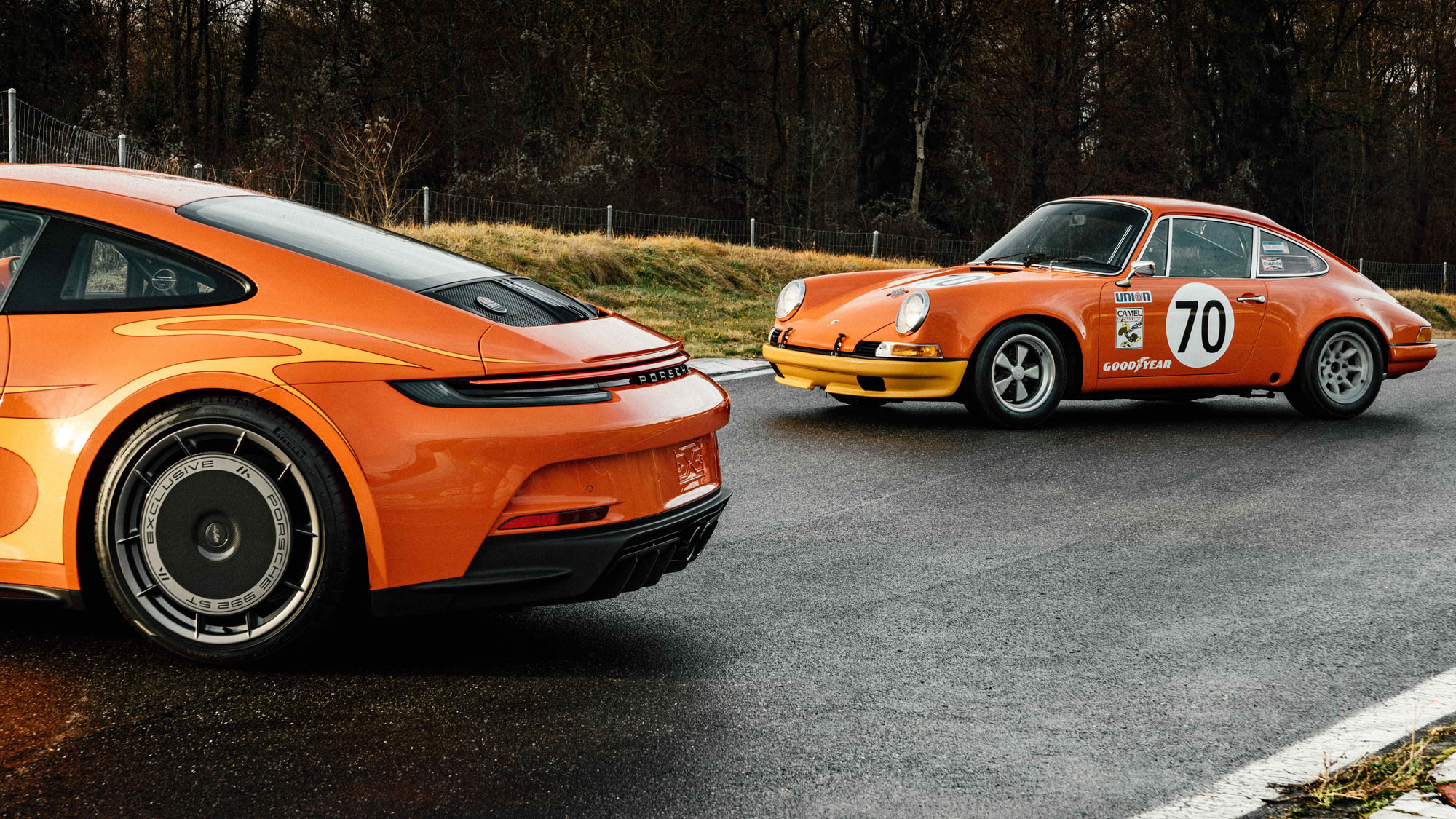
In the early 1970s, securing a factory-prepared Porsche 911 RSR proved difficult. Canadian outfit Equipe de Course Marc Dancose instead opted for a standard 911 S/T, which was subsequently transformed into a competitive racer by Brumos Racing. The modifications were both functional and visually distinctive, including wider rear wheels paired with standard fronts and the now-iconic Phoenix Red finish. Despite its promise, the car’s racing career came to an abrupt end in 1978 following a crash at Trois-Rivières in Québec, cutting short its final outing.
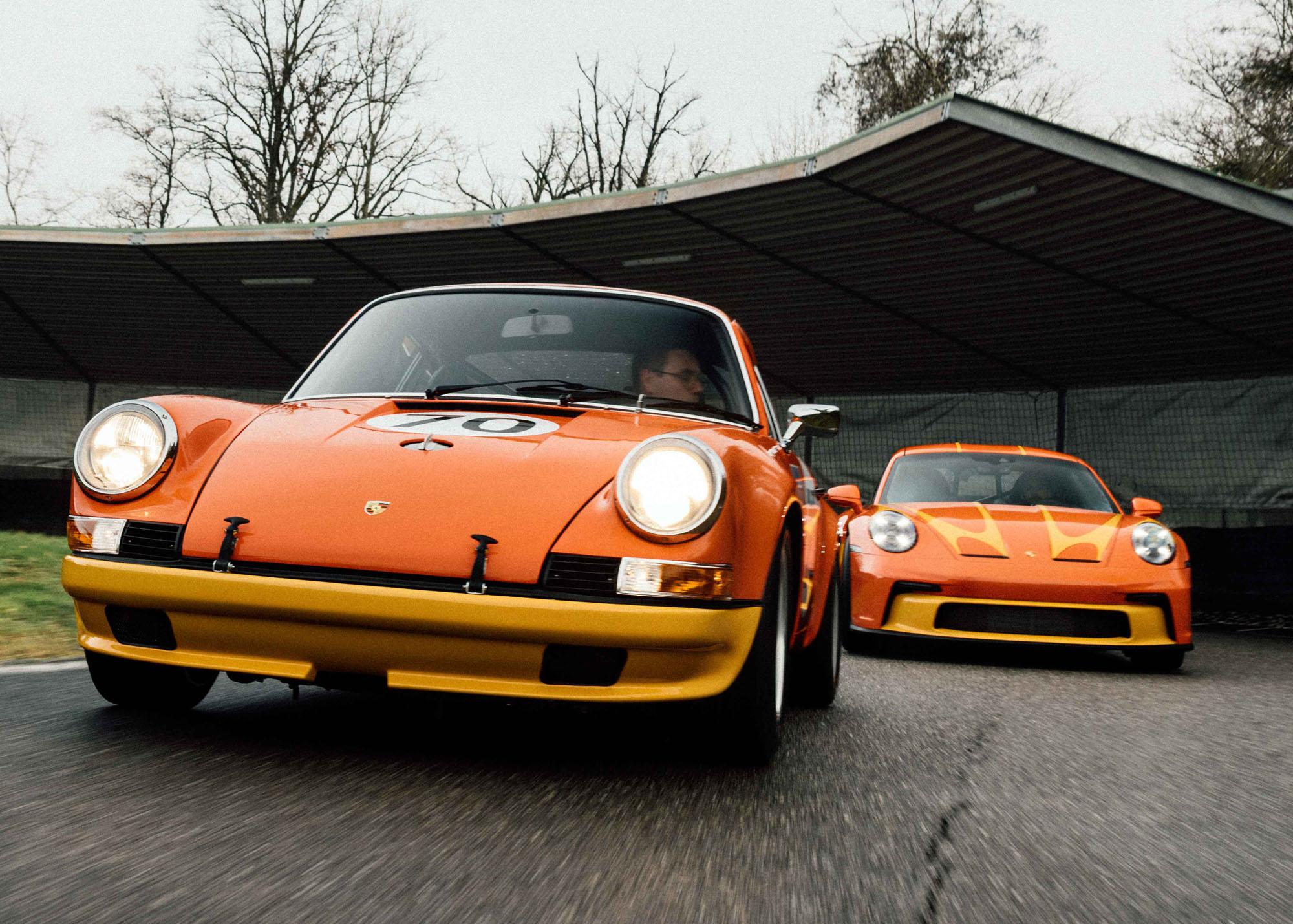
Years later, the Phoenix Red 911 S/T was painstakingly restored within a Swiss collection, effectively bringing the car back to life. Its revival would ultimately inspire a modern one-off commission—an interpretation rather than a replica—reflecting the growing demand for bespoke, heritage-driven builds among Porsche collectors.
An eye for the extraordinary
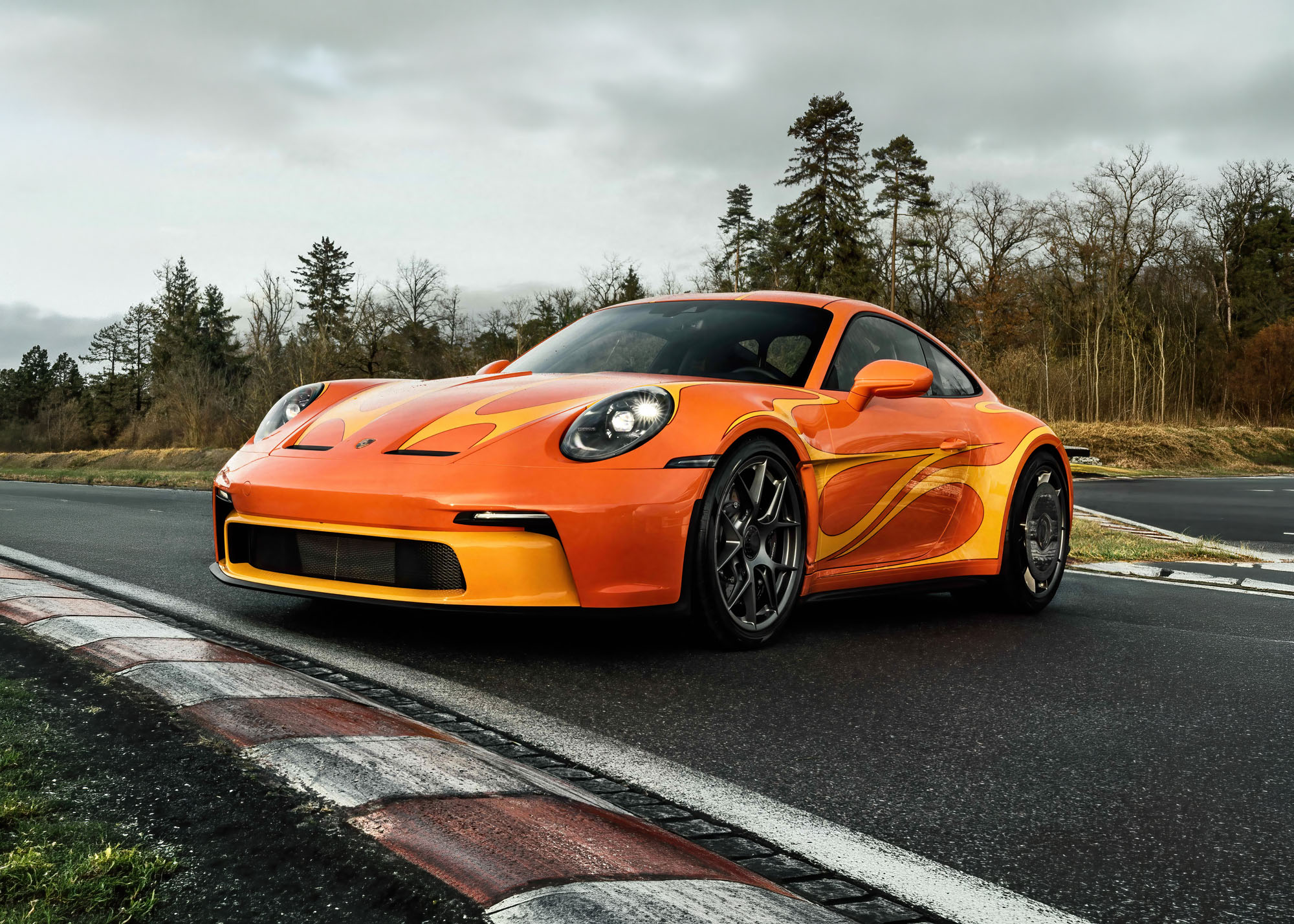
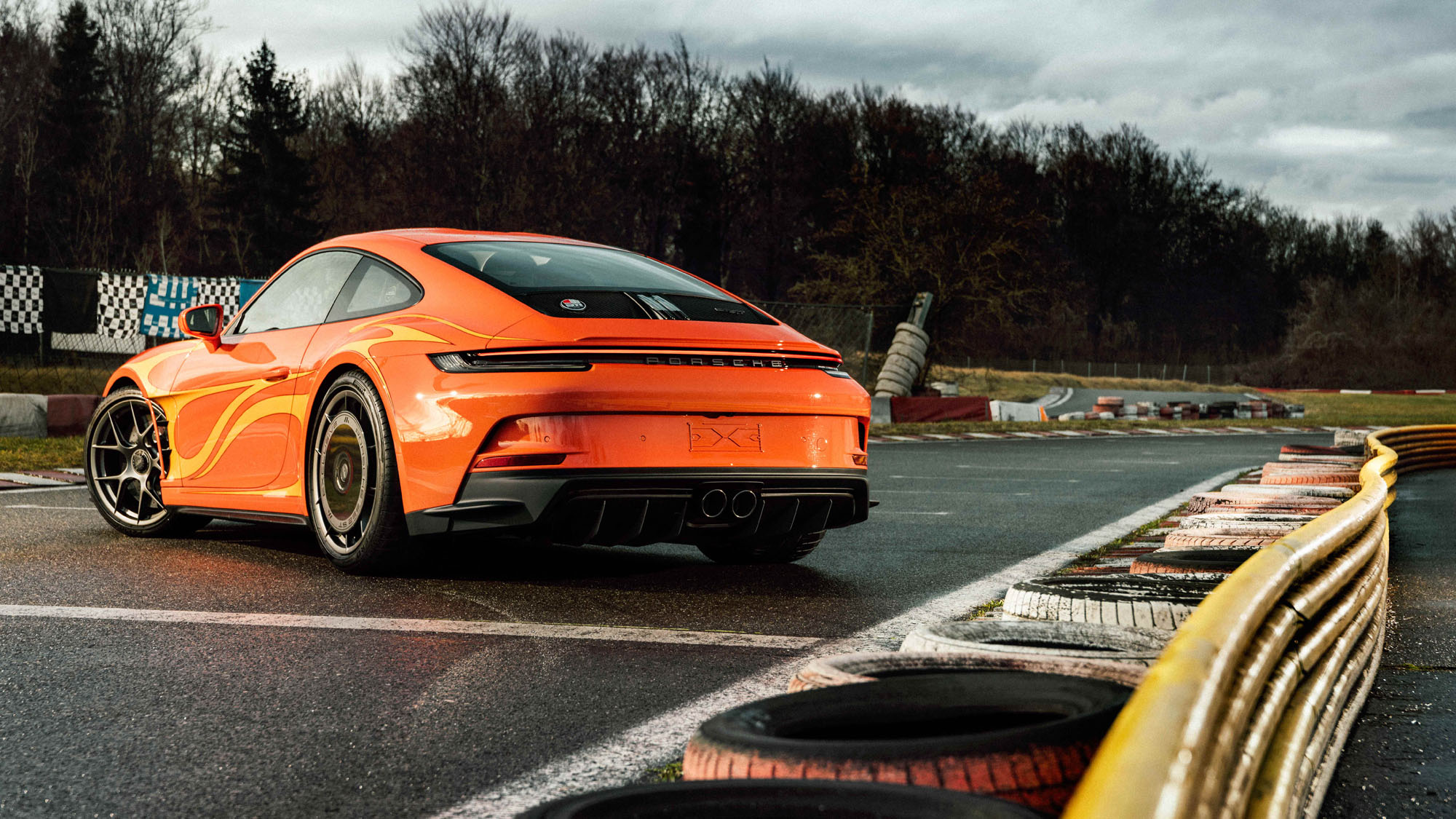
Porsche’s Sonderwunsch division approached the project with a meticulous eye for detail. As with the original car, subtle Signal Yellow accents remain visible across selected elements, while the majority of the bodywork is finished in Phoenix Red. Rather than replicating period sponsor decals, designer Grant Larson—known for the Carrera GT and first-generation Boxster—developed a flowing, hand-applied color treatment inspired by the original tones.
A look back
The influence of the Camel GT Challenge, organized by the International Motor Sports Association (IMSA), is central to the project. Established in 1971, the series combined sprint and endurance racing across North America, with Camel assuming title sponsorship in 1972.
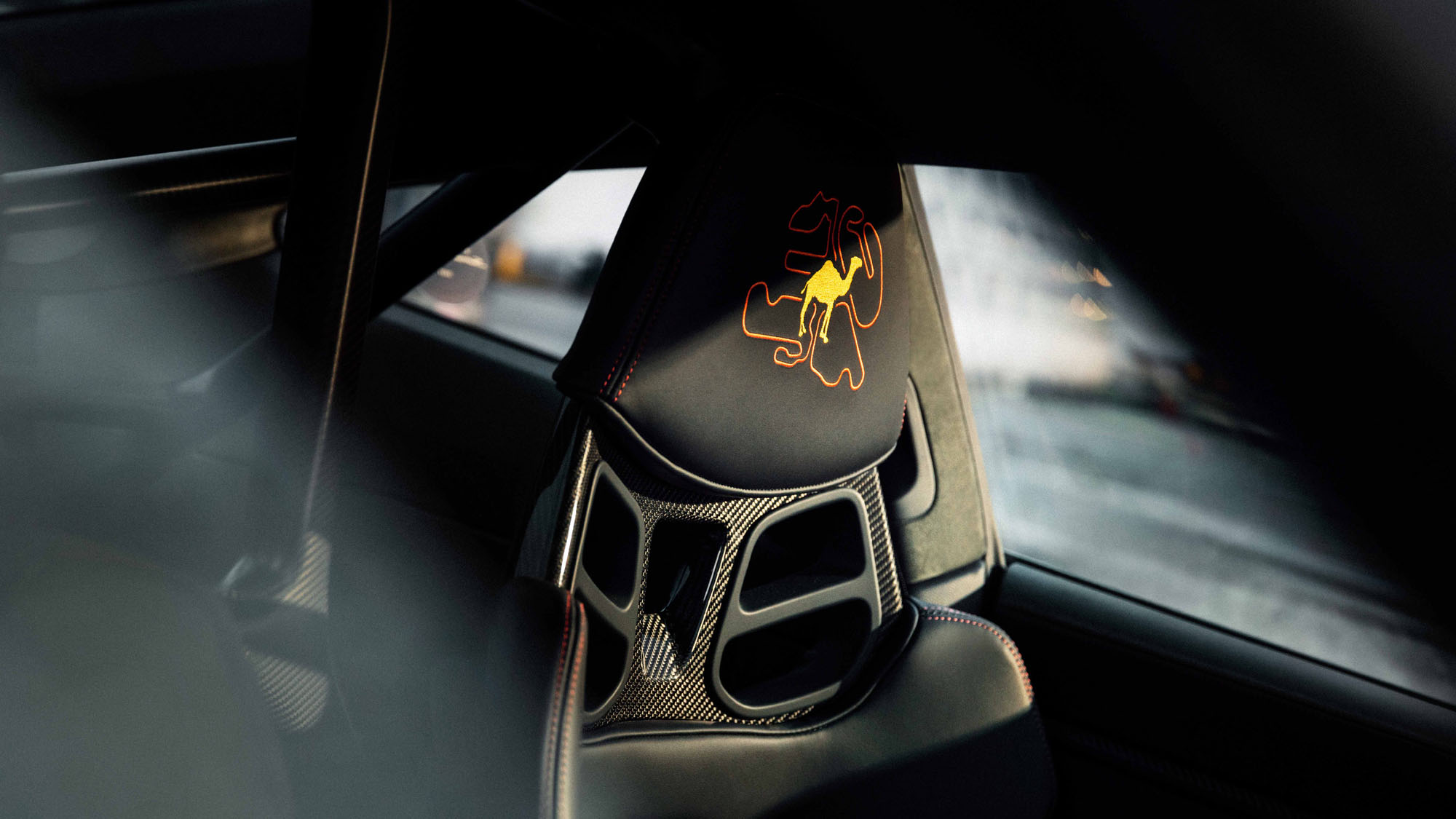
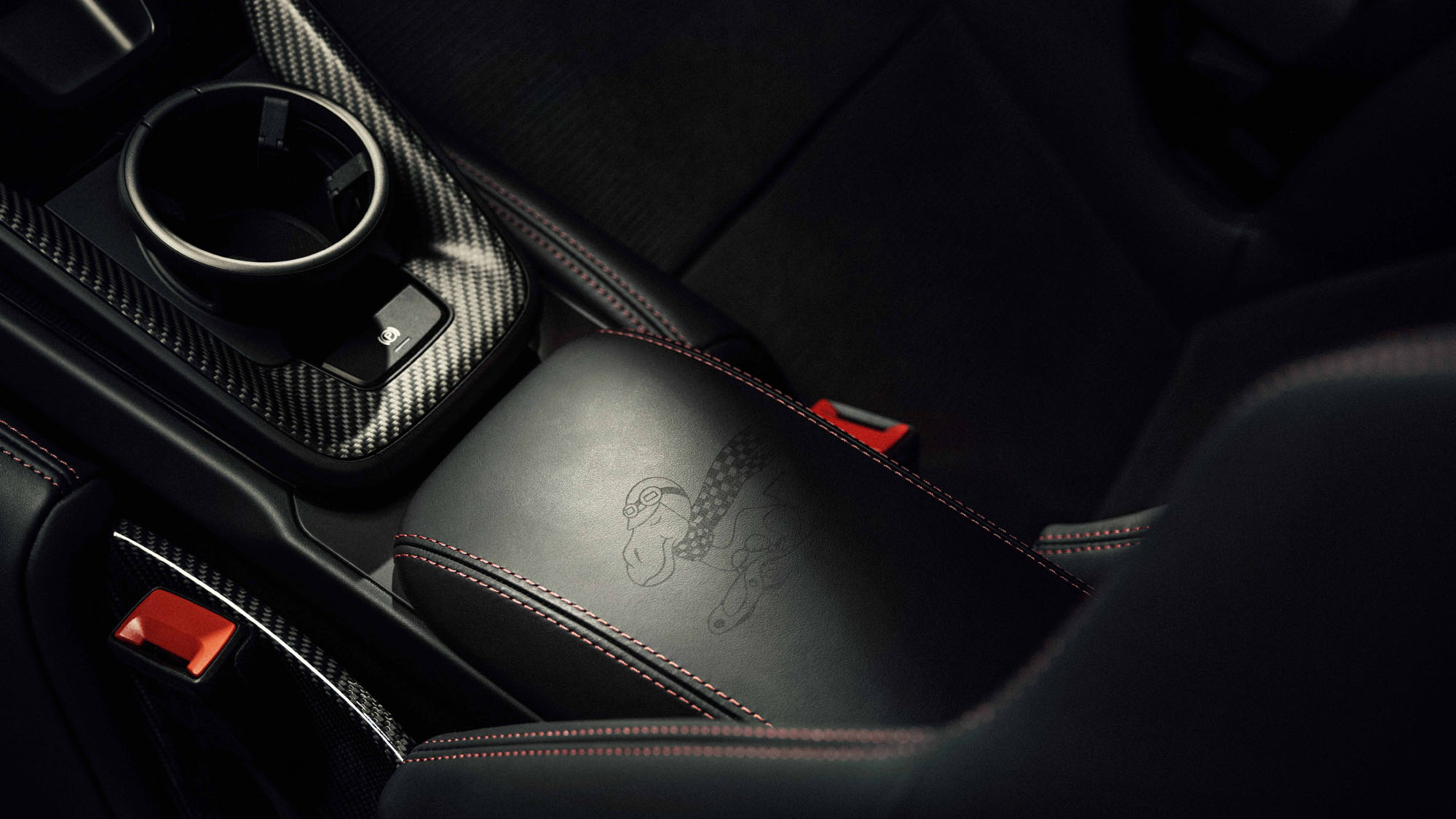
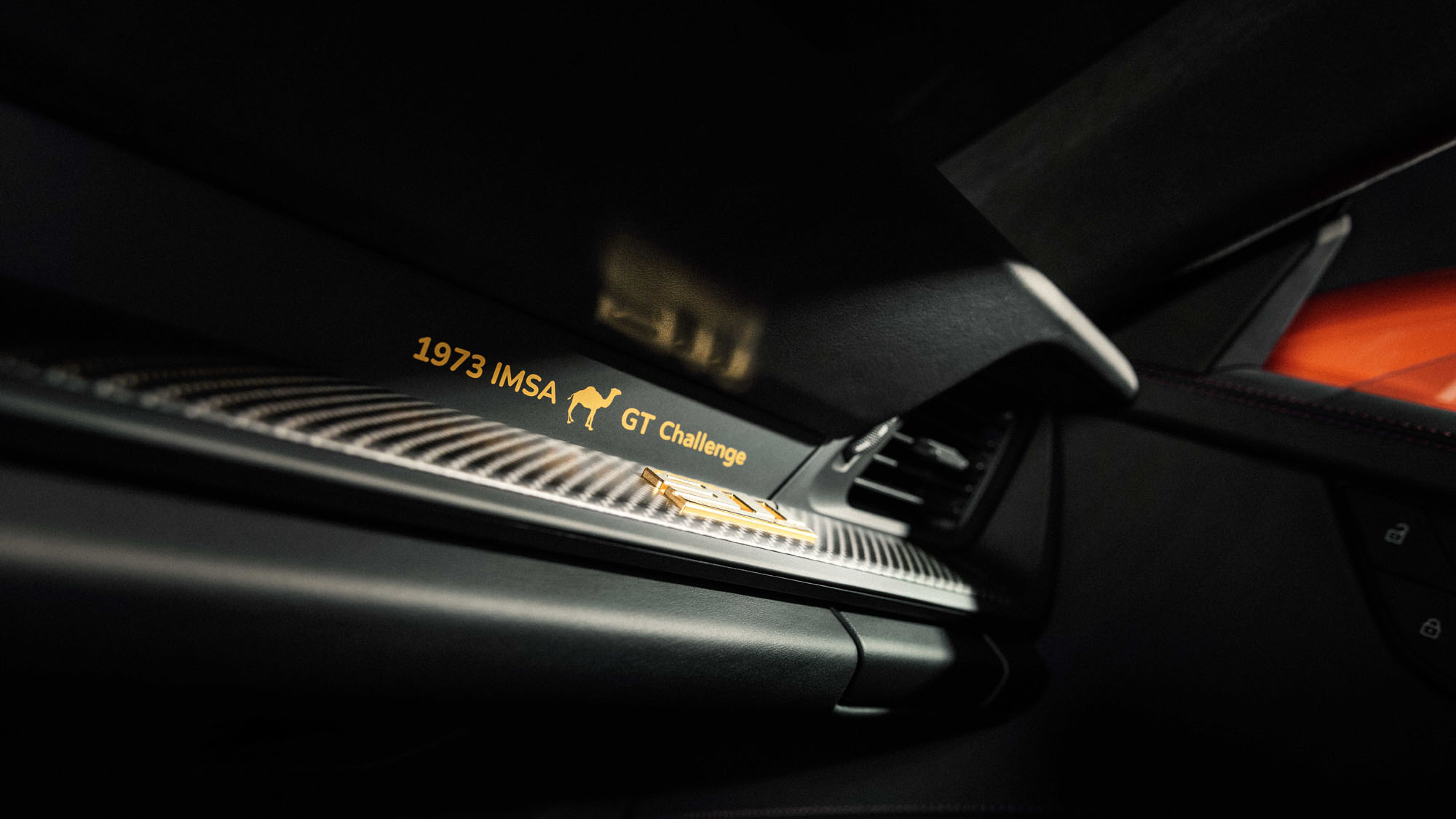
While tobacco branding is no longer appropriate in a modern context, subtle references remain throughout the interior, including embroidered motifs, trim detailing, and custom lighting elements that reinterpret the original iconography.
Intentional asymmetry
The reinterpretation also incorporates the asymmetrical wheel concept of the original car. The rear features Manthey Racing aerodiscs derived from the 911 GT3 RS, which can be removed for road use.
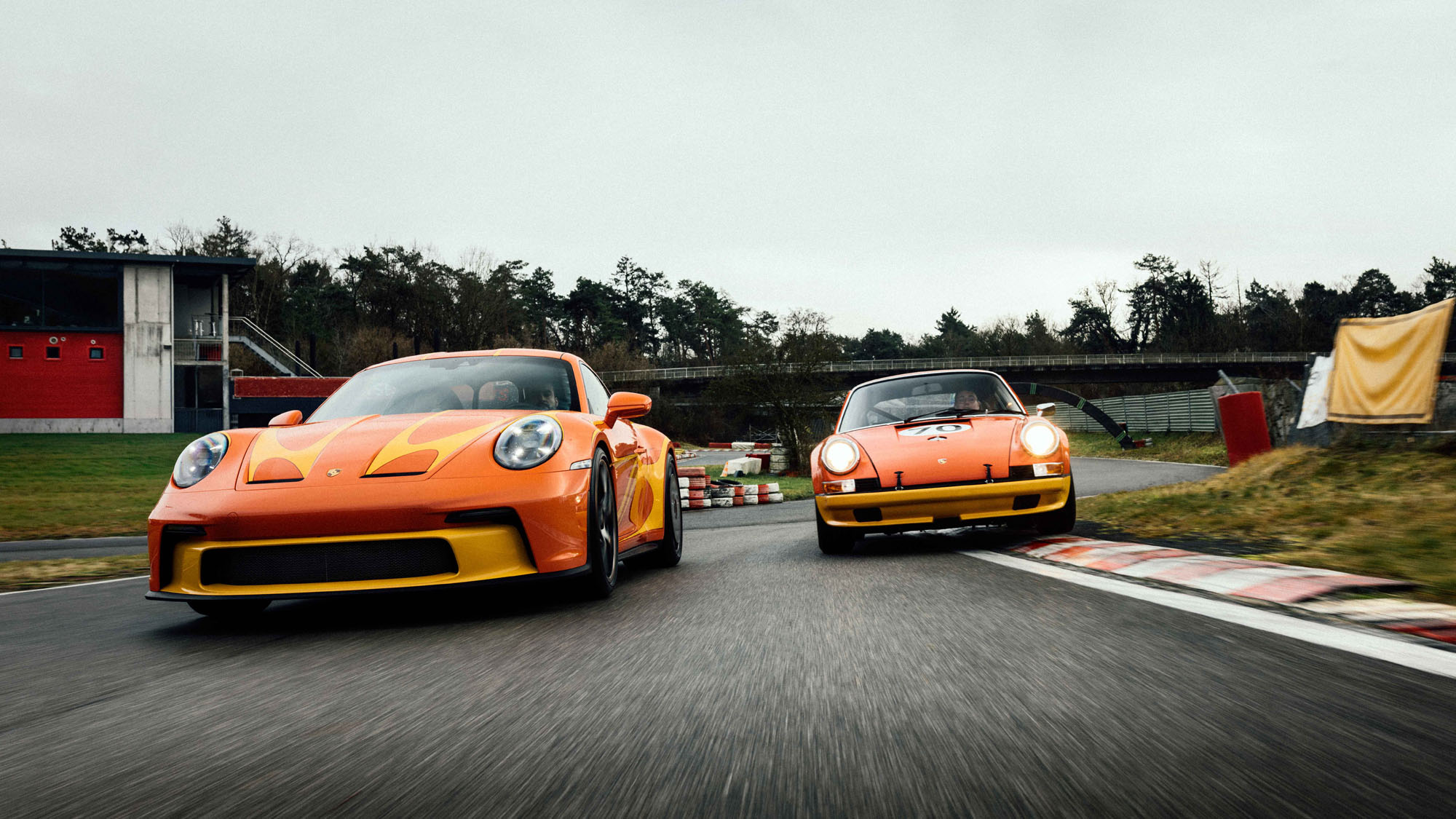
As with all Sonderwunsch projects, the result meets Porsche’s highest standards for craftsmanship and usability. The one-off 911 S/T is fully road-legal while retaining track capability, showcasing the depth of personalization possible within Porsche’s bespoke program and reaffirming the enduring appeal of heritage-inspired design.
Above contents © 2026 Dr. Ing. h.c. F. Porsche AG reviewed and edited by Rex McAfee , @rexmcafee