
The Best Porsche 911 Model Years & Generations Ever Produced
The 911 is undoubtedly one of the most enduring symbols of the sports car. From its air-cooled roots to the modern marvels of today, each generation of the 911 has left an indelible mark on the automotive landscape. But which model years and generations truly stand out? Here's to the best of the best.
What's the best 911? We ask the experts.
The wide array of available Porsche models may overwhelm a new enthusiast. We hope to narrow the options and make the selection task a little easier. We asked our team of Porsche experts and enthusiastic members and they didn't let us down. This page is a culmination of their opinions and experience. If you're shopping for a 911 or thinking about which selection is future-proof in terms of an investment, this is the page for you.
The Most Desirable 911 Years & Generations? It Is More Than Just Numbers to Us
The Porsche 911 has never stood still—and neither has the debate around what truly makes a great one. This page is written from the perspective of people who don’t just admire these cars from afar, but live with them, drive them hard, maintain them, and obsess over the details. This isn’t a generic ranking or a recycled spec-sheet exercise. It’s an enthusiast-led examination of the 911’s most meaningful moments, shaped by ownership experience, historical understanding, and thousands of real-world arguments.
We approach the 911 the way Porsche itself has always evolved it: thoughtfully, critically, and with respect for what came before. That means recognizing that greatness doesn’t always come from being the fastest or the most expensive—it often comes from balance, intent, and timing. Some generations captured a mechanical character so perfectly that once Porsche moved on, it could never truly be replicated again. Others represent singular years where engineering maturity, reliability, performance, and cultural impact aligned in a way that made the entire lineup feel untouchable.
This article is structured in three parts. First, we identify the best Porsche 911 generations—the ones that didn’t just move the needle, but redefined what a sports car could be. These are the inflection points in 911 history, where a specific philosophy was executed so well that it still defines how enthusiasts judge every 911 that followed. Next, we focus on the best Porsche 911 model years, pinpointing the exact moments when Porsche got everything right at once—mechanically, emotionally, and historically—often across the entire range. Finally, we examine the most controversial 911 model years, exploring why some of the most important cars were initially misunderstood, and how time, context, and real-world driving have finally allowed their significance to be recognized.
At its core, this guide reflects how actual 911 owners and lifelong fans think about these cars. We value steering feel over spec-sheet bragging rights, long-term durability over launch hype, and emotional connection over trend-driven opinion. The result is a perspective that doesn’t chase consensus—it earns it.
About Our Selections
The first Porsche broke cover in 1963 at the Frankfurt International Auto Show. Then, it was known as the Porsche 901. As we all know by now, the German automaker subsequently rebranded the car as the 911 due to a naming rights dispute with Peugeot, and the iconic model we know today was born. Today, the Porsche 911 is eight generations old, and on current evidence, the nameplate will still be around for a lot longer. The 911's journey is littered with memorable models, from its humble roots as a 4-cylinder sports car to today's performance monsters.
The list of most desirable model years presented here is by no means exhaustive. The selection is essentially a subjective endeavour, with factors like personal preference, performance, rarity, and historical significance all playing a role.
Ultimately, the 'most desirable' 911 is the one that resonates most deeply with each enthusiast. Whether it's the raw, air-cooled experience of the early models, the technological advancements of later generations, or the timeless elegance that runs through the entire lineage, the Porsche 911 continues to captivate and inspire, ensuring its place as an automotive legend for generations to come.
The Best Porsche 911 Generations Ever
These are the generations that didn't just move the needle—they redefined what a sports car could be, capturing a specific mechanical character that, once evolved past, can never truly be recaptured.
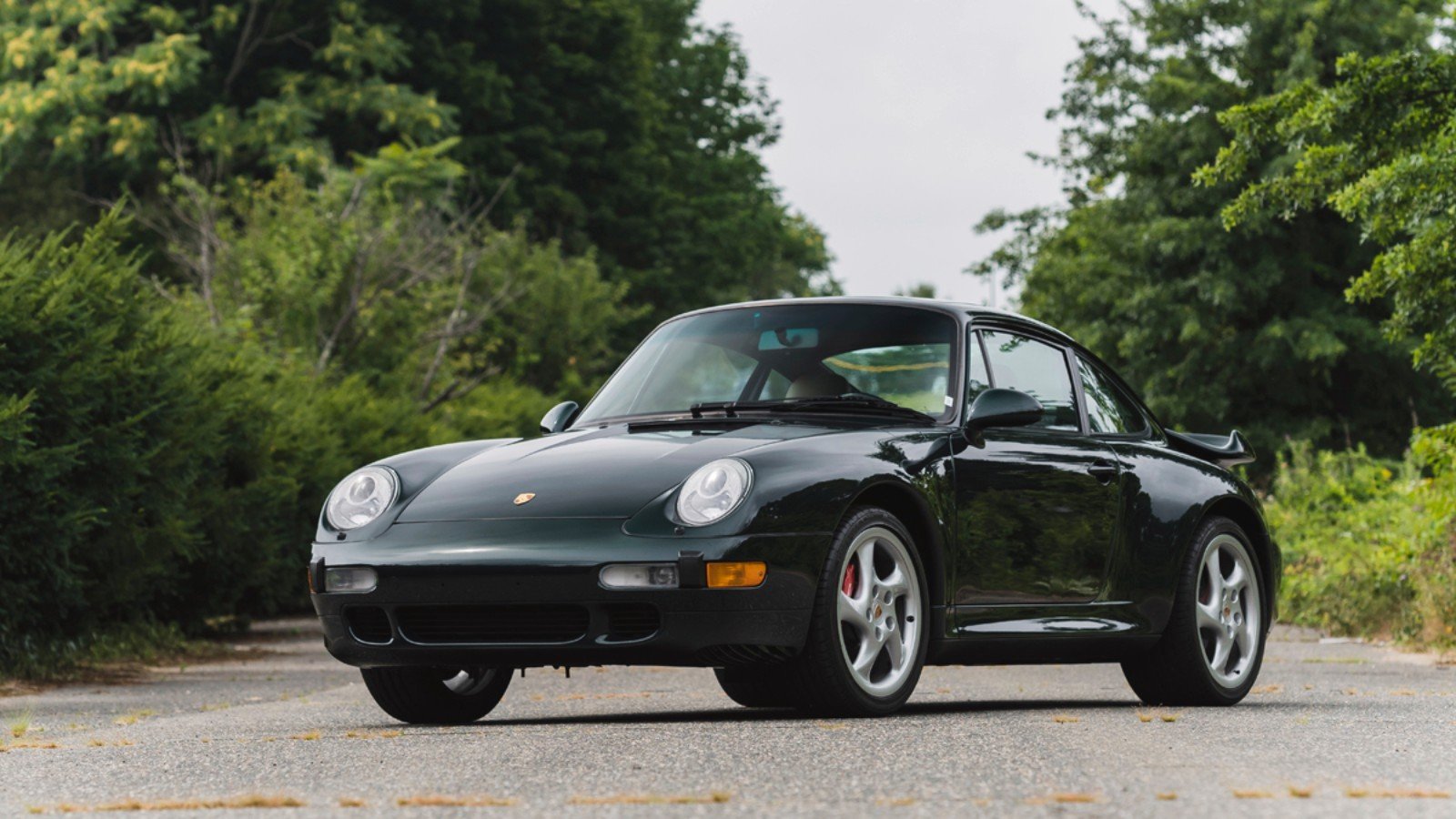
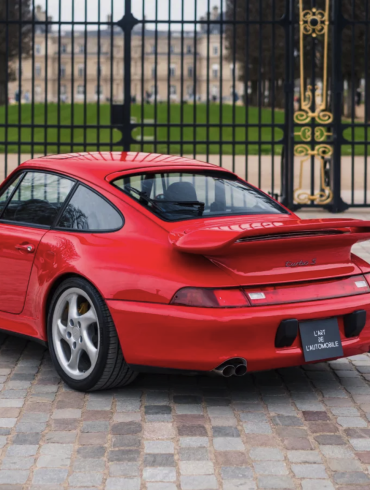
The Porsche 911 993 Generation (1994–1998)
"The Air-Cooled Swan Song: Where Craftsmanship Met the End of an Era"
What Makes It Special
The 993 is widely regarded by purists as the most beautiful and "honest" 911 ever produced. As the final generation to feature an air-cooled engine, it represents the absolute zenith of 30 years of engineering evolution before the move to water-cooling. It retains the compact, "dainty" proportions of the original 1963 silhouette but introduces enough modernity to make it a world-class performer even by today's standards.
Mechanically, the 993 was a massive leap forward due to its "LSA" (Light, Stable, Agile) multi-link rear suspension. This finally tamed the 911’s notorious "widowmaker" lift-off oversteer, turning the car from a nervous thoroughbred into a confidence-inspiring weapon. It was the first 911 to come standard with a six-speed manual, allowing drivers to fully exploit the mechanical symphony of the 3.6-liter flat-six.
Inside, the 993 feels like a high-end vintage watch. The upright dashboard, five overlapping analog gauges, and floor-mounted pedals provide an ergonomic connection to the past that modern cars simply cannot replicate. It is a tactile experience; every click of the switchgear and every vibration through the steering wheel tells you exactly what the car is doing. It isn’t just a car; it’s a piece of Porsche’s soul.
Today, the 993 occupies a unique space in the market: it is civilized enough for a weekend road trip but raw enough to remind you why you fell in love with driving. Whether in the wide-body Carrera S or the legendary Twin-Turbo, the 993 offers a level of build quality—often described as being "carved from a single block of granite"—that Porsche has arguably never surpassed.
Core Model Variants
Carrera
Carrera 4
Carrera S/4S
Targa (sliding glass)
Turbo
RS (Lightweight)
GT2
Core Stats & Specs
Main Engine: 3.6L Air-Cooled Flat-Six
Power: 270–285 hp (NA), 408 hp (Turbo)
0–60 mph: 3.7s (Turbo) to 5.3s (Base)
Known For:
The Multi-Link Revolution: The first 911 to replace the semi-trailing arm setup, significantly improving rear-end stability.
Last of the Air-Cooled: The final iteration of the iconic air-cooled engine, specifically the "VarioRam" models with optimized intake.
Learn More
The Porsche 911 991 Generation (2012–2019)
The Most Complete Modern 911 & Performance Peak. Refinement Taken to the Logical Limit
What Makes It Special
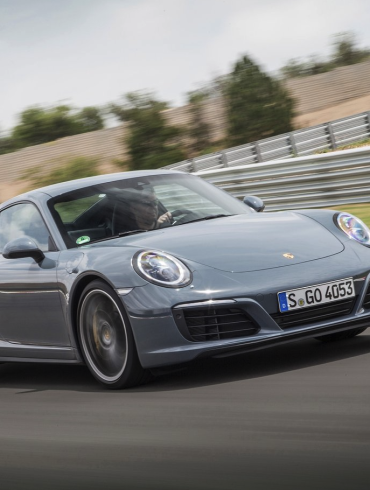
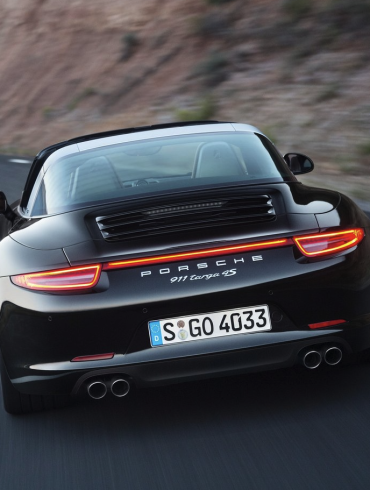
The 991 is where Porsche made the 911 bigger, faster, safer—and still brilliant. While purists lament the move to electric steering, Porsche compensated with chassis brilliance, world-class damping, and staggering real-world performance.
This is the generation that turned the 911 into a true daily-usable supercar. Ride quality, interior quality, and refinement took a massive leap forward without neutering the driving experience. A 991 Carrera is devastatingly capable on a back road while remaining calm and composed in traffic.
If the 997 is about feel, the 991 is about total capability. It’s the generation that proved the 911 could evolve without losing relevance—and in many ways, it’s the most versatile 911 ever built.
The 991.1 occupies a sacred space in Porsche history as the final generation where every standard Carrera, S, and GTS model was powered by a naturally aspirated flat-six. To the enthusiast, this isn't just about technical specs; it’s about the linear power delivery and the escalating mechanical scream that modern turbochargers inevitably muffle. In a 991.1, the throttle response is instantaneous and the soundtrack is a raw, high-pitched wail that builds perfectly to the redline, offering a visceral reward that the torquey but quieter 991.2 cannot replicate.
This generation also introduced the most significant chassis departure since the 996. By lengthening the wheelbase by 3.9 inches and moving the engine slightly forward relative to the rear axle, Porsche significantly improved the 911's high-speed stability and weight distribution. While some critics initially lamented the move to electric power steering, the 991.1’s rack was tuned to be remarkably precise, and when paired with the car's improved balance, it created a 911 that was far more approachable at the limit than its predecessors.
The 991.2 is equally special and many have called it the high-water mark for the modern water-cooled 911. The 991.2 saw the base Carreras move to twin-turbocharged 3.0L engines, providing a massive wave of mid-range torque that made the "entry-level" cars feel like baby Turbos.
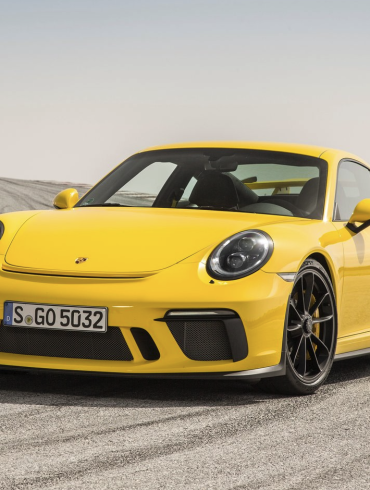
However, the real magic of the 991.2 lies in the GT division. This generation produced the GT3 with the 4.0-liter naturally aspirated engine that revs to a screaming 9,000 RPM. It also brought back the manual transmission for the GT3 after the PDK-only 991.1, a direct response to enthusiast outcry. This era also gave us the "Touring" package—all the mechanical soul of a GT3 without the "look-at-me" rear wing.
The 991.2 also perfected rear-axle steering. This technology allowed a larger, more stable car to feel as nimble as a short-wheelbase classic in tight corners.
Core Model Variants
Carrera / Carrera S (991.1 NA, 991.2 Turbo)
Carrera GTS
Targa 4 / 4 GTS
Turbo / Turbo S
GT3 / GT3 RS
911 R
Speedster (991)
Core Stats & Specs
Main Engines: 3.4L & 3.8L NA flat-six; 3.0L twin-turbo flat-six, 4.0L NA flat-six
Power: ~350 hp to 700 hp
Drive: RWD or AWD
Steering: Electric (best-in-class tuning)
Known For
Exceptional breadth: From daily driver to track weapon and legendary modern variants (GT3 RS, 911 R, Speedster)
Turbocharged Carreras: The transition of the entire Carrera lineup to turbocharging, significantly increasing daily drivability and tuning potential.
Learn More
The Porsche 911 997 Generation (2005–2012)
The Sweet Spot: The Last of the Analog-Digital Hybrids
What Makes It Special
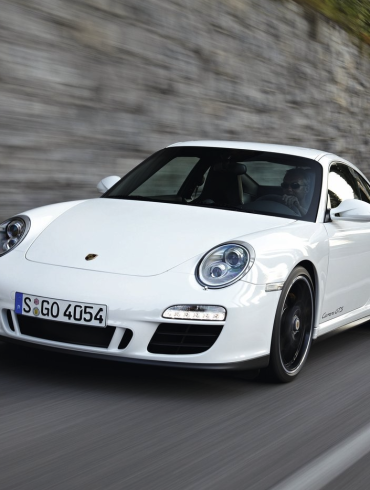
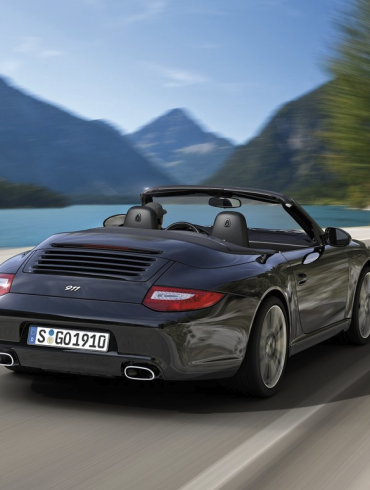
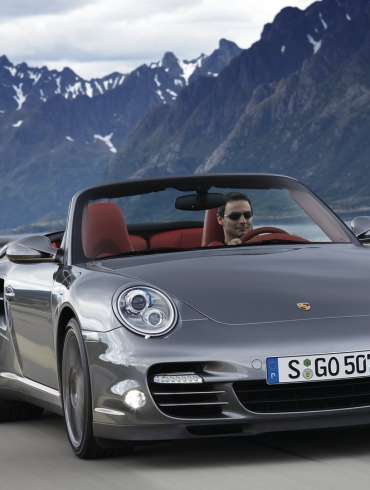
If you asked a group of Porsche engineers which 911 represents the perfect balance of modern capability and old-school feel, they would point to the 997—specifically the 997.2. After the controversial "fried-egg" headlights of the 996, the 997 returned to the classic circular DNA. It is the last 911 generation to feature hydraulic steering, providing a level of "telepathic" road feel that the subsequent electric racks struggle to match.
The 997.2 (2009+) is the particular darling of this generation. It introduced the Direct Fuel Injection (DFI) engines, which eliminated the infamous IMS bearing failure concerns of earlier water-cooled models. This era also saw the debut of the PDK dual-clutch transmission, which was so good it effectively signaled the end of the traditional automatic, though the 6-speed manual remains the enthusiast's choice for its short, precise throws.
Chassis-wise, the 997 remains "small-body" by modern standards. It is narrow enough to thread through a canyon road with ease, yet equipped with stability systems that don't intrude until you're truly at the limit. For the GT3 and Turbo models, Porsche utilized the legendary "Mezger" engine block—a race-derived powerplant that is virtually bulletproof and offers a mechanical rasp that is distinct from the later DFI units.
The 997 is the "everyday" 911 that doesn't feel like a compromise. You get modern comforts like PASM (active suspension) and a decent Bose sound system, but you still have to drive it. It demands your attention, rewards your inputs, and looks just as at home at a track day as it does in front of a fine-dining restaurant. It is the bridge between the analog past and the digital future.
Core Model Variants
Carrera/S
GTS
Turbo/S
GT3/RS
GT2 RS
Sport Classic
Core Stats & Specs
Engine: 3.6L or 3.8L Water-Cooled Flat-Six
Power: 325–530 hp
Weight: ~3,100–3,400 lbs.
Known For
Hydraulic Steering: The final 911 with a hydraulic rack, offering unparalleled feedback through the rim.
The GTS Debut: The first generation to introduce the GTS trim, combining wide-body looks with curated performance options.
Learn More
The Best Porsche 911 Model Years
The exact moments when engineering and heritage converged to create a model that was truly legendary. We also picked years where the entire lineup reached a peak of engineering, reliability, or cultural significance.
1967: The Birth of the "S"
This was the year the 911 truly found its footing as a world-class sports car.
What Makes It Special
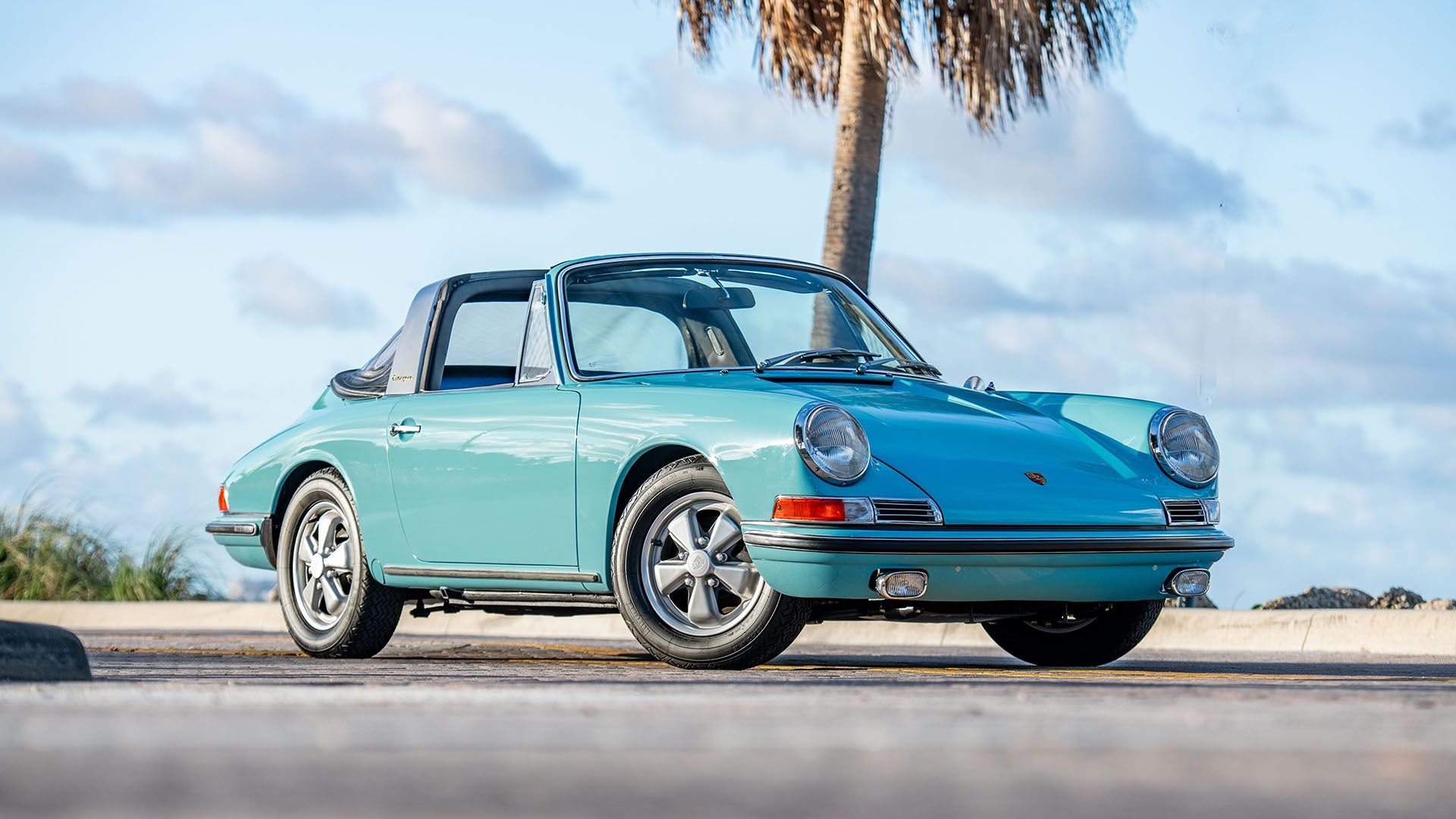
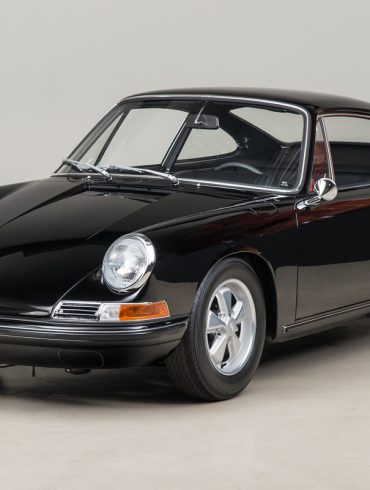
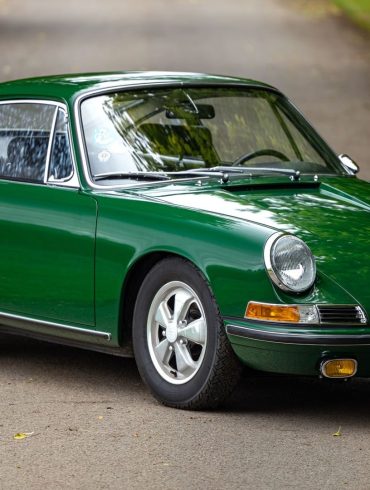
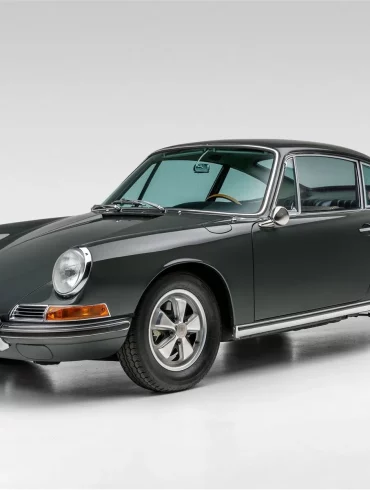
1967 is one of the most important—and desirable—model years in Porsche history because it marks the moment the 911 fully became a performance car, not just a refined successor to the 356. This was the year Porsche introduced the 911 S, the first truly high-performance 911, and in doing so established the template that every future “S,” RS, GT3, and RS variant would follow. With a higher-revving engine, forged internals, and real chassis upgrades, the 911 S transformed the car from a clever sports coupe into a serious driver’s machine. It wasn’t just faster—it was sharper, more communicative, and purpose-built.
Crucially, 1967 sits at the perfect intersection of early-911 purity and genuine performance intent. These cars retain the short-wheelbase dimensions, light curb weight, thin body panels, and minimal interiors that define the most collectible early 911s, but the S adds meaningful mechanical substance: ventilated disc brakes, Fuchs forged alloys, uprated suspension, and a higher-output engine that encouraged drivers to explore the upper reaches of the tachometer. This combination of delicacy and capability is something later cars gained performance at the expense of—and why 1967 remains so revered.
From a historical and collector standpoint, 1967 is also a low-production, highly specific year. The 911 S was offered only briefly in short-wheelbase form, making it both a first of its kind and a one-year-only expression of Porsche’s evolving performance philosophy.
Porsche 911 Lineup for 1967
911 (Standard). 2.0-liter flat-six, 130 hp
911 S. 2.0-liter flat-six, 160 hp, performance-focused specification
912. 1.6-liter flat-four, lighter and more affordable entry point
Known For
The "S" (Super) variant brought more power (160 hp) and the debut of the iconic five-spoke Fuchs alloy wheels.
It also saw the introduction of the Targa, Porsche’s unique solution to potential US convertible bans.
Learn More
2012: The 991-gen is born
The Most Complete Modern 911 & Performance Peak. Refinement Taken to the Logical Limit
What Makes It Special
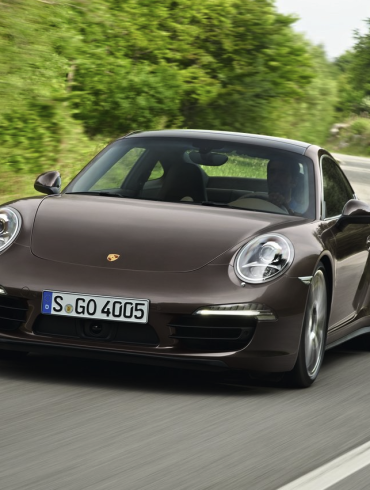
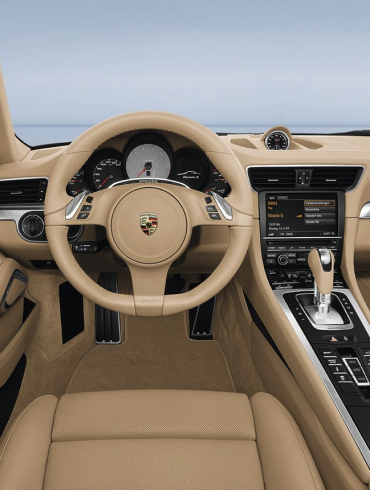
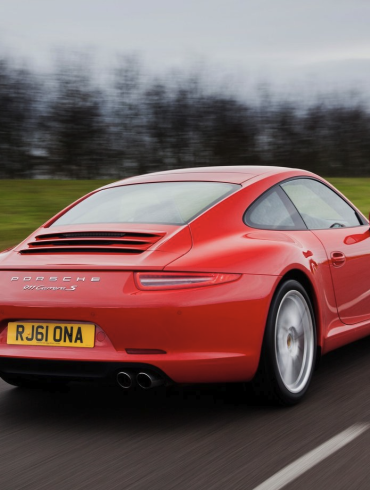
2012 stands out as one of the most desirable modern 911 model years because it represents the most significant clean-sheet rethink of the 911 since the air-cooled era—without losing the soul that defines the car. The 991 introduced an all-new platform with a longer wheelbase, wider tracks, and a dramatic leap in structural rigidity, yet it somehow felt more alive than the outgoing 997. Porsche used the extra size not to soften the car, but to improve balance, stability, and confidence at the limit. The result was a 911 that was faster, more refined, and more usable—yet still unmistakably a 911.
What makes 2012 especially appealing is that it captures the last naturally aspirated Carreras before turbocharging became universal, while pairing them with a thoroughly modern chassis. The 3.4-liter and 3.8-liter flat-six engines are linear, high-revving, and emotionally engaging, free from the forced-induction character that arrived later. At the same time, the 991 ushered in major interior and technology upgrades—better driving position, improved ergonomics, and a sense of quality that finally matched the car’s price point—making it one of the first 911s that felt genuinely “modern” without losing analog charm.
From a market and enthusiast perspective, 2012 is also compelling because it marks the beginning of a long and celebrated generation that would later produce icons like the GT3, GT3 RS, and R—but in its purest, least complicated form. Early 991s avoid later complexity and weight creep while delivering a huge step forward over the 997 in composure and daily usability. That balance of old-school engine character and new-school engineering is exactly why 2011 has become a standout year in hindsight.
Full Porsche 911 Lineup for 2011
911 Carrera. 3.4L flat-six, nat-aspirated
911 Carrera S. 3.8L flat-six, nat-aspirated
911 Carrera Cabriolet. 3.4L flat-six, nat-aspirated
911 Carrera S Cabriolet. 3.8L flat-six, nat-aspirated
(Turbo, GT, and AWD variants followed in later model years.)
Known For
Debuting the 991 platform, the biggest leap in chassis sophistication in decades
Being the start of the last naturally aspirated Carrera era before turbocharging took over
The one millionth Porsche 911 is a 991-gen model - the car, a 911 Carrera S rolled off the assembly line at Porsche's plant in Zuffenhausen, Germany.
Learn More
1973: The Zenith of the "Longhood"
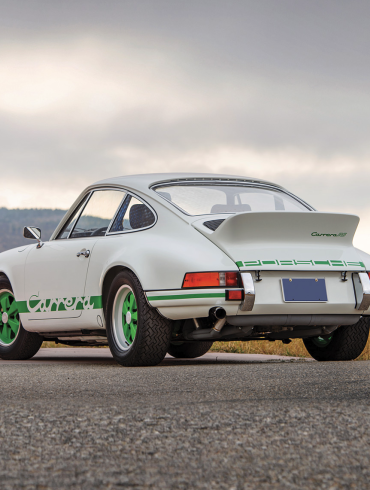
What Makes It Special
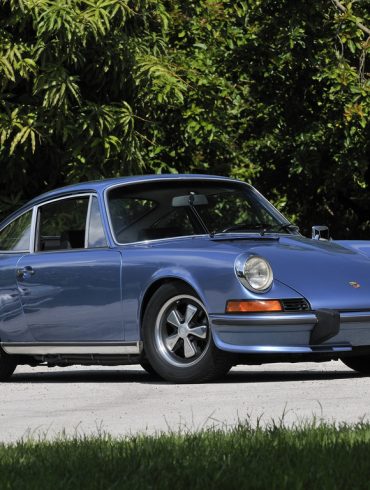
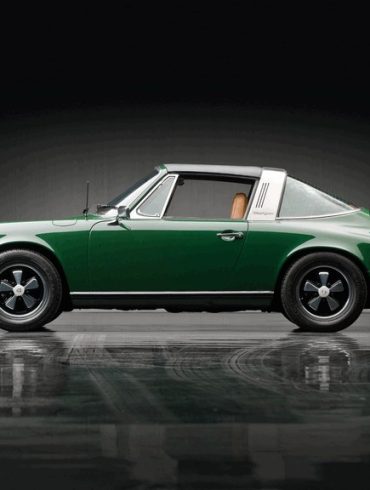
This is arguably the most important year in the 911’s 60-year history. It represents the final and most polished iteration of the original, slender body style before safety bumpers changed the silhouette.
1973 was the year Porsche mastered the 2.4L engine, offering the 911 T, E, and S with mechanical fuel injection (MFI) that made them remarkably responsive. Every model in the '73 catalog is now a blue-chip collectible because they represent the lightest, most tactile driving experience Porsche ever offered. The year was capped off by the Carrera RS 2.7, a car that wasn't just a model, but a statement of intent that proved Porsche could dominate both the showroom and the racetrack simultaneously.
This is peak original longhood formula before regulation and evolution changed the car forever. By this point, Porsche had spent nearly a decade refining the early 911’s fundamentals: light weight, mechanical simplicity, and unfiltered driver feedback. The result was a lineup that felt fully matured yet still raw, delicate, and intensely engaging. Everything that made early 911s special—steering feel, throttle response, chassis communication—was at its sharpest in 1973.
The 911 Carrera RS 2.7, a homologation special created for racing that instantly became the original benchmark for driver-focused 911s. With its larger displacement engine, lightweight construction, and the now-iconic ducktail spoiler, the RS redefined what a road-going 911 could be. It wasn’t just faster—it was transformational, setting the template for every RS model that followed.
From a collector and enthusiast standpoint, 1973 is the perfect storm: the final year before impact bumpers arrived, the most developed expression of the classic narrow-body shape, and the birth year of the most influential 911 of all time. Whether in standard T, E, or S form—or in the mythical Carrera RS 2.7—1973 cars deliver an unmatched blend of purity, pedigree, and historical significance. It is not simply a great year for the 911; it is the year that defined the legend.
Full Porsche 911 Lineup for 1973
911 T. 2.4-liter flat-six, entry-level longhood
911 E. 2.4-liter flat-six, balance of performance and refinement
911 S. 2.4-liter flat-six, high-performance flagship
911 Carrera RS 2.7. Lightweight homologation special, original RS benchmark
Known For
The debut of the 911 Carrera RS 2.7, the definitive early 911
Being the final and most developed longhood year before impact bumpers
Learn More
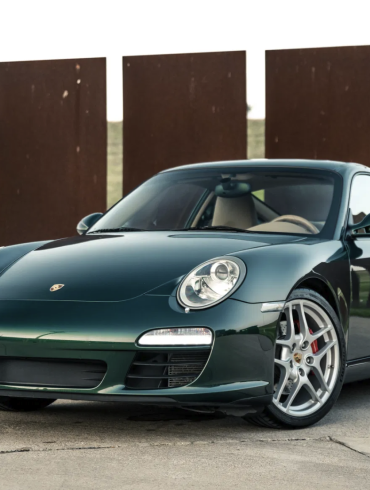
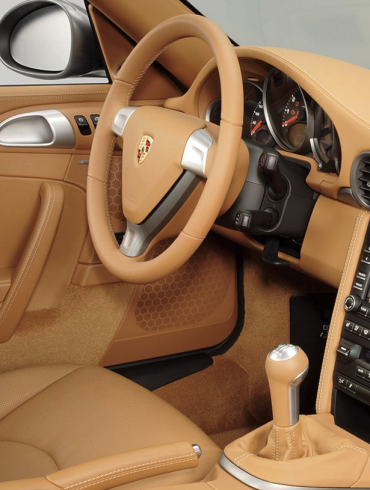
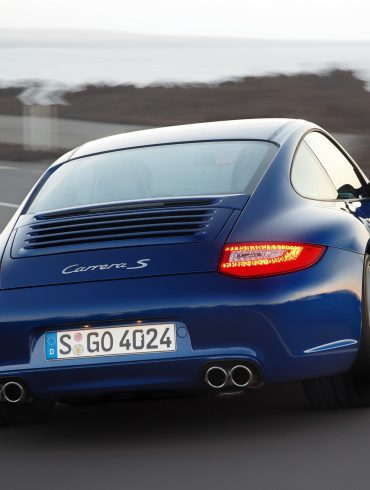
2009: Porsche 911 Carrera / Carrera S (997.2)
The Sweet Spot of Analog and Modern
What Makes It Special
2009 is the year Porsche quietly delivered one of the greatest all-around 911s ever built. The 997.2 brought direct fuel injection, improved reliability, sharper throttle response, and optional PDK—without sacrificing hydraulic steering or compact dimensions.
This is the year where you get modern drivability without losing analog feel. The cars feel lighter than they are, beautifully damped, and perfectly scaled for real roads.
Importantly, 2009 avoids the mechanical baggage of earlier 997.1 cars while preserving everything enthusiasts love about the generation. Manual cars, in particular, are absolute gems.
If someone asks for a “forever 911” that can be driven hard, daily-driven, and still cherished—this is one of the best answers.
Core Model Variants
Carrera
Carrera S
Carrera 4 / 4S
Targa 4 / 4S
Core Stats & Specs
Engines: 3.6L & 3.8L NA flat-six (DFI)
Power: ~345–385 hp
Transmission: 6-speed manual, 7-speed PDK
Drive: RWD or AWD
Steering: Hydraulic
Known For
Best non-GT 997 driving experience
Modern reliability with classic feel
Learn More
1975: The Supercar Metamorphosis
The year marked a pivot where the 911 grew up into a true supercar
What Makes It Special
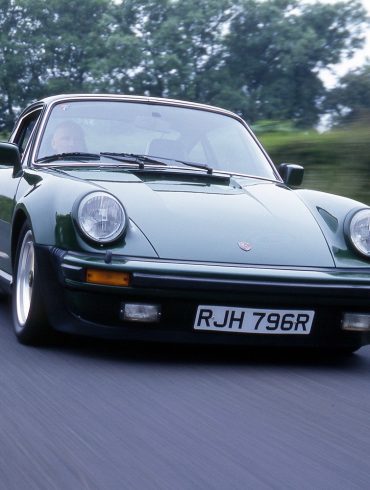
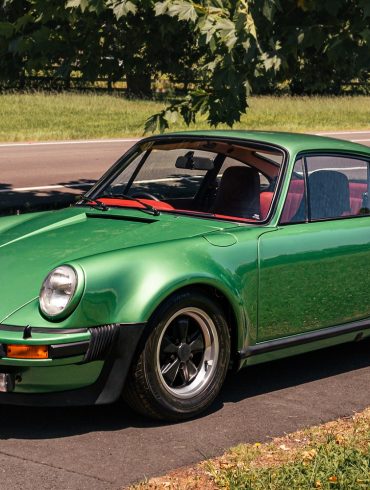
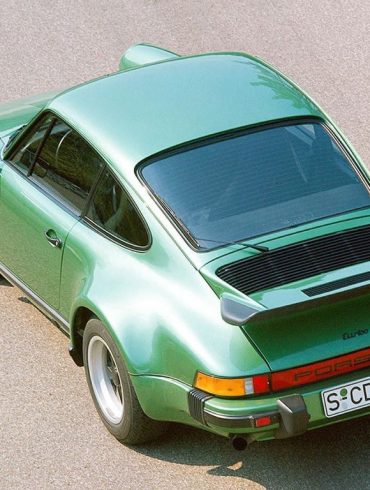
1975 earns its place among the most desirable 911 years because it marks the moment the 911 stopped being merely a brilliant sports car and became something far more intimidating. If 1973 was about lightness, finesse, and delicacy, 1975 was about force, dominance, and intent. This was the era of the G-Series evolution, when the 911 grew wider, stronger, and more aggressive—both visually and mechanically—signaling Porsche’s willingness to push the platform into genuinely exotic territory.
The pivot point was the launch of the 911 Turbo (930). With forced induction, dramatic bodywork, and performance that rivaled contemporary supercars, the 930 redefined what a 911 could be. It wasn’t polite or forgiving; it demanded respect. Turbo lag followed by a violent surge of power, massive rear tires, and the now-iconic whale tail spoiler created a car that felt alive—and occasionally dangerous—in a way few road cars ever have. This wasn’t evolution by refinement; it was evolution by escalation.
Beyond the Turbo, 1975 also represents the early maturity of the impact-bumper G-Series cars. Stronger structures, improved safety, and increased performance meant the 911 was no longer a fragile lightweight—it was a serious, high-speed machine capable of competing on the world stage. For collectors and enthusiasts, 1975 stands as the year the 911 embraced raw power and intimidation, laying the foundation for every Turbo, GT2, and hyper-performance 911 that followed.
Full Porsche 911 Lineup for 1975
911. 2.7-liter flat-six, naturally aspirated
911 S. 2.7-liter flat-six, higher-performance variant
911 Carrera. 2.7-liter flat-six, performance-focused G-Series evolution
911 Turbo (930). 3.0-liter turbocharged flat-six, Porsche’s first true supercar
Known For
The debut of the 911 Turbo (930), transforming the 911 into a supercar
Marking the philosophical shift from lightweight purity to raw power and presence
Learn More
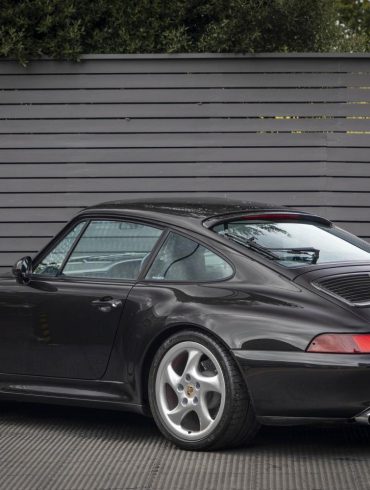
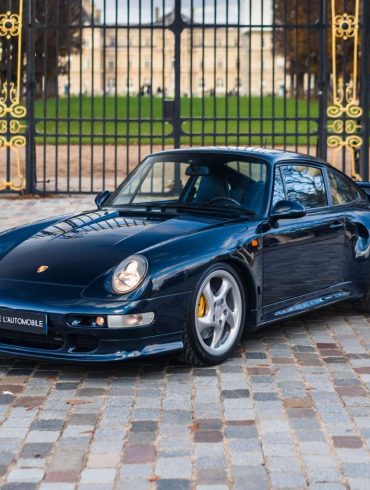
1998: Porsche 911 (993)
The Last Air-Cooled, Fully Matured
What Makes It Special
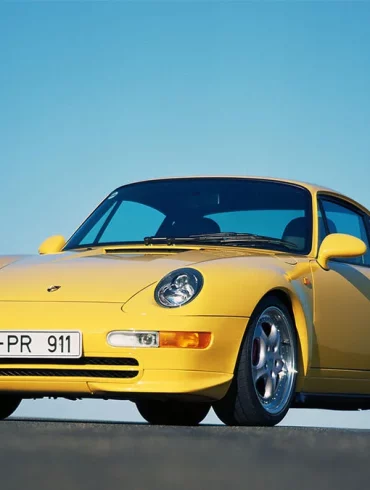
1998 is one of the most desirable 911 years because it represents the absolute end of an era—and the moment that era reached technical and philosophical perfection. By the time the final 993s rolled off the line, Porsche had refined air-cooled engineering as far as it could possibly go. The result was a car that combined mechanical honesty and analog feel with real sophistication: multi-link rear suspension, exceptional build quality, timeless design, and engines that felt both soulful and unburstable. Nothing before it was as polished; nothing after it was air-cooled.
What makes 1998 especially significant is that it was not just another production year—it was a conscious farewell. Porsche knew the switch to water cooling was imminent, and the final 993s benefited from every lesson learned since 1964. Steering feel was pure, chassis balance was exceptional, and the engines—whether naturally aspirated or turbocharged—delivered character that modern cars simply cannot replicate. Even visually, the 993 stands apart: compact, muscular, and perfectly proportioned, often cited as the most beautiful 911 shape ever made.
From an enthusiast and collector perspective, 1998 is the ultimate expression of what the classic 911 was always meant to be. It offers the emotional appeal of air-cooling with the usability and refinement buyers actually want. That combination—final year, peak development, and undeniable driving purity—is why the 1998 993 isn’t just desirable, but foundational to the 911 legend.
Core Model Variants
911 Carrera. 3.6-liter air-cooled flat-six
911 Carrera S. Naturally aspirated, widebody, rear-wheel drive
911 Carrera 4S. Naturally aspirated, widebody, all-wheel drive
911 Turbo. Twin-turbocharged 3.6-liter flat-six, AWD
911 GT2. Rear-wheel-drive homologation special, ultra-rare
Known For
1998 marks the final year of air-cooled 911 production, and the 993 had reached full maturity and closed a 34-year chapter
Build quality, suspension geometry, and engine refinement were all at their peak.
The 993 drives differently from earlier air-cooled cars—more planted, more composed, less edgy—but still unmistakably mechanical. It’s the most “modern” feeling of the air-cooled era.
Learn More
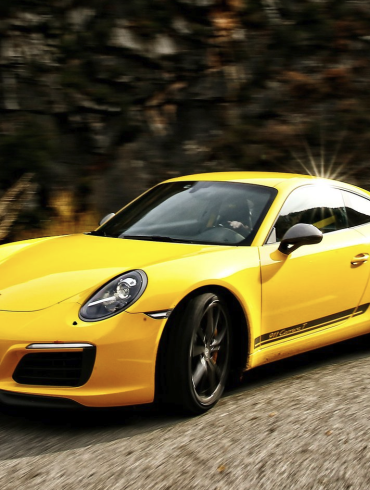
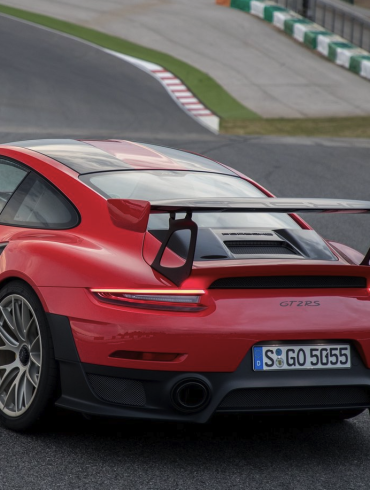
2018: The Performance Peak
It was the year of the "unbeatable" 911.
What Makes It Special
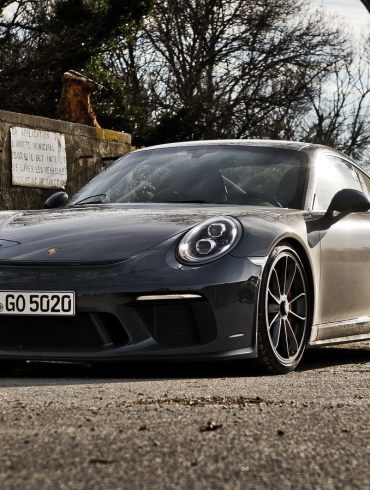
2018 is one of the most desirable modern 911 years because it represents the moment when the entire 991-generation lineup reached absolute maturity. By this point, Porsche had spent years refining the platform—chassis tuning, power delivery, steering calibration, aerodynamics, and electronics—and in 2018 it all came together. There were no compromises left, no experimental half-steps. Every 911, from entry-level to halo car, felt surgically precise, deeply engineered, and purpose-built for drivers who actually cared.
At the top of the pyramid sat the GT2 RS, a car so extreme it reset expectations for what a production 911 could do. Its Nürburgring lap record wasn’t just a headline—it was proof that the rear-engine concept, when fully understood, could outperform anything. At the same time, the 991.2 GT3 brought something just as important back into the conversation: a manual gearbox. This wasn’t nostalgia—it was Porsche acknowledging that engagement still mattered at the highest level. Meanwhile, even the “basic” Carreras were anything but soft. The Carrera T, in particular, distilled the 911 experience into a lighter, more focused, enthusiast-first package that felt like a modern callback to the brand’s purist roots.
What makes 2018 truly special is that there wasn’t a single weak link anywhere in the range. Turbo models were brutally fast yet polished, GT cars were sharper than ever, and standard Carreras were honed to a level that earlier generations could only dream of. It was the year where the 911 lineup felt complete—every model clear in purpose, perfectly executed, and unified by a relentless focus on performance. In hindsight, 2018 stands as the high-water mark of the 991 era and one of the most confidence-inspiring model years Porsche has ever produced.
Full Porsche 911 Lineup for 2018
911 Carrera / Carrera S – Turbocharged flat-six, rear-wheel drive
911 Carrera T – Lightweight, driver-focused Carrera variant
911 Carrera 4 / 4S – All-wheel-drive Carreras
911 Targa 4 / 4S – Performance with open-top character
911 Turbo / Turbo S – Supercar-level speed with everyday usability
911 GT3 – High-revving NA engine, manual or PDK
911 GT3 RS – Track-focused aero and chassis tuning
911 GT2 RS – Extreme, record-setting rear-drive flagship
Known For
The 2018 lineup featured the GT2 RS, which claimed the Nürburgring production car record, and the 991.2 GT3, which reintroduced the manual gearbox to the GT3 range.
This year was significant because even the "base" Carrera T was a focused, driver-centric machine. Across the entire 2018 catalog, there wasn't a single "weak" model; every car felt like it had been honed to a razor's edge after years of 991-generation development.
Learn More
2016: The Anti-Supercar Supercar & Proof Enthusiasts Were Right
The 911 R was Porsche admitting that enthusiasts were right. It started an amazing change in course.
What Makes It Special
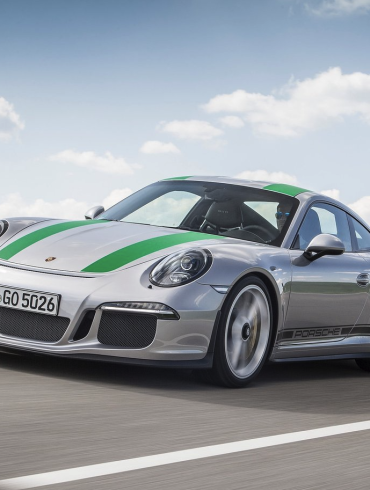
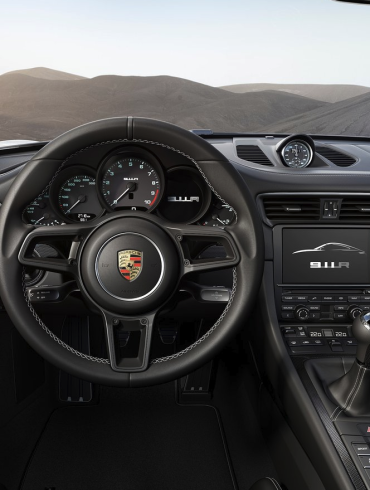
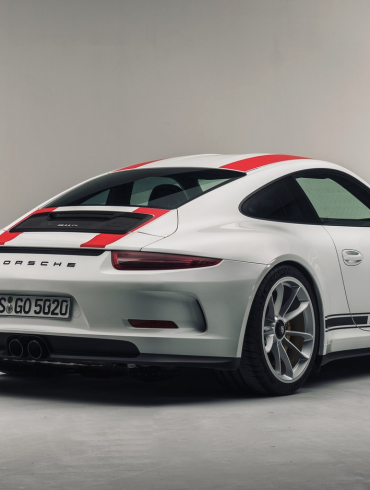
2016 is one of the most important and desirable modern 911 years because it marked a philosophical correction inside Porsche. After years of chasing lap times, aero numbers, and ever-more extreme GT machinery, Porsche did something radical: it listened. The launch of the 911 R wasn’t about records or Nürburgring dominance—it was about feel. Manual gearbox. Naturally aspirated GT3 engine. No rear wing. Reduced weight. The result was a car that reminded everyone why the 911 became beloved in the first place.
The brilliance of the 911 R wasn’t raw speed—it was approachability. It delivered GT-level mechanicals without intimidation, without visual aggression, and without the sense that you needed a helmet and a race track to enjoy it. It proved that driver engagement, tactility, and emotional connection mattered just as much—if not more—than outright performance. Almost overnight, the 911 R became a cult icon and a reference point, not only for collectors but for Porsche itself.
More importantly, 2016 reshaped Porsche’s future behavior. The success and reverence of the 911 R validated long-held enthusiast demands and directly influenced what came next: the return of manual gearboxes in GT cars, the philosophy behind the Carrera T, and a renewed focus on lightweight, driver-centric variants. In hindsight, 2016 wasn’t just a great model year—it was a turning point where Porsche publicly acknowledged that enthusiasts had been right all along.
Full Porsche 911 Lineup for 2016
911 Carrera / Carrera S. Turbocharged flat-six, modernized core models
911 Carrera 4 / 4S. All-wheel-drive Carreras
911 Targa 4 / 4S. Performance-focused open-top variants
911 Turbo / Turbo S. Supercar performance with daily usability
911 GT3. High-revving naturally aspirated track-focused flagship
911 R. Manual-only, NA GT3 engine, purist-focused special
Known For
The debut of the 911 R, redefining modern 911 driver engagement and triggering Porsche’s renewed commitment to manual gearboxes and enthusiast-first cars. Purist modern 911 philosophy and one of the most emotionally engaging 911s ever
This moment led Porsche to develop cars like the GT3 Touring, the 911 S/T and even the Dakar, getting back to focusing on enjoyment.
Learn More
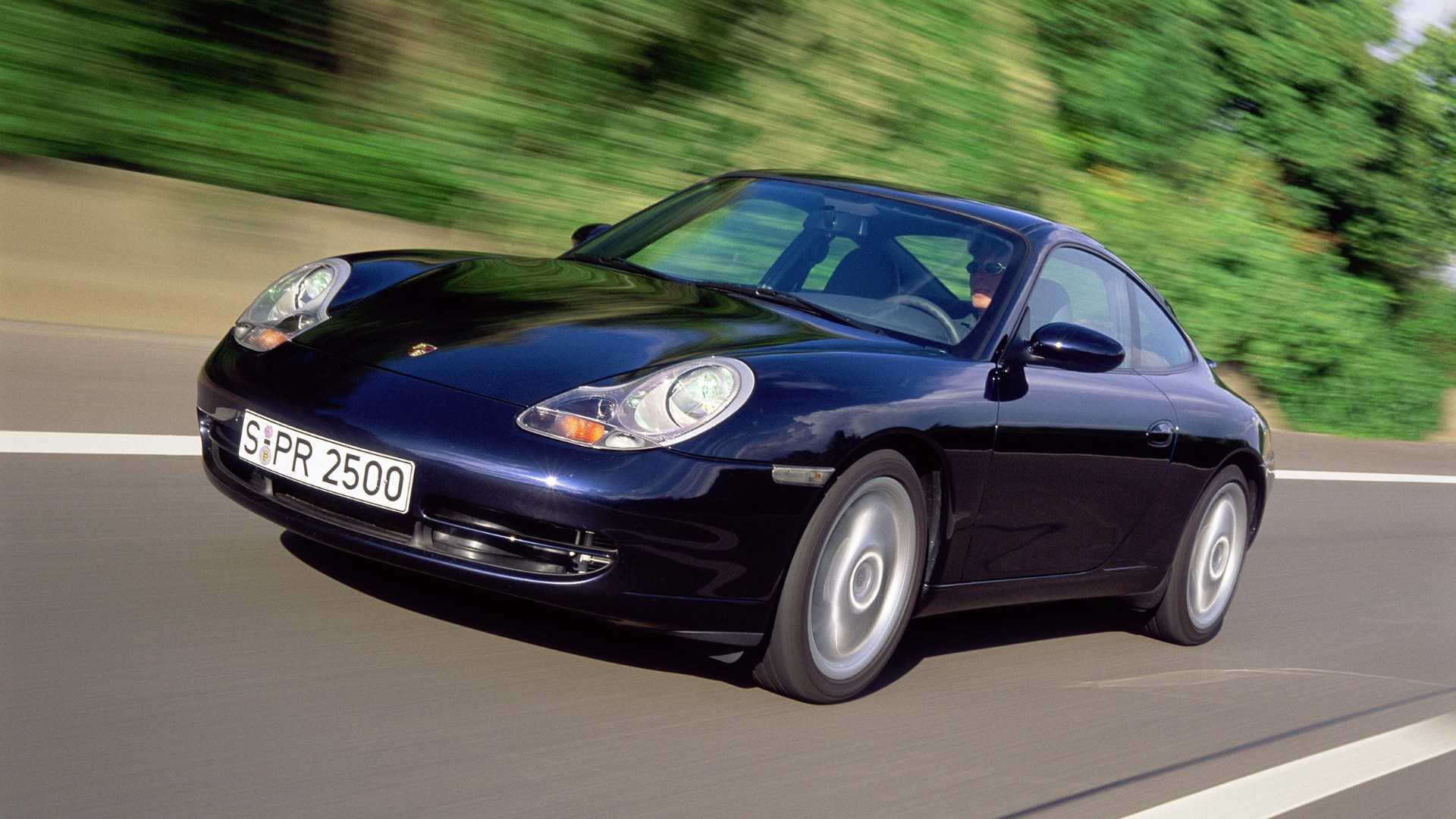
The Most Controversial 911 Model Years And Why History Is Finally Catching Up
Some of the most important years were greeted with skepticism, outrage, or outright rejection when they first arrived. These controversial 911 model years challenged long-held beliefs about what a 911 should be. With time, context, and miles driven, these once-criticized cars are being re-evaluated.
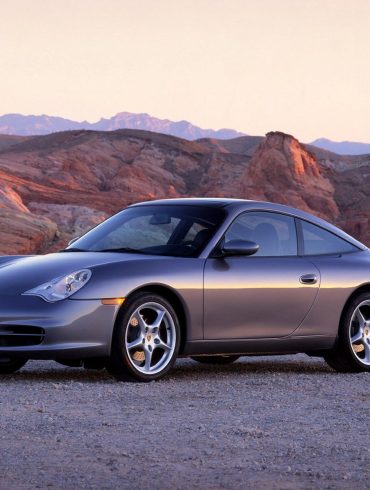
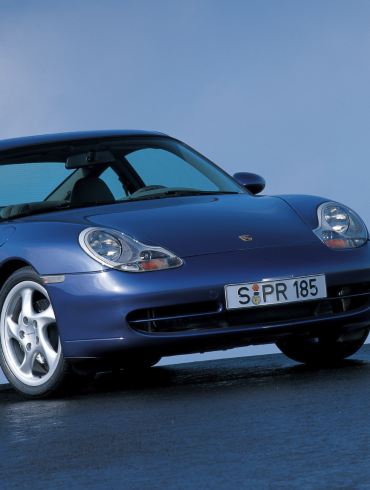
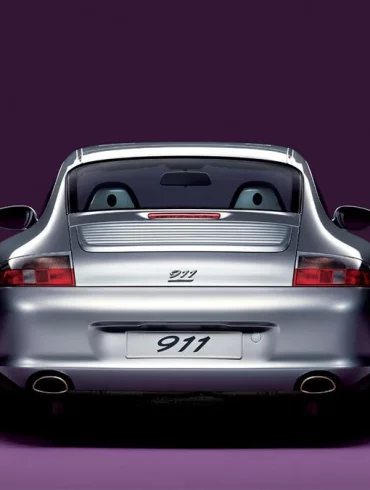
1999: Porsche 911 Carrera (996)
The Year Porsche “Lost Its Soul” (According to Everyone)
Why It Was Controversial
1999 detonated the Porsche world. Water-cooling. Shared headlights with the Boxster. A completely new engine architecture. To long-time air-cooled loyalists, this wasn’t evolution—it was betrayal.
The outrage wasn’t subtle. The 996 was labeled sterile, ugly, mass-produced, and emotionally vacant. For many, it represented Porsche chasing volume and abandoning its core identity just to survive.
Why It Was Misunderstood
The reality? The 996 saved Porsche—financially and technologically. It introduced a stiffer chassis, vastly improved HVAC, real-world usability, and performance leaps that air-cooled cars simply couldn’t deliver at scale.
More importantly, the driving experience—especially in manual, narrow-body Carreras—is still deeply engaging. The steering is hydraulic perfection, the car is lighter than later generations, and the feedback is pure 911.
The market is finally realizing this: early Carreras remain undervalued, while GT3s and Turbos have already been vindicated.
Known For
The most polarizing design shift in 911 history
Exceptional steering feel that modern cars still chase
Learn More
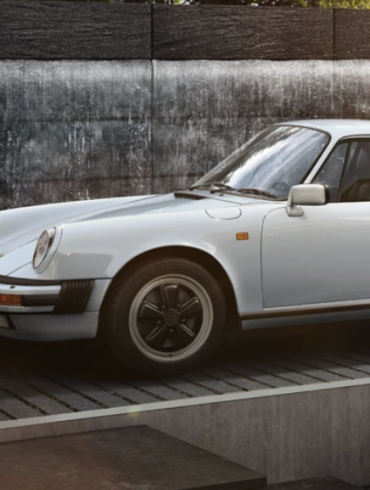
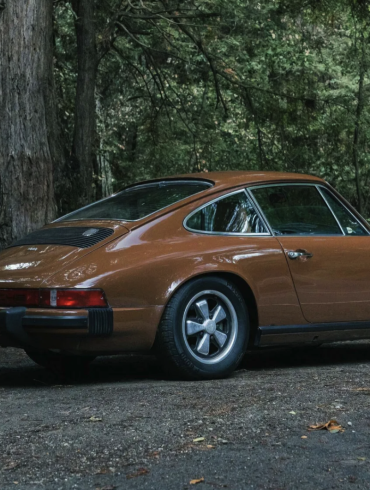
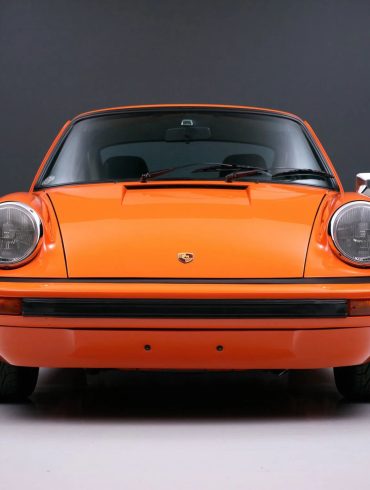
1974: Porsche 911 Carrera / 911 (G-Series Launch)
The Bumper Ruined the 911
Why It Was Controversial
The introduction of the G-Series in 1974 was traumatic for purists. The elegant chrome bumpers were gone, replaced by bulky impact bumpers to satisfy U.S. regulations. To many, the 911 had suddenly become overweight, compromised, and—worst of all—Americanized.
At the time, these cars were seen as the moment the 911 lost its visual purity.
Why It Was Misunderstood
Mechanically, the early G-Series cars are fantastic. They retained the lightweight feel and mechanical simplicity of earlier long-hoods while introducing improved safety, durability, and drivability.
Today, early narrow-body G-Series cars are prized because they deliver classic air-cooled feel without long-hood fragility. They are also significantly more usable than earlier cars—and far more honest than their reputation suggests.
Known For
Beginning of the impact-bumper era
Classic driving feel with improved real-world usability
Learn More
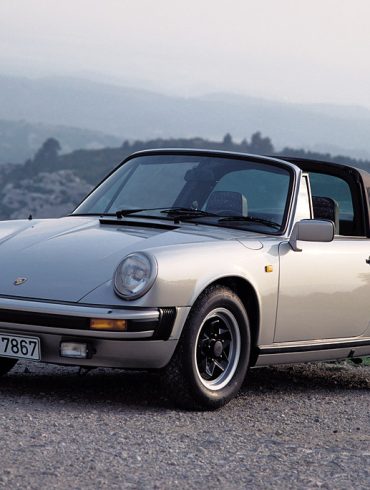
1978: Porsche 911 SC
The “Placeholder” That Refused to Die
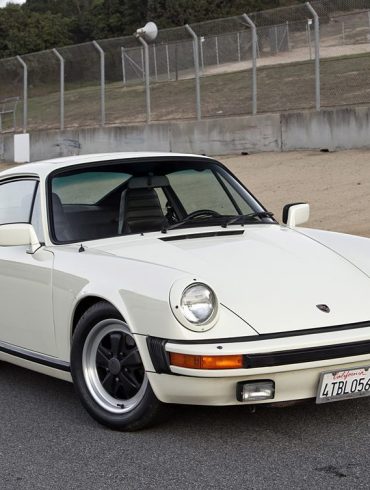
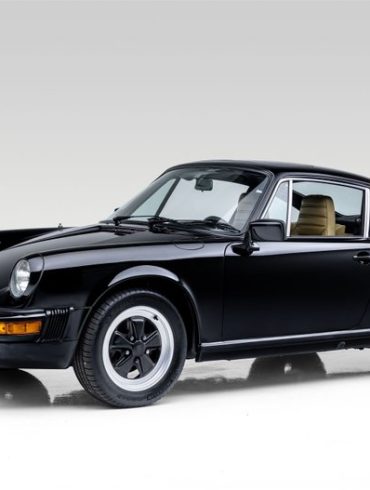
Why It Was Controversial
The 911 SC arrived during a period when Porsche genuinely believed the 911 might be replaced by the 928. As a result, the SC was viewed as a stopgap—built to comply with regulations, not to inspire passion.
At the time, critics saw it as dull, softened, and lacking the sparkle of earlier cars.
Why It Was Misunderstood
The SC is one of the most robustly engineered air-cooled 911s ever built. The 3.0-liter engine is famously durable, the chassis is predictable, and the cars are far better built than many earlier examples.
Ironically, the SC helped save the 911. Strong sales proved demand still existed, directly influencing Porsche’s decision to continue developing the model line.
Known For
Legendary durability and simplicity
Quietly saving the 911 from extinction
Learn More
2016: Porsche 911 Carrera (991.2)
“Turbocharged Carreras Are the End” (They Weren’t)
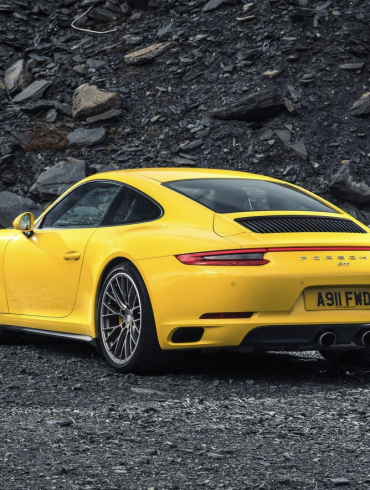
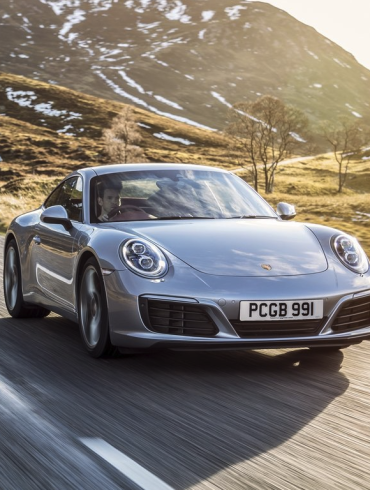
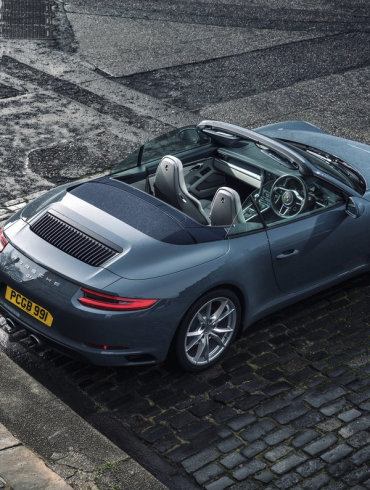
Why It Was Controversial
This was the moment Porsche turbocharged every non-GT 911. For many enthusiasts, that felt like the final nail in the naturally aspirated coffin.
The concern wasn’t just sound—it was character. Would throttle response, rev-hunger, and emotional connection survive?
Why It Was Misunderstood
The 991.2 engines are masterpieces of modern turbo engineering. Broad torque, instant response, and absurd real-world pace make these cars devastatingly effective.
On the road, they’re faster than older NA Carreras everywhere that matters. Manual versions still deliver involvement, and the engines respond beautifully to tuning.
In hindsight, the 991.2 Carrera isn’t a compromised 911—it’s simply a different kind of brilliant.
Known For
Beginning the turbocharged Carrera era
Massive real-world performance gains