
1st Gen Porsche Panamera Buyer's Guide
Buying a 970 Generation Porsche Panamera? Our Buyer’s Guide Covers Key Models, Potential Issues, Market Values, Expert Tips, What To Expect & MUCH More.
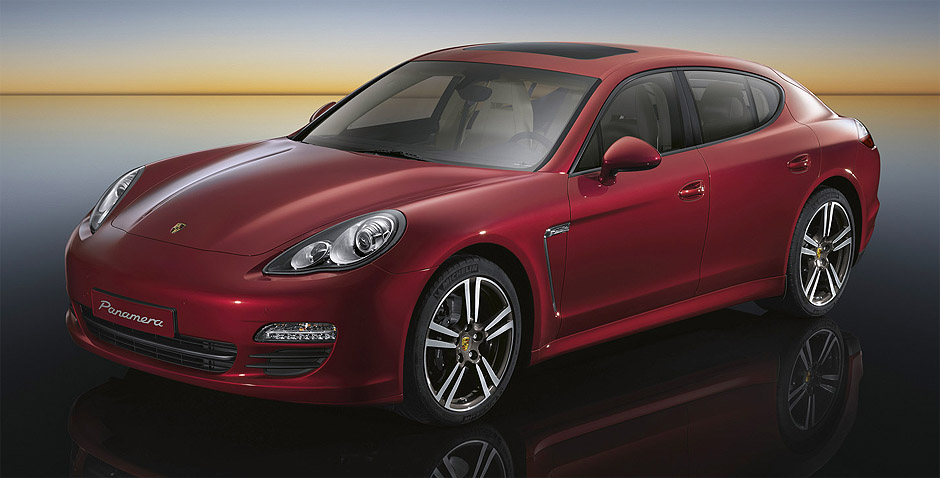
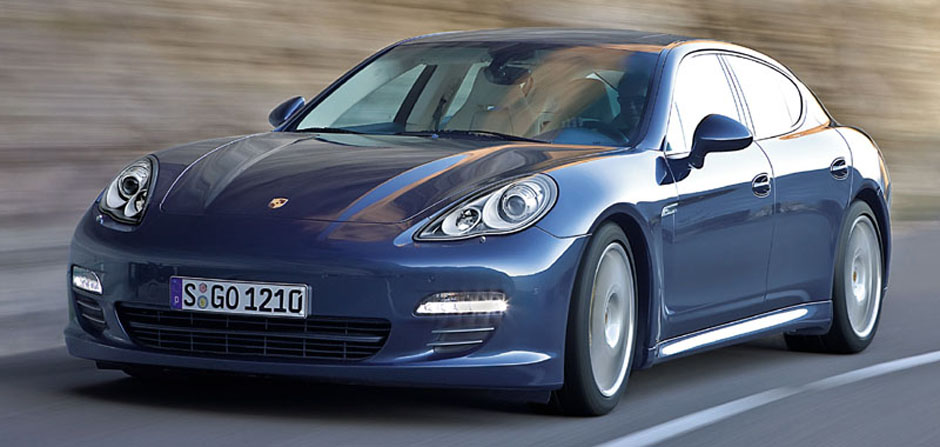
The Porsche Panamera (970) marked a bold turning point for Porsche. When it launched, it challenged traditional ideas of what a Porsche should be—four doors, a large footprint, and a clear focus on long-distance comfort—yet it remained unmistakably Porsche from behind the wheel. Built on a front-engine, rear- or all-wheel-drive platform, the first-generation Panamera combined genuine sports-car dynamics with real-world practicality, making it one of the most versatile performance cars of its era.
As a used buy today, the 970-generation Panamera represents one of the best performance-luxury bargains in the Porsche world. Strong engines ranging from naturally aspirated V6s and V8s to turbocharged monsters, excellent chassis balance, and a cabin that still feels special all contribute to its appeal.
While early styling was divisive, time has been kind to the design—and the driving experience has always been the Panamera’s strongest argument. When properly maintained, these cars can deliver effortless speed, composure on long trips, and surprising engagement on a winding road.
This buyer’s guide is designed to help you navigate the Panamera 970 lineup with confidence. We’ll cover the most important models and trims, known mechanical and ownership issues, realistic market values, and expert tips on what to look for before buying.
Whether you’re searching for a comfortable daily driver, a stealthy high-performance sedan, or a luxury Porsche that offers exceptional value for money, this guide will show you what to expect—and how to find a first-generation Panamera worth owning.
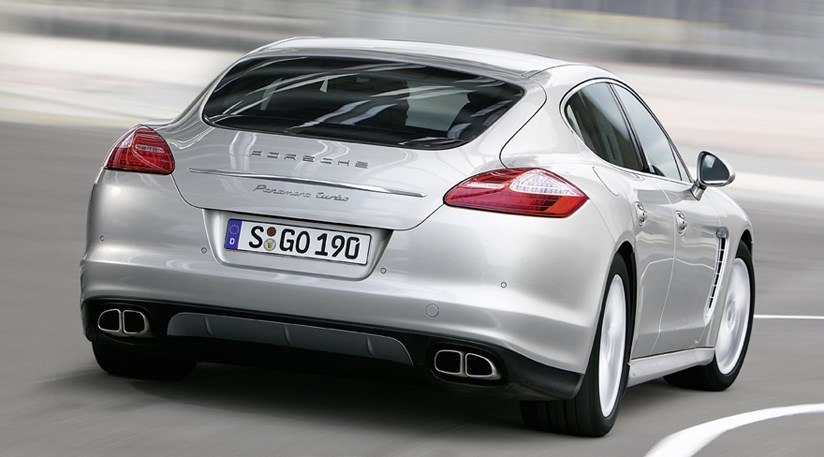
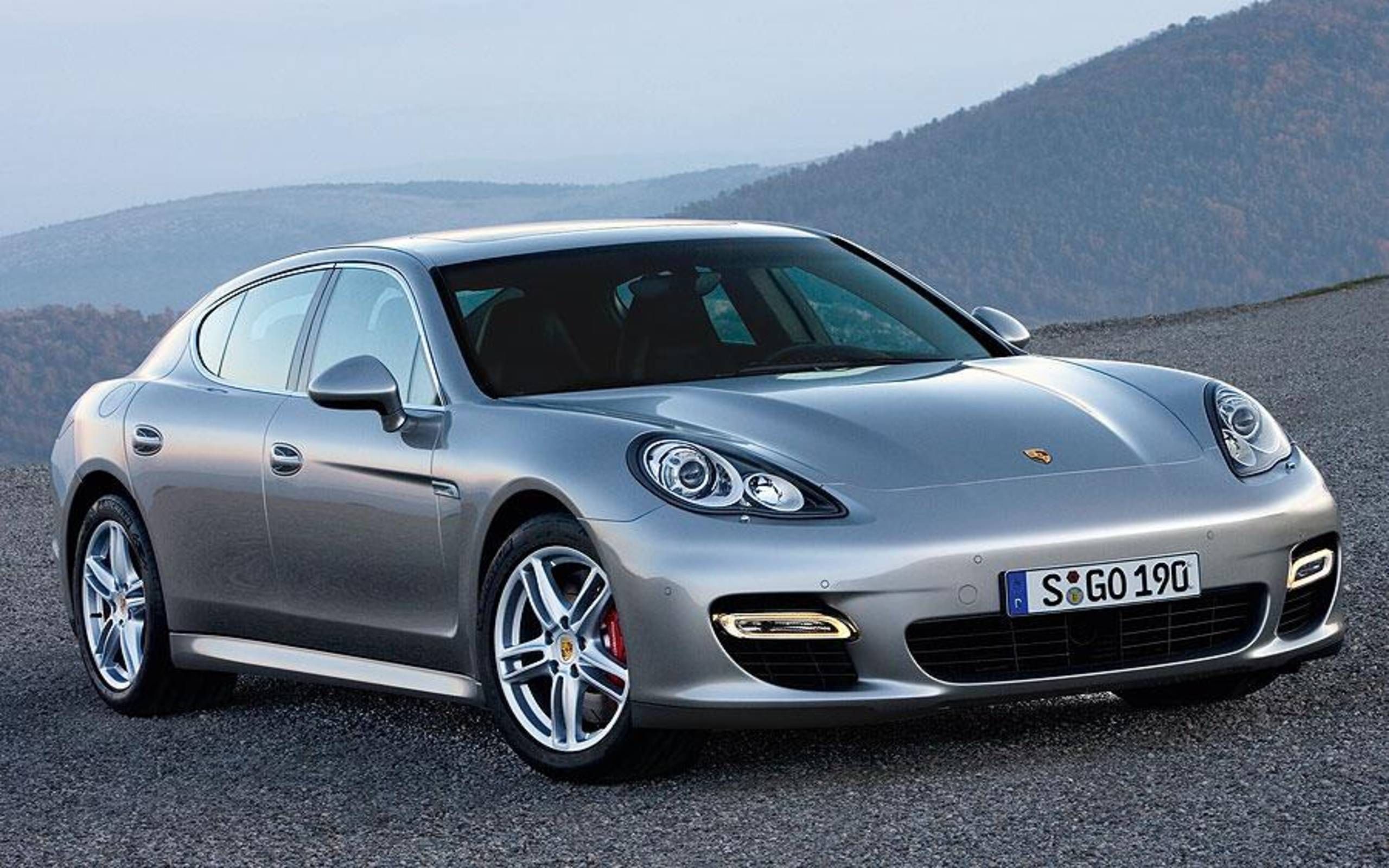
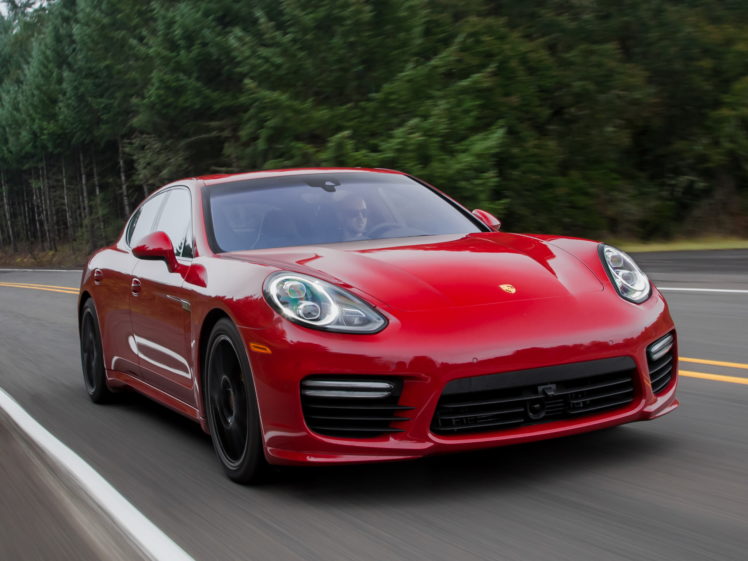
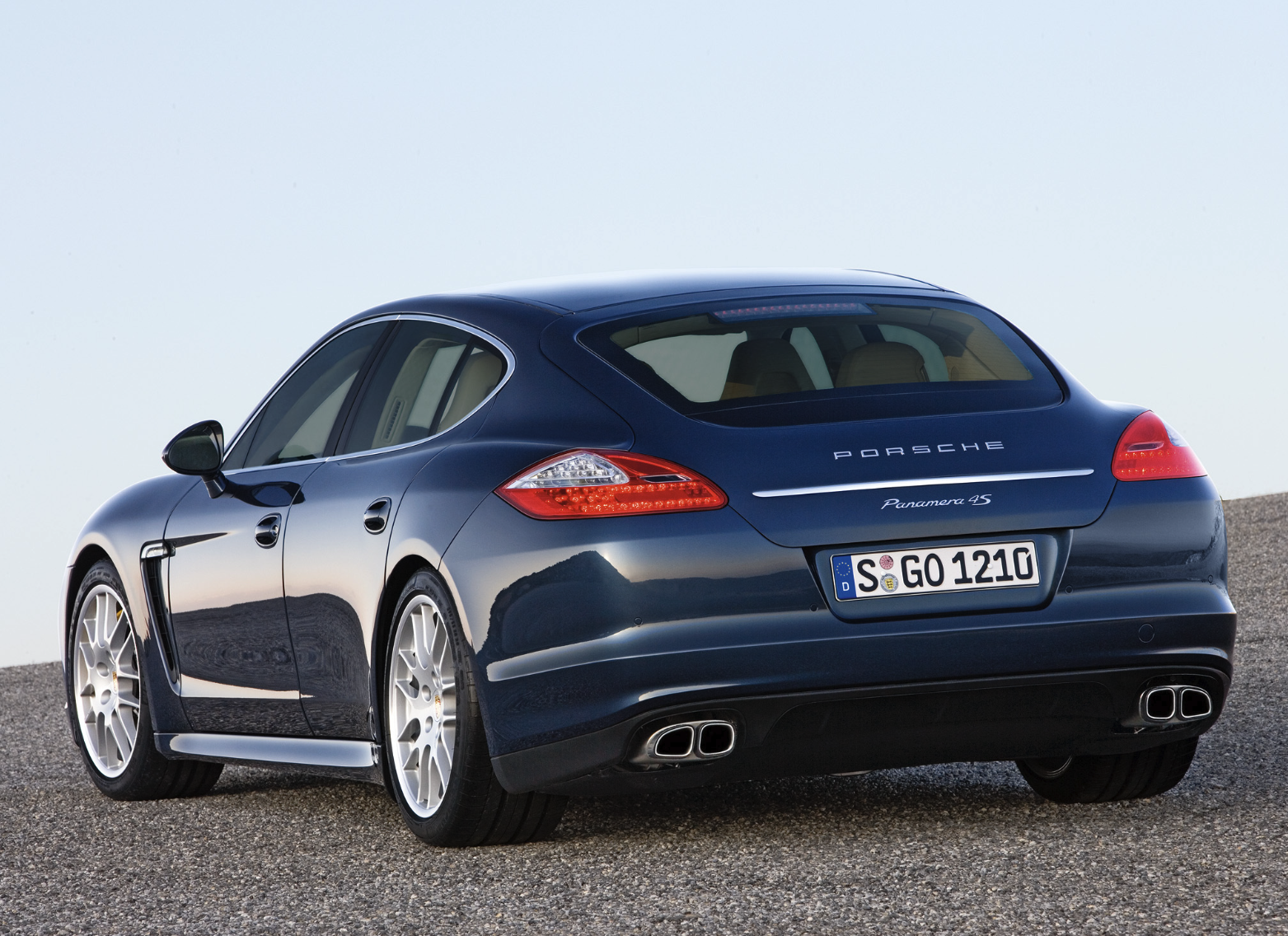

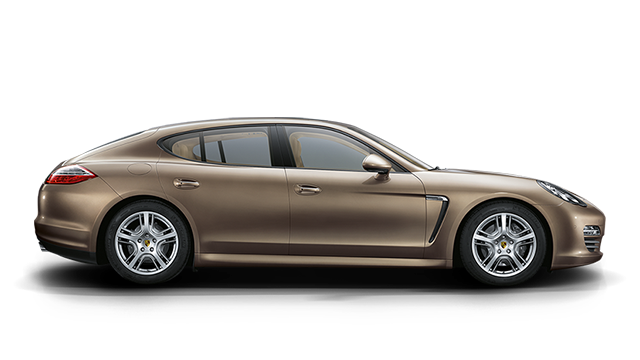
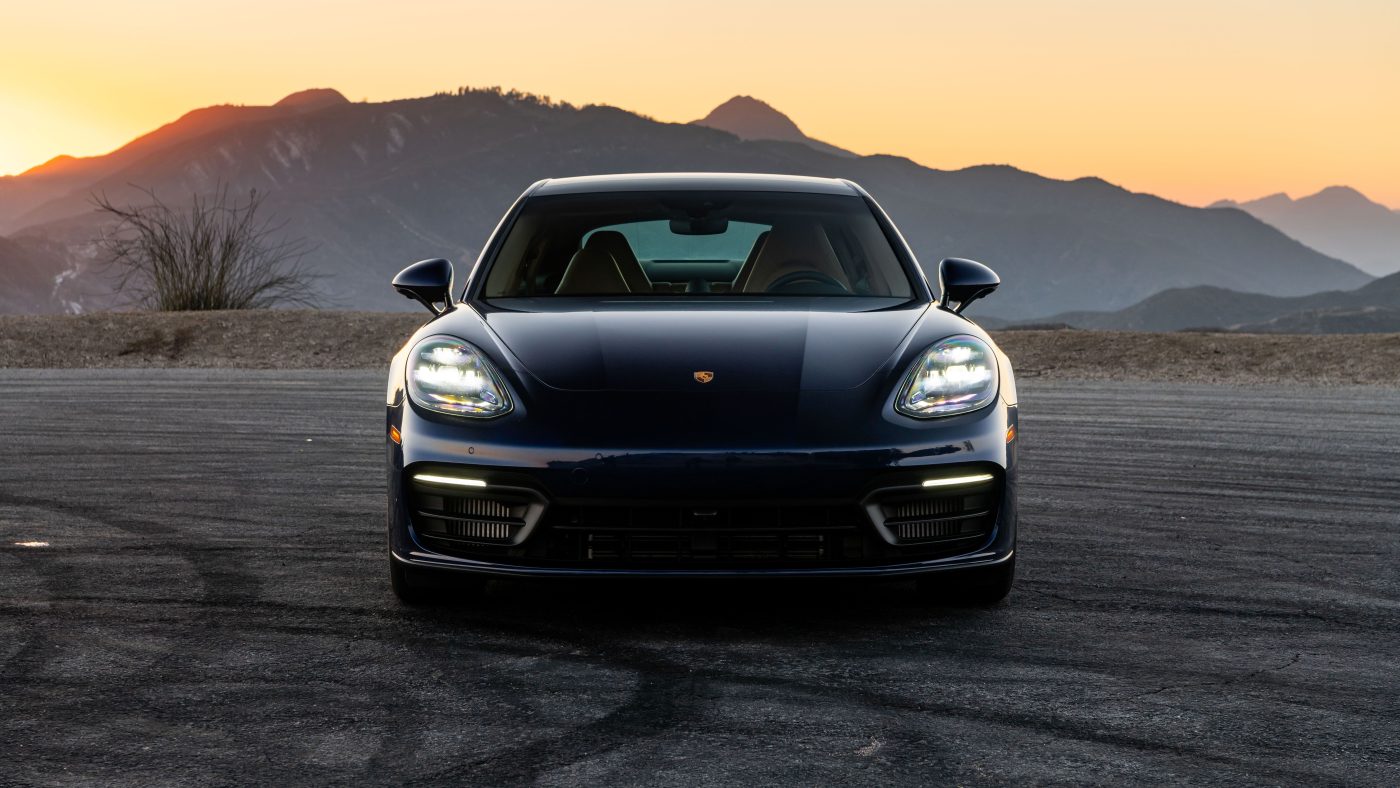
Why the 1st Gen Porsche Panamera is a Unique Car to Buy
The Porsche Panamera (970) occupies a fascinating and increasingly important place in Porsche history. It was the company’s first serious attempt at redefining what a Porsche could be beyond the traditional 911 formula—long before four-door performance cars became widely accepted. At launch, it was controversial, but that boldness is exactly what makes the 970 so compelling today. It represents Porsche taking a genuine risk, prioritizing engineering depth and driving dynamics over playing it safe with design conventions.
What truly sets the first-generation Panamera apart is how authentically “Porsche” it feels from behind the wheel. Despite its size, the 970 delivers steering precision, chassis balance, and high-speed composure that few luxury sedans—then or now—can match. The range of powertrains, from naturally aspirated V8s to turbocharged flagships and early hybrid experimentation, reflects an era when Porsche was willing to offer complexity, character, and mechanical variety rather than chasing uniformity. These cars were engineered with a depth that’s becoming rare in modern, software-dominated vehicles.
As the market matures, the 970 Panamera is quietly transitioning from used luxury sedan to modern classic. Values have stabilized, depreciation has largely played out, and well-kept examples now offer a level of performance, build quality, and brand pedigree that feels almost absurd for the money. It’s a car for buyers who appreciate engineering substance, don’t mind owning something a little misunderstood, and want a Porsche that stands apart from the mainstream. In that sense, the first-generation Panamera isn’t just a bargain—it’s a uniquely honest expression of Porsche at a pivotal moment in the brand’s evolution.
Porsche 1st Gen Panamera (970) Variants - A Quick Primer for Buyers On The Variants & Specials To Think About.
We already have ultimate guide to the Porsche Panamera (1st Gen) so we don't want to repeat everything here. Instead, we will give you a quick primer and summary about the main 970 Panamera variants, some of the core model year changes and we will talk about some special editions worth noting as you think about your potential purchase.
Key Variants & Differences
Panamera & Panamera 4 (V6)
The base Panamera and Panamera 4 models use a 3.6-liter naturally aspirated V6 and represent the entry point into first-generation Panamera ownership. While they deliver strong refinement, comfort, and long-distance ability, they lack the performance edge many buyers expect from a Porsche of this size and weight. The Panamera 4’s all-wheel drive adds confidence in poor weather, but overall these models prioritize luxury and practicality over excitement. As a result, they tend to be the least sought-after variants on the used market, though they remain attractive to buyers looking for a comfortable, well-built Porsche grand tourer at a lower price point.
Panamera S & Panamera 4S (Naturally Aspirated V8)
The Panamera S and 4S introduced the emotional heart of the 970 lineup thanks to their 4.8-liter naturally aspirated V8. These cars strike a compelling balance between performance, refinement, and long-term desirability, offering strong acceleration, a linear power delivery, and a V8 soundtrack that defines early Panamera character. The 4S, with its all-wheel drive system, became especially popular for its composure and usability in all conditions. Today, these models are widely viewed as the sweet spot of the range, combining Porsche performance without the added complexity of turbocharging.
Panamera GTS
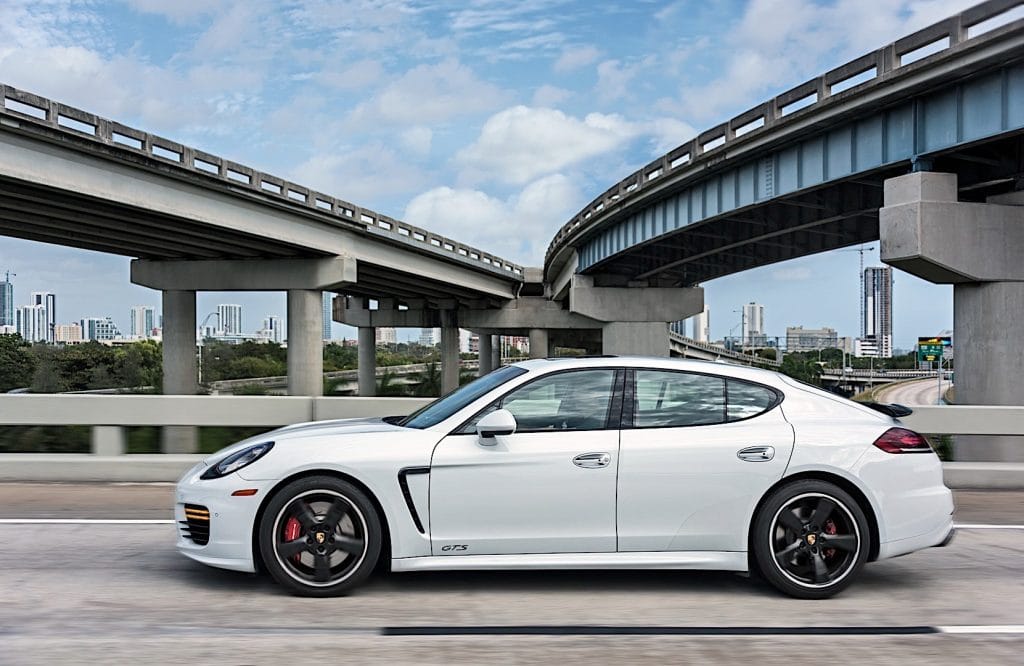
The Panamera GTS is widely regarded as one of the finest first-generation Panameras ever built. Powered by an uprated version of the naturally aspirated 4.8-liter V8, the GTS focuses on driver engagement rather than outright speed. It features a sportier suspension setup, lower ride height, standard PASM, sport exhaust, and distinctive Alcantara interior trim. Compared to the Turbo models, the GTS delivers sharper throttle response, a more visceral soundtrack, and a more connected driving experience, making it the enthusiast’s choice within the 970 lineup.
Panamera Turbo
The Panamera Turbo transformed the 970 into a true high-performance luxury sedan. Its twin-turbocharged 4.8-liter V8 delivers immense torque and effortless acceleration, allowing the car to feel deceptively quick despite its size. Standard all-wheel drive, air suspension, and a high level of luxury equipment make it exceptionally capable as both a long-distance cruiser and a performance machine. The Turbo excels at high-speed stability and refinement, appealing to buyers who want maximum performance without sacrificing comfort.
Panamera Turbo S
Sitting at the top of the standard production range, the Panamera Turbo S represents the ultimate expression of the first-generation Panamera. It builds on the Turbo with increased power, standard carbon-ceramic brakes, revised suspension tuning, and exclusive trim details. At launch, it was among the fastest luxury sedans in the world, combining supercar-level straight-line performance with four-door practicality. Due to its rarity, performance credentials, and flagship status, the Turbo S remains one of the most collectible and desirable 970 variants today.
Panamera S Hybrid
The Panamera S Hybrid marked Porsche’s first serious step into hybrid luxury performance sedans. Pairing a supercharged V6 with an electric motor, it delivers impressive efficiency and smooth power delivery for a car of its size. However, the added weight and early hybrid technology mean it lacks the engagement and emotional appeal of the V8 models. While historically significant, the S Hybrid is generally valued lower on the used market and is best suited to buyers prioritizing efficiency and comfort over performance.
Executive (Long-Wheelbase) Variants
Executive versions of the Panamera were introduced later in the model cycle and feature a longer wheelbase to improve rear passenger space and comfort. These cars are more luxury-focused, often equipped with enhanced rear seating and premium features aimed at chauffeured use. Mechanically similar to their standard counterparts, Executive models appeal to buyers seeking maximum rear-seat comfort and refinement.
Facelift (2014–2016) Models
The mid-cycle facelift brought subtle but meaningful improvements across the Panamera range, including updated exterior styling, improved infotainment systems, revised transmissions, and better overall efficiency. Porsche also expanded its hybrid offerings during this period. While facelifted cars are generally more refined and technologically advanced, many enthusiasts still gravitate toward earlier naturally aspirated V8 models for their sound, simplicity, and character.
Model Year Changes (2010-2016)
2010 Model Year – Launch Year
The Panamera debuted for the 2010 model year as Porsche’s first four-door production car, offered initially in Panamera S, 4S, and Turbo form. All early cars used the 4.8-liter V8, paired with either rear-wheel drive or all-wheel drive depending on trim. The interior introduced Porsche’s signature high-center console layout, emphasizing a cockpit-like feel, while standard equipment levels were high by Porsche standards. Early cars established the Panamera’s dual personality: genuine Porsche performance combined with long-distance luxury and four-seat practicality.
2011 Model Year – Range Expansion
For 2011, Porsche broadened the lineup significantly. The base V6 Panamera and Panamera 4 were introduced, making the car more accessible price-wise, while the Panamera S Hybrid debuted as Porsche’s first modern hybrid production car. These additions shifted the Panamera from a niche luxury performance sedan into a full model family. Mechanically, changes were limited, but this year marked the point where buyers had to carefully consider drivetrain, performance expectations, and long-term desirability.
2012 Model Year – GTS Arrives
The 2012 model year brought one of the most important additions to the 970 lineup: the Panamera GTS. Positioned as the driver-focused variant, it featured a more powerful naturally aspirated V8, sportier suspension tuning, standard PASM, sport exhaust, and distinctive Alcantara interior trim. Elsewhere in the range, updates were incremental, but the arrival of the GTS gave enthusiasts a clear standout option and quickly became a benchmark for how a large Porsche sedan should feel.
2013 Model Year – Refinement & Stability
By 2013, the Panamera lineup was largely settled. Porsche focused on incremental refinement, software updates, and option availability rather than major mechanical changes. Reliability improvements and small usability tweaks made later pre-facelift cars slightly more polished than early builds. For buyers today, 2013 models are often viewed as a sweet spot for pre-facelift cars, benefiting from early production lessons without moving into the facelift price premium.
2014 Model Year – Major Facelift (Mid-Cycle Refresh)
The 2014 model year marked the most significant update of the entire 970 generation. Visually, the Panamera received revised front and rear styling, including a sharper nose and cleaner tail design. Inside, infotainment systems were upgraded and overall interior quality improved. Mechanically, Porsche made meaningful efficiency gains across the lineup and introduced the Panamera S E-Hybrid, a plug-in hybrid with substantially improved electric range and performance over the earlier S Hybrid. This facelift modernized the Panamera and aligned it more closely with newer Porsche design language.
2015 Model Year – Technology & Efficiency Gains
For 2015, Porsche continued refining the facelifted Panamera. The E-Hybrid gained prominence as a technology showcase, while conventional models benefited from improved transmissions, smoother power delivery, and subtle chassis tuning updates. Equipment packaging was also refined, making it easier to find well-optioned examples on the used market. These cars feel noticeably more contemporary than early 970s, particularly in daily use.
2016 Model Year – Final Year of the 970
The 2016 model year represented the final evolution of the first-generation Panamera before the all-new 971 arrived. Changes were modest, focusing on final software calibrations, equipment availability, and production streamlining. By this point, the Panamera had matured into a highly refined luxury performance sedan, with the GTS, Turbo, and Turbo S standing out as the most desirable enthusiast and collector variants of the generation.
Expert Buyer Takeaway
Early years (2010–2011): Purest launch experience, but less refined and more option-dependent
Mid-cycle (2012–2013): Best pre-facelift balance, especially with the introduction of the GTS
Facelift years (2014–2016): Most refined, best tech, strongest daily usability
For many enthusiasts, 2012–2013 GTS or 2014–2016 Turbo / Turbo S models represent the peak of the 970 generation, depending on whether driving engagement or outright performance is the priority.
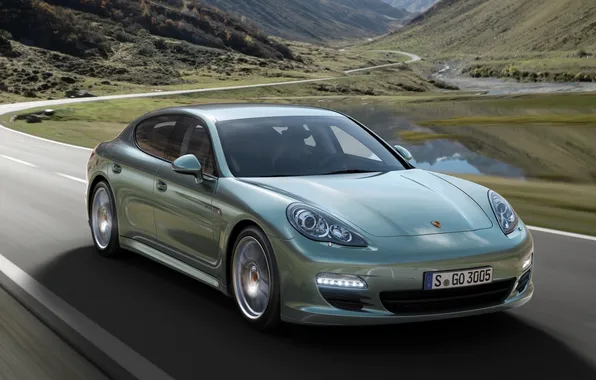
1st Gen Porsche Panamera (970) Market Value & Pricing
The 970 Panamera has experienced significant depreciation since its launch, and that depreciation is a major part of its appeal on the used market. Original new prices (especially for higher trims like Turbo and Turbo S) were often well into six figures, but today first-gen examples commonly trade well below that, with many base and mid-range 970s priced in the low-to-mid-$20,000s to $40,000s range depending on condition, mileage, and spec. According to recent market benchmarks, average values across the 970 family show base Panamera models around the low $20K range, Panamera 4s in the mid-$20Ks, and GTS examples closer to the mid-$30K range, with the rarer Turbo S often sitting near $50K on the open market.
This pricing reflects a broader trend where the Panamera depreciates more steeply than many other Porsches, partly due to its early reputation for heavy weight and initial reliability concerns, as well as high original pricing that buyers now see as “bargain territory.” As a result, you can find very capable 970 Panameras for a fraction of their original cost, especially early V6 and V8 models with higher mileage. Collectible variants like Turbo S and low-mileage GTS have held relatively stronger values, but even they are dramatically cheaper than new-car MSRPs. For buyers focused on performance and Porsche driving dynamics without the new-car price premium, the 970 represents a compelling value proposition in the current used-car market.
What Are First Generation Panameras Worth?
Here’s a detailed breakdown of Porsche Panamera (970) values by condition and model type. The Panamera had always had solid demand given its versatility. They are increasingly affordable and available across many budgets.
Project Cars & Non-Runners
$8,000 – $15,000
This bottom tier includes project cars, non-runners, salvage titles, and high-mileage examples that need mechanical work (engine, transmission, suspension) or have significant cosmetic issues. Cars here often start very cheap but will require meaningful investment, both in parts and labor, to be reliable. For bargain hunters and experienced Porsche techs, a Panamera at this price can be a way to access the platform cheaply, but these are not turnkey drivers and should be budgeted aggressively for repairs.
Daily Drivers / High-Mileage
$15,000 – $30,000
The next bucket covers operational cars that run and drive, albeit with higher mileage (often 100k+ miles), cosmetic wear, and limited service documentation. These are often base Panamera or Panamera 4 models, and sometimes lower-trim V8s or GTSes that have accumulated miles and use. While they’re usable every day, expect some upcoming maintenance items (brakes, suspension bushings, tires) and possibly clutch/PDK service. Good value for buyers who want a four-door Porsche experience without the premium.
Clean Drivers / Well-Sorted Examples
$30,000 – $45,000
This bucket represents the most common sweet spot for 970s in the market today. Cars here are generally turnkey, accident-free, properly maintained examples with moderate mileage (often 70k–100k). This price band includes Panamera 4S, Panamera S, and even some nicely sorted GTS or Turbo examples. These vehicles drive confidently, have fewer pending big-ticket items if regularly serviced, and offer strong everyday usability with Porsche performance.
Nice Specs / Low-Mileage
$45,000 – $60,000+
Here you move into lower-mileage V8s, strong condition GTS examples, and well-preserved Turbo models. Cars in this tier usually have better service documentation, strong cosmetic condition inside and out, and often desirable options (sport chrono, PASM, premium interiors). Some of these might be early facelift years or have collectible appeal due to spec, color, or rarity. A more desirable driving experience is expected in this price range.
Top Tier / Exceptional
$60,000 – $80,000+
At the top end of the 970 market sit exceptional, low-mileage Turbo S, rare spec GTS, or nearly new-condition facelift cars with outstanding service history and often unique options. These are the ones that hold value best in the 970 world because they offer supercar-level performance at significantly less cost than new-car pricing. Collectors gravitate toward these examples, especially clean Turbo S cars that are clean with verified maintenance.
Factors That Affect Value
Model Year & Facelift Status
Model year plays a meaningful role in 970 pricing, with later cars—particularly the 2014–2016 facelift models—commanding a premium due to improved styling, infotainment, and overall refinement. Earlier pre-facelift cars tend to trade for less, even when similarly optioned, though some buyers still prefer early naturally aspirated V8 models for their character.
Variant & Powertrain
Variant choice is one of the biggest drivers of value. Entry-level V6 Panameras sit at the bottom of the pricing spectrum, while GTS, Turbo, and Turbo S models consistently command higher values thanks to performance, specification, and enthusiast demand. Naturally aspirated V8 cars often attract buyers looking for sound while Turbos appeal to those wanting speed.
Mileage
Mileage has a strong and direct impact on pricing, sometimes more so than age. High-mileage Panameras can drop quickly into lower pricing buckets, even when well maintained, due to buyer concerns around future maintenance costs. Conversely, low-mileage examples—especially V8, GTS, and Turbo S cars—often carry a disproportionate premium.
Condition & Service History
Condition is critical in the 970 market. Cars with complete service records, evidence of recent major maintenance, clean interiors, and strong cosmetic presentation consistently sell faster and for more money. Buyers increasingly prioritize “well-sorted” examples over simply chasing the lowest price.
Rarity, Specification & Options
Certain specifications can meaningfully influence value. Rare colors, desirable interiors, sport-oriented options (such as PASM, Sport Chrono, ceramic brakes on Turbo S models), and limited-production trims like the GTS all enhance appeal.
Investment Potential
The first-generation Panamera is not a traditional blue-chip Porsche investment, but sentiment around the 970 has improved noticeably in recent years.
As depreciation has largely run its course for most examples, the market has shifted from rapid value loss to relative stability—particularly for higher-spec V8 models. Buyers increasingly recognize the Panamera as a technically impressive, over-engineered car that offers exceptional performance and luxury for the money.
Looking ahead, the strongest investment potential lies in low-mileage, well-documented GTS, Turbo, and Turbo S models, especially those with desirable specifications and clean histories.
These cars are unlikely to see dramatic appreciation in the near term, but they are well positioned to hold value better than base models and may benefit from broader appreciation of high-performance internal-combustion luxury cars as the market continues shifting toward electrification.
Naturally aspirated V8 Panameras may also gain modest long-term interest as buyers place increasing value on engine character and sound—qualities absent from newer generations.
In contrast, high-mileage V6 cars and poorly maintained examples are unlikely to rebound and should be viewed strictly as value-driven ownership plays rather than investments.
In short, the 970 Panamera should be approached as a “buy the best you can afford” market.
Exceptional examples may reward owners with long-term stability and mild upside, while average cars will primarily offer strong performance and luxury value rather than meaningful financial appreciation.
Recent 1st Gen Porsche Panamera Values & Market Sales Trends
Below, our friends at Classic.com chart recent sales and trends in the Porsche Panamera (970) market. We have only shared a few of the core markets, so don't forget to go to classic.com to see the rest.
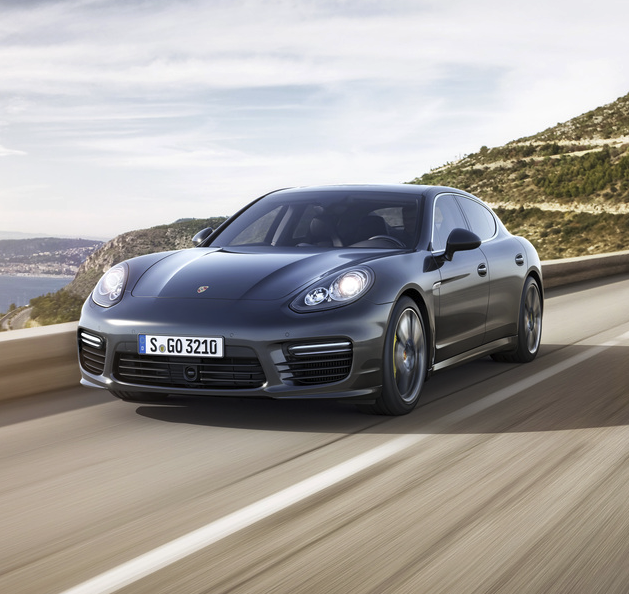
1st Gen Porsche Panamera Driving Experience & What to Expect
What They Said at The Time
When the Panamera debuted in 2009–2010, journalists were simultaneously intrigued and divided by Porsche’s bold step into the four-door luxury sedan segment. Early testers acknowledged that Porsche had achieved something uncommon: a true sports car ethos in a practical, spacious four-door package. One early reviewer summed it up as a car for those who have always wanted to carry four passengers in comfort and think that SUVs are crude offering 911-like driving enjoyment with everyday usability.
“The 2010 Porsche Panamera is big, fast, and comfortable; a genuine four-passenger Gran Turismo capable of loafing across continents in giant 130 mph bounds…” — MotorTrend review of the original Panamera
However, reviewers didn’t shy away from controversy, especially around styling and proportions. Some journalists admitted they were initially put off by the Panamera’s design — with its tall rear roof and busy tail — but often softened on its looks once they saw it in person, describing it as something that “soon will be beautiful” once the eye adjusted. Likewise, early press tests of the Panamera Turbo noted mixed first impressions on styling, with one reviewer calling the front end “a little too much like the Cayenne” before adding that the car’s interior quality, ergonomics, and luxury execution were “nothing short of spectacular.”
“Thanks to a lightweight body and a low center of gravity, the car dives into turns willingly, stays impressively flat midturn, and then changes directions again with ease.” — Autoweb’s first impressions of the Panamera
Driving impressions highlighted capable performance married to grand-touring refinement. In tests of the V8-powered Panamera 4S, journalists praised the smoothness of the PDK dual-clutch transmission and its effortless flexibility across speeds, noting that the AWD system made it road-trip ready with four adults aboard. Aggressive acceleration — even in non-Turbo trims — was a recurring theme. According to broader historical summaries, the Panamera’s handling dynamics and chassis balance were often seen as close to that of a 911 when driven quickly for a car of its size — a rare compliment for such a large four-door.
Yet not all commentary was glowing. Some contemporary publications felt that Porsche hadn’t fully escaped its own weight penalty, with critics in the UK suggesting that certain models were “about as oriented to comfort as it’s possible to get”
“Steering response is perfect… the size seems to disappear the harder you push it.” — MotorWeek noting the car’s dynamic composure.
and that the Turbo wasn’t quite the lightweight four-seater many enthusiasts had hoped for. Still, even critical voices tended to acknowledge that the Panamera’s functionality, rear-seat comfort, and trunk versatility were significant achievements for the brand.
In essence, initial press sentiment on the 970 was nuanced but respectful: the Panamera wasn’t universally loved — particularly at first glance — but it was widely recognized as a distinctly Porsche attempt to redefine what a performance sedan could be, blending luxury, space, and dynamic capability in a single package that challenged expectations.
“The 2010 Porsche Panamera provides amazing performance and cosseting luxury…” — Edmunds’ expert review summarizing its dual-purpose nature
What to Expect Today
The 970 Panamera was engineered to bring Porsche’s sports-car philosophy to a four-door format, and that intention shows in the driving experience. Although the Panamera’s size and weight are immediately noticeable — it’s a large, heavy sedan by any measure — Porsche’s chassis engineering, precise steering, and powerful brakes keep it engaging rather than ponderous.
Across the lineup, the Panamera feels decisively planted and balanced, with a low center of gravity relative to its heft. The steering is communicative and well-weighted for a car in this class, giving the driver confidence through transitions and mid-corner adjustments. The combination of MacPherson front struts and multi-link rear suspension — often equipped with Porsche Active Suspension Management (PASM) and available air suspension on higher trims — ensures that the Panamera can be both composed at speed and compliant over imperfect surfaces.
Engines in the 970 vary widely, but they all deliver performance that’s competitive for their era:
V6 models (base Panamera and Panamera 4) offer competent performance, with enough torque for comfortable merging and highway cruising. They lack the visceral punch of larger engines, but they’re smooth and efficient.
Naturally aspirated V8 cars (Panamera S, 4S, and GTS) provide the most classic Porsche feel — linear, responsive power delivery with a satisfying intake and exhaust note. The GTS, in particular, feels brisk and eager, with strong mid-range thrust that rewards spirited driving.
Twin-turbo V8s (Turbo and Turbo S) elevate the Panamera into true high-performance territory. The torque arrives early and in abundance, making acceleration effortless; Turbo S cars can feel startlingly quick for a sedan of this size. The boost-aided power delivery reinforces a “big sports car” sensation rather than a heavy luxury barge.
Regardless of engine choice, the Panamera’s PDK dual-clutch transmission (or the optional Tiptronic automatic on earlier cars) shifts crisply and can adapt between seamless daily driving and aggressive, hold-gears mode when pushed.
Despite its performance focus, the Panamera is surprisingly livable as a daily driver. Visibility is better than many contemporary high-end sedans, the seats are supportive and adjustable, and the cockpit layout — while Porsche-centric — remains intuitive. The ride quality, especially when equipped with adaptive suspension, absorbs highways and rough pavement with composure.
In traffic or city settings, the Panamera feels composed but large — tight parking maneuvers and narrow streets remind you of its size. Steering lightens and suspension softens in comfort modes, making urban miles more pleasant than you might expect from a high-performance sedan.
Fuel economy, as with most performance cars of this era, is modest, and maintenance costs reflect the engineering quality — premium fuel and regular servicing are part of the ownership reality.
The 970 Panamera is genuinely effective in both roles:
As a weekend cruiser, it shines. The comfortable seats, long-distance refinement, and performance flexibility make it excellent for spirited driving on back roads or long highway trips. In GTS or Turbo specification, it can flip between GT comfort and engaging sport sedan dynamics with ease.
As a daily driver, it’s surprisingly capable. The ergonomics, ride comfort (especially on air suspension), and overall refinement soothe the daily grind. However, heavier traffic and city parking will emphasize its size and weight, and ongoing costs (fuel, tires, brakes) are higher than average.
Ultimately, the Panamera delivers a rare blend of performance car engagement and four-door practicality — a car that can comfortably serve as both the family hauler and the enthusiast’s weekend toy.
If you’re considering a 970 Panamera, expect a large, competent, and engaging performance sedan that rewards thoughtful specification choice. Naturally aspirated V8 models and GTS variants offer the most traditional Porsche driving feel, with a connection and character that many drivers prefer. Turbo and Turbo S models deliver effortless performance that still masks their bulk impressively.
Buyers should be mindful of maintenance history and condition, as suspension wear, electronics gremlins, and high-cost service items are common in higher-mileage examples. When well maintained, though, the Panamera’s driving experience is one of the most compelling in its market segment: comfortable and refined when you want it, sharp and enthusiastic when you demand it.
If you want, I can also provide variant-specific driving impressions (e.g., how a Turbo S compares to a GTS on a canyon road) or a buyer checklist tailored to driving feel and chassis health.
Getting Real - Costs to Own & Maintenance
Owning a 970 Panamera means luxury performance with corresponding costs — it isn’t a Toyota Corolla to maintain, but it’s not unaffordable either if you plan wisely and maintain proactively.
Routine Maintenance: Expect regular service items (oil changes, brake wear items, filters, fluids) to run higher than mainstream cars due to performance components, AWD hardware, and high-capacity engines. An oil service at an independent specialist typically runs in the $300–$700 range, while dealership services can run $600–$1,200+ depending on year and dealership pricing. Brake pads and rotors on V8, GTS, or Turbo models are more expensive than base trims — a full set including labor can easily be $1,200–$2,000+ at a Porsche shop.
Scheduled Major Service Intervals: Every couple of years or so, expect larger bills — Porsche recommends belt replacements, spark plug changes, and other inspections on timelines that can cost $1,500–$3,000+ when performed at a specialist or dealer. Timing chain tensioner and balance shaft updates (more relevant on earlier Panameras) can become issues if service history is incomplete or deferred.
Transmission & AWD Systems: The PDK dual-clutch transmission is generally robust, but fluid changes every ~40,000–60,000 miles are recommended by independents (rarely completed at dealers). Fluids and filters for the PDK run about $250–$400 in parts, and labor can be $500–$900 at a specialty shop. AWD hardware adds complexity — differential services ($200–$400 parts + labor) and transfer case service should not be skipped.
Tires & Wheels: Panameras run performance tires, which cost more: $300–$600+ per tire depending on size and model (Turbo S cars often run 20”+ wheels). Annual tire costs of $1,200–$2,400 are common if you track aggressively or replace at normal wear intervals.
Fuel Costs: High-performance engines demand premium fuel. Annual fuel spend varies widely by driving style and miles, but even moderate commuters should budget $2,000–$3,500+ per year in fuel if driven regularly, given ~15–20+ mpg average combined economy.
Unscheduled Repairs: Suspension components (control arms, bushings), sensors, and electronic gizmos tend to cost more than on non-luxury cars. When things go wrong, expect labor-intensive repairs to be pricey — for example, a failing air suspension compressor can run $1,200–$2,200+ installed, while shock absorbers can be $600–$1,200 per corner depending on spec and brand. Planning a maintenance reserve of a few thousand dollars annually is prudent on higher-mile cars.
Parts Availability & Pricing
Unlike some rare exotics, Panamera parts are widely available — both from Porsche and aftermarket sources — which helps control expenses.
OEM Parts: Genuine Porsche parts remain reasonably available through dealerships and Porsche parts wholesalers. Common parts (filters, brakes, hoses) are priced similarly to other performance cars — higher than economy brands, but not absurd. Expect OEM brake pads to be ~$300–$600 set, rotors $400–$800 each, and air filters $50–$100.
Aftermarket & Refurb Options: Many Panamera owners choose quality aftermarket parts or remanufactured items to reduce costs on non-wear consumables (sway bar links, brake components, suspension bushings). Aftermarket pricing typically saves 20–40% vs OEM; reputable brands like Bilstein, H&R, and aftermarket Porsche-specific specialists are common.
Parts Constraints: The most expensive parts tend to be engine and transmission sensors, control modules, and AWD components. These can run hundreds to thousands in parts alone — and labor often dwarfs parts costs.
Body & Interior: Cosmetic and interior pieces from later years and facelift models have good interchangeability, and Porsche’s large global ownership base means used parts are frequently available. Salvage markets often yield heads, doors, seats, suspension pieces, and electronics at much lower cost than new.
Insurance Costs for a First-Gen Porsche Panamera
Insurance for a Panamera is above average due to performance potential, vehicle value, and repair costs. The exact premium varies based on location, driving record, age, and coverage levels — but here are typical ranges:
Liability & Full Coverage:
Young buyer / full coverage: $2,000–$4,000+ per year
Experienced driver / full coverage: $1,200–$2,500 per year
Minimal coverage (state minimum): $800–$1,500 per year
Sport trims (GTS, Turbo, Turbo S) cost more to insure due to higher performance ratings and theft/claim data. Insurers view these as higher risk compared to base V6 models.
Factors Affecting Insurance Costs:
Trim level & engine: Turbo S > Turbo > GTS > V8 > V6
Location & driving history: Urban drivers and those with tickets/accidents pay more
Mileage & usage: Lower annual miles can reduce premiums
Many owners find that bundling policies, raising deductibles, and adding anti-theft devices help mitigate insurance spend. Comparing specialist sports/performance car insurance carriers with mainstream insurers is often worthwhile.
Summary: Realistic Cost Expectations
Owning a first-gen Panamera is not inexpensive, but it’s also not prohibitively costly compared to other high-end performance sedans. Here’s what to budget in broad terms:
Routine Maintenance: $1,000–$2,500
Tires: $1,200–$2,400
Fuel: $2,000–$3,500
Insurance: $1,200–$3,500
Unscheduled Major Repairs: $1,500–$4,000+ (periodic reserve)
Total realistic annual ownership cost: ~$6,000–$12,000+ depending on mileage, trim, and local costs.
The largest variables are mileage, spec (engine/trim), service history, and how aggressively you drive. Well-maintained lower-trim cars will cost less; high-spec Turbo S/ GTS cars driven hard and not regularly serviced can be expensive.
Bottom Line for Potential Buyers
A first-gen Panamera is rewarding, powerful, and engaging — but not a bargain to own casually. You must plan for maintenance, reserve funds for unexpected repairs, and select examples with strong documentation. When cared for by specialists and driven regularly, the Panamera can deliver luxury performance that eclipses many rivals — just at a price that reflects its engineering sophistication.
Other Key Buying Considerations
Ensuring Performance, Authenticity, and Long-Term Enjoyment
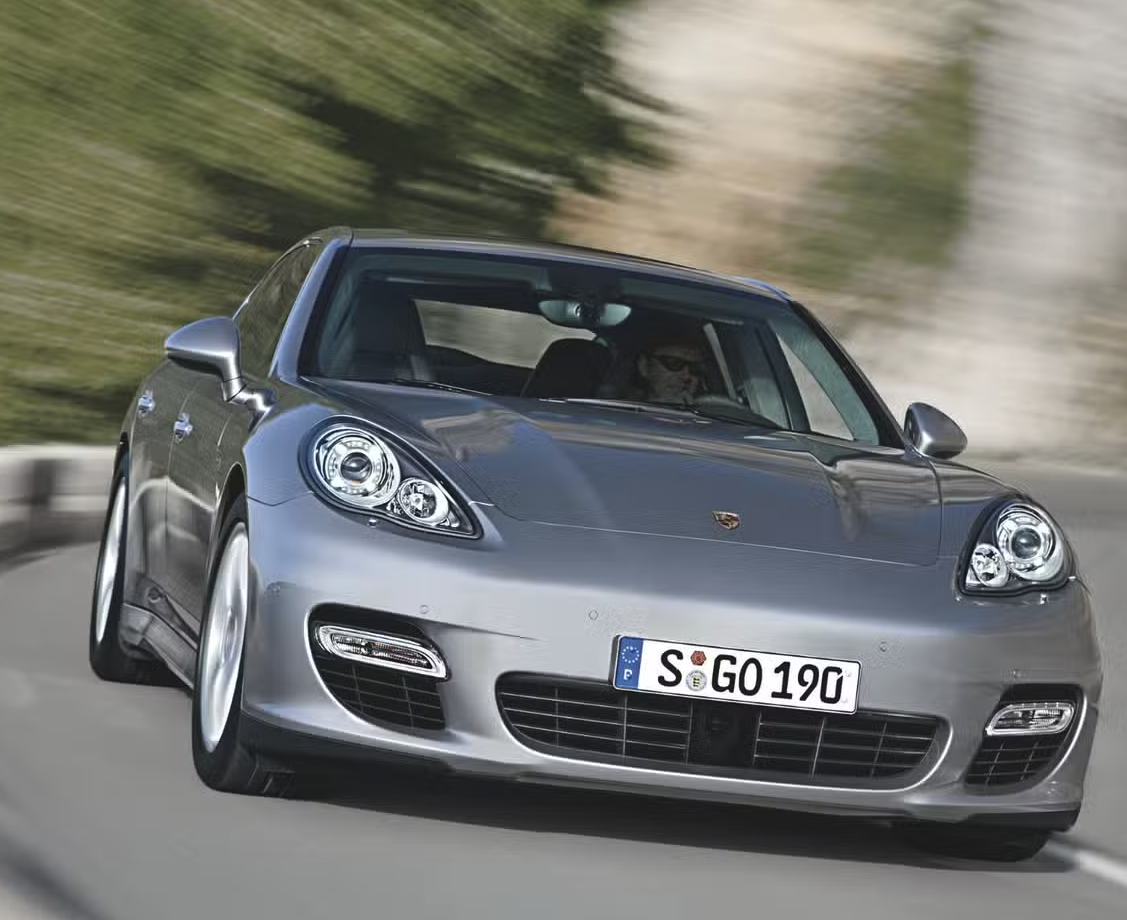
These are the issues that commonly influence ownership satisfaction, long-term reliability, and buyer confidence. The first-gen Panamera is rewarding if approached with eyes wide open. Prioritize complete service records, a thorough PPI, and sensible spec choices. Factor typical maintenance costs into your budget, and adopt a long-term ownership mindset rather than expecting a “cheap Porsche.” When well maintained and properly chosen, the 970 delivers luxury performance, grand-touring comfort, and driver engagement in a package few other luxury sedans can match.
Service History & Documentation
A complete service record is one of the strongest indicators of future reliability. Because the Panamera is a complex, performance-oriented vehicle, gaps in maintenance — especially on older examples — often correlate with neglected fluids, overdue major services, and deferred wear items. Look for:
Regular oil changes (every ~7,500–10,000 mi / per manufacturer intervals)
PDK fluid/service records
Brake and suspension service receipts
Any recalls/fixes documented Cars with detailed receipts and a consistent service pattern generally bring fewer surprises and lower near-term costs.
Pre-Purchase Inspection (PPI)
A Panamera must have a PPI by a specialist, ideally one familiar with Porsches. Typical dealer PPIs are helpful but may miss nuanced issues specific to the 970, such as air suspension wear, transmission quirks, or engine oil leaks. A specialist inspection can reveal:
Suspension component wear
Transfer case and differential issues
Electronic gremlins
Oil leaks around heads, cams, or seals Skipping a PPI often leads to unexpected out-of-pocket repairs shortly after purchase.
Trim & Specification Impact
Specification has a huge impact on enjoyment and resale value. Consider:
Transmission: Early Tiptronic units are competent, but PDK is generally preferred for responsiveness and long-term fun.
Suspension: Cars with PASM and air suspension offer better ride/handling balance, but are more expensive if components fail.
Options: Sport Chrono, Ceramic Brakes, Burmester audio, and rear comfort packages add value and long-term appeal. Well-sorted specs often command stronger resale values later.
Known Weaknesses & Maintenance Risks
Every car has its “gotchas,” and the 970 is no exception:
Air Suspension: While excellent in ride quality, early or high-mile Panameras can see air strut leaks and compressor wear. These parts are expensive to replace ($1,000+ per corner for shocks; compressors in the $1,200–$2,200+ range).
PDK Transmission: Known to perform well — but fluid changes are essential. Cars without routine fluid/filter service are higher-risk.
Early Electrical Items: Infotainment, climate actuators, and window regulators can have intermittent failures.
Cooling & Sensors: Thermostats, temperature sensors, and cooling system components become harder to source on very old units. Factor these into inspection priorities and purchase budgeting.
Mileage & Use Profile
How a Panamera was used matters:
Low mileage can be a plus only if the car was regularly exercised. High-performance cars need heat cycles and regular oil changes to stay healthy.
Long-distance highway cars often show less suspension, brake, or clutch wear compared to low-mile city cars.
Track-use cars may have greater wear on brakes, oil coolers, and drivetrain components if not well supported.
Price vs. Cost of Ownership Balance
A low purchase price is enticing, but the real value equation for the Panamera involves serviceability and anticipated maintenance costs. Very cheap examples can quickly become expensive if they:
Lack service history
Have pending major items (suspension, brakes, timing chain tensioner if applicable)
Require emission/fuel system work Always assess the true ownership cost — something like a $12k car with $7k pending repairs is often a worse deal than a $28k well-sorted example.
Insurance & Registration
Performance, value, and engine size mean the Panamera typically carries above-average insurance premiums compared to mainstream sedans. Younger buyers and those with traffic history may see especially high quotes. Registration fees can also be higher in certain states due to value-based titling. Get insurance quotes before buying.
Parts Supply & Specialist Network
The Panamera benefits from a robust parts ecosystem — OEM new parts from Porsche dealers are widely available, and aftermarket support is strong for common items (suspension, brakes, filters). Specialist independent shops familiar with Porsche often offer lower labor rates than dealerships without sacrificing expertise — a plus for owning a performance sedan economically.
Future Market Value & Desirability
While first-gen Panameras depreciated sharply originally, values — especially for GTS, Turbo, and low-mile V8 models — have stabilized in recent years. Desire for internal-combustion performance cars with engaging driving dynamics remains strong among enthusiasts. A well-sorted example in a desirable spec may hold value better or even modestly appreciate over time compared to lesser-trim cars.
Community & Support Resources
One underrated advantage of the 970 is a large and active owner community. Forums, specialist clubs, and enthusiast groups provide insights into common issues, DIY guides, and recommended service providers — reducing ownership friction and unexpected surprises.
Common 1st Gen Porsche Panamera Problems
What Buyers Should Know
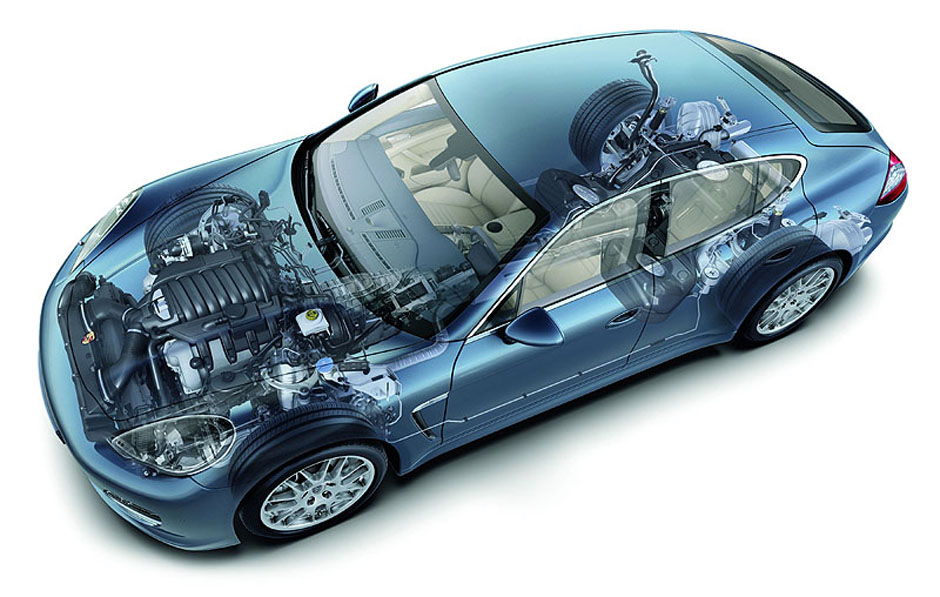
While the Porsche Panamera is known for its overall reliability and refinement, it’s still a high end German sports car with specific quirks to be aware of. A well-maintained first generation Porsche Panamera can be an incredibly rewarding car to own, but buying the wrong one can lead to frustrating expenses. Here are the most common issues and red flags to look for. These aren’t theoretical “might happen” items, but problems reported repeatedly by owners, specialists, and long-term testers..
(see our full article on common Porsche Panamera problems here).
Air Suspension Issues
Air suspension is one of the most common and costly problem areas on first-generation Panameras equipped with the system. Over time, air struts can develop leaks, compressors can wear out, and valves or air lines may fail. Typical symptoms include the car sitting unevenly, suspension warning lights, or the compressor running excessively. While the system delivers excellent ride quality when functioning properly, repairs can be expensive, making suspension condition a top priority during inspection.
PDK Transmission Concerns
The PDK dual-clutch transmission used in many 970 Panameras is generally reliable, but problems usually stem from deferred fluid and filter changes rather than inherent design flaws. Cars lacking proper PDK service history may exhibit harsh shifts, hesitation at low speeds, or rough engagement when cold. Routine servicing is manageable, but neglected transmissions can lead to extremely expensive repairs, making documented maintenance critical for buyers.
Engine Oil Leaks
Oil leaks are relatively common on V8-powered Panameras, particularly around valve cover gaskets, camshaft housing seals, and oil filter housings. These leaks are rarely catastrophic but can cause burning oil smells, smoke at startup, and messy engine bays. Because repairs are labor-intensive due to tight packaging, evidence of recent gasket replacement is a strong positive when evaluating a used example.
Cooling System & Sensor Failures
Cooling system components such as thermostats, temperature sensors, and coolant hoses can fail as the Panamera ages, particularly on earlier model years. Symptoms include erratic temperature readings or warning lights. While many of these parts are relatively affordable, diagnosing cooling issues can be time-consuming and labor-heavy, making stable operating temperatures during a test drive an important indicator of system health.
Electrical & Infotainment Gremlins
As a technology-heavy luxury sedan, the 970 Panamera can experience intermittent electrical issues over time. Common complaints involve infotainment systems, climate control actuators, window regulators, and seat electronics. These problems range from minor annoyances to more complex diagnostic challenges, so buyers should thoroughly test all electronic systems during inspection.
Brake & Tire Wear
Brake and tire wear is higher than average, especially on GTS, Turbo, and Turbo S models. The Panamera’s weight and performance capabilities place additional strain on braking systems and large performance tires. Replacement costs can be significant, particularly for ceramic brakes or large-diameter wheels, making wear items an important part of purchase budgeting.
Climate Control Problems
Climate control issues may arise due to failing HVAC actuators, blower motors, or interior temperature sensors. Symptoms often include inconsistent cabin temperatures, vents stuck in one position, or airflow that does not respond correctly to control inputs. While not typically deal-breaking, these issues can affect daily usability and should be carefully checked.
Ignition & Fuel System Issues
Spark plugs and coil packs can wear earlier than expected, especially on higher-mileage Panameras. Misfires, rough idle, or check engine lights are common warning signs. While ignition components are relatively inexpensive, ignoring misfires can lead to costly catalytic converter damage, making prompt diagnosis and service essential.
Exhaust System Corrosion
In colder or salt-exposed climates, exhaust system corrosion can affect heat shields, hangers, and piping. Symptoms include rattling noises or exhaust leaks, particularly during cold starts. Repairs often involve significant labor, so underbody inspections are especially important for cars from northern regions.
AWD Transfer Case & Differential Wear
All-wheel-drive Panameras can develop transfer case or differential issues if fluid services are neglected. Leaking seals, worn bushings, or internal wear may cause shuddering under acceleration or unusual drivetrain noises. Because repairs in this area are expensive, service documentation and a specialist pre-purchase inspection are strongly recommended.
Final Buyer Takeaway
Most issues associated with the first-generation Panamera are related to complexity, age, and deferred maintenance, not fundamental engineering flaws. Well-maintained examples with strong service records can be reliable and deeply rewarding to own, while neglected cars often become expensive quickly. Buyers should prioritize condition over price, insist on a Porsche-specialist PPI, and budget realistically for ongoing maintenance. When chosen carefully, the 970 Panamera remains one of the most capable and engaging luxury performance sedans of its era.

Buying A 1st Gen Porsche Panamera (970) FAQs
Here are all the questions we've received from readers considering a first generation Porsche Panamera
Is the first-generation Porsche Panamera a reliable car?
The first-gen Panamera can be reliable if it has been properly maintained, but it is not a low-maintenance car. Most major issues stem from deferred servicing rather than fundamental design flaws. Cars with strong service records, regular fluid changes, and recent suspension or drivetrain work tend to be dependable, while neglected examples can become expensive quickly.
Which first-generation Panamera models are the best to buy?
The most desirable variants are generally the Panamera GTS, Panamera Turbo, and Turbo S, followed closely by well-maintained Panamera S and 4S models. These offer the best blend of performance, driving character, and long-term desirability. Base V6 models are more affordable but less engaging and tend to depreciate further.
What are the most common problems to watch for?
Common issues include air suspension failures, oil leaks from valve cover and camshaft seals, electrical glitches, cooling system sensor failures, and neglected PDK transmission servicing. None are guaranteed failures, but all should be carefully inspected during a pre-purchase inspection, especially on higher-mileage cars.
How expensive is it to maintain a first-gen Panamera?
Ownership costs are higher than average. Most owners should budget $6,000–$12,000 per year including maintenance, fuel, insurance, and a reserve for unexpected repairs. High-performance trims like the GTS and Turbo models sit at the higher end of that range due to brakes, tires, and suspension components.
Is the first gen Panamera expensive to insure?
Insurance costs are above average for a sedan due to performance and repair costs. Experienced drivers with clean records typically see premiums between $1,200 and $2,500 per year, while younger drivers or Turbo-level trims may exceed that. It’s wise to get quotes before committing to a purchase.
Should I avoid high-mileage first generation Panameras?
Not necessarily. A high-mileage Panamera with excellent service history can be a better buy than a low-mileage car that has sat unused or missed maintenance. Highway-driven cars often wear better than low-mile city cars, but buyers should budget for suspension, drivetrain, and electronic wear as mileage climbs.
Is a pre-purchase inspection really necessary?
Yes — a Porsche-specialist pre-purchase inspection is essential. The Panamera is complex, and many issues are not obvious during a casual test drive. A proper PPI can uncover suspension leaks, drivetrain wear, electronic faults, and deferred maintenance that could otherwise cost thousands shortly after purchase.
How does the first-gen Panamera drive compared to other luxury sedans?
The Panamera drives more like a large sports car than a traditional luxury sedan. It offers strong steering feel, excellent high-speed stability, and impressive handling for its size, especially in GTS and Turbo trims. It is heavier and larger than a 911, but far more engaging than most competitors from BMW, Mercedes-Benz, or Audi of the same era.
Are first-generation Panameras good long-term buys?
They are best viewed as value-driven performance cars, not traditional investments. While most have already depreciated heavily, well-kept GTS, Turbo, and Turbo S models appear to be stabilizing in value. Buyers should prioritize enjoyment, condition, and ownership experience rather than expecting major appreciation.
What’s the biggest mistake buyers make when buying a 1st gen Panamera?
The biggest mistake is buying the cheapest example available without considering maintenance history or future costs. A low purchase price often hides expensive deferred maintenance. The best Panamera ownership experiences come from buying the best-maintained example you can afford, even if it costs more upfront.