
The Porsche Panamera Buyer's Guide & Our Picks for the Best Variants Across All Generations
The Porsche Panamera has always been a bold proposition—combining true Porsche performance with real-world luxury and four-door practicality. Since its debut, it has evolved into one of the most technically advanced and dynamically capable luxury performance sedans on the market, offering everything from long-distance grand touring comfort to supercar-level pace in its most extreme forms. Across three generations, the Panamera has steadily refined its design, driving dynamics, and technology, silencing early critics and establishing itself as a cornerstone of the modern Porsche lineup.
This Porsche Panamera Buyer’s Guide is designed to help you navigate every generation with confidence. We break down the key models and variants, highlight known issues and ownership considerations, and explain how the Panamera has changed over time—from the original V8-powered trailblazers to the hybrid-heavy, tech-forward cars of today. Whether you’re shopping the value-packed early cars, the sweet-spot second generation, or the cutting-edge current models, we focus on what actually matters to buyers and long-term owners.
Just as importantly, we share our expert picks for the best Panamera variants across all generations—the models that stand out for performance, reliability, desirability, and long-term appeal. From understated daily drivers to truly special enthusiast choices, this guide cuts through the complexity of the Panamera range and helps you find the version that best fits your driving style, budget, and ownership goals.
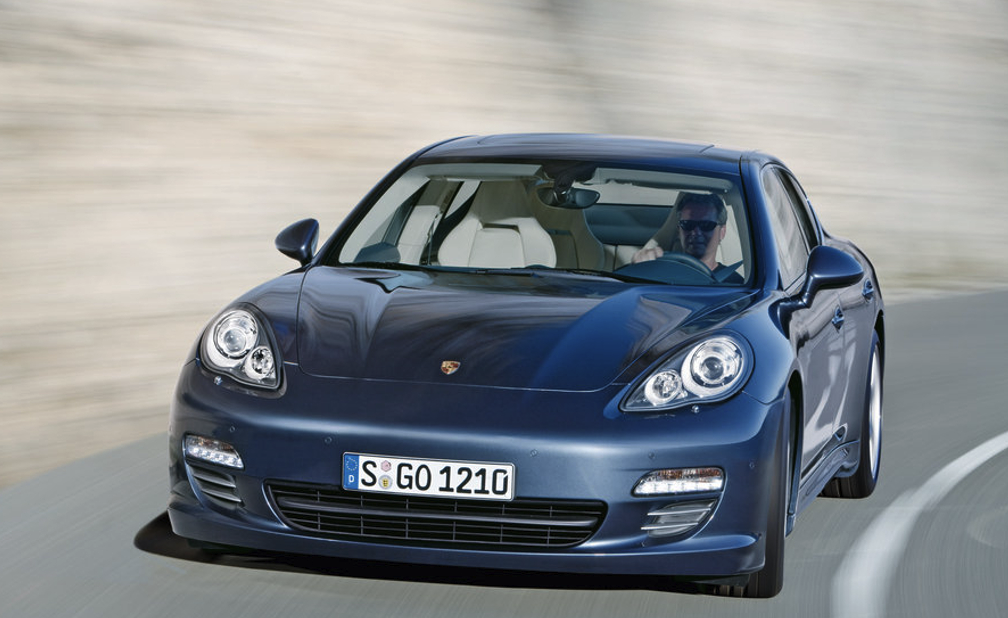
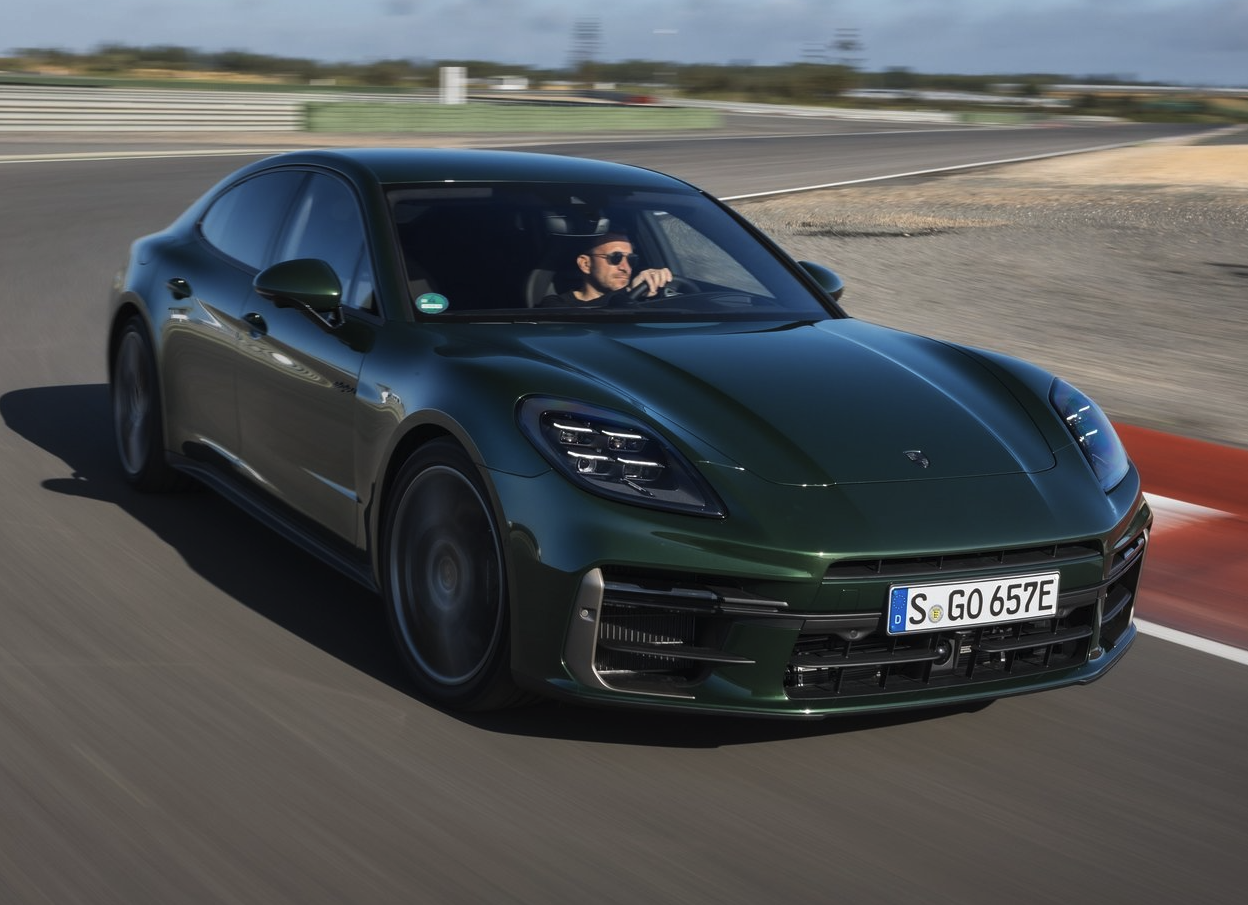
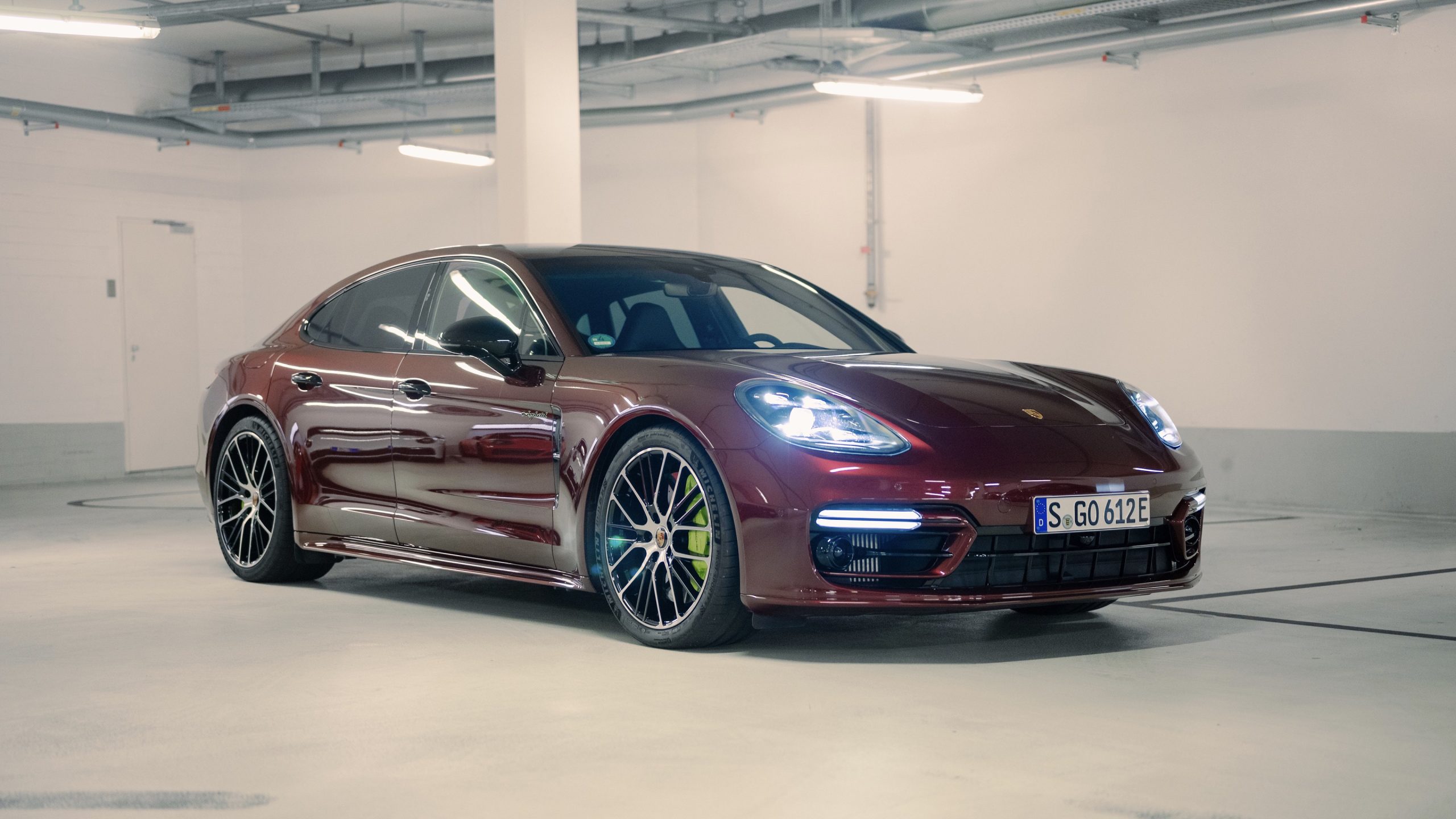
1st Gen Porsche Panamera (2010-2016) Buying Advice
Buying a first-generation Porsche Panamera (970) is less about chasing the lowest price and more about finding the right example. These cars were expensive and complex when new, and that complexity hasn’t gone away just because values have dropped. The single most important factor in a good ownership experience is maintenance history. A well-documented car with regular servicing, even at a higher purchase price, is almost always a better buy than a cheaper example with gaps in its records.
Variant choice matters significantly. Enthusiasts and long-term owners tend to gravitate toward Panamera S, 4S, GTS, Turbo, and Turbo S models, as these deliver the performance, sound, and driving character most people expect from a Porsche. Base V6 models can make sense as value-oriented luxury cars, but they lack the emotional appeal and long-term desirability of the V8-powered trims. Buyers should decide early whether they want performance, comfort, or simply Porsche ownership at the lowest entry cost.
A Porsche-specialist pre-purchase inspection (PPI) is essential and non-negotiable. The 970 has known wear points—air suspension, oil leaks, PDK servicing, electronics—that may not be obvious on a short test drive. A proper inspection can identify deferred maintenance that quickly turns a “cheap” Panamera into an expensive one. Going in with eyes open allows buyers to budget correctly or walk away before problems compound.
Mileage should be viewed in context, not isolation. High-mileage cars with consistent service histories and highway use can be excellent buys, while low-mileage examples that sat unused or were poorly maintained can be riskier. These cars benefit from regular use, proper heat cycles, and preventative maintenance. Condition and documentation matter more than odometer readings alone.
Finally, buyers should approach the first-gen Panamera with the right mindset. It is not a low-cost commuter sedan, but it is one of the most capable and rewarding luxury performance sedans of its era when properly cared for. Budgeting for maintenance, planning ahead for wear items, and prioritizing quality over price will lead to a far more satisfying ownership experience.
The Market
The first-generation Panamera market has largely finished its steep depreciation phase, which makes it particularly interesting today. Values have flattened across most of the range, especially for well-kept V8 models, and buyers can access cars that once cost well into six figures for a fraction of their original MSRP. This creates a strong value proposition for enthusiasts who want Porsche performance and luxury without new-car pricing.
There is, however, a wide spread in pricing that reflects condition, mileage, and specification more than ever. Poorly maintained or problem cars sit at the bottom of the market and often struggle to sell, while clean, well-sorted GTS, Turbo, and Turbo S examples continue to command meaningful premiums. Buyers are increasingly educated, and the market now rewards documentation and quality over superficial appearance.
Looking ahead, the best examples of the 970—low-mile, well-optioned, properly serviced cars—are likely to remain stable and may even see modest appreciation, particularly as naturally aspirated V8 performance sedans become rarer. While the first-gen Panamera is not a traditional collector Porsche, the market has clearly separated good cars from bad ones. For informed buyers, that makes now an excellent time to buy the right one.
Current Trends
The used market for older Panameras is very broad, with values varying widely by generation, year, trim, and condition. According to nationwide listings, used Panameras of all model years average around $63,000 across nearly 1,500 vehicles on the market, but prices span from under $20,000 for high-mileage or fixer-upper cars to over $100,000 for recent examples with low miles and premium trims. For example, classic pre-owned 2018–2023 Panamera 4S and similar trims are commonly listed in the $70,000–$90,000 range, while rare or very low-mile certified examples — particularly of newer model years — can exceed $100,000. These spreads reflect both the wide range of condition and desirability across the 970 and 971 generations and the fact that buyers today increasingly focus on documented service history, condition, and spec rather than simply model year alone.
Values Across the 970 Range
Overall values for first-generation Panameras are quite accessible, with averages significantly lower than their original MSRPs. According to market benchmarks, the average value across all 970 models sits around ~$21,895–$31,458, depending on trim and condition — with base models and V6 cars at the lower end and performance variants (like Turbo and GTS) toward the upper end of the range.
For example, a 2010 Panamera S or 4S today typically lists in the low-to-mid-$10,000s to $20,000s range in many parts of the U.S., with average trade-in values often falling below $20,000. CARFAX listings show some 2010 examples priced from about $13,500 up to the high $20,000s depending on mileage and condition.
Mid-cycle cars from 2012–2014 follow a similar pattern: many naturally aspirated V8 and Turbo models can be found broadly from $15,000 to $30,000+. Auction results illustrate this spread, with some equipped 2012–2015 Panameras (including GTS or Turbo S variants) crossing the block in the $16,000–$20,000+ range — though especially clean or low-mile examples naturally fetch higher bids.
Even later 2015–2016 Panameras generally trade well below original MSRPs. Listings show 2016 cars, including GTS and Turbo S trims, with asking prices ranging from roughly $24,000–$78,000 depending on trim, miles, and condition — with most everyday examples clustered significantly below the high end of that range.
Trend Observations
Data from price trend charts indicates that values for older Panameras — particularly 2014–2016 models — have been relatively stable or slowly declining, rather than plunging sharply year-over-year, at least compared to some other luxury sedans. For example, typical indexed prices for 2015–2016 cars have remained in the mid-$20,000s range, with only modest fluctuations, suggesting that the market has largely absorbed depreciation for these older models.
At auction and in private sales, nicely sorted V8 and Turbo-spec Panameras command premiums compared with base V6 cars — which reflects enthusiast interest and the fact that higher-spec models hold appeal even after significant market depreciation.
What You'll Pay
The most valuable first-generation Panameras are low-mileage, well-documented examples of higher-performance trims, particularly the GTS, Turbo, and Turbo S. Cars with desirable options, rare or tasteful colors, clean interiors, and strong service history consistently sit at the top of the market. As the 970 generation continues to age and depreciation bottoms out, these factors are becoming increasingly important to buyers looking for a Panamera that delivers both performance and long-term desirability rather than just a low entry price.
At the bottom of the market, base V6 Panamera models are often the most affordable way into ownership, but they are also the least engaging to drive. While the V6 is smooth and generally reliable when properly maintained, it struggles to mask the Panamera’s size and weight, resulting in a driving experience that feels more luxury sedan than Porsche sports car. These cars can make sense as comfortable daily drivers, but they tend to depreciate further and lack the emotional appeal that draws enthusiasts to the brand.
The Panamera S and 4S represent the best “all-around” choices for most buyers. Powered by naturally aspirated V8 engines in early years, these models strike a strong balance between performance, sound, comfort, and value.
If you can find a well-sorted example, the Panamera Turbo may be one of the best overall values in the 970 range. Despite offering massive performance and super-sedan acceleration, Turbo models have often depreciated to prices surprisingly close to Panamera S cars.
Used Porsche Panamera Pricing (970)
Early 970 Models (2010–2013)
Panamera V6 (Base) – 2010–2013: $12,000–$20,000
Panamera S / 4S – 2010–2013: $15,000–$25,000
Panamera Turbo – 2010–2013: $18,000–$30,000
Panamera Turbo S – 2011–2013: $22,000–$35,000
Facelift 970.2 Models (2014–2016)
Panamera V6 / Panamera 4 – 2014–2016: $18,000–$28,000
Panamera S / 4S – 2014–2016: $22,000–$35,000
Panamera GTS – 2014–2016: $30,000–$50,000+
Panamera Turbo – 2014–2016: $30,000–$45,000
Panamera Turbo S – 2014–2016: $40,000–$65,000+
(Exceptional low-mile, well-optioned, or collector-grade examples can exceed these ranges.)
The Most Sought After Variants
Among first-generation Panameras, the clear standouts are the GTS, Turbo, and Turbo S, which have emerged as the most desirable and enthusiast-driven variants in the 970 lineup. These cars best deliver on the original Panamera promise: true Porsche performance in a four-door grand touring package. The Panamera GTS is often regarded as the crown jewel of the generation, thanks to its naturally aspirated V8, sharper chassis tuning, distinctive styling, and more focused driving character. It offers the best balance of engagement, sound, and usability, and as a result, GTS models consistently command strong prices and attract serious buyers.
The Panamera Turbo is another highly sought-after option, particularly for buyers focused on performance-per-dollar. With massive torque and effortless acceleration, the Turbo delivers super-sedan performance that still feels impressive today. What makes it especially appealing is value: Turbo models have often depreciated to levels close to Panamera S and 4S cars, despite offering dramatically higher performance. For buyers willing to budget for higher maintenance, the Turbo represents one of the most compelling ways to experience the full capability of the first-generation Panamera.
At the very top sits the Panamera Turbo S, which combines maximum power, exclusivity, and premium standard equipment. These cars are rarer, often better specified, and increasingly appreciated for their flagship status within the 970 range. While they command higher prices, Turbo S models tend to hold value better than lesser trims and appeal to collectors looking for the ultimate version of the first-gen Panamera.
While more common, the Panamera S and 4S also deserve recognition as sought-after “sweet spot” variants, especially when equipped with desirable options and backed by strong service history. Their naturally aspirated V8 engines offer a rewarding driving experience without the complexity of forced induction, making them appealing to buyers who want performance with slightly lower long-term risk. These models remain popular among enthusiasts who want a true Porsche feel at a more accessible price point.
In contrast, base V6 Panameras, while plentiful and affordable, are generally not considered sought-after in the enthusiast sense. They serve as entry-level luxury sedans rather than long-term collectible or enthusiast cars, and market behavior reflects this distinction. As the 970 market continues to mature, it is increasingly clear that V8-powered, well-specified, and limited-production variants are the ones buyers chase—and the ones most likely to remain desirable over time.
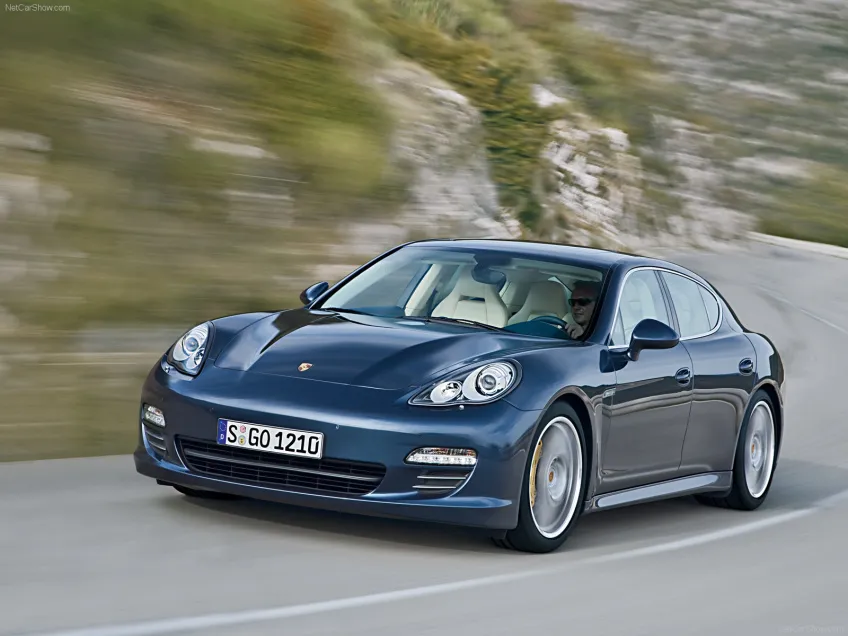
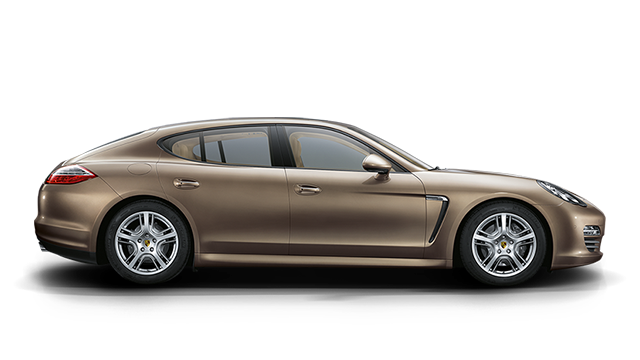
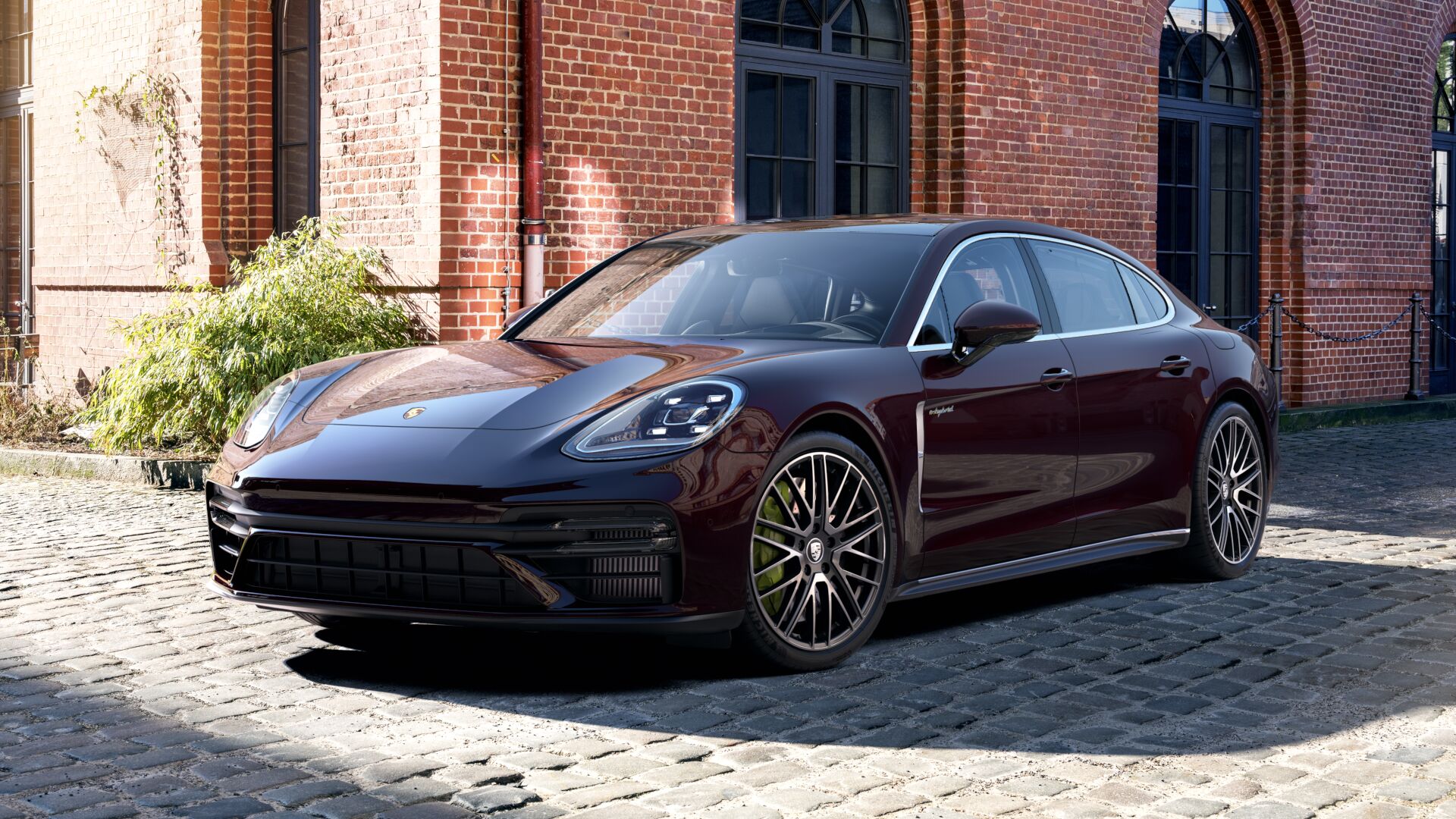
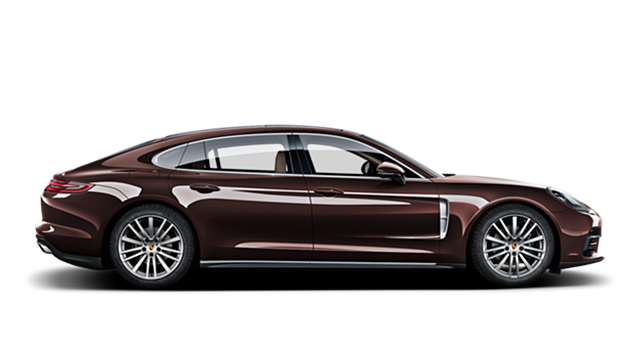
2nd Gen Porsche Panamera (2016 - 2023) Buying Advice
Buying a second-generation Panamera is largely about buying the right spec and the right history, rather than simply chasing the newest or cheapest example. The 971 is a far more cohesive and refined car than the first generation, but it is also more complex, with advanced suspension systems, modern electronics, and (in many cases) hybrid drivetrains. A well-maintained Panamera can be deeply rewarding to own, while a poorly serviced one can become expensive very quickly.
Variant choice is one of the most important decisions a buyer will make. The Panamera 4S is widely considered the best all-around option, offering strong performance, all-wheel drive traction, and excellent everyday usability. Enthusiasts often gravitate toward the GTS, which prioritizes driving engagement and character, while buyers seeking maximum power and prestige look to the Turbo, Turbo S, and Turbo S E-Hybrid. Base V6 models offer the lowest entry price, but they are less engaging and tend to depreciate more than higher-performance trims.
Service history should carry more weight than mileage alone. A higher-mileage Panamera with consistent dealer or specialist servicing, documented PDK fluid changes, and suspension maintenance is often a better buy than a low-mile example with gaps in its records. These cars benefit from regular use and preventative maintenance, and deferred service is the single biggest risk factor for expensive repairs.
A Porsche-specialist pre-purchase inspection is essential for any 971 Panamera. Known wear areas include air suspension components, brakes and tires, cooling system sensors, electronic modules, and hybrid battery systems on E-Hybrid models. A proper inspection can uncover issues that aren’t apparent on a short test drive and can save thousands in unexpected ownership costs.
Finally, buyers should factor warranty status into their decision. Later-model 971 Panameras — especially 2019+ cars — may still have factory or Porsche CPO coverage, which significantly reduces near-term ownership risk. Earlier, out-of-warranty cars require a more conservative budget and a realistic maintenance reserve. In short, the best 971 Panameras to buy are well-optioned, well-documented, and inspected, even if they cost more upfront.
The Market
The second-generation Panamera market has largely matured into a clear two-tier structure. Base V6 and higher-mile early cars represent the most affordable entry points and continue to depreciate gradually, while desirable trims — particularly 4S, GTS, Turbo, and Turbo S — have shown noticeably stronger value retention. Buyers today are far more informed, and the market increasingly rewards specification, condition, and service history over headline price.
Pricing varies widely depending on year and trim, but most well-kept 971 Panameras trade in the $45,000–$75,000 range, with higher-performance and late-model facelift cars pushing well beyond that. GTS and Turbo S examples, especially with low miles and strong options, consistently command premiums and tend to sell faster than lesser trims. Hybrid models occupy a middle ground, with values influenced heavily by battery condition and remaining warranty coverage.
Looking ahead, the 971 Panamera appears to be entering a period of value stabilization, particularly for enthusiast-focused and higher-spec variants. While it is not a traditional collector Porsche, the best examples are unlikely to see dramatic further depreciation in the near term. For buyers who choose carefully, the current market offers an excellent opportunity to acquire one of the most complete luxury performance sedans Porsche has ever built — at a price that reflects value rather than novelty.
Current Market Prices & Trends
Today’s used market for the 970 Panamera is broad, with prices reflecting age, mileage, trim, and condition. According to aggregated used listings nationwide, you can find early 2010–2012 Panameras priced well below $15,000 in many cases — for example, 2010 and 2011 Panamera S and 4S examples often show up around $12,000–$18,000 in fair condition on CARFAX listings.
More recent 2014–2016 Panameras generally trade higher. Kelley Blue Book data indicates a 2016 Panamera can range from roughly $24,000 at the low end up toward $48,000+ for cleaner, well-specified examples, depending on trim and mileage. Dealer listings reflect similar spreads: base and mid-trim 970s (Panamera, 4, 4S) can commonly be found in the low-to-mid-$20,000s to $30,000s, while higher-spec trims (GTS, Turbo, Turbo S) often command values closer to the $30,000–$50,000+ range today.
Nationwide pricing data also shows used Panameras listed from as low as around $7,500 up to nearly $180,000 across all model years (including later gens), which underscores how extensive the price spread is. For the 970 specifically, the broad range of $10,000–$50,000 effectively captures the current market for most buyers, with excellent low-mile or well-sorted performance variants at the higher end of that spectrum.
Market Trends & Value Behavior
Overall, values for the first-gen Panamera have largely stabilized after significant early depreciation, especially for base and mid-range trims. Long-term pricing trends show some continued softness as these cars age and newer generations proliferate, but the steepest depreciation by model year has already occurred for the oldest examples. This means buyers today can often find good condition cars at predictable prices rather than volatile listings.
Higher-demand trims — particularly GTS, Turbo, and low-mile Turbo S examples — tend to hold value better than base V6 models, and strong service records continue to be a major factor in pricing spreads between similar model years. As with most luxury performance cars, documented maintenance, condition, and desirable specifications influence value far more than age alone at this stage of the 970’s lifecycle.
What You'll Pay
The most valuable second-generation Panameras are low-mileage, well-documented examples of higher-performance trims, especially GTS, Turbo, and Turbo S (including Turbo S E-Hybrid) models. Cars with desirable options, rare or understated colors, strong factory specifications, and clean service histories consistently sit at the top of the market. As the 971 market continues to mature, buyers are placing increasing emphasis on specification, condition, and documentation rather than simply model year.
At the entry level, base Panamera and Panamera 4 models offer the most accessible pricing and make sense for buyers prioritizing luxury, comfort, and modern tech over outright performance. The turbocharged V6 provides smooth and adequate power for daily driving, and these cars are generally pleasant and refined. That said, they lack the performance edge and emotional appeal that many buyers expect from a Porsche, and as a result, base models tend to depreciate more than higher-spec variants.
The Panamera 4S is widely regarded as the best “all-around” choice in the 971 lineup. With noticeably stronger performance, all-wheel drive traction, and a more engaging driving character, the 4S delivers the balance most buyers are looking for. These cars are common on the used market, well suited to daily driving or long-distance touring, and tend to hold their value better than base models while avoiding the ownership costs of top-tier trims.
If you can find a clean, well-maintained example, the Panamera Turbo may be one of the best overall values in the second-generation range. For buyers willing to budget for higher running costs, the Turbo delivers exceptional performance per dollar and feels every bit like a flagship Porsche sedan.
At the top of the market, the Panamera GTS and Turbo S (including Turbo S E-Hybrid) command the strongest prices and hold their value best.
Used Porsche Panamera Pricing (971)
Early 971 Models (2017–2019)
Panamera / Panamera 4 (V6) – 2017–2019: $35,000–$50,000
Panamera 4S – 2017–2019: $45,000–$65,000
Panamera Turbo – 2017–2019: $60,000–$85,000
Panamera Turbo S E-Hybrid – 2018–2019: $75,000–$100,000+
Facelift 971.2 Models (2020–2023)
Panamera / Panamera 4 (V6) – 2020–2023: $50,000–$70,000
Panamera 4S – 2020–2023: $60,000–$85,000
Panamera GTS – 2020–2023: $75,000–$110,000+
Panamera Turbo – 2020–2023: $85,000–$115,000
Panamera Turbo S / Turbo S E-Hybrid – 2020–2023: $100,000–$140,000+
(Exceptional low-mile, CPO, or highly optioned cars can exceed these ranges.)
The Most Sought After Variants
Among second-generation Panameras, a clear hierarchy has emerged, with buyers consistently gravitating toward GTS, Turbo, and Turbo S–level cars as the most desirable variants in the 971 range. These models best capture the Panamera’s dual personality as both a luxury grand tourer and a genuine high-performance Porsche. Strong engines, upgraded chassis hardware, and more aggressive factory tuning give these trims a level of presence and driving character that separates them from lower-spec cars, and the market has responded accordingly.
The Panamera GTS is widely regarded as the enthusiast’s favorite and one of the most sought-after 971 variants overall. With sharper suspension calibration, distinctive styling details, and a more driver-focused feel, the GTS prioritizes engagement over outright numbers. It delivers a more emotional experience than the base and 4S models while avoiding the complexity and cost of the top Turbo S variants. As a result, GTS cars tend to command strong prices and sell quickly when well optioned and properly maintained.
The Panamera Turbo represents one of the most compelling performance values in the lineup. With immense power, effortless acceleration, and standard all-wheel drive, the Turbo transforms the Panamera into a true super-sedan. What makes it especially attractive is that Turbo models have often depreciated into price territory not far above well-equipped 4S cars, despite offering dramatically higher performance. For buyers who want maximum impact behind the wheel, the Turbo remains a standout choice.
At the very top of the desirability scale sit the Panamera Turbo S and Turbo S E-Hybrid. These models combine flagship performance with exclusivity and premium standard equipment, and they are produced in smaller numbers than lesser trims. The Turbo S E-Hybrid, in particular, has gained attention for blending massive electric torque with V8 power, making it one of the fastest four-door Porsches ever built. These variants consistently command the highest prices and are increasingly viewed as the pinnacle of the 971 generation.
While more common, the Panamera 4S deserves recognition as a sought-after “sweet spot” for many buyers. It offers strong performance, excellent all-weather usability, and a refined driving experience that feels authentically Porsche without the costs associated with Turbo-level cars. Well-specified 4S models with good service history remain highly liquid in the used market. In contrast, base V6 Panameras, while plentiful and attractively priced, are generally not considered sought-after from an enthusiast perspective and tend to lag behind the market leaders in long-term desirability.
As the 971 market continues to mature, it’s increasingly clear that performance-focused trims with strong specs and documentation are the ones buyers chase—and the ones most likely to hold their appeal over time.
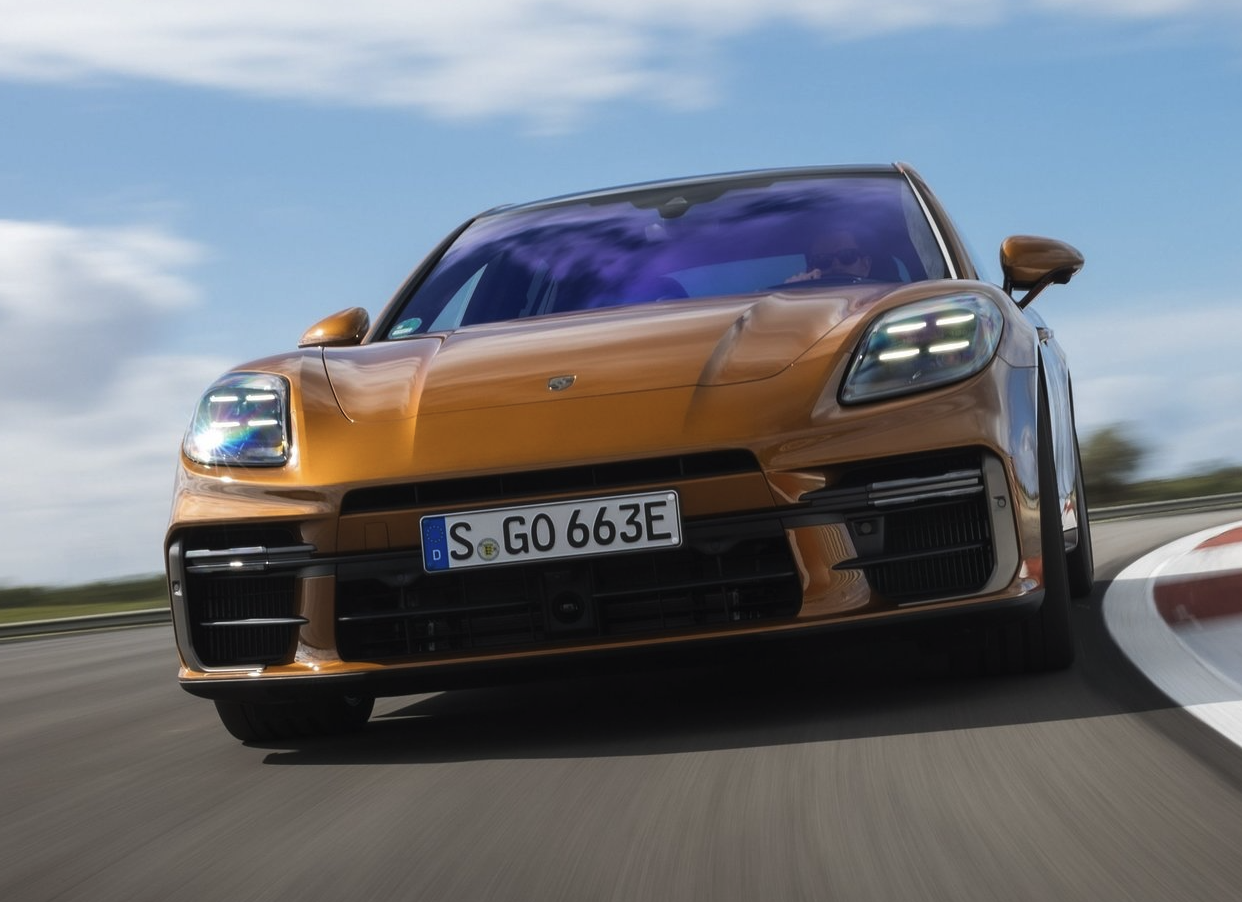
3rd Gen Porsche Panamera (2024 - Present) Buying Advice
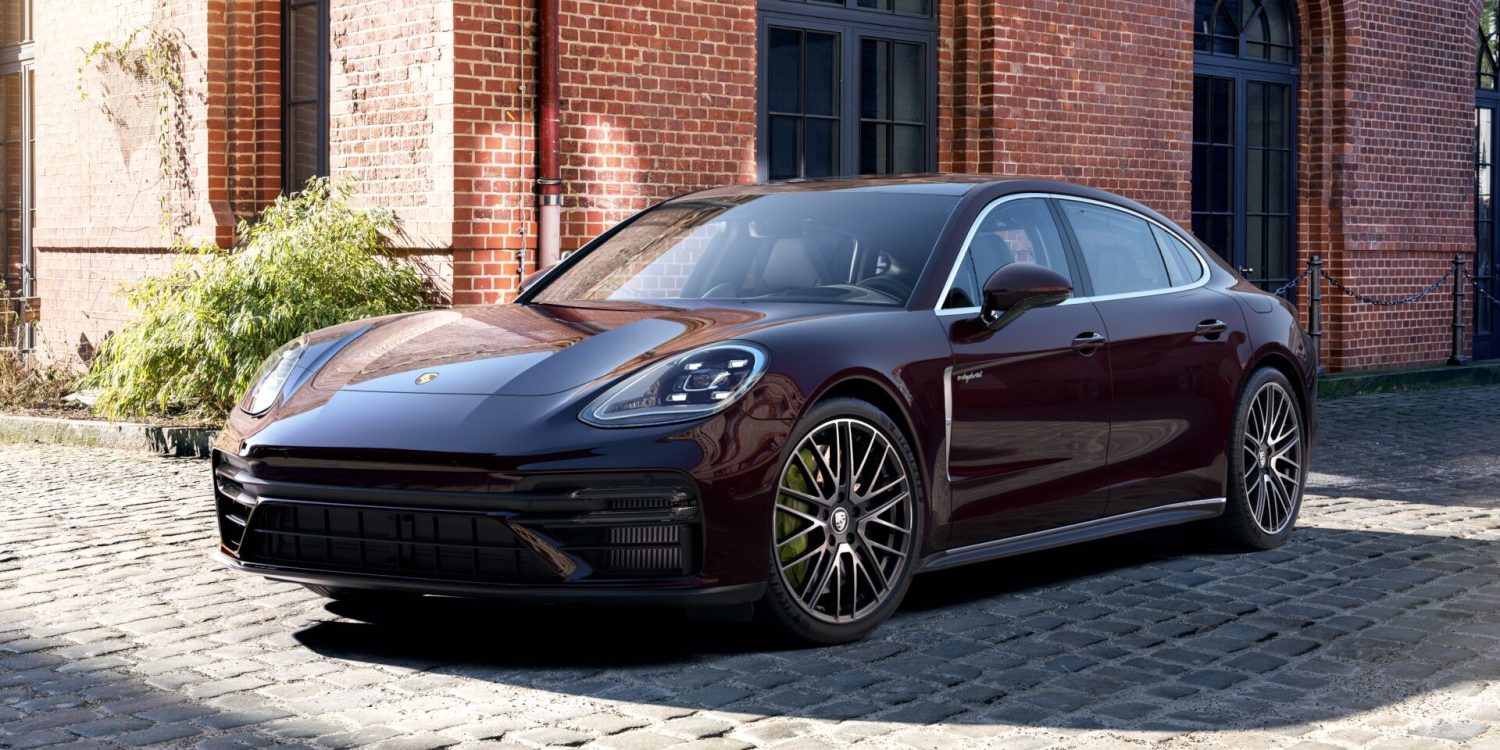
Buying a third-generation Panamera is fundamentally different from shopping earlier generations because this is still a very new, current-production model. That means fewer used examples, stronger pricing, and much smaller differences between cars. For buyers, the focus should be less on bargain hunting and more on specification, warranty coverage, and how the car was ordered. With depreciation still shallow, choosing the right configuration upfront matters more than shaving a few thousand dollars off the purchase price.
Variant and powertrain selection is especially important with the 976 generation. Porsche has leaned heavily into hybridization, and most of the standout models combine electric assistance with turbocharged engines. These drivetrains deliver exceptional real-world performance and refinement, but they also introduce complexity. Buyers should prioritize cars with clear service records, proper charging habits, and ideally remaining factory or Porsche CPO warranty, which dramatically reduces early ownership risk.
Because the 976 is so new, mileage differences tend to matter less than build date, options, and condition. A lightly used, well-optioned example with a clean history is usually a better buy than a higher-mile or poorly spec’d car, even if the price gap seems meaningful. Desirable options such as upgraded suspension systems, performance packages, premium interiors, and advanced driver-assistance features have a noticeable impact on both enjoyment and resale strength.
A pre-purchase inspection is still recommended, even on newer cars, but its focus is different than with older generations. Instead of wear and tear, inspections should concentrate on software updates, hybrid system diagnostics, suspension calibration, and any early production issues or recalls. Confirming that the car is fully up to date with Porsche service campaigns is especially important on early-build examples.
Finally, buyers should go into 976 ownership with realistic expectations about costs. While reliability is generally strong, this is a technologically dense luxury performance car. Maintenance, insurance, and consumables will reflect that. The best approach is to buy the best example you can afford, with warranty coverage where possible, rather than stretching into a higher trim without protection.
The Market
The used market for the third-generation Panamera is only just beginning to form. Inventory remains limited, and prices are still closely tied to new-car MSRPs rather than traditional depreciation curves. Most lightly used 976 Panameras trade at a modest discount to new, particularly for well-optioned cars or high-demand trims. Buyers should expect pricing to feel firm compared to older Panamera generations.
Because supply is low, spec and condition matter more than ever. Cars with desirable colors, strong factory options, and remaining warranty coverage sell quickly and often command near-retail pricing. Conversely, less desirable configurations or early cars without ideal options may sit longer, even in a strong market. This is not yet a market where distressed pricing or “steals” are common.
Looking ahead, depreciation is expected to gradually increase as more cars enter the used market, but not dramatically in the near term. The Panamera’s position as Porsche’s flagship four-door, combined with advanced hybrid drivetrains and strong brand demand, should help values remain relatively resilient. For buyers who want cutting-edge technology, modern Porsche dynamics, and a long ownership runway, the current market favors buying carefully rather than buying cheaply.
Market Value & Pricing
Navigating the market for a third-generation Panamera (976) feels a bit like watching a high-stakes poker game: the buy-in is high, the players are elite, and everyone is waiting to see how the cards fall as the car enters its second and third years of production. Because the 976 is so new, the used market hasn't fully "settled" yet, but we can look at Porsche’s history to predict where it’s headed.
For the 2025 and 2026 model years, Porsche has nudged the Panamera further upmarket. While the "starting" price hovers around $112,000 for a base rear-wheel-drive model, very few cars leave the showroom at that price. Once you add the "must-have" Porsche options—like the Sport Chrono Package, upgraded leather, and the revolutionary Porsche Active Ride—most Panamera 4 and 4S models are transacting in the $135,000 to $160,000 range. The flagship Turbo S E-Hybrid is in a different league entirely, often crossing the $250,000 mark.
If you are looking for a used 976, prepare for a "wait and see" period. Early data suggests the 976 is following the traditional Panamera depreciation curve: a sharp 20–25% drop in the first 12–18 months.
The Early Adopter Discount: You may see 2024 "Base" or "4" models appearing on the CPO (Certified Pre-Owned) market for $85,000 to $95,000. While this looks like a bargain compared to MSRP, remember that these are the cars that lack the V8 power or the newest hybrid tech added in 2025.
The Hybrid Factor: Historically, Panamera Hybrids have depreciated faster than their gas-only siblings once they exit the three-year mark. However, since the 976 is seen as a "hedge" against pure EVs like the Taycan, its resale value might hold stronger than previous hybrids as buyers seek that "best of both worlds" security.
To understand where the 976 is going, look at what happened to its predecessors:
The 1st Gen (970) "Bottom": These have largely hit their floor. You can find high-mileage examples for $20,000 and pristine GTS models for $35,000. They are now "value" performance buys, but their maintenance-to-value ratio is high.
The 2nd Gen (971) "Sweet Spot": The 971 is currently in its most active used phase. A good 2018–2020 Panamera 4S can be had for $55,000–$65,000. This generation is proving that the Panamera can hold value if it’s an enthusiast spec (like a GTS or a Sport Turismo wagon).
If you are buying with an eye on resale value, the consensus is clear: The Panamera GTS will likely be the "Blue Chip" of the 976 generation. Because it is the only V8 without the heavy hybrid batteries, it appeals to a specific enthusiast market that typically avoids the "tech-heavy" depreciation traps. While the Turbo S E-Hybrid is the fastest, its massive $240k+ MSRP makes the "dollar-drop" much more painful. For the savvy buyer, a 3-year-old GTS is likely to be the smartest used purchase of the decade, offering the most stable value retention in the lineup.
The Most Sought After Variants
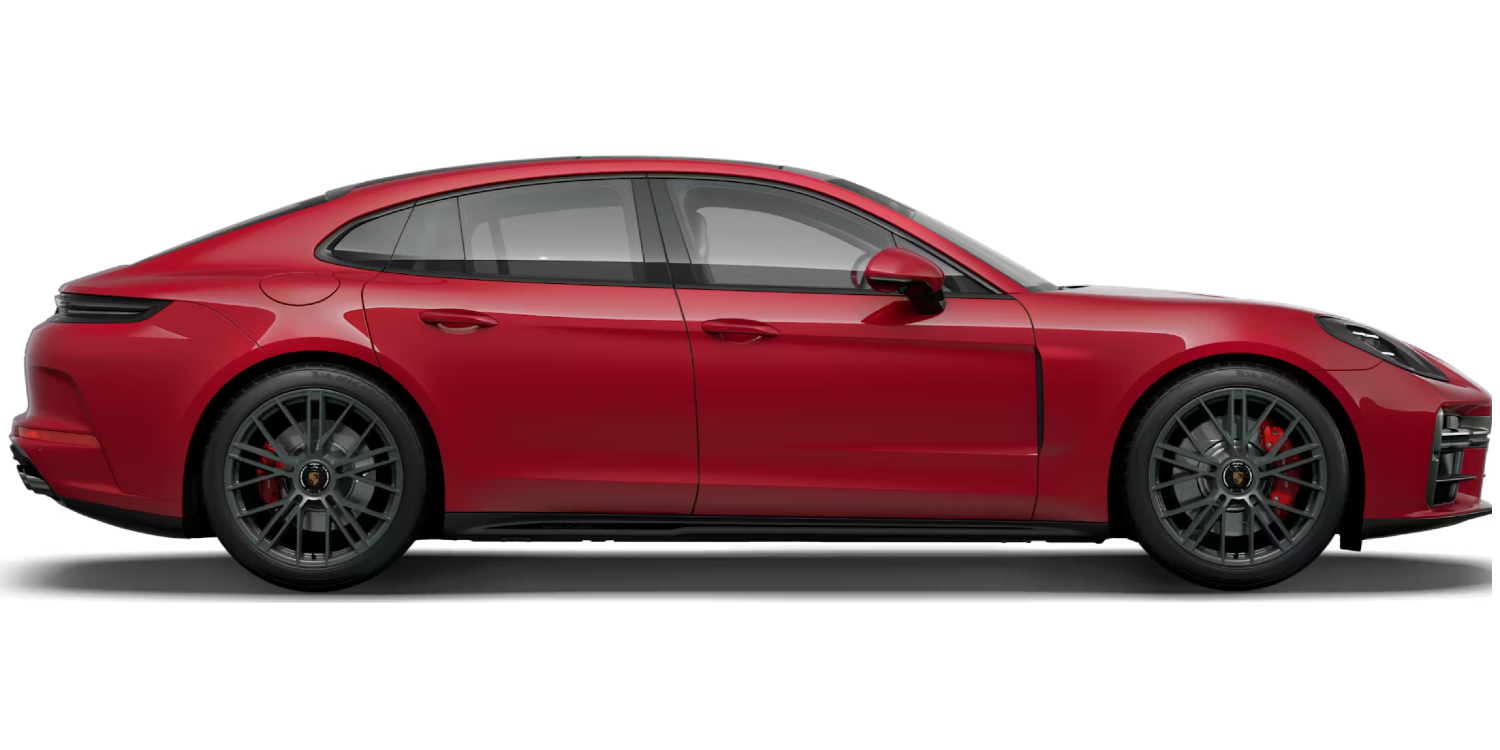
The third-generation Porsche Panamera (976) represents the most technologically advanced iteration of Porsche’s flagship four-door yet — and that complexity means certain variants stand out more than others depending on whether you’re buying new or used. While the 976 range is still relatively fresh, clear patterns in desirability are already forming among enthusiasts, daily drivers, and value-focused buyers.
For buyers shopping new or nearly new, the Panamera GTS E-Hybrid has quickly emerged as one of the most compelling variants. It combines spirited performance with electrification, delivering strong low‐end torque from the electric motor, paired with Porsche’s refined combustion engines. The GTS E-Hybrid blends sharp handling, robust power, and modern efficiency in a way that few competitors match — making it a standout choice for buyers seeking performance without compromise.
The Turbo E-Hybrid and Turbo S E-Hybrid also belong near the top of the new-car list. These trims take the Panamera’s super-saloon credentials even further, adding massive output, advanced adaptive chassis control, and top-tier luxury appointments. The Turbo S E-Hybrid, in particular, represents the ultimate expression of the 976 in terms of speed and tech, and it’s often the choice of buyers who want to experience the pinnacle of Porsche’s engineering with as many features and performance as possible.
Another strong new buy is the Panamera 4S E-Hybrid, which offers an excellent balance of price, performance, and everyday usability. It sits at a sweet spot for buyers who want plug-in hybrid efficiency with brisk acceleration — without the added cost and complexity of the top-end Turbo models.
In the young used market for the 976, desirability is already shaping around low-mile, well-optioned examples that combine strong performance with warranty coverage. Here, the GTS E-Hybrid and Turbo E-Hybrid continue to be among the most sought after — not surprising given their combination of performance and modern electrified powertrains. These cars are increasingly attractive in the used market because they maintain performance while also offering better fuel economy than non-hybrid equivalents, and their advanced tech is still current.
Another early favorite among used buyers is the Sport Turismo body style, especially in higher trims like 4S, GTS, and Turbo S E-Hybrid Sport Turismo. The extra cargo capacity and unique profile make Sport Turismo variants appealing to buyers who want practicality without sacrificing performance, and early evidence suggests these cars retain interest and price stability better than their standard liftback counterparts.
Finally, for traditional performance enthusiasts, non-hybrid 4S and GTS models — particularly those from earlier model years with lower miles — remain excellent early used bets. While electrified variants often garner headlines, there’s a strong contingent of buyers who value the pure internal-combustion character, and properly maintained, thoughtfully optioned examples are already showing stronger resale appeal than base trims.

Best New & Used Porsche Panamera - Our Top Picks
If you’re shopping for a Porsche Panamera, you’re likely already aware of just how broad and complex the lineup has become since the model’s debut. From the controversial but groundbreaking first-generation cars to today’s highly refined, technologically advanced performance sedans, choosing the right Panamera—whether new or used—can feel overwhelming. Variants, body styles, powertrains, and options all play a major role in how a Panamera drives, costs to own, and holds its value. That’s where our expert analysis comes in. We’ve carefully evaluated every Panamera generation and key variant, looking beyond the spec sheet to understand how these cars perform in the real world and how they stack up as long-term purchases.
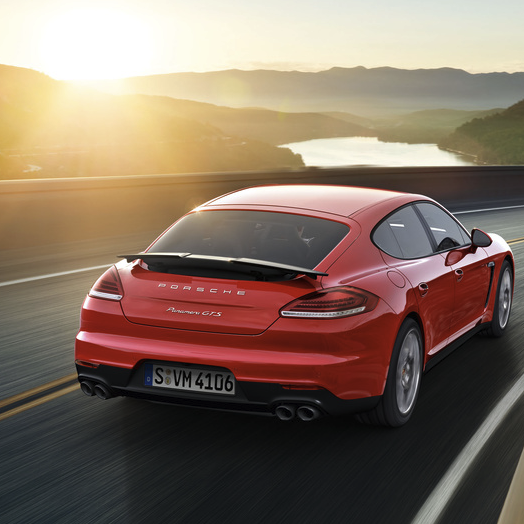
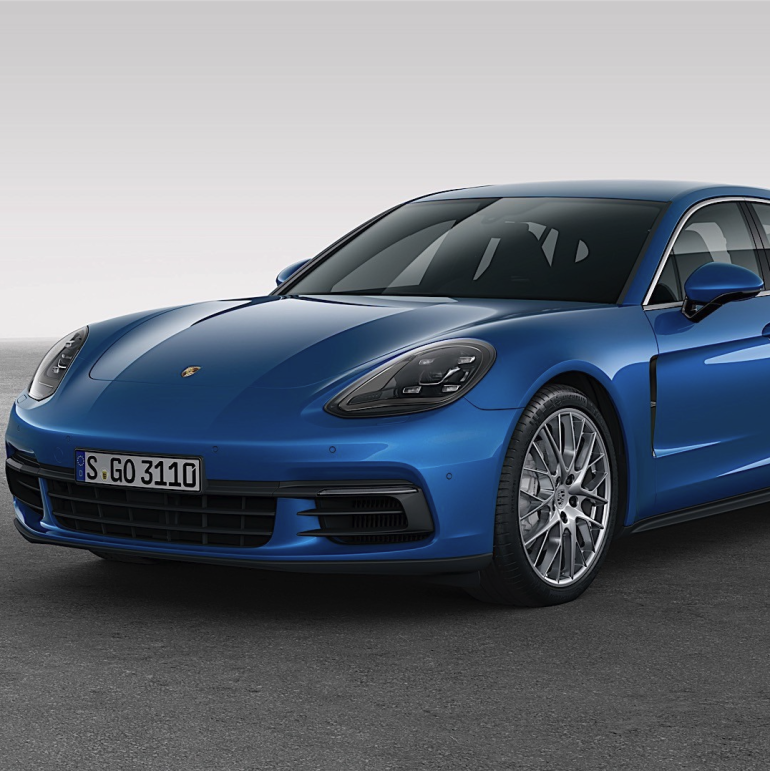
2014–2016 Panamera GTS (970.1) — The Enthusiast’s Bargain
Engine: 4.8L Naturally Aspirated V8
Horsepower: 440 hp
0–60 mph: 4.2 seconds (with Sport Chrono)
Top Speed: 179 mph
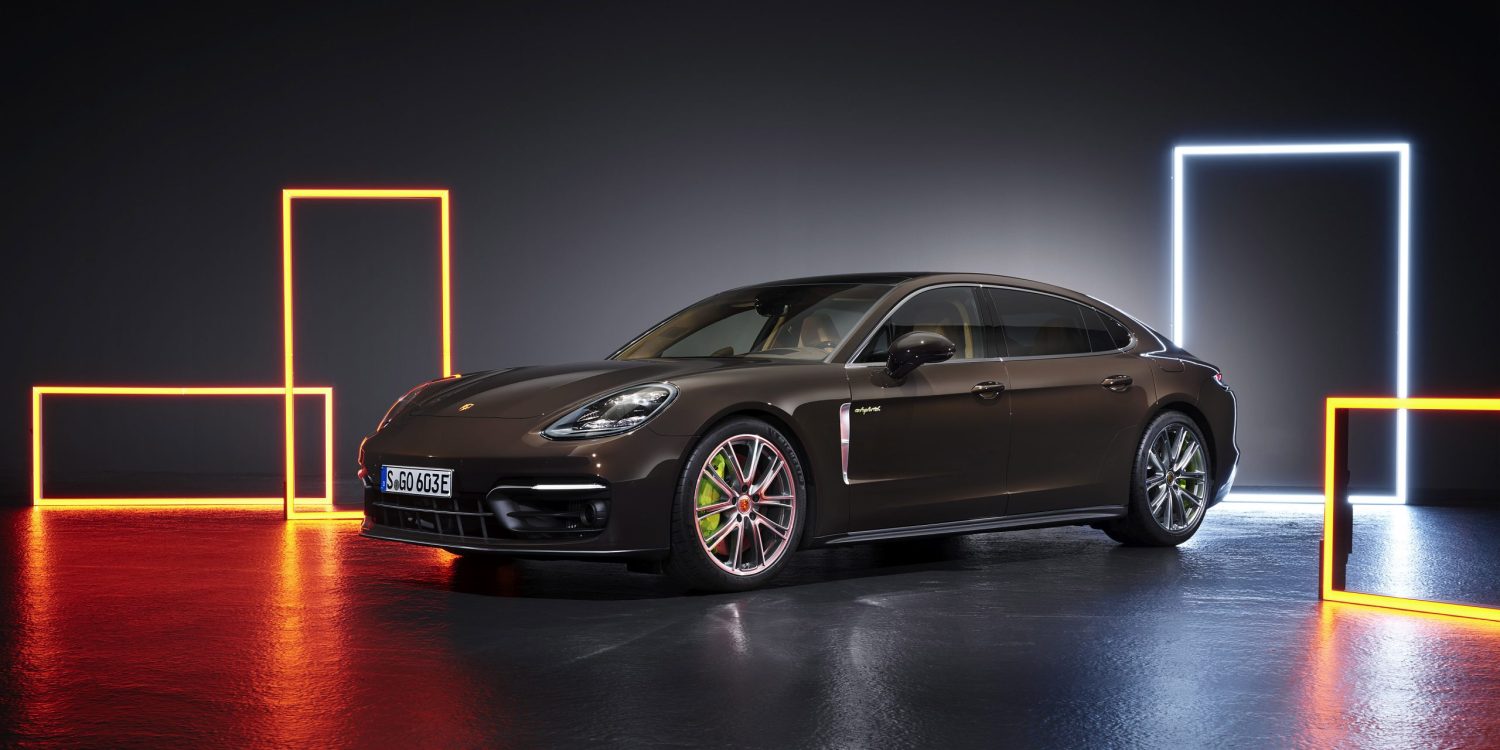
The 970.2 generation GTS is widely considered the "soul" of the Panamera lineage. It was the last to feature the high-revving, naturally aspirated 4.8L V8, providing a raw, mechanical soundtrack that the newer turbocharged engines struggle to match. By choosing the facelifted 2014–2016 models, you avoid the early reliability issues of the first-gen cars while gaining significantly sharper LED styling.
Economically, these have hit a price plateau, making them a safe place to put money. For the enthusiast, it gets the Sport Design package, a lower ride height, and a more aggressive air suspension tune, making it the most engaging "old school" driving experience in the range.
2017–2020 Panamera 4S (971) — The Value Sweet Spot
Engine: 2.9L Twin-Turbo V6
Horsepower: 440 hp
0–60 mph: 4.0 seconds (with Sport Chrono)
Top Speed: 179 mph
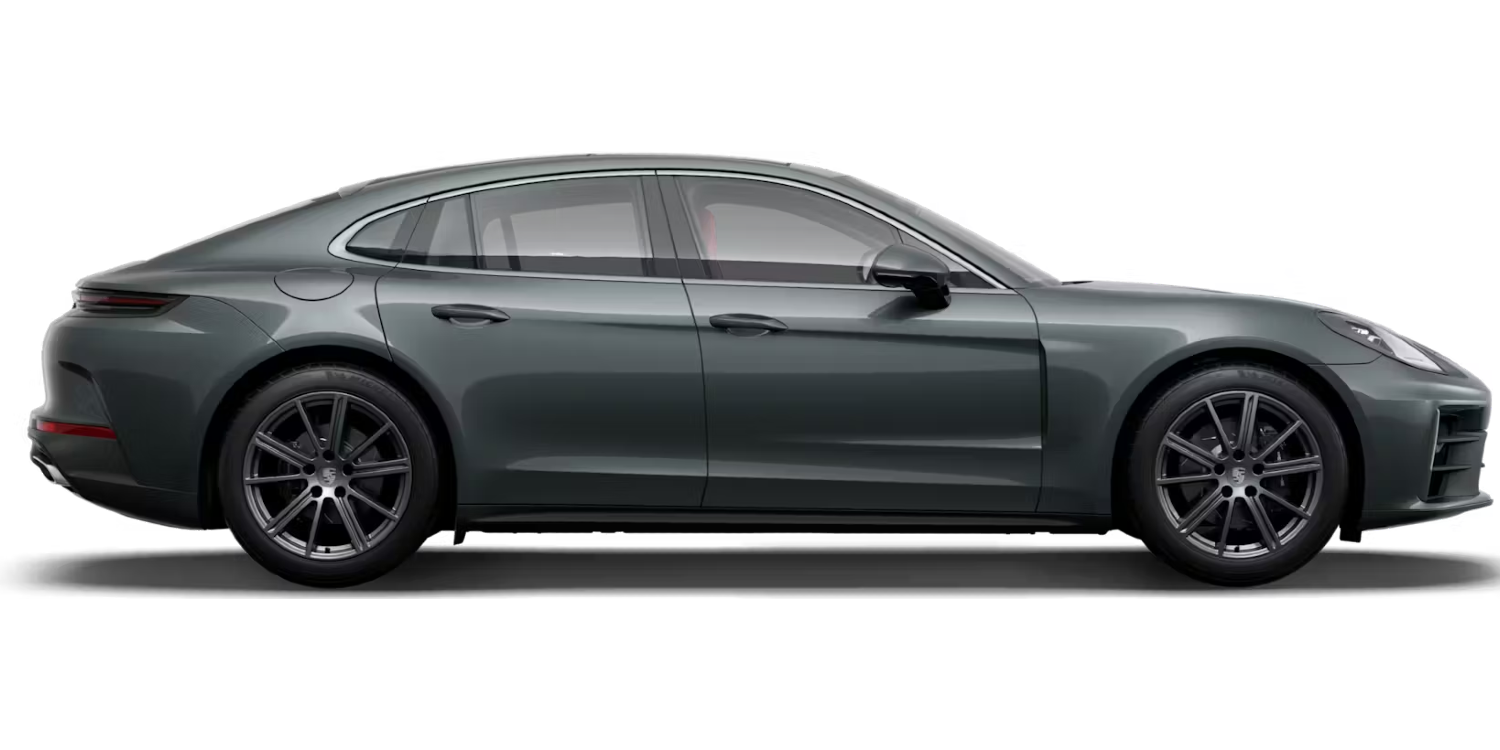
The second generation (971) was a massive leap forward in aesthetics, replacing the original "hunchback" look with a sleek, 911-inspired silhouette. The 4S model is the "economical" pick here because it offers nearly the same real-world speed as the Turbo but uses a more efficient and less maintenance-heavy 2.9L twin-turbo V6.
These models have now spent several years on the used market, meaning you can often find them for less than half of their original six-figure sticker price. It provides the perfect balance: you get the modern cockpit with touch-capacitive controls and the brilliant 8-speed PDK, but without the "V8 tax" associated with insurance and fuel costs.
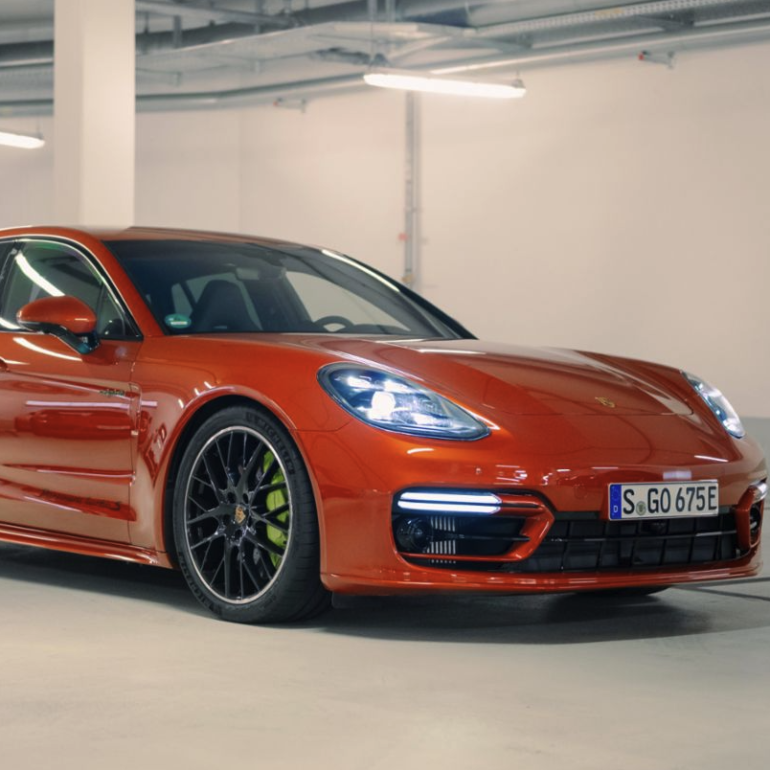
2021–2023 Panamera 4S E-Hybrid (971) — Modern Performance Play
Engine: 2.9L Twin-Turbo V6 + Electric Motor
Horsepower: 552 hp (Combined)
0–60 mph: 3.5 seconds
Top Speed: 185 mph
If you want the best of both worlds—eco-efficiency for city commuting and blistering speed on the highway—the facelifted 971.2 4S E-Hybrid is the smartest buy. In 2021, Porsche gave this trim a massive power boost, placing its output higher than the standard GTS of the same year. It can travel roughly 20–30 miles on pure electricity, which is perfect for avoiding gas stations during the work week.
From an enthusiast perspective, the instant torque from the electric motor fills in the gaps of the turbochargers, providing a "shove" that feels more like a supercar than a luxury sedan. Iit offers near-Turbo S performance and for a mid-tier price on the pre-owned market.
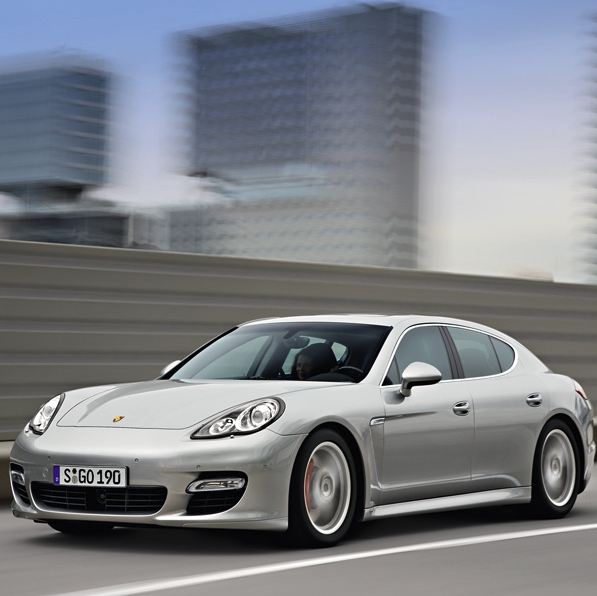
2012–2013 Panamera Turbo S (970) — The Horsepower Bargain
Engine: 4.8L Twin-Turbo V8
Horsepower: 550 hp
0–60 mph: 3.6 seconds
Top Speed: 190 mph
For buyers who want "flagship" status on a budget, the first-generation Turbo S is a monster. While the styling is polarizing, there is no denying the value of a 550-horsepower executive limo that can be found today for the price of a new Toyota Camry. This was the pinnacle of Porsche engineering in 2012, featuring every performance trick in the book, including active anti-roll bars and ceramic brakes (often standard on the S).
The appeal here is pure "bang for your buck." You are getting a car that can still outrun 90% of traffic today. Just ensure you find one with a documented service history to avoid the potential cooling system and air suspension repairs that can plague older V8 Porsches.
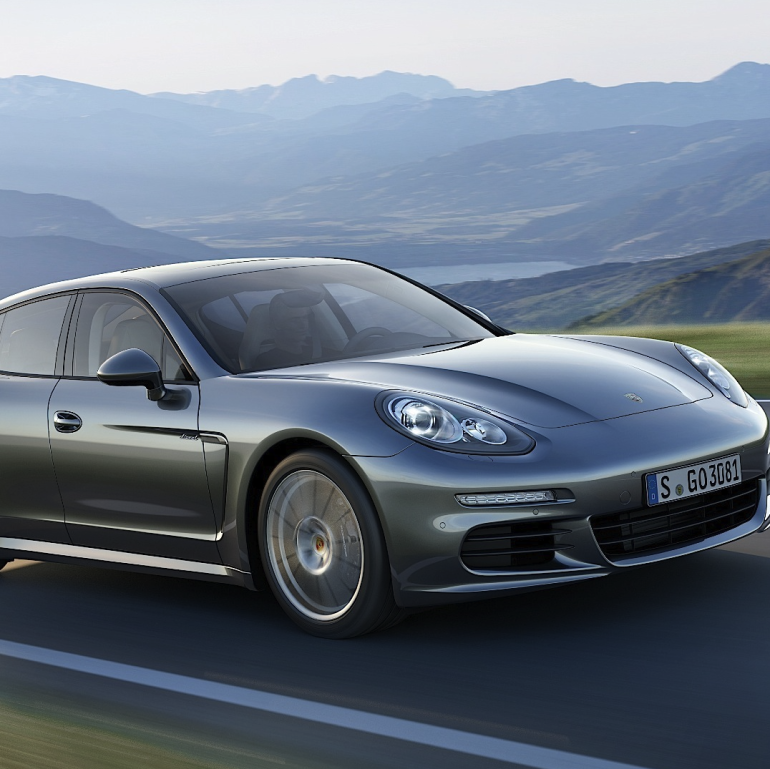
2014–2016 Panamera 4S (970.1) — The Reliable Entry Point
Engine: 3.0L Twin-Turbo V6
Horsepower: 420 hp
0–60 mph: 4.3 seconds (with Sport Chrono)
Top Speed: 177 mph
If reliability and "reasonable" maintenance are your primary concerns, the facelifted Gen 1.2 4S is the logical choice. This model replaced the older V8 with a 3.0L twin-turbo V6 that is widely regarded as one of Porsche's more robust engines. It’s lighter over the front wheels than the V8 models, which actually makes it feel more nimble on twisty roads.
Economically, this is the most affordable "modern-feeling" Panamera. The interior still feels high-quality and the PDK transmission is snappy. It’s the perfect entry-level Porsche for someone who needs a family car but refuses to drive a generic SUV.
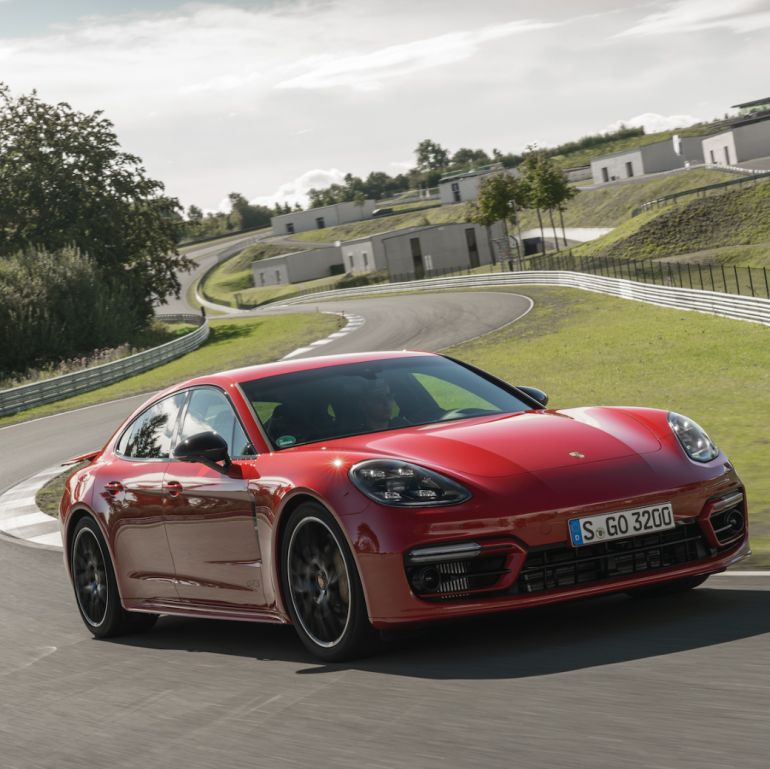
2021–2024 Panamera GTS (Gen 971.1) — The Refined V8 Enthusiast
Engine: 4.0L Twin-Turbo V8
Horsepower: 473 hp
0–60 mph: 3.7 seconds
Top Speed: 186 mph
For many, a Porsche sedan isn't right without a V8. The 971.2 GTS is the definitive "driver's spec" of the modern era. Unlike the earlier V6 4S models, this GTS uses a detuned version of the 4.0L V8 found in the Turbo. It sounds incredible and offers a linear power delivery that is specifically tuned to feel more like an atmospheric engine.
This is a top buy because it includes the "must-have" enthusiast options—like the Sport Exhaust and PASM Sport Suspension—as standard. It holds its value better than the Turbo or Base models because enthusiasts specifically seek out the GTS badge.
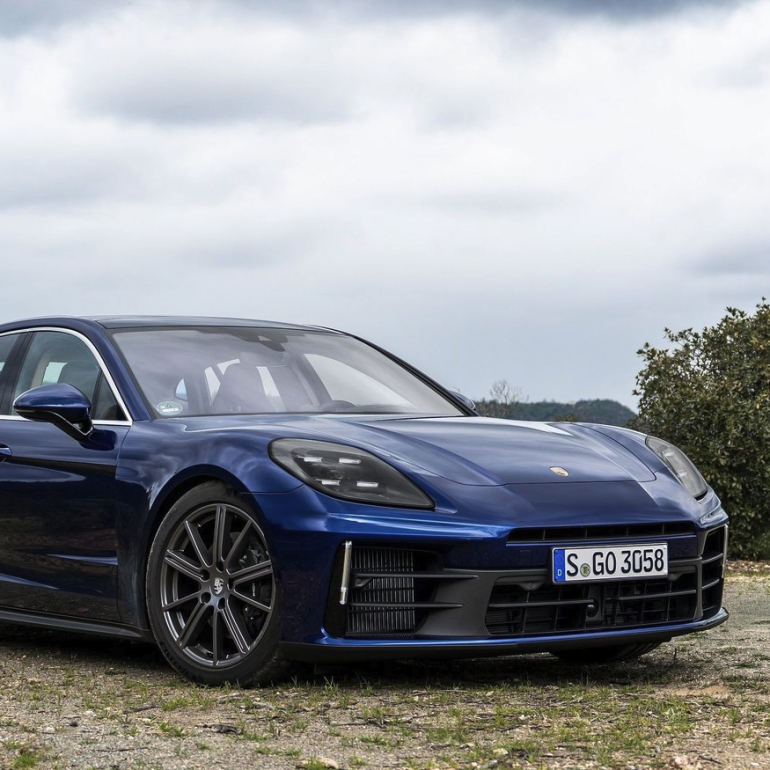
2024–Present Panamera 4 (976) — The Best New Value
Engine: 2.9L Twin-Turbo V6
Horsepower: 348 hp
0–60 mph: 4.5 seconds (with Sport Chrono)
Top Speed: 168 mph
If you are buying new, the third-generation (972) base Panamera 4 is surprisingly competent. Porsche has significantly upgraded the standard air suspension and interior tech for this generation. It features the new "Active Ride" suspension (optional), which allows the car to stay perfectly flat in corners, a feat of physics that makes the car feel half its actual size.
While it's the "entry-level" new model, it’s far from slow. For a buyer who wants a full warranty, the latest "curved display" interior, and the best ride quality in the industry, the 2024+ Panamera 4 is the most sensible way to spend your money in a Porsche showroom.
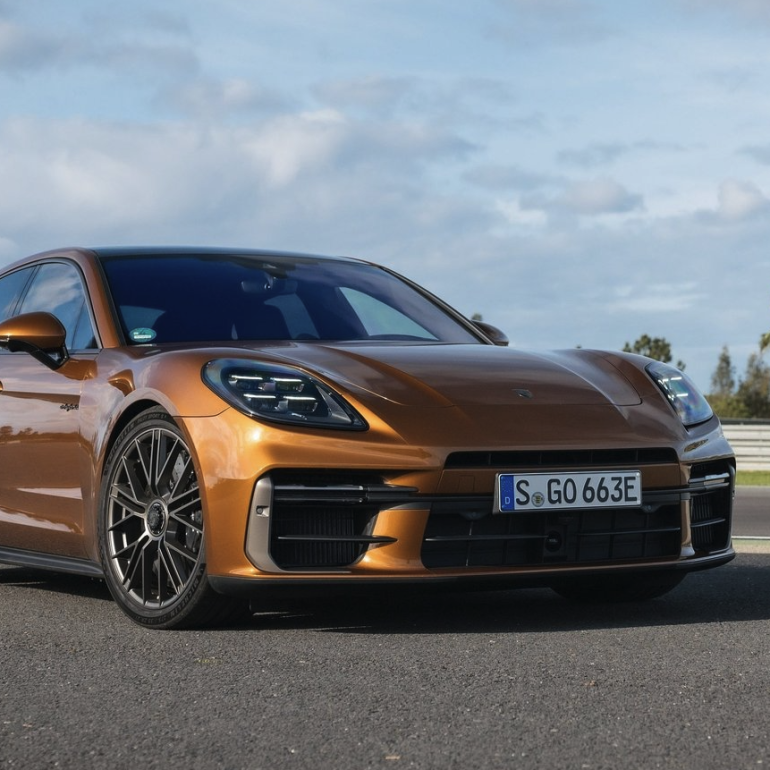
2024–Present Panamera Turbo E-Hybrid (976) — New Performance King
Engine: 4.0L Twin-Turbo V8 + Electric Motor
Horsepower: 670 hp (Combined)
0–60 mph: 3.0 seconds
Top Speed: 196 mph
For the ultimate enthusiast who wants no compromises, the new Turbo E-Hybrid is the current pinnacle. It is arguably the most advanced car Porsche makes outside of the 918 Spyder, using its hybrid system not just for fuel economy, but to provide "e-boost" that results in a 3.0-second sprint to 60 mph.
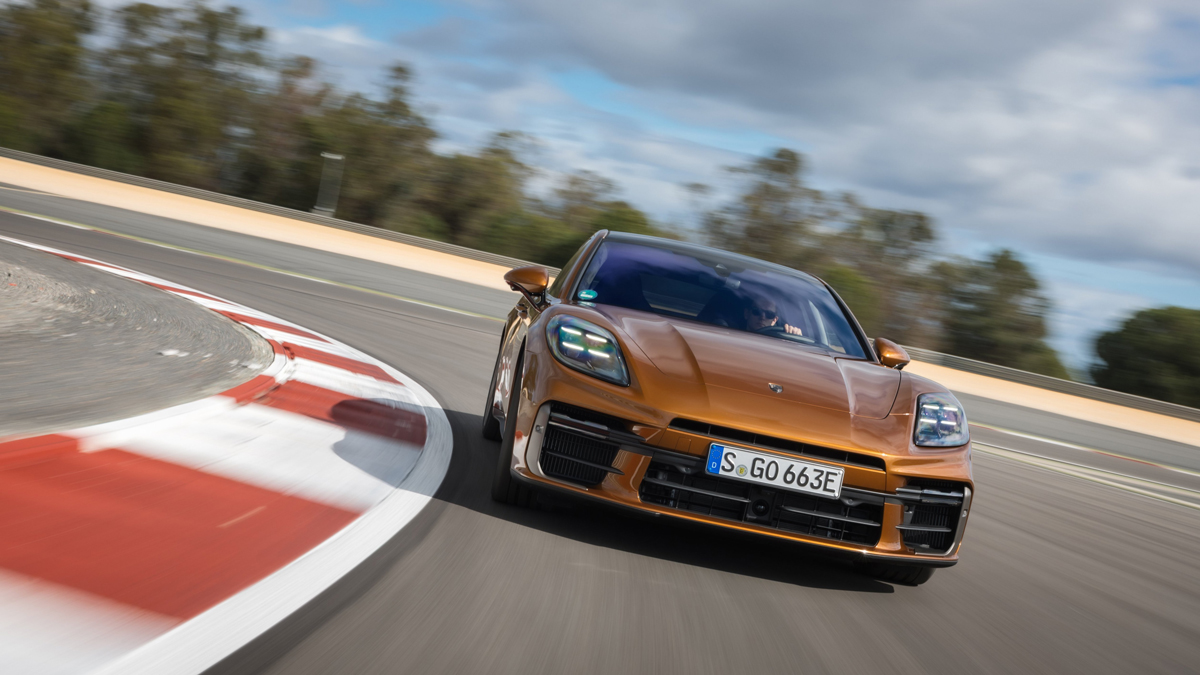
This is a "top buy" in the sense that it represents the absolute limit of what a four-door luxury car can do. With the new Turbonite-exclusive styling and the ability to tilt into corners like a motorcycle using its active suspension, it is a technical tour de force that will likely be a future classic.

Buying A Porsche Panamera FAQs
Here are all the questions we've received from readers considering a Panamera for their driveway
What’s the best Porsche Panamera model to buy?
If you want the safest “all-around” used Panamera, a second-generation (971, 2017–2023) Panamera 4 / 4S is usually the sweet spot: modern tech, strong build quality, great refinement, and fewer “early Panamera” quirks—while still feeling properly Porsche. The 4S in particular balances performance and everyday usability, and it’s typically easier to live with than the more complex Turbo/E-Hybrid variants.
If value is the priority, a well-kept first-gen (970, 2010–2016) Panamera S / GTS can be a lot of car for the money—just be more selective about condition and history. And if you’re shopping the newest third-gen (976, 2024– ), you’re paying for the latest design and tech, but the used market is still young, so deals are less common (for now).
Should I buy a new or used Porsche Panamera?
Used is usually the smarter financial play because Panameras tend to take their biggest depreciation hit early. Buying used also gives you access to higher trims and better options for the same budget—often the difference between a base car and a properly specced 4S or GTS.
New makes sense if you want a very specific build, the newest infotainment/driver aids, and maximum warranty peace of mind. But if you’re shopping purely on value, a 2–5 year-old example with strong service history is often the best blend of price, modern features, and remaining life.
What common issues should I look for when buying a used Porsche Panamera?
Start with “big picture” checks: air suspension condition (uneven ride height, compressor noise, harshness), coolant leaks, electrical glitches (PCM/infotainment, sensors, intermittent warnings), and evidence of hard use (mismatched tires, cheap brake parts, deferred services). Panameras are complex cars—small problems can get expensive quickly if ignored.
Also pay attention to transmission behavior (PDK/Tiptronic should be smooth and decisive), brake wear (rotors and pads aren’t cheap), and battery/charging health (especially on hybrids). A car that feels “almost right” on the test drive can become a money pit if the prior owner chased warning lights instead of fixing root causes.
How important is a Pre-Purchase Inspection (PPI) for a Porsche Panamera?
A PPI is close to mandatory on a used Panamera because the car’s complexity hides expensive issues—air suspension faults, cooling leaks, drivetrain codes, hybrid system warnings, and electronic gremlins don’t always show up on a quick drive. A proper PPI should include a full scan for stored faults, underbody inspection, and a road test.
It also gives you negotiating power. Even if the car “checks out,” you’ll usually learn what’s due soon (tires, brakes, services), which helps you budget realistically instead of being surprised in month one.
Are Porsche Panameras reliable?
Overall, a well-maintained Panamera can be very solid, especially in later generations, but “reliable” depends heavily on maintenance discipline and prior ownership. These cars don’t respond well to skipped services, cheap parts, or owners who ignore warning messages.
Think of it this way: Panameras can be dependable daily cars, but they’re still high-performance luxury machines with lots of tech. If you buy a good one and maintain it properly, it’s usually rewarding; if you buy a neglected one, it can become a repair-heavy experience.
What’s the cost of owning and maintaining a Porsche Panameras?
Expect premium running costs: routine services, tires, brakes, and fluids cost more than mainstream sedans, and optional systems (air suspension, advanced electronics, hybrid components) increase potential repair exposure. Even if nothing “breaks,” wear items add up because the Panamera is heavy, fast, and often driven enthusiastically.
The best way to control costs is to buy on condition and history, not just price. A slightly more expensive car with excellent records, correct tires, and recent brakes can be cheaper to own than a “deal” that needs everything at once.
Which Porsche Panamera variants hold their value best?
Historically, GTS models tend to be the most consistently desirable: the “driver’s pick” reputation usually helps long-term demand. Turbo/Turbo S can hold well when they’re well-optioned and clean, but they’re also pricier to maintain, which can narrow the buyer pool later.
Special/rare specs matter too—great colors, premium interiors, desirable wheels, and strong option sets can help resale. On the other hand, high-mileage, thinly optioned cars, or ones with patchy history tend to soften faster no matter the trim.
What should I look for in terms of service history when buying a Panamera?
You want clear, consistent records showing routine maintenance done on time (oil services, brake fluid, plugs when due, filters, and any drivetrain-related services). Look for invoices—not just a stamped book—because invoices show exactly what was done and whether quality parts were used.
Also check for evidence that common wear items were handled correctly: matching premium tires, brake work with proper parts, alignment records, and any prior repairs addressed thoroughly rather than repeatedly. A Panamera with “no stories” and clean documentation is usually worth paying extra for.
Is a Panamera E-Hybrid worth the extra cost?
It can be, if your driving pattern fits it. If you do short trips, have reliable charging at home/work, and like the idea of quiet electric running with strong combined power, the E-Hybrid can feel like a win. In the best case, you’ll save fuel and still have serious performance on demand.
But the trade-offs are real: added complexity, additional system checks, and the need to verify battery/charging health. If you can’t or won’t charge it regularly, you may not get the benefits—so the “worth it” question comes down to how you’ll actually use the car.
Can a Porsche Panamera be used as a daily driver and for weekend fun?
Yes—that’s one of the Panamera’s core strengths. It’s comfortable, stable at speed, and practical enough for real life (especially as a 4/4S), while still delivering true Porsche feel when you switch modes and push it. It’s a legitimate “one car garage” solution for people who want both luxury and driving engagement.
The key is buying the right spec: good tires, correct suspension setup, and options that match your use (sport seats if you care about spirited driving, driver assistance if you commute a lot). A well-sorted Panamera can do commuter duty all week and still feel special on a back road Saturday morning.
How long will a Porsche Panamera typically last?
A properly maintained Panamera can go well into high mileage—the drivetrain is generally durable when serviced correctly. The bigger factor over time is often age-related complexity: air suspension components, cooling system pieces, and electronics can become the limiting factors if maintenance is ignored.
If you buy a car with strong history and stay ahead of preventative maintenance, longevity is usually excellent. If you buy a neglected example, the car might “run,” but the ownership experience can deteriorate quickly from stacked repairs.
What’s the ideal mileage range for a used Porsche Panamera?
Mileage matters, but history matters more. A higher-mileage Panamera that’s been consistently serviced, driven regularly, and kept on quality tires can be a better buy than a low-mileage car that sat, skipped services, or has a vague history.
As a general shopping rule, look for a car whose mileage aligns with normal use and has matching condition: clean interior wear, consistent service intervals, and a drive that feels tight and confident. If you’re choosing between two similar cars, pick the one with the better records and evidence of careful ownership—even if it has a few more miles.