

Porsche Cayman Buyer's Guide
Buying a Cayman? Our Guide Covers Key Generations, Models, Potential Issues, Values, Tips & More.
The Porsche Cayman has long been one of the most compelling sports cars in the modern Porsche lineup — a mid-engine coupe that delivers exceptional balance, sharp handling, and a purity of driving feel that many enthusiasts argue surpasses even the 911 in certain conditions. In this Porsche Cayman Buyer’s Guide, we take you through everything you need to know before choosing the right Cayman for your needs, whether you’re entering Porsche ownership for the first time or adding a focused driver’s car to an existing collection. This guide covers the essentials: a clear breakdown of each Cayman generation, what makes them unique, how they differ in driving character and reliability, and which models represent the best value for money.
From the early 987 cars to the acclaimed 981 and modern 718 variants, we’ll help you understand where each version excels — and what potential issues or ownership considerations you should keep in mind.
Beyond the basics, we’ll also help you navigate the real-world buying process itself. You’ll learn what to look for when inspecting a used Cayman, how to evaluate condition and documentation, which options and specifications matter most, and how to identify whether a particular car is truly a good deal.
Our goal is simple: to give you the clarity, confidence, and insight needed to choose the right Porsche Cayman and enjoy ownership to its fullest.
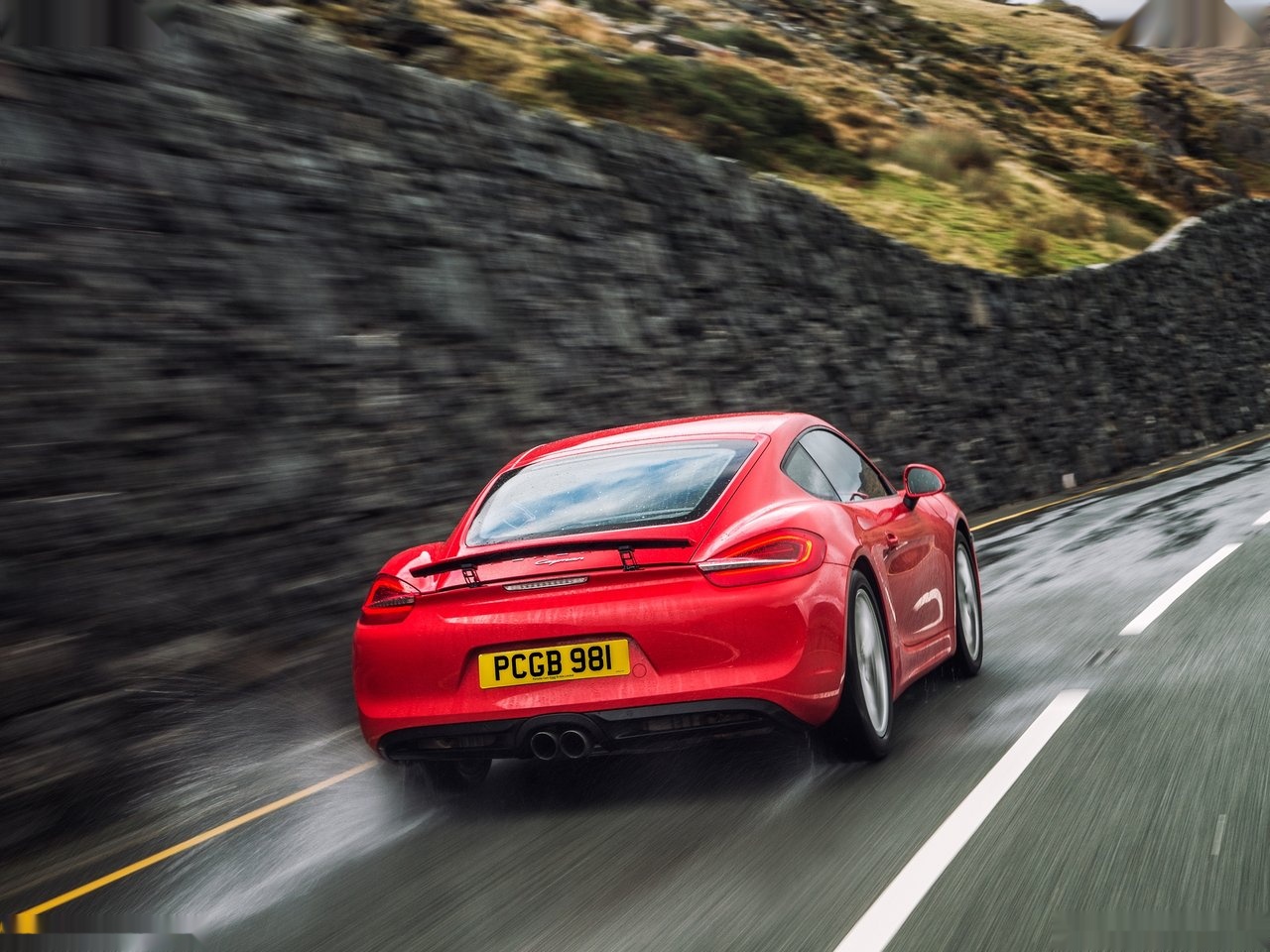
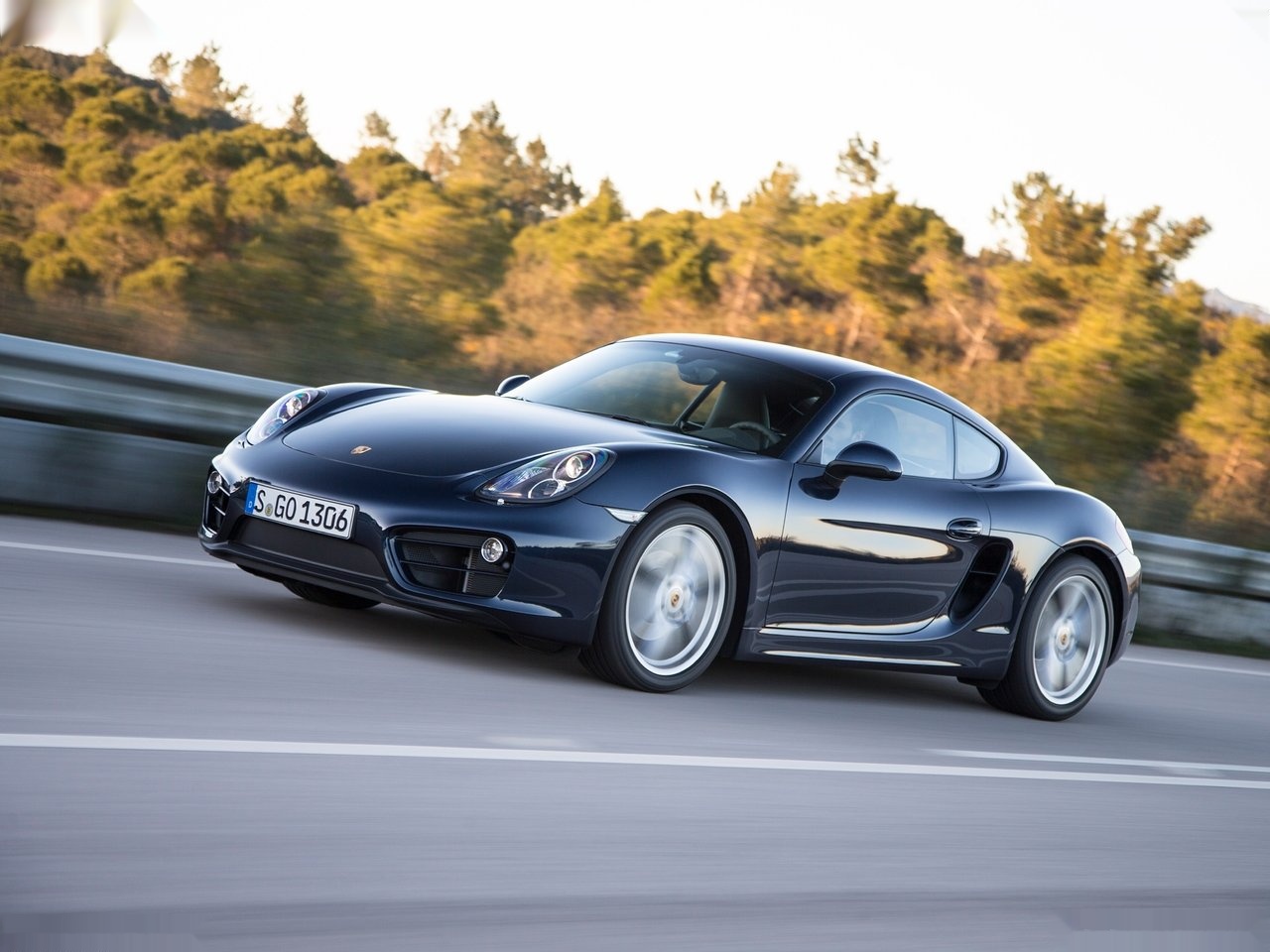
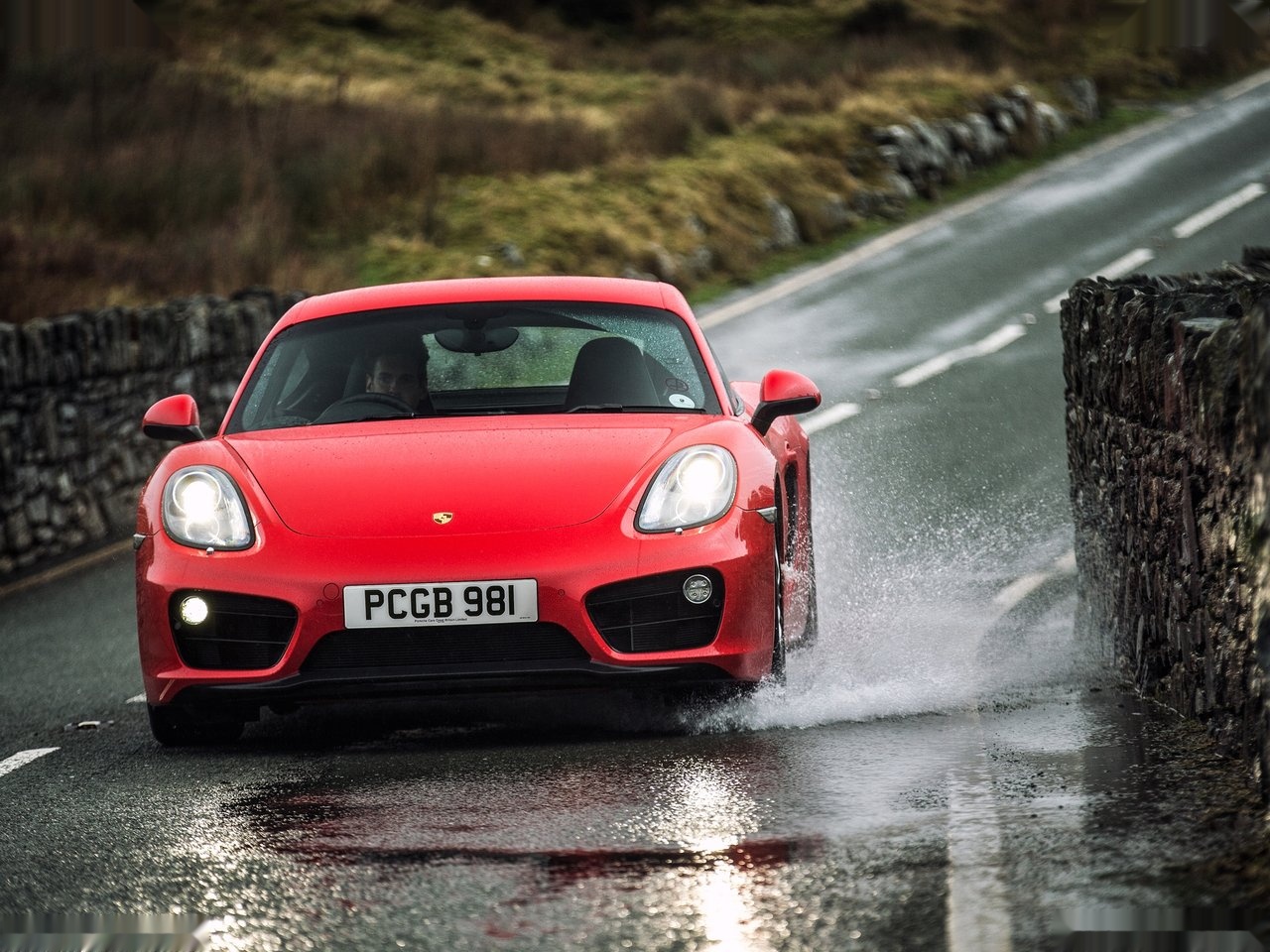
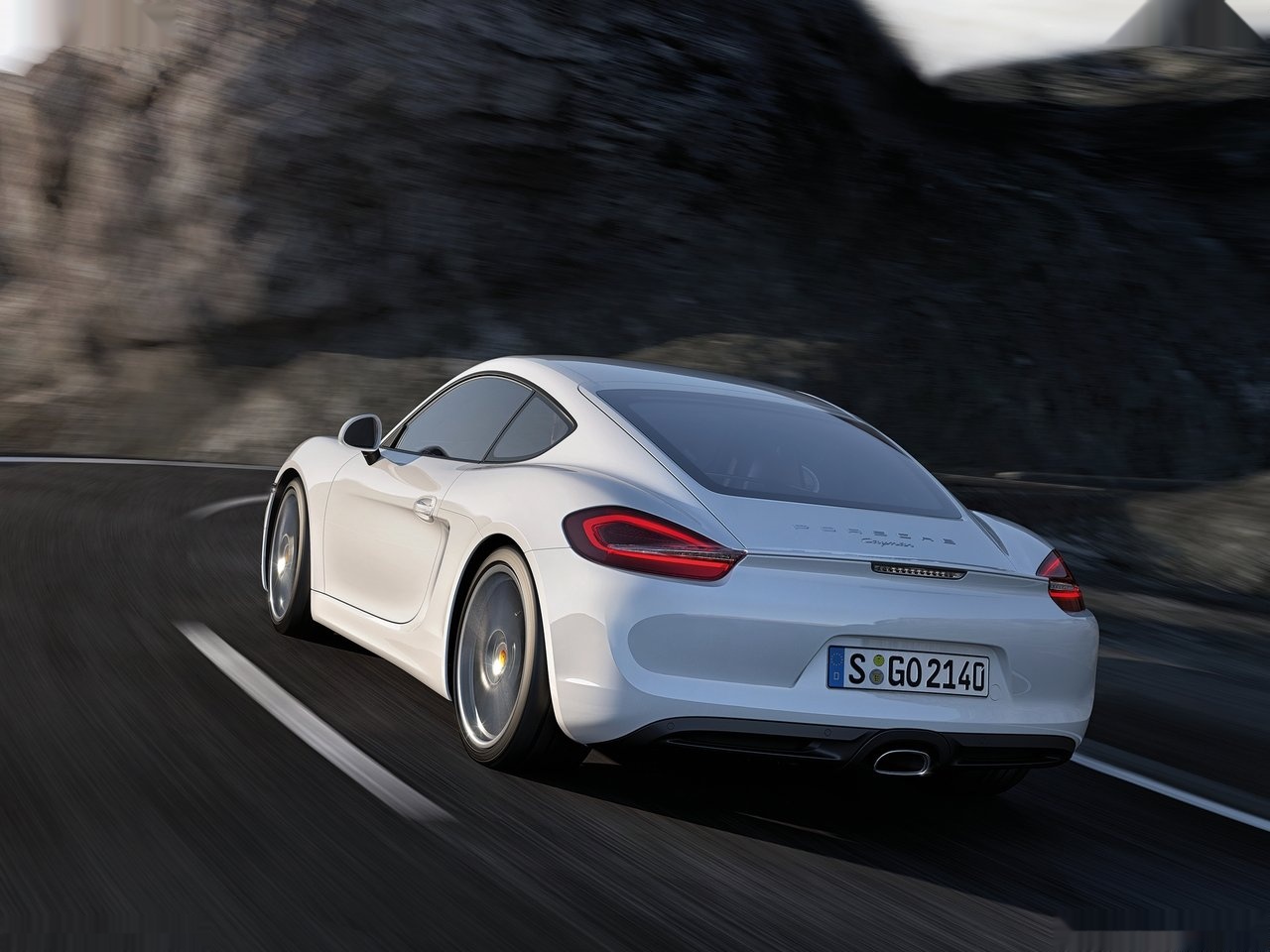
Why the Porsche Cayman Is A Sports Car Buyers Dream Irrespective of Generation
Few cars in the modern era have delivered such consistent excellence across every generation as the Porsche Cayman. From its earliest days to the latest high-performance variants, the Cayman has remained true to a singular purpose: creating one of the most balanced, focused, and deeply rewarding driving experiences available in a road-going sports car. No matter the model year, trim, or budget, the Cayman embodies the essence of what enthusiasts seek — precision, poise, connection, and confidence behind the wheel.
At the heart of the Cayman’s brilliance is its mid-engine layout. By placing the engine just ahead of the rear axle, Porsche achieved near-perfect weight distribution, producing remarkable chassis balance and predictability. This translates into steering that feels alive in your hands, cornering that feels intuitive rather than intimidating, and a car that encourages you to explore its limits with confidence. Unlike more temperamental high-performance machines, the Cayman feels approachable yet endlessly capable — a trait that holds true whether you’re driving a base 987 or a GT4 RS on a mountain pass.
What makes the Cayman especially appealing is how completely it evolves without losing its core character. Early models offer purity and mechanical simplicity; later generations add refinement, technology, and breathtaking performance. The 981 introduced one of the most sonorous flat-six experiences Porsche ever produced in a non-911 platform, while the 718 GT4 and GT4 RS pushed the Cayman into supercar territory. Yet even as it climbed the performance ladder, the Cayman never lost its charm — it simply became more focused, more precise, more capable.
Equally important is its accessibility. Compared to the 911, the Cayman offers similar thrills at a significantly more approachable price point, both to buy and often to maintain. It gives buyers entry into genuine Porsche performance without the intimidating costs or complexity of more exotic alternatives. For many, it is the purest expression of the modern Porsche sports car: less about image, more about driving.
Ultimately, the Porsche Cayman is a buyer’s dream because it doesn’t just perform well — it connects. It rewards skill, encourages exploration, and makes every journey, whether a short backroad blast or a full track day, feel special. Regardless of generation, the Cayman remains one of the most intelligently engineered and emotionally satisfying sports cars you can buy — and that is what truly makes it timeless.
Cayman Generations - A Quick Primer for Potential Buyers
Which Cayman Generation Is Right for You?
The Porsche Cayman has long stood as a benchmark for balanced, driver-focused performance—offering a pure mid-engine experience that rivals far more expensive sports cars. In this comprehensive guide, we break down every generation of the Cayman, from the groundbreaking 987 to the latest 718 Cayman variants, including the GTS 4.0 and track-ready GT4 RS. We trace the evolution of the platform, covering technical advancements, design changes, and how each iteration has redefined expectations in its segment.
Porsche Cayman 987
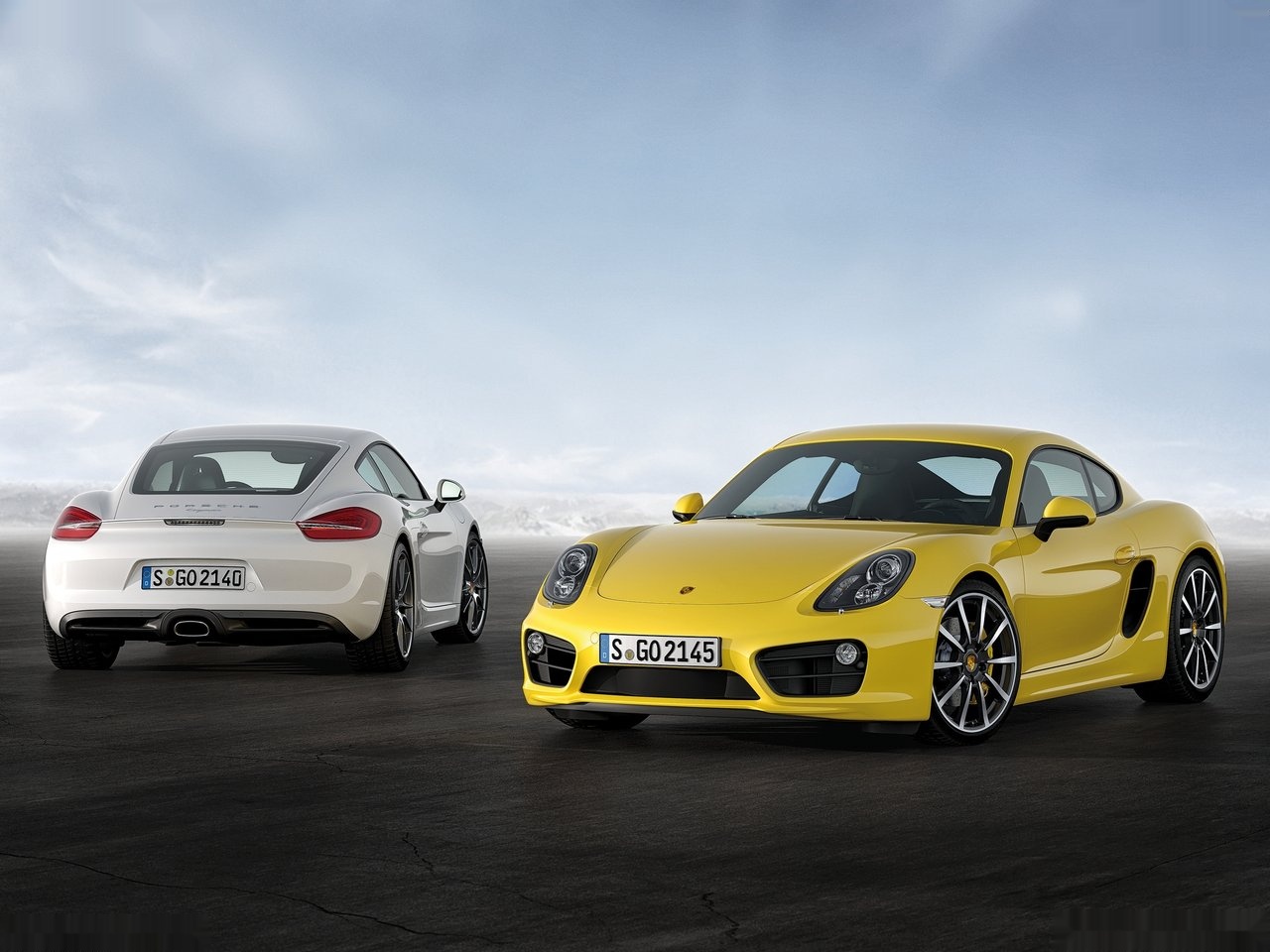
The second-generation Porsche Cayman
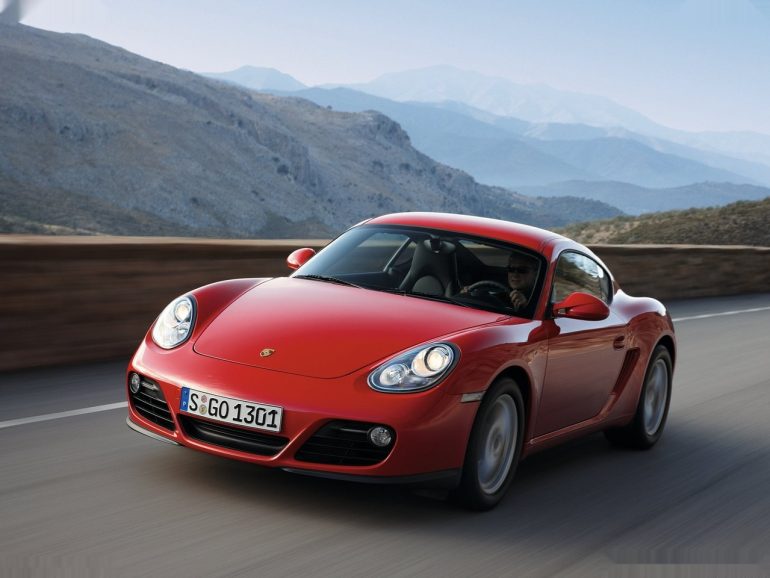
Note: This is technically the first generation Cayman, but it was built on the second generation Boxster platform which is why we refer to it as the second gen Cayman.
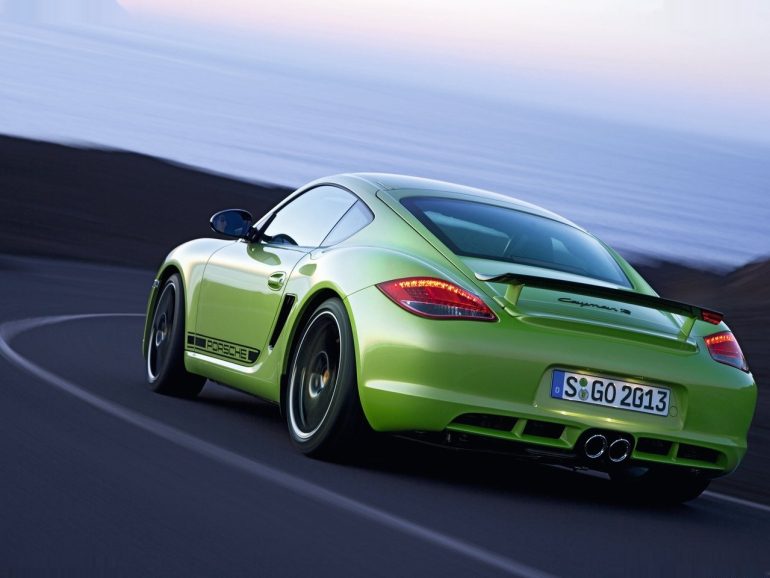
Porsche Cayman 987 (2006–2012) – Summary
The Porsche Cayman 987 represents the first true evolution of the Cayman as a dedicated mid-engine sports coupe, refining the formula introduced with the original 987 Boxster into a sharper, more focused driving machine. Built on the same platform but featuring a stiffer fixed-roof structure, the Cayman 987 delivered increased rigidity, improved handling precision, and a more serious performance persona. Available in base and S trims initially, later joined by the enthusiast-favorite Cayman R, the 987 range spanned from engaging everyday sports car to genuinely track-capable weapon. Its naturally aspirated flat-six engines, hydraulic steering, and beautifully balanced chassis created an analog driving experience that many purists now consider a high point in modern Porsche engineering.
Across its lifespan, the 987 matured considerably, especially with the introduction of the 987.2 facelift in 2009, which brought direct fuel injection (DFI), improved reliability, more power, and refined aesthetics. The driving experience is defined by its near-perfect weight distribution, communicative steering, and confident cornering behavior. Unlike the 911’s rear-engine character, the Cayman feels neutral, intuitive, and forgiving — allowing drivers to exploit its limits without intimidation. Whether used for weekend blasts or spirited daily driving, the 987 generation delivers a rewarding blend of precision, performance, and affordability that is increasingly appreciated among enthusiasts.
Pros
Excellent mid-engine balance and handling precision
Hydraulic steering with superb road feel
Naturally aspirated flat-six character and sound
Cayman R offers lightweight, highly focused performance
Strong value for money compared to later generations
Distinctly analog driving feel
Cons
Early 987.1 engines can suffer IMS / bore scoring concerns
Interior quality feels dated by today’s standards
Less outright speed than newer Caymans
Older infotainment and technology
Maintenance costs still reflect Porsche ownership
Perfect For
Drivers who want a pure, engaging sports car with authentic Porsche character, excellent balance, and strong enthusiast appeal — all at a price point that still represents one of the best performance bargains in the modern Porsche world.
Porsche Cayman 981
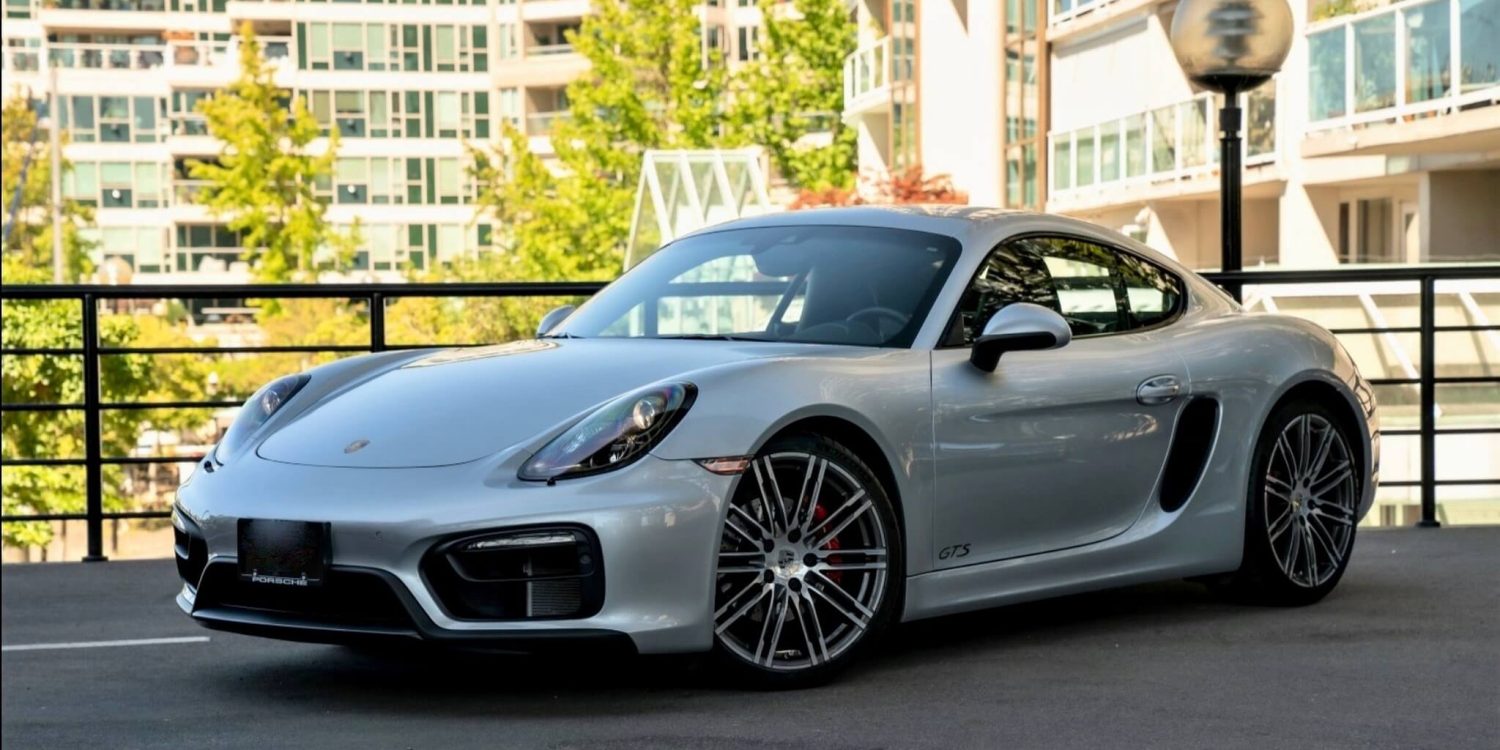
The third-generation Porsche Cayman
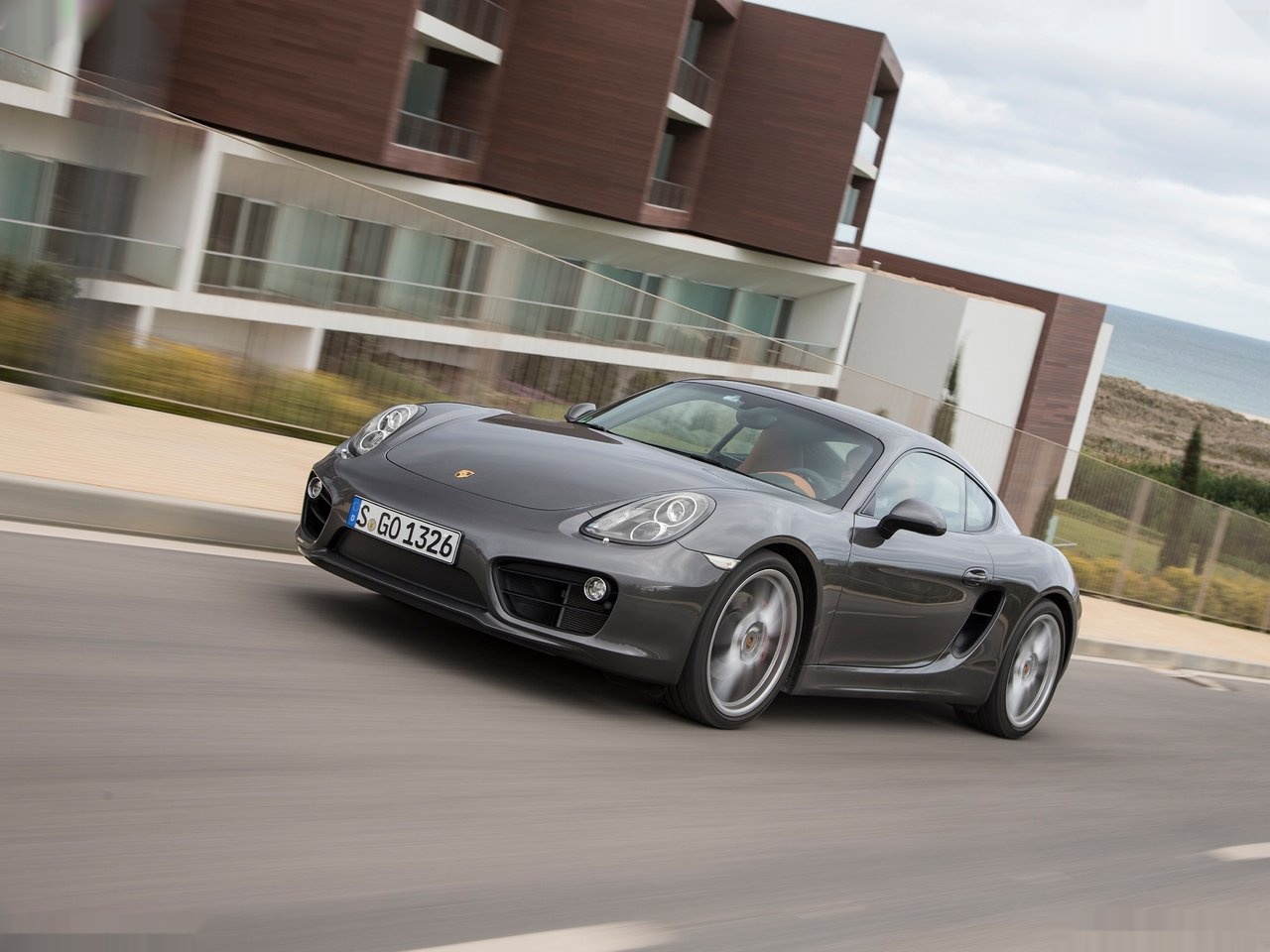
Porsche Cayman 981 (2013–2016) – Summary
The Porsche Cayman 981 represents one of the most celebrated chapters in the model’s history, elevating the Cayman from “brilliant driver’s car” to genuine modern classic. Built on a completely new platform shared with the 981 Boxster, it featured a longer wheelbase, wider track, and significantly improved rigidity, all of which translated into sharper handling, greater stability, and a more refined driving feel. Most importantly for enthusiasts, the 981 retained naturally aspirated flat-six engines, offering a thrilling, high-revving character and an intoxicating soundtrack that many now view as a highlight of the pre-turbo era. The range culminated in the Cayman GTS and the incredible GT4, which brought serious track capability without sacrificing road usability.
Behind the wheel, the 981 feels more sophisticated yet still delightfully visceral. Steering is electrically assisted for the first time, but still exceptionally precise and well-weighted, while the chassis balance is near flawless thanks to the mid-engine layout. The car feels planted, confident, and engaging at speed, with a level of composure that inspires both confidence and excitement. Compared to the 987, the 981 adds refinement, speed, and ergonomics without losing the sense of connection that defines the Cayman experience. For many enthusiasts, this generation strikes the perfect balance between modern performance and classic Porsche soul.
Pros
Naturally aspirated flat-six engines with superb sound
Outstanding chassis balance and handling
Cayman GTS and GT4 are highly desirable performance icons
More refined interior and ride than the 987
Strong reliability compared to earlier generations
Modern looks that have aged beautifully
Cons
Electric steering lacks some of the raw feel of the 987
Rising values make the best examples more expensive
Still firm for long-distance comfort
GT4 models command significant premiums
Limited modern tech compared to 718
Perfect For
Drivers who want a modern-feeling Porsche with classic flat-six emotion, exceptional balance, and long-term desirability — offering one of the most complete and rewarding sports car experiences Porsche has ever produced.
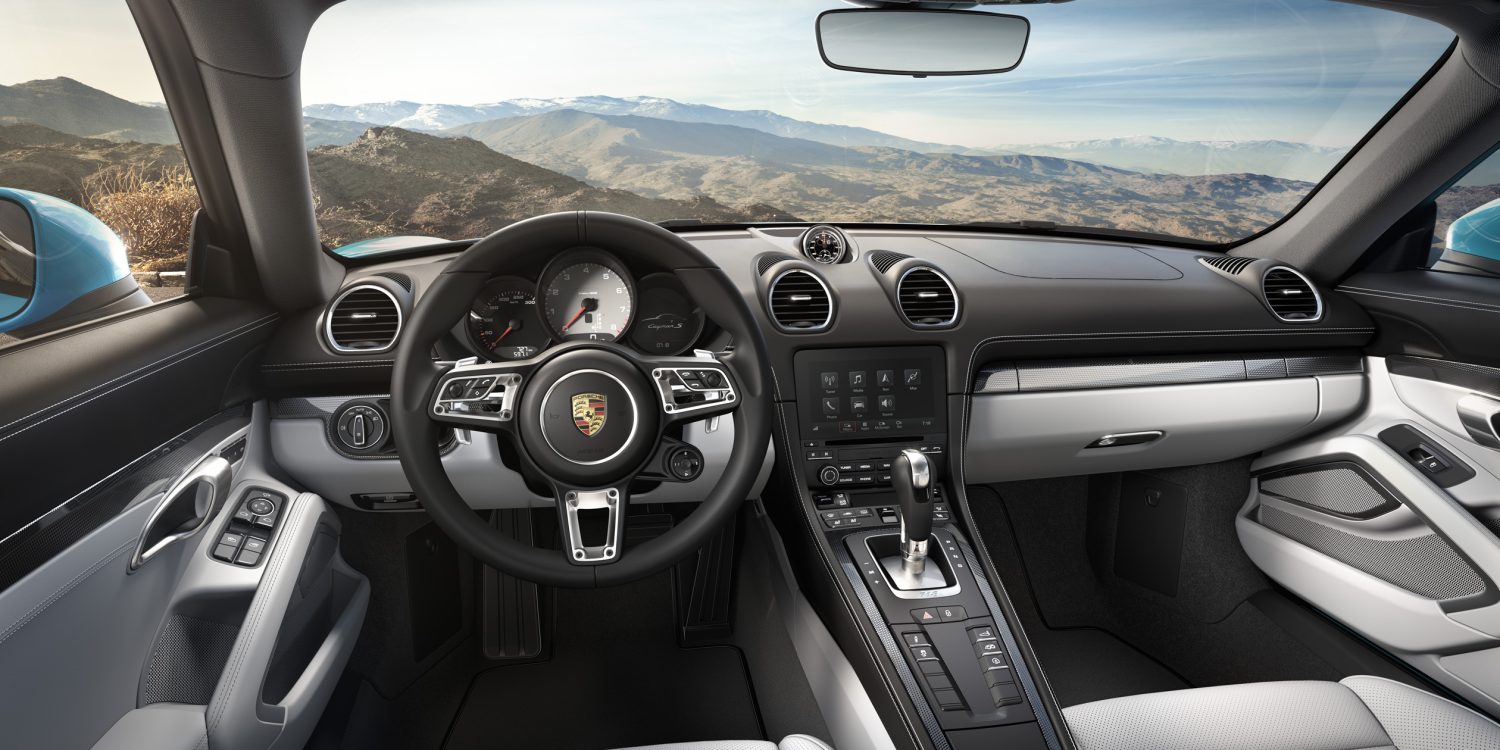
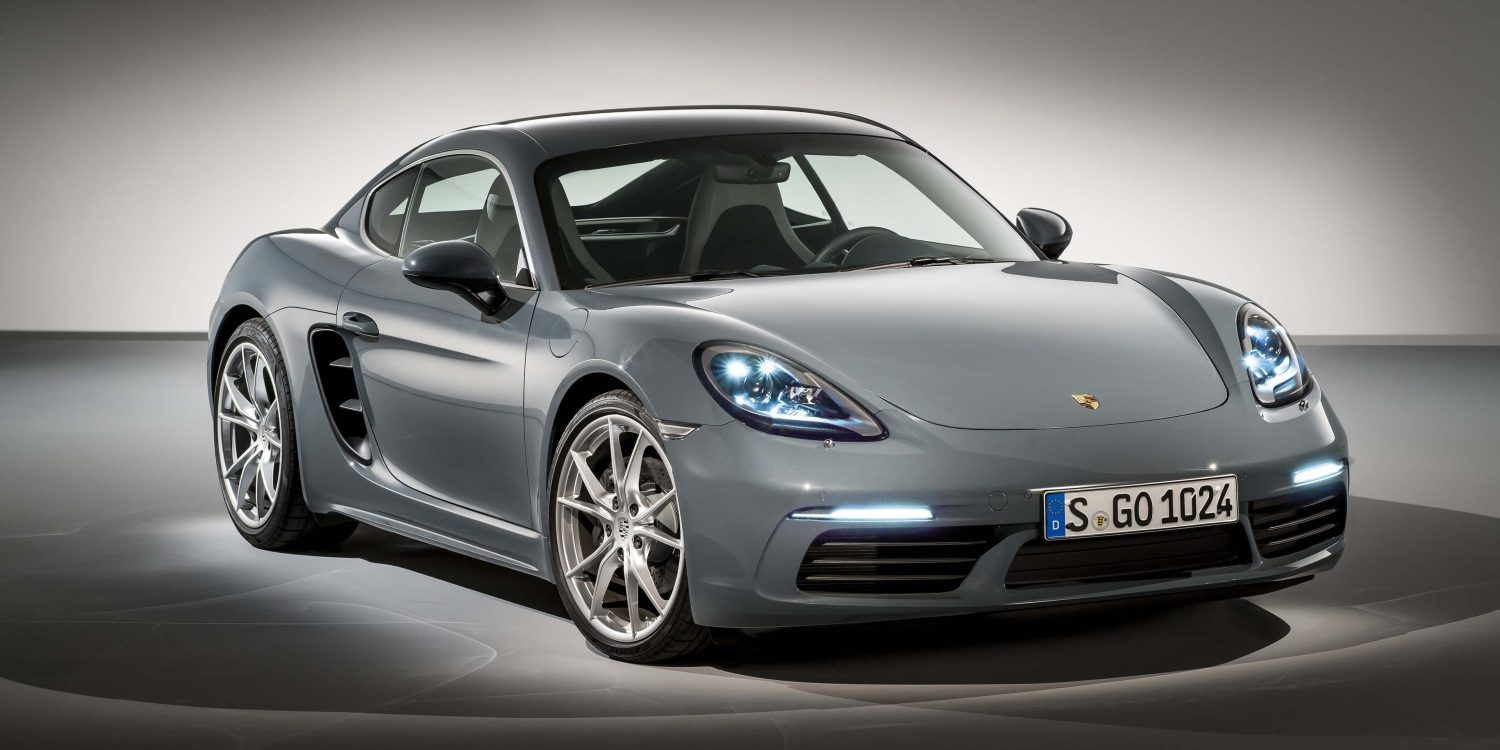
Porsche 718 Cayman 982
The fourth-generation Porsche Cayman
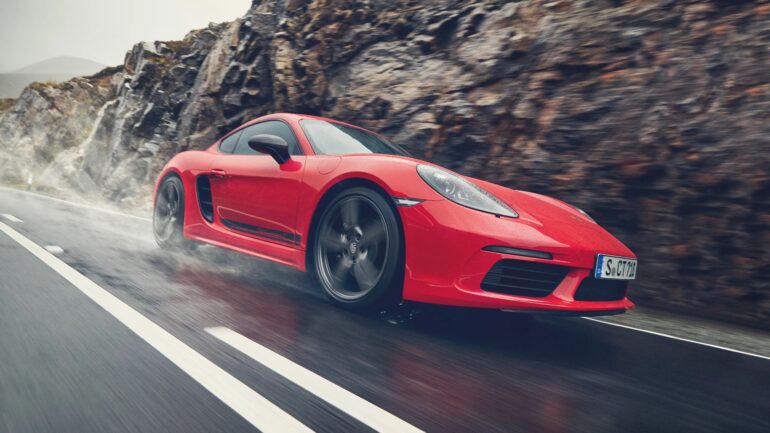
Porsche 718 Cayman (982 Generation, 2017–Present) – Summary
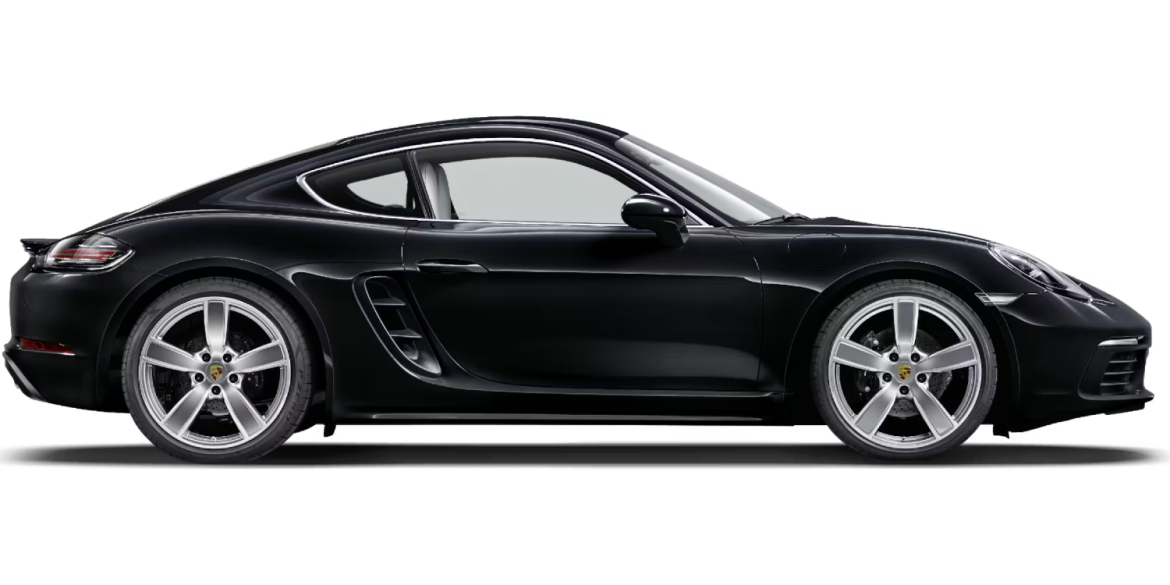
The Porsche 718 Cayman represents the most technologically advanced and performance-focused evolution of Porsche’s mid-engine coupe, bringing sharper dynamics, increased speed, and a more modern driving experience to the Cayman formula. Launched with turbocharged four-cylinder engines in base and S trims, the 718 marked a bold departure from the naturally aspirated flat-sixes of previous generations. While some purists initially mourned the change in sound and character, the new powerplants delivered significantly more torque, improved efficiency, and formidable real-world performance. The lineup later expanded to include some of the greatest modern driver’s cars Porsche has ever built, such as the 718 GTS 4.0, GT4, and GT4 RS — all featuring glorious naturally aspirated flat-six engines and motorsport-derived engineering.
Behind the wheel, the 718 Cayman feels exceptionally precise, direct, and capable. The chassis is more rigid, the suspension more controlled, and the overall handling sharper and more confidence-inspiring than any Cayman before it. Steering remains beautifully weighted and accurate, and grip levels are immense, especially in higher-performance trims. Whether on twisty mountain roads or on a racetrack, the 718 feels composed and devastatingly quick — often rivaling or outperforming much more expensive sports cars. It may not be the most “romantic” Cayman in base form, but in its higher-end variants, it delivers a level of performance and engineering that places it firmly among the elite of modern driver-focused machines.
Pros
Outstanding chassis precision and grip
Extremely fast in real-world and track settings
GTS 4.0, GT4, and GT4 RS offer sensational flat-six character
Modern interior, infotainment, and safety tech
Excellent reliability and build quality
Broad performance range from daily driveable to track-focused
Cons
Base and S four-cylinder engines lack emotional soundtrack
Feels more clinical than earlier Cayman generations
Higher performance models command steep premiums
Less “analog” feel than 987/981
Firm ride in performance-focused trims
Perfect For
Drivers who want cutting-edge performance, razor-sharp handling, and modern Porsche engineering — and are willing to choose their variant carefully to balance emotion with outright capability.
How to Use Our Cayman Buyers Guides
Buying a Porsche Cayman isn’t just about finding a great-looking car — it’s about understanding which Cayman is right for you, why it suits your driving style, and how to make a smart, informed decision that you’ll feel confident about for years to come. Our Cayman Buyer’s Guides are designed to be used as a complete research journey, helping you move from broad exploration to laser-focused decision-making.
Start by using our generation overviews to understand the character of each Cayman era. Every generation — from the analog purity of the 987, to the refined balance of the 981, to the cutting-edge performance of the 718 — delivers a distinct driving experience. These sections will help you learn what makes each generation unique, where they excel, where they compromise, and what known issues or ownership considerations you should factor into your decision. This step is essential for determining whether a particular generation truly aligns with your expectations, lifestyle, and budget.
Once you’ve identified the generation that feels right, dive deeper into our variant-specific guides. Here, we break down the differences between models like base, S, GTS, GT4, and special editions, explaining how each one changes the driving experience, performance envelope, and ownership profile. This is where you can begin narrowing your focus based on what matters most to you — whether that’s comfort, outright performance, emotional engagement, long-term value, or track-day capability.
From there, our guides shift into practical buying intelligence. We help you understand which options and specifications enhance desirability (and resale), which features genuinely impact performance, and which cosmetic or mechanical details should influence your final decision. You’ll also find insights on market values, pricing trends, and how to recognize whether a particular Cayman is fairly priced — or quietly hiding risk beneath an attractive exterior.
Finally, when you’ve located a specific car, use our inspection and “what to look for” sections as your final filter. These are designed to protect you from costly mistakes and provide clarity on condition, authenticity, documentation, and mechanical health. By following this process — research, refine, verify — you turn passion into precision, ensuring your Porsche Cayman purchase is not just exciting, but informed, confident, and genuinely rewarding.
In-Depth Porsche Cayman Buyer's Guides
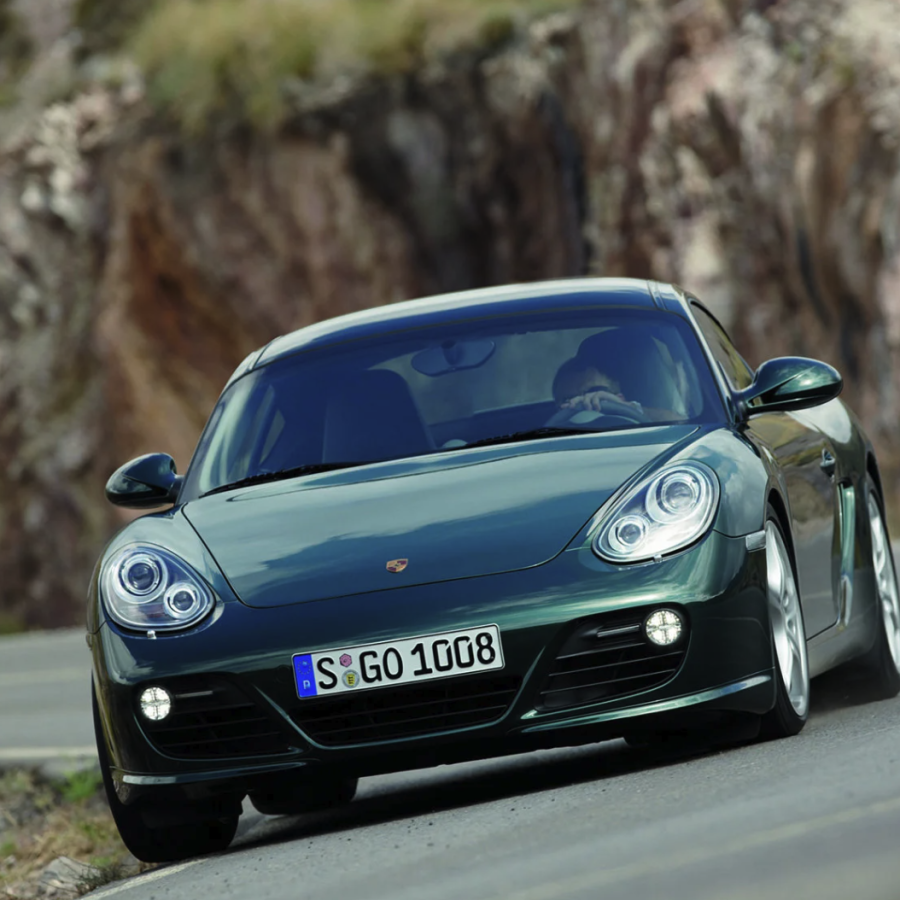
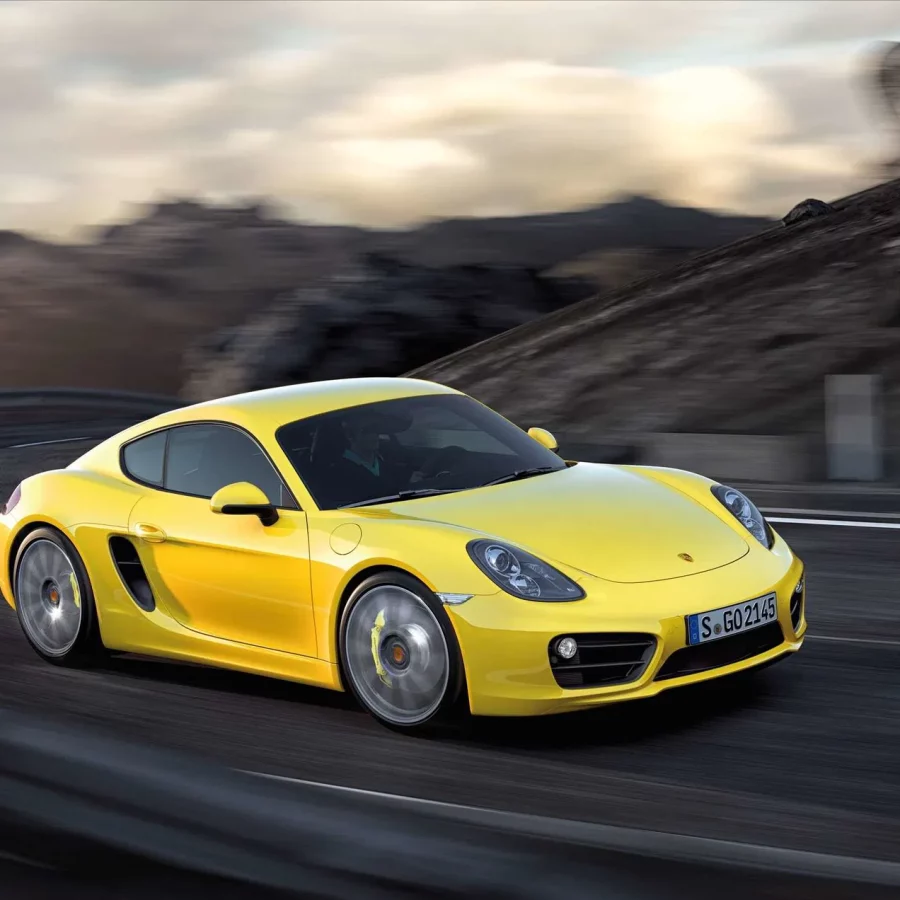
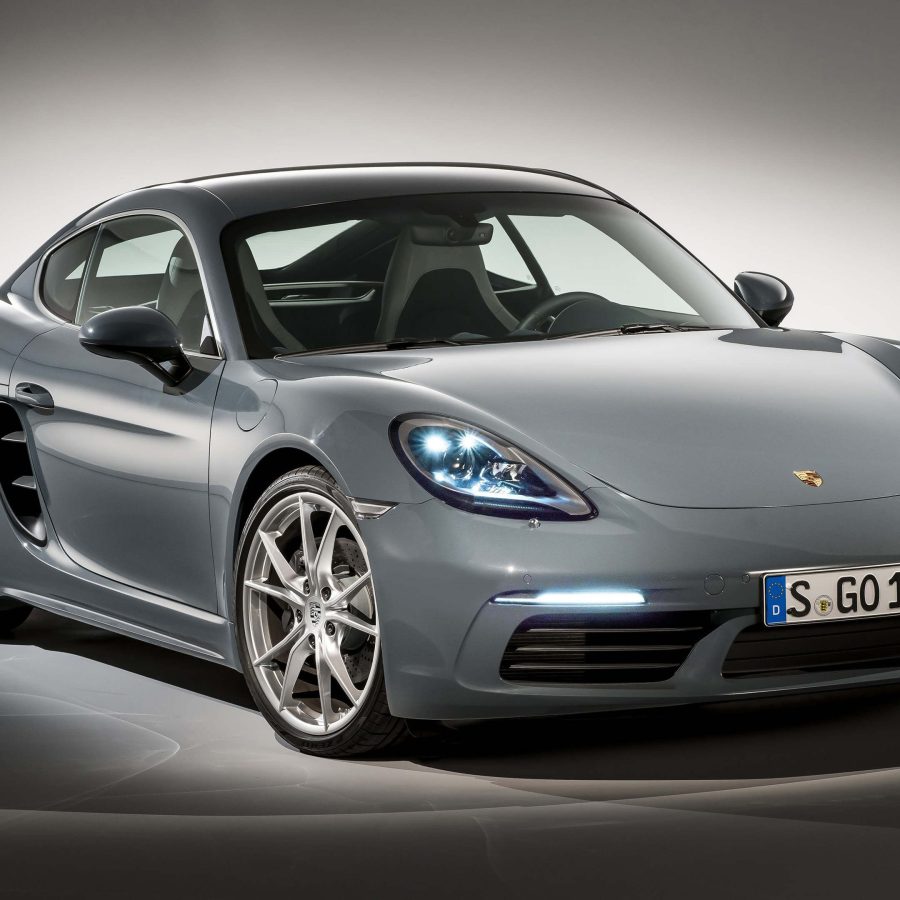
Looking to go deeper before choosing your ideal Cayman? This section connects you to our complete library of in-depth Porsche Cayman Buyer’s Guides, broken down by generation to help you make the most informed decision possible. Each guide explores what makes that specific era unique — from driving character and performance changes to ownership costs, common issues, market values, and expert buying advice.
Buying A Porsche Cayman FAQs
Here are all the questions we've received from readers considering a Cayman for their driveway
Which Porsche Cayman generation is the best to buy?
There isn’t a single “best” Porsche Cayman generation for every buyer — the best choice depends heavily on your priorities, budget, and what you want from the ownership experience. What makes the Cayman special is that every generation delivers outstanding balance and driver engagement, but each does so with a different personality, level of refinement, and ownership profile. Understanding these differences is key to choosing wisely.
For most buyers seeking the best all-around Cayman, the sweet spot is the 981 generation (2013–2016). It combines modern build quality, strong reliability, naturally aspirated flat-six engines, and beautifully balanced handling. It feels contemporary without being overly digital, and it retains the emotional sound and character that many enthusiasts crave. If you want a Cayman that is thrilling to drive, relatively low-risk to own, and likely to hold its value well, the 981 — particularly in S, GTS, or GT4 form — is arguably the most complete package.
If your priority is cutting-edge performance and ultimate capability, the 718 generation (2017–present) stands at the top. The chassis is sharper, grip levels are higher, and the car is faster in nearly every measurable way. In its higher trims (GTS 4.0, GT4, GT4 RS), it becomes a true performance weapon that rivals far more expensive sports cars. However, base and S models with turbo four-cylinder engines trade some emotional character for efficiency and torque, which matters to purists but not necessarily to drivers who value speed and refinement over nostalgia.
For buyers focused on value and analog driving feel, the 987 generation (2006–2012) delivers exceptional engagement at a lower price point. It offers hydraulic steering, naturally aspirated engines, and a more mechanical, connected feel than later generations. The key here is choosing carefully: later 987.2 cars are generally the safer bet, offering improved reliability and refinement. Ultimately, each generation excels in its own way — 987 for raw feel and value, 981 for balance and desirability, and 718 for modern performance — making the “best Cayman” the one that best aligns with how you want to drive and live with your car.
Is a used Porsche Cayman reliable and is it a good daily driver?
Yes — a used Porsche Cayman can absolutely be a reliable, rewarding daily driver — provided you approach the purchase thoughtfully, understand what to look for, and commit to reasonable maintenance. The Cayman’s mid-engine balance, strong build quality, and relatively compact size make it surprisingly practical for everyday use, while still offering true sports-car performance and handling. That balance — between daily usability and driver-focused dynamics — is what makes the Cayman one of the most compelling used-sports-car options out there.
That said, reliability depends heavily on the generation and how well the car has been cared for. Later Caymans tend to be much more dependable if maintained properly. As one technical resource puts it, “in general, the later Cayman has no scary common issues that should ever stop you owning and enjoying one.” Well-chosen 987.2, 981, or later 718 models often deliver great reliability, as long as fluid changes are up to date and wear items (brakes, tires, suspension, seals) are monitored and replaced as needed. Indeed, many owners describe their Caymans as “surprisingly practical,” even using them as primary daily transport for years without major issues.
However — like any performance car — the Cayman is not a “set-and-forget” daily driver. Because of its performance‐oriented design, several common issues are known trade-offs. For example, older Caymans (especially in the 987 generation) may suffer from oil leaks (rear main seal, valve-cover/seal leaks, or failures in the air/oil separator), which — if neglected — can lead to expensive repairs. Even some later models may have issues with transmission components or higher wear-item costs, especially if the car has been driven hard or without proper maintenance.
When a Used Cayman Is a Great Daily Driver
Later-generation models (987.2, 981, 718) with good maintenance history — these tend to be the most reliable and easiest to live with long-term.
Reasonable expectations and regular upkeep — keeping up with oil changes, seals, and wear-item replacement (brakes, tires, suspension) will keep costs manageable compared to exotic supercars.
Realistic use cases — If you live somewhere without heavy winters or salty roads, and don’t expect massive cargo capacity, the Cayman handles commuting, errands, and weekend drives very well.
Comfortable with periodic maintenance costs — while not a cheap commuter car, Caymans remain more practical and affordable to maintain than many exotic alternatives with comparable performance.
What to Be Realistic About — And What to Check Before Buying
Engine and oil-seal vulnerabilities (especially in older cars): Rear-main seal leaks, valve-cover leaks, and air/oil separator failures are among the most common issues — and they can lead to clutch damage or engine smoke if ignored.
Higher ongoing maintenance costs: As with any premium German sports car, parts, labor, and service tend to be pricier than average — especially if you want OEM parts and dealer-quality care.
Wear-item frequency: Sports suspension, high-performance tires, and brake components wear quicker, especially if the car is driven hard or used frequently.
Less practicality than a regular sedan: Limited seats and cargo space compared to a family car — something to accept if you plan daily commuting or frequent errands.
Is the Porsche Cayman expensive to maintain?
The Porsche Cayman is not an inexpensive car to maintain in the way a typical commuter vehicle is — but it is also far more manageable than many people expect from a performance-focused German sports car. Think of it as a premium maintenance profile rather than an exotic one. Routine servicing, wear items, and preventative maintenance will cost more than a normal sedan, but when properly cared for, a Cayman can be surprisingly predictable and reliable over the long term.
Where maintenance costs vary most is by generation. Early 987.1 Caymans (2006–2008) tend to carry the highest potential risk due to M96/M97 engine architecture, which can involve issues such as IMS bearing concerns, oil leaks, air/oil separator failures, and occasional bore scoring. These cars can still be affordable and rewarding, but they require careful inspection, solid service history, and a stronger maintenance budget buffer. In contrast, 987.2 models (2009–2012) benefited from direct fuel injection and significantly improved reliability, making them a much safer long-term maintenance proposition for value-focused buyers.
The 981 generation (2013–2016) is often viewed as the “sweet spot” for ownership costs and reliability. It retains naturally aspirated flat-six performance but eliminates many of the known reliability concerns of earlier cars. Maintenance here tends to be more predictable: standard servicing, consumables, and suspension/brake wear are the main cost drivers. The 718 generation (2017–present) is mechanically robust and modern, but complexity, electronic systems, and higher part prices can raise long-term costs, especially on performance variants like the GTS 4.0 or GT4.
Regardless of generation, the main running costs come from tires, brakes, fluids, suspension components, clutch wear, and servicing intervals. A realistic annual maintenance budget for a well-kept Cayman should account for regular servicing plus periodic larger items such as brakes or suspension refreshes. The upside is that when maintenance is proactive rather than reactive, ownership can remain stable and far less stressful than the horror stories suggest.
Ultimately, the Cayman isn’t “cheap” to maintain — but it is fair for the level of performance, engineering, and driving experience it delivers. For buyers wanting the best balance of enjoyment and manageable ownership, later 987.2 or 981 cars tend to represent the most sensible long-term choices from a maintenance perspective.
Which Cayman generation and variants hold their value best?
When it comes to long-term value retention and collectible potential, certain generations and variants of the Porsche Cayman consistently perform better than others. These stand out due to desirability among enthusiasts, limited production numbers, strong performance credentials, and a balance of usability and emotional appeal.
Top Value-Retaining Generations & Variants
981 Generation — Especially GTS, GT4, and Well-Specified S Models (2013–2016)
The 981 generation is widely regarded as the sweet spot for Cayman values. It combined modern build quality, refined chassis dynamics, and the classic naturally aspirated flat-six — making these cars both driver-friendly and collectible. Within the 981, the Cayman GTS strikes a balance of performance, exclusivity, and usability; it remains highly sought after. Meanwhile, the GT4 (and GT4-equipped S models) are often viewed as modern classics in the making — their track-bred performance and relative rarity give them a strong long-term holding profile. Overall, low-mile, well-maintained 981s with desirable specs continue to command premiums and remain among the most secure investments in the Cayman lineup.
Specialist & Limited Editions — The Rarest, Most Desirable Picks
Variants like the GT4, GT4 Clubsport, Cayman R, and other limited-run or performance-intensified models typically show the best value retention. Their appeal stems from motorsport-derived setup, flat-six performance, and often lower production numbers. These were typically driven less harshly or maintained by enthusiasts, which helps preserve condition and authenticity. For collectors and drivers alike, these models represent the best blend of performance, exclusivity, and long-term desirability — especially when documentation and history are intact.
Smart Value / Enthusiast-Friendly Picks: 987.2 Models (2009–2012) & Clean 987.1 (With Caution)
For budget-conscious buyers or those prioritizing value over spectacle, well-maintained 987.2 Caymans offer surprisingly strong appeal. They deliver classic Cayman dynamics and flat-six engines at lower entry costs compared to 981s or GT variants. While they may not appreciate like GT4s, their affordability, sensible maintenance costs, and capable performance make them excellent “useable classics” — ideal for driving enjoyment without excessive worry about depreciation. Clean, low-mile 987.1s — especially if IMS issues have been addressed — can also offer solid value, but require extra vetting.
Variants That Tend to Hold Value Poorly (Unless Exceptionally Spec’d)
Base models — especially in early or high-mileage examples — often suffer heavier depreciation relative to performance or special-edition versions. The lower-spec 718 Caymans (especially turbo-four base/entry-level models) sometimes struggle in value compared to Cayman’s higher-spec or flat-six variants, in part because many enthusiasts prioritize sound, engagement, and heritage over affordability. If you buy a base model, expect more depreciation and less premium upon resale unless the car is maintained meticulously or has unique spec.
Should I avoid early Cayman because of IMS issues?
You don’t automatically need to avoid early Porsche Caymans because of IMS (Intermediate Shaft) issues — but you should approach them with clear eyes and intelligent caution. The IMS bearing concern primarily affects early 987.1 Caymans and is tied to the same M96/M97 engine architecture used in early Boxsters and 996/997 911s. While catastrophic failures did occur, the reality is more nuanced: many early Caymans have covered high mileage without incident, and a large number now feature upgraded or replaced IMS bearings, significantly reducing the risk.
The key is not fear, but verification. If you’re considering an early Cayman, confirm whether the IMS bearing has been inspected, upgraded, or replaced, and check for detailed service records documenting oil changes and engine care. A pre-purchase inspection by a Porsche specialist is essential. If the IMS has been addressed and the car shows strong maintenance history, an early Cayman can still be a rewarding, affordable, and enjoyable mid-engine Porsche experience. However, if maximum peace of mind is your priority, the later 987.2, 981, and 718 generations eliminated IMS-related risks entirely and represent safer ownership choices from a reliability perspective.
In short: early Caymans are not cars to blindly avoid, but they are cars to buy intelligently. Knowledge, documentation, and proper inspection make all the difference.
Is the Cayman slow compared to a 911? Lots of people say its not a real Porsche, so help me think about it.
The idea that the Porsche Cayman is “slow” or “not a real Porsche” is one of the most enduring myths in the car world — and one that simply doesn’t hold up when you look at reality, engineering, or driving experience.
In straight-line terms, many 911 variants will out-accelerate a Cayman, especially Turbo and GT models. The 911 also tends to dominate in absolute power figures and top-end speed. But performance is not just about numbers, and this is where the Cayman’s brilliance becomes clear. Thanks to its mid-engine layout, the Cayman offers near-perfect balance, exceptional stability, and incredible composure through corners. On twisty roads or technical track sections, a well-driven Cayman can easily keep pace with — and sometimes embarrass — far more powerful 911s. Even Porsche themselves have had to carefully manage the Cayman’s performance ceiling over the years to avoid it outshining the 911 internally.
Calling the Cayman “not a real Porsche” ignores the fact that it embodies Porsche’s core DNA perhaps more purely than any modern model: precision, balance, engineering excellence, and driver engagement. The steering feel, the braking confidence, the communicative chassis — all of it is quintessential Porsche. The only real difference is layout and brand hierarchy, not authenticity. For many drivers, the Cayman actually feels more intuitive, predictable, and confidence-inspiring than a rear-engine 911, especially when driven hard.
So is the Cayman slower than a 911? In a drag race, often yes. In real-world driving enjoyment, connection, and accessibility? Not necessarily — and in some situations, not at all. The Cayman isn’t a lesser Porsche; it’s simply a different expression of the same philosophy — one that prioritizes balance over brute force and finesse over theatrics. For many, that makes it not just “real,” but one of the most honest sports cars Porsche has ever built.
What mileage is too high for a Porsche Cayman?
There isn’t a single mileage figure at which a Porsche Cayman suddenly becomes “too high” — far more important is how the car has been maintained, driven, and documented. A carefully cared-for Cayman with 100,000–120,000 miles and thorough service history can be a safer, smarter purchase than a low-mileage example that has sat unused or been poorly maintained. These cars are engineered to handle long-term use, and many easily exceed 150,000 miles when properly serviced.
That said, mileage does change the ownership equation. Once a Cayman moves beyond roughly 80,000–100,000 miles, buyers should expect that major wear components may soon need attention if they haven’t already been replaced. This typically includes suspension components, clutch, water pump, coils and spark plugs, cooling hoses, brake system parts, and potentially items like the air-oil separator or engine seals. None of this makes the car a bad buy — but the purchase price should reflect the likelihood of upcoming maintenance.
Generation matters too. Higher mileage on 987.2, 981, and 718 cars is generally less concerning than on early 987.1 models, which may carry higher mechanical risk if maintenance records are thin. What matters most is whether key servicing milestones have been met (major services, fluid changes, suspension refreshes, clutch replacements) and whether the car has been owned by someone who understood proper Porsche care.
In reality, the better question isn’t “how many miles is too many?” but rather: Has this Cayman been consistently maintained and thoughtfully owned? A high-mileage Cayman with documented care, preventative maintenance, and a clean mechanical inspection can still represent excellent value and many more years of enjoyment — while a neglected low-mile car can quickly become an expensive liability.
Is the Porsche Cayman a good first Porsche?
Yes — the Porsche Cayman is often one of the best first Porsches a buyer can choose. It delivers many of the things people love about Porsche — balance, precise handling, mid-engine dynamics, quality engineering — while avoiding some of the more intimidating aspects of 911 ownership (cost, attention, salvage value, etc.). For someone stepping into the brand for the first time, the Cayman strikes a strong balance between performance enjoyment, daily usability, and long-term ownership cost.
Here’s why the Cayman works so well as a first Porsche:
The mid-engine layout gives predictability and confidence, making the car forgiving yet rewarding for a newer or first-time owner. Its excellent weight distribution and handling make cornering intuitive and forgiving, which helps build driving confidence without compromising excitement.
Compared to 911s, the Cayman often costs less to buy and insure, and running costs (tires, maintenance, sometimes even fuel) are more manageable. This makes entry into Porsche ownership more realistic and practical for many first-time buyers.
It’s versatile enough for real-world use — daily driving, errands, weekend enjoyment — but still retains real sports car soul. Even standard models provide enough performance and feedback to satisfy enthusiasts, while higher-spec trims or enthusiast variants offer deeper engagement if that’s what you desire.
That said, like any performance car, a Cayman still requires mindful maintenance and realistic ownership expectations. Choose a well-maintained, documented example, budget for regular upkeep (brakes, tires, fluids), and be prepared for lower fuel economy or tighter storage compared to a commuter sedan. But for a first Porsche, few cars offer the same mix of driving purity, everyday usability, and long-term value — making the Cayman a very appealing and often wise first move into Porsche ownership.
Is now a good time to buy a Porsche Cayman?
In many ways, yes — right now can be a very good time to buy a Cayman. Several market and product-cycle dynamics are combining to make shopping attractive for buyers who are selective. But “good time” depends a lot on what you want: daily usability, driving enjoyment, or long-term value.
Why the Timing Looks Attractive
The current generation, the Porsche 718 Cayman (982), remains a top-tier driver’s car with sharp handling, modern engineering, and strong enthusiast demand. Recent reviews highlight its “telepathic steering” and “chassis poise” as among the best in its class.
Resale/prices of used Caymans remain relatively strong compared with many other sports cars — especially for well-spec’d, low-mile examples. According to one 2025 analysis, certain used Caymans are among “the used sports cars with the least depreciation.”
Because of rising new-car prices and tightening supply in many markets, many buyers are turning to used luxury and performance cars, which keeps demand for well-maintained Caymans healthy. That can help protect future resale value — an appealing factor if you want to avoid rapid depreciation.
What Buyers Should Watch Out For
Being a desirable used-car segment means good examples tend to move quickly. If you jump in unprepared or without thorough inspection, you risk overpaying or buying a car with hidden issues. Base or lower-spec Caymans (especially 718s with turbo-four engines) may be less emotionally satisfying than flat-six or performance variants. As some reviewers note, despite strong engineering, the “soul” of the flat-six remains a major draw for many enthusiasts. As with any used sports car, maintenance, wear-item replacement, and careful history vetting remain essential. Especially on earlier-generation cars (or higher-mileage examples), deferred maintenance or neglected servicing can turn what seemed like a bargain into a money pit.
Who Should Consider Buying Now — And Decide Carefully
If you value driving enjoyment and performance — A late-model 718 Cayman (especially GTS 4.0, GT4, or a well-optioned 981/987) gives excellent chassis feel, modern amenities, and strong performance for the money. If you care about resale value + reasonable long-term ownership costs — Well-sorted, documented Caymans remain among the better value-holding used sports cars. With proper maintenance and sensible spec, you can expect relatively stable depreciation. If you’re on a budget or want value — There are still 987.2 or earlier-generation Caymans that offer a lot of performance for less money. But you need to be patient, meticulous in inspection, and realistic about maintenance.
My Take: It’s a Solid Window — But Be Smart
Now is a good time to buy a Cayman if you do your homework. The car’s engineering, enthusiast respect, and used-car market strength mean you’re buying more than just a “sports car” — you’re buying a machine that can deliver long-term enjoyment and retain value better than most. That said, treat it like a serious purchase: get a full pre-purchase inspection, verify service history, and resist “deal fever.” The right car — in the right condition — will likely pay dividends in both thrills and value retention.
Which Cayman model is best for weekend driving fun?
Absolutely. The Cayman is often considered one of the best entry points into Porsche ownership due to its balanced performance, manageable costs, and forgiving nature for enthusiastic newcomers.
What’s the best Cayman for the money?
If you’re looking for “the best Porsche Cayman for the money” — meaning the model that gives the strongest mix of performance, reliability, driving fun, and value for what you pay — a few clear winners stand out depending on what you want. Below is how I’d break it down, and why certain Caymans tend to deliver the most “bang for the buck.”
Top Value-for-Money Cayman Picks
Porsche Cayman 981 (2013–2016) — Most Balanced All-Around Value
For most buyers, a well-kept 981 represents the best overall value in Cayman history. It delivers modern build quality, excellent chassis dynamics, and the classic naturally aspirated flat-six engines that many enthusiasts prize. Reviews and owner sentiment often highlight the 981 as “the sweet spot” — combining daily usability, strong performance, and reliability while retaining the emotional character (engine sound, mid-engine balance) that defines a proper sports car.
Specifically, a 981 S or 981 GTS (or better-spec 981 variant with good maintenance history) tends to deliver maximum return on investment. You get serious performance and engagement — yet avoid many of the reliability compromises or compromises in feel that afflict older or lower-spec models. As a result, many 981 Caymans hold value well compared to other options.
Verdict: For most buyers seeking a “complete” Cayman — good to drive, easy-ish to live with, and excellent value — a clean 981 tops the list.
Porsche Cayman 987.2 (2009–2012) — Best Value Entry-Point on a Budget
If your priority is getting into Cayman ownership without spending too much, a 987.2 (the latter half of the first-generation Cayman) is arguably the best value pick. These cars often sell for significantly less than 981s while still offering flat-six engines, mid-engine balance, and simpler mechanics. For a buyer on a budget — or someone who wants a Cayman for weekend fun rather than daily use — a well-maintained 987.2 represents one of the strongest performance-per-dollar bargains in the modern Porsche world.
That said, 987.2 (and any 987) demands careful inspection — especially on engine condition, maintenance history, and known weak spots — but when selected carefully, it delivers a “purist” driving feel at a much lower entry price than newer models.
Verdict: For budget-conscious buyers or first-time Porsche enthusiasts, a good 987.2 Cayman offers huge value for money — especially if you’re prepared to maintain it properly.
Performance-Oriented variants (across generations): Cayman GT4 / GTS / R — Best for Enthusiasts & Long-Term Value
If you care about performance, driver engagement, and long-term desirability, certain performance-oriented variants often deliver the best value — especially when compared to what you pay. For example, the 981 Cayman GTS or GT4 are frequently cited as “best buys” because they combine track-capable performance with road usability, and as naturally aspirated flat-six cars, they remain highly desirable among enthusiasts.
Similarly, even early-generation variants like the 987.2 Cayman R — especially if well-maintained — can deliver strong value for money to buyers who appreciate a more analog, raw driving experience.
Verdict: If your priority is driving dynamics, rarity, or long-term collector value, a well-chosen performance-spec Cayman (GT4, GTS, R) represents perhaps the best “performance per dollar” deal in the lineup.
Final Thought — Best “Money Value” Cayman Is the 981, With 987.2 & Performance Variants as Smart Alternatives
If you’re looking for the Cayman that gives the best return on money spent, the 981 generation stands out as the most balanced and rational choice — a car that feels modern enough, performs well, and still offers what many Porsche lovers crave. For those on a tighter budget or hunting for pure value, a clean 987.2 remains a great entry point. And if you’re after maximum engagement, performance, and potential long-term value, a performance-spec Cayman (GT4, GTS, R) can deliver exceptional return and enjoyment — often outperforming what you’d expect based on price alone.
What’s the best Cayman ever made? The GOAT, No-Compromises King
If the question is “What is the best Cayman ever made, money no object?” the answer is not just clear — it is emphatic: the Porsche 718 Cayman GT4 RS. This is the apex predator of the Cayman bloodline, the most extreme, focused, and exhilarating interpretation of Porsche’s mid-engine coupe, and arguably one of the finest driver’s cars Porsche has ever created, full stop.
The GT4 RS is powered by the same 4.0-litre naturally aspirated flat-six from the 911 GT3, revving to 9,000 rpm and delivering a level of throttle response, soundtrack, and visceral engagement that feels closer to a racing car than a road coupe. But what makes it truly special is how perfectly that engine is paired with the Cayman’s inherently superior mid-engine balance. The result is a car with ferocious grip, telepathic turn-in, and a sense of composure at speed that borders on supernatural. It isn’t just fast — it feels surgically precise.
Every element of the GT4 RS is engineered for performance domination. Extensive use of carbon fiber, aggressive aerodynamics, weight reduction, race-spec suspension tuning, and track-focused cooling systems transform the Cayman into a machine capable of humiliating supercars that cost twice as much. And yet, it remains road-legal and usable enough to drive to and from the track, delivering one of the most intense driving experiences possible without stepping into full-blown motorsport territory.
Emotionally, the GT4 RS transcends the Cayman badge. It removes the long-standing hierarchy beneath the 911 and stands on its own as a definitive performance icon. It is rare, brutally capable, and destined for legendary status. If you want the purest, most uncompromising expression of Porsche engineering in a mid-engine coupe, the GOAT is clear: the 718 Cayman GT4 RS.
Which Cayman model years should I focus on buying?
If you’re shopping for a used Porsche Cayman — and hoping to maximize reliability, driving feel, and bang-for-your-buck — there are certain model years and generation-variants you should focus on more than others. Below are the Cayman “sweet spot” years I’d prioritize if I were buying today, along with what makes them stand out.
Best Years to Focus On
2009–2012 (Cayman 987.2)
The 987.2 generation’s shift to the updated “MA1” flat-six engine (and away from older M97/M96 architecture) addressed many of the reliability concerns associated with early Caymans — eliminating IMS-bearing risk and updating lubrication and injection systems. These cars remain relatively affordable compared to newer generations, yet retain the classic mid-engine balance and naturally aspirated engine feel — a sweet spot for those wanting true Porsche character without extreme purchase prices.
Why 2009–2012 makes sense: You get strong reliability, classic driving character, and often better value than newer cars.
2013–2016 (Cayman 981)
The 981 generation is widely regarded as the “sweet spot” in the Cayman’s lineage: improved chassis rigidity, refined interiors, and a thoroughly matured platform that polished out many of the earlier rough edges. For buyers who want a blend of modern usability and classic Cayman balance and handling, 981s deliver — especially in well-spec’d trims like S, GTS or even performance-oriented versions.
Why 2013–2016 stands out: It offers what many view as the most complete Cayman package — a balance of comfort, reliability, performance and everyday drivability.
Selective Performance/High-Spec Editions (All Gens: e.g. GT4, GTS, Cayman R, etc.)
Beyond just model years, certain performance-focused variants — especially when well maintained — tend to hold value and drive beautifully. These include “R” models, GTS and GT4 editions, which often see more careful ownership, better maintenance, and deliver a more exhilarating driving experience. Their performance credentials, rarity, and enthusiast demand often cushion them from the steepest depreciation and keep them desirable.
Why these matter: If you want max performance and long-term appeal, a well-kept performance-spec Cayman often delivers more long-term satisfaction than a regular base model.
Years & Variants to Treat With Caution
Early-generation 2006–2008 (987.1) Caymans — these can work, but they carry higher risk due to older engine design, known issues, and the potential for deferred maintenance. If you go this route, you must be meticulous on inspection and maintenance history. Lower-spec variants in any generation — if poorly maintained or high-mileage — may underdeliver on reliability or long-term value, regardless of generation. Basic spec doesn’t offer much buffer if upkeep was neglected.
My Recommendation: What I’d Buy If I Were Looking
If I were actively shopping for a Cayman today, here’s what I’d aim for:
Prioritize a 2009–2012 987.2, or a 2013–2016 981 — ideally with good maintenance history, reasonable miles, and solid spec. Try to grab a higher-spec or performance-oriented trim, like a Cayman GTS, GT4, or “R” model — the blend of performance and desirability just tends to pay off long-term. Avoid early 987.1 models unless you find one with thorough service records, known IMS bearing resolution, and nothing requiring major upcoming maintenance.
Which Cayman model years should I avoid?
When shopping for a used Cayman, there are certain years and models that tend to carry more risk or potential pitfalls than others. That doesn’t mean you should automatically dismiss every car from those years — but they do require much more careful inspection, documentation, and realistic expectations. Below are the main Cayman generations and model years to approach with caution (or avoid altogether), along with the specific issues and trade-offs you should be mindful of.
Early Cayman 987.1 Models (2006–≈2008/2009)
Why they’re risky: The earliest Caymans (the 987.1 generation) share their M96/M97 flat-six engines with earlier Caymans and Boxsters — engines known for issues such as oil leaks, air/oil separator failures, and the infamous Intermediate Shaft (IMS) bearing on some variants.
What buyers often dislike: As cars age, those potential mechanical weaknesses become more pronounced. It's common to find high-mile 987.1s with deferred maintenance, worn seals, or components needing replacement. Even when functioning, early-gen interiors and old electronics start showing their age compared to newer models.
What to do if you still consider one: Only proceed if you have a full service history, see documented IMS upgrades (if applicable), and ideally have a recent pre-purchase inspection (including bore scoping if possible). Treat any 987.1 as a conditional risk — not necessarily a throw-away car, but one requiring diligence and acceptance of possible mechanical maintenance. Many experts advise to think twice before buying one unless you’re ready for potential issues.
Verdict: Early 987.1 Caymans are high-risk/high-maintenance potential. They can be bargains — but only with the right paperwork and careful scrutiny.
Lower-Spec / Base Models from Any Generation (Especially Without Documentation or With High Miles)
Sometimes the problem isn’t the generation — it’s the condition. Even in otherwise “good” years, a low-spec Cayman (base trim, few options) with a patchy maintenance history or high mileage can turn out to be a headache. Because these cars often end up on the “budget” end of the market, they attract owners less comfortable with regular upkeep or expensive maintenance.
Common issues: deferred maintenance leads to worn suspension, leaks, degraded seals, or neglected service intervals. These often show up after purchase in the form of costly repairs or parts replacement.
Why some buyers get burned: The appeal of a low purchase price can mask the fact that a lot of work may lie ahead — not just “routine maintenance” but potential mechanical refreshes.
Verdict: Always vet base or high-mileage Caymans carefully. If service records, maintenance documentation, and physical condition are lacking — walk away.
718 (982) “Turbo-Four” Base/S Mid-Spec Models — Depreciation Risk & Emotion Trade-Offs
What changed: The 718 generation (from 2016 onward) switched from naturally aspirated flat-six engines to turbocharged flat-four engines on base and S models. This change improved torque and everyday usability, but many enthusiasts — and thus many buyers — believe it compromised the emotional character (sound, throttle feel) that defines the Cayman.
Market & depreciation trends: According to depreciation data from 2018–2024, some 718 Caymans have seen steeper value drops compared to previous-generation cars. That means if you buy expecting long-term value retention, base 718s may disappoint.
What to consider: If you prioritize maximum driving emotion and long-term desirability, base 718 models often feel like compromises. Unless they’re deeply discounted or spec’d with performance-focused trims, they may not offer the same long-term value or emotional payoff as older flat-six Caymans.
Verdict: Base and mid-spec 718 Caymans are fine cars — but less ideal if you care about long-term value, driving feel, and Porsche character. For maximum enjoyment and resale strength, flat-six 981 or higher-spec 718s are generally better bets.