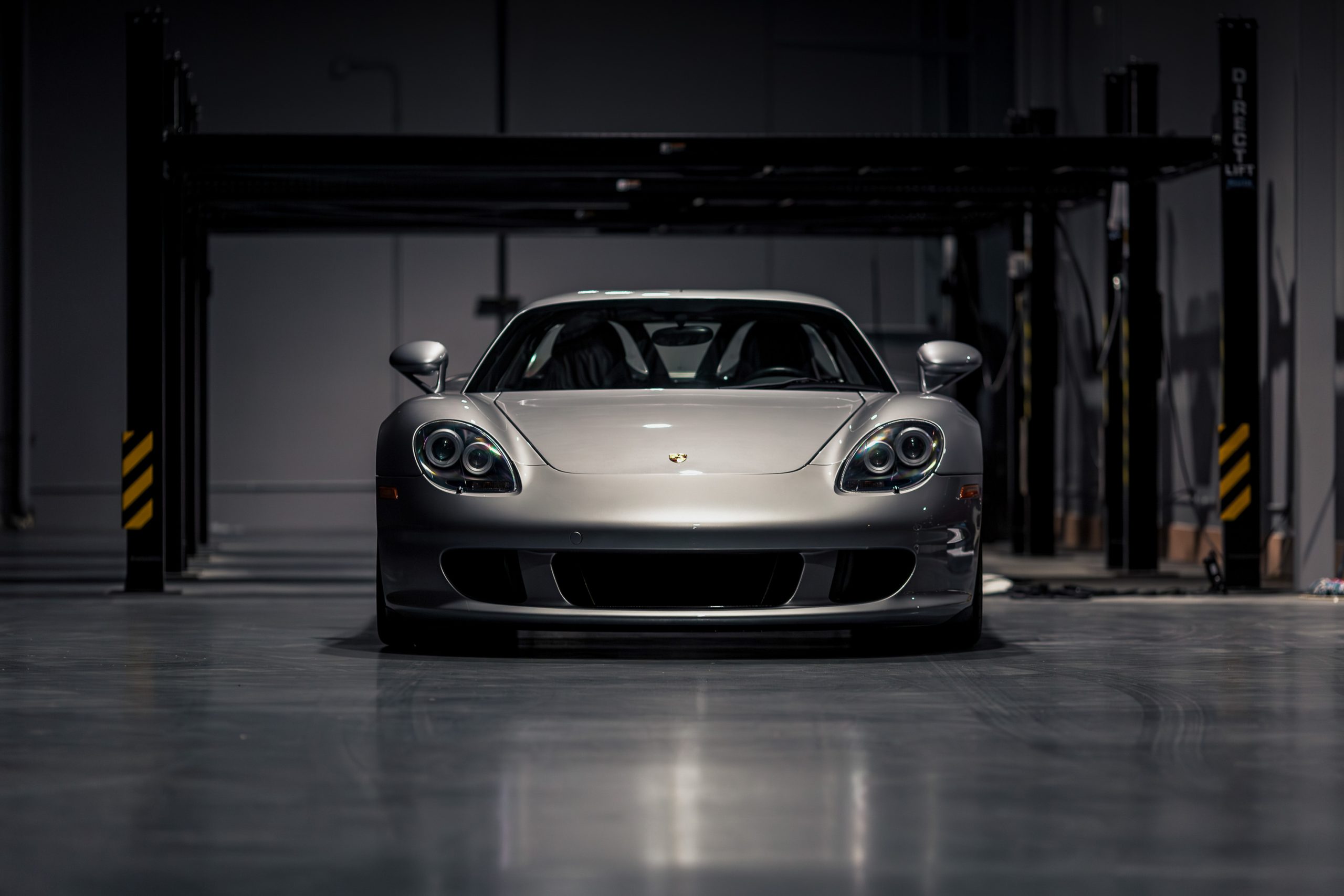

Porsche Boxster Buyer's Guide
Buying a Boxster? Our Guide Covers Key Generations, Models, Potential Issues, Values, Tips & More.
The Porsche Boxster has long been one of the most approachable and rewarding ways to experience true Porsche sports car ownership. From its mid-engine balance and open-top purity to its everyday usability and engaging driving dynamics, the Boxster consistently delivers a blend of performance and precision that few rivals can match at its price point. Yet with multiple generations, evolving engine technologies, and a wide range of trims and specifications, choosing the right Boxster can quickly become more complex than it first appears.
In this Porsche Boxster Buyer’s Guide, we break down everything you need to know before making your purchase. We start with the fundamentals — what makes the Boxster special, how it compares to the 911 and Cayman, and who it best suits as a sports car. From there, we guide you through each generation, highlighting the key differences in design, performance, reliability, and ownership experience so you can clearly understand what separates an early 986 from a modern 718.
Whether you’re searching for a budget-friendly entry into Porsche ownership, a weekend toy with character, or a modern roadster with serious performance, this guide will help you navigate the buying process with confidence. We’ll cover common pitfalls, ownership costs, market trends, and expert tips to ensure the Boxster you choose delivers not just excitement, but long-term satisfaction.
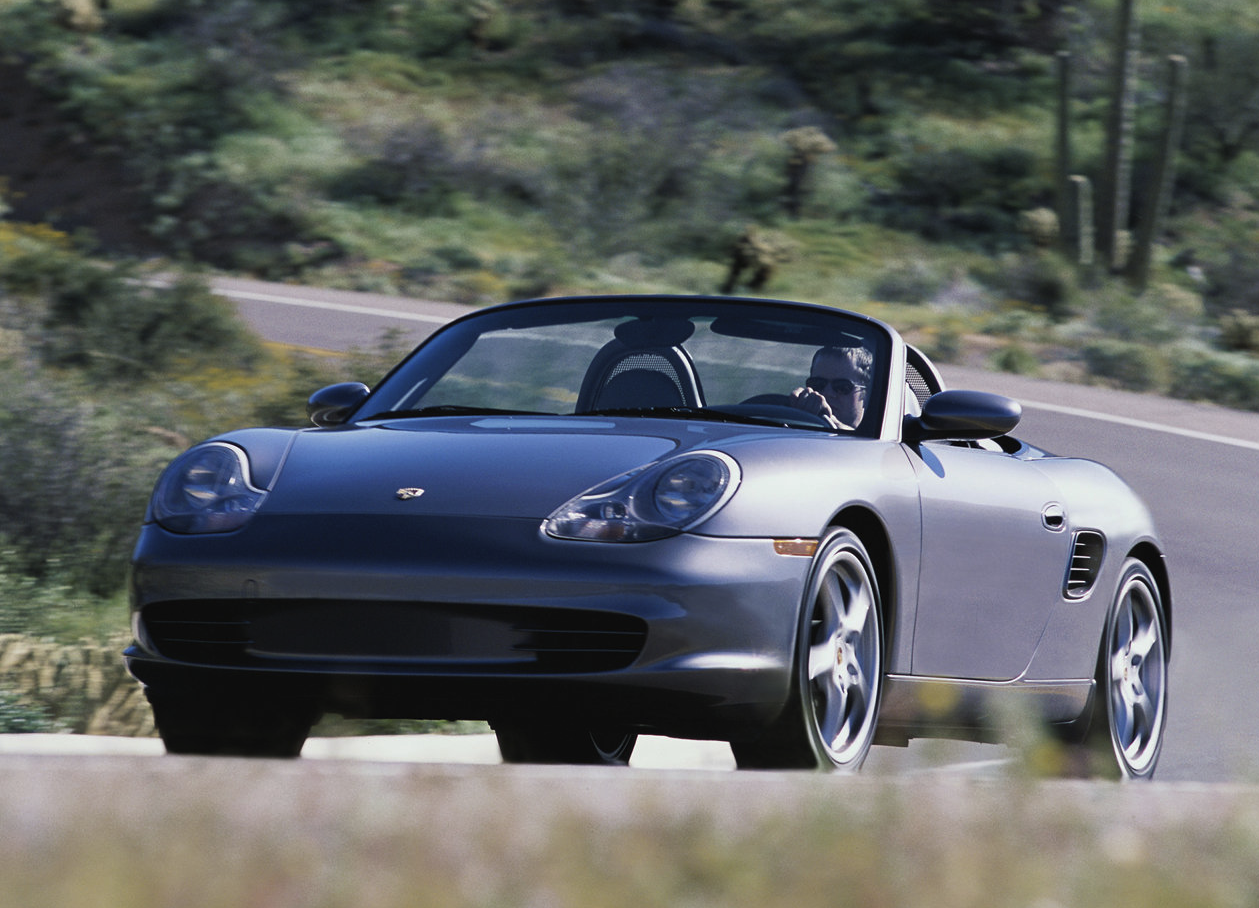
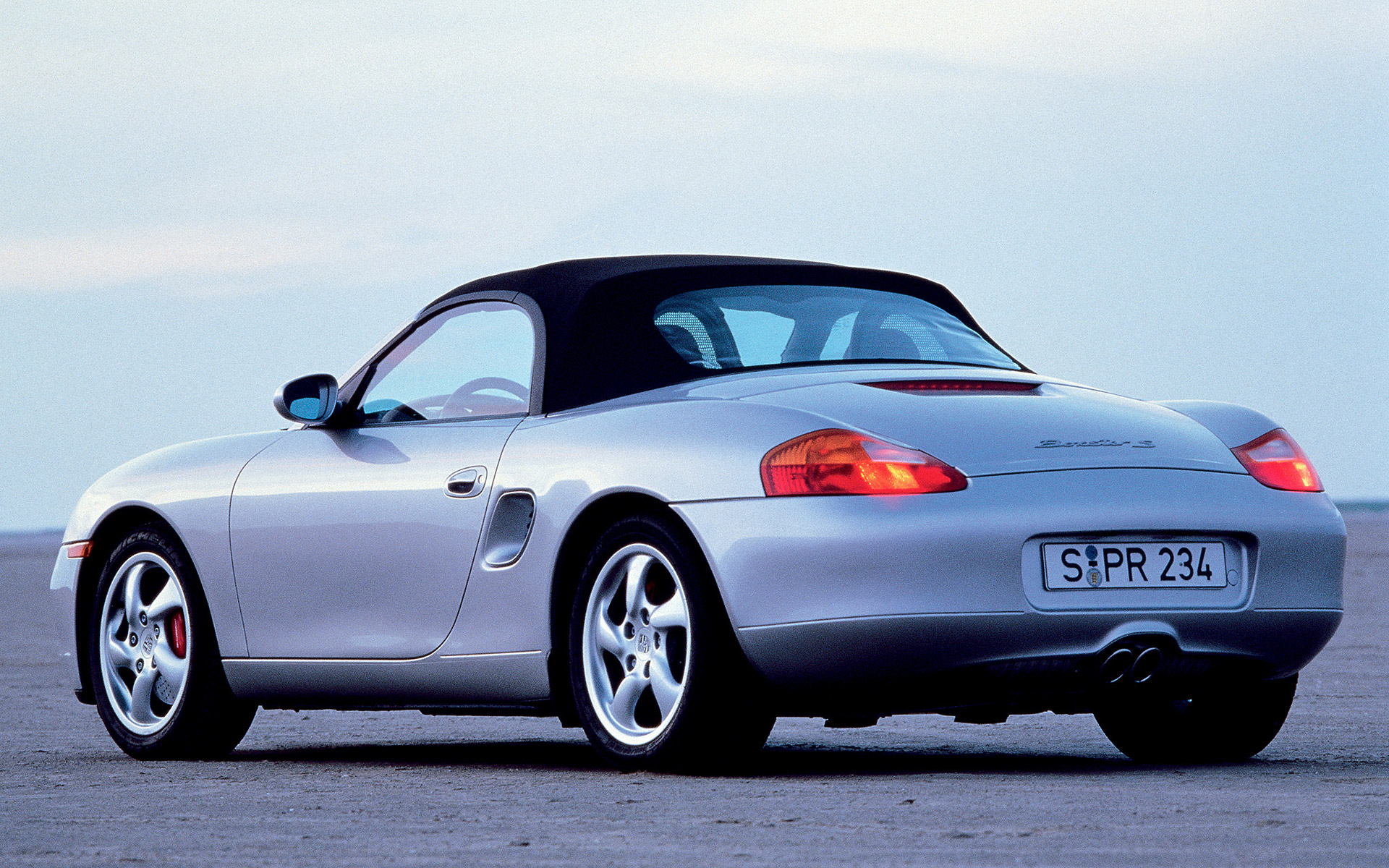
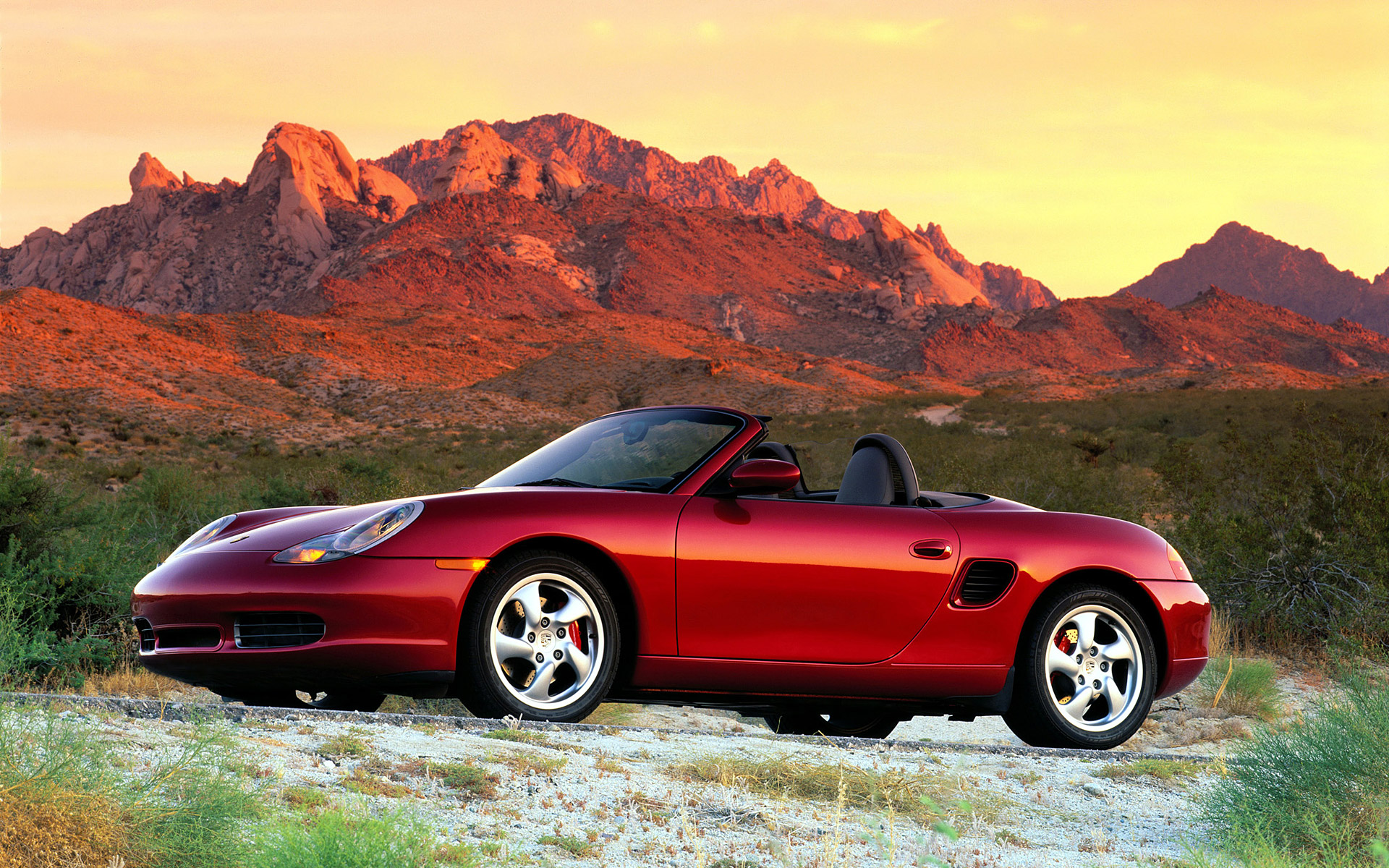
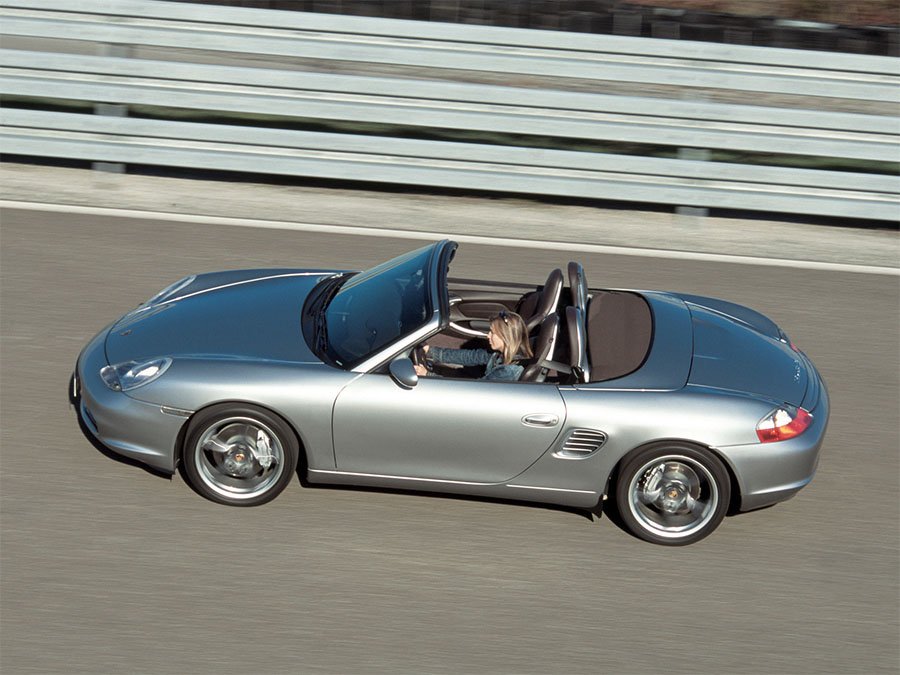
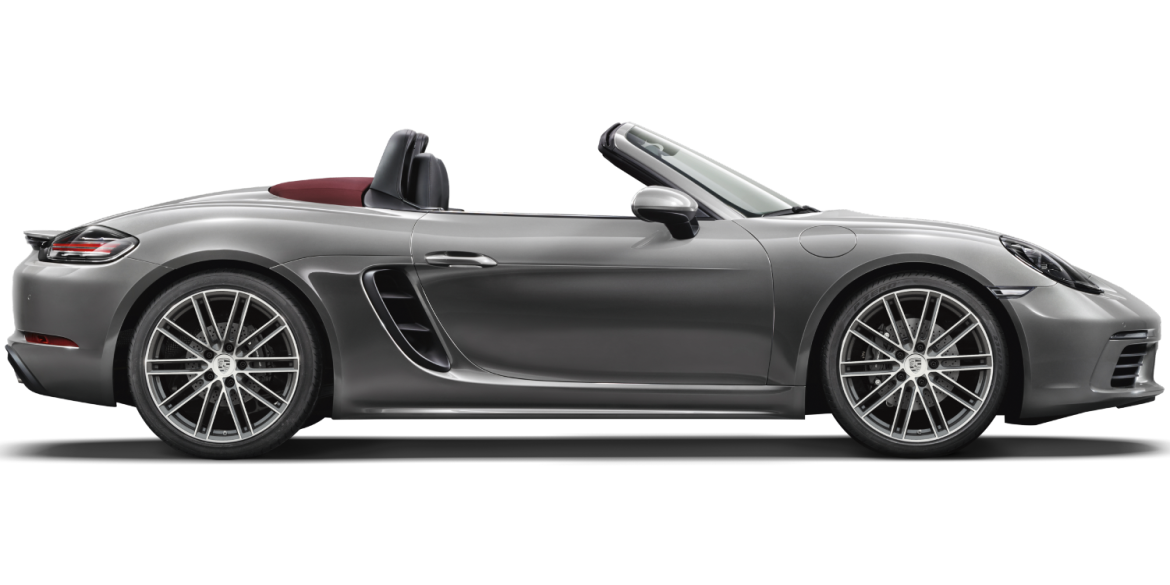
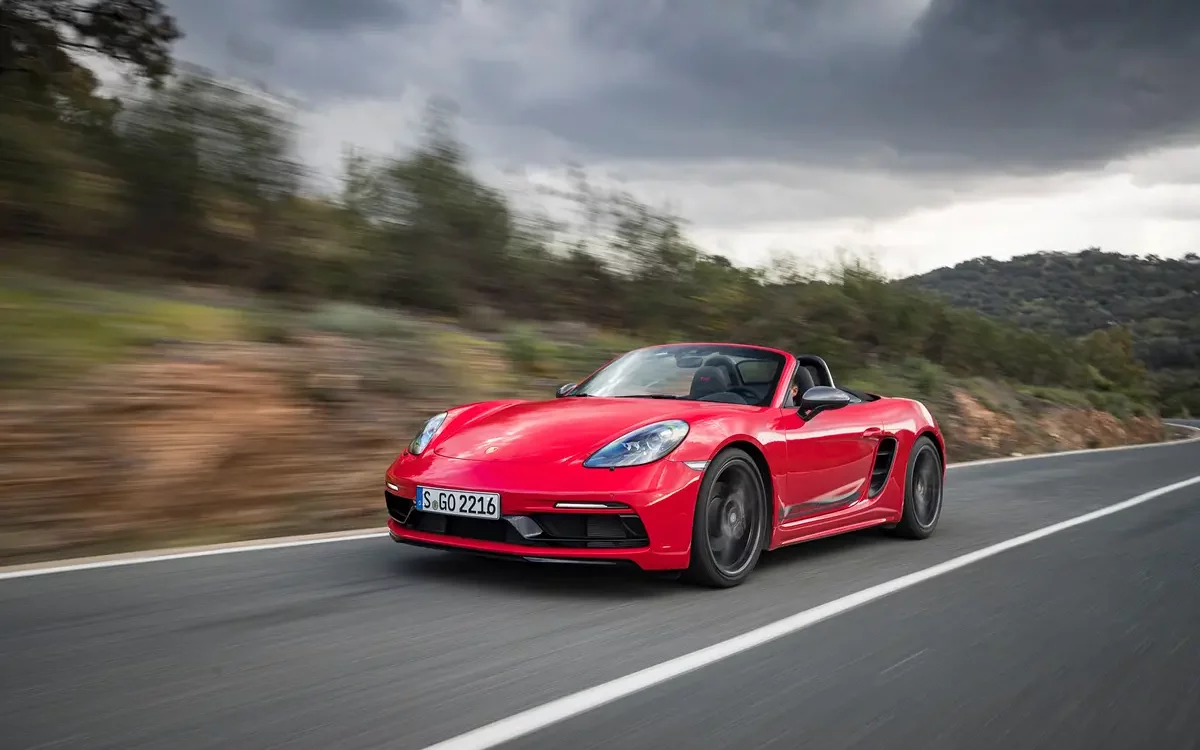
Why the Porsche Boxster Is A Sports Car Buyers Dream Irrespective of Generation
Few sports cars manage to strike the balance between purity, performance, usability, and value quite like the Porsche Boxster. No matter the generation — from the original 986 to the latest 718 models — the Boxster delivers something that feels authentically Porsche. It isn’t simply a “junior 911” or a stepping stone into the brand; it is a deeply rewarding sports car in its own right, engineered around driving pleasure above all else. For buyers who want connection, precision, and real engagement behind the wheel, the Boxster has consistently offered one of the most satisfying experiences in the performance car world.
At the heart of the Boxster’s appeal is its mid-engine layout. This configuration gives it near-perfect weight distribution, exceptional balance, and poise through corners that many far more expensive sports cars struggle to match. The steering feel, chassis communication, and predictable handling characteristics make it confidence-inspiring for casual drivers and deeply rewarding for experienced enthusiasts. Whether cruising a winding back road or carving through a mountain pass, the Boxster feels light on its feet, agile, and extraordinarily composed — a trait that has defined every iteration.
Equally important is its accessibility. Unlike many exotic sports cars, the Boxster blends performance with real-world usability. It is comfortable enough for daily driving, practical enough for weekend trips, and reliable enough to own without constant anxiety. Dual trunks, excellent ergonomics, and solid build quality allow it to handle everyday life while still delivering true sports car thrills when called upon. This duality is what turns many first-time Porsche buyers into lifelong brand loyalists.
Across generations, Porsche has refined rather than diluted the Boxster’s core character. Each version has improved performance, safety, and technology while retaining that essential open-top, driver-focused spirit. From naturally aspirated flat-six engines to modern turbocharged units, the emotional connection remains intact. The Boxster's ability to evolve without losing its soul is precisely what makes it such a perennial favorite.
Ultimately, the Boxster represents one of the most compelling values in sports car ownership. It offers the heritage, engineering excellence, and driving purity of Porsche at a price point that remains attainable when compared to 911s and other high-end rivals. For buyers seeking a car that feels special every time they drive it — regardless of age, spec, or generation — the Porsche Boxster stands as one of the most consistent and satisfying sports car dreams money can buy.
Boxster Generations - A Quick Primer for Potential Buyers
Which Boxster Generation Is Right for You?
The Porsche Boxster has long stood as a benchmark for balanced, driver-focused performance—offering a pure mid-engine experience that rivals far more expensive sports cars. In this comprehensive guide, we break down every generation of the Boxster, from the groundbreaking 986 that debuted in the late 1990s to the latest 718 Boxster variants, including the GTS 4.0, Spyder, and track-ready Spyder RS. We trace the evolution of the platform, covering technical advancements, design changes, and how each iteration has redefined expectations in its segment.
Porsche Boxster 986
The first-generation Porsche Boxster
Porsche Boxster 986 Summary
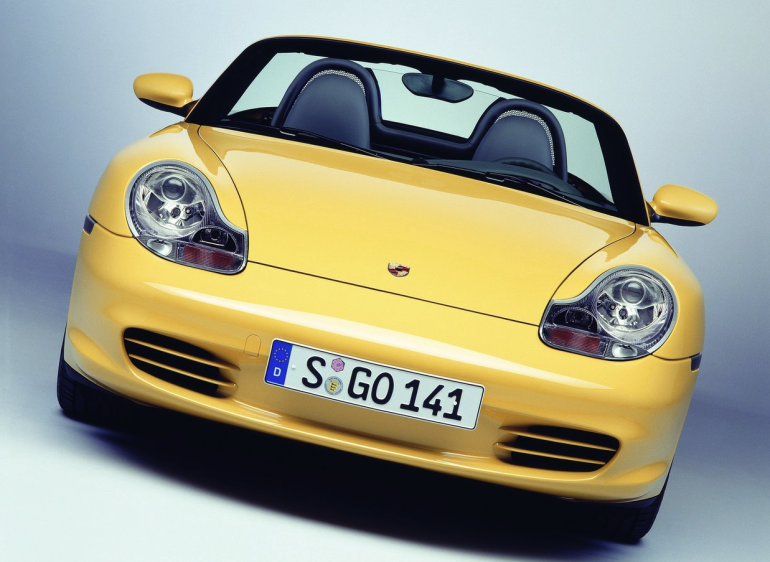
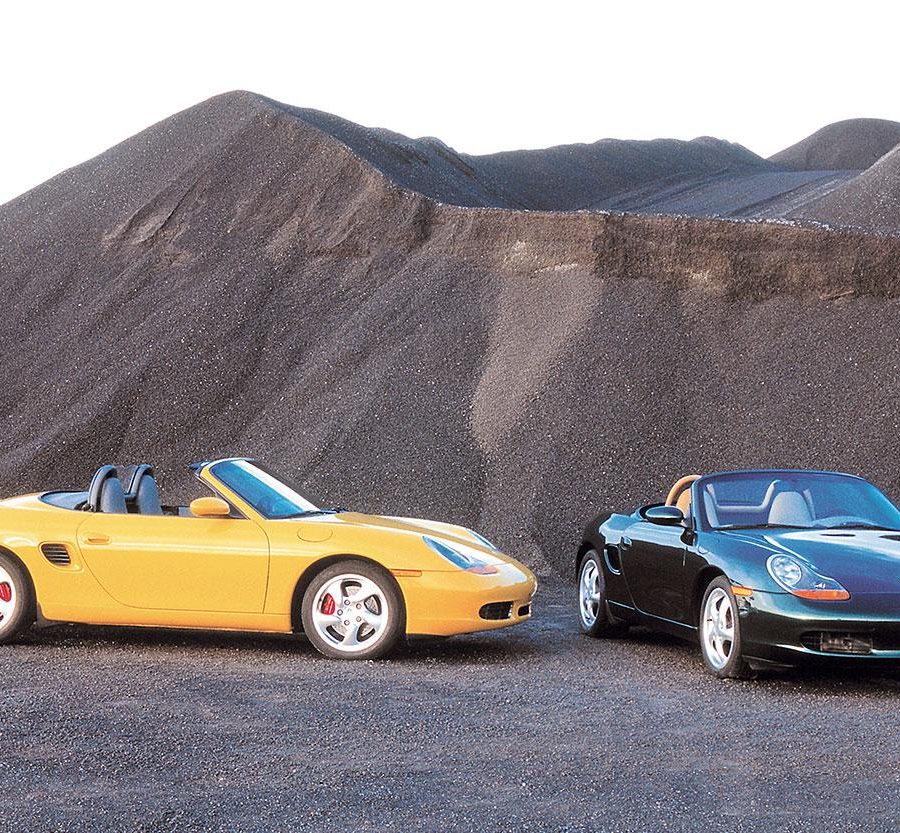
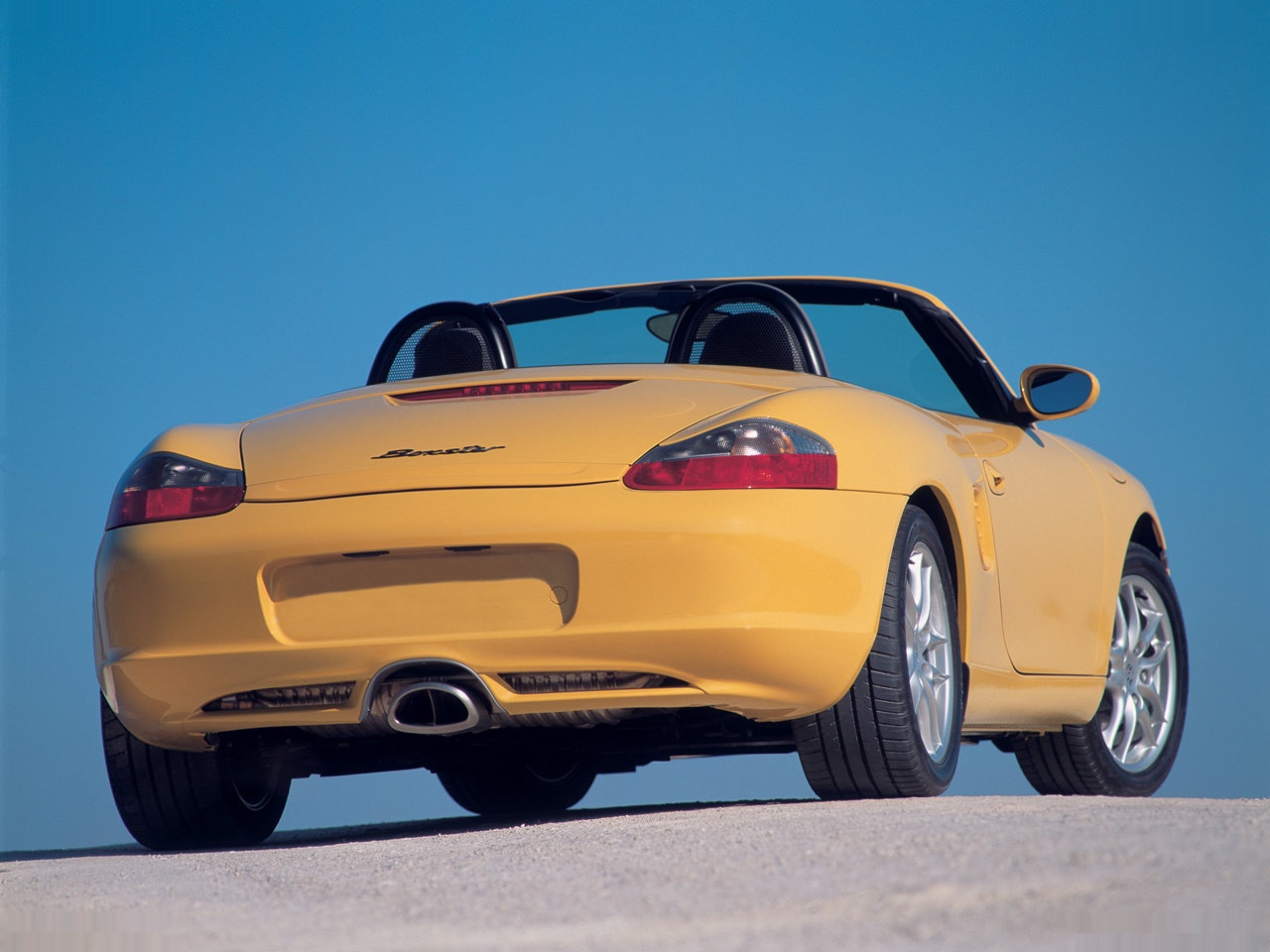
The Porsche Boxster 986 (1996–2004) marked Porsche’s bold return to affordable, driver-focused sports cars and played a critical role in stabilizing the brand during the late 1990s. As Porsche’s first true mid-engine roadster, it delivered exceptional balance, sharp handling, and a level of driving purity that immediately set it apart from rivals. Powered by naturally aspirated flat-six engines and wrapped in a clean, purposeful design, the 986 quickly earned a reputation as one of the most engaging sports cars of its era — not just for the money, but outright.
Despite early criticism for its shared headlights with the 996-generation 911, the 986 has aged into a respected modern classic. Its lightweight feel, mechanical steering feedback, and intimate connection to the road make it especially appealing to purists who value engagement over outright speed. Today, it represents one of the most attainable ways into authentic Porsche ownership, offering genuine sports car thrills at a relatively approachable price point.
Pros
Outstanding handling balance thanks to mid-engine layout
Pure, engaging driving experience with excellent steering feel
Strong value for money as an entry-level Porsche
Naturally aspirated flat-six soundtrack and character
Surprisingly practical with front and rear trunks
Cons
IMS bearing concerns on early models if not addressed
Interior quality feels dated compared to newer generations
Tiptronic automatic lacks engagement
Early styling (fried-egg headlights) divides opinion
Requires disciplined maintenance for reliability
Perfect For
The Boxster 986 is perfect for buyers seeking an affordable, authentic Porsche driving experience that prioritizes balance, involvement, and classic sports car feel over luxury or cutting-edge technology.
Porsche Boxster 987
The second-generation Porsche Boxster
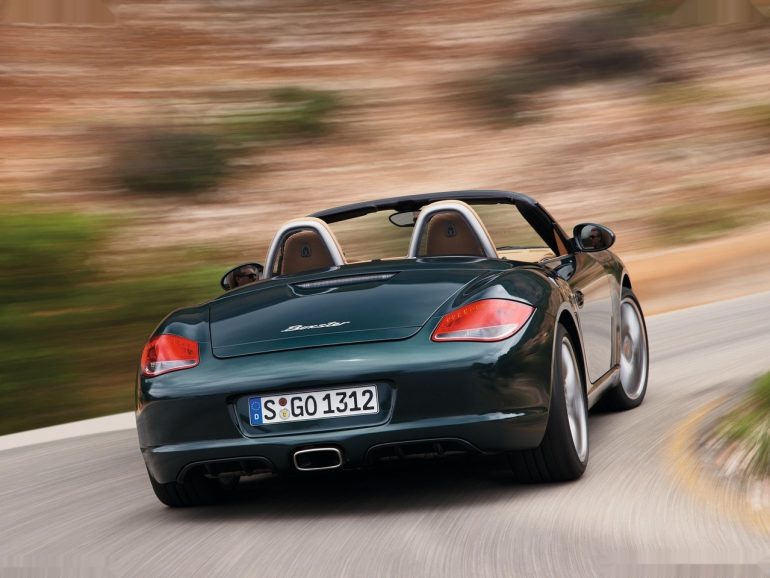
Porsche Boxster 987 Summary
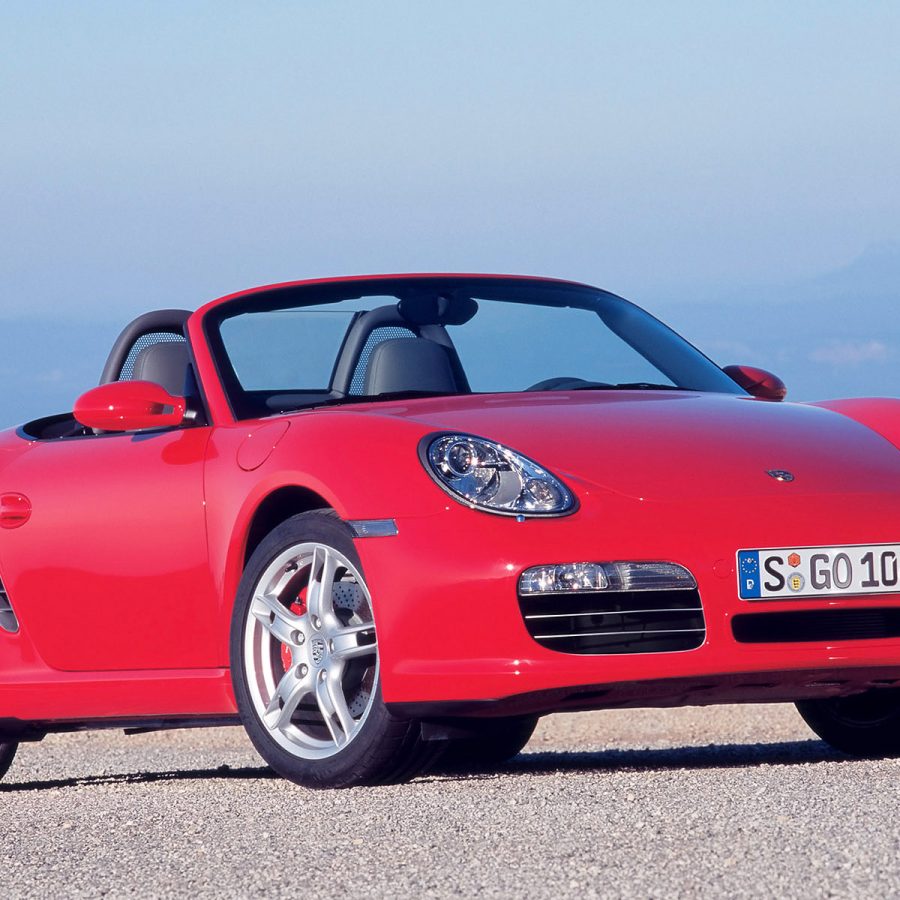
The Porsche Boxster 987 (2005–2012) represents a significant evolution over the original 986, offering more refined styling, improved interior quality, and a noticeably more polished driving experience while retaining the mid-engine magic that made the Boxster so engaging. With more powerful naturally aspirated flat-six engines, sharper chassis tuning, and a more cohesive design both inside and out, the 987 successfully bridged the gap between raw sports car excitement and everyday usability. It feels more “grown up” than the 986 yet still delivers the tactile feedback and balanced handling that enthusiasts crave.
In 2009, the facelifted 987.2 became even more desirable thanks to the introduction of Porsche’s PDK dual-clutch transmission, upgraded electronics, and the elimination of the IMS bearing concerns that affected earlier models. This made the later 987 variants especially appealing from a reliability standpoint, combining classic Porsche character with modern drivability. As a result, the 987 generation is often seen as one of the best value propositions in the Porsche world today.
Pros
Improved refinement and interior quality over the 986
Excellent steering feel and chassis balance
Naturally aspirated flat-six engines with strong character
PDK transmission on 987.2 delivers modern performance
Great mix of performance and daily usability
Cons
Early 987.1 models still prone to IMS-related concerns
Technology and infotainment now feel dated
Tiptronic gearbox on pre-facelift models is uninspiring
Rising values reduce entry-level affordability
Optional equipment varies widely by car
Perfect For
The Boxster 987 is perfect for buyers who want a well-rounded Porsche roadster that blends classic driving involvement with improved refinement and long-term usability compared to the original Boxster.
Porsche Boxster 981
The third-generation Porsche Boxster
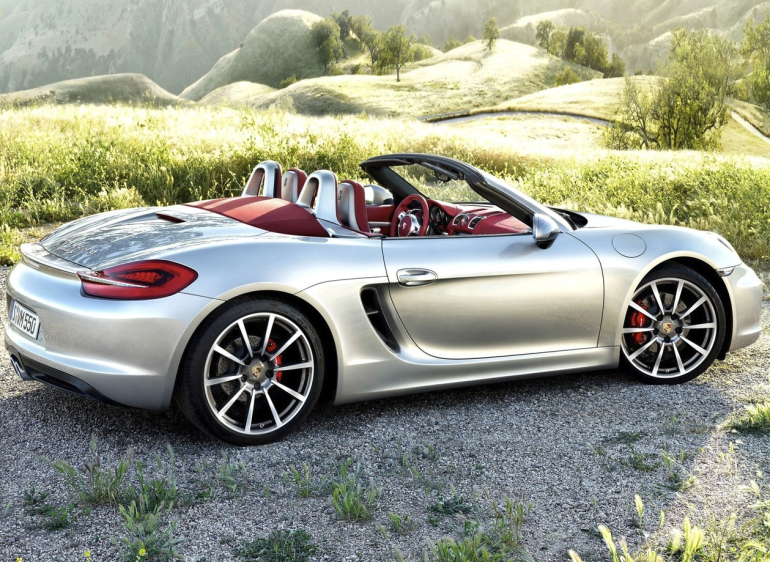
Porsche Boxster 981 Summary
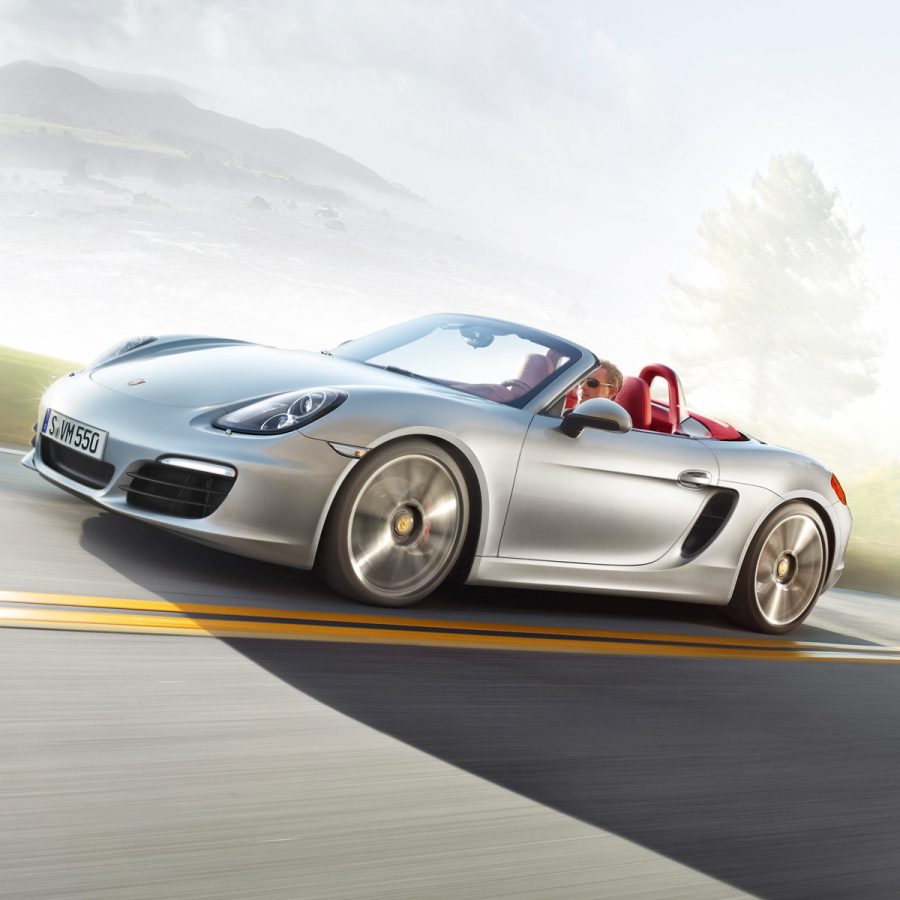
The Porsche Boxster 981 (2012–2016) is widely regarded as the sweet spot between classic Porsche character and modern refinement. With its sharper, more sculpted styling, significantly upgraded interior, and beautifully balanced mid-engine chassis, the 981 elevated the Boxster from “great sports car” to genuinely premium performance machine. Most notably, it retained a naturally aspirated flat-six engine — a feature that gives it a sound and throttle response many enthusiasts now consider a high point in Boxster history.
Behind the wheel, the 981 feels more composed, rigid, and confidence-inspiring than its predecessors, while still maintaining outstanding steering feel and playful balance. The ride quality is excellent for both weekend and daily use, and steering precision remains one of its defining strengths. With its blend of purity, performance, usability, and modern build quality, the 981 has increasingly become a sought-after modern classic in the Boxster lineup.
Pros
Naturally aspirated flat-six engines with iconic sound
Exceptional handling balance and steering precision
High-quality interior and modern design
Better reliability and build quality than earlier generations
Strong enthusiast and collector appeal
Cons
Higher purchase prices as demand rises
PDK can feel clinical compared to manual for purists
Infotainment system now feels dated
Less raw than earlier 986 models
Limited rear-seat practicality (though expected in a roadster)
Perfect For
The Boxster 981 is perfect for buyers seeking the ultimate blend of modern usability and classic Porsche flat-six character in a beautifully balanced and highly engaging roadster.
Porsche 718 Boxster 982
The fourth-generation Porsche Boxster
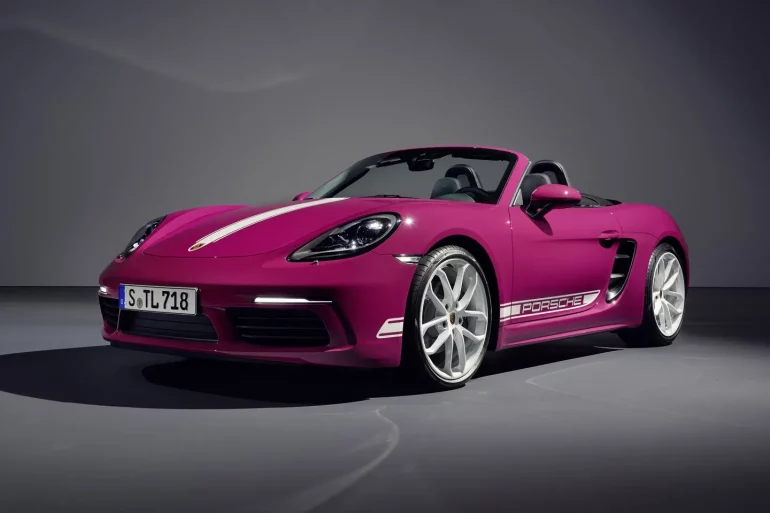
Porsche 718 Boxster (982) Summary
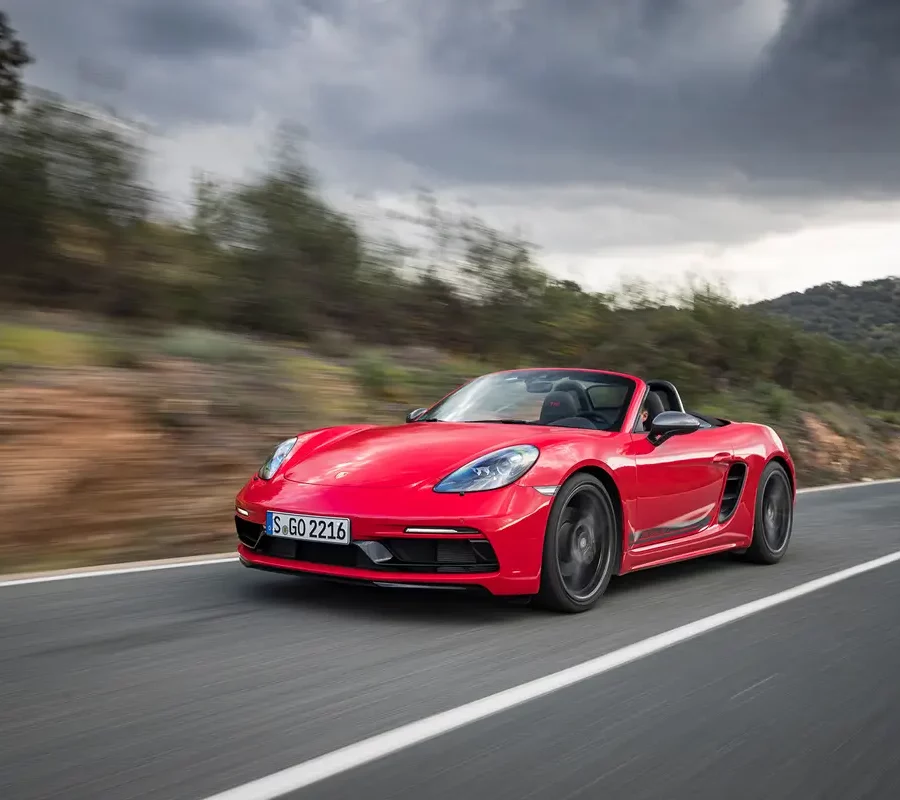
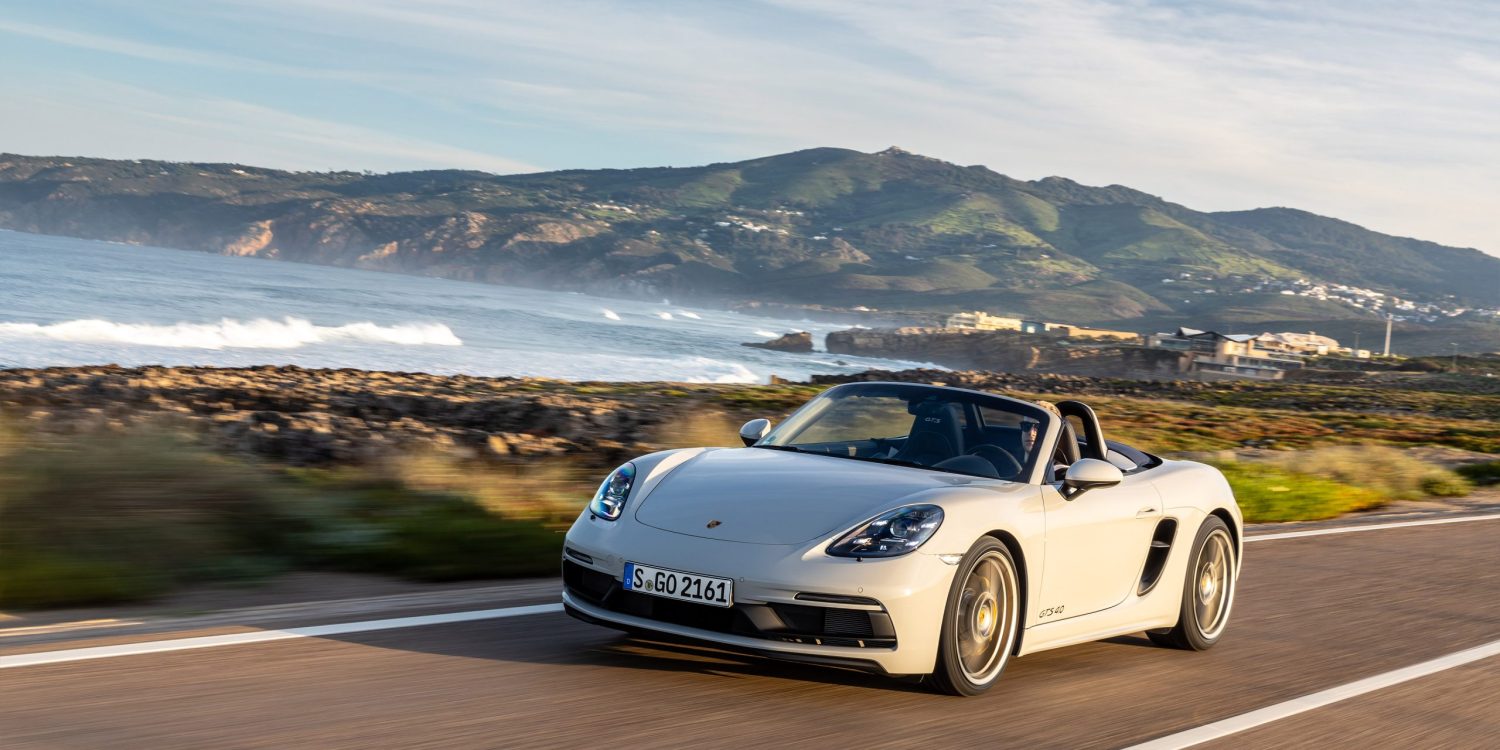
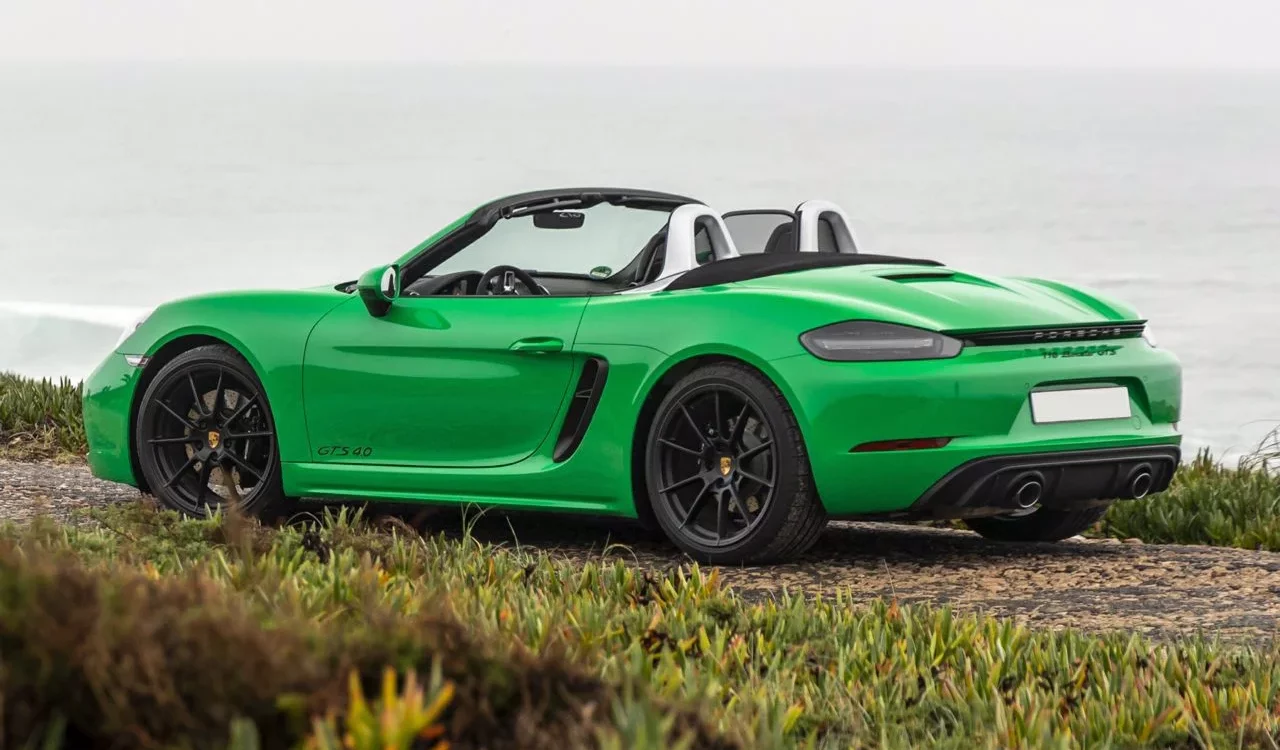
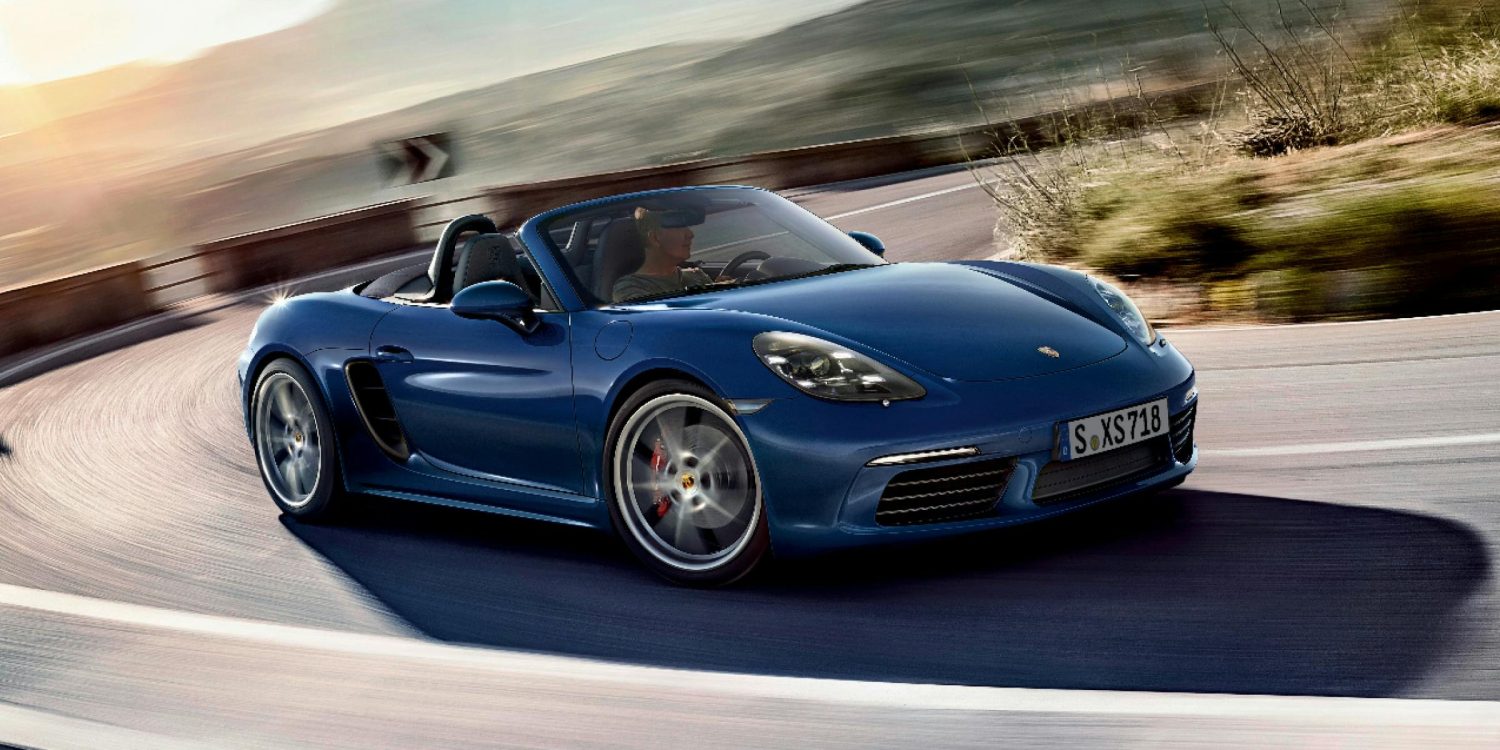
The Porsche 718 Boxster (982), introduced in 2016, represents the most modern and technologically advanced evolution of the Boxster yet. It brought a major shift in philosophy, replacing the traditional naturally aspirated flat-six with turbocharged four-cylinder engines (and later reintroducing flat-sixes in GTS 4.0 and Spyder models). This change delivered significantly improved torque, faster acceleration, and greater efficiency, making the 718 more capable and responsive in everyday driving. Combined with a stiffer chassis, sharper suspension tuning, and cutting-edge infotainment, the 982 feels like a precision instrument — surgically accurate and highly refined.
On the road, the 718 Boxster is incredibly agile, confidence-inspiring, and dynamically brilliant. Steering remains exceptional, the chassis balance is outstanding, and the car feels planted and composed even when pushed hard. While some purists lament the loss of the traditional flat-six soundtrack (in standard models), the overall performance leap is undeniable, and the later 4.0-litre variants restore both sound and emotional drama in spectacular fashion. The 982 strikes a clear balance between daily usability and serious performance capability, making it one of the most complete sports roadsters available today.
Pros
Outstanding handling precision and chassis balance
Strong low-end torque and acceleration
Modern technology and interior refinement
Excellent daily usability and ride comfort
Flat-six return in GTS 4.0 and Spyder variants for purists
Cons
Four-cylinder sound lacks the classic Porsche character
Less “romantic” driving experience than 981 for some
Higher purchase prices compared to earlier generations
Heavier feel than older Boxsters
Options can be expensive and complex
Perfect For
The 718 Boxster (982) is perfect for buyers who want a modern, highly capable Porsche roadster with sharp performance, everyday comfort, and the latest technology — and for those who appreciate precision as much as emotional character.
How to Use Our Boxster Buyers Guides
Our Porsche Boxster Buyer’s Guides are designed to be more than just a collection of facts — they are a complete decision-making roadmap for anyone serious about purchasing the right Boxster. The first step is to use these guides as a research foundation. Spend time learning how each generation differs in terms of design, engineering, driving feel, and ownership experience. No two Boxsters feel exactly the same, and understanding these subtle but important differences will help you determine which generation best aligns with your expectations, whether that’s classic purity, modern performance, or everyday usability.
Once you’ve identified the generation that resonates most with you, the guides shift from exploration to precision. This is where you narrow the field further by understanding the specific variants, trims, and configurations available within that generation. We break down which models deliver the best balance of performance and value, which versions are most sought-after, and which lesser-known variants may represent hidden gems. This stage is crucial for clarifying not just what you want, but what you should be aiming for to achieve long-term satisfaction.
From there, our guides help you focus on specification and features. You’ll learn which options genuinely enhance the ownership experience and future desirability, and which add little real value. Whether you’re considering gearbox choice, suspension upgrades, wheel designs, interior trims, or performance packages, this step ensures you build a clear “ideal spec” checklist before you even start serious shopping.
Finally, once you’ve identified a specific car, our guides become your due diligence toolkit. We provide insights into what to look for when inspecting a Boxster, how to spot warning signs, what questions to ask sellers, how to interpret service history, and how to evaluate whether a car is priced fairly within the current market. This ensures you’re not just choosing the right model, but securing the right example of that model.
In short, think of our Boxster Buyer’s Guides as a structured journey: research the generations, define the right variant, refine your ideal specification, and validate each individual car with confidence. When used properly, they transform the buying process from guesswork into an informed, strategic decision — helping you find a Boxster that delivers enjoyment, value, and long-term peace of mind.
In-Depth Porsche Boxster Buyer's Guides
Looking to go deeper before choosing your ideal Boxster? This section connects you to our complete library of in-depth Porsche Boxster Buyer’s Guides, broken down by generation to help you make the most informed decision possible. Each guide explores what makes that specific era unique — from driving character and performance changes to ownership costs, common issues, market values, and expert buying advice.
Buying A Porsche Boxster FAQs
Here are all the questions we've received from readers considering a Boxster for their driveway
Which Porsche Boxster generation is the best to buy?
There is no single “best” Porsche Boxster generation to buy — the right choice depends entirely on what you value most as a driver and owner. Each generation offers a distinct personality and ownership profile, which is why the Boxster has remained so enduringly popular. Rather than chasing one universally “best” model, the smartest approach is to match the generation to your priorities: driving feel, reliability, technology, budget, or long-term desirability.
If you are seeking the most affordable entry into true Porsche sports car ownership and care most about raw, mechanical driving enjoyment, the 986 generation is the ideal starting point. It delivers classic mid-engine balance, excellent steering feel, and an old-school sports car character at highly approachable prices. It suits buyers who prioritize driving purity and don’t mind a simpler interior or dated technology, provided they commit to diligent maintenance.
For those wanting a more refined experience without sacrificing the emotional connection, the 987 generation is often seen as the best value sweet spot. It offers improved build quality, sharper styling, stronger engines, and in 987.2 form, greater mechanical peace of mind thanks to improved engine architecture. This generation is perfect for drivers who want a Boxster that feels modern enough for daily use, yet still retains classic Porsche character.
If you want what many consider the ultimate expression of the traditional Boxster formula, the 981 generation is frequently the top choice (and our pick here at Stuttcars.com). With its naturally aspirated flat-six engine, exceptional steering, premium interior, and beautifully balanced chassis, it blends modern usability with the iconic Porsche sound and feel that enthusiasts adore. Meanwhile, buyers who prioritize cutting-edge performance, strong torque, efficiency, and the latest technology may gravitate toward the 718 (982), especially in GTS 4.0 or Spyder form for maximum emotional appeal.
In short, the best Boxster generation is the one that aligns with your expectations: 986 for affordability and purity, 987 for value and balance, 981 for classic perfection, and 718 for modern performance and technology. The good news is that there is no wrong choice — only a more informed one.
Is a used Porsche Boxster reliable and is it a good daily driver?
100%, a used Porsche Boxster can be a reliable car and an awesome daily driver — but you need understand the model’s quirks, and commit to proper maintenance. Boxsters have a long history of delivering excellent driving balance, strong build quality, and real-world usability, which makes them a compelling option for everyday use — albeit with some caveats.
For many Boxster generations (particularly 987.2 onwards, 981, and 718), reliability is reasonably good compared to older or more exotic sports cars. One independent review platform rated a 2013 Boxster as “above average” among luxury compact cars in terms of repair frequency and cost. Similarly, owners frequently report years of trouble-free use if routine maintenance and common wear items (fluids, brakes, tires) are addressed. As one owner described it: “The Boxster isn’t the fastest car you can get … but I’ve had zero issues and every drive still makes me smile.”
That said, owning a Boxster is not as simple as running a commuter sedan. Maintenance and repair costs tend to be higher than average (especially if you get maintenance at a Porsche service center). Wear items — brakes, tires, suspension components, roof seals, cooling and oil systems — must be checked and maintained diligently. Earlier generations (986 and early 987) carry extra risk around known issues such as engine block casting defects and intermediate shaft (IMS) bearing concerns.
Driving a Boxster daily brings some obvious trade-offs. It’s smaller than a typical sedan, storage is limited, and hard winters or salty roads are less than ideal. Convertible tops — and their drainage/roof-mechanism maintenance — demand additional care visible only with careful inspection. Still, many owners of 981-generation cars (and later) confidently drive them as primary transport. The car’s excellent mid-engine balance, tight handling, and engaging reflexes make daily errands, highway commuting, and weekend drives equally satisfying.
A Boxster can be a reliable and rewarding daily driver — sometimes even a “weekend weapon + weekday commuter” — but that depends heavily on which one you buy and how well it's been maintained. For buyers willing to invest the diligence and care that a true performance car requires, the Boxster continues to offer one of the most emotionally satisfying and characterful daily-drive experiences in its class.
Is the Porsche Boxster expensive to maintain?
The short answer is: yes — owning a used Boxster can be more expensive than a typical commuter car, but it isn’t automatically prohibitively costly. Much depends on the generation you buy, how well it's been maintained, and how you plan to use it. Viewed correctly, a Boxster can deliver decades of driving enjoyment with maintenance costs that are quite manageable — especially relative to the performance and driving satisfaction it offers.
Because the Boxster is a high-performance, mid-engined sports car, several factors tend to push maintenance costs higher than average. You have specialized parts and fluids: High-quality synthetic oil, premium brake pads/rotors, and performance tires contribute to elevated upkeep. Wear & tear on performance components: Brakes, tires, suspension bushings, and other wear items need more frequent attention than in a family sedan — especially if the car is driven aggressively or regularly on twisty roads. Convertible-top, cooling system, and age-related upkeep: For older Boxsters, convertible-roof mechanisms, cooling system components (hoses, coolant reservoirs, water pumps), and seals can require maintenance or replacement over time. Potential engine issues on early generations: Early Boxsters (especially first-generation and early second-generation) used engines that carried certain well-known failure risks — issues like IMS bearing failures or bore scoring on M96/M97 engines are documented.
Because of these realities, Boxster owners should expect a higher baseline of maintenance compared to standard cars. But the numbers show that, with proper upkeep and a well-chosen generation, it's far from unmanageable.
How Generation Choice Affects Maintenance Risk
Early-generation Boxsters (986 & 987.1) require greater vigilance. Known weak spots include the intermediate-shaft (IMS) bearing (on some engines) and cooling-system/engine-internal issues. If these are addressed, and maintenance is up-to-date, ownership becomes far more predictable — but the risk remains higher.
Mid- to late-generation Boxsters (987.2, 981, and even 718 in many cases) tend to be more reliable overall. Engines and mechanical components benefited from refinements and problem mitigation over time. If the car has a documented maintenance history, these generations offer a robust balance of performance, usability, and manageable servicing costs.
Used cars with full service history and recent maintenance are key. Regardless of generation, the difference between a meticulously maintained Boxster and a neglected one often explains a 2× — sometimes 5× — difference in long-term cost and reliability experience.
Final Thought — Expensive Compared to a Civic, But Reasonable Compared to What You Get
Yes, a used Porsche Boxster is more expensive to maintain than a typical sedan — but relative to the performance, balance, craftsmanship, and driving experience, it remains one of the most cost-effective ways to own a serious sports car. For buyers who understand the maintenance demands and make informed, careful purchase decisions, a Boxster can strike an excellent balance of thrill, practicality, and long-term satisfaction.
Which Boxster generation and variants hold their value best?
If you’re thinking about buying a used Porsche Boxster and care about long-term value retention (or simply want a car that won’t immediately lose much money), your best bets tend to cluster around certain generations and variants. Market data and enthusiast sentiment consistently point to a few clear “sweet spots” — plus a few caveats. Here’s how things break down.
Strong Value Holders: 981 (2012-2016) — Especially S / GTS / Spyder
Many consider the 981 generation the “sweet spot” in the Boxster lineage: refined, modern enough, mechanically robust — but still faithfully mid-engine and flat-six. Among 981s, the S, GTS, and Spyder variants are especially prized. These models combine desirable performance, strong factory specification, and flat-six engine character — all qualities enthusiast buyers look for. Market signals support this: 981-generation cars tend to retain value better than many earlier or later Boxsters. For example, one forum post notes 981 S prices holding in a range that remains healthy compared to newer 718-series cars. For many buyers, a 981 Boxster S or GTS represents the best balance of price, performance, reliability, and value retention — often delivering a “modern classic” feel without the maintenance and risk associated with the oldest cars.
“Under-the-Radar” Value: 987.2 & Well-Preserved 986 / Early 987
For budget-conscious buyers, well-maintained 987.2 Boxsters (with DFI engines and improved components) offer a compelling balance of reliability, performance, and value. They often trend below the prices of newer models but still deliver genuine Porsche driving character. Likewise, certain 986 and early 987 cars have surprisingly stable pricing when matched with good maintenance history — partly because the Boxster tends to depreciate more slowly than many sports cars overall. One recent market analysis noted only minor depreciation for base 986 and 987 models over a 12-month period.
These cars won’t offer the refinement or specs of newer models, but if you are willing to be selective — verifying maintenance records, checking for known issues (e.g. IMS on early engines), and ensuring sensible use — you can get strong value for money and keep your downside relatively low.
More Risky Value Performers: 718 Generation (982, 2016–Present) base / mid models
The modern Porsche 718 Boxster — especially base or mid-spec versions — has had a mixed reception. While the chassis, handling refinements, and performance are strong, many enthusiasts remain lukewarm about the turbo flat-four engines and how they compare emotionally to the earlier flat-six cars.
Recent depreciation data supports this skepticism. For instance, one 2022 718 Boxster saw a drop of ~36% in value over the following three years, which is substantial compared to the more stable depreciation curves of older-generation Boxsters.
That said, more desirable 718 variants — especially the late-production “flat-six return” models like GTS 4.0 or Spyder, or well-spec’d higher trims — may outperform base 718s in value retention. Nonetheless, as a general cohort, 718 base and S models are viewed as less secure value plays than 981s or well-kept 987s.
What This Means for Buyers — Smart Purchasing Strategy
If you prioritize long-term value + driving experience + manageable cost, aim first for a 981 Boxster (S, GTS, or Spyder). It strikes an excellent balance between modern convenience and the classic Boxster formula. On a budget, a 987.2 or well-sorted 986/early 987 can still deliver strong value — but only if you're selective and diligent about history and condition. Be cautious with base 718 Boxsters, especially if you’re motivated by value retention rather than latest-generation convenience — depreciation may hit harder here. As always: prioritize low-mileage, full-service-history, good specification, and documented maintenance. These factors matter at least as much as generation in determining how well a Boxster will hold value.
Should I avoid early Boxsters because of IMS issues?
You don’t necessarily need to avoid early Porsche Boxsters solely because of IMS (Intermediate Shaft) issues — but you do need to approach them with knowledge and caution. The IMS bearing concern primarily affects earlier 986 and 987.1 models, and while failures can be severe, they are not universally guaranteed. Many cars have already had preventative upgrades, improved bearings installed, or have proven reliable through long-term ownership. When properly addressed, the IMS risk becomes far more manageable, and these early Boxsters can be rewarding, affordable, and enjoyable sports cars.
That said, ignoring the IMS issue is unwise. If you’re considering an early Boxster, it’s essential to verify whether the IMS bearing has been upgraded or replaced, and to factor the cost of doing so into your ownership plan if it has not. Buyers seeking maximum peace of mind with minimal mechanical risk may find later models (987.2, 981, or 718) more suitable, as these generations no longer suffer from IMS-related concerns. Ultimately, early Boxsters aren’t cars to avoid — they’re cars to approach intelligently, with proper inspection, documentation, and an informed maintenance strategy.
Is the Boxster slow compared to a 911? Lots of people say its not a real Porsche, so help me think about it.
The idea that the Porsche Boxster is “slow” or “not a real Porsche” is one of the most persistent myths in the car world — and one of the most misunderstood. In reality, the Boxster was engineered as a true Porsche sports car from day one, designed around performance, balance, and driver engagement rather than simply hierarchy within the lineup. While it’s true that most 911 variants are faster in straight-line acceleration and outright top speed, that difference tells only a small part of the story.
On the road where most people actually drive, the Boxster’s mid-engine layout gives it near-perfect balance, exceptional composure, and confidence-inspiring handling that can make it feel just as quick — if not quicker — than many 911s in real-world conditions. In tight corners and flowing backroads, the Boxster’s agility and neutrality often allow drivers to extract more performance more easily. Many seasoned drivers will tell you that a well-driven Boxster can keep pace with — and sometimes outshine — more powerful 911s when driven enthusiastically.
The “not a real Porsche” narrative usually stems from brand hierarchy rather than substance. Porsche designed the Boxster to embody core Porsche principles: precision steering, mechanical integrity, motorsport-derived handling, and emotional connection. It carries Porsche DNA in its chassis tuning, braking feel, engine character, and overall driving philosophy. In fact, some purists argue that the Boxster’s balanced layout represents a more technically ideal sports car than the traditional rear-engine 911.
So is the Boxster slower than a 911? On paper, yes — in many trims. In terms of driving purity, enjoyment, and connection? Often, no. If your definition of performance is pure lap time or top speed, the 911 takes the crown. But if your definition of a great sports car is balance, involvement, and the ability to make every drive genuinely thrilling, the Boxster absolutely earns its place as a true Porsche — and in many ways, one of the most honest driver’s cars the brand has ever produced.
What mileage is too high for a Porsche Boxster?
What matters far more than mileage is how the car has been maintained, driven, and cared for. A well-looked-after Boxster with 100,000–120,000 miles and a comprehensive service history can be a far safer, more enjoyable purchase than a neglected car showing half that mileage. These are precision-engineered sports cars, and when serviced correctly, many Boxsters comfortably exceed 150,000 miles while still delivering strong performance and reliability.
That said, mileage does affect risk, cost, and future value. Once a Boxster moves beyond roughly 80,000–100,000 miles, buyers should expect that major wear components — suspension bushings, shocks, clutch, brakes, cooling system parts, and potentially convertible roof mechanisms — may need attention if they haven’t already been refreshed. This doesn’t make the car a bad buy, but it does mean the purchase price should reflect the likelihood of higher near-term maintenance.
The generation also plays a role. Higher-mileage 986 and early 987 models require more caution due to age-related wear and known engine concerns (like IMS issues on certain examples). Later models such as the 987.2, 981, and 718 tend to manage mileage better thanks to improved engineering, materials, and reliability, making them more comfortable high-mileage buys when properly serviced.
Ultimately, the best question isn’t “How many miles is too many?” but rather: Has this Boxster been loved, maintained, and documented? A high-mileage car with consistent servicing, clean mechanical health, and thoughtful ownership is often a smarter decision than a low-mileage car with gaps in its history. Mileage should guide your inspection — not automatically disqualify a great car.
Is the Porsche Boxster a good first Porsche?
Absolutely yes. The Porsche Boxster is widely considered one of the best first Porsches you can own. It offers a compelling blend of performance, usability, and brand heritage at a much more accessible entry point than a 911, while still delivering the driving dynamics and build quality many expect from a Porsche. For buyers stepping into the brand for the first time, the Boxster tends to hit an ideal balance: spirited but manageable, lively but sensible.
Here’s why the Boxster works so well as a first Porsche:
Balanced performance with user-friendly behavior. The mid-engine layout gives the Boxster excellent balance, responsive steering, and neutral handling that’s forgiving for newer Porsche owners but still exciting when you push it. It doesn’t demand the same level of skill or respect that a high-strung 911 or GT car might.
Relative affordability. Compared to 911s, Boxsters tend to cost significantly less to purchase and insure. That affordability lowers the barrier to entry, while still getting you behind the wheel of a sports car with real pedigree and driving engagement.
Practical enough for everyday use. With a front trunk and modest rear storage, comfortable seats, and generally reasonable maintenance needs, many Boxster owners use their cars regularly — for commuting, weekend drives, or long trips. It’s versatile enough to suit a wide range of driving habits.
Strong community, support, and parts availability. Boxsters are common enough that parts, specialist mechanics, and documentation are broadly accessible. That lowers long-term ownership risk and means help and resources are available for common maintenance and upkeep.
All that said — owning a Boxster, like any performance car, requires a bit more attention than a standard commuter car. Maintenance, consumables, and wear items are more frequent, and earlier models come with some known issues (e.g. IMS-bearing concerns in early generations). As a first Porsche, the key is to buy wisely: choose a well-maintained example with good service history, and budget for routine upkeep.
Is now a good time to buy a Porsche Boxster?
This is a Porsche obsessed team so the answer is always going to be yes, now is always a good time to buy a Porsche (of any kind). In saying that, the truth is it really depends on what you’re looking for. If you're looking to make an investment decision, its hard to time the market. If you're looking to buy a car thats fun and you're going to enjoy, then there are great value Porsche Boxsters around and you should start looking.
Over recent years, many of the most popular variants (particularly later-generation models and well-specced cars) have seen their values stabilize or even increase, while weaker or higher-mileage examples remain relatively affordable. This creates a strong entry point for buyers with reasonable budgets, especially for second- or third-generation models. Because Porsche Boxsters were widely produced, there remains a healthy supply of cars — giving buyers a better chance to find well-maintained examples with good records. In that sense, the market feels more balanced than overly inflated, which is rare in the sports-car world.
From a technical and ownership perspective, modern maintenance, parts availability, and community knowledge also argue in favour of buying now. Many of the common reliability issues—once endemic to early Boxsters—are well-documented, and preventative upgrades are widely known and executed. That means a diligent buyer can avoid many of the historical pitfalls, even with older cars. For newer generations, the benefits of updated engines, improved build quality, and better rust- and corrosion-management make long-term ownership far more manageable than in decades past.
Where caution is advisable is in chasing rare or special-specification cars — their values are already rising and may continue to climb, which means premiums can be steep. Likewise, high-mileage or poorly documented cars are always higher risk. If you’re in the market now, the smartest move is to be selective: aim for well-maintained, documented examples with desirable spec, and use professional inspection and due diligence before committing.
Which Boxster model is best for weekend driving fun?
Absolutely. The Boxster is often considered one of the best entry points into Porsche ownership due to its balanced performance, manageable costs, and forgiving nature for enthusiastic newcomers.
What’s the best Boxster for the money?
Good question — if you’re buying a Porsche Boxster and want the most fun for weekend driving, some models really stand out across generations. What’s “best” depends a bit on what you define as “fun” (raw connection, open-top feel, speed, balance, reliability, etc.). Below are the Boxster variants that tend to deliver especially well for spirited weekend driving, and why they shine.
Boxster Models That Shine for Weekend Fun
Porsche Boxster 981 Spyder
If you want the most visceral, analog, and driver-oriented experience a Boxster can offer, the 981 Spyder often ranks at the top. This variant strips away many modern comforts to emphasize lightness, balance, and pure driving feel: manual soft-top, minimal interior weight, and a high-revving flat-six. Many enthusiasts consider it “the most fun” Boxster to drive — raw, responsive, nimble, and deeply engaging. The Spyder’s chassis is tighter, the steering more direct, and the car more agile overall than most other Boxsters. While it sacrifices some convenience (manual top, simpler cabin), this trade-off rewards you with one of the most classic roadster experiences anywhere near its price point. For weekends, back-roads, and spirited drives, the 981 Spyder remains a perennial enthusiast favorite.
Porsche Boxster 981 GTS
For those who want a blend of comfort, usability, and extra punch — without diving into the minimalism of the Spyder — the 981 GTS stands out as a “best of both worlds” choice. With an upgraded flat-six, sharper suspension tuning (often paired with sport packages), and extra character over the base Boxster or S, the GTS delivers strong performance while still being comfortable enough for short trips or weekend errands. It’s often a sweet spot for buyers who appreciate driving dynamics but don’t want to sacrifice every comfort. On a fast, twisty road, the GTS feels eager and composed, and yet remains usable day-to-day when needed. For many, it’s the best compromise between intensity and practicality — ideal for weekend fun that doesn’t demand detaching from reality completely.
Porsche Boxster 987 Spyder / Well-Set Up 987.2
If you prefer a lighter, simpler car that still carries classic Boxster character, the 987 Spyder — or a well-maintained 987.2 — remains a compelling budget-friendly option. The 987 generation is more analog than later models, giving a sense of connection and “rawness” that appeals to purists. Many Boxster fans see these cars as the closest in spirit to what the original Boxster was all about: accessible mid-engine fun with fewer compromises. For weekend drives, a good 987 (especially with manual transmission and proper suspension setup) can still deliver impressive enjoyment. If your budget is limited but you want genuine roadster character and steering feel, this generation represents perhaps the best value-to-fun ratio in Boxster history.
A Few Trade-offs to Consider
Even the “best” Boxster roadsters demand a bit of acceptance regarding trade-offs: lighter models often mean fewer comfort features, simpler interiors, and potentially more maintenance-focused ownership. Manual tops, firmer ride comfort, and less insulation than modern cars are part of the package. If you want a comfortable GT for long highway cruises or daily commuting, some of the more extreme weekend-focused variants might feel too raw. Additionally, because these models attract enthusiastic driving, they may come with higher wear — so due diligence, good service history, and careful inspection are essential.
What’s the best Boxster ever made? The GOAT, No-Compromises King
If money is no object and the question is simply, “What is the best Boxster ever made?” — the answer is clear: the Porsche 718 Spyder RS. This isn’t just the ultimate Boxster; it is the most extreme, focused, emotionally intoxicating interpretation of the Boxster concept Porsche has ever created. In true GOAT fashion, it represents the absolute ceiling of what the platform can achieve.
The 718 Spyder RS is powered by the same 4.0-litre naturally aspirated flat-six found in the 911 GT3, an engine revered as one of the greatest modern performance engines ever built. It revs to 9,000 rpm, delivers razor-sharp throttle response, and produces a soundtrack that feels more Le Mans prototype than roadster. Combined with an ultra-lightweight body, minimalist interior, aggressive aero, and motorsport-derived chassis tuning, the Spyder RS is not designed to compromise — it exists to thrill, dominate, and redefine what a road-going Porsche convertible can be.
Where previous Spyders were already brilliant, the RS goes further in every way. Weight reduction is extreme, materials are motorsport-grade, and every input — steering, brake, throttle — feels surgically precise. The car doesn’t ask you to drive it; it demands your full involvement. It is as engaging as modern sports cars get, offering a visceral open-air experience that turns every drive into an event. You don’t merely enjoy the Spyder RS — you perform with it.
Emotionally and technically, the Spyder RS transcends the Boxster label entirely. It is no longer the “accessible Porsche roadster” — it is a road-legal race car for those who crave absolute purity with the sky above their heads. It also holds immense collector significance: ultra-rare, deeply desirable, and destined to be spoken about in the same breath as Porsche’s all-time legends.
If the question is pure, no-limits excellence — the 718 Spyder RS is the definitive answer. Not just the best Boxster ever made, but arguably one of the most intoxicating driver’s cars Porsche has ever produced, period.
Which Boxster model years should I focus on buying?
Here’s how I’d break down which Porsche Boxster model years tend to be “best buys” — meaning they strike the strongest balance of value, reliability, driving enjoyment, and long-term desirability. As always, “best” depends on what you’re looking for (budget, performance, risk tolerance, etc.), but certain years and generations consistently emerge as smart choices.
Top Boxster Generation Years to Target
Third-Generation Porsche Boxster 981 (2012–2016)
Why it's great: The 981 is widely considered the “sweet spot” in Boxster history: well-refined, mechanically solid, and still equipped with that classic naturally aspirated flat-six. Enthusiast and resale demand remains strong.
What to look for: Within the 981, the stronger engine options (S, GTS, and Spyder trims) give the best balance of power, handling, and engagement. A 981 with good history tends to be mechanically reliable — many of the chronic issues plaguing earlier generations were largely resolved by this point.
Best for: Someone who wants a modern-feeling, usable Boxster that still delivers classic Porsche flat-six sound and dynamics — great for weekend drives, spirited back-road runs, or as a modern classic investment.
Verdict: If you want the highest “buy-in quality” for your money — meaning reliability, driving feel, living-with comfort and long-term value — a well-kept 981 (especially S, GTS or Spyder) is arguably the strongest bet in the Boxster lineup today.
Smart Value-Focused Picks: Porsche Boxster 987.2 (2009–2012) + Well-Maintained 986/987 Classics
987.2 (2009–2012): This sub-era of the second generation brought important mechanical improvements — updated engines, more refined drivetrains, and fewer of the early 986/987 issues like IMS-bearing risks. Stuttcars+1 It offers a great blend: classic flat-six feel, relatively affordable pricing compared with 981, and often strong value when properly maintained.
Well-maintained 986 (late years) or early 987: For buyers on a tighter budget but willing to be selective, late 986s (post-2002) and early 987s can still deliver a pure, mid-engine Porsche experience for less money. The key, however, is documentation and history — these cars must have solid maintenance records, and ideally any known weak-points addressed (especially on early 986/987 regarding IMS or engine reliability). CoPilot+1
Best for: Buyer-enthusiasts who appreciate mechanical simplicity, want a budget-conscious entry into Porsche ownership, or are comfortable performing or funding maintenance.
Verdict: If value and affordability matter most — and you understand the risks and maintenance needs — a clean 987.2 (and in some cases a well-sorted 986/987) offers strong bang-for-buck, even if it’s not as polished as the 981.
Where to Be Selective — The 718 / Turbo-Engine Era & Early Boxsters
The newest generation, the Porsche 718 Boxster (2016+), introduces turbocharged engines and modern upgrades. While technically capable, many purists criticize the four-cylinder sound and argue it lacks the emotional character of the flat-six cars. Because of that, 718s tend to hold value more weakly among enthusiast circles, though they are often more usable and lower-maintenance than the earliest Boxsters.
Early 986 and early 987 (especially pre-2004/2005) can have serious risk factors (known weak points, older engines, potential reliability issues), which makes them a gamble unless they’ve been thoroughly documented and maintained — and you’re realistic about future upkeep.
Use caution here: If you choose from these eras, do so only with full knowledge, thorough inspection, and expecting maintenance. For many buyers, they’re best suited as weekend drivers or project cars — not daily commits or long-term value plays.
If I were buying a Boxster today and wanted the most rewarding long-term ownership without excessive maintenance headaches, I’d aim for a well-maintained 981, ideally an S, GTS, or Spyder version. If my budget were tighter or I wanted a raw mid-engine Porsche feel for less money — and I was okay with doing some homework and potentially maintenance — I would consider a clean 987.2. I’d treat early 986/987 as potential bargains or fun side-projects, and approach 718s only if I prioritized modern usability over classic “six-cylinder Porsche soul.”
In short: 981 offers the most consistent overall value, 987.2 delivers strong value per dollar, and 986/early 987 are viable only with caution and clarity.
Which Boxster model years should I avoid
Here are the Porsche Boxster model years and situations I generally recommend you avoid — or at least approach with a high level of caution. These aren’t automatic “don’ts,” but they tend to carry greater risk, higher maintenance burden, or problematic histories compared to other Boxster years.
Boxster Years & Variants That Often Bring Risk
Early 986 (1997–2002) and Early 987 (2005–2006)
These early-boxster years are the ones most frequently associated with legacy mechanical issues — especially relating to the M96/M97 engines (on 986 and 987) — including risks around the intermediate shaft (IMS) bearing, cylinder-wall problems, and oil-system vulnerabilities. If not properly upgraded or maintained, failures can be costly and sudden. Things to watch out for include cars lacking documented IMS bearing upgrades, poor maintenance records, signs of oil leaks, inconsistent or infrequent servicing, and high-mileage use. Without strong history and known maintenance, these early cars remain high-risk compared to later generations.
Low-Spec or High-Mileage Examples with Checkered History
Even within safer generations — like 987.2 or 981 — poorly maintained, high-mileage cars with missing service records, deferred maintenance, or obvious wear (old tires, worn suspension, leaking seals) should be treated with caution. Buying a car just because it’s cheap — but without visible care or documentation — often comes back to bite buyers through unexpected repairs and frequent upkeep. A “deal” on paper can become an expensive headache in real life.
718 (982) Models — Base or Low-Spec Versions (if Flat-Six Nostalgia Matters)
For buyers who value the classic Porsche flat-six soundtrack and analog driving experience, base 718 Boxsters — with their turbocharged four-cylinder engines — can feel like a compromise. Many enthusiasts criticize them for lacking the emotional character of earlier Boxsters. If you care deeply about sound, pedal feel, and traditional Porsche engagement, a base 718 may disappoint — making its cost / benefit ratio less appealing compared to 981s or higher-spec Boxsters.