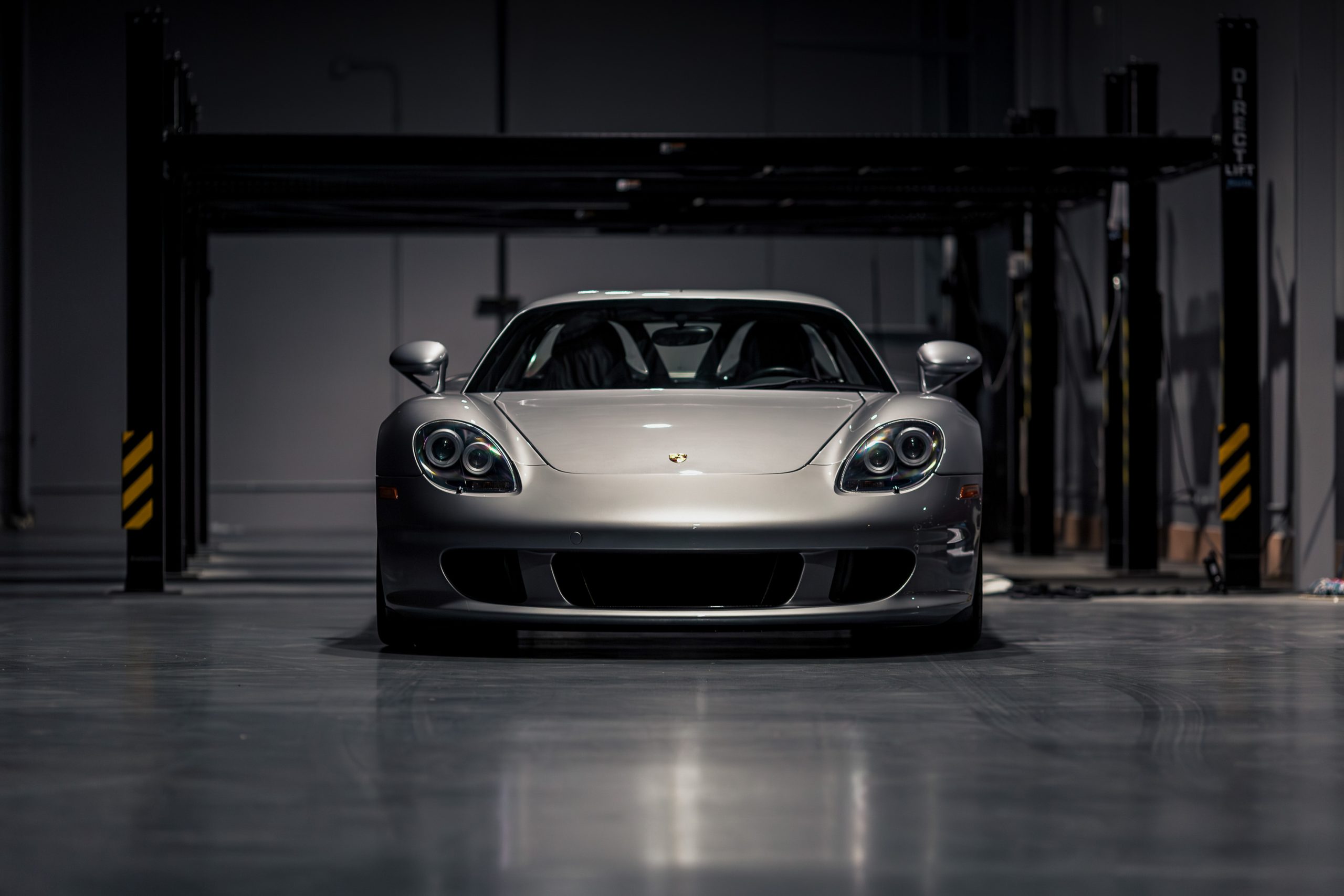


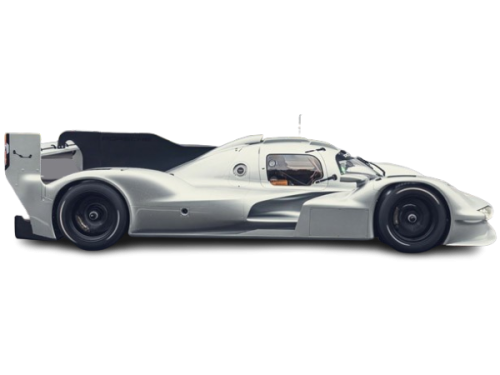
2025 Porsche 963 RSP – Ultimate Guide
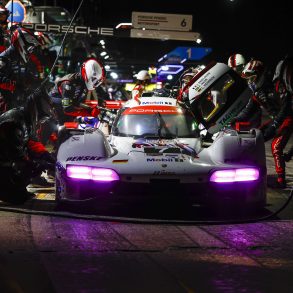
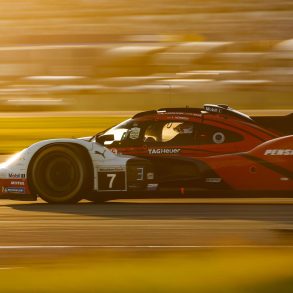
The 2025 Porsche 963 RSP is one of those cars that sounds like a rumor until you see the photos: a full-blown Le Mans prototype with number plates, built as a one-off tribute to Porsche’s racing history and gifted to one of motorsport’s most influential figures, Roger S. Penske. It’s not a concept, not a track special in disguise, but a real Porsche 963 LMDh race car converted for extremely limited road use under special dispensation in France.
Think of it as a modern answer to Count Rossi’s legendary road-going 917. This guide covers the story, tech, specs, reception, reviews, rarity and ownership implications of what is arguably the wildest “road car” Porsche has ever built.
Story: From Le Mans Winner to Road Car for “The Captain”
To understand the 963 RSP, you have to start with the Porsche 963 itself. The 963 is Porsche’s LMDh prototype, built with a Multimatic chassis and hybrid V8 to contest the FIA WEC Hypercar class and IMSA GTP from 2023 onwards. It quickly became a major force in endurance racing, winning titles in WEC and IMSA and racking up endurance wins at Daytona and other blue-riband events.
In late 2024, a small group from Porsche Motorsport, Porsche Penske Motorsport and Porsche Cars North America started discussing how to mark the 50th anniversary of the Count Rossi 917 road car, the famously silver, fully trimmed 917 that Martini heir Count Rossi drove on the street.
They decided to recreate that spirit with the modern 963:
- Keep the car as close as possible to the real LMDh racer.
- Give it a painted Martini Silver finish and a luxurious tan leather interior referencing the 917.
- Make it just road-capable enough for special public-road runs, but not dilute it into a fully homologated hypercar.
The initials “RSP” stand for Roger Searle Penske—the car’s namesake and owner, and the man behind Porsche Penske Motorsport’s factory 963 program.
Porsche built a brand-new 963 chassis for the project instead of re-using a race tub, designed the modifications under Grant Larson (of Porsche’s Special Projects), and carried out much of the work behind temporary walls at Porsche Cars North America’s Atlanta HQ to keep it secret.
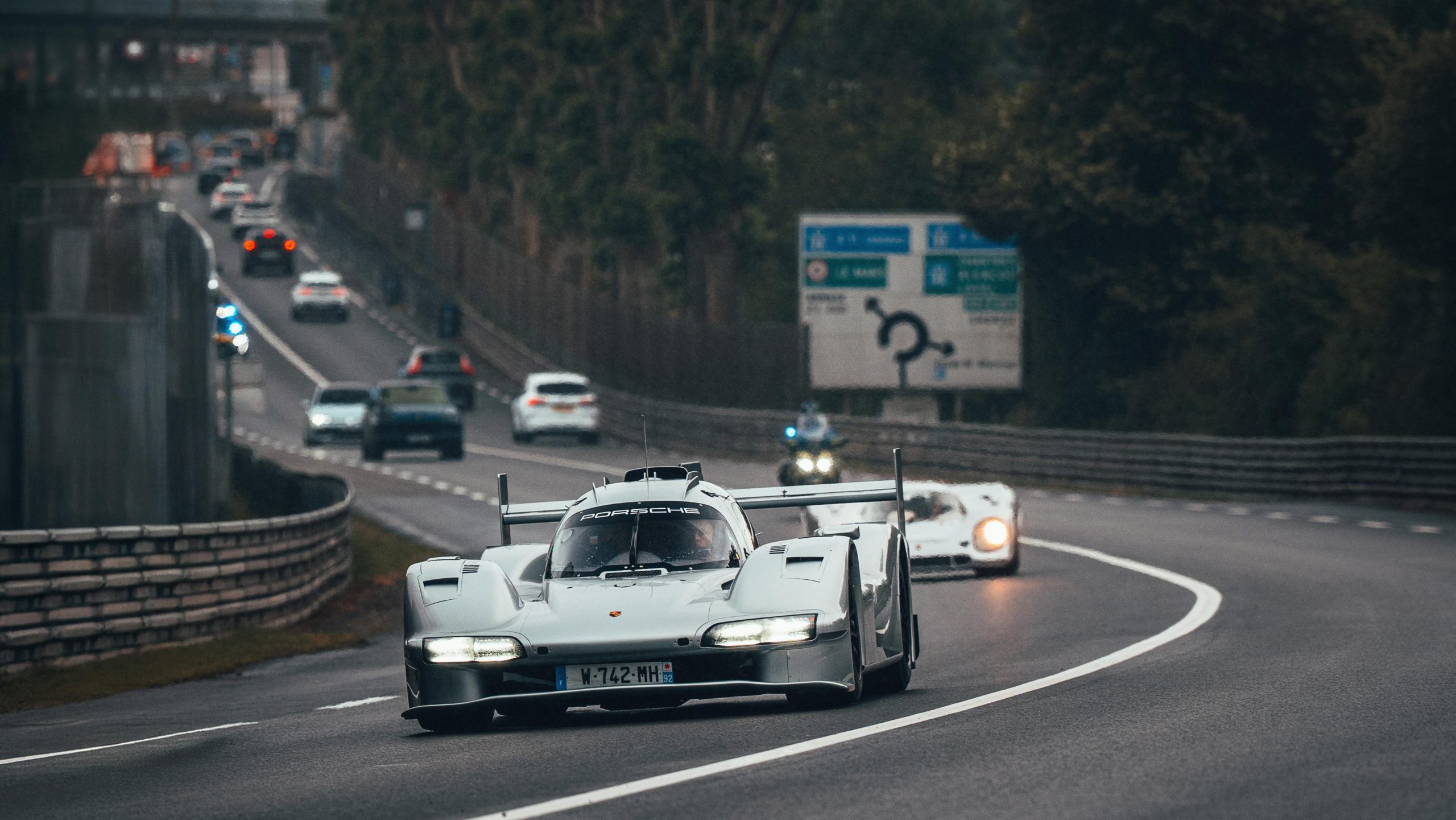
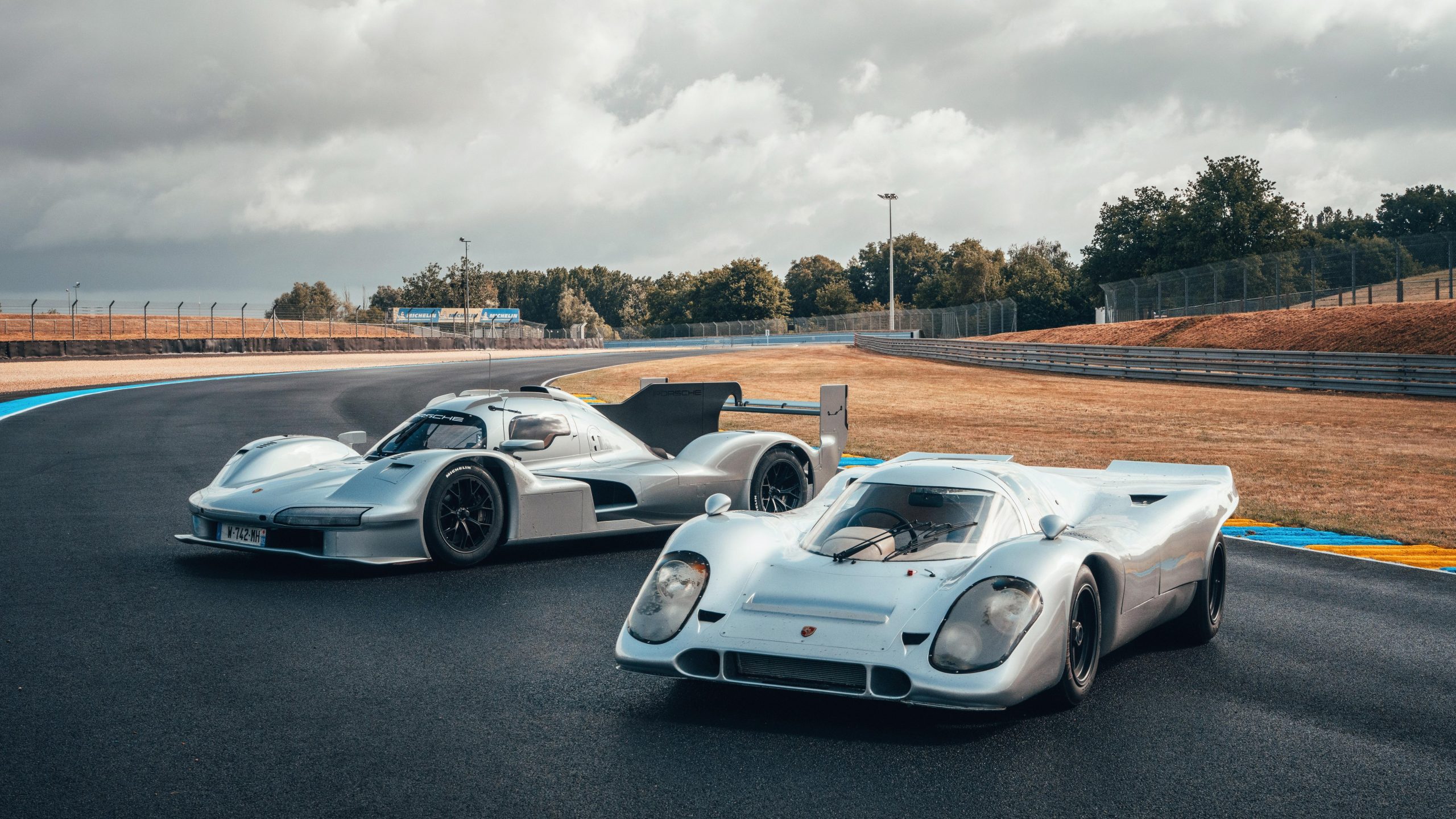
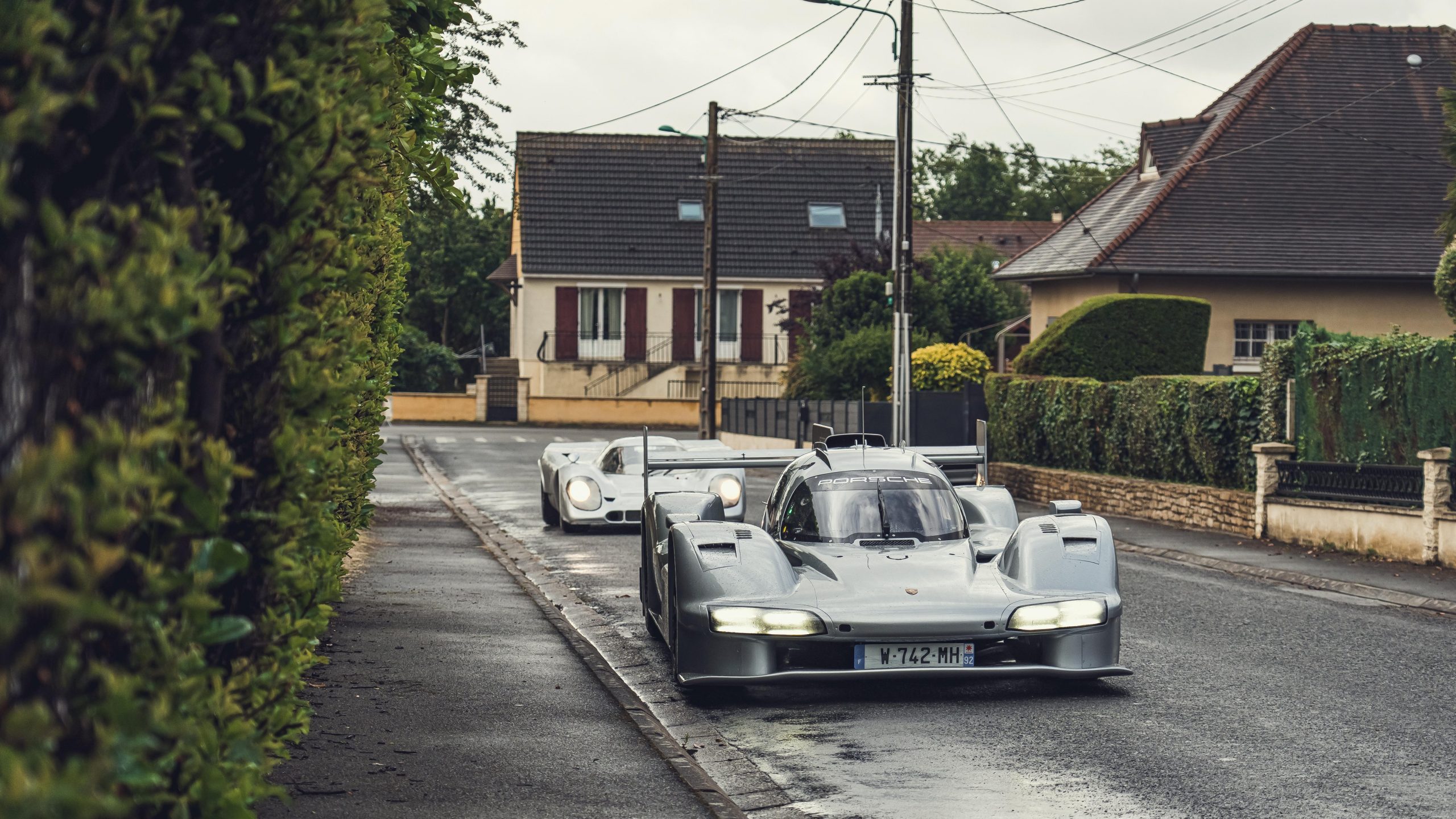
The car was unveiled in June 2025 with a public-road run near Le Mans, driving alongside the original Count Rossi 917, with Timo Bernhard at the wheel of the 963 RSP.
Design & Interior: Le Mans Prototype Meets Sonderwunsch
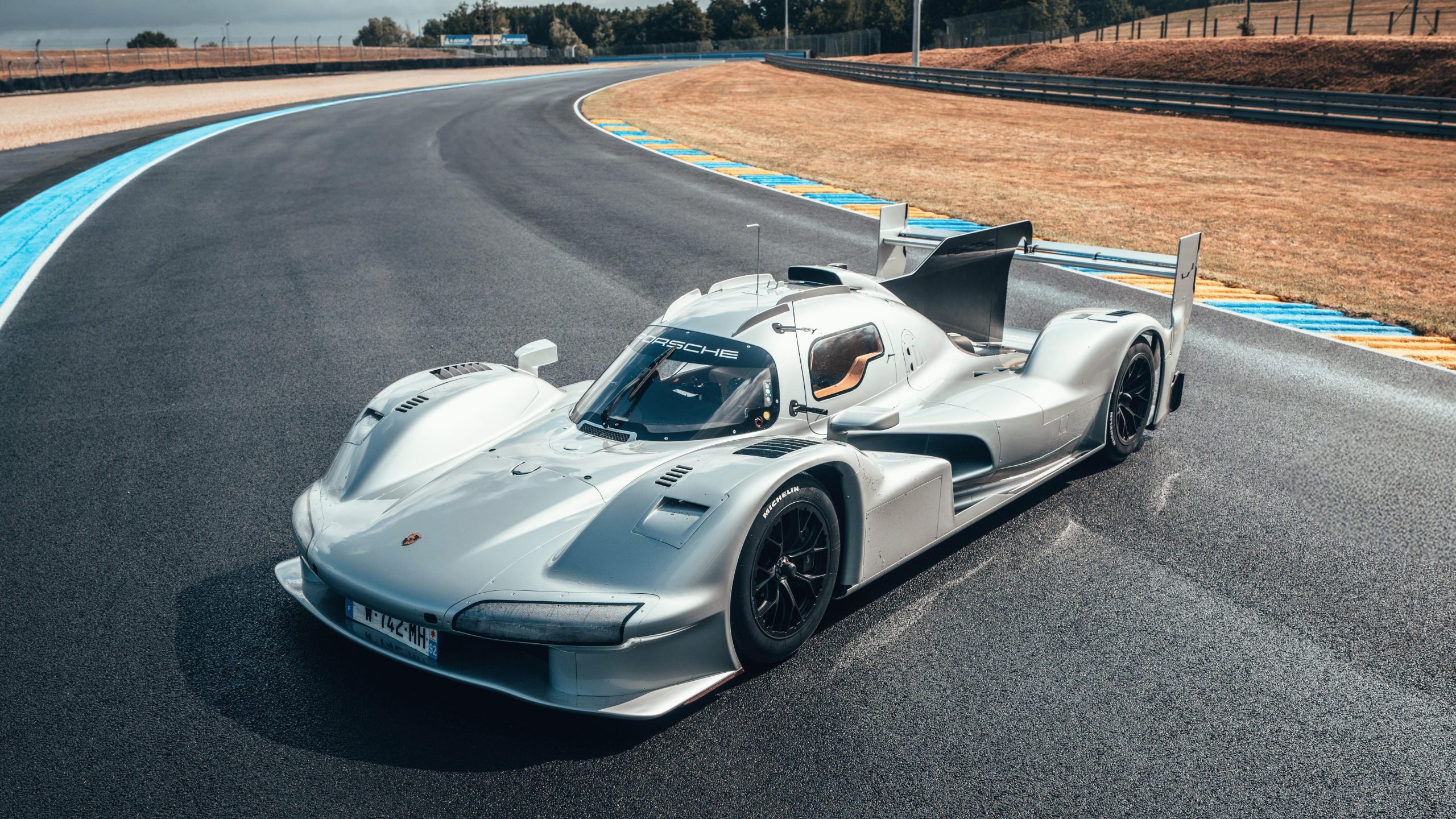
At first glance, the 963 RSP looks like a 963 race car that has accidentally escaped scrutineering. The core bodywork, massive fin, headlights and proportions are pure LMDh. But look closer and the Sonderwunsch details jump out.
Exterior
Key design changes versus the race car include:
- First 963 ever to be painted, not wrapped. The color is “Martini Silver”, matched from Porsche Museum records and applied as a complex three-layer lacquer over ultra-thin carbon and Kevlar bodywork.
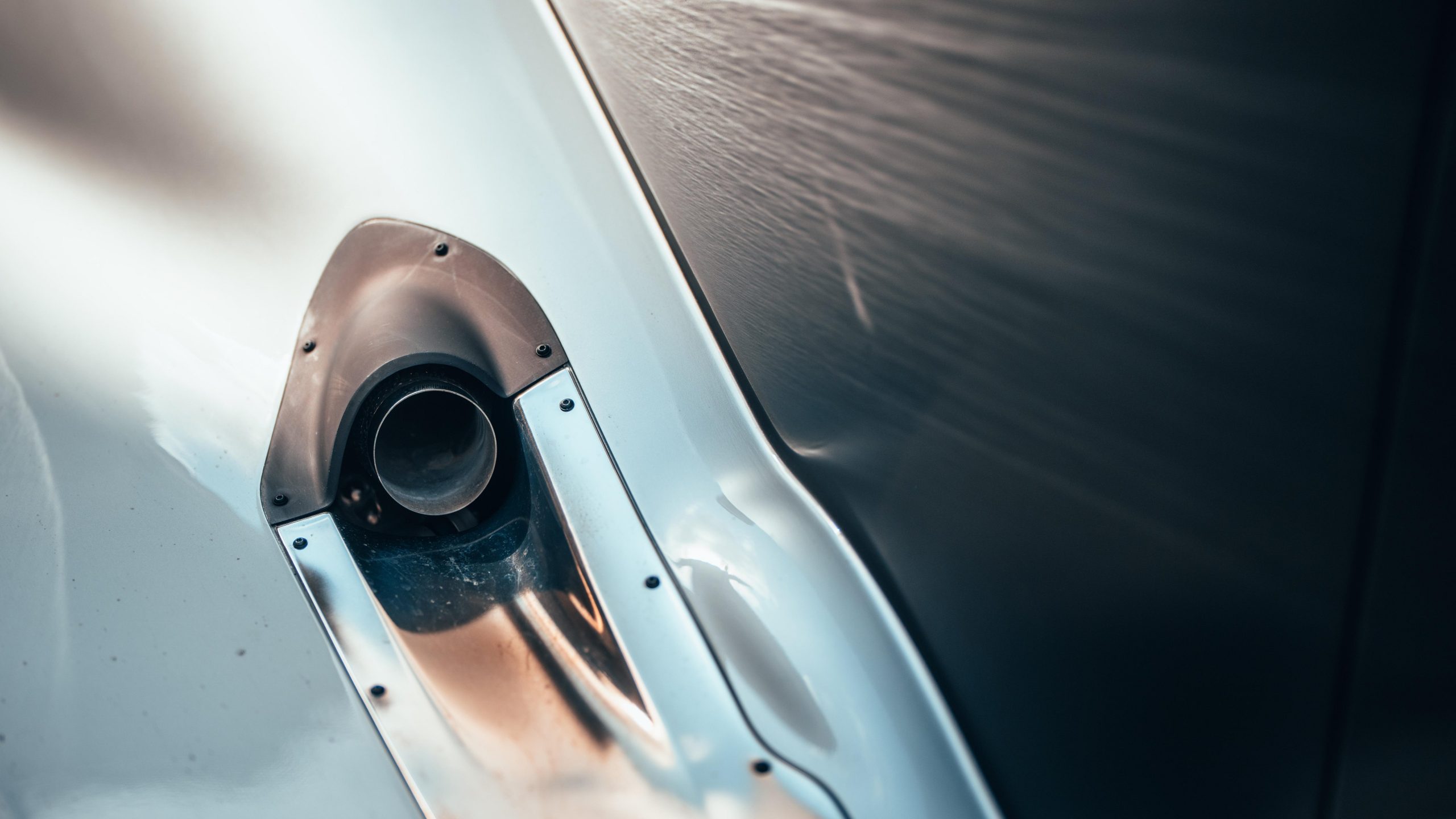
- Unique fender vents and modified bodywork to smooth airflow and cover wheel arches, as well as provision for front and rear license plates.
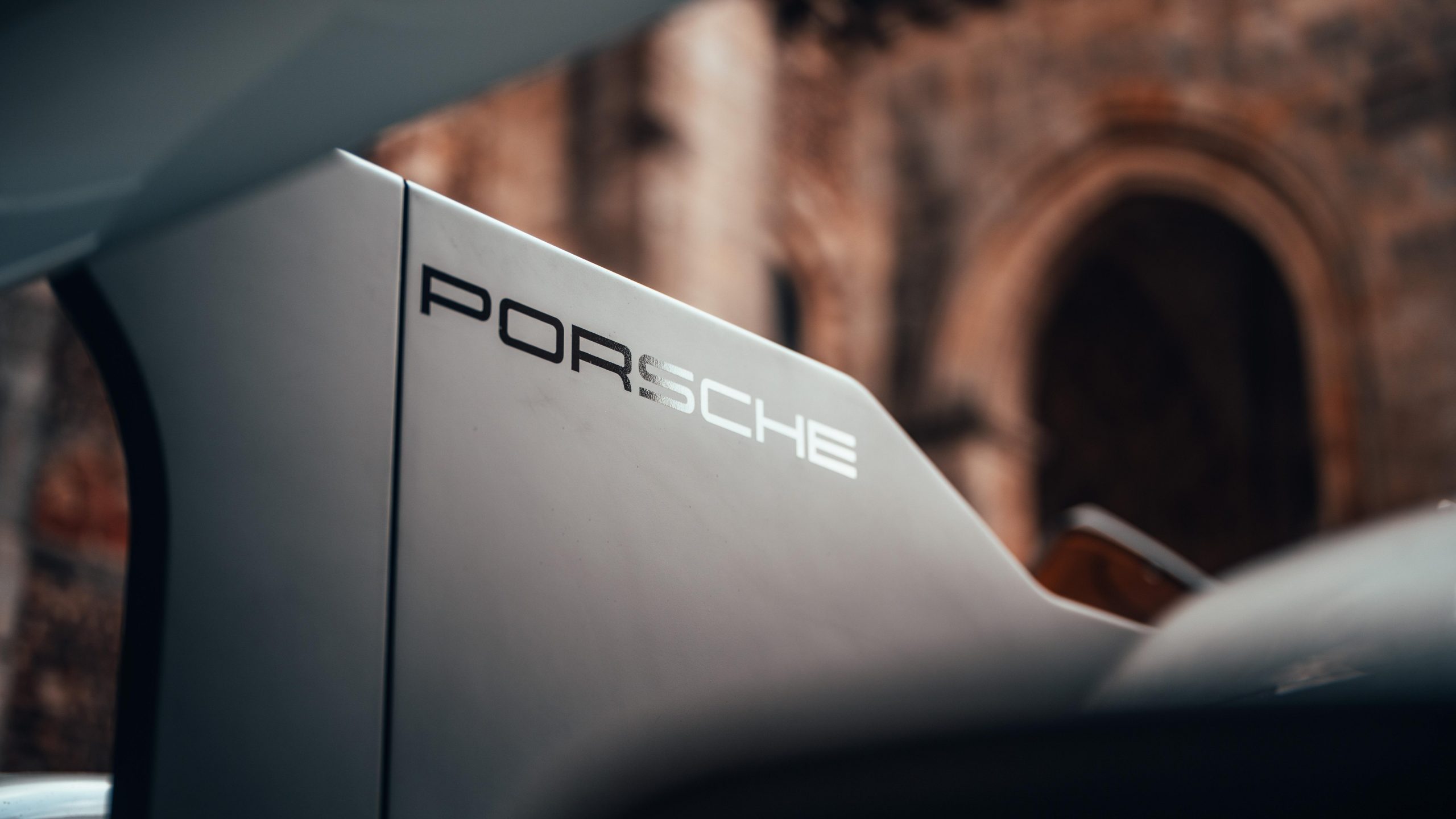
- Satin-black details on hinges and wing connectors, plus a 3D-printed “963 RSP” script on the rear.
- Michelin wet-compound treaded tyres on 18-inch OZ wheels, rather than slicks, for some semblance of road usability.
The overall stance remains insanely purposeful. Porsche raised the ride height “as high as it could go” and softened the Multimatic DSSV dampers, but visually this is still a prototype that happens to have plates, not a softened hypercar.
Interior
The biggest departure from the regular 963 is inside:
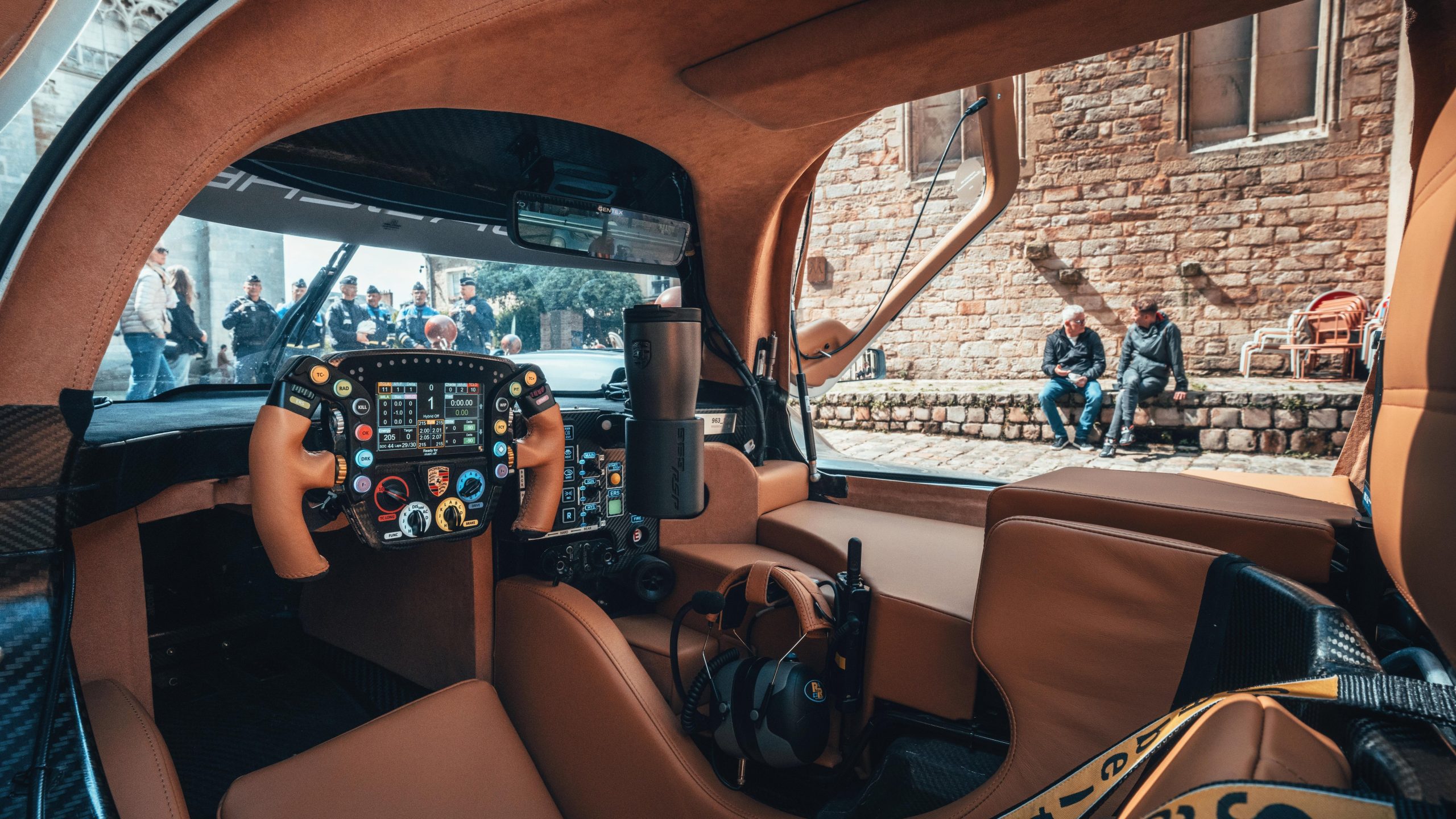
- The bare carbon, minimal race cockpit is transformed with tan leather and Alcantara on the seat, leg cushions, steering wheel, roof, pillars and bulkhead.
- The fixed carbon seat is retained, but trimmed in leather with softer centre cushioning and an integrated headrest.
- There’s even a 3D-printed, detachable cupholder and bespoke interior details like leather-wrapped handles.
This isn’t luxury in the Bentley sense—the car still has a roll cage, racing harnesses and an LMP-style driving position—but it’s far more welcoming than a pure race 963. Porsche’s own people describe it as “more comfortable, more forgiving” than the regular car, especially when you don’t have to wear full race gear.
Powertrain: RS Spyder and 918 DNA
Underneath, the RSP keeps the full hybrid V8 powertrain of the 963 LMDh.
Engine & Hybrid System
From Porsche and technical breakdowns:
- Engine: 4.6-litre twin-turbocharged V8
- Originates from the RS Spyder LMP2 program (3.4-litre), enlarged and evolved for the 918 Spyder and then further adapted for the 963.
- Flat-plane crank and short stroke allow a low mounting point and high rev ceiling.
- Output (engine): approx. 671 hp at 8,360 rpm in race tune.
- Hybrid system:
- Rear-axle Motor Generator Unit (MGU) by Bosch.
- 1.35 kWh, 800-volt battery by Williams Advanced Engineering.
- Up to 30–50 kW of electric boost available in short bursts, with overall system output regulated to around 520 kW at the rear axle by LMDh rules.
In the RSP, the hybrid and V8 are technically unchanged in peak capability, but remapped for road use:
- Smoother MGU power delivery for less snappy, more progressive response.
- Re-mapped to run on standard pump gasoline, which Porsche calls a “significant undertaking”.
Transmission & Driveline
- Gearbox: 7-speed Xtrac P1359 sequential manual, pneumatically actuated, directly integrated with the MGU.
- Drive: Rear-wheel drive only, LMDh-spec.
The hybrid system works through the rear axle, so when the MGU kicks in, the engine’s contribution is momentarily reduced to respect the total power cap—just as in the race car.
Chassis, Dimensions & Weight
The RSP uses the same Multimatic LMP2-derived chassis as the 963 racer, with minimal structural changes.
According to DailyRevs and Porsche:
- Chassis: carbon-fibre monocoque with integrated safety structures, LMDh-spec.
- Length: 5,100 mm (200.8 in)
- Width: 2,000 mm (78.7 in)
- Height: 1,060 mm (41.7 in)
- Wheelbase: 3,148 mm (124 in)
- Weight: approx. 1,030 kg (2,271 lb)
Suspension is via Multimatic DSSV dampers and double-wishbone geometry front and rear. For the RSP:
- Ride height is raised to its maximum setting.
- Dampers are set to their softest configuration to cope with real roads.
Brakes remain full racing hardware—massive steel or carbon discs with racing calipers and ABS calibrated for the hybrid system.
Road Conversion: Making a Prototype Street-Capable
Turning a top-class prototype into a “road car” is mostly a regulatory problem, not an engineering one. Porsche decided early on that full global homologation was impossible without fundamentally changing the car, so they aimed instead for special permission in France for limited road use around Le Mans.
Key changes to earn that permission included:
- Lighting & electronics: control unit re-programmed so headlights, taillights and turn signals work like a road car; hazard lights and indicators added as needed.
- Ride height & damping: raised ride height and softened suspension for potholes, kerbs and cambered roads.
- Tires: Michelin wet-weather treaded tyres instead of slicks, for some grip in the wet and on cold tarmac.
- Bodywork: extra paneling to cover the wheel arches, license plate mounting, an enamel Porsche badge, and subtle changes to vents.
- Practicalities: a functioning horn, wipers, and the usual minimal road-legality requirements.
Even then, the car is not homologated as a catalog Porsche model. It is a one-off allowed to run on French “W” manufacturer plates under specific circumstances, mostly around events like the 24 Hours of Le Mans and the Goodwood Festival of Speed.
Starting it isn’t as simple as turning a key either; as Motor1 notes, you really need a race team and a laptop. Fortunately, Roger Penske happens to own both.
Performance
No one has published official 0–60 or top-speed figures for the RSP, but we can infer from the 963’s race data:
- Combined power around 700 PS (515 kW) at the axle, per LMDh regulations.
- Weight of roughly 1.0–1.1 tonnes depending on fuel and setup.
In pure numbers, that’s hypercar territory—well over 600 hp per tonne—with massive downforce and racing slick-derived tyres. In reality, power delivery in the RSP has been smoothed out and the car rides higher on wet tyres, so outright lap times will be slightly off the pure race car, but still in another universe compared to road-going hypercars.
Reception & Reviews
Media Reaction
The 963 RSP was greeted with a mix of incredulity and delight.
- Sportscar365 framed it as a one-off road-going version of a championship-winning LMDh car, built as a deep-cut homage to the Count Rossi 917 and to Penske’s legacy.
- Motor1 emphasized how unusual it is today to have “a real Le Mans prototype on plates,” calling the RSP “a real-deal 963 LMDh car, tamed just enough for road use.”
- MotorTrend stressed that powertrain output is essentially unchanged from the racer, with revisions focused on smoothing hybrid deployment and making it work on pump gas, not detuning it.
Most outlets also highlighted how much this car leans into storytelling and heritage—from the silver paint to the tan interior and the connection between the RS Spyder, 918, 963 and now the RSP.
Driving Impressions
Top Gear got rare seat time in the 963 RSP and described it, unsurprisingly, as an intense but magical experience:
- It still feels “every inch a race car underneath,” with the noise, vibration and focus you’d expect from a Le Mans prototype.
- The softer suspension and treaded tyres make it less brutal on regular roads than the pure race 963, but not remotely “comfortable” by normal standards.
- Visibility, seating and ergonomics are still very much prototype-like, though the leather and Alcantara help take the edge off.
Porsche’s own Timo Bernhard echoed this after the Le Mans road run, calling it “a little friendlier and more forgiving than the normal 963” and “an experience that will stay with me for a lifetime.”
Rarity, Value & Ownership
One-Off Status
Porsche is clear: there will only be one 963 RSP. It’s not a teaser for a limited production run, not a new hypercar line, and not a customer program. It’s a single Sonderwunsch commission for Roger Penske, to be exercised sparingly and showcased at events and the Porsche Museum.
What Would It Cost?
Porsche doesn’t discuss the price, but Top Gear notes that a 963 customer race car is around £2.5 million, and estimates the conversion work at “at least half a million” on top of that. Realistically, this is one of those cars where money is only half the equation; the project depended on a unique combination of:
- Porsche’s LMDh program
- The Count Rossi 917 anniversary
- Penske’s status and long relationship with Porsche
So even if you could afford it, a second one simply isn’t on the table.
Where Will It Live?
Porsche says the 963 RSP will:
- Be displayed at Le Mans during the 24-hour race.
- Spend time at the Porsche Museum in Stuttgart.
- Appear at major events like the Goodwood Festival of Speed.
When not on public display, it’s effectively part of the Penske/Porsche ecosystem—more a moving museum piece than a garage queen.
Key Specs: 2025 Porsche 963 RSP
Powertrain
- Engine: 4.6-litre twin-turbocharged V8, flat-plane crank
- Engine power: ~671 hp at 8,360 rpm
- Hybrid system: Bosch MGU at rear axle, 800-V, 1.35 kWh battery by WAE
- Combined output: up to 520 kW at the rear axle (LMDh-regulated)
- Transmission: 7-speed Xtrac P1359 sequential, pneumatically actuated
- Fuel: remapped to run on pump gasoline
Chassis & Dimensions
- Construction: carbon-fibre monocoque (Multimatic), carbon/Kevlar body
- Length: 5,100 mm
- Width: 2,000 mm
- Height: 1,060 mm
- Wheelbase: 3,148 mm
- Weight: ~1,030 kg
Road-Use Modifications
- Raised ride height, softened Multimatic DSSV dampers
- Michelin wet-compound tyres on 18-inch OZ wheels
- Reprogrammed electronics for road-legal lights and indicators
- Horn, license plate mounts, wheel-arch covers
Design & Trim
- Color: “Martini Silver” tri-layer paint
- Interior: bespoke tan leather & Alcantara, trimmed carbon seat, 3D-printed cupholder
- One-off commission; not part of regular Porsche model line
Final Thoughts
The 2025 Porsche 963 RSP isn’t a car you cross-shop with anything. It’s a rolling story: about Count Rossi and his 917, about Porsche and Penske’s decades-long partnership, about the LMDh 963’s success, and about what happens when a handful of engineers are allowed to turn a wild “what if?” into carbon-fibre reality. If you’re a Porsche or endurance-racing obsessive, the 963 RSP is the ultimate fantasy made real: a current Le Mans prototype, politely disguised just enough to touch tarmac the rest of us drive on.
Videos & Reviews
Pictures & Gallery
Press Release
An extreme one-off based on the IMSA championship and WEC championship winning machine, the car closely follows the design direction taken by a very special 917 50 years ago. Fittingly, it made its debut today on the streets near the Circuit de la Sarthe alongside the car that inspired its creation. The work of a team from Porsche AG, Porsche Penske Motorsport and Porsche Cars North America in partnership with motorsport legend Roger Penske, whose initials form the name of the car, the 963 RSP was influenced by the trailblazing 917 and an audacious drive that took place half a century ago.
An extraordinary journey: From Zuffenhausen to Paris
In April 1975, a 917 (chassis 30) – the most advanced endurance race car at that time – made an extraordinary journey, not on the track, but on public roads. From the factory in Zuffenhausen, it traveled to Paris – at the wheel was its enigmatic owner, who insisted on as few changes as possible to the car, which remains in France, and on the road, to this day.
“This really started out as a “what if?” – a passion project by a small team of enthusiasts at Penske and at Porsche who together imagined a version of the 963 that really resembled as closely as possible the spirit and appearance of the Count Rossi 917,” said Porsche Cars North America President and CEO Timo Resch, who conceived of the original idea. “The 917 from the story was every inch a race car – albeit one driven on the road – and we took the same approach with the 963 RSP. It uses beautiful materials of the best quality available, but is still every bit a race car underneath.”
The 963 RSP features significant changes over the car on which it is based. Unlike the competition racecars, which are wrapped in different colors, the 963 RSP is the first of its kind to be painted; a unique challenge due to the nature of the carbon fiber and Kevlar® bodywork which is ultra-thin in places to save weight. In a nod to the Count Rossi 917, the 963 RSP is finished in Martini Silver and features uniquely altered bodywork and a bespoke tan leather and Alcantara interior inspired by the trim choices made by Count Rossi 50 years ago.
A dedicated mechanical and electronic setup were configured for its debut on the streets near Le Mans – including a raised ride height and softened dampers, as well as a reprogrammed control unit to allow for the headlights and taillights to operate closer to those of a road car. These changes along with modified bodywork to cover the wheel arches, the use of Michelin wet weather compound tires and even the fitment of a horn meant the car met the necessary criteria to be allowed to drive on the road and wear license plates under special permission from the French authorities and with the enthusiastic support of the Automobile Club de l’Ouest (ACO), which runs the 24 Hours of Le Mans race.
“That was an experience that will stay with me for a lifetime,” said Timo Bernhard, who was at the wheel of the 963 RSP for its first miles on the road. “Driving down a public road with a 917 beside me – it felt unreal. The car behaved perfectly – it felt a little friendlier and more forgiving than the normal 963 – and felt super special and a lot more comfortable, especially as I was not needing all my safety gear.”
“We have enjoyed a terrific relationship with Porsche dating back to 1972. The Porsche 917/30, in particular, was one of the greatest eras in Team Penske history with numerous wins and championships, along with the closed-course speed record set by Mark Donohue in 1975,” said Roger Penske, Chairman of the Penske Corporation. “With such a remarkable partnership continuing to this day, we felt it was time to create the most exciting car we could imagine. Just like the 917, I wanted this car to be authentic to its origin and have as few changes to it as possible. When we got into the project, the differences in the two generations of race cars provided a great challenge. What emerged is a car that has lost none of its edge and is exciting whether on the track or on the road.”
The 963 RSP will go on public display at the Circuit de la Sarthe during the 24 Hours of Le Mans before it returns to Stuttgart to be shown at the Porsche Museum. In July the car will appear alongside the 917 at the Goodwood Festival of Speed.
The 963 project in detail
The concept originated during a trackside meeting between Timo Resch, President and CEO of Porsche Cars North America, Thomas Laudenbach, Vice President, Porsche Motorsport, and Urs Kuratle, Director Factory Racing LMDh at Road Atlanta. Inspired by the 917, they imagined repeating the feat with a 963. This small group took the basic premise of the project to Roger Penske and Jonathan Diuguid, Managing Director of Porsche Penske Motorsport – both of whom encouraged and developed the idea further. Roger Penske was nominated as the customer for the car, with the 963 being named in his honor.
Design process – exterior
With the concept established, the Sonderwunsch team in Zuffenhausen began translating the idea to reality in cooperation with the Sonderwunsch colleagues at Porsche Classic in Atlanta – a standalone facility opened in 2023. Drawing on the changes selected by Count Rossi in 1975, Grant Larson, Director of Special Projects at Style Porsche, and his designers envisioned a 963 that would stay as close as possible to the original car with a silver and black color pallet on the outside, and a tan leather and Alcantara mix for the interior. This extended to the decision to paint the car – as was the case with the 917 – rather than wrapping it, as is the norm with current race cars, and a significant challenge due to the Kevlar® and carbon fiber body construction. The paint to sample color – ‘Martini Silver’ – was verified from the records held by the Porsche Museum in Stuttgart-Zuffenhausen, with a triple-layer lacquer applied.
Minor components such as hinges and wing connectors are all finished in satin black with a unique 3D printed ‘963 RSP’ created and applied to the rear of the car.
To closer align the 963 to the form of the 917, bodywork changes were made to the 963 RSP. These include the creation of unique fender vents – where otherwise the front and rear fender vents would be open. A collaboration between Sonderwunsch and Porsche Penske Motorsport, the vents were digitally rendered first before applied to the car, with the new design allowing air within the wheel wells to escape. Additionally, the carbon fiber blanking plates that sit within the rear wing – a requirement on the race car – were able to be removed for the 963 RSP. Added to the nose of the car – replacing the graphic that is applied to all conventional 963s – was an enamel Porsche badge, a detailed shared with the 917.
A small detail change was the addition of 1970s-era Michelin logos for the tire walls, and rain-spec 18-inch tires over forged OZ racing wheels. Finally – and in another first – mounting points for front and rear license plates were added ahead of the car being driven on public roads to mark the 50th anniversary of the first street drive of the 917.
Design process – interior
Possibly the greatest departure from the 963 race car occurs inside the 963 RSP. Following the lead of the handcrafted and completely bespoke interior of the 917 (which remains unrestored to this day) the 963 RSP features a mix of soft tan leather and Alcantara. Whereas the race car features very few comfort features, the 963 RSP is more accommodating – with the single piece carbon seat trimmed in leather with soft cushioning placed down the center and a fixed headrest mounted on the carbon fiber bulkhead. The seats are – in common with the race version – air conditioned. The leg cushions in the footwell as well as the roof lining and pillars have been retrimmed in light Alcantara while the steering wheel – where the majority of the vehicle’s functions are located – has been finished in leather. A light-hearted addition is a detachable 3D-printed cup holder capable of securely holding a Porsche travel mug.
Next to the driver, a new trimmed panel provides a location for the car’s Peltor headset and steering wheel when not in use as well as a platform for the laptop that starts and assists in the operation of the car and Roger Penske’s custom carbon crash helmet.
While the color of design of the interior are obvious references to the 917, more subtle design elements can be found – among them bespoke end plates for the ventilation system which mimic the styling of the fan on top of the 917’s flat-12 engine.
The doors are finished in leather and Alcantara, with a small alloy plaque set into one of them denoting the chassis number and the date and location of construction.
Mechanical changes
The ride height of the car was raised to its maximum available setting to accommodate road use, while the adjustable Multimatic DSSV dampers designed for racing prototypes are in their softest setting to create a more compliant ride.
The control unit was modified to allow the car to operate turn signals and allow the headlights to be adjusted for road. The hybrid V8 powertrain with a lithium-ion battery – capable of being run on electrical power only – remains in standard race tune in the 963 RSP, but power delivery from the MGU has been remapped to provide smooth delivery more appropriate for road use versus race competition The powertrain was also re-mapped to be capable of running on pump gas – a significant undertaking for the team.
Finishing touches
Accompanying the 963 RSP are a custom fitted carbon crash helmet with Martini Silver accents to match the car, and a bespoke Snap On toolset with a chest bearing accents in the same color, a plaque commemorating the project and its namesake, and handles wrapped in the same leather used in the interior of the car. The drawers also feature custom foam inserts to carry tools and special equipment necessary to start, service and operate the car.
While capable of being driven on the road under special circumstances and in accordance with local requirements (the modifications to the car allowed it to use French ‘W’ or manufacturer license plates for its debut), the 963 RSP is not a homologated addition to the Porsche model line-up and is intended to remain a very special one-off.
The powertrain of the 963
The 963 is powered by a 4.6 liter twin-turbocharged V8 making up to approximately 680 hp that has its origins in the RS Spyder race program operated by Penske which claimed all titles in the LMP2 class of the American Le Mans Series from 2006 to 2008. The engine was enlarged from 3.4 to 4.6 liters and then used in the limited-production 918 Spyder road car, which debuted in 2013. The flat crankshaft and short stroke of the engine allow for a low mounting point, helping to optimize the center of gravity of the car. While the 918 Spyder used the engine in naturally aspirated form, the 963 pairs it with two turbochargers provided by the Dutch manufacturer Van der Lee. These turbochargers generate very moderate boost pressure and are mounted on the hot side of the engine, optimizing throttle response. Overall, around 80 percent of the engine components in the 963 are shared with the 918 Spyder, which was already designed to work together with a hybrid system.
The standardized components of the electric boost system are supplied by Bosch (motor generator unit, electronics and software) and Williams Advanced Engineering (high-voltage battery). The motor generator unit (MGU), which is responsible for the power output and recuperation under braking at the rear axle, works in direct interaction with the sequential seven-speed gearbox from Xtrac. The MGU sits in the bell housing between the combustion engine and the gearbox.
The hybrid’s entire electrical system produces up to 800 volts. The uniform battery has an energy capacity of 1.35 kWh, which can be mobilized at any time under acceleration. An output of 30 to 50 kW is available in short bursts but does not change the overall output of the powertrain. When the thrust of the MGU kicks in, the power of the combustion engine, which can reach over 8,000 rpm (depending on the BoP), automatically decreases.