

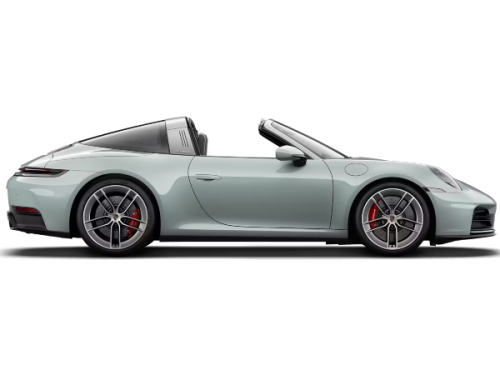
Current Porsche 911 Targa 4S (992.2) – Reviews, Pricing, Specs & Buyers Guide
he Porsche 911 is a legend, but within that legend, the Targa holds a special, almost romantic place. It is the perfect marriage of a coupe’s sculpted lines and the open-air joy of a convertible, yet it transcends both with its unique aesthetic and clever engineering. The launch of the Porsche 911 Targa 4S (992.2) marks a significant evolution, refining an already brilliant concept with technological advancements and subtle yet impactful updates. This guide delves into the specifics of the 992.2 generation Targa 4S, covering its lineage, its most significant changes, and what makes it a compelling choice for the discerning driver.
The Targa Story: A Heritage of Open-Air Safety
The Targa concept, Spanish for “shield,” was born out of necessity and ingenuity. Introduced in 1965 on the original 911, the design was a direct response to anticipated American regulations that threatened to ban traditional convertible tops due to safety concerns, specifically rollover protection. Porsche’s solution was revolutionary: a fixed, brushed-stainless steel roll bar, a removable roof section above the driver and passenger, and a wrap-around rear window. It was dubbed the world’s first “safety cabriolet” and named after the legendary Sicilian road race, the Targa Florio, where Porsche had enjoyed numerous victories.
For decades, the Targa silhouette was defined by that iconic roll hoop. However, the 993, 996, and 997 generations deviated, adopting a sliding glass roof design that, while functional, sacrificed the classic Targa look.
The true return to form came with the 991 generation, which resurrected the classic roll-hoop and the dramatic, fully automatic roof mechanism. This mechanism, a complex ballet of motors and hinges that sees the entire rear glass dome lift away to stow the fabric roof section, is the Targa’s defining spectacle—and it carries forward into the 992.
Specifications: Power, Performance, and the Platform
The 992.2 generation is characterized by Porsche’s relentless pursuit of refinement, even in models that retain a pure combustion engine, like the Targa 4S.
Engine and Drivetrain
The 911 Targa 4S (992.2) is powered by Porsche’s twin-turbocharged, water-cooled 3.0-liter flat-six engine. For the 992.2 generation, power is further optimized
| Feature | 911 Targa 4S (992.2) Specs (Approx.) |
| Engine | 3.0L Twin-Turbo Flat-Six (Boxer) |
| Max Power (hp) | ~473 hp @ 6500 rpm |
| Max Torque (lb-ft) | ~390 lb-ft @ 2000-5000 rpm |
| Transmission | 8-speed Porsche Doppelkupplung (PDK) (Standard) or 7-speed Manual (Optional) |
| Drivetrain | Porsche Traction Management (PTM) All-Wheel Drive |
| 0-60 mph (with Sport Chrono) | 3.3 seconds |
| Top Speed | 191 mph |
Note on Hybridization: While the Carrera GTS model in the 992.2 line introduced the T-Hybrid system, the Targa 4S retains the purely combustion-powered setup. This makes the 4S a compelling option for purists who prefer the traditional flat-six experience without the added complexity and weight of the electric motor and battery. The all-wheel-drive system (hence the ‘4’) is standard, providing superior traction and stability in varied conditions.
Chassis and Dimensions
The 992 platform is inherently wider and more muscular than its predecessor. The Targa 4S comes standard with:
- Porsche Active Suspension Management (PASM): An electronically controlled damping system that adjusts continuously for optimal performance and comfort.
- Porsche Torque Vectoring Plus (PTV Plus): Enhances dynamics and stability with an electronically controlled rear differential lock.
- Wider Track and Mixed Wheel Sizes: 20-inch front and 21-inch rear wheels are standard, giving the car an aggressive, planted stance.
The Targa body style is the heaviest of the Carrera lineup due to the structural reinforcement required for the roll-bar and the elaborate folding roof mechanism. However, Porsche’s engineering ensures this penalty is barely perceptible in real-world driving.
Design and Model Year Updates (992.1 to 992.2)
The 992.2 is a mid-cycle refresh, or facelift, for the 992 generation, bringing crucial updates in aesthetics, aerodynamics, and interior technology.
Exterior Refinements
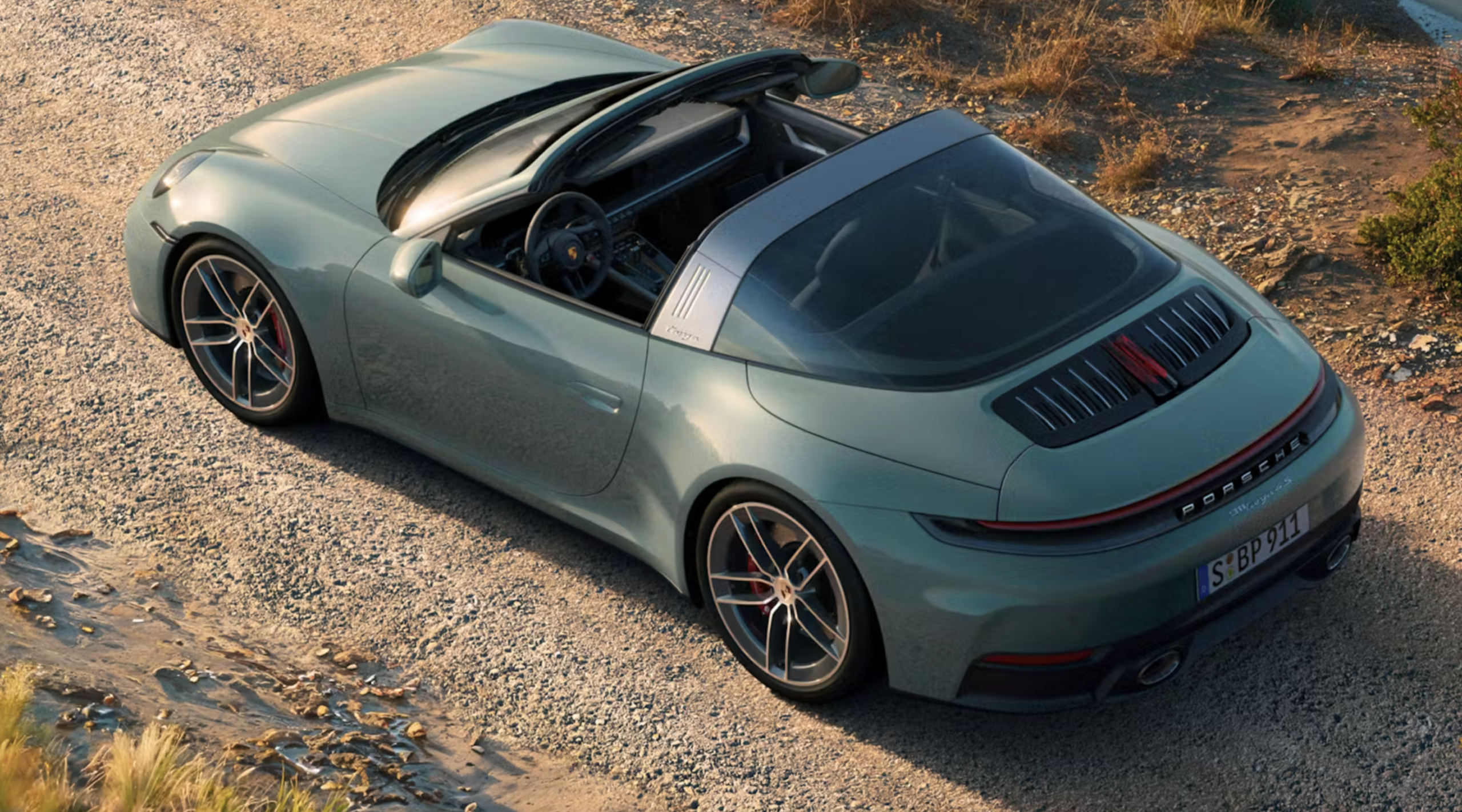
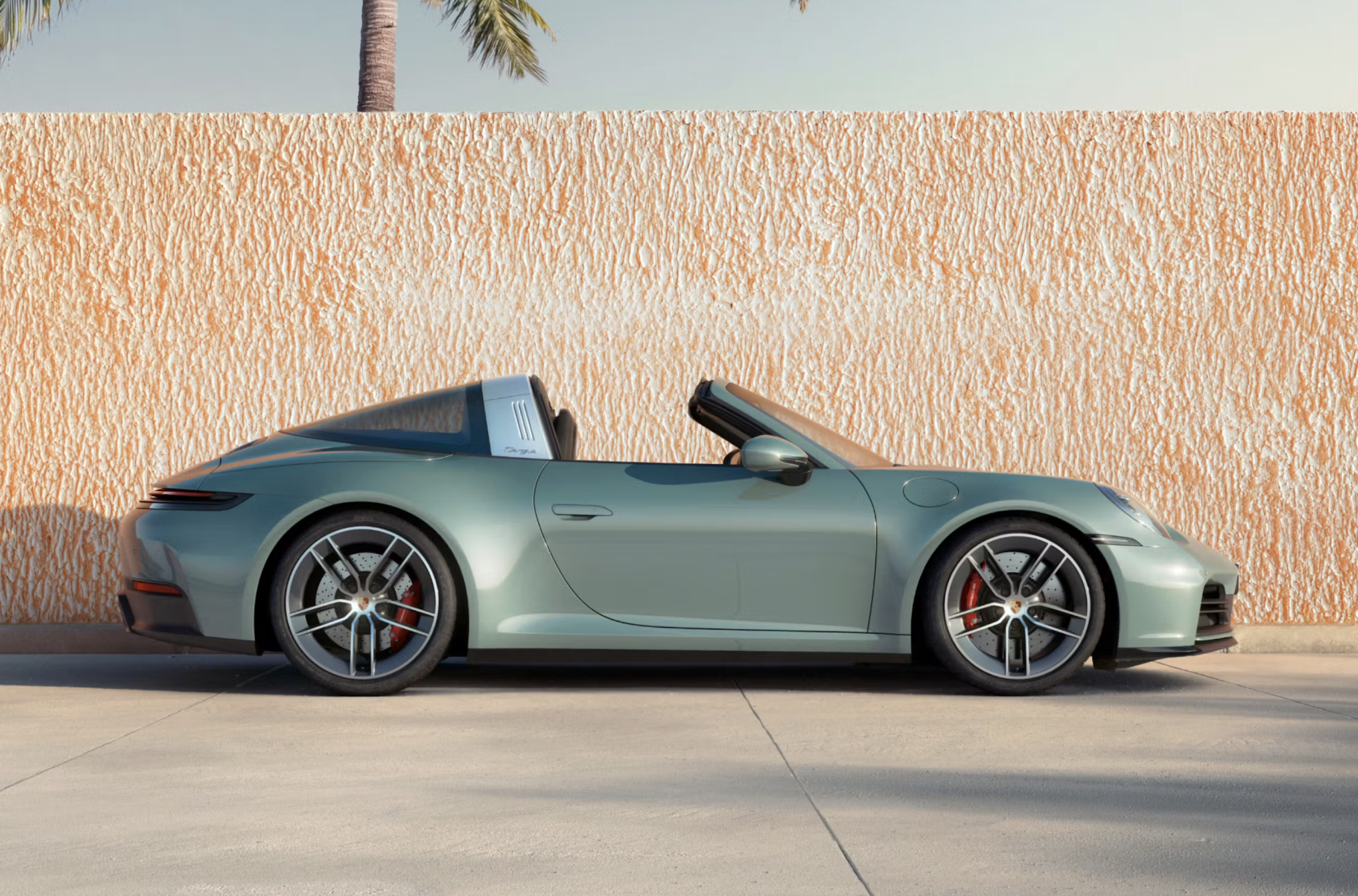
The iconic Targa roll bar remains the visual centerpiece, finished in either brushed aluminum or a sleek black finish, depending on the options. Updates for the 992.2 include:
- Revised Front Fascia: The front bumper features a subtly more squared-off look with neater light clusters and adaptive cooling air flaps for improved thermal management and aerodynamics.
- Redesigned Lighting: New HD-Matrix Design Headlights are introduced, offering a sharper lighting signature and superior illumination.
- Rear-End Evolution: The full-width LED light bar, a hallmark of the 992, is refined. The integrated, variable rear spoiler is also tweaked for better aerodynamic balance.
- Roof Mechanism: The breathtaking, fully-automated Targa roof mechanism is carried over, deploying or stowing the roof panel in about 19 seconds (a process that must be performed while stationary).
Interior Technology and Ergonomics
The interior of the 992.2 Targa 4S sees the most significant generational change:
- Fully Digital Instrument Cluster: For the first time, the sacred analogue central tachometer is gone. It is replaced by a curved, 12.6-inch fully digital display. While purists lament the loss of the physical needle, the new cluster is highly customizable, with a ‘Classic’ view that simulates the traditional five-dial layout.
- Start/Stop Button: The ignition key slot on the left of the steering column has been replaced with a generic-looking Start/Stop button—a minor, but notable break from 911 tradition.
- Infotainment: The 10.9-inch Porsche Communication Management (PCM) touchscreen is updated with enhanced features, including native integration for apps like Spotify and deeper Apple CarPlay functionality.5
- Seating Configuration: Internationally, the 992.2 Coupe models shifted to a two-seat standard, but the Targa 4S typically retains the 2+2 configuration with vestigial rear seats, which can be folded down for extra storage.
Driving Experience and Critical Reception
The Targa 4S has always occupied a niche: the quintessential all-weather, open-top sports car that prioritizes style and usability over the last tenth of performance.
Performance and Dynamics
Critics generally laud the Targa 4S for its phenomenal blend of speed, composure, and open-air exhilaration.
- Engine Performance: The 3.0L flat-six is a masterpiece of modern engineering. The twin-turbo setup delivers a massive wave of torque from low RPM, making the 4S feel explosively fast in daily driving. While the sound is slightly more muted than the earlier naturally aspirated cars (due to emissions standards), it still delivers the classic, high-revving flat-six symphony.
- Handling: Despite the added weight of the Targa roof mechanism and the structural reinforcement, the 4S handles with the characteristic precision and balance of a 911. The standard all-wheel drive, PASM, and PTV Plus ensure the car is incredibly planted, offering immense grip and confidence in all weather conditions. The electric power steering is often praised for its spooky accuracy and communication.
- The Targa Effect: The Targa body style gives a unique perspective. With the roof open, occupants get a more cocooned, less wind-buffeted experience compared to a full Cabriolet. The sound of the engine, particularly the turbocharger wastegates, is amplified by the open roof and rear glass, adding to the sensory experience.
Media and Owner Reviews
The reception for the 992.2 generation, in general, has been positive but with a few reservations:
- Aesthetics (Positive): The Targa remains a visually stunning car. The combination of the brushed aluminum roll bar, the sculpted 992 body, and the wrap-around glass is widely considered the most beautiful silhouette in the 911 lineup.
- Digitalization (Mixed): The loss of the analogue central tachometer is a recurring point of contention. While the new digital cluster is technologically advanced, some argue it detracts from the classic 911 driver experience. The move to the Start/Stop button is also seen by some as losing a piece of Porsche heritage.
- The Sweet Spot: The Targa 4S is often referred to as the “sweet spot” in the range, balancing the base Carrera’s power with the all-weather confidence of AWD and the stylistic flourish of the Targa roof, all while avoiding the higher cost and complexity of the new T-Hybrid-powered GTS models.
Ownership Considerations: Cost, Options, and Competition
Purchasing a Porsche 911 Targa 4S is an emotional decision, but practical considerations are vital.
Pricing and Depreciation
The Targa 4S is positioned above the Carrera 4S Coupe and Cabriolet, reflecting the complexity and cost of the unique roof mechanism. Pricing is subject to market, region, and dealer premiums, but it represents a significant investment. Historically, the 911 maintains some of the best resale values in the high-end sports car segment, and the distinctive Targa is often a sought-after model, helping to mitigate depreciation.
Key Options and Packages
Porsche’s extensive options list is legendary. Essential considerations for the Targa 4S include:
- Sport Chrono Package: Nearly mandatory for performance, this package adds the steering wheel-mounted mode switch, dynamic engine mounts, a launch control function, and the “Sport Response” button for maximum temporary power. It also provides the quickest 0-60 mph time.
- Rear-Axle Steering (RAS): An option that significantly improves agility at low speeds (by turning the rear wheels in the opposite direction of the front) and stability at high speeds (by turning them in the same direction).
- Porsche Ceramic Composite Brakes (PCCB): While expensive, the ceramic brakes offer phenomenal stopping power, reduced unsprung mass, and virtually eliminate brake dust, a major aesthetic bonus.
- Lifting System: A critical option for daily usability, it allows the front axle to be raised by 40 mm to clear steep driveways and speed bumps.
- Interior Upgrades: Porsche offers near-infinite customization in leather, stitching, trim, and carbon fiber.
Competition
The 911 Targa 4S is a unique proposition, but its main competitors in the high-performance, semi-open sports car market include:
- Mercedes-AMG GT Roadster: Offers a traditional soft-top convertible experience with a more dramatic, front-engine V8 character.
- Audi R8 Spyder: Features a mid-engine V10 and a more exotic, aggressive styling, but with a different driving dynamic.
- Aston Martin Vantage Roadster: A highly stylish and luxurious option, appealing to drivers prioritizing grand touring comfort and sound.
Conclusion: The Targa 4S as a Modern Icon
The Porsche 911 Targa 4S (992.2) is not just a sports car; it is a carefully curated statement. It perfectly encapsulates Porsche’s ability to blend deep heritage with cutting-edge technology. It offers the all-weather capability of all-wheel drive, the sophisticated comfort of a high-end luxury vehicle, and the unmistakable performance of a 911, all wrapped in what many consider the most beautiful body style in the current lineup.
While the move to a fully digital cockpit marks a significant shift, the core Targa experience remains untouched: a car that is breathtaking to look at, exhilarating to drive, and offers an unmatched sense of occasion every time the complex, mechanical roof performs its dance. For the driver who seeks the ultimate blend of style, usability, and performance—and who values open-air motoring without the full exposure of a convertible—the Targa 4S remains an unbeatable choice.
Pictures & Gallery
Press Release
July 2, 2025
Porsche announces three new 911 model variants with all-wheel drive and 473 hp
911 Carrera 4S, 911 Carrera 4S Cabriolet and 911 Targa 4S announced for MY 2026 Porsche is expanding the 911 model range with three all-wheel drive models for the 2026 model year: The 911 Carrera 4S coupe and Cabriolet, as well as the Targa 4S. All three models gain more power, improvements in standard equipment and enhanced brakes compared to their predecessors. With their arrival, the range of new 911 models with all-wheel drive grows to six variants.
Atlanta. Porsche is expanding the 911 model range with three new variants. The 911 Carrera 4S is available as a coupe and Cabriolet. Together with the Targa 4S, they bridge the gap between the standard 911 Carrera – which is not available with all-wheel drive – and the significantly more powerful GTS models. Like on the rear-wheel drive 911 Carrera S models, additional options for individualization and extended standard equipment are distinguishing features.
All-wheel drive variants are popular among customers buying a 911 “S” variant. In fact, within that specific subset, almost half in the U.S. choose a model powering all four wheels. The three new model variants continue to offer customers a great degree of choice within the 911 product range to meet varied use cases and demands. As with every other model equipped with Porsche Traction Management (PTM), the torque split is rearbiased by default. If required, PTM directs more torque to the front axle. As on its predecessors, the front differential is water cooled and uses an electromechanically controlled clutch.
Improved performance
The new all-wheel drive variants of the 911 adopt the upgraded engine of the Carrera S. Its 3.0-liter twin-turbo six-cylinder boxer engine produces 473 hp (353 kW) and 390 lb.-ft. of torque. That is 30 hp (22 kW) more than in the predecessor. This increase in performance is partly due to the optimized intercooling, the design of which comes from the 911 Turbo. An eight-speed Porsche dual-clutch transmission (PDK) transmits power to all four wheels. The 911 Carrera 4S coupe accelerates from 0 to 60 mph in 3.1 seconds using Launch Control with the optional Sport Chrono Package, and is capable of a top track speed of 191mph.
Upgraded standard equipment
Porsche has significantly enhanced the standard equipment for the Carrera 4S and Targa 4S models. From a performance perspective, the improvements include Sport Exhaust with tailpipes in silver, brakes taken from the previous generation 911 Carrera GTS models measuring 408 mm on the front axle and 380 mm on the rear axle. Uprated dampers with optimized hydraulics are more responsive and improve ride quality over the preceding model. Performance-focused standard features of the prior model remain, including Porsche Torque Vectoring Plus (PTV+) and staggered 20/21-inch Carrera S wheels. Porsche Ceramic Composite Brakes (PCCB) are available as an option, as is PASM Sport Suspension, which lowers the ride height by 10 mm. Rear axle steering is optionally available on the Carrera 4S and Carrera 4S Cabriolet. The system offers increased agility at low speeds and greater stability at high speeds. If equipped, this system also includes a quicker steering ratio and revised front axle kinematics. The 911 Targa 4S has rear-axle steering as standard.
Like all current 911 Carrera Coupe models, the Carrera 4S comes as a two-seater with the option to add rear seats for no additional cost, while the Cabriolet and Targa are equipped with rear seats as standard. The new models feature an upgraded interior. Compared to the preceding Carrera 4S models, the interior comes with extended leather upholstery as standard including the seats, headrests, upper dashboard, upper door panels, and – if equipped – the rear seats. In addition, Matrix Design LED headlights and wireless smartphone charging are standard equipment.
The new 911 Carrera 4S ($154,200), 911 Carrera 4S Cabriolet ($167,400) and 911 Targa 4S ($169,100) are available to order through U.S. Porsche Centers immediately excluding $2,250 for delivery, processing and handling. The Total Manufacturers Suggested Retail Price (MSRP) shown excludes taxes, title, registration, other optional or regionally required equipment, dealer charges, and any potential tariffs. U.S. deliveries of all three models are expected to begin in the fourth quarter of 2025.
60 years of the 911 Targa:
For 60 years, the 911 Targa has combined the enjoyment of a convertible with the yearround comfort of a coupe. The 911 Targa debuted in September 1965 at the IAA in Frankfurt and, like so many Porsche innovations, the elegant, wide Targa bar is inspired by motorsport. With a removable roof and folding rear window, the design allowed for the open air sensations of a convertible while providing the benefit of a fixed bar. Porsche derived the name Targa from the famous Targa Florio race in Sicily.
Today, the Porsche 911 Targa is an icon in its own right, further developed technically and formally over six decades. With the 993 generation (1993), there was no need to remove the roof manually. Since 2006, the 911 Targa has been available exclusively with all-wheel drive. The current Targa roof design, which launched in 2014, provides a fully automatic roof mechanism that opens in 19 seconds and references the style of the early Targa models. The glass rear window lifts up and moves backwards to allow the roof panel to fold away the roof segment folds elegantly. The wide bar and the surrounding rear window form a clear reminiscence of the original model. The roof module of the current Targa is available in four color variants: black, blue, red and brown.