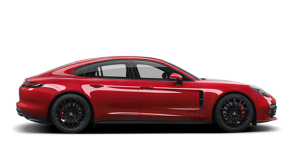

Overview Make:Porsche Model:Panamera E-Hybrid Year:2020 Trim:4 Executive AWD Body type:Sedan Exterior color:Brown (Tan) Interior color:Black Mileage:81,019 mi Condition:Used VIN:WP0BE2A78LL169266 Stock number:169266 Fuel economy Fuel tank...


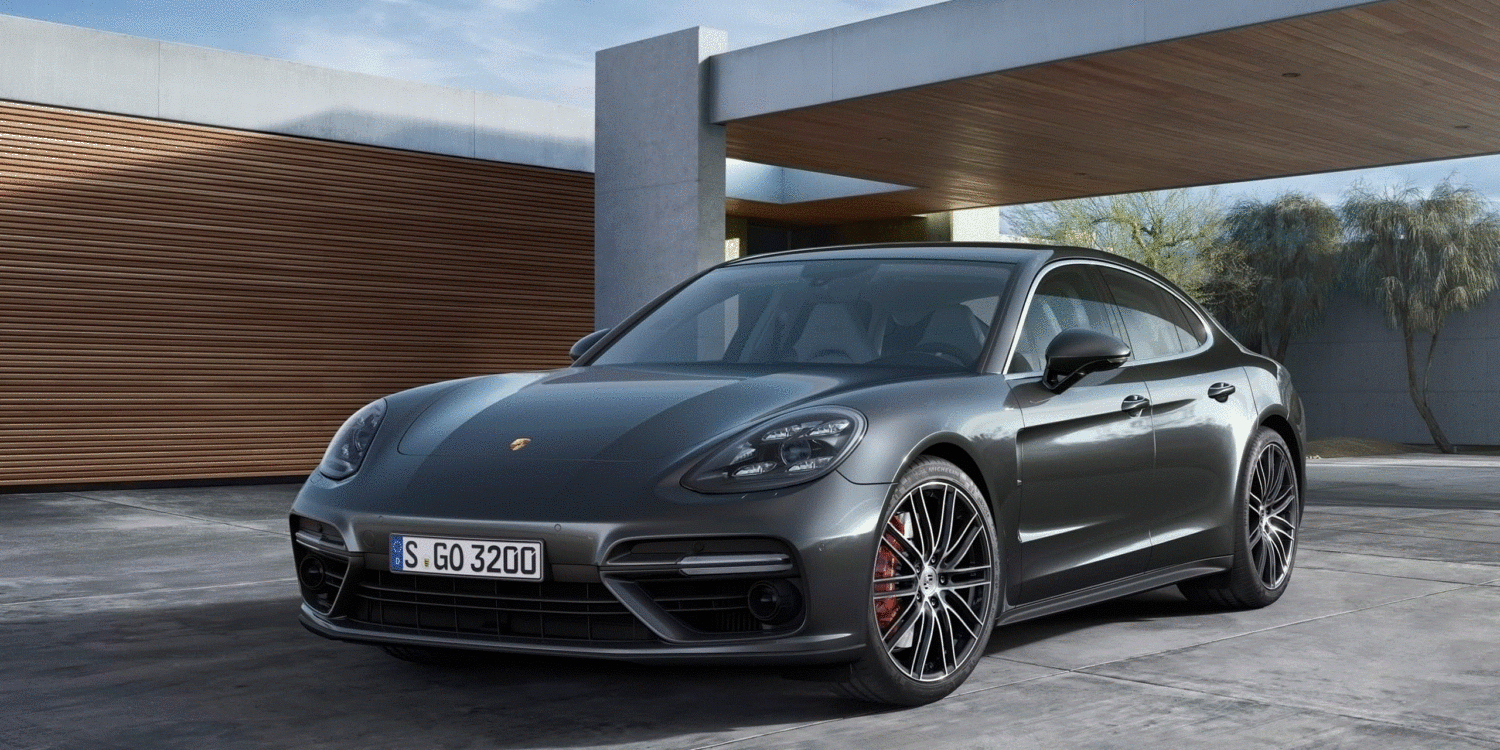
The Porsche Panamera (2nd Generation) marked a major leap forward for Porsche’s flagship four-door. Introduced in 2017 under the internal 971 designation, the second-generation Panamera brought sharper styling, a fully redesigned interior, improved driving dynamics, and a new generation of turbocharged and hybrid powertrains.
Compared to the original Panamera, the 971 feels more cohesive, more modern, and more distinctly Porsche—blending luxury-sedan refinement with sports-car handling in a way few competitors can match. Today, it has become the most compelling luxury performance sedans on the used market, with cutting-edge tech and performance at prices well below new.
Refine Search: All Panameras / Base / 4 / 4S / GTS / Turbo / Turbo S / E-Hybrid / 4 Sport Turismo / GTS Sport Turismo / Turbo S E-Hybrid / Turbo S E-Hybrid Sport Turismo / Turbo S Sport Turismo / Turbo Sport Turismo / Turbo S E-Hybrid / 4 Platinum Edition / 4 Executive / 4 E-Hybrid Sport Turismo / 4S Sport Turismo / 4 E-Hybrid Platinum Edition / 4 E-Hybrid Executive / 4S Executive / 4S E-Hybrid / 4S E-Hybrid Sport Turismo
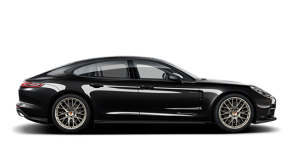
Browse second-generation Panamera listings from our community alongside a curated selection of the most interesting 971 and 972 series cars for sale across the web. We highlight only standout examples with great specs, clean history, and real buyer appeal—making it easier to find the right Panamera without all the searching.
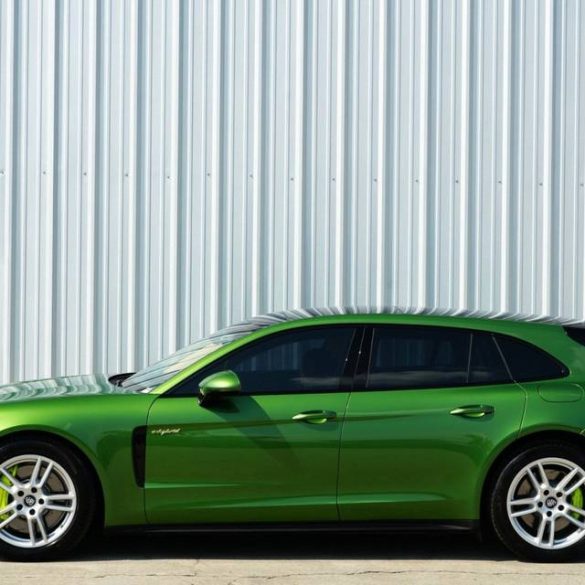
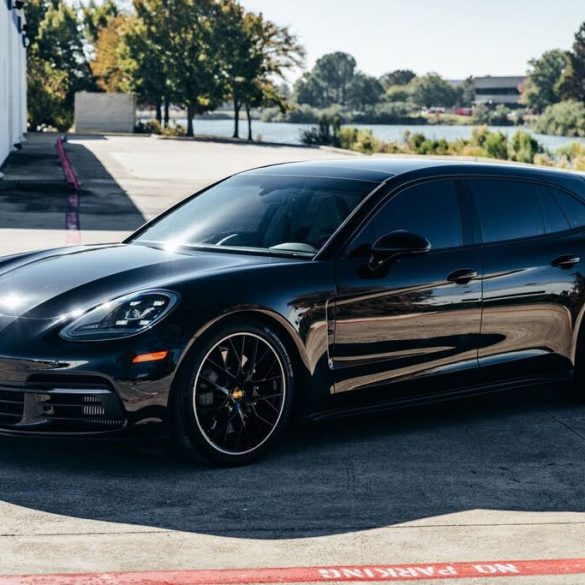

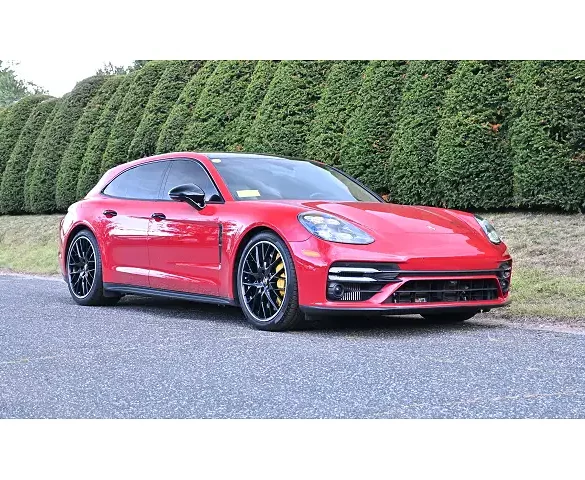
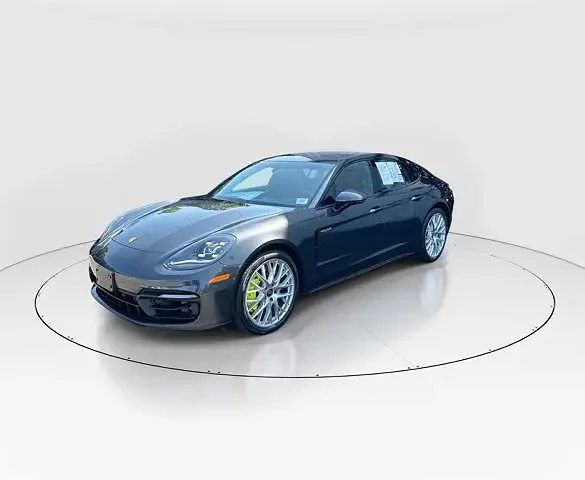
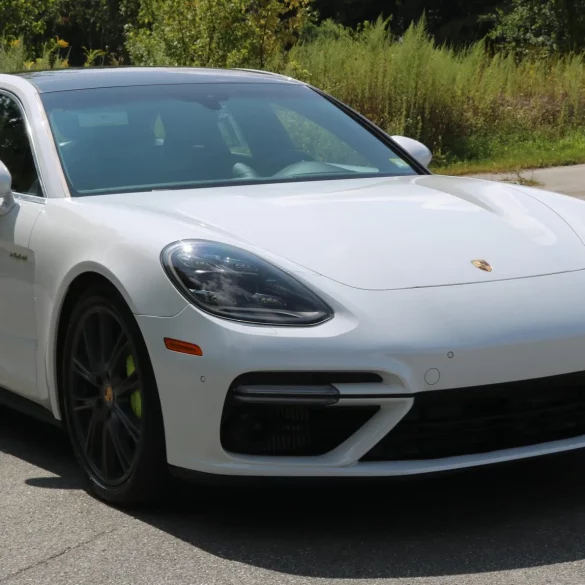
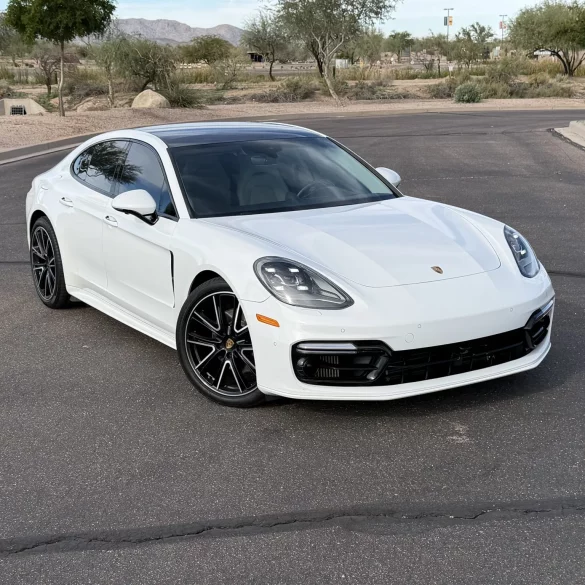
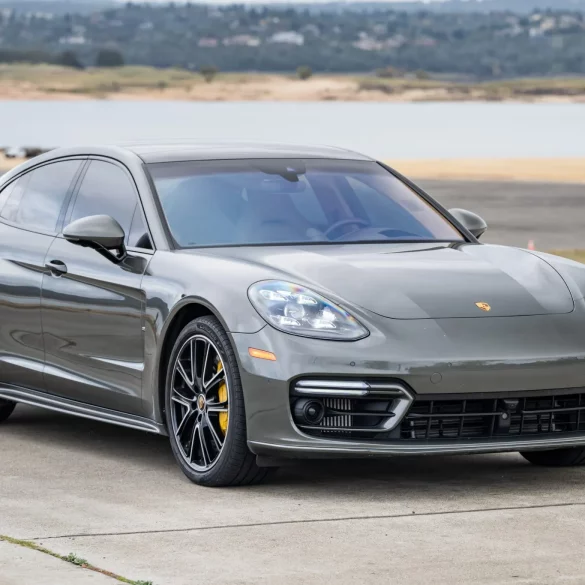
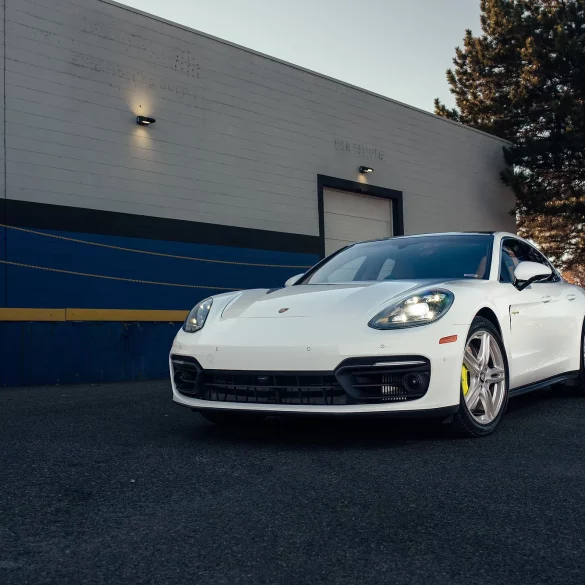
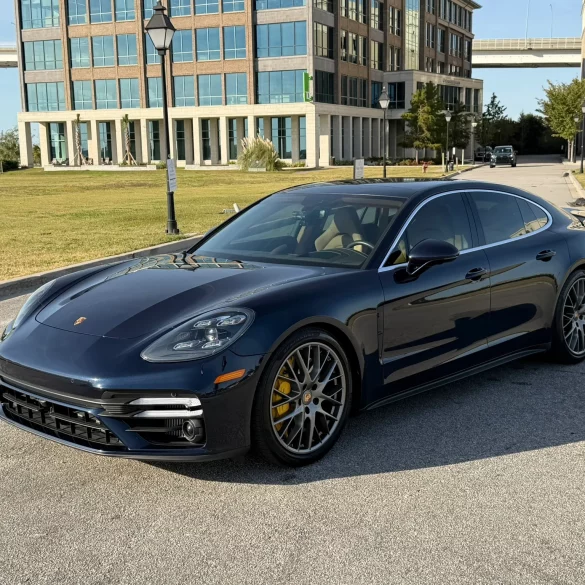
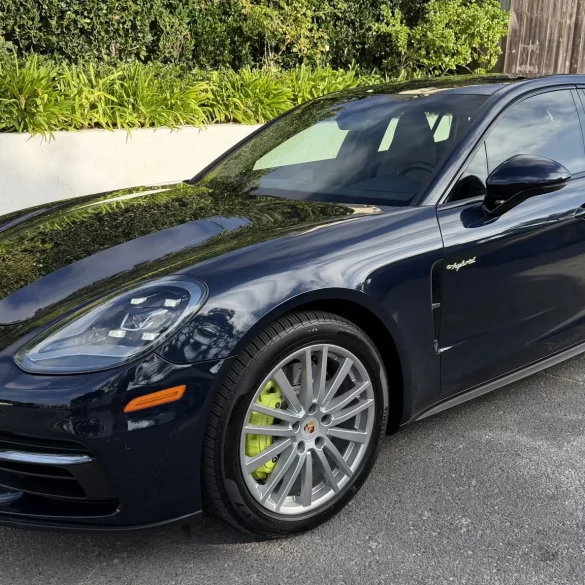
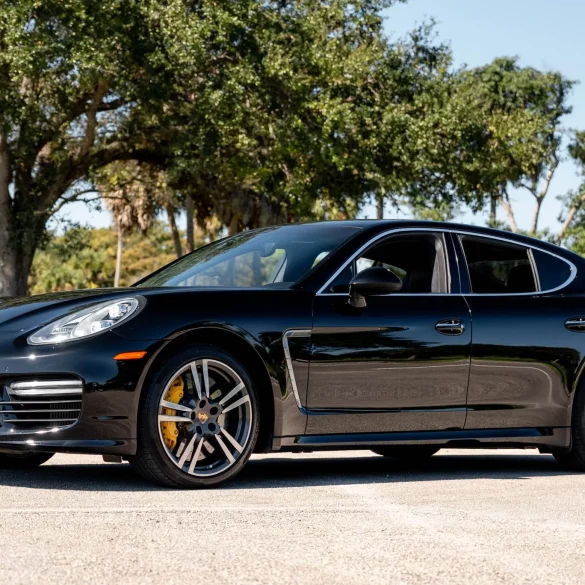
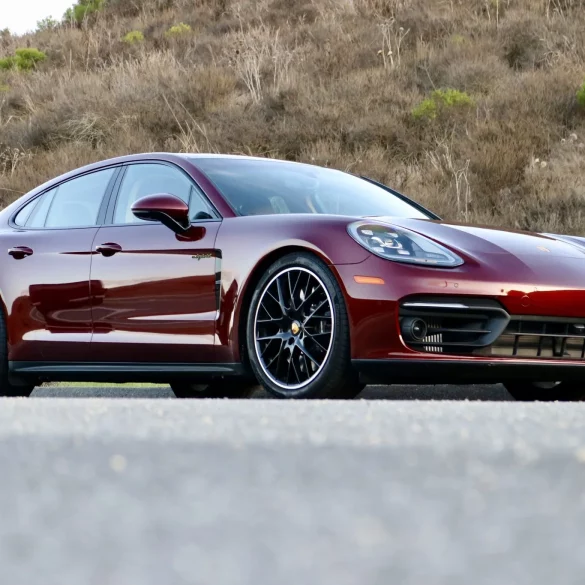
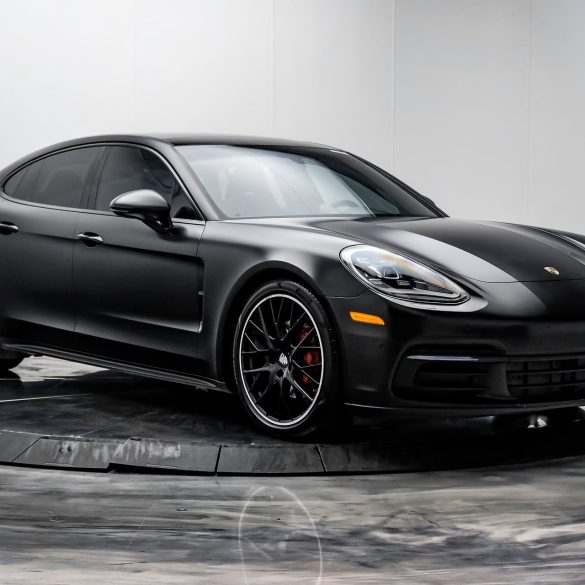
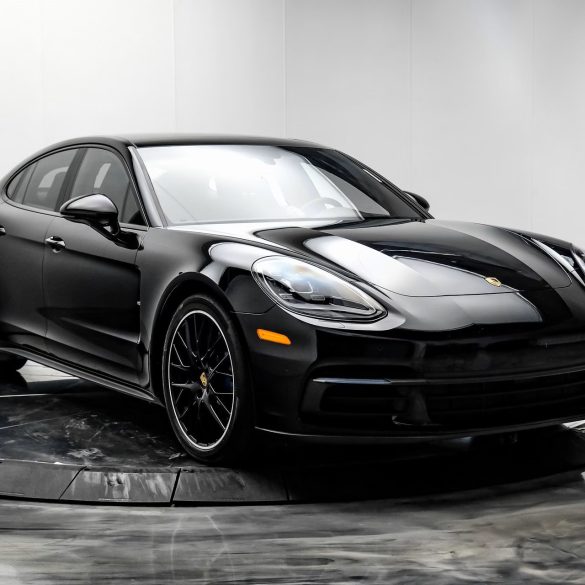
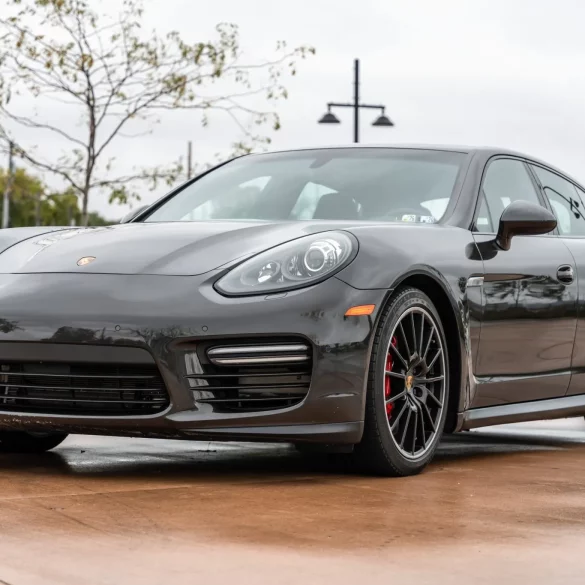
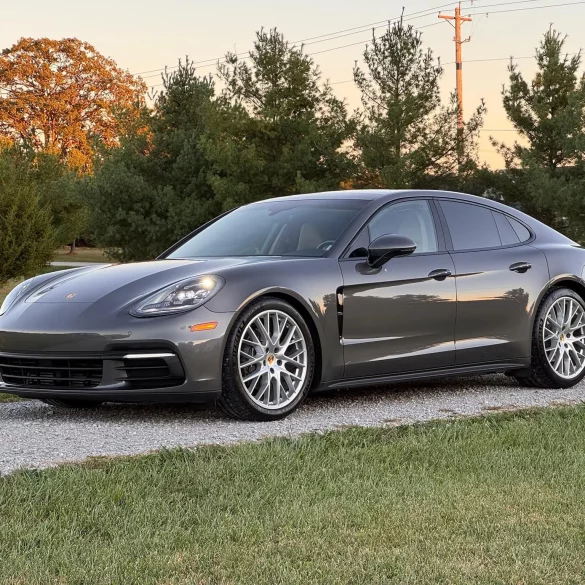
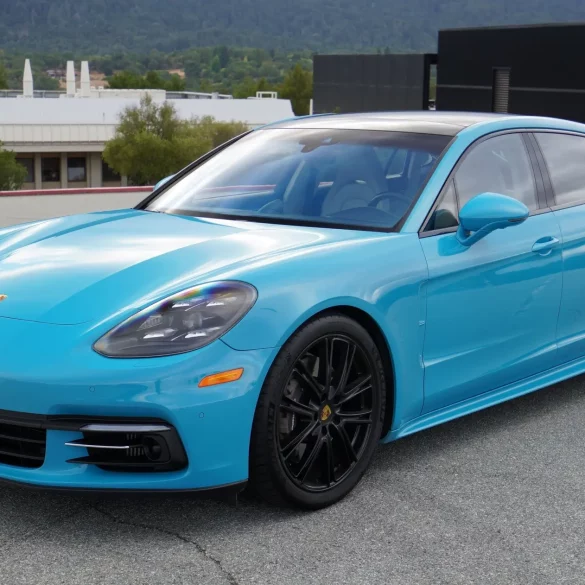
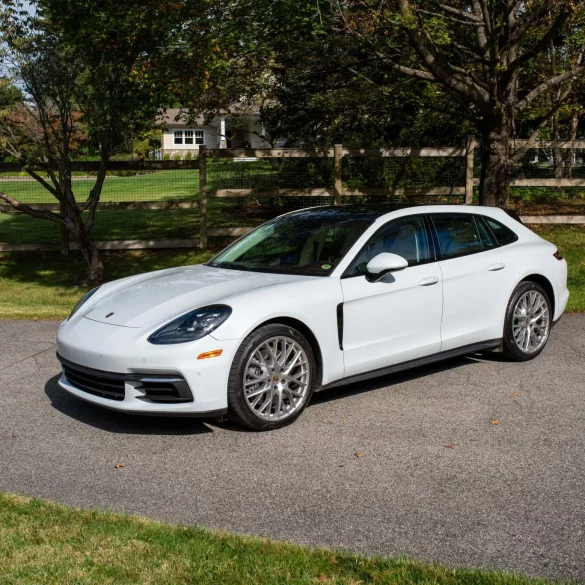
The second-generation Porsche Panamera (971/972) introduced a dramatic leap in refinement, performance, and technology compared with the first generation, and that evolution created a handful of variants that enthusiasts and buyers consistently view as the most desirable. At the top of that list sits the Panamera GTS, offered both as a standard sedan and as the more distinctive GTS Sport Turismo wagon. The GTS is widely regarded as the “driver’s Panamera,” combining a twin-turbo V8 with sharper throttle mapping, a sport-tuned chassis, and a more emotional exhaust note. It delivers a level of engagement that feels closer to a Porsche 911 than a traditional luxury sedan, and in Sport Turismo form it adds extra practicality and visual drama. As a result, the GTS lineup — especially clean, well-optioned cars — is one of the most sought after in the entire 971 family.
Above the GTS sits the Panamera Turbo S, the flagship purely combustion-powered variant of this generation. Buyers who want the most potent non-hybrid Panamera tend to gravitate toward the Turbo S, valuing its immense V8 performance, exceptional braking and handling, and the prestige of owning one of Porsche’s top-tier sedans. It appeals especially to purists who prefer the immediacy and simplicity of a high-output twin-turbo V8 without the added complexity of hybrid assistance. For many enthusiasts, it represents the pinnacle of the “classic” Panamera formula: a supercar-quick luxury sedan driven entirely by internal combustion muscle.
Equally — and in some cases even more — coveted is the Panamera Turbo S E-Hybrid, the most powerful and technologically advanced model in the lineup. Combining a twin-turbo V8 with an electric motor, this flagship delivers staggering acceleration while also offering plug-in capability and improved efficiency. It’s the ultimate expression of Porsche’s hybrid performance engineering and has become highly desirable among buyers who want both cutting-edge tech and top-of-the-range performance. The Turbo S E-Hybrid also tends to hold value better than many other Panamera trims because it sits in such a unique niche: a luxury sedan with supercar performance and a modern hybrid system.
Body styles also play a role in what’s considered desirable. The Sport Turismo configuration — effectively a sleek, performance-oriented wagon — has developed a strong following among enthusiasts. When paired with a GTS or Turbo powertrain, the Sport Turismo offers a blend of utility, rarity, and style that sets it apart from traditional luxury sedans. Similarly, for buyers who prioritize rear-seat comfort and executive presence, the long-wheelbase Executive models provide limousine-like space and amenities while still retaining Porsche dynamics, making them some of the most interesting configurations in the lineup.
Ultimately, the most sought-after second-generation Panamera variants tend to be those that showcase the model’s dual identity: part luxury car, part high-performance machine. The GTS, Turbo S, Turbo S E-Hybrid, and Sport Turismo variants each satisfy that formula in different ways, and together they represent the sweet spot of what makes the 971/972 Panamera generation special. If you'd like, I can also create a ranking of these variants or explain which ones make the best buys on the used market today.
If you’re considering buying a used second-generation Porsche Panamera (971/972) — excellent idea if you do your homework — there are a handful of issues that tend to matter more than others. Here are the top five things to check closely, explained as paragraphs.
One of the most common problem areas on 971-series Panameras is the suspension — particularly the air-suspension setup. While standard adaptive suspension systems (like PASM) are generally regarded as reliable, air-sprung suspension can be trouble. Reports from owners include failing air springs, leaking struts, faulty compressors, or suspension-height control problems — all of which can be expensive and complicated to repair.
What to do when you inspect: make sure the ride height is correct and consistent on all corners, listen for leaks or compressor cycles after sitting overnight, check for uneven ride/settling, and test the suspension over bumps. If the seller can provide service history for suspension work, that’s a strong plus.
While the 2nd-gen Panamera addressed many of the issues from the first generation, cooling-system problems have still been reported — especially in heavy or powerful variants when used in city traffic or stop-and-go conditions. In some cases the auxiliary coolant pump can fail, leading to overheating at idle, which can stress engine components over time.
What to check: verify coolant maintenance history, ask if any auxiliary-pump or cooling-system parts have been replaced, watch for coolant leaks, unusual temperature spikes during stationary periods, or previous overheating events.
Most 971 Panameras use an 8-speed dual-clutch or automatic transmission (depending on spec), and while they’re mechanically capable, transmission performance and history make a big difference. Some owners have reported jerky shifts, especially at low speeds or on downshifts when in aggressive driving modes (e.g. Sport, Sport+).
What to do: during a test drive, pay close attention to how smoothly the car shifts under different conditions (cold start, city driving, hard acceleration, downshifts). Also, ask for full transmission-service history (fluid changes, PDF records from a specialist) — deferred maintenance here can lead to problems down the line.
One of the joys of the Panamera is its tech and luxury touches — but those same systems can be brittle as the car ages. 2nd-gen Panameras have had reports of infotainment / navigation glitches, sensor failures, warning lights, and other electronic gremlins. Additionally, recall history for suspension links or related chassis components (e.g. anti-roll bar links) means that “paperwork check” is particularly important for a clean buy.
What to do: test all electronics thoroughly — infotainment, navigation, reverse camera, adaptive features, comfort equipment (seats, climate control, suspension modes, etc.). Review recall and repair history, and ideally get a pre-purchase inspection by a shop familiar with Porsche electrical/tech systems.
Because the Panamera is a complex, heavy, luxury-performance sedan, maintenance history matters more than nearly any other factor. As with any high-end car, documentation of regular oil changes, fluid flushes, suspension/strut maintenance, recall fix-records, and attentive care significantly affect long-term reliability.
What to do: ask for full service records, ideally from a dealership or a certified Porsche-specialist shop. Verify VIN history for accidents or structural repairs. If possible, have a pre-purchase inspection done by a technician familiar with Panamera mechanical and electronic quirks. Also, be realistic about maintenance costs — suspension repairs, transmission refreshes, coolant-system care, and premium-tire/brake upkeep are part of ownership.
Not all 971-generation Panameras are equal. Some years or variants had recalls or known issues (especially early builds), so it’s worth checking recall history (for suspension links, safety systems, etc.), and whether any “common” problems have been addressed.
Recent pricing for second-generation Panameras shows a wide spread because the lineup includes everything from base V6 models to high-performance Turbo S E-Hybrid variants. Across major used-car platforms, the average asking price for a used Panamera sits in the mid-$50,000 range, with some indices placing the typical transaction around $54,000–$65,000. Earlier 971 models from 2017–2018 with higher mileage can often be found from the high $30Ks to mid-$40Ks, especially in non-hybrid V6 configurations. Meanwhile, cleaner 2019–2020 cars generally list between $45,000 and $60,000, depending heavily on options, mileage, and condition. By contrast, newer 2021–2022 models — particularly those with desirable trims and low miles — still bring $60,000–$85,000+, with top-tier variants commanding even more.
Market-trend data indicates that used Panamera values have experienced a slight softening recently, mirroring the broader used-car market. One of the main price-tracking indexes shows a modest decline of roughly 0.5–1% over the last 30 days, suggesting the segment is stabilizing rather than dropping sharply. Demand remains healthy for well-specced, low-mileage Panameras, but the cars with high mileage or less desirable configurations depreciate more quickly. Because the second-generation Panamera introduced major improvements in design, technology, and chassis refinement, buyers generally gravitate toward later model years, especially post-refresh cars, which helps buoy values for 2020+ examples.
As with most modern Porsches, pricing on used Panameras is shaped less by model year and more by trim, miles, options, and maintenance history. Cars equipped with premium features such as PASM, adaptive cruise, premium audio, ventilated seats, or Sport Turismo bodywork tend to sell faster and closer to asking price. High-spec performance models — especially the GTS, Turbo S, and Turbo S E-Hybrid — consistently command strong money thanks to their mix of power and luxury. Conversely, base V6 models or higher-mile cars can sit on the market longer and often transact below list price. With the rise of electrification and the popularity of hybrid performance models, the Turbo S E-Hybrid variants in particular appear to be holding value well and may continue to do so.
Overall, the second-generation Panamera market is in a stable, value-driven phase, offering strong deals on older V6 models and healthy resale strength for top-tier variants. Buyers who focus on service history, condition, and desirable options will find the best long-term value, while those eyeing performance models should expect higher prices but better demand and appreciation potential.
Here’s a look at what many consider the “best” options and extras to have (or look for) on a second-generation Porsche Panamera (971/972). These are the features and packages that tend to deliver the most value — in performance, comfort, usability or long-term desirability.
When you want the Panamera to feel truly like a “sport-scar sedan,” these are the options that make the biggest difference:
Porsche Sport Chrono Package — adds selectable drive modes (Normal, Sport, Sport Plus, etc.), sharper throttle/engine/transmission mapping, dynamic engine mounts, and (on many models) a “sport-ready” chassis setup. This means more responsive acceleration, a tighter feel in corners, and — if you care about performance — a noticeably more “Porsche-like” character.
Porsche Ceramic Composite Brakes (PCCB) — high-end braking upgrade. For a heavy, powerful sedan like the Panamera (especially V8 or Turbo / E-Hybrid variants), ceramic brakes improve stopping power, reduce fade under hard braking, and lower unsprung weight — making handling and braking more precise and performance-oriented.
Chassis and handling packages: adaptive suspension + advanced chassis systems — for example, the standard adaptive air suspension / electronically controlled damping (on many trims), optionally combined with features like active anti-roll control / dynamic chassis control / rear-axle steering (depending on model). These help balance ride comfort and sporty handling — making the Panamera more versatile between spirited driving and daily commuting.
For those who want the “grand-tourer with real pace and handling,” this trio (Sport Chrono + PCCB + chassis upgrades) tends to deliver the most fulfilling driving experience.
If you plan to use the Panamera as more than a weekend toy — daily driving, commuting, long trips — certain luxury and convenience options often make huge quality-of-life differences:
“Premium Package Plus” / Comfort Options — upgrades such as ventilated / climate-controlled seats, power / memory seats (with many adjustments), soft-close doors, high-quality interior materials, good sound systems, and refined interior finishes. These elevate the cabin from a sporty sedan to a comfortable luxury cruiser.
High-end Audio / Infotainment Options — e.g., premium surround-sound systems, robust infotainment / navigation / connectivity packages. For highway driving, commuting, or long-distance trips, a strong audio/tech setup can make a big difference in comfort and convenience.
Exterior / Personalization Extras — custom (or rare) paint colors (sometimes via the “Paint-to-Sample (PTS)” program), distinctive wheel/trim/purpose-design wheels, optional lighting systems, etc. These don’t change performance — but if you care about style, exclusivity, or resale appeal, they make the car feel more bespoke.
A well-optioned Panamera with both performance upgrades and comfort features tends to be the “sweet spot” — giving flexibility to enjoy both sporty drives and everyday practicality.
The 2nd-gen Panamera attempts to straddle two worlds: a high-performance sedan and a luxury grand tourer. With options like Sport Chrono and PCCB, you get a car that can genuinely perform when you want it to; thanks to comfort packages and premium features, you also get a car that’s livable day-to-day.
These options tend to influence resale value and desirability heavily. A Panamera with high-end performance extras or a rich comfort/option list appeals broadly — to both enthusiasts and buyers looking for a refined luxury sedan.
Given the complexity (powerful engines, heavy chassis, electronics, adaptive suspension, etc.), having factory-installed performance and comfort packages often means the car was built with care (or to a higher spec), which — when combined with good maintenance — often yields a better long-term ownership experience.