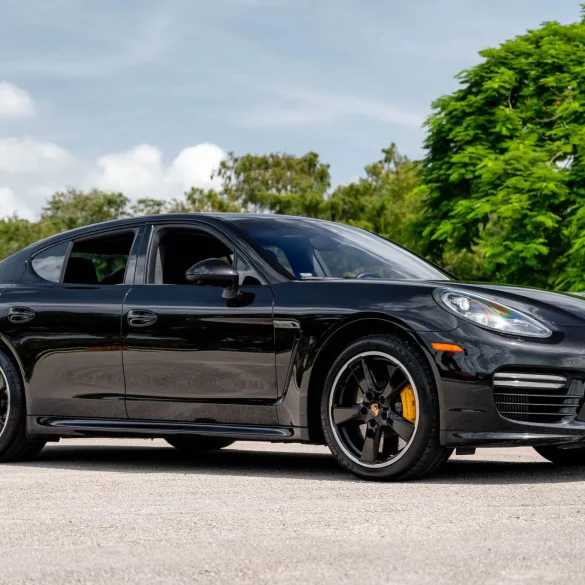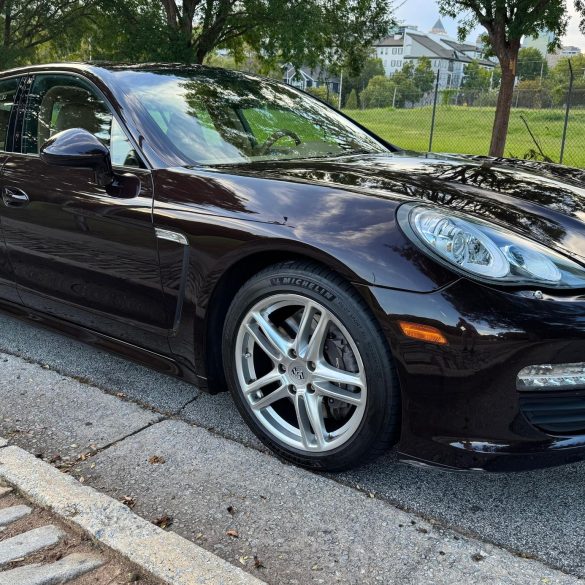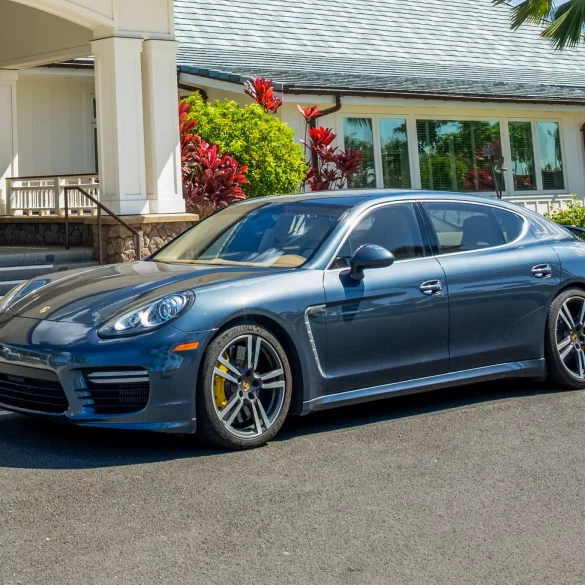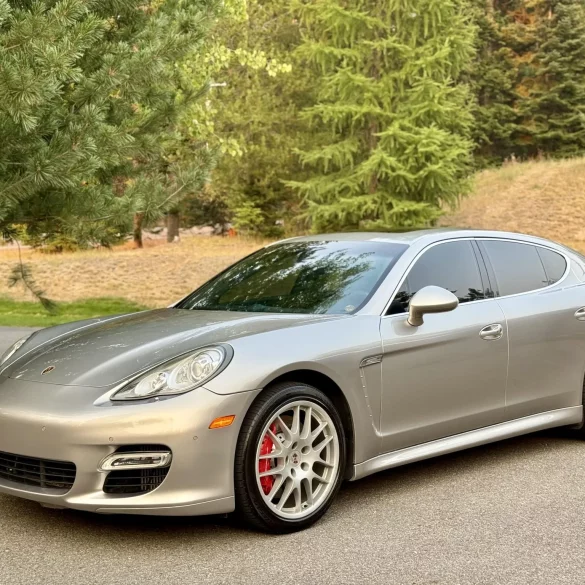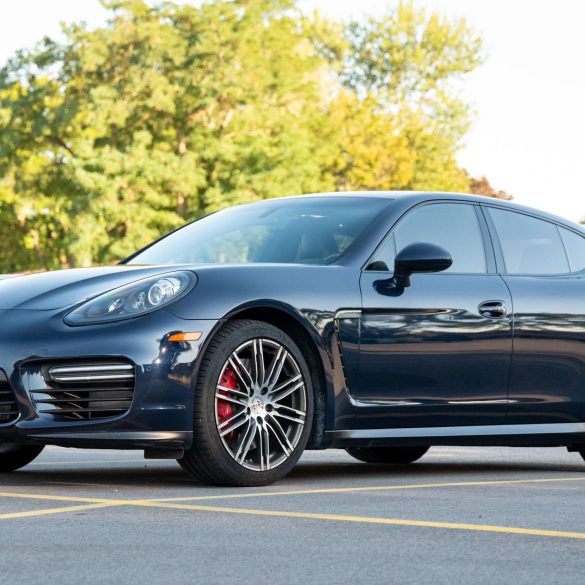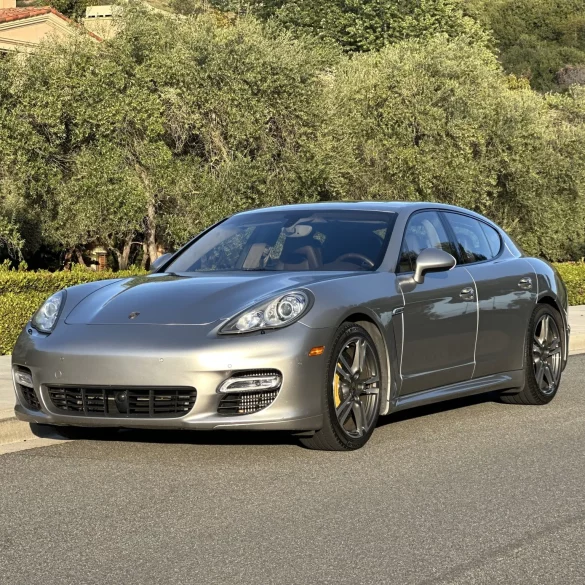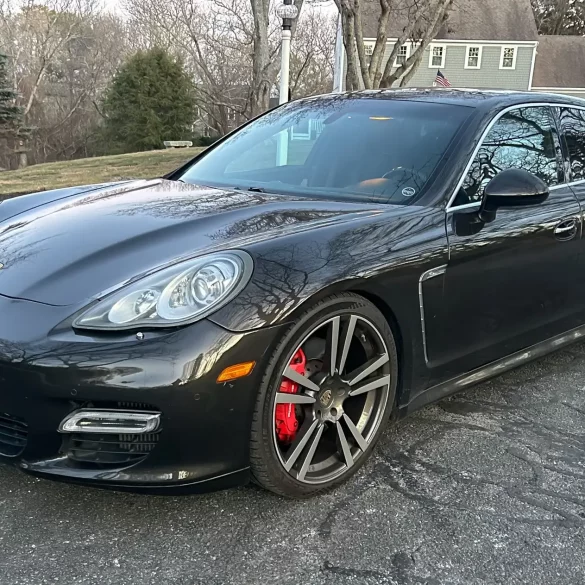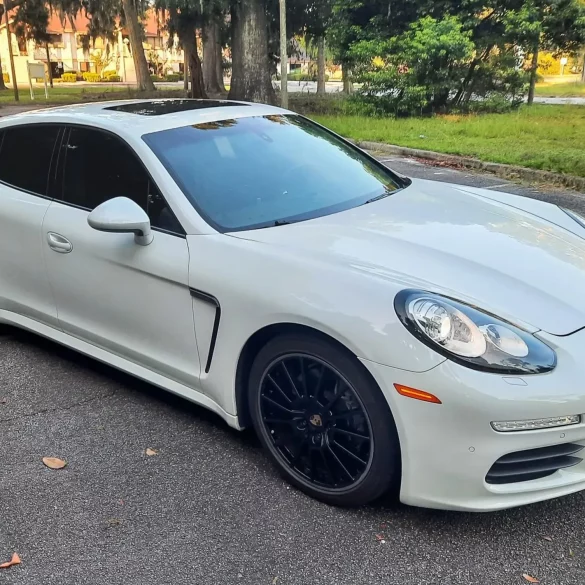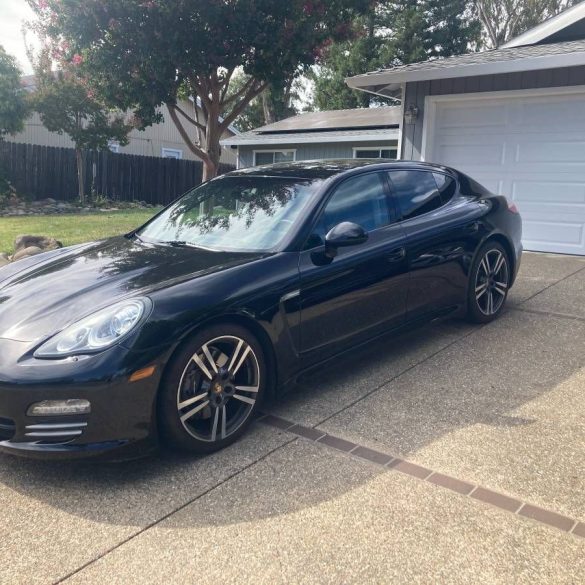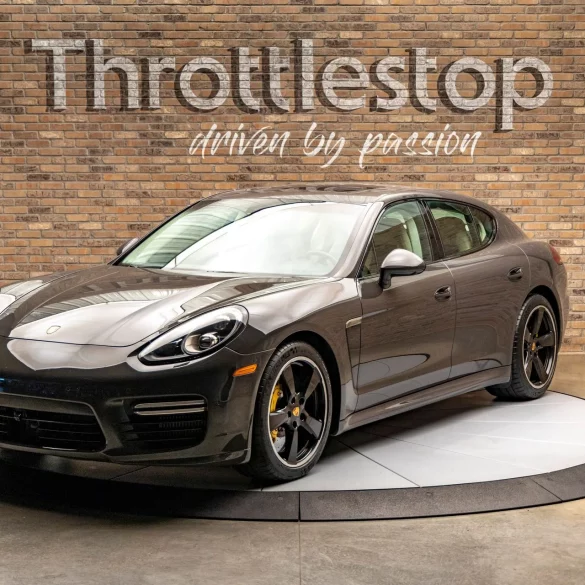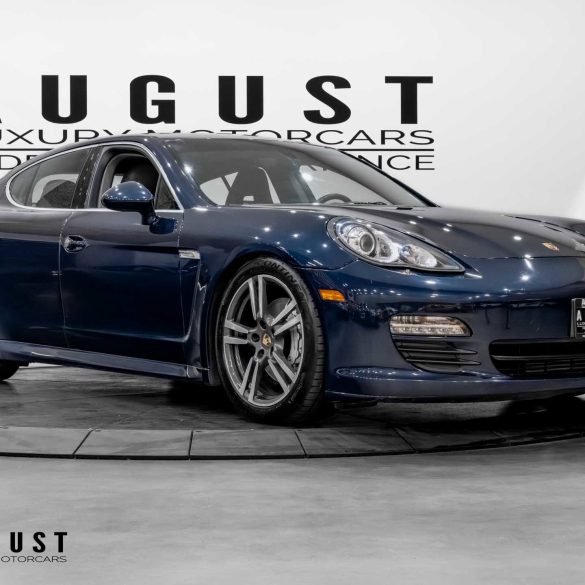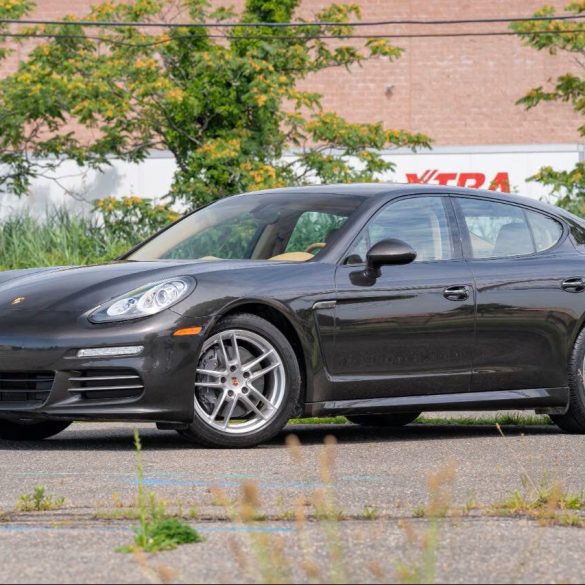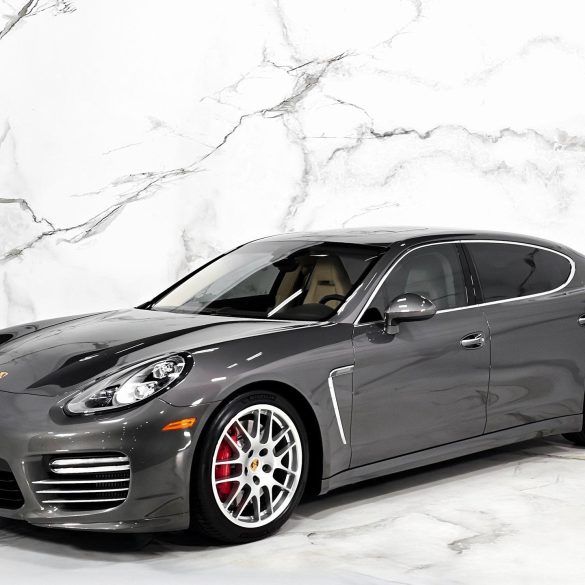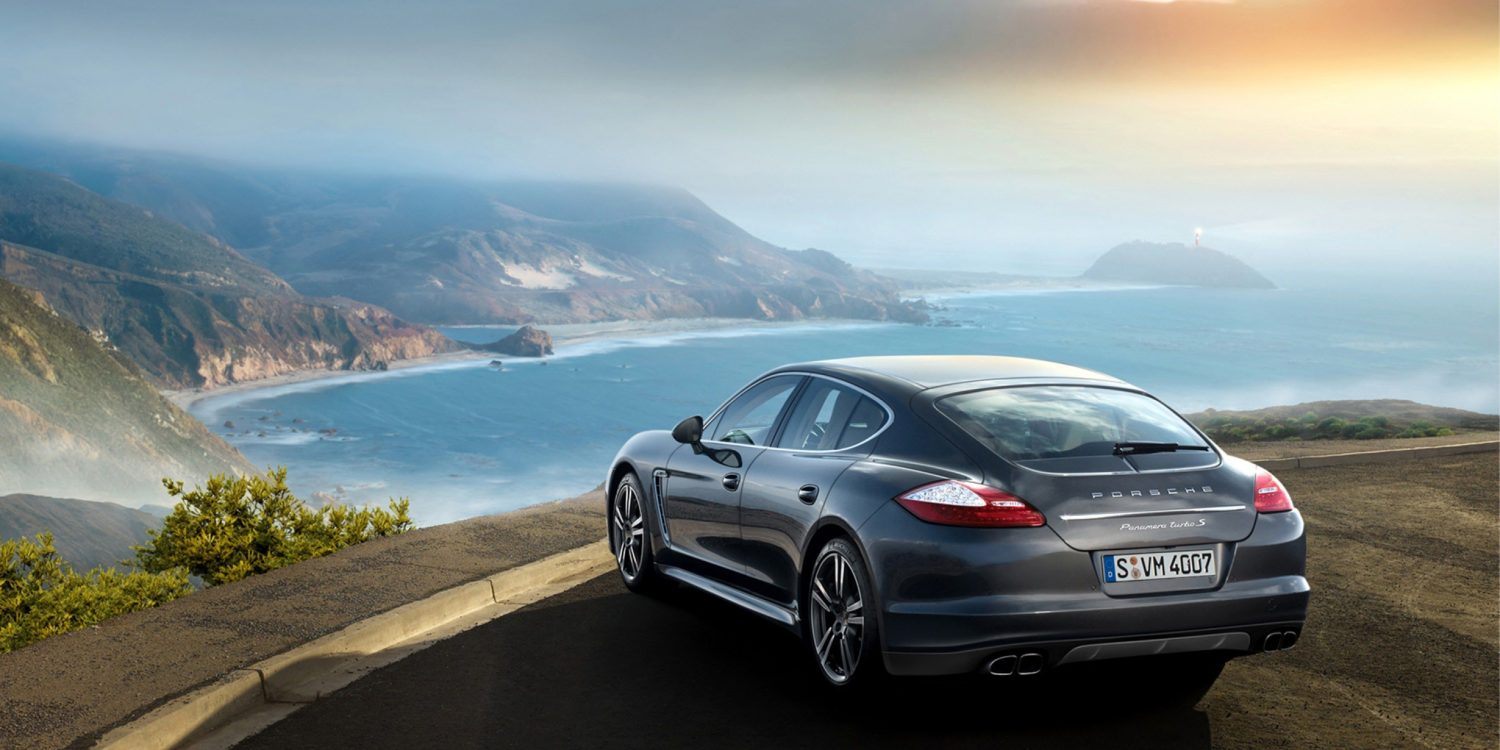
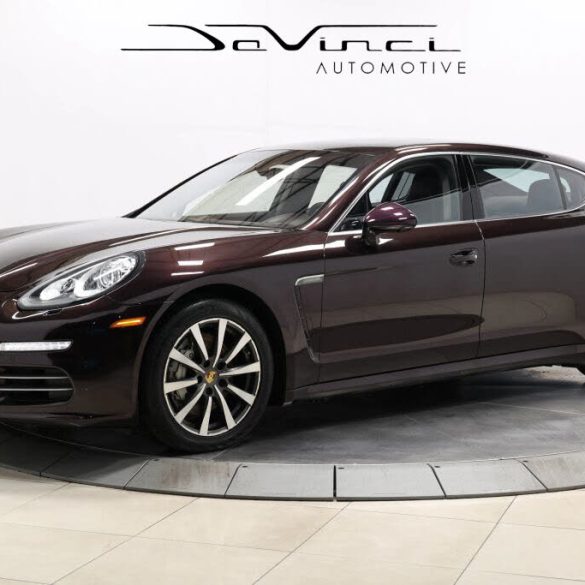
Features Mileage: 26,235 Drivetrain: All-Wheel Drive Exterior color: Amethyst Metallic Interior color: Marsala Engine: 420 hp 3L V6 Fuel type: Gasoline Transmission: 7-Speed Automatic Bluetooth Overview Make:Porsche Model:Panamera Year:2015...


The Porsche Panamera marked a turning point for Porsche when it debuted in 2010. As the brand’s first four-door luxury sedan, the first-generation Panamera (internal code 970) combined Porsche performance DNA with real-world practicality—offering four doors, usable rear seating, and long-distance comfort without abandoning a focus on the driver.
Across its production run, the 970 Panamera was offered in a wide range of trims, from the accessible V6 base models to V8-powered S, GTS, Turbo, and Turbo S variants. Today, the first-generation Panamera has emerged as one of the strongest value propositions in the Porsche market, delivering performance, luxury, and prestige at prices far below newer generations.
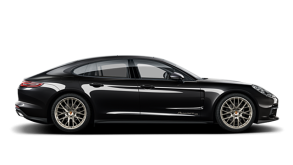
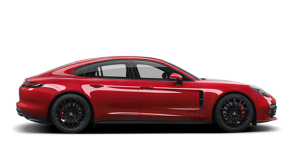
Refine Search: All Panameras / Panamera (Base) / Panamera 4 / Panamera 4S / Panamera GTS / Panamera Turbo / Panamera Turbo S / Panamera S / Panamera Platinum Edition / Panamera 4S Executive / Panamera Turbo Executive / Panamera Turbo S Executive / Panamera S E-Hybrid / Panamera Sport Turismo
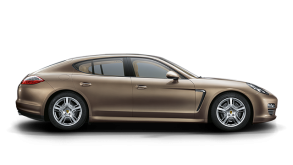
Browse first-generation Panamera listings from our community alongside a curated selection of the most interesting 970-series cars for sale across the web. We highlight only standout examples with great specs, clean history, and real buyer appeal—making it easier to find the right Panamera without all the searching.

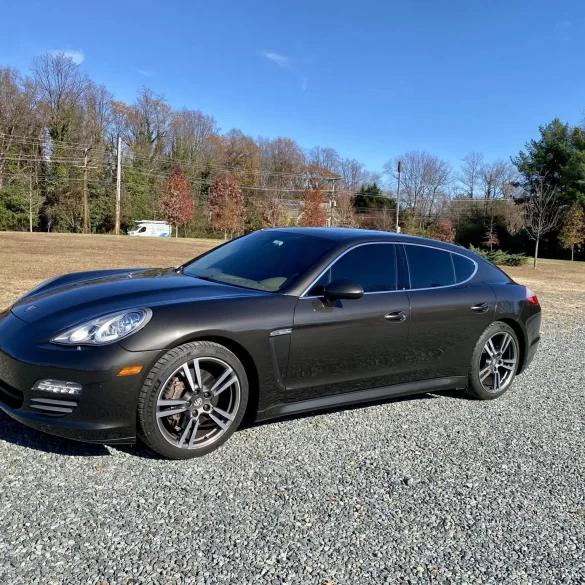
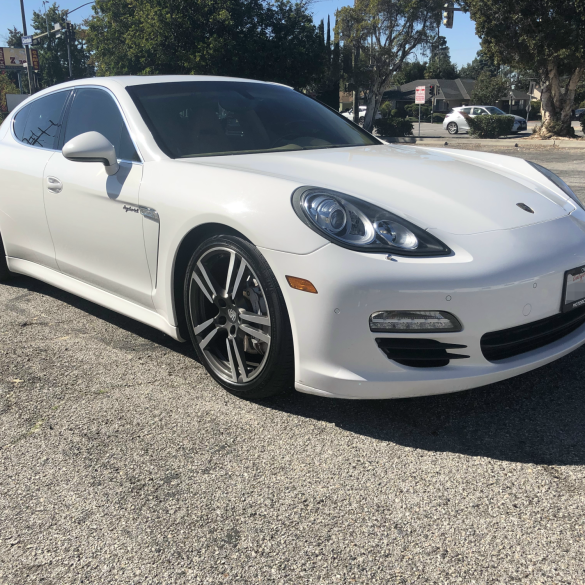
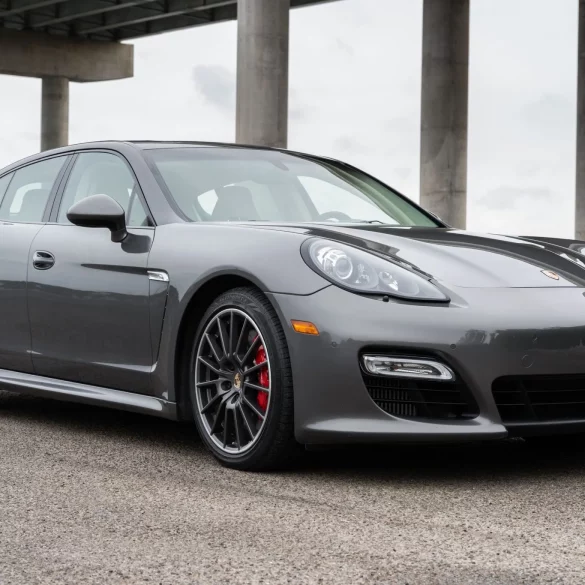
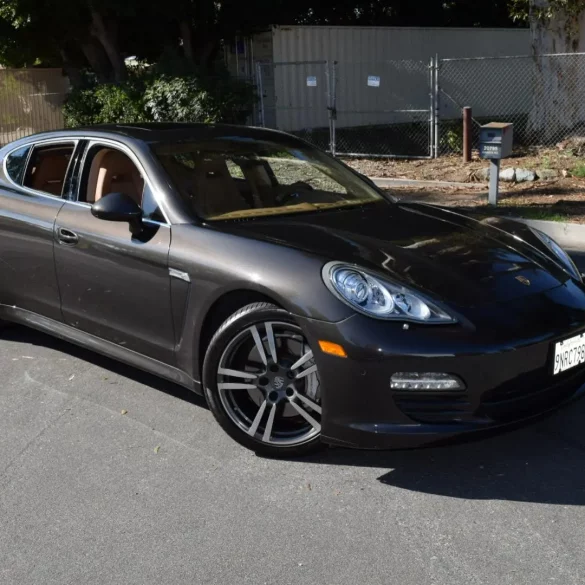
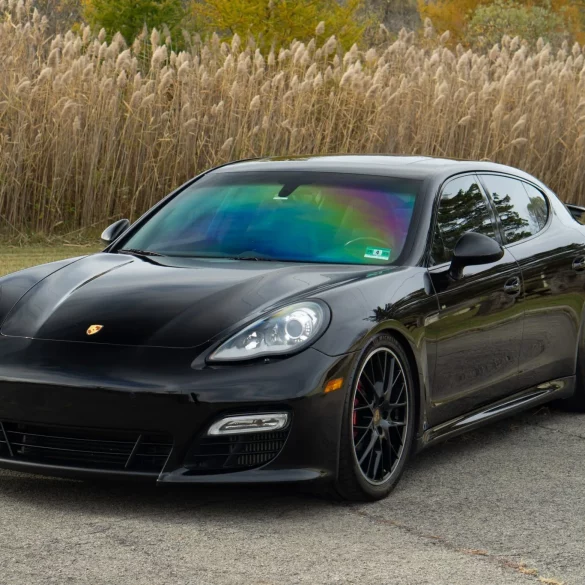
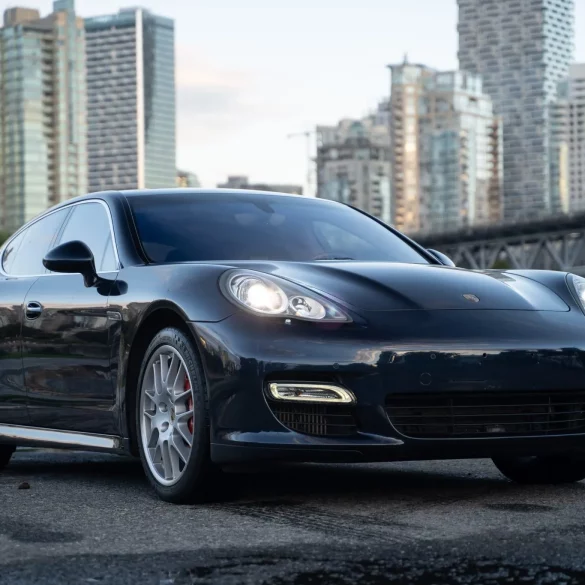
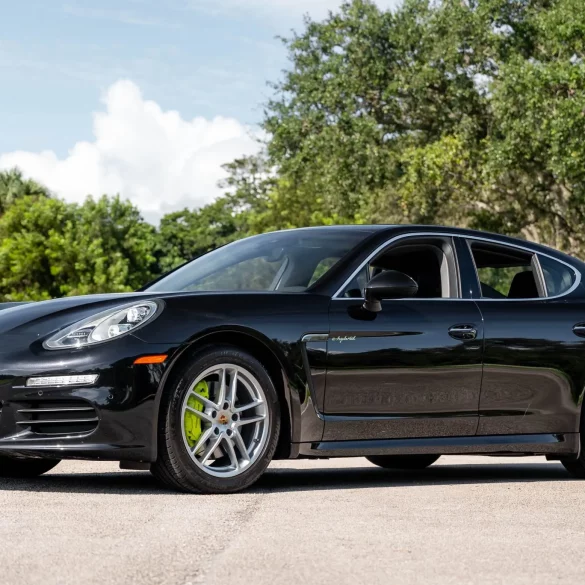
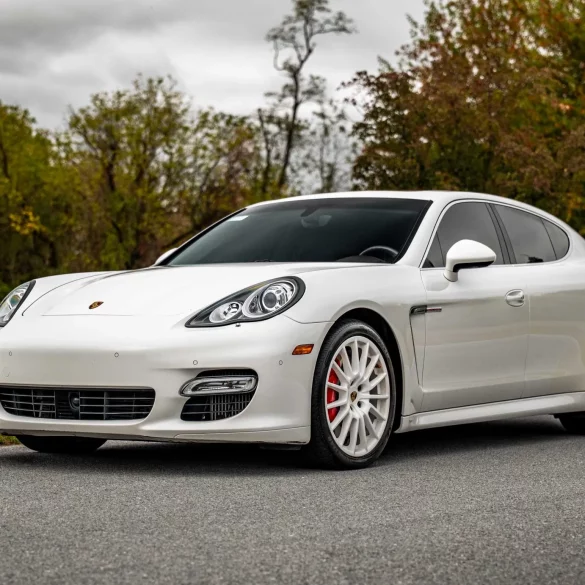
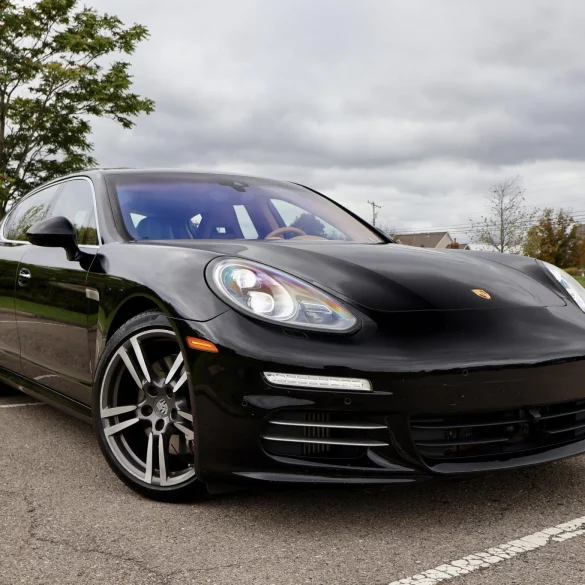
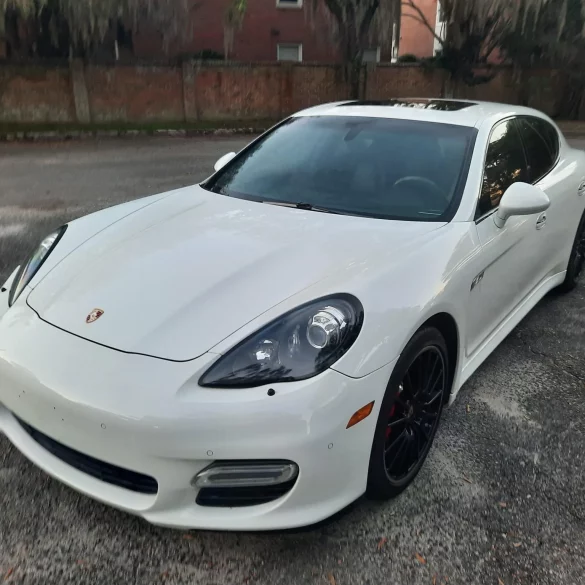

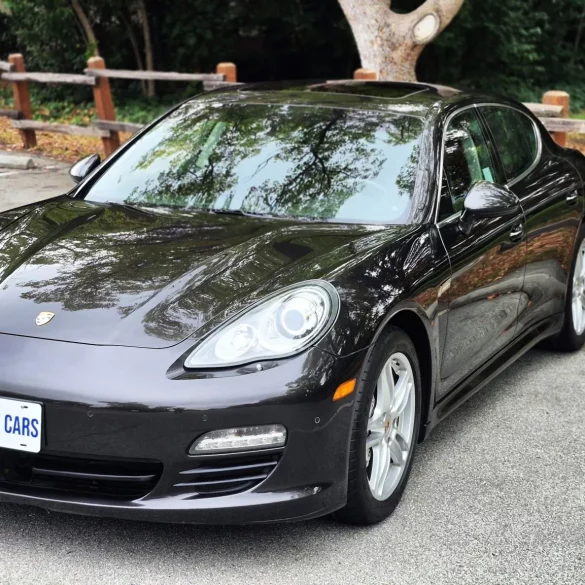
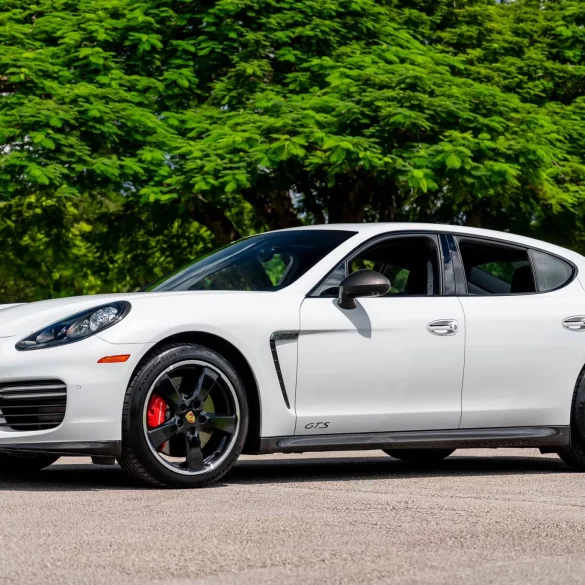
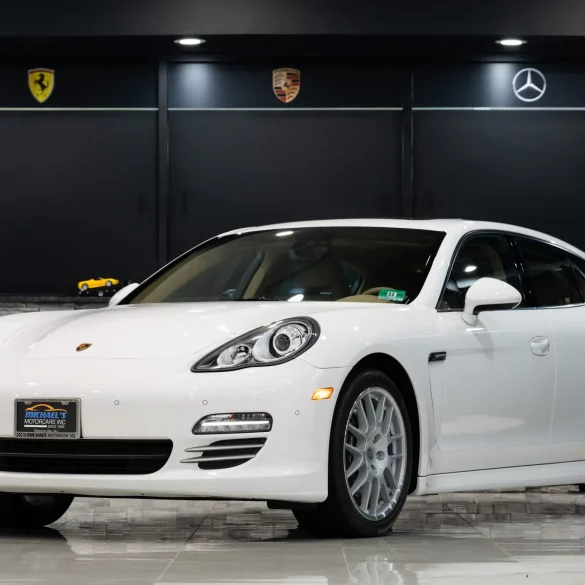
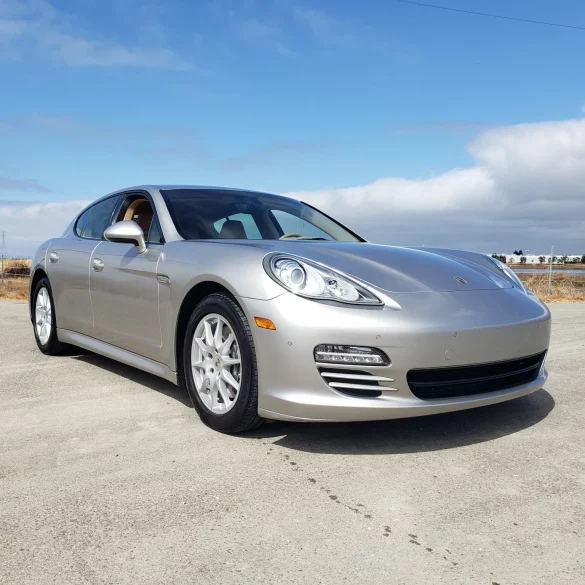
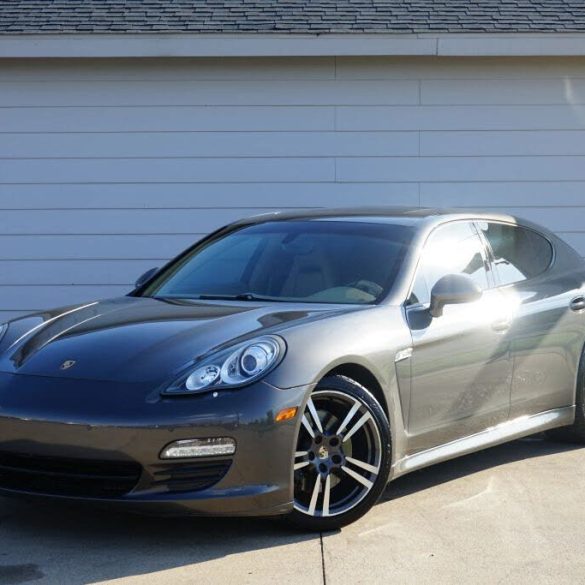
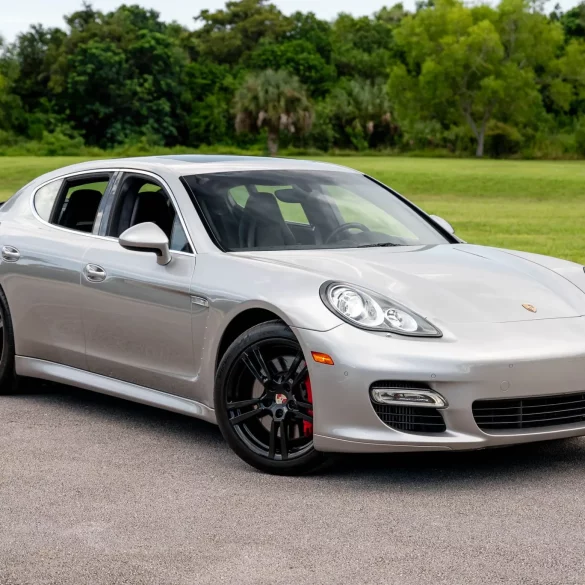
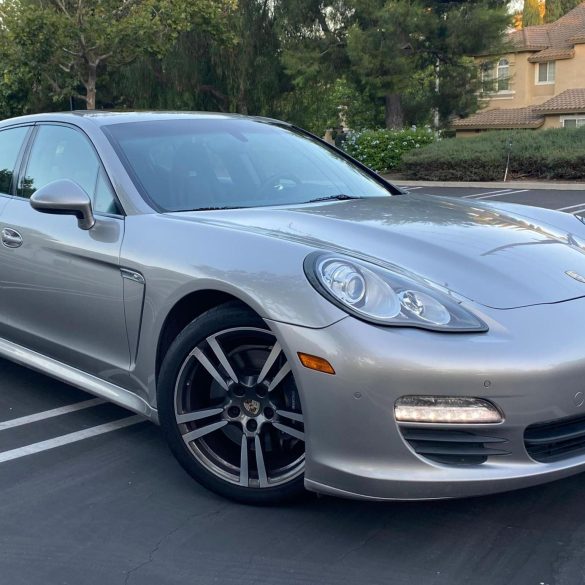
This is often regarded as the first-gen Panamera if you want the ultimate balance of power + luxury. It uses a 4.8 L twin-turbo V8 producing ~570 hp (depending on spec) and massive torque, making it one of the fastest and most powerful luxury sedans of its era. The “Executive” designation means it has a long wheelbase — more rear-seat space, more comfort, and extras that elevate it beyond just a “fast car.” That extra luxury + performance + relative rarity is why many buyers and collectors gravitate here. Because of that combination, mint-condition Turbo S Executives often hold value — sometimes fetching as much as, or more than, the average price of a brand-new mainstream car in the U.S.
The GTS is often seen as the “enthusiast’s choice.” With a naturally aspirated 4.8 L V8 (~440 hp in the facelifted models) and sportier suspension/brakes/sport-tuned setup, it delivers a more raw, driver-focused experience than the super-sedan turbo variants. For someone who wants V8 character, handling, and a bit less complexity than a twin-turbo V8, the GTS tends to hit a sweet spot. It is often more affordable on the used market compared to a Turbo S but still gives strong performance and that “Porsche feel.” Because the 970 wasn’t universally loved (especially early on), nice GTS units in good condition are increasingly rare — so they tend to attract a steady crowd of buyers who want a “balanced” Panamera.
The “regular” Turbo S version is still among the most desirable non-executive 970s: with a ~500–550 hp V8 twin-turbo (depending on year/spec), it delivers serious performance in a more “compact” package than the Executive. For those who want blistering acceleration and Porsche performance + the more standard sedan proportions (perhaps for easier handling or lower cost than Executive), this trim can offer a great balance. In good condition, these remain among the most expensive and sought-after first-gen Panameras — which reflects the enduring appeal of a “pure” high-performance sedan rather than a “luxury cruiser.”
Performance vs. practicality: First-gen Panameras are big, heavy four-door sedans — but these variants make them feel like sports-sedans, especially with twin-turbo V8s or sporty naturally aspirated V8s. Many drivers comment they “still drive like a Porsche.”
Relative rarity and exclusivity: Especially with the Executive-wheelbase or higher-end trims (Turbo S, GTS), production numbers were lower, which helps them stand out in a sea of more common base- or mid-spec Panameras.
Balance of luxury, comfort, and performance: Unlike two-door sports cars, Panamera gives you 4 doors, usable rear seats, decent cargo — but still with high-end performance. For some buyers, that versatility is the draw.
Collector and resale interest: As time passes, well-maintained, low-mileage performance Panamera 970s tend to hold or even rise in desirability — especially good examples of rare or top-trim variants.
Because the 970 was Porsche’s first real attempt at a four-door sedan, design and styling have always been divisive — and some purists still dislike the “hunchback” rear styling. Maintenance and repair costs tend to be high, especially on the turbo-charged variants (suspension, brakes, general wear on a heavy car). Depreciation is steep (though maybe stabilizing), and as parts get older, well-kept examples become rarer.
When shopping for a used first-generation Porsche Panamera (970), the most important thing to evaluate is the health of the engine and cooling system—especially on V8 models. The 4.8-liter engines are fundamentally strong, but they’re known for coolant pipe leaks, thermostat housing failures, water-pump wear, and valve-cover gasket seepage. Turbo models in particular run hot and place more stress on cooling components, so evidence of past repairs or preventative maintenance is a major plus. Any smell of coolant, signs of dried residue, or unexplained coolant loss should be taken seriously. A car with documented cooling-system service is almost always a safer bet.
The next big area of concern is the air suspension and adaptive chassis systems. Many Panameras were equipped with air struts and PASM, and while they deliver an exceptional ride when functioning properly, they’re also among the most expensive components to replace as these cars age. Sagging suspension after sitting overnight, an overly loud or frequently running compressor, or any harsh or inconsistent ride behavior can all point to worn air struts. Replacing struts or compressors is a four-figure repair, so you’ll want to test the suspension at all height settings and drive over uneven surfaces to check for clunks or hisses.
The PDK transmission is another crucial component to evaluate. Porsche’s dual-clutch gearbox is highly reliable if serviced on schedule, but many owners overlook the fluid and filter changes required roughly every 60,000 miles. Signs of hesitation when shifting into Drive or Reverse, rough cold shifts, or inconsistent downshifts can indicate deferred maintenance or deeper issues. A Panamera with a full PDK service history—documented by a Porsche dealer or specialist—should be prioritized, as major PDK repairs are costly.
Electrical systems also deserve close attention, as early-2010s Porsche electronics haven’t aged as gracefully as the mechanical components. Issues with the PCM infotainment system, backup camera, window regulators, keyless entry sensors, and seat or sunroof modules are not uncommon on higher-mileage cars. Many of these faults stem from a weak or aging battery, but some require module replacement, which can get expensive. During a pre-purchase inspection or test drive, it’s essential to test every electrical feature, from the rear sunshade to heated and cooled seats, to avoid hidden surprises.
Finally, the Panamera’s weight means it wears through consumables faster than smaller Porsche models, so assessing brakes, tires, and suspension wear is key. Pads and rotors—especially on Turbo or GTS models—can be costly to replace, and ceramic brake systems (PCCB) are extremely expensive if worn. High-performance tires in 20- or 21-inch sizes can also add up quickly. You’ll want to inspect the condition of all four tires, check for vibration under braking, and listen for worn bushings or motor mounts during acceleration. A Panamera that’s been maintained proactively in these areas will feel tight and composed; a neglected one will feel heavy, loose, and expensive.
The first-generation Porsche Panamera (970) has settled into a very clear and surprisingly predictable market trend: steep long-term depreciation followed by a leveling-off phase where well-maintained examples hold steady and poorly maintained ones continue to drop. Most buyers today see the 970 as a chance to get a genuinely high-performance Porsche sedan at a fraction of its original price. A 2010 Panamera Turbo, for example, carried a sticker price of roughly $135,000 when new, yet now often sells in the $15,000–$20,000 range, depending on miles and condition. This dramatic drop is typical for large German luxury sedans from the 2010s, but it also makes the Panamera a compelling “value buy” if you choose the right car.
Recent market data shows that the Panamera sits around the middle of the pack in used-car pricing trends, with the average used Panamera (of all generations) hovering in the mid-$50Ks. First-generation examples, however, skew much lower, often undercutting comparable S-Class, 7-Series, or Audi A8 performance trims—especially in V8 or Turbo configuration. The cars that hold value best within the 970 range tend to be the enthusiast-favorite variants such as the GTS, Turbo, and Turbo S, as well as long-wheelbase Executive models. Low-mile, well-optioned cars with a clean service history are consistently seeing stronger demand, while high-mile or deferred-maintenance examples are establishing a “floor” in the low-teens.
Condition and spec are the biggest drivers of price variation. Because the 970 lineup ranged from economy-minded V6 models all the way to 550+ horsepower Turbo S Executives, two Panameras from the same model year can differ in market value by tens of thousands of dollars. Maintenance history is equally important: cars with documented coolant-system service, PDK maintenance, and healthy air suspension command noticeable premiums. Meanwhile, neglected examples often linger on the market longer and continue to depreciate. Buyers have become more aware of the cost of ownership of aging luxury performance sedans, so pricing now reflects mechanical honesty rather than simply age or mileage.
Overall, the first-gen Panamera is now firmly in its “value sweet spot.” Prices have stabilized for clean, desirable trims, and even the top models remain accessible compared with modern Porsche pricing. There is no widespread appreciation trend yet—these cars are not considered collectibles—but the gap between well-maintained and poorly maintained examples is widening. For an enthusiast willing to prioritize condition and service history, the 970 Panamera represents one of the best performance-per-dollar opportunities in the used Porsche world today.
Here’s a look at what many consider the best options and extras to have on a first-generation Porsche Panamera 970 — the features and packages that tend to deliver the best mix of performance, comfort, and long-term desirability.
When evaluating a 970 Panamera, the following options/ upgrades often make a big difference — either in driving feel, comfort, or resale value.
Porsche Active Suspension Management (PASM) — An electronically adjustable suspension system that gives a better balance between comfort and sporty handling. Great for a heavy sedan like the Panamera: it smooths out highway cruising but also lets the car stay composed when pushed hard.
Sport Chrono Package — Adds sharper throttle mapping, more aggressive engine/transmission behavior (when desired), and (on certain trims) launch-control or sport driving modes. Makes the Panamera feel more like a genuine performance sedan rather than just luxury transport.
Porsche Ceramic Composite Brakes (PCCB) — High-end braking upgrade: lighter, stronger braking capability — a big plus on V8 or Turbo variants. Particularly useful if you care about braking performance under hard use or spirited driving.
Premium comfort & luxury features — Items like heated/ventilated power-adjustable seats (front and rear), four-zone climate control, a panoramic roof, ambient lighting, soft-close doors, and high-quality sound systems (e.g. the deluxe stereo option) significantly enhance the everyday usability and passenger comfort. On long drives or as a chauffeur-type sedan (especially in “Executive” wheelbase trims), these options make a big difference.
“Executive” or long-wheelbase rear-seat configuration (when available on relevant trims) — For those who prioritize rear-seat comfort, legroom, and a more luxurious back-seat experience (chauffeur-style), the long-wheelbase setup is one of the most desirable configurations in the 970 lineup.
Not every option yields equal value depending on how you plan to use the car. Some of the most effective combinations for different use-cases:
Performance-oriented build: A V8 or twin-turbo V8 Panamera (e.g. S, Turbo, Turbo S, GTS) + PASM + Sport Chrono + PCCB. This config maximizes the Panamera’s sedan-meets-sports-car character: strong acceleration, sharp handling, excellent brakes.
Luxury / comfort-oriented build: A mid- or upper-trim (even a V6 or V8) with heated/ventilated seats, soft-close doors, panoramic roof, top-grade sound, and comfort suspension. This works well if the vehicle is used for long trips, commuting, or as an executive ride.
All-around balance (daily driver with performance reserve): A “middle ground” Panamera (say a V6 or V8 non-Turbo) with PASM, Sport Chrono (if available), and a good comfort package — delivering decent performance while maintaining reasonable reliability and tolerable running costs.
The 970 Panamera is a heavy, complex sedan — so things like adjustable suspension (PASM) and strong brakes (PCCB) significantly improve its manners and drivability.
Comfort features raise its utility: with the right extras, the Panamera becomes a “luxury sedan that can do sports-car things,” rather than a compromise or a “guilty-pleasure Porsche.”
On the resale market, Panameras that have a well-chosen option set and proper maintenance tend to be more desirable — with a better balance of performance, comfort, and long-term practicality.
Some high-end upgrades (like PCCB) are very expensive to maintain or replace if worn or damaged. On a heavy sedan with aggressive driving potential, brake wear can be significant. A fully optioned Panamera (especially in “Executive” or top trims) carries a cost not just in purchase price, but also maintenance — check carefully for suspension history, brake condition, and general wear. While a “basic” spec Panamera can be a fun driver’s car, a poorly-optioned one may lack the comfort or potential that makes the Panamera special — so don’t overlook amenities just because you care about performance.