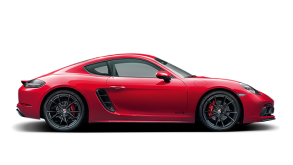
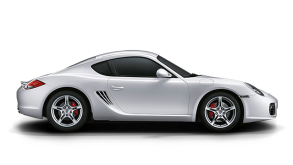
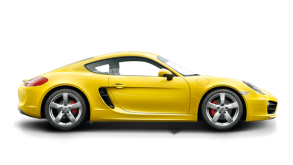
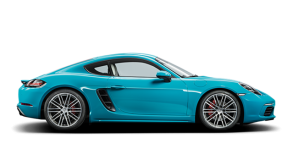
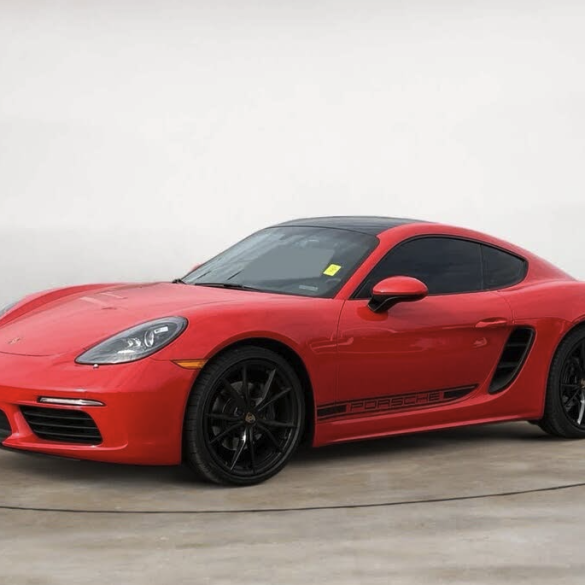
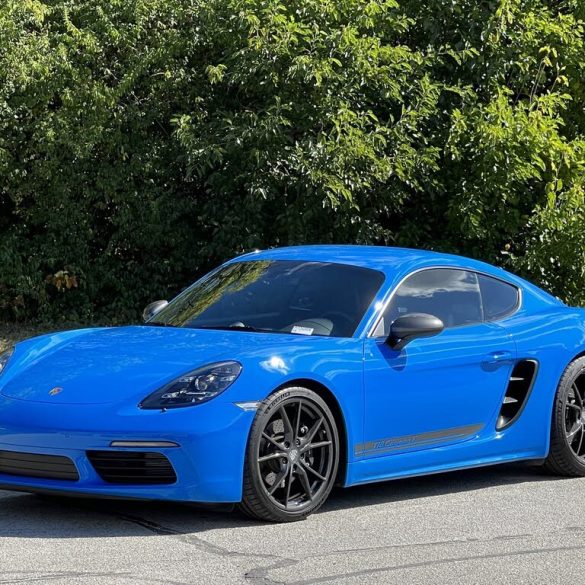
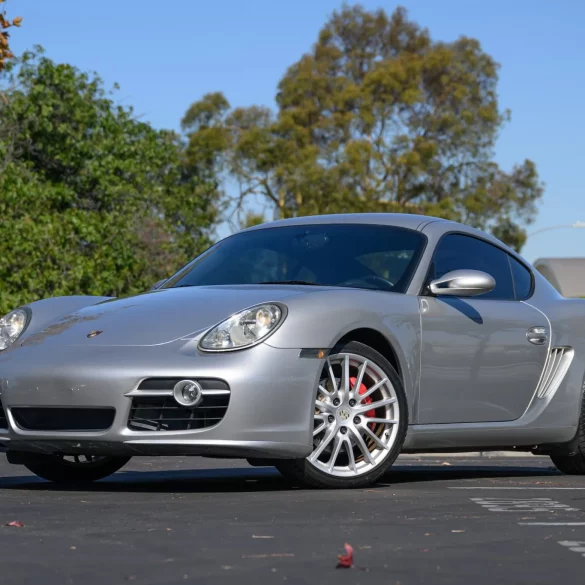
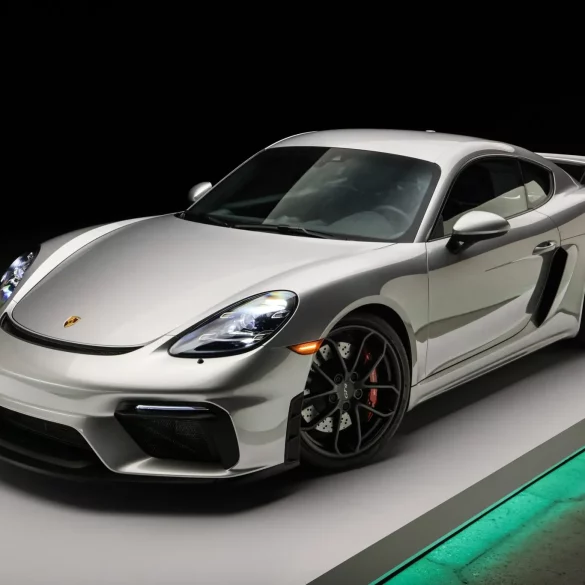
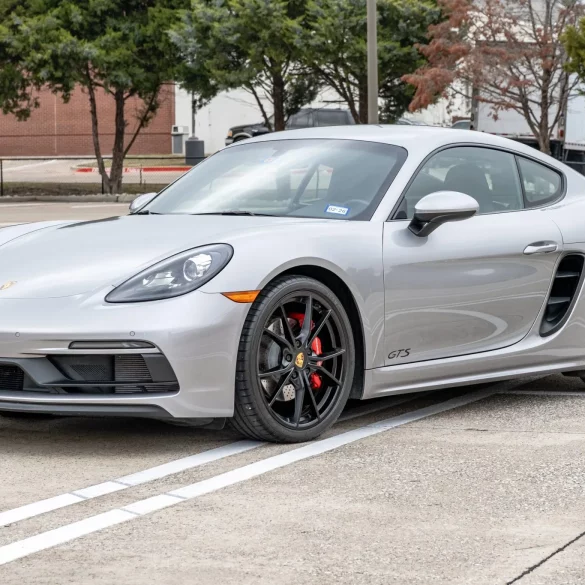
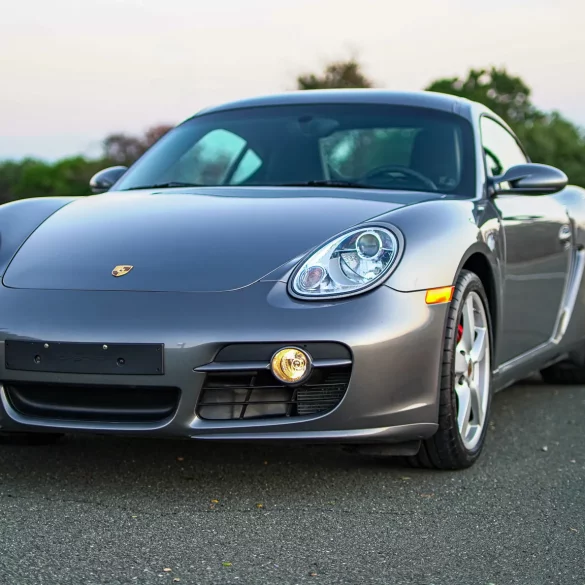
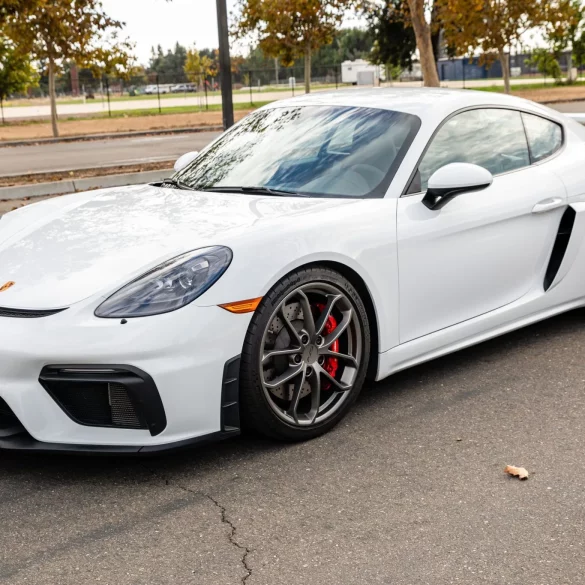
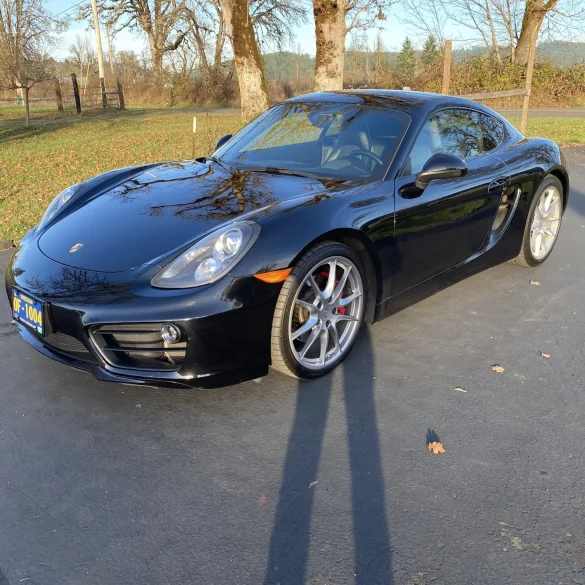
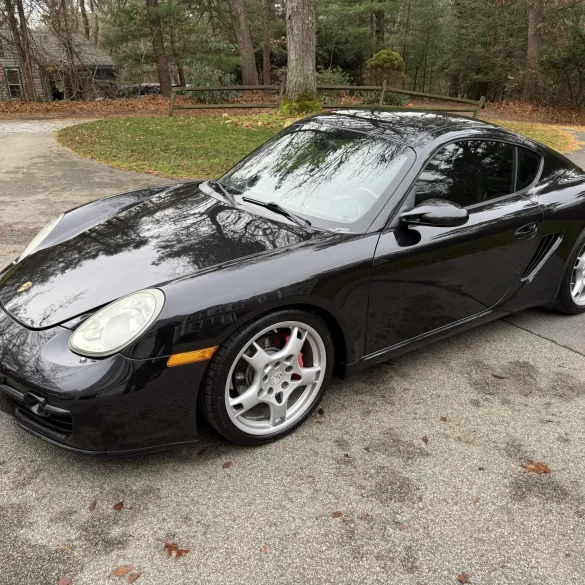
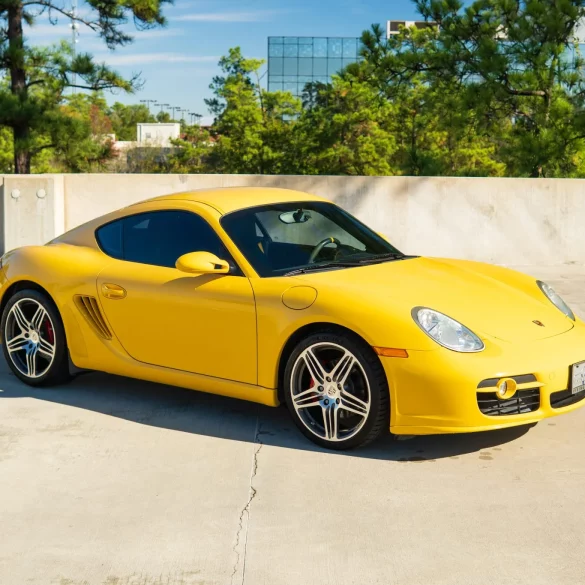
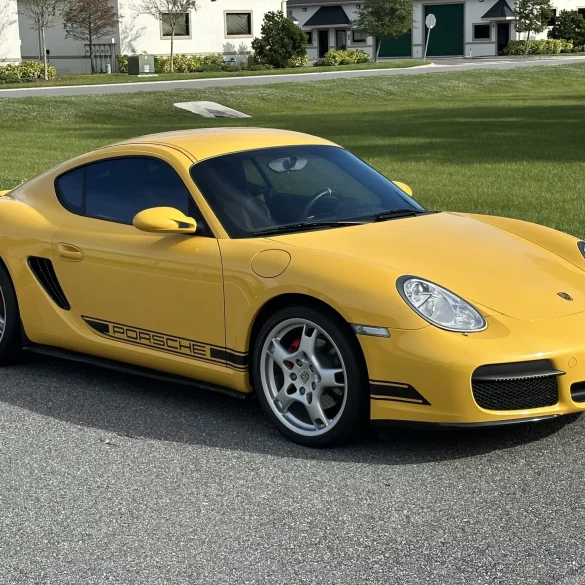
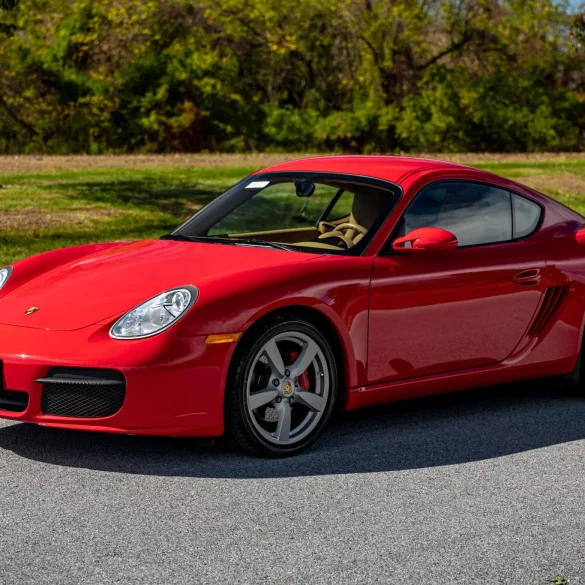
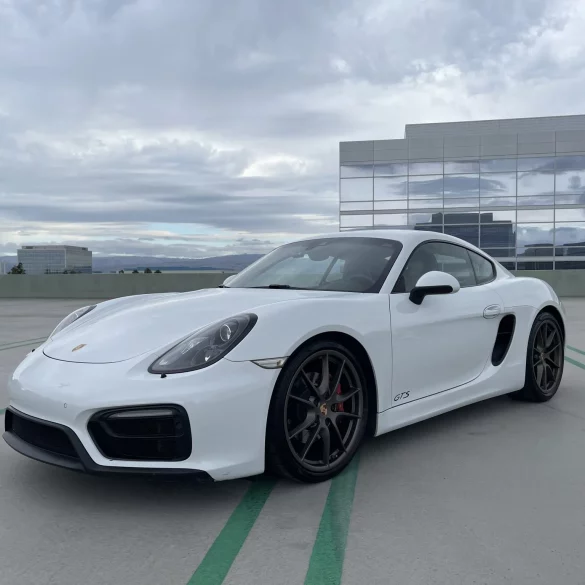
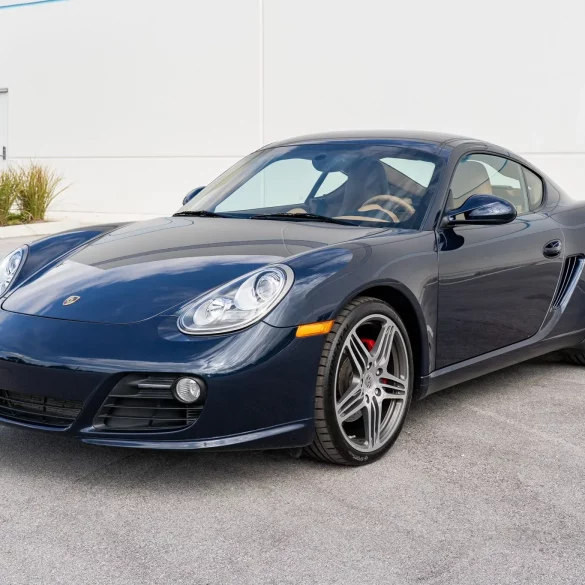
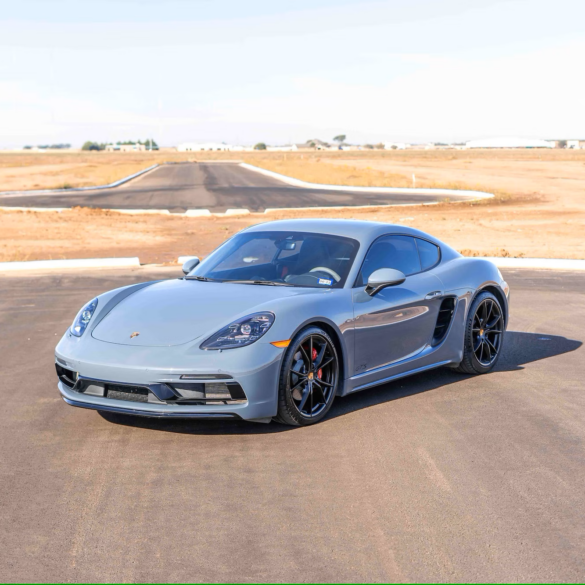
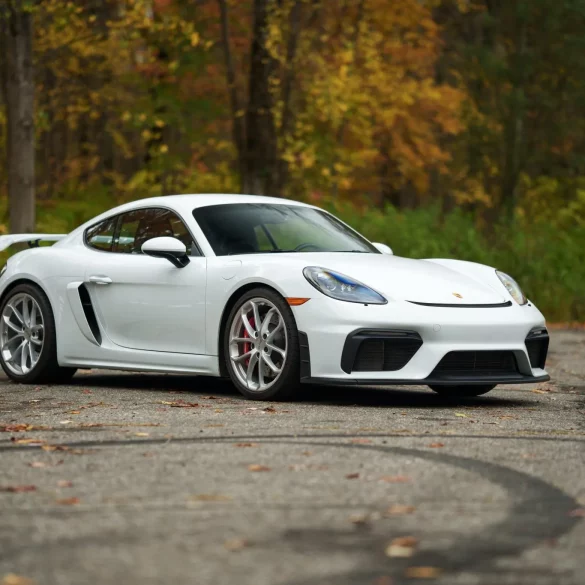
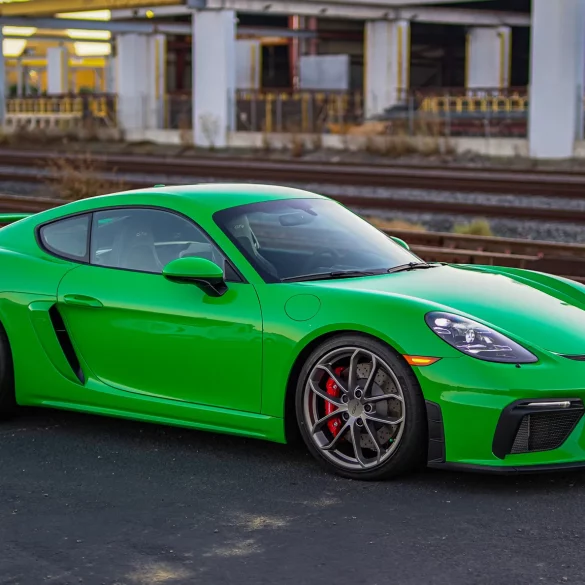
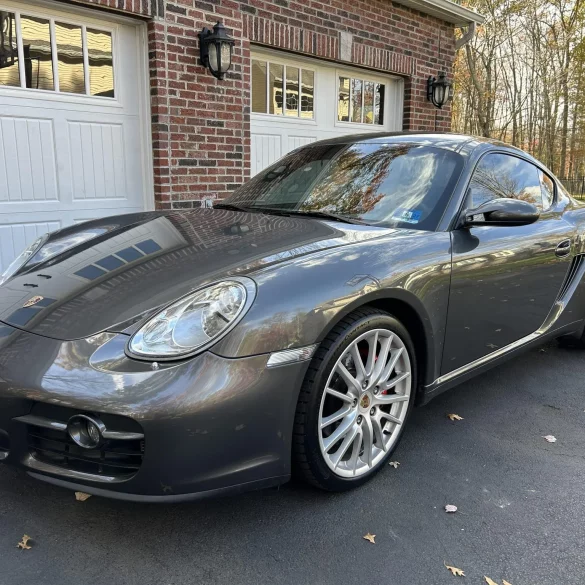
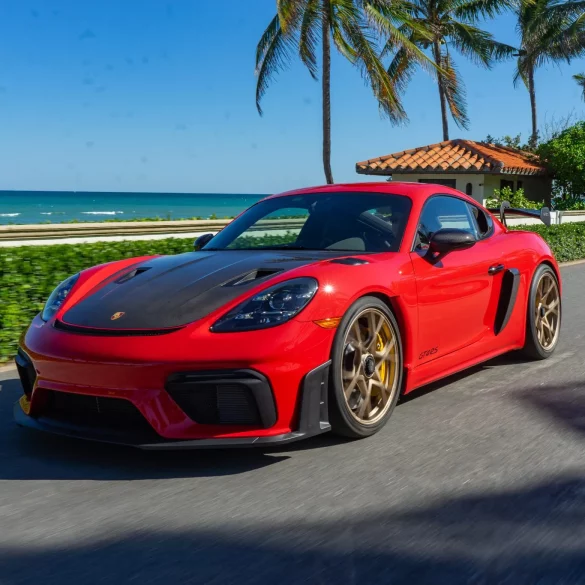
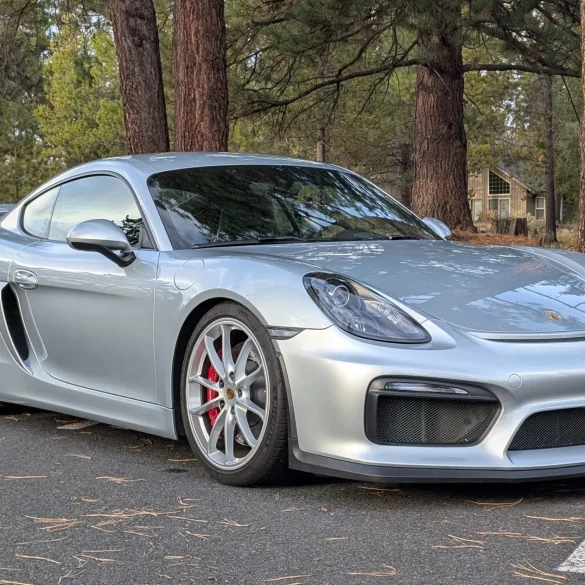
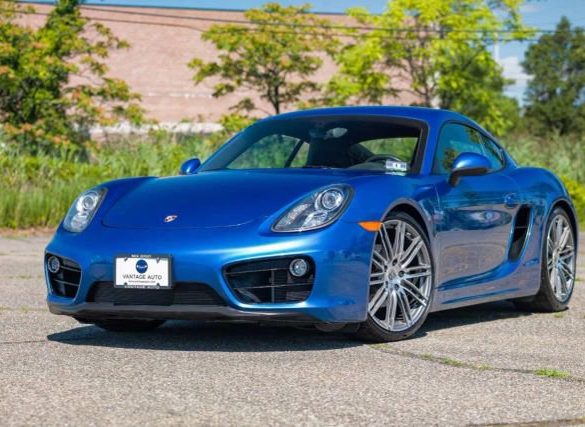
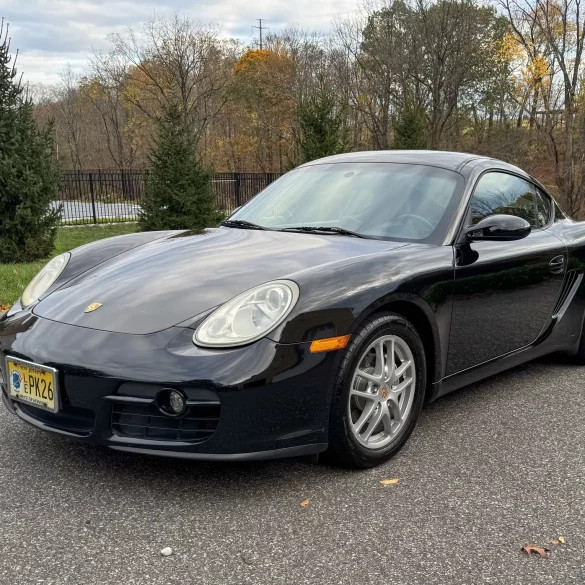
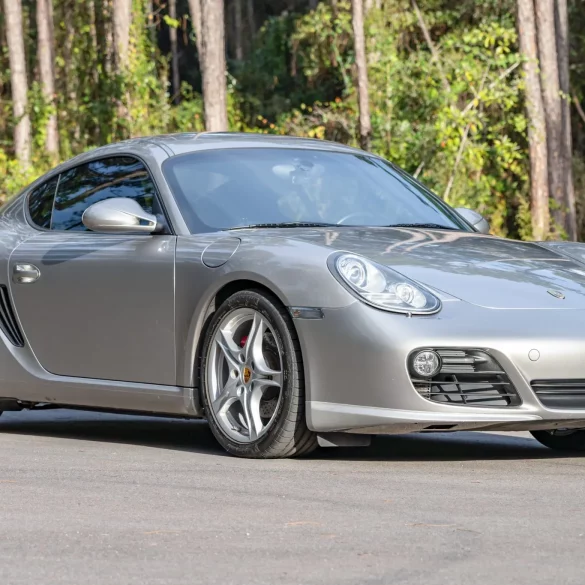
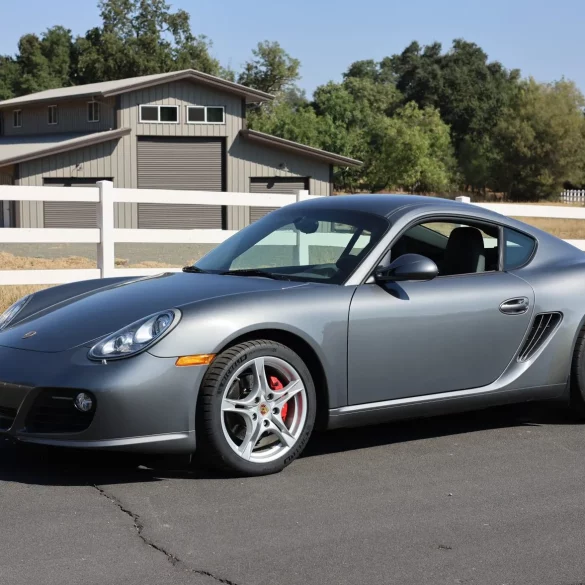
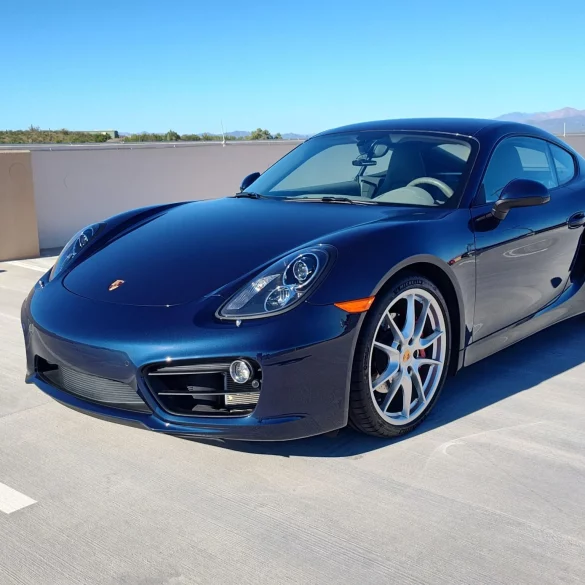
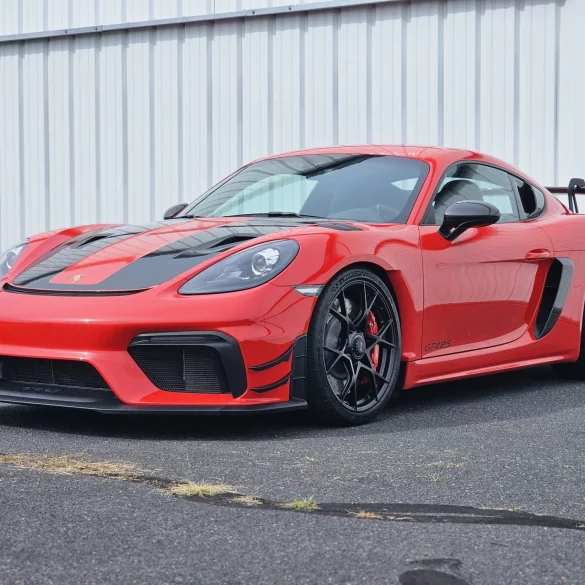
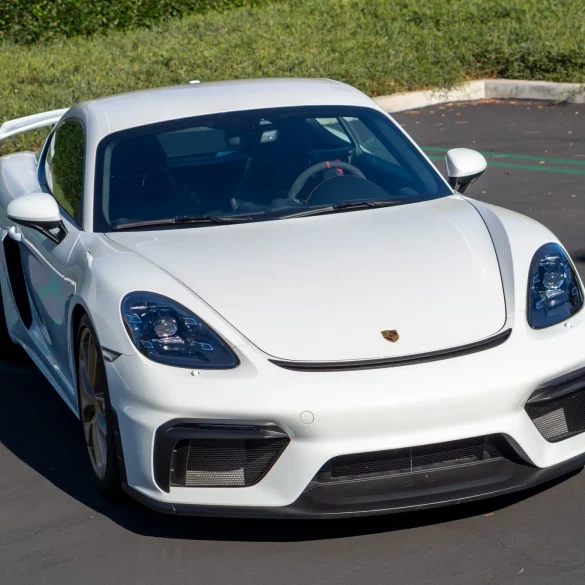
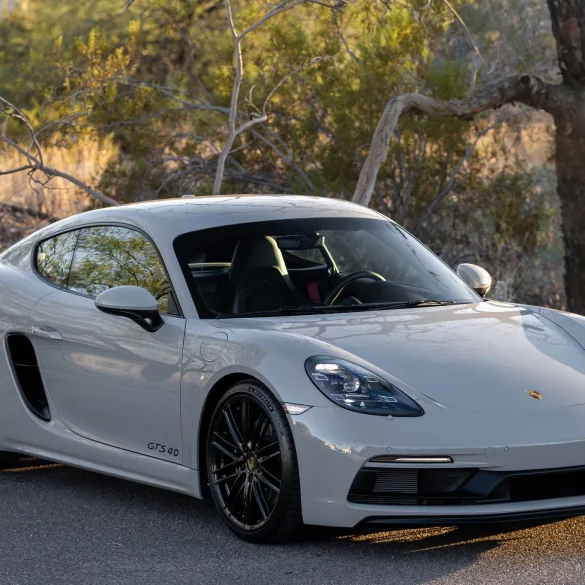
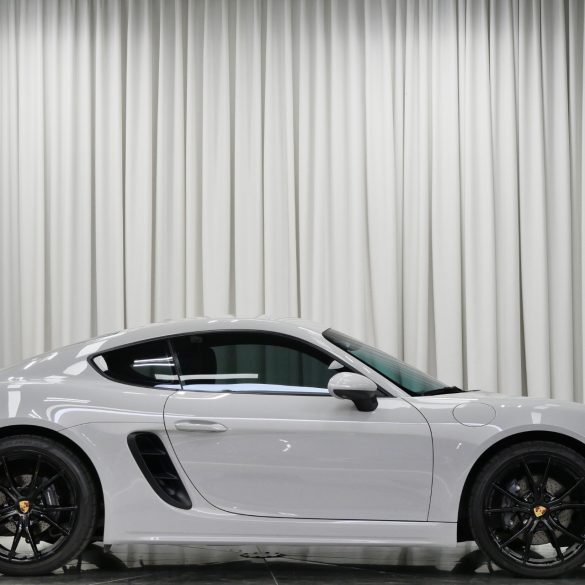
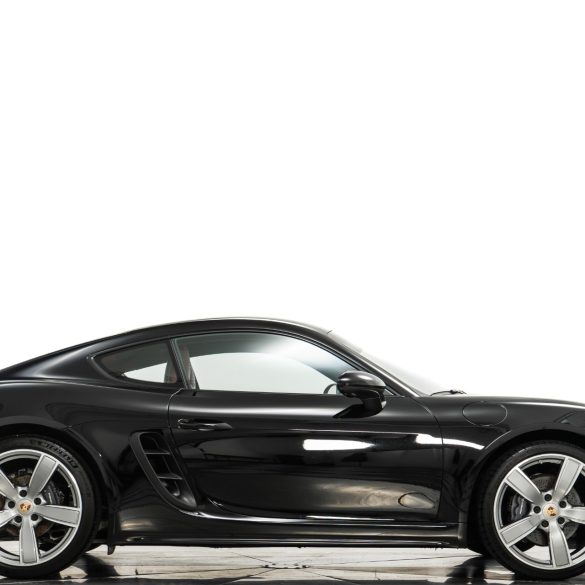
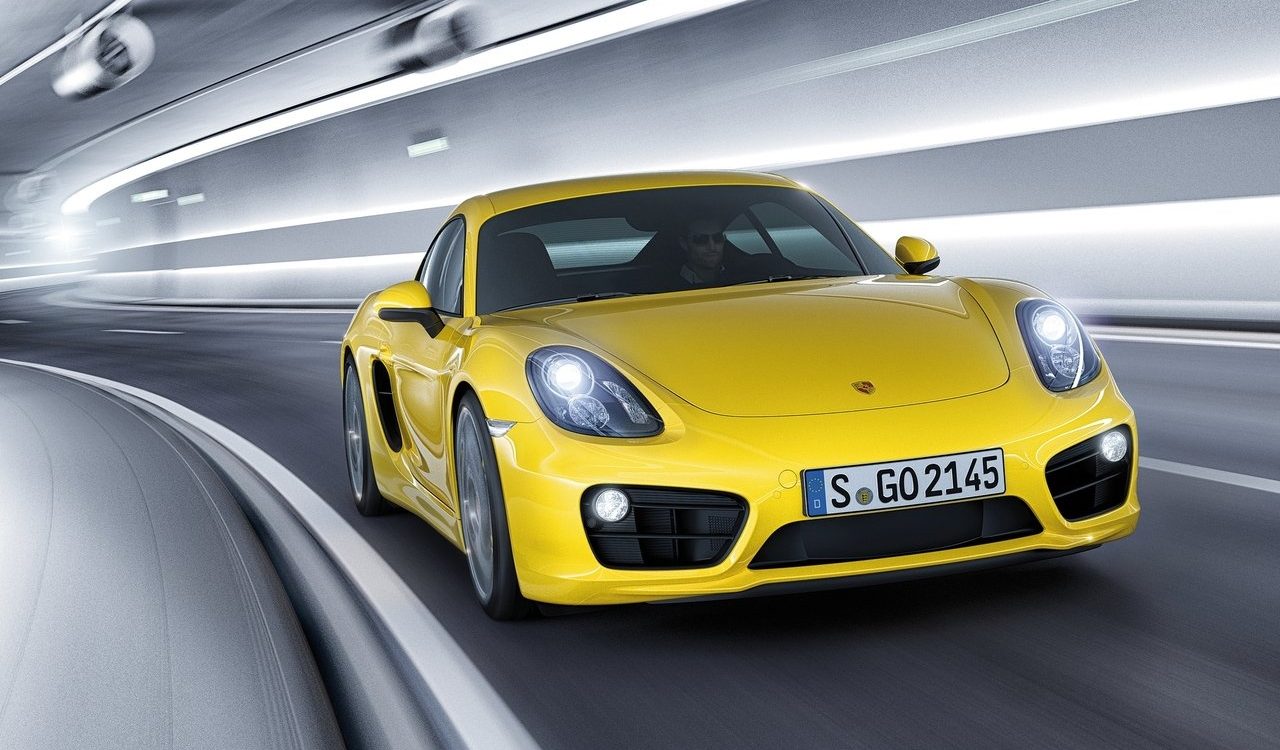
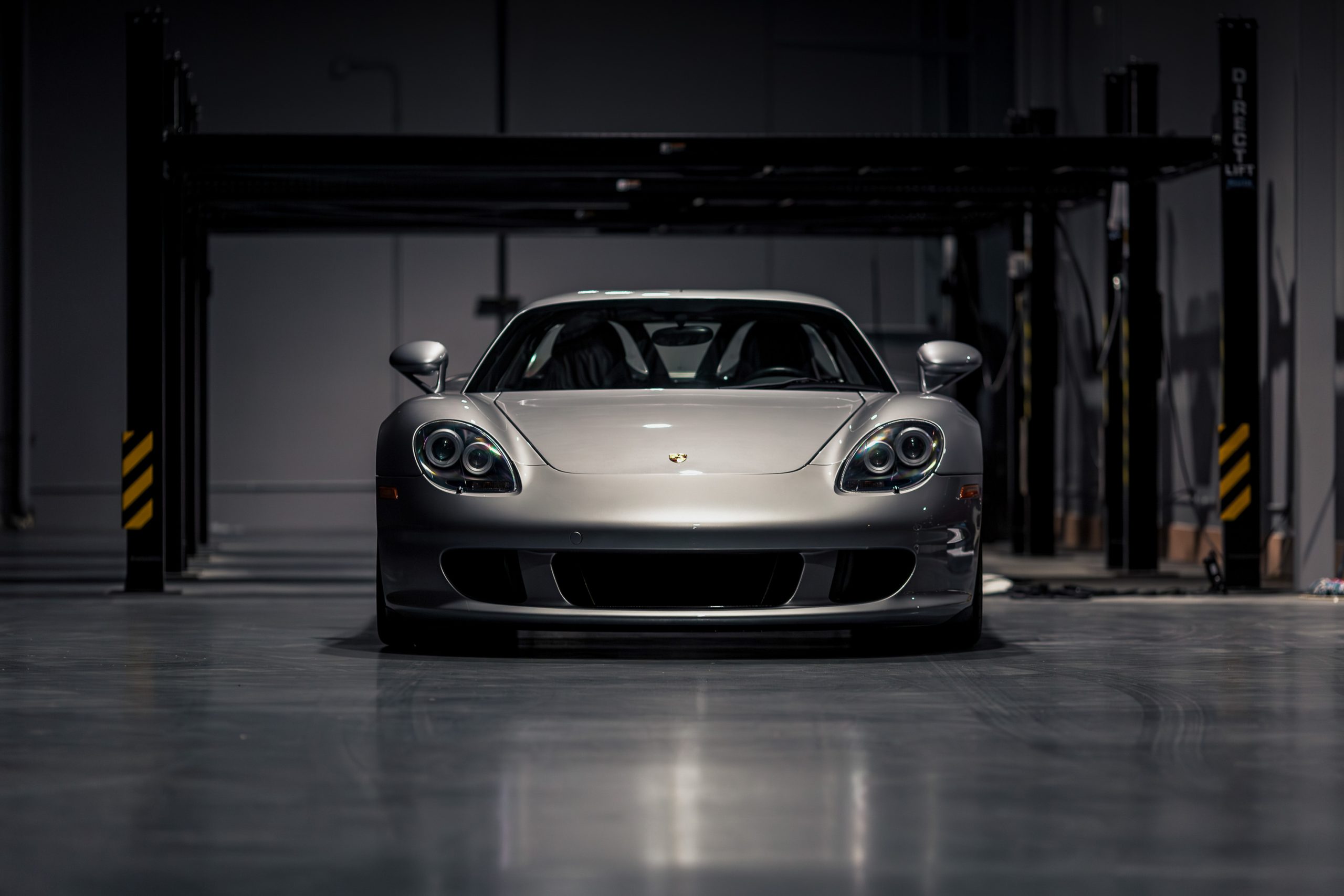
Overview Make:Porsche Model:718 Cayman Year:2022 Trim:T RWD Body type:Coupe Exterior color:Guards Red Mileage:22,861 mi Condition:Used VIN:WP0AA2A8XNS255137 Stock number:14543U Fuel economy Fuel type:Gasoline Performance Transmission:7-Speed Automatic...
Porsche Cayman For Sale - No Mid-Engined Sports Car Does It Better
The Porsche Cayman is widely regarded as one of the best-handling sports cars Porsche has ever built. Introduced as the fixed-roof sibling to the Boxster, the Cayman combines a mid-engine layout, coupe rigidity, and Porsche’s legendary chassis tuning into a package that many enthusiasts consider the brand’s purest driver’s car. Across multiple generations, the Cayman has evolved from a stylish alternative to the 911 into a benchmark for balance, precision, and driving confidence.
Whether you’re looking for an affordable entry into Porsche ownership, a weekend back-road weapon, or a track-capable performance coupe, the Cayman lineup offers a wide range of personalities. From early naturally aspirated flat-six cars to modern turbocharged and GT-derived variants, this page brings together Porsche Caymans for sale across all generations in one place.

What to Look For When Buying a Used Porsche Cayman
Porsche Cayman Buyer FAQs & Handy Guides
Which Porsche Cayman variants hold their value best?
Cayman GT4 (981 & 718)
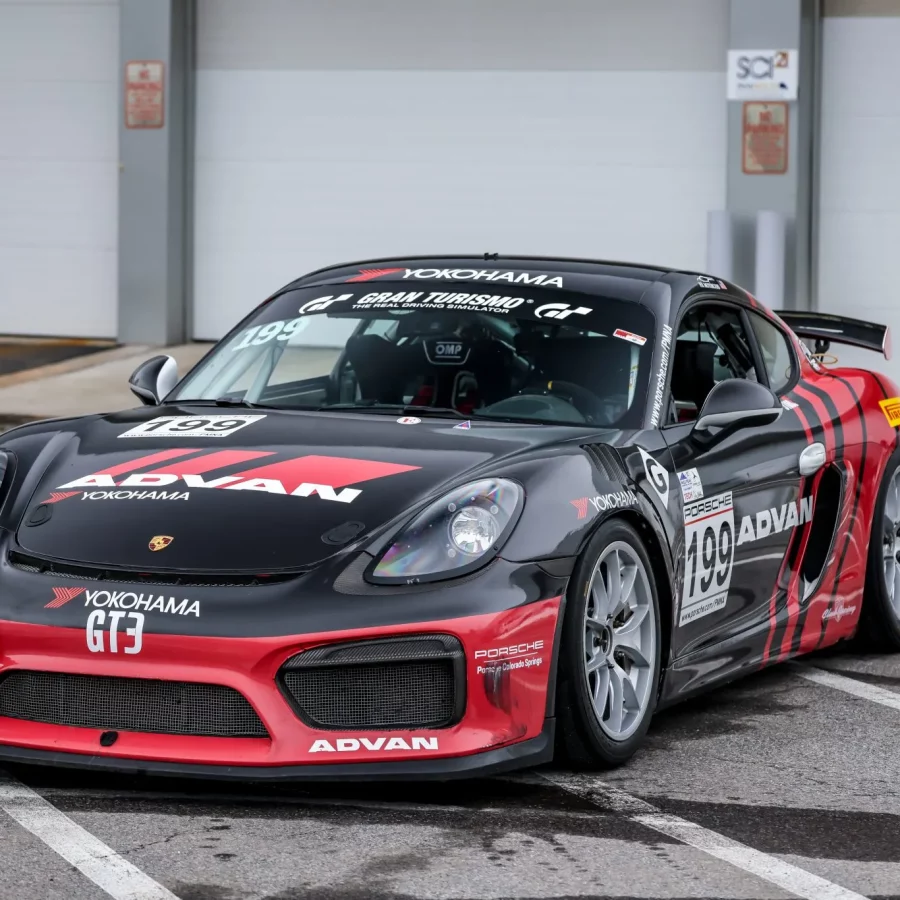
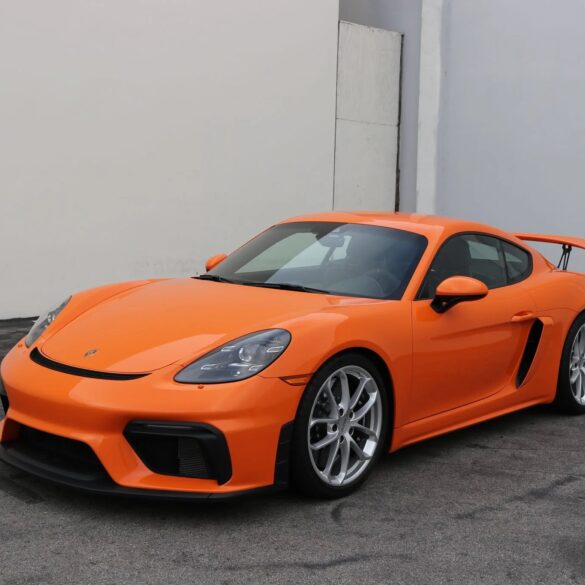
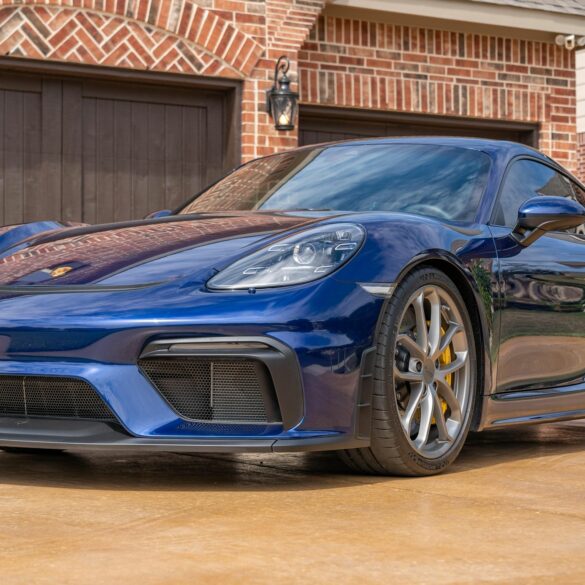
The Porsche Cayman GT4—across both the 981 and 718 generations—remains the strongest value holder in the entire Cayman lineup. Its naturally aspirated flat-six engine, track-focused suspension, distinctive aero, and exclusive manual transmission create an enthusiast-favorite formula that rarely depreciates. Limited production numbers and exceptional driving dynamics mean GT4s often sell above original MSRP or decline far more slowly than any other variant. For collectors and purist drivers, the GT4 is widely considered the “grail” Cayman.
Cayman GTS (981 GTS 3.4 & 718 GTS 4.0)
The Cayman GTS models are consistently high performers in the used market because they deliver meaningful performance upgrades without sacrificing daily usability. The 981 GTS, with its 3.4-liter flat-six, is often seen as the sweet spot of the entire Cayman family. Meanwhile, the 718 GTS 4.0 brings the beloved naturally aspirated flat-six back into the lineup, dramatically boosting its desirability. Strong performance, premium standard equipment, and enthusiast demand help GTS variants hold value significantly better than base or S models.
Cayman R (987.2)
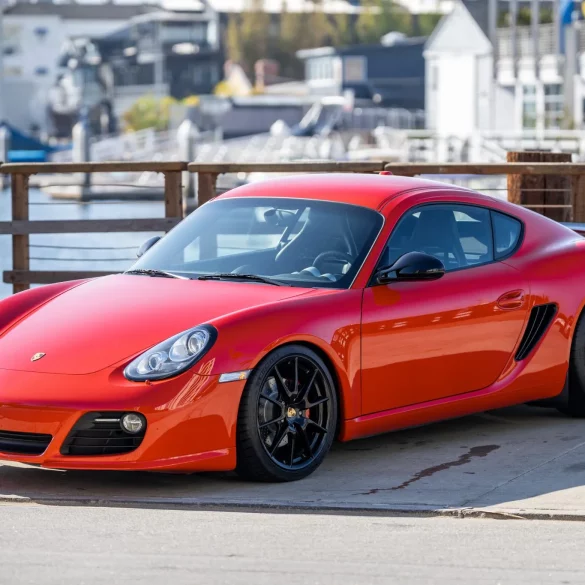
The 987.2 Cayman R has become a bona fide future classic thanks to its lightweight construction, sharper suspension tuning, and distinctive styling. Produced in low numbers and aimed squarely at enthusiasts, the Cayman R offers an analog driving feel that newer generations can’t fully replicate. Because of its rarity and focused design, values for the Cayman R have been rising steadily, and it now stands as the most collectible Cayman from the early generations.
718 Cayman GT4 RS
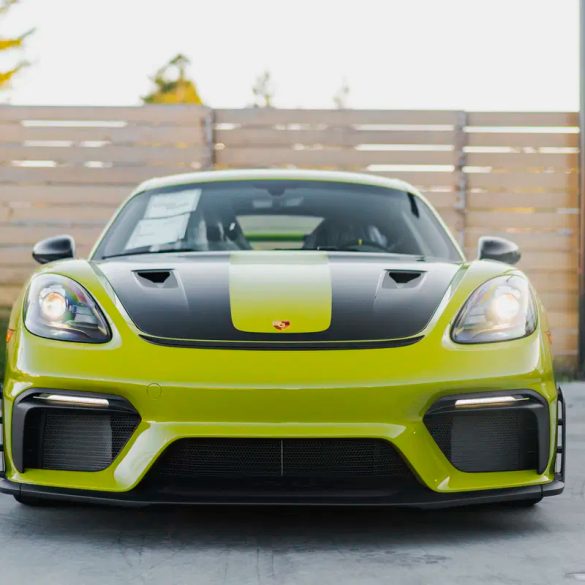
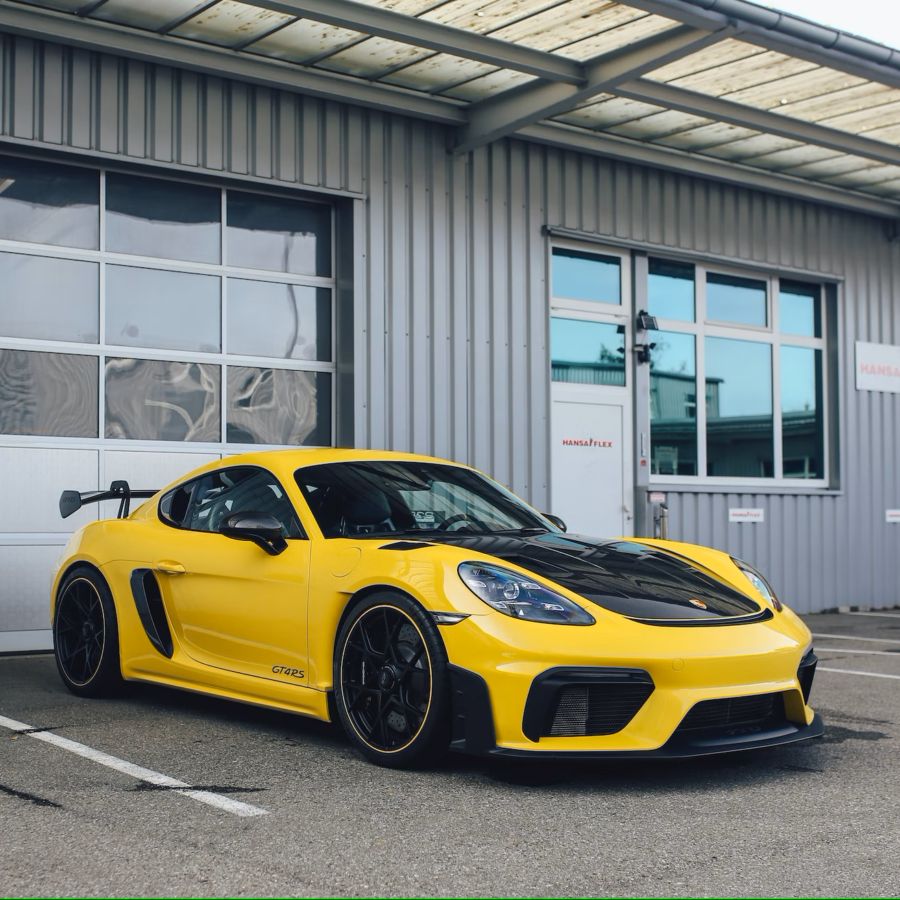
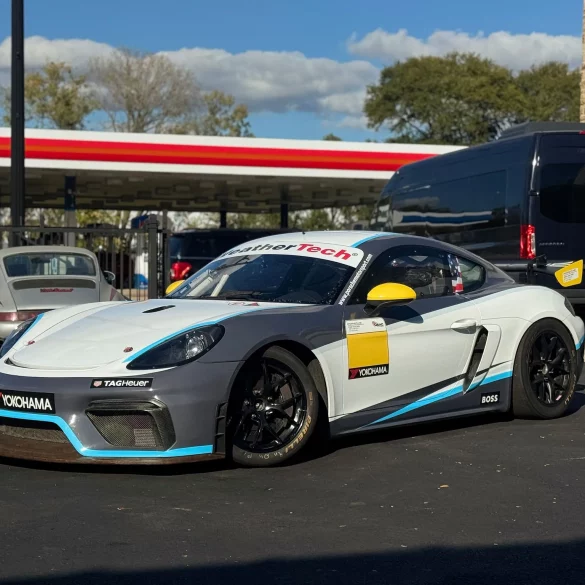
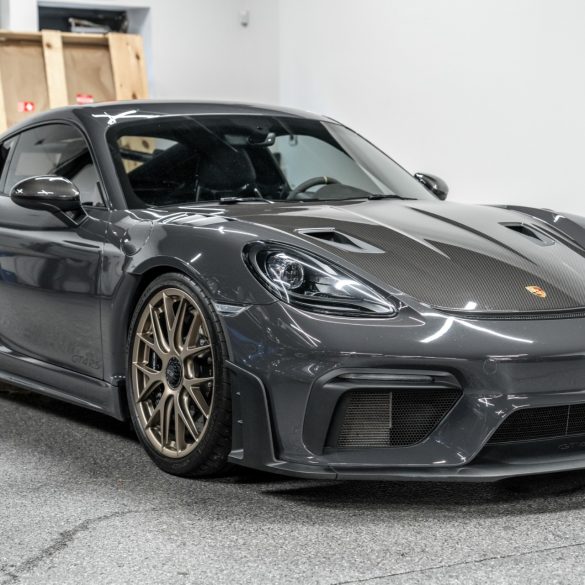
As the hardcore halo model of the Cayman family, the 718 Cayman GT4 RS commands exceptional resale strength. Powered by a screaming 9,000-rpm GT3-derived engine and equipped with motorsport-level aerodynamics and chassis tuning, the GT4 RS is one of the most extreme road-legal Porsches ever made. Extremely limited availability, high performance, and immediate collector interest mean GT4 RS models often sell above MSRP—and are expected to remain highly sought-after for years.
Manual-Transmission Caymans (Any Generation)
Across all generations, manual-transmission Caymans hold their value better than their PDK-equipped counterparts. Enthusiasts overwhelmingly prefer manuals for engagement and purity, and Porsche continues to reduce manual availability in newer models. As a result, clean, well-optioned manual examples—especially in S, GTS, R, and GT4 trims—tend to sell quickly and command a premium. The simple truth is that manuals are becoming rarer every year, and that scarcity directly supports stronger resale value.
What’s the best Porsche Cayman model to buy?
From the Stuttcars team standpoint, the Porsche Cayman has several standout generations and variants, but one model consistently rises above the rest in terms of performance, reliability, long-term desirability, and overall ownership satisfaction: the 981 Cayman GTS. That said, the “best” Cayman also depends on your driving style, budget, and goals—so below is a detailed examination across generations.
981 Cayman GTS (2014–2016) — The Expert’s Top Pick Overall
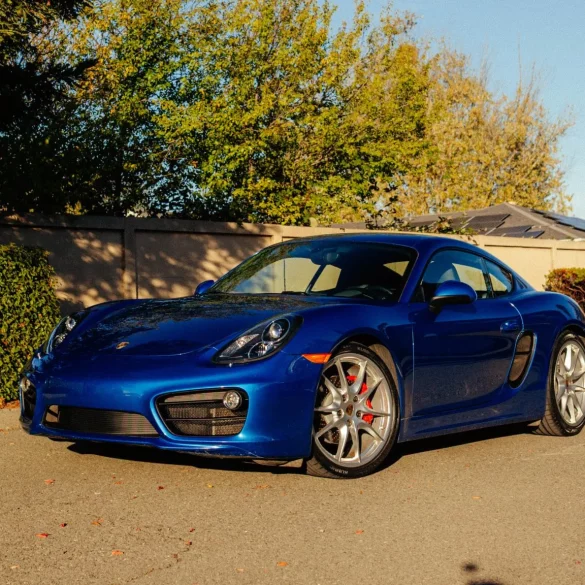
If you want the single best all-around Cayman, the 981 GTS is widely considered the sweet spot. It delivers a naturally aspirated 3.4L flat-six, sharper handling than the standard 981, upgraded suspension and brakes, and a driving experience that many enthusiasts regard as peak Cayman. The 981 platform offers excellent reliability, stunning sound, and one of the best interiors Porsche has produced in this price bracket. Value retention is strong, parts are plentiful, and the car blends everyday usability with near-GT4 levels of excitement. For most buyers, the 981 GTS represents the best balance of performance, emotion, and long-term value.
718 Cayman GTS 4.0 — Best for Modern Performance & Engine Character
If budget allows and you want the most exhilarating modern Cayman experience, the 718 GTS 4.0 is the clear winner. Porsche brought back a high-revving naturally aspirated flat-six for this model, giving it a character and soundtrack missing from the turbocharged 718 base engines. With 394 horsepower, a sublime chassis, optional PASM and Sport Chrono, and a manual gearbox, the GTS 4.0 is a modern masterpiece. It costs more than the 981 GTS, but delivers the closest feeling to a GT4 without going fully track-focused.
718 Cayman GT4 — Best for Track-Focused Enthusiasts
For drivers who prioritize maximum performance and don’t mind a firmer ride or higher running costs, the 718 Cayman GT4 is unbeatable. Its 4.0L flat-six, aggressive aero, and motorsport-derived suspension make it one of the best-handling Porsche road cars ever built. If your goal is adrenaline and cornering precision, the GT4 is the Cayman to buy. Just note that maintenance and consumables are more expensive than on GTS or S models, and its track-oriented nature isn’t for everyone.
987.2 Cayman R — Best “Future Classic”
Buyers who value analog purity and long-term collectibility should look closely at the 987.2 Cayman R. Lightened, sharpened, and rare, the Cayman R is often considered the first truly special variant of the model line. Its soaring values reflect its desirability and minimal production numbers. If you want a Cayman that will always generate buzz at events and likely appreciate over time, the Cayman R is the choice.
Base Cayman (Any Generation) — Best Budget Entry Point
If cost is the limiting factor, the base Cayman remains one of the best bargains in the sports-car world. While not as quick as the S, GTS, or GT models, base Caymans offer exceptional balance, daily usability, and Porsche quality at a lower price point. A well-maintained 981 base Cayman is especially attractive—it still has the beloved flat-six and one of the best interiors Porsche has ever made.
For the vast majority of enthusiasts, the answer is clear:
The 981 Cayman GTS is the best overall Porsche Cayman to buy.
It strikes the perfect balance of performance, reliability, emotional appeal, modern tech, usable comfort, and long-term value retention. It is the sweet spot between the harder-edged GT4 and the more affordable S models, and it remains one of Porsche’s most praised sports cars of the last decade.
What are the main differences between Cayman generations?
1. First Generation – 987 Cayman (2006–2012)
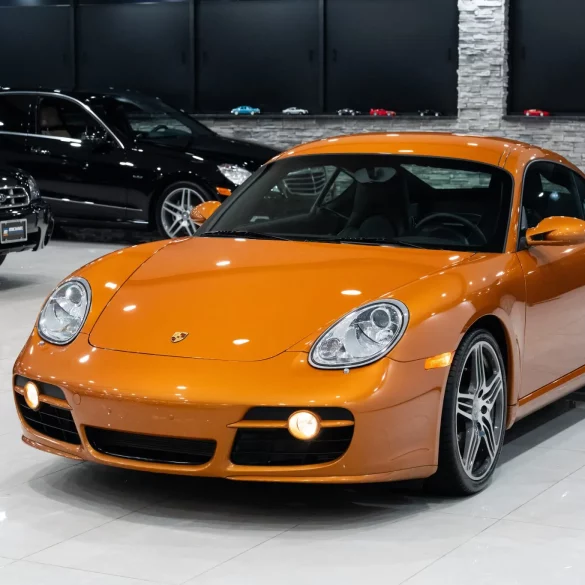
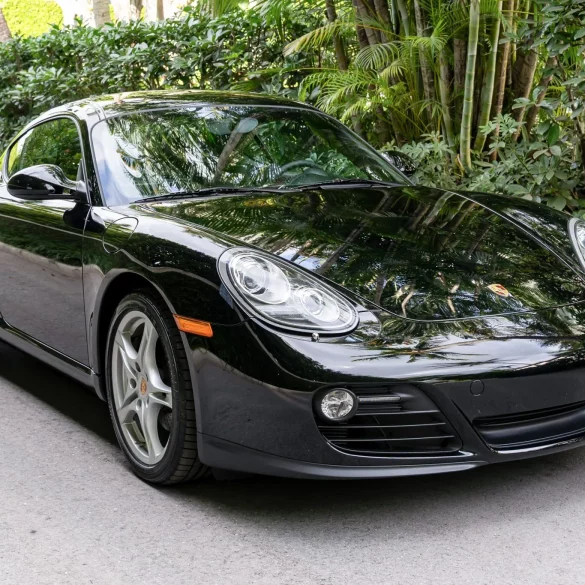
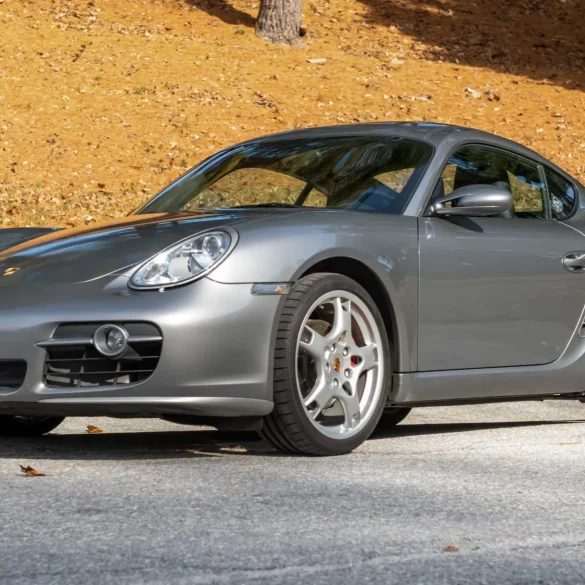
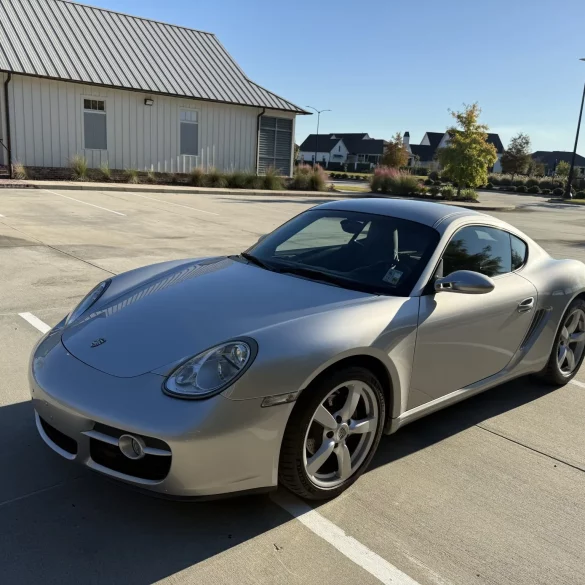
The 987 Cayman established Porsche’s mid-engine coupe identity and is the most analog-feeling generation. Early 987.1 models (2006–2008) used the M96/M97 flat-six engines, which sound great and offer linear power delivery but have some known issues such as bore scoring or IMS-related risks in certain engines. The 987.2 (2009–2012) introduced all-new direct-injected flat-six engines and PDK, making them more reliable, faster, and more refined. The 987 chassis is tight and communicative, with hydraulic steering that enthusiasts adore. Inside, the cabin is simple and compact, with older tech but classic Porsche ergonomics. This generation is the most affordable entry point into Cayman ownership, with the 987.2 being the clear standout for reliability and performance.
2. Second Generation – 981 Cayman (2013–2016)
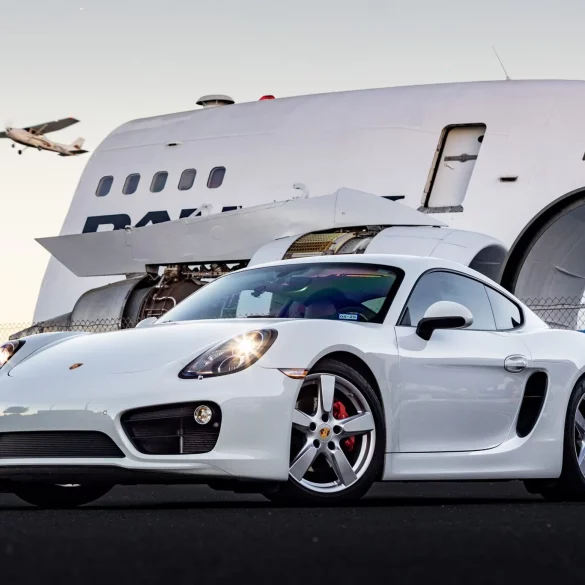
The 981 Cayman brought a major leap forward in design, refinement, and driving dynamics. It kept the naturally aspirated flat-six but housed it in a stiffer, larger, and more modern chassis. The exterior styling became more sculpted and exotic, while the interior delivered a huge quality upgrade—arguably one of the best Porsche interiors to date. The hydraulic steering was replaced by electric assist, but Porsche’s tuning made it precise and confidence-inspiring. The flat-six engines (2.7L and 3.4L) are beloved for their sound, reliability, and rev-happy character. The 981 also introduced higher-tier variants like the GTS and the track-ready GT4, both of which have become highly desirable. Overall, the 981 blends analog character with modern refinement better than any other generation.
3. Third Generation – 718 Cayman / 982 (2017–Present)
The 718 Cayman shifted the lineup toward turbocharged four-cylinder engines, sparking controversy among purists but delivering major gains in torque and efficiency. Entry-level and S models use turbo flat-fours that offer strong midrange punch, quick acceleration, and excellent fuel economy, but they lack the emotional soundtrack of earlier six-cylinder models. Porsche responded to enthusiast demand by introducing 4.0-liter flat-six variants in the GTS 4.0, GT4, and GT4 RS—now considered some of the best-driving Porsches on the road. The chassis is the most capable of any Cayman generation, offering sharper handling, more tech, and a more mature driving feel. Interior and infotainment tech are improved, driver-assist features become more available, and overall refinement is higher than ever.
What to keep in mind when buying? Buyer-perspective tradeoffs by generation
1. 987 Cayman (2006–2012) – Raw Driving Feel vs. Aging Components
The 987 offers the most analog, lightweight, and mechanical driving experience of all Cayman generations. You get hydraulic steering, a compact cabin, and outstanding balance that feels deeply connected to the road. But buyers must weigh this emotional appeal against the realities of age: older electronics, dated interiors, and potential engine issues on early 987.1 models (like bore scoring or IMS-adjacent concerns in certain engines). The 987.2 cars are much more reliable, but they cost more and are harder to find in great condition. For shoppers who prioritize affordability and pure, old-school Porsche character, the 987 is fantastic—just be ready for a thorough PPI and some refurbishment work as these cars approach 15–20 years old.
2. 981 Cayman (2013–2016) – Best All-Around Experience vs. Rising Prices
The 981 is widely considered the “sweet spot” of the Cayman world. It delivers stunning design, high-quality materials, excellent reliability, and the final era of naturally aspirated flat-six engines for non-GT Cayman trims. The tradeoff? Prices have risen sharply because demand is high and supply is shrinking. You also lose the beloved hydraulic steering from the 987, though Porsche’s electric system here is superb. If you want a modern-feeling Porsche with an emotional, great-sounding engine—and you’re willing to pay a premium—the 981 strikes the perfect balance between analog charm and modern refinement. Its only real downside is cost: you’ll pay more up front than for a 987, and GTS/GT4 models command especially strong money.
3. 718 Cayman / 982 (2017–Present) – Ultimate Performance vs. Engine Character
The 718 Cayman offers the most capability, the best tech, and the sharpest chassis of any Cayman generation. The turbocharged flat-four engines in the base and S models produce huge torque and excellent speed, making them brilliant performance cars in real-world driving. But many buyers feel the sound and emotional character don’t match the earlier flat-six models. Porsche addressed this by offering the 718 GTS 4.0, GT4, and GT4 RS with naturally aspirated six-cylinder engines—but those models cost significantly more. Tech, safety features, and infotainment are far more modern in this generation, making them ideal for buyers who want a daily-drivable Cayman with no compromises. The tradeoff is clear: four-cylinder 718s offer the best value and performance-per-dollar, while the six-cylinder 718s offer the best emotion and desirability.
Bottom-Line Guidance for Buyers
Choose the 987 if you want purity, engagement, and the most “classic Porsche” experience—and you don’t mind owning an older car or doing preventative maintenance.
Choose the 981 if you want the best combination of emotion, sound, modern comfort, and long-term value retention.
Choose the 718 if you want the sharpest performance, newest tech, best daily usability—or the ultimate Cayman experience in the GT4 or GTS 4.0.
Should I buy a new or used Porsche Cayman? What are the pros and cons of each?
Buying a Porsche Cayman—new or used—comes with distinct advantages, tradeoffs, and long-term considerations. The “right” choice depends heavily on your budget, tolerance for depreciation, desired model generation, and how picky you are about options and condition.
Buying a New Porsche Cayman — Pros
1. Full warranty coverage & zero prior wear
A new Cayman comes with Porsche’s factory warranty, meaning several years of worry-free ownership. No unknown driving habits, no hidden issues, no skipped maintenance. For buyers who value peace of mind, this is a major advantage.
2. You choose the exact specs, options, and colors
Porsche buyers tend to care deeply about configuration. Buying new lets you tailor the car—Sport Chrono, PASM, GTS/GT4 packages, wheels, interior trim—to your exact taste. On the used market, finding your ideal spec can be challenging.
3. Best tech, safety, and performance
Newer 718/982 Caymans have the latest infotainment, driver-assist features, and the sharpest performance tuning. Even base models are significantly quicker than older generations.
Buying a New Porsche Cayman — Cons
1. Heavy depreciation in the first 3–4 years
Like any sports car, a new Cayman loses value the moment it’s driven off the lot—often 15–20% in the first year and 30–40% within four years, depending on the trim. This is the biggest financial downside.
2. Higher purchase price & tax/insurance costs
Because you’re buying at MSRP (or above for high-demand models), new Caymans come with higher monthly costs and insurance premiums.
3. Limited availability of special trims
New GT4, GTS 4.0, or GT4 RS models may require dealer allocation, waitlists, or markups far above MSRP.
Buying a Used Porsche Cayman — Pros
1. Better value—depreciation is already absorbed
The used market is where Caymans shine. A 4–8 year-old Cayman can offer 90% of the driving experience for 50–70% of the price. The 981 generation, in particular, provides incredible value relative to its performance.
2. Access to discontinued flat-six engines
This is a huge advantage. Buying used opens the door to engines Porsche no longer offers new:
981’s naturally aspirated 2.7L and 3.4L flat-six
987.2’s delightful direct-injected flat-six These are beloved for their sound and character.
3. Wider selection of trims, years, and special models
The used market gives you access to Cayman R, 981 GTS, 981 GT4, and lightly used 718 GTS 4.0 or GT4 models—many of which aren’t widely available new.
4. Lower insurance and tax burdens
Because the car’s value is lower, ongoing ownership costs are often significantly reduced.
Buying a Used Porsche Cayman — Cons
1. Potential hidden maintenance issues
A used sports car always carries risk—previous owners may have tracked it, skipped service intervals, or modified it poorly. PPIs (pre-purchase inspections) are essential.
2. Fewer choices on spec and configuration
You may have to compromise on color, options, wheels, or interior features unless you’re willing to search widely or pay a premium.
3. Shorter or expired warranty
Unless buying CPO (Certified Pre-Owned), older Caymans may require out-of-pocket repairs, though their reliability is generally strong.
What common issues should I look for when buying a used Porsche Cayman?
Engine Wear & Generation-Specific Issues
Engine condition is one of the most important factors when evaluating a used Porsche Cayman. Early 987.1 models (2006–2008) are known for potential issues such as bore scoring, RMS leaks, and some IMS-related risks depending on production date. These issues are not universal, but when they occur, repairs can be costly. The later 987.2 generation (2009–2012) resolved most major engine concerns but can still experience oil seepage, coolant leaks, and wear-related water pump failures. The 981 generation (2013–2016) is considered extremely reliable, though ignition coils, water pumps, and minor gasket leaks may appear as mileage climbs. For 718/982 models, the turbocharged four-cylinder engines may develop wastegate rattle, boost leaks, or intercooler hose deterioration, while the flat-six GTS and GT4 models can show minor oil weeps. Regardless of generation, smoke on startup, rough idle, or metallic ticking are signs that further inspection is warranted.
Cooling System Problems
Cooling system wear is common across all Cayman generations and should be carefully checked during a pre-purchase inspection. Water pumps and thermostats are regular wear items, and coolant expansion tanks can crack with age. Warning signs include a noticeable coolant smell, fluctuating temperature readings, dried coolant residue, or small puddles under the car. Turbocharged 718 models introduce additional potential failure points, including intercoolers and charge pipes that can leak or become damaged. Cooling issues are not inherently catastrophic but can lead to overheating if ignored, making this an important inspection area.
Suspension and Steering Wear
Older Caymans, especially those driven aggressively or over poor roads, often exhibit wear in suspension and steering components. Common trouble spots include worn control arms, cracked bushings, loose sway bar links, and aging shocks. Signs of suspension wear include clunks or rattles over bumps, vague steering response, front-end squeaks, or uneven tire wear. These repairs can add up quickly, particularly on 987 models that are now 15–20 years old. A Cayman should feel precise and planted; anything less suggests suspension refresh work may be needed.
Transmission and Clutch Concerns
Transmission condition, whether manual or PDK, is essential to evaluate on any used Cayman. PDK gearboxes are generally robust but rely on proper fluid and filter service—something many owners skip. Hesitation, rough shifting, or noticeable lag during acceleration can indicate deferred maintenance or mechanical wear. Manual transmission Caymans should be checked for clutch wear, a noisy release bearing, and smooth gear engagement, especially when cold. A slipping clutch or balky second-gear shift is a red flag that a costly repair may be approaching.
Electrical Systems and Aging Components
While Porsche electrical systems are typically reliable, aging components can produce intermittent issues in used Caymans. Common problem areas include window regulators, PCM/infotainment screens, TPMS sensors, and occasional lighting faults. Older 987s are more prone to electrical gremlins due to age, whereas 981 and 718 models usually exhibit minor software or sensor-related inconveniences. A weak or aging battery can also cause odd, inconsistent warning lights or system faults.
Brake Wear and Track Use Indicators
Performance-oriented Cayman variants—S, GTS, R, GT4, and others—are frequently used on track days. Track use is not inherently problematic, but insufficient post-track maintenance can accelerate brake and suspension wear. Look for signs of excess heat or heavy usage, including discolored brake rotors, warped surfaces, brake pad taper, or worn PCCB ceramic rotors (extremely expensive to replace). Mismatched tires or budget brake pads can also indicate budget-minded ownership.
Water Intrusion and Body Condition
Caymans do not have convertible top mechanisms, but they are still susceptible to water intrusion through failed seals or blocked drainage channels around the hatch and rear deck. Signs of moisture—musty smells, foggy rear windows, wet carpeting, or corrosion in trunk compartments—should be taken seriously. Body condition also matters, particularly for cars with unknown ownership history. Uneven panel gaps, overspray, paint mismatch, or non-OEM trim can indicate accident repairs or cosmetic shortcuts.
Accident History, Modifications, and Previous Use
Many Cayman owners modify their cars, track them, or use them enthusiastically. This isn’t a problem if maintenance is thorough, but poorly executed modifications or hidden track wear can create reliability issues. Look for signs such as aftermarket suspension parts, ECU tunes, incorrect ride height, aftermarket intakes, or non-Porsche exhaust components. Clean, original cars with documented service histories almost always carry lower long-term risk and hold value better.