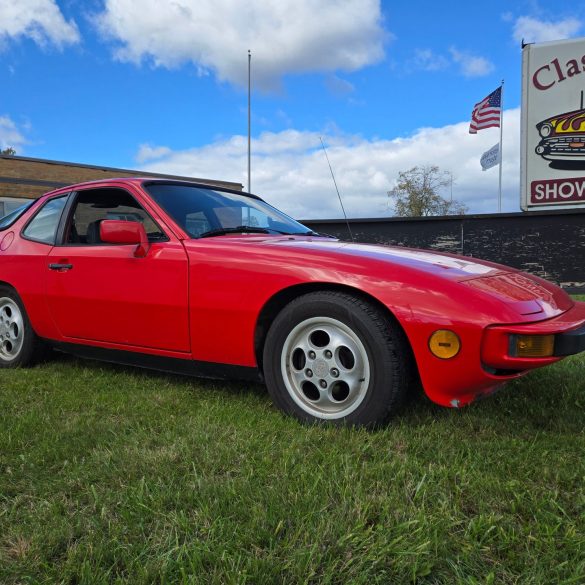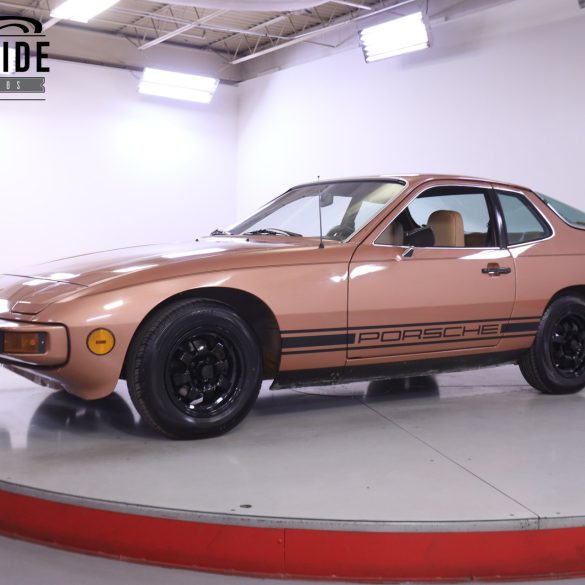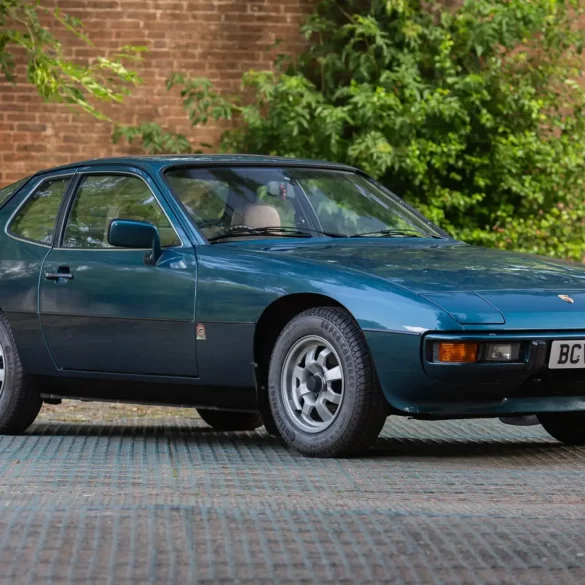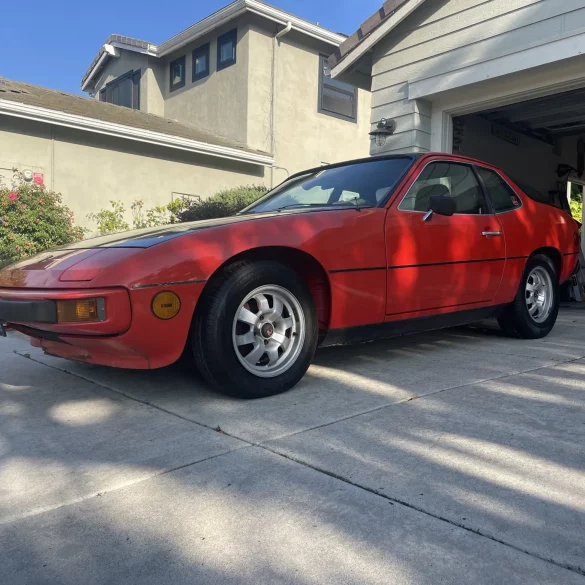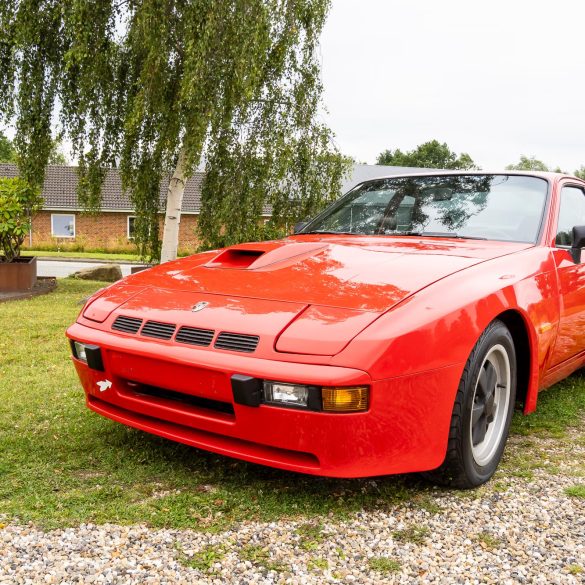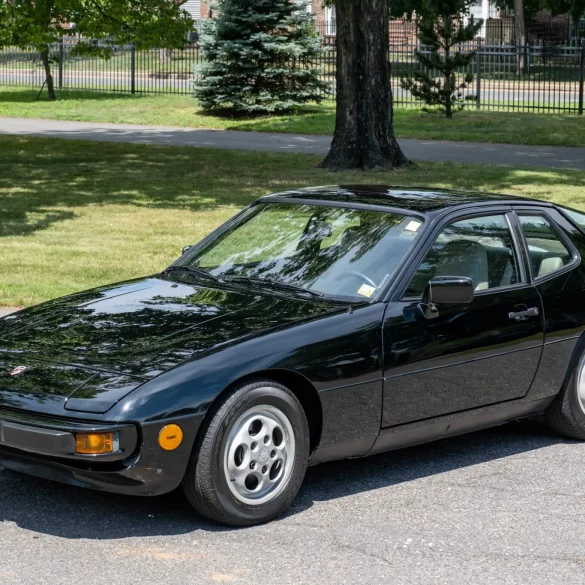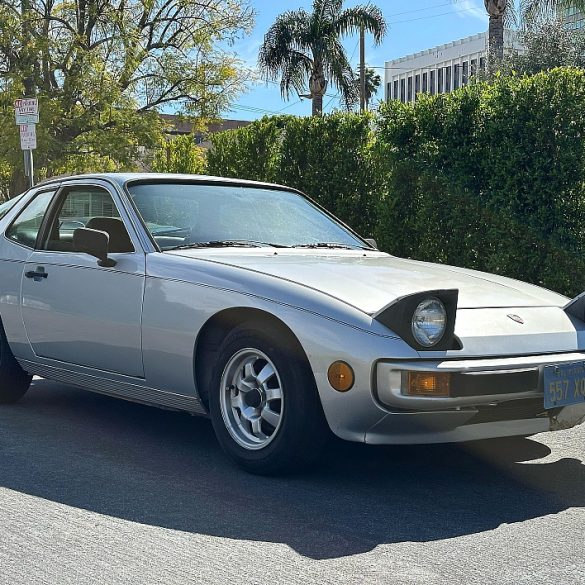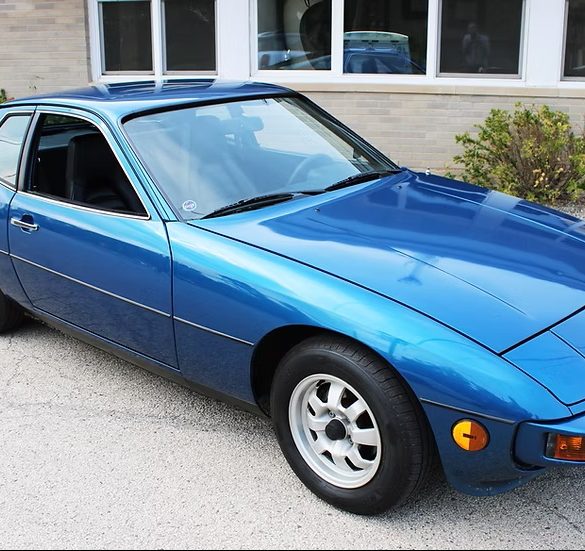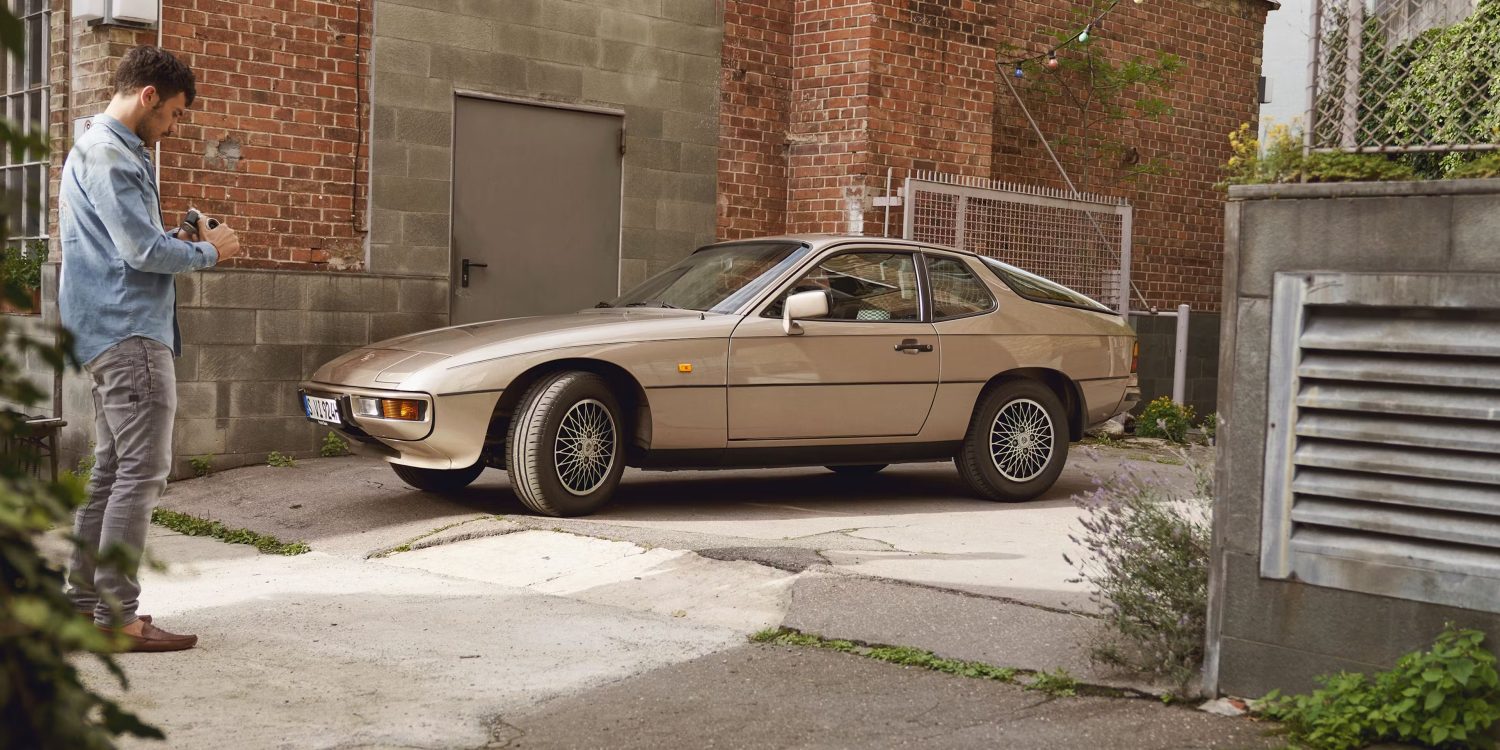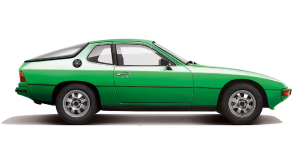
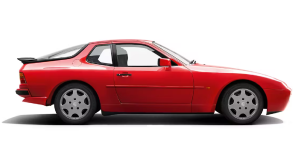
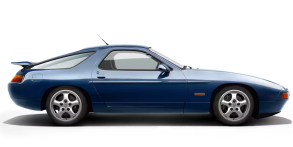
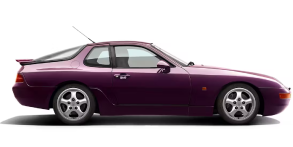
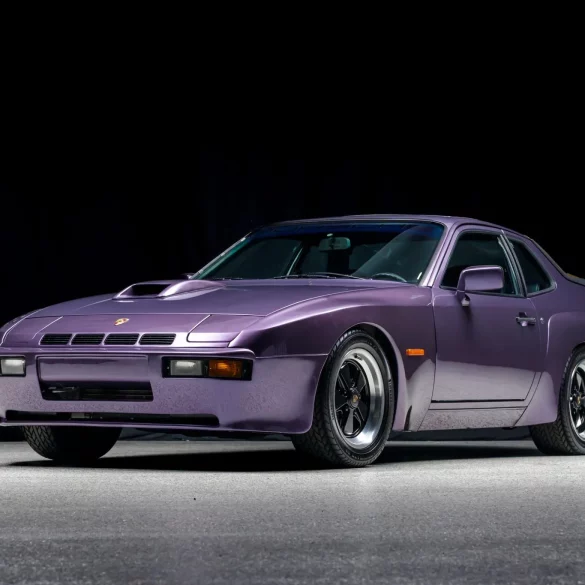
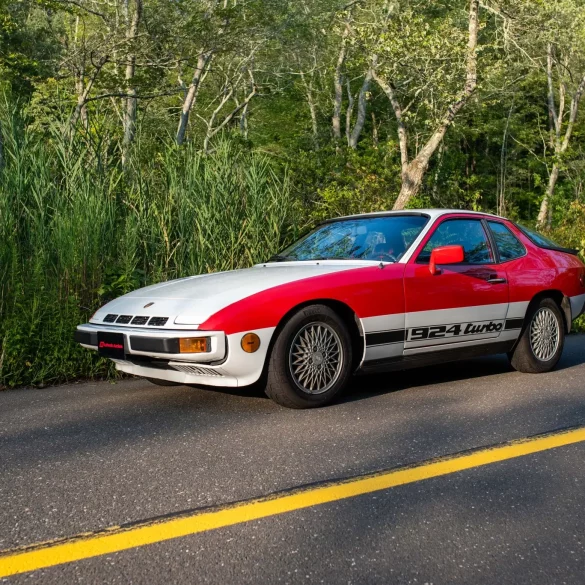
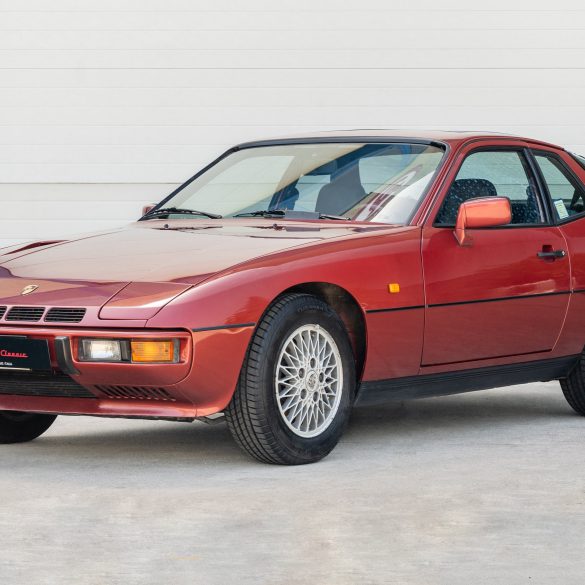
This 1980 Porsche 924 Turbo is a US-market car that was purchased new through the Tourist Delivery program in Venice, Italy. Wrapped in Viola Metallic...


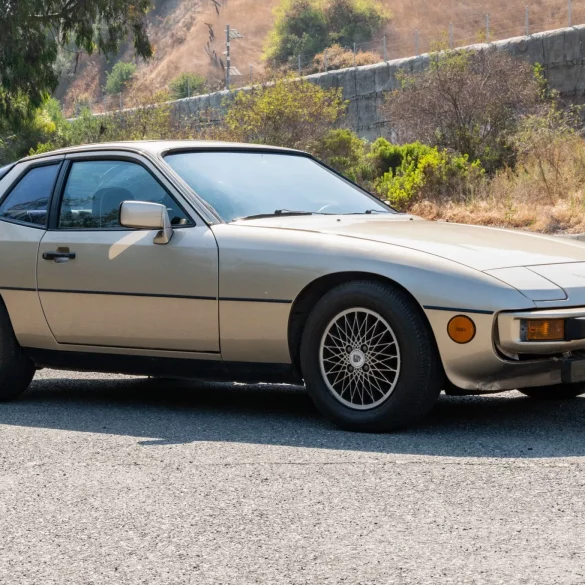
The Porsche 924 marked a turning point in Porsche history. Introduced in 1976, it became Porsche’s first front-engine, water-cooled production sports car and laid the foundation for the entire transaxle family that followed, including the 944 and 968. With its lightweight chassis, excellent weight distribution, and clean, timeless design, the 924 delivered accessible performance and everyday usability in a distinctly Porsche package.
Once undervalued and often overlooked, the Porsche 924 has experienced a steady reappraisal in recent years. Enthusiasts now recognize its importance as Porsche’s entry-level sports car of the era, as well as its rewarding driving dynamics and low barrier to ownership. For buyers seeking a classic Porsche experience without six-figure prices.
Refine Search: All 924 / Base 924 / 924 Carrera GTS / 924 Turbo / 924 Carrera GT / 924 S
Below you’ll find a curated selection of Porsche 924 cars for sale, sourced from across the web, including respected specialty dealers, major auction platforms, and verified private listings from our enthusiast community. We bring together available examples in one place to make it easier to compare condition, originality, mileage, and pricing across the market. Because Porsche 924s vary widely—from well-preserved original cars to restored examples and driver-quality projects—listings change frequently and values can differ significantly.
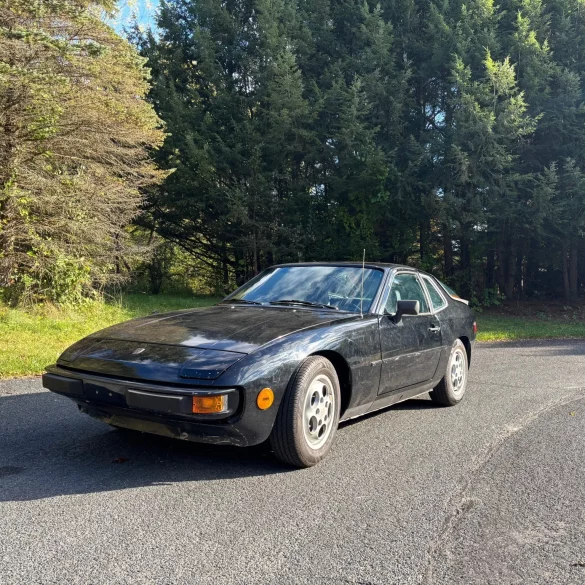
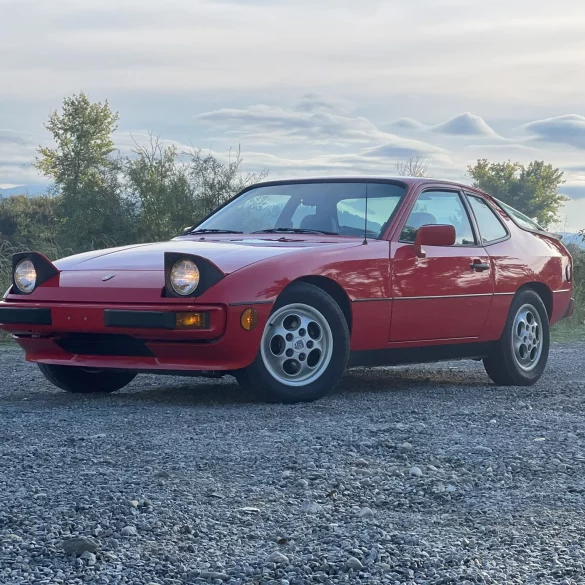
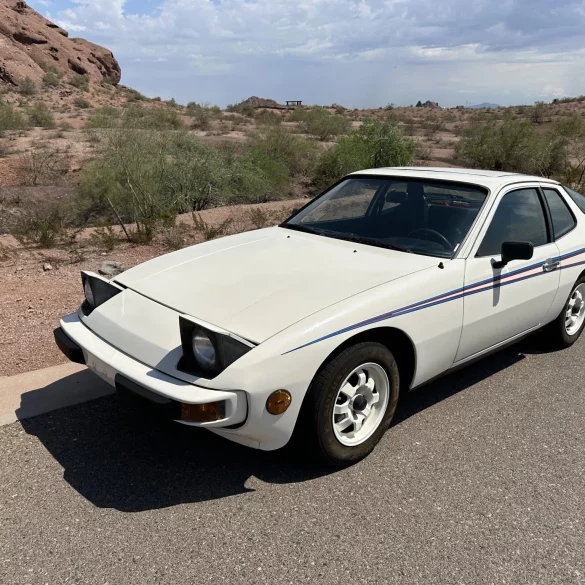
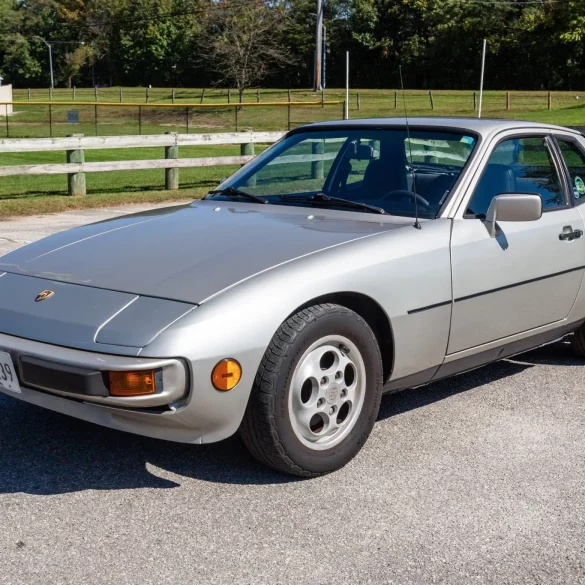
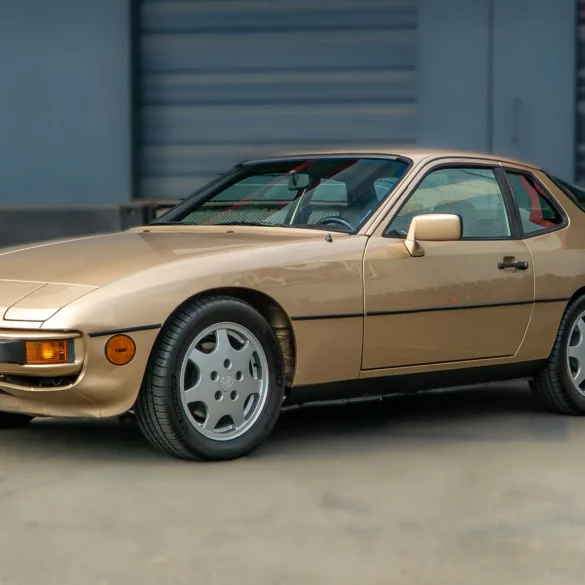
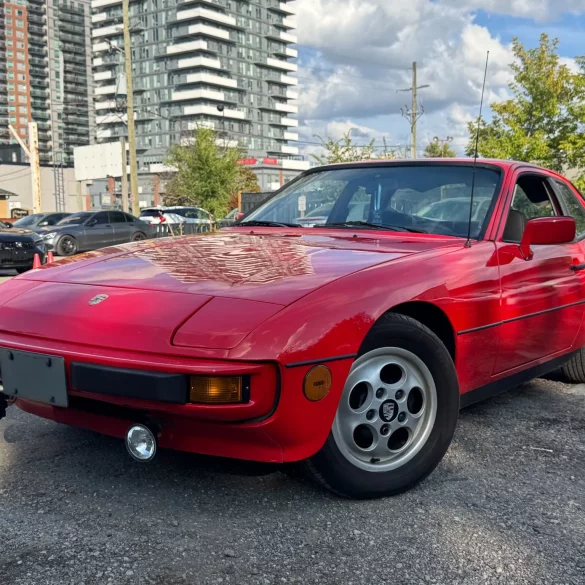
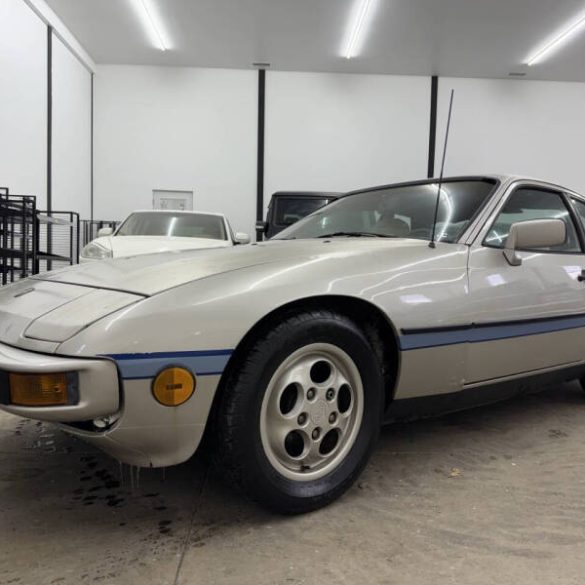
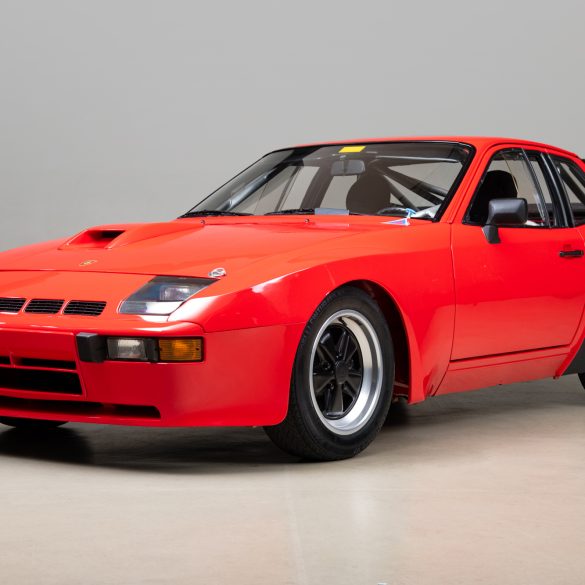
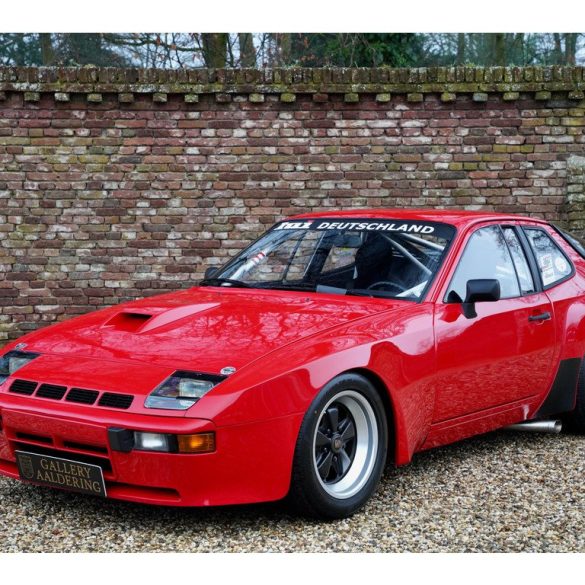
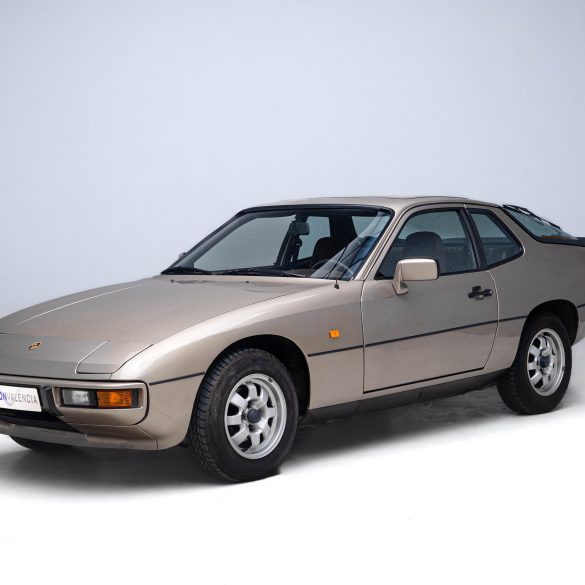
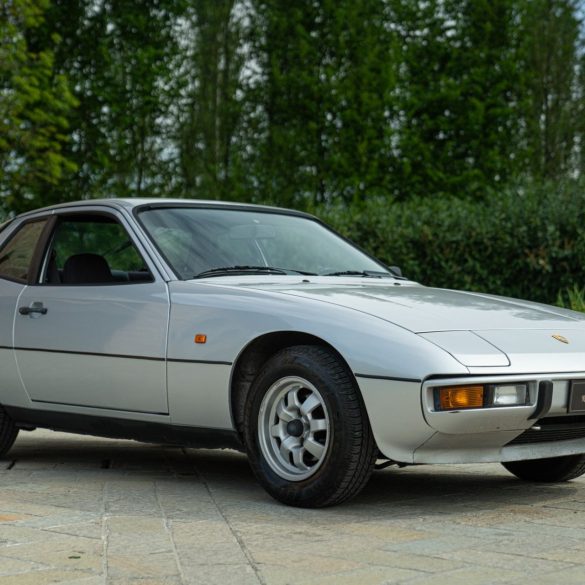
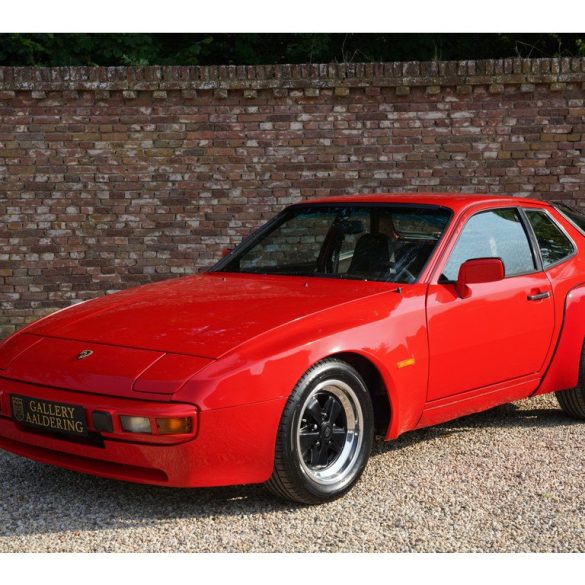
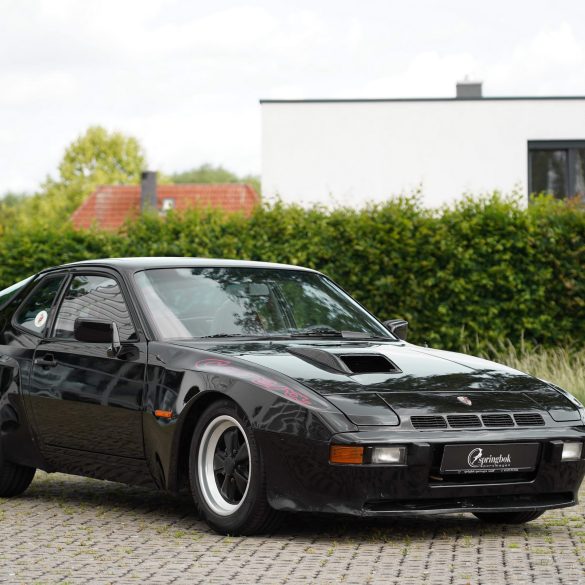
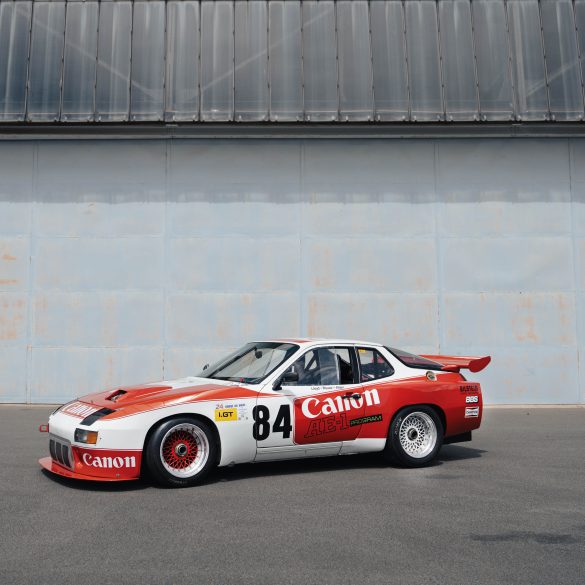
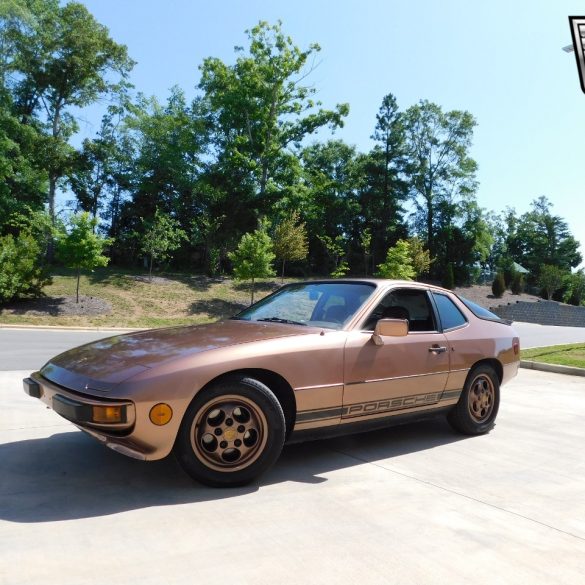
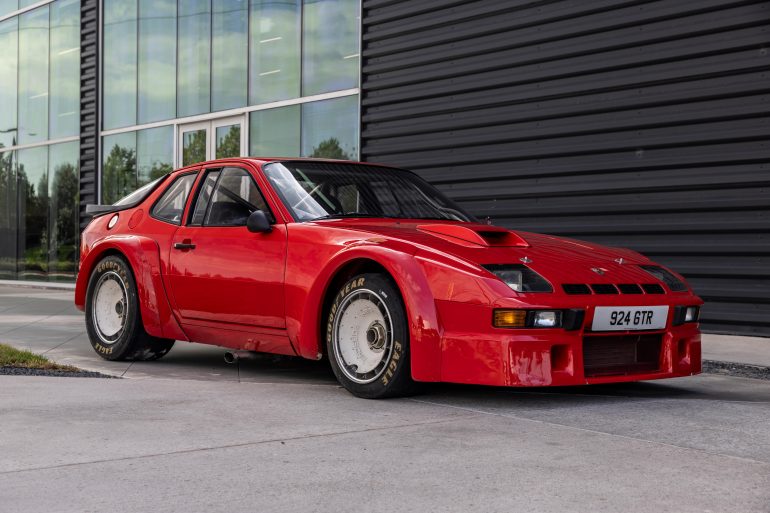
The most sought-after Porsche 924 variants are typically those that either delivered significant performance upgrades, were produced in limited numbers, or had unique motorsport ties—making them stand out from the standard models. At the top of the list is the Porsche 924 Carrera GT, a homologation special built for Group 4 racing. With flared fenders, a wide stance, aggressive styling, and a turbocharged engine producing around 210 hp, the Carrera GT is extremely rare (only around 400 units were built) and now highly collectible. Even rarer is the Carrera GTS, a stripped-down, lightweight version of the GT with up to 245 hp—only 59 of these were made, making it a true unicorn in the Porsche world.
Another sought-after model is the Porsche 924 Turbo (931), which added significant performance over the base 924. Especially desirable are the Series 2 Turbo models (1981–1982), which featured reliability improvements and up to 170 hp. For buyers seeking a blend of performance, refinement, and practicality, the 924S is increasingly valued. Produced from 1986 to 1988, the 924S uses the same 2.5L engine as the early 944, delivering much stronger performance while retaining the 924’s cleaner styling. Of the 924S models, the 1988 924S SE (Special Edition) is the rarest and most performance-focused, with a lowered sport suspension, black-on-black aesthetics, and limited production numbers—making it a modern collector's favorite.
Which Porsche 924 model years are “best” depends on your priorities — reliability, performance, ease of maintenance, rarity and value retention, or simply “fun daily-drive classic that won’t break the bank.” That said, many 924 owners and experts tend to favor certain years and variants more than others. Here’s a breakdown of the model-years / versions of the 924 that are generally regarded as among the best to buy — and why.
The 924S replaced the original 2.0-liter 924 engine with a slightly detuned version of the 2.5-litre engine from the later Porsche 944 — giving significantly more power and better daily drivability.
The 1988 924S is often singled out as the “sweet spot” — improved compression and power compared with earlier S-models, and being the final model year, it benefits from any refinements Porsche made over the production run.
If you want a 924 that can comfortably be used for regular driving — not just occasional weekend runs — a late-production 924S tends to offer the most balanced blend of reliability, performance, and classic-car character.
After the earliest 924s, later 924s benefit from incremental improvements over build quality, mechanical components, and overall build consistency. For buyers preferring “less headache” and mechanical simplicity (and not chasing Turbo or rare variants), a well-kept 1980–82 can be a sensible buy. The more modern production practices help avoid some of the early issues associated with the first years. Some enthusiast threads even call out certain years — e.g. one opinion from a 924 forum highlights 1978 as a strong non-Turbo year, due to a balance of power, simplicity, and fewer of the late-era complications.
The Turbo and special-series 924s (or homologation-inspired variants) have a certain cachet, and for collectors or people after something more interesting than a garden-variety 924, these can be desirable.
That said — they often demand more maintenance, vigilance, and careful inspection (because of higher mechanical and performance stress), so they’re better for enthusiasts who know what to look for.
The earliest 924s have the original 2.0-litre inline-4 derived from Audi — fine for the era, but underpowered by modern standards and less desirable if you care about performance or usability.
Turbo or rare variants, while attractive for rarity or performance, can cost more to maintain, can have more wear or issues (especially if not carefully maintained), and might not always offer the same reliability or longevity as simpler 924s or the 924S — which dilutes their value proposition if you want a “daily driver classic.”
Standard non-Turbo 924s remain somewhat “collectible underdog” cars; that attitude helps keep prices relatively reasonable compared to 911-level classics — but that means upside for value may be limited unless you find a pristine, well-preserved, or rare version.
For a fun, reliable, and usable “classic Porsche without drama” → 1986–1988 924S (especially 1988). For a budget-friendly classic with basic Porsche feel → 1980–1982 924 (non-Turbo), if condition is good. For a collector or someone wanting rarity/performance → 924 Turbo (late-’70s / early-’80s) or rare special/homologation 924s — but only if you’re prepared for higher maintenance. If you care about simplicity, lower maintenance costs, and ease of sourcing parts → Later non-Turbo 924s and the 924S, which share more components with other Volkswagen / Audi / Porsche designs and have broader parts availability than some rare variants
The market for Porsche 924s remains very broad in 2025 — with asking prices and actual sale prices reflecting a wide spread depending heavily on condition, variant, mileage, and originality. According to recent data aggregated on classic-car marketplaces, the “typical” 924 tends to sell for around US $8,000–$15,000 in fair-to-good condition, especially if it’s a later model.
That said, not all 924s are equal — certain variants and well-kept examples command significantly more. The 924 “S” (built 1987–1988) — which uses an upgraded 2.5-liter engine and benefits from improved drivability over earlier 924s — seems to be among the more desirable and better-valued subtypes. Meanwhile, rare or performance-oriented models (e.g. original Turbo or limited editions such as 924 Carrera GT) remain niche but are often priced higher — a clean Turbo might sell for $20,000–$35,000 or more in good condition, according to specialized buyer’s guides.
More broadly, the 924 market seems to have settled into a “mature classic” phase: while earlier years are still inexpensive and common — making 924 a realistic “first Porsche” or affordable classic — demand now centers around originality, maintenance history, and the “right” spec. As a result, well-documented, rust-free, matching-numbers, and mechanically sound cars — especially later 924S or good-condition Turbos — tend to hold value better than poorly maintained or modified examples.
For buyers, the current environment means there is still opportunity: you can find budget-friendly 924s for modest amounts, but you need to carefully check condition and vehicle history. For sellers — or those hoping their 924 appreciates — clean, well-maintained cars (especially S models or rare variants) are likely to perform best in the current market.
For a free to download printable version, check out our full Porsche 924 Inspection Checklist page.
✅ Inspect the battery tray and surrounding “hell hole” area for rust—this is a notorious weak spot that can compromise the firewall and front suspension mounts.
✅ Check the floor pans and rear seat wells for rust caused by leaking window seals or HVAC drains.
✅ Look at the spare tire well in the rear trunk for water damage and corrosion.
✅ Inspect the rocker panels and lower fenders—these areas are prone to hidden rust behind the side skirts.
✅ Check the front suspension mounting points for structural rust or cracks.
✅ Use a flashlight to inspect inside the wheel wells for signs of undercoating failure and bubbling paint.
✅ For 924S models, confirm that the timing belt and water pump were replaced within the last 30,000 miles—this is an interference engine, and failure is catastrophic.
✅ On 924 Turbo (931) models, check for turbocharger lag, boost pressure issues, and blue smoke, indicating turbo failure.
✅ Inspect for oil leaks at common spots like the valve cover gasket, front crankshaft seal, and rear main seal.
✅ Listen for ticking noises, which may indicate worn valve lifters or timing belt tensioner issues.
✅ Ensure the cooling system is functioning properly—clogged radiators and failing thermostats are common causes of overheating.
✅ On early models, inspect the K-Jetronic fuel injection system for vacuum leaks and proper fuel delivery—rough idling and hesitation are red flags.
✅ Test for grinding in 2nd and 3rd gear, a common sign of worn synchros in the 5-speed manual transmission.
✅ Check for a sloppy or vague shifter, which usually indicates worn shift linkage bushings.
✅ Ensure the clutch engages smoothly—hard engagement or slipping may indicate a worn clutch disc or a failing master/slave cylinder.
✅ Listen for whining or vibration at higher speeds—this could point to worn bearings in the torque tube.
✅ Inspect the CV joints and axle boots for cracks or leaking grease—clicking noises during turns may indicate joint wear.
✅ Check for excessive play in the steering wheel—this can indicate a worn steering rack or tie rods.
✅ Inspect the front control arm bushings and ball joints—clunking over bumps is a sign of wear.
✅ Ensure the car sits level—sagging rear springs are a common issue.
✅ Listen for clunking or rattling noises when driving over rough surfaces, which may indicate worn shocks or strut mounts.
✅ Inspect the torsion bar mounts and trailing arm connections for rust or cracks.
✅ Test the brakes—ensure the pedal is firm and doesn’t sink under pressure. A soft pedal may indicate a failing master cylinder.
✅ Inspect the brake calipers for leaks—original calipers are prone to failure.
✅ Check the rotors and pads for wear—look for grooved or warped rotors.
✅ Ensure the car brakes evenly—pulling to one side could indicate a stuck caliper or proportioning valve failure.
✅ Test the pop-up headlights—ensure they raise and lower smoothly without binding or sticking.
✅ Inspect the alternator and voltage regulator—slow cranking or dim lights are signs of charging issues.
✅ Check all gauges, particularly the fuel and oil pressure gauges, as sensor failures are common.
✅ Inspect the wiring harness for brittle wires and amateur repairs, especially near the engine bay and under the dashboard.
Whether you're looking at a base 924, a 924S, or a Turbo, here are some of the most common issues and red flags to be aware of. For more information, see our full article on common Porsche 924 problems here or read our Porsche 924 Buyer's Guide.
The 924’s engine, especially in 924S models, uses a timing belt that needs to be changed approximately every 30,000–40,000 miles or every 5 years. If this isn’t done on time and the belt breaks, it can cause catastrophic engine damage (especially in interference engines like the 924S). The water pump is often replaced at the same time—neglecting either can lead to expensive repairs. Look for documentation of recent belt and pump replacements. If there's no record, budget for immediate service.
Overheating is a known issue, particularly in cars with clogged radiators, aging thermostats, or faulty fans. Corrosion inside the cooling system can also lead to head gasket failure over time. Ensure the car runs cool at idle and under load. Look for signs of coolant leaks, corrosion, and fluctuating temperature readings.
The 924 is a 40+ year old European car—so electrical issues are not uncommon. Poor grounds, failing fuses, dim lights, and intermittent switches can all plague cars with aging wiring or previous owner “repairs.” Make sure all lights, gauges, the horn, wipers, and heater controls work. Check for evidence of hacked wiring or cheap aftermarket accessories.
Many 924s suffer from interior degradation, especially cracked dashboards (a very common problem), torn seats, faded carpets, and broken trim pieces. Replacements can be hard to find or expensive, especially for early cars with unique dash layouts. Inspect the dash closely, look for broken HVAC controls, and check that the sunroof (if equipped) opens and seals properly.
While not as rust-prone as some 1970s cars, the 924 can still develop serious rust in key areas: the battery tray (which drains into the cabin), sills, floor pans, inner fenders, and under the rear hatch. Pull up the carpet in the rear hatch and footwells, inspect the battery tray from above and below, and look underneath the car for rot or poor-quality repairs.
Many 924s sit for long periods, leading to gummed-up fuel injectors, degraded fuel lines, or failing in-tank pumps. This can result in poor running, hesitation, or starting problems, especially in early cars with Bosch CIS fuel injection. Ask how long the car has been sitting. Listen for a smooth cold start and steady idle. Smell for fuel leaks around the tank or under the hood.
The gearbox is generally robust, but the shifter bushings often wear out, leading to vague or sloppy shifts. Clutch wear is another concern—especially if the pedal is high or the car shudders on takeoff. Drive the car and assess gear engagement. Ensure reverse and second gear go in cleanly, and watch for clutch slipping or noise.