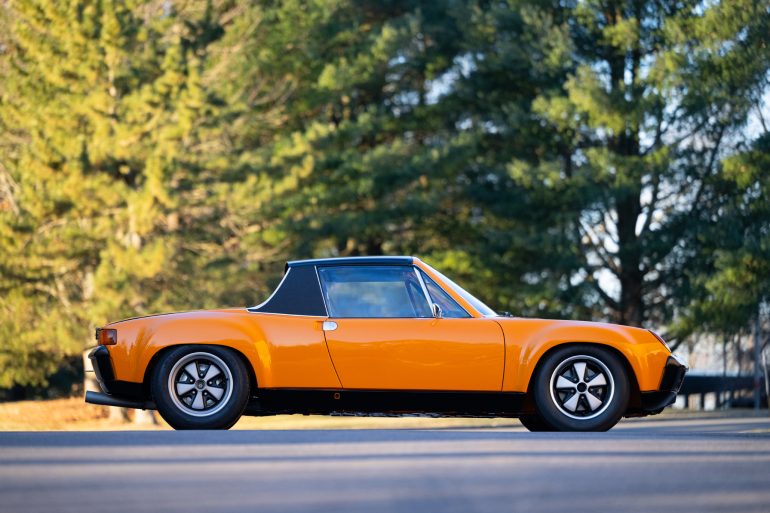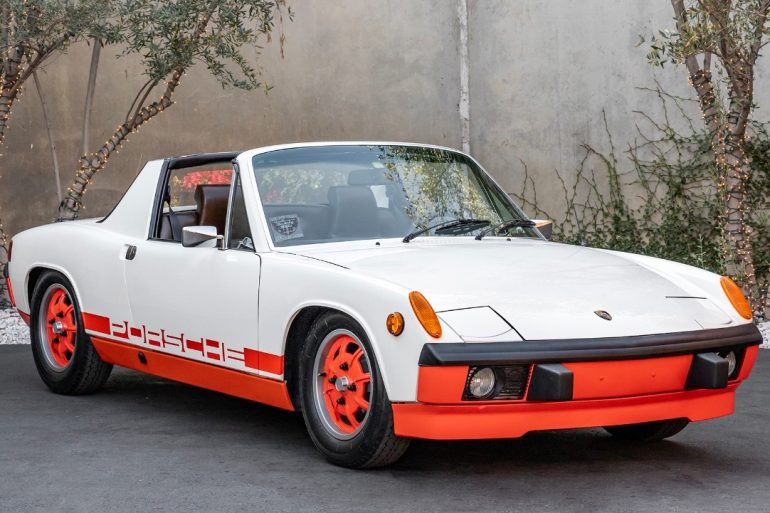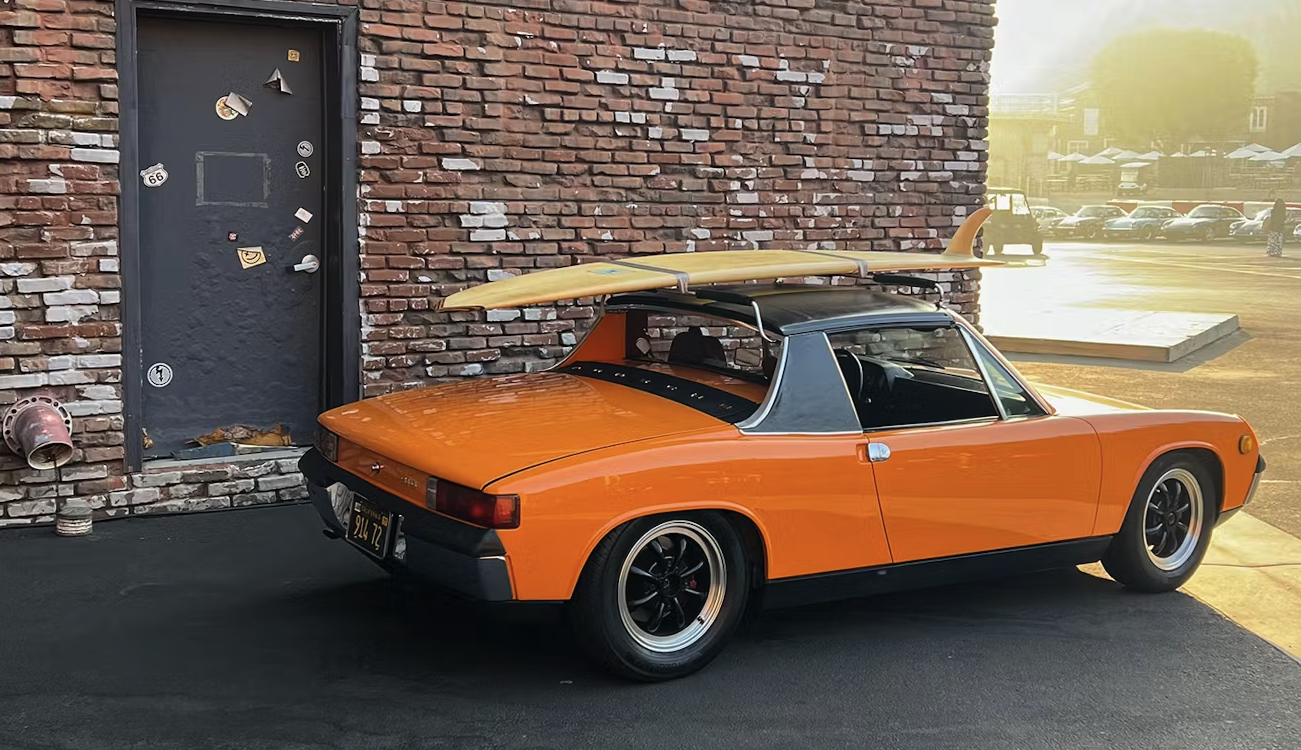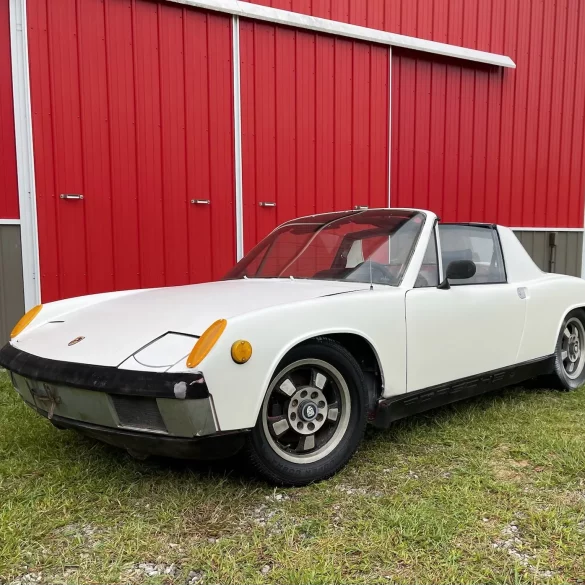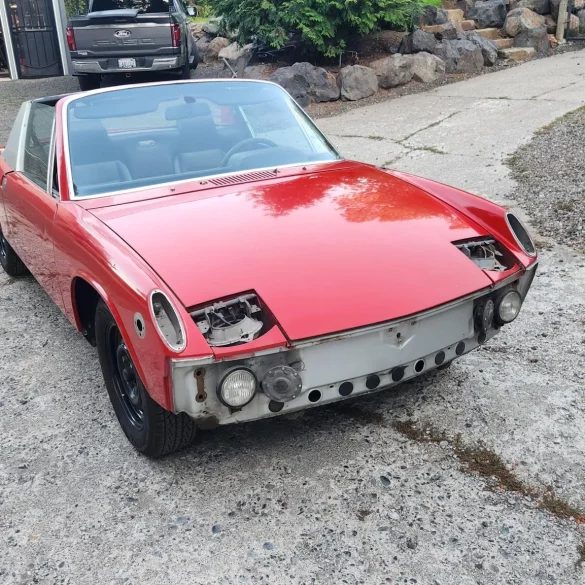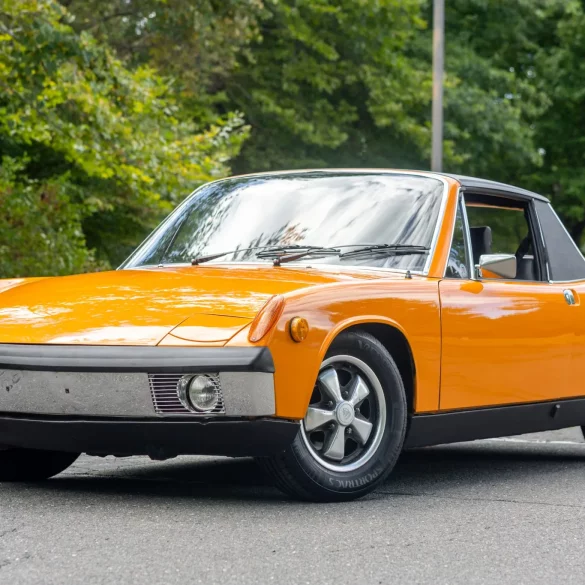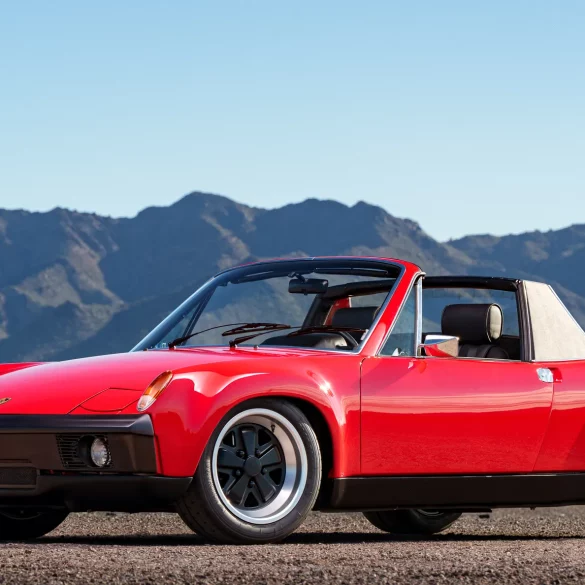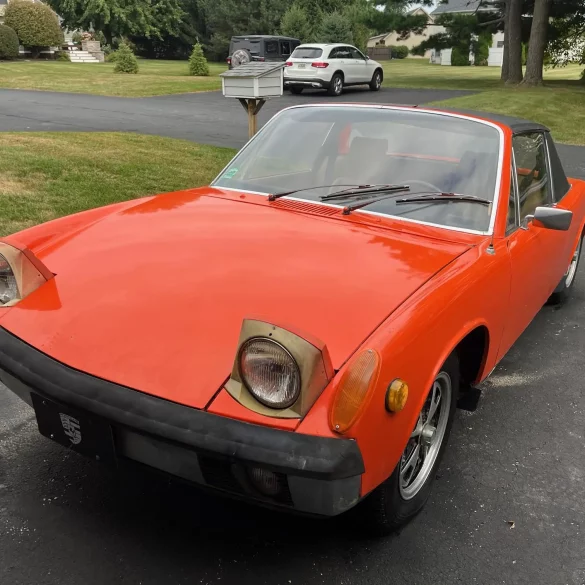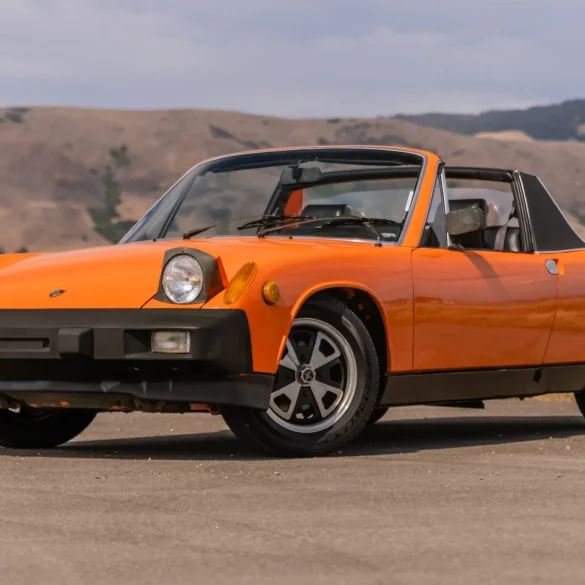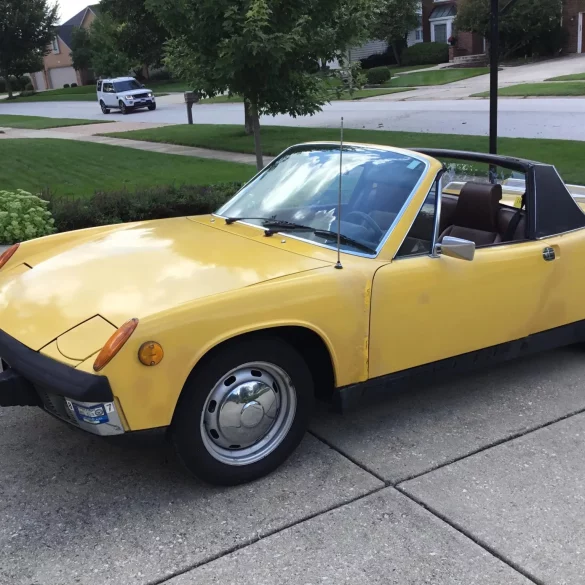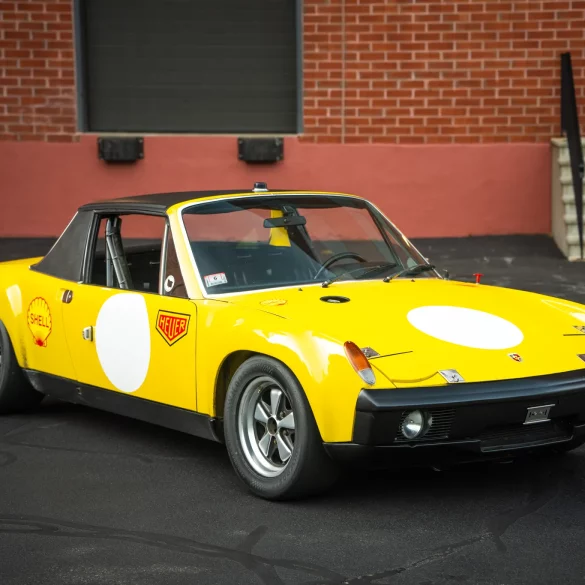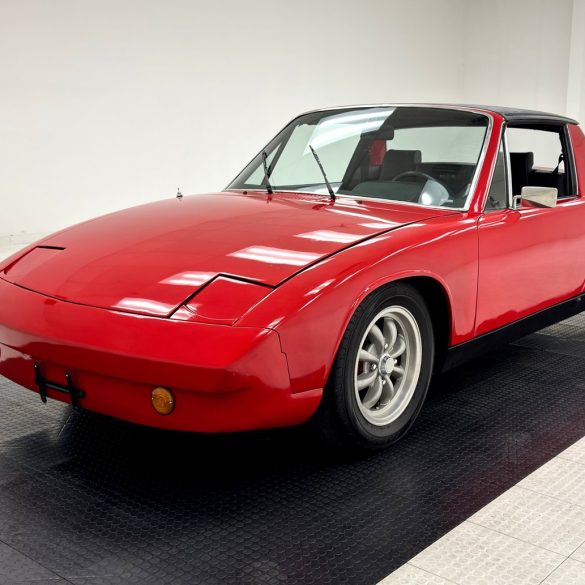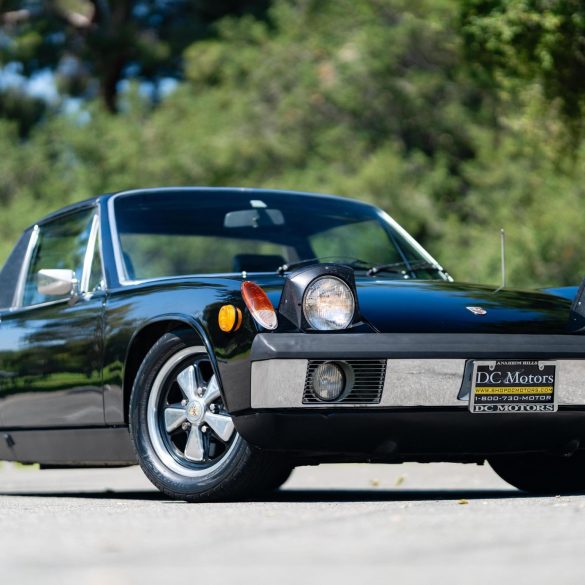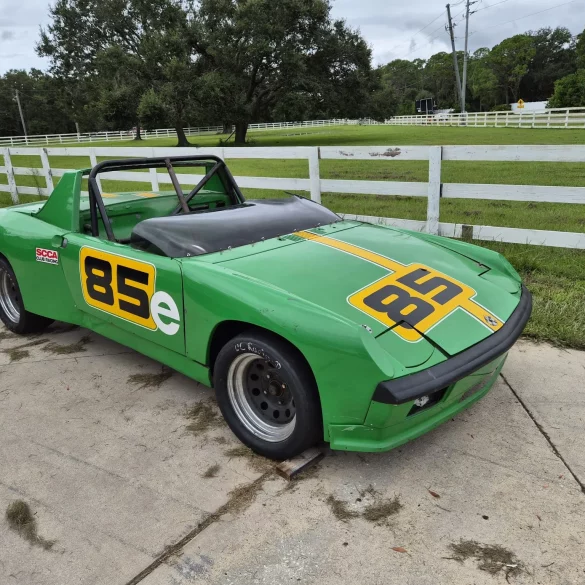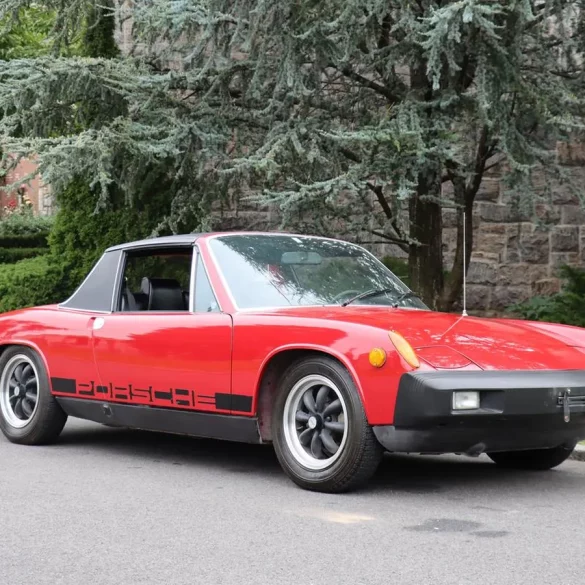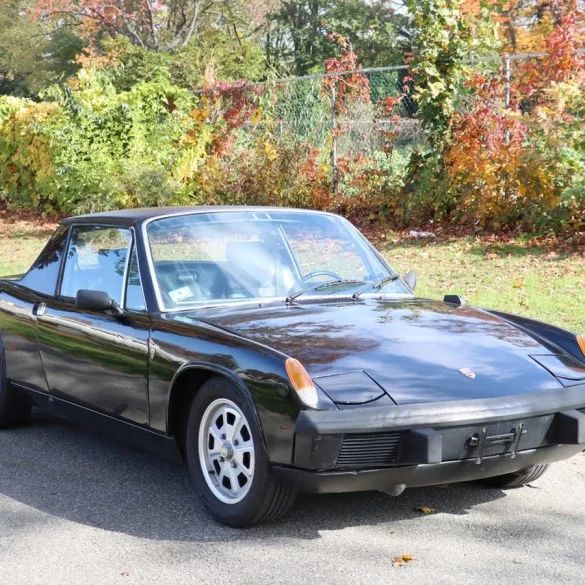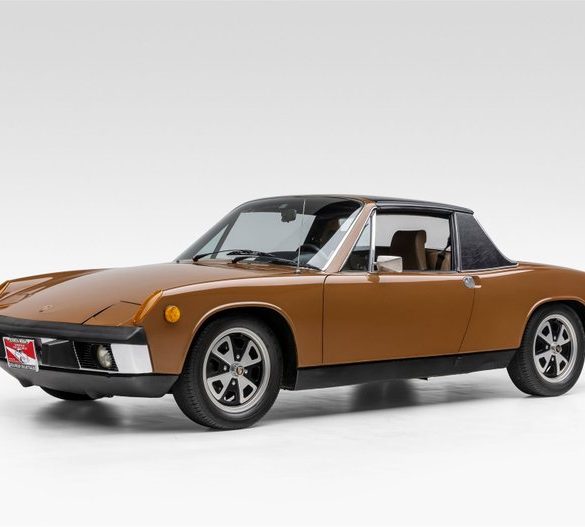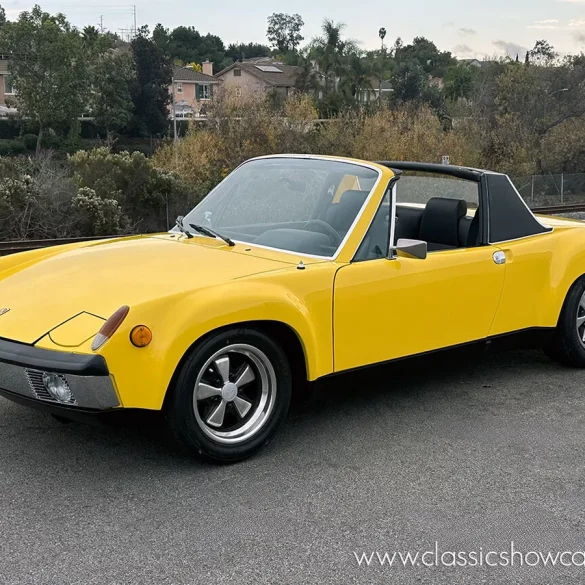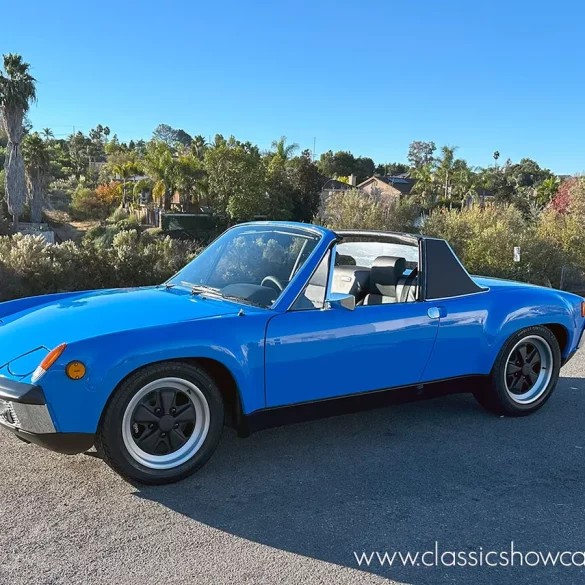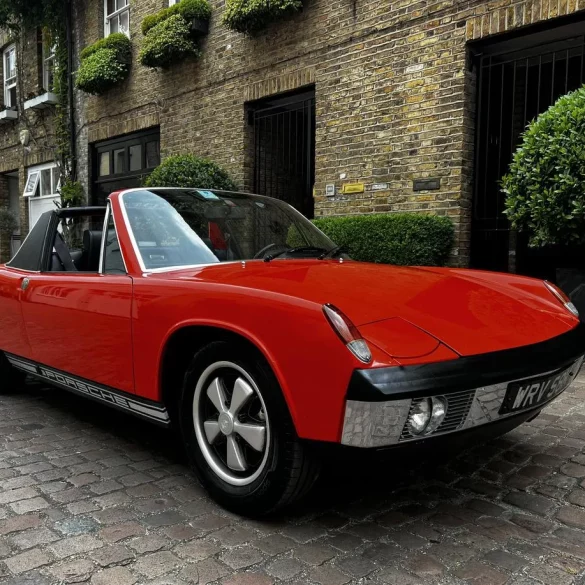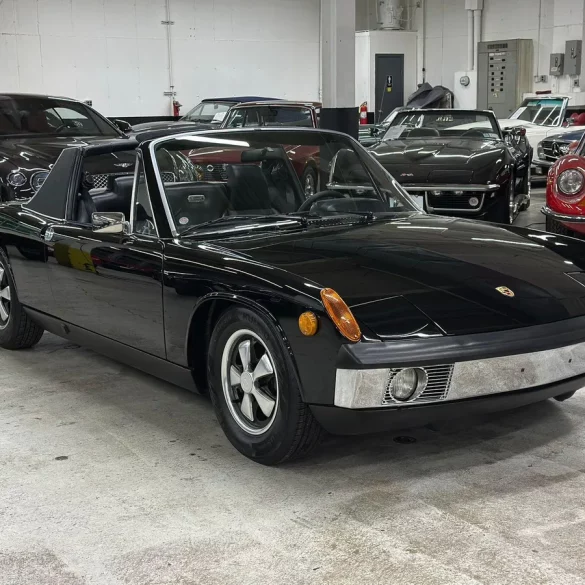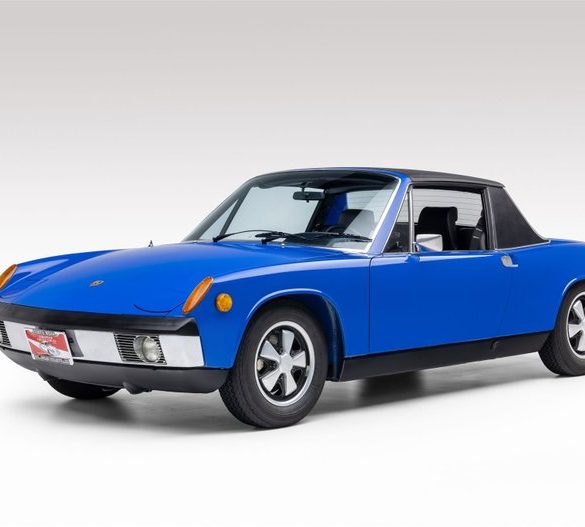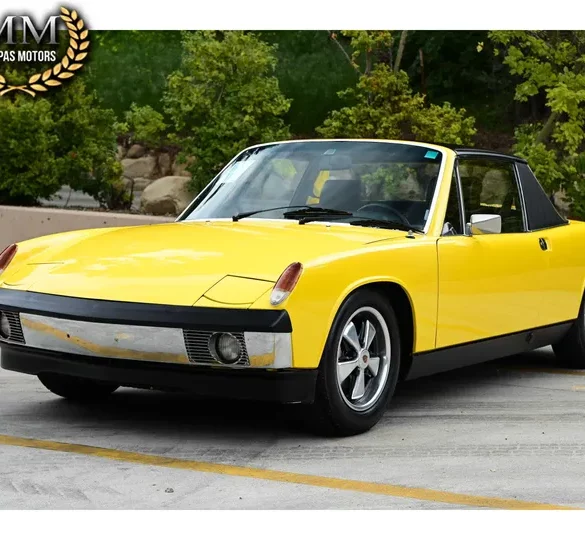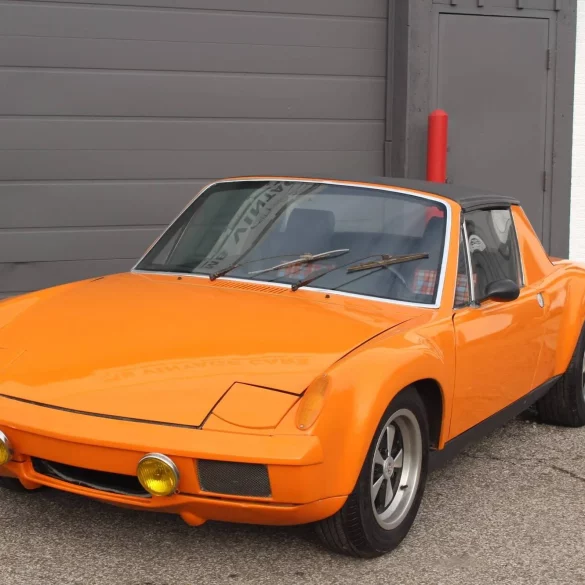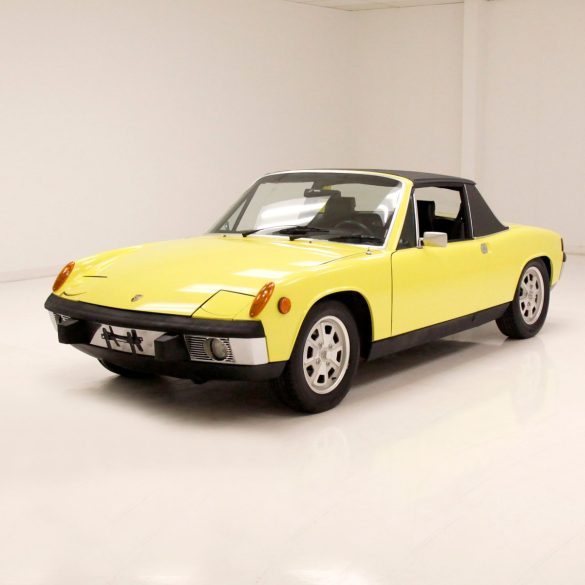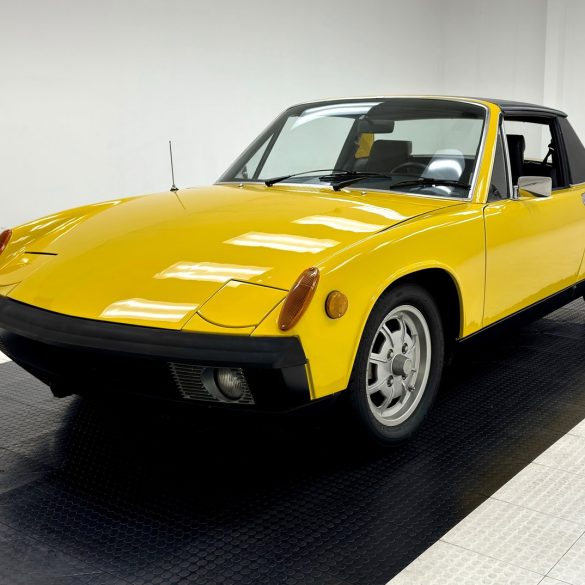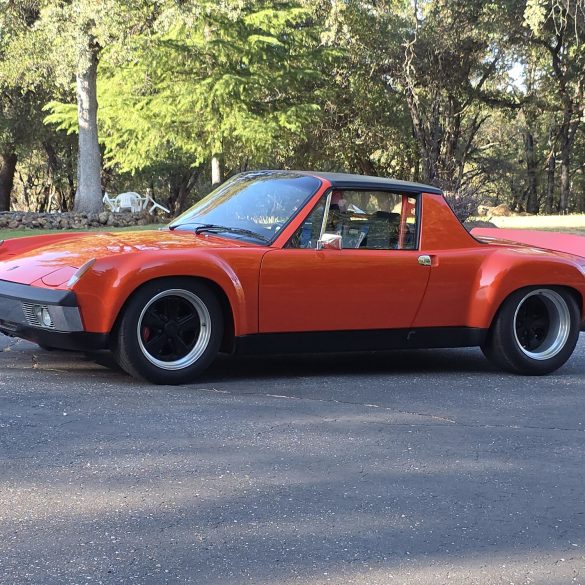
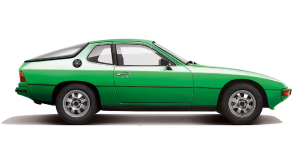
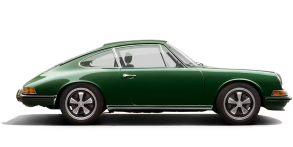
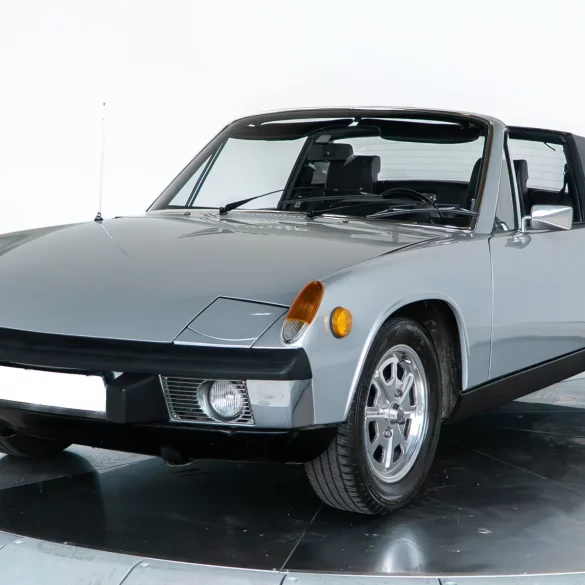
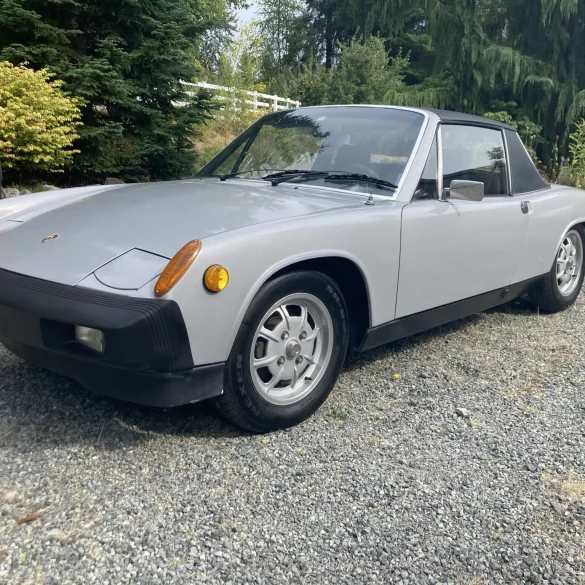
This 1973 Porsche 914 is finished in silver over black vinyl and is powered by a 1.7-liter flat-four paired with a five-speed manual transaxle. Equipment...


The Porsche 914 is one of the most distinctive and misunderstood cars in Porsche history—and today, one of the most rewarding classics to own. Produced from 1970 to 1976, the 914 was Porsche’s first production mid-engine road car, offering exceptional balance, light weight, and a uniquely engaging driving experience. Available in both four-cylinder (914/4) and rare six-cylinder (914/6) form, the 914 delivered pure sports-car fundamentals in a minimalist, driver-focused package.
Once overlooked in favor of early 911s, the Porsche 914 has undergone a major reappraisal in recent years. Enthusiasts and collectors now recognize its engineering significance, motorsport roots, and real-world driving fun. Whether you’re seeking an affordable entry into classic Porsche ownership or a usable vintage driver, the 914 occupies a compelling space in the market.
Below you’ll find a curated selection of Porsche 914 cars for sale, sourced from across the web, including respected specialty dealers, leading auction houses, and verified private listings from our enthusiast community. We bring together available 914/4 and 914/6 models in one place, making it easier to compare condition, originality, history, and pricing across a wide range of examples. Because Porsche 914s vary greatly—from original survivor cars and high-quality restorations to lightly modified driver builds—availability and pricing can change quickly.
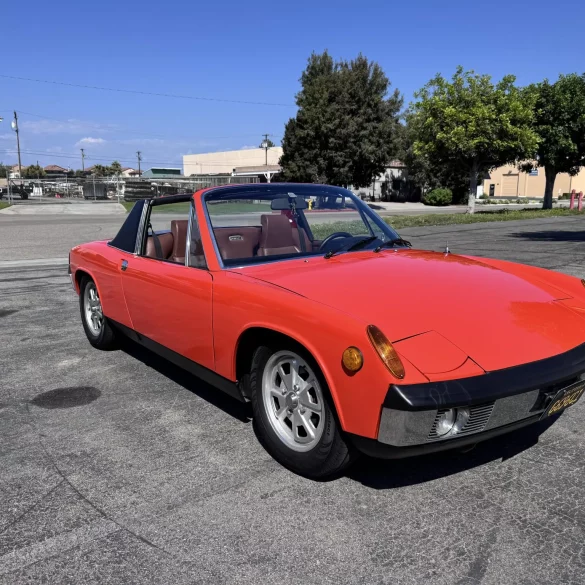
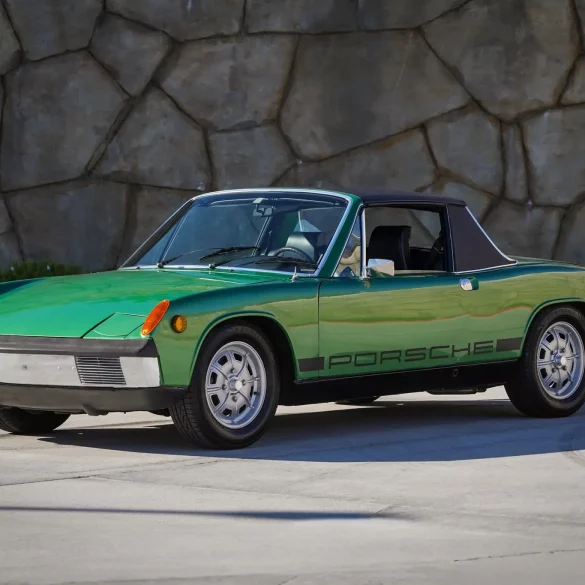

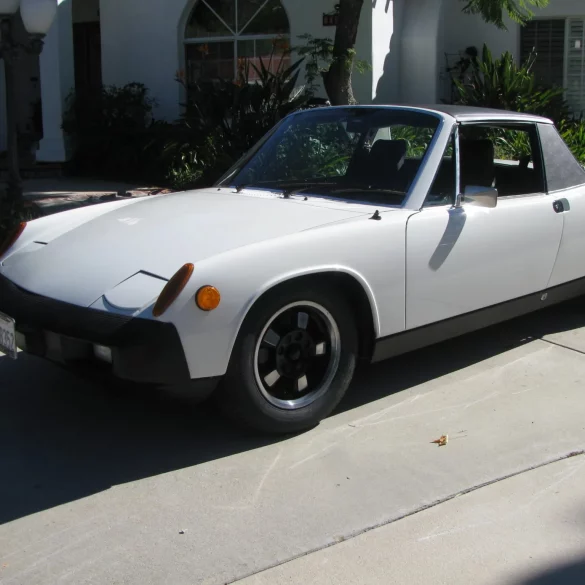
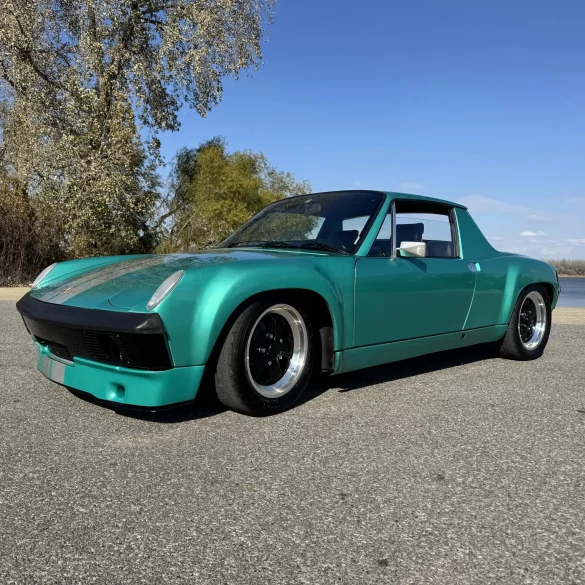

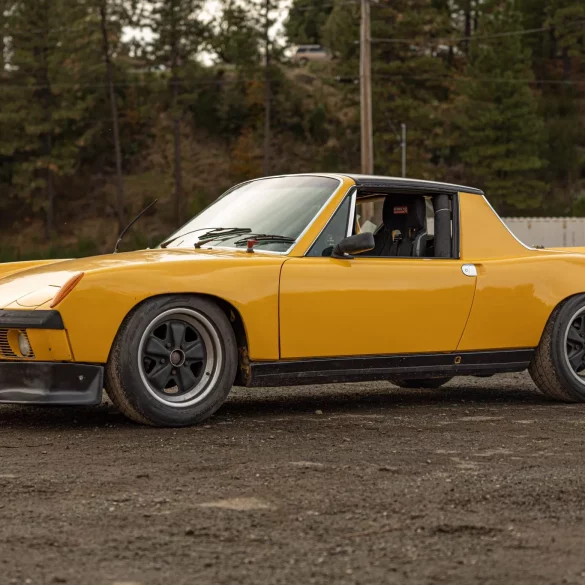
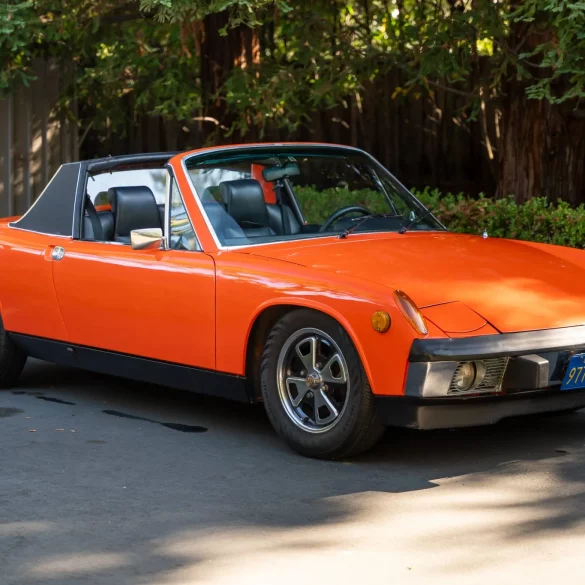
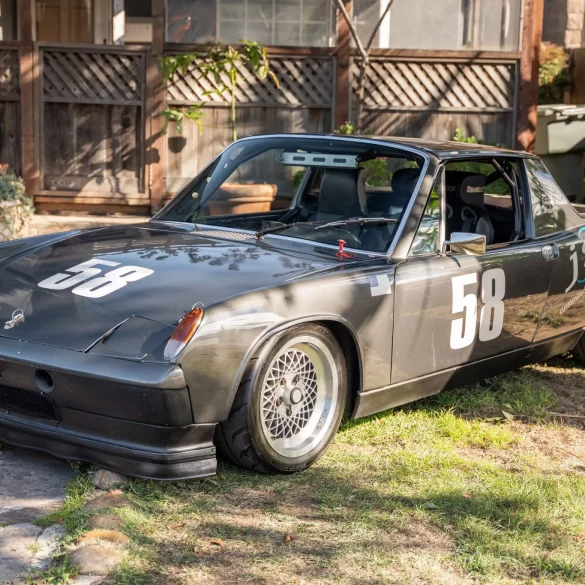
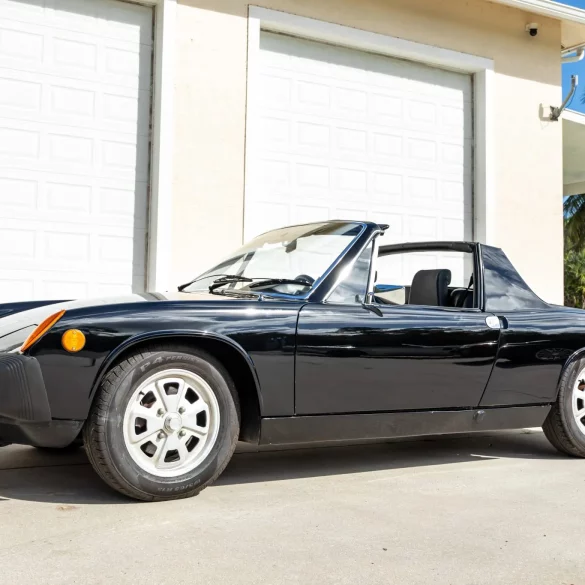
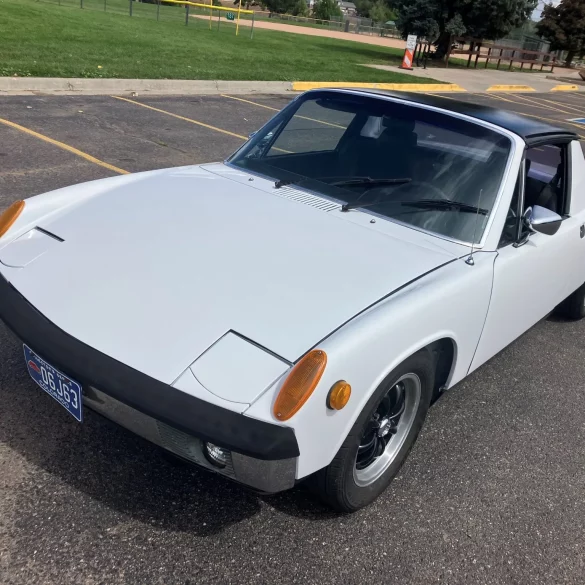
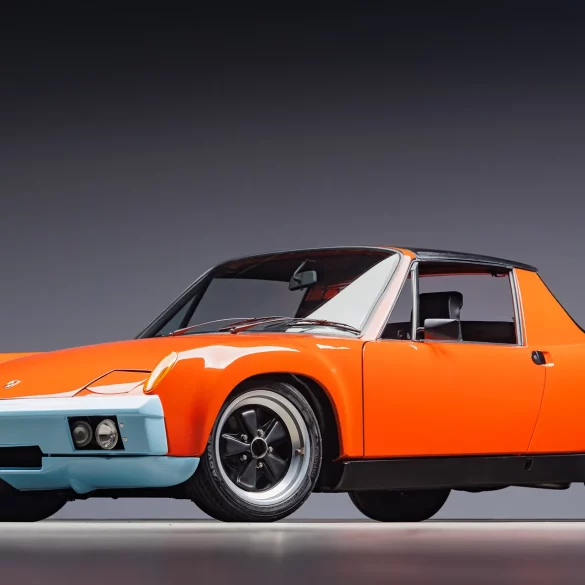
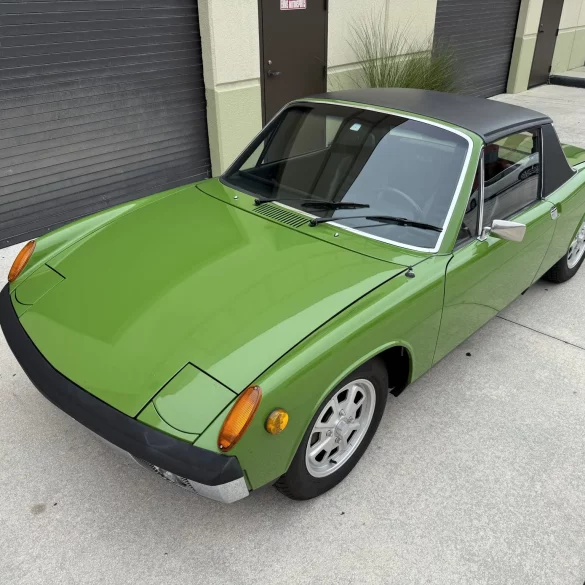
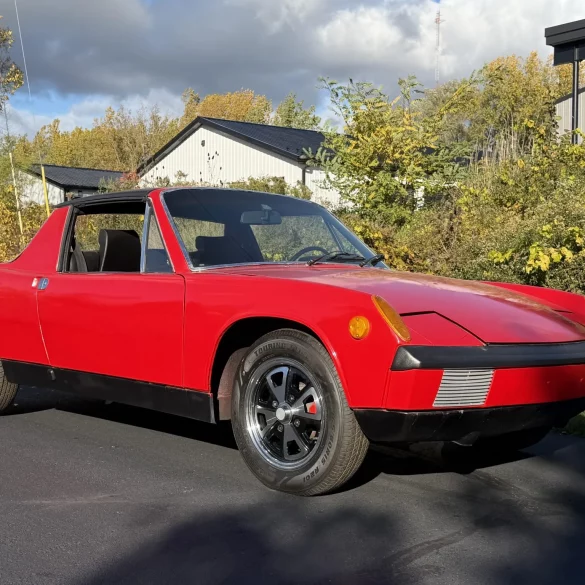
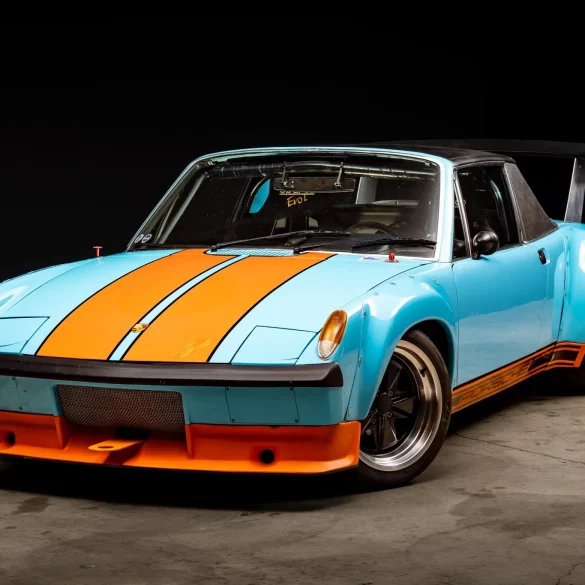
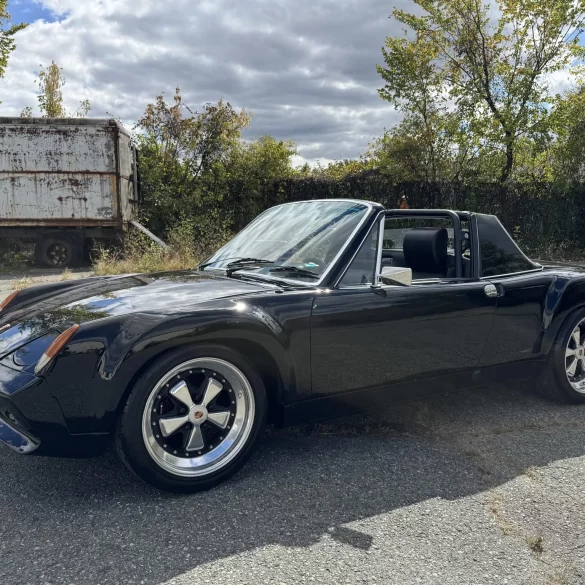
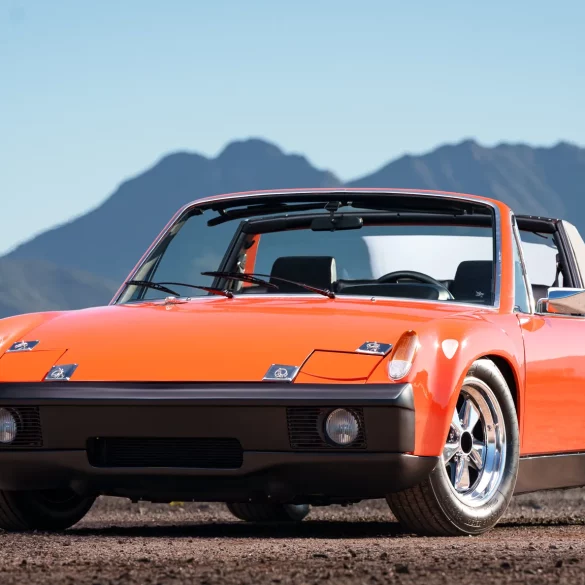
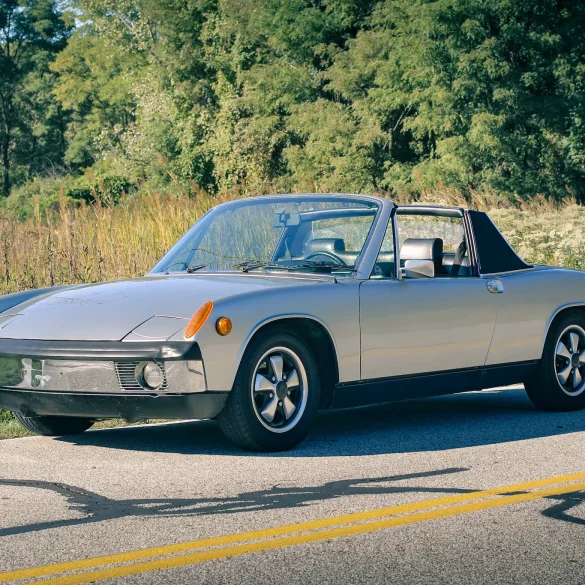
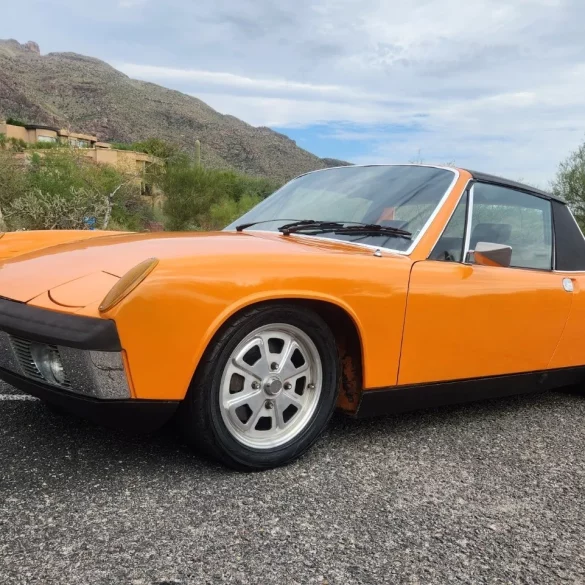
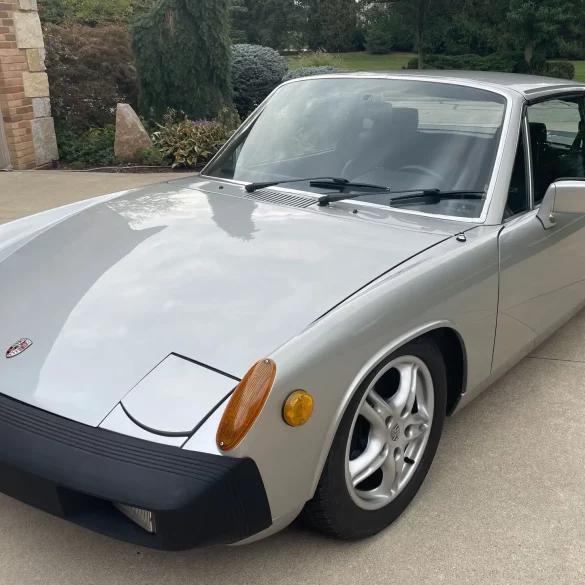
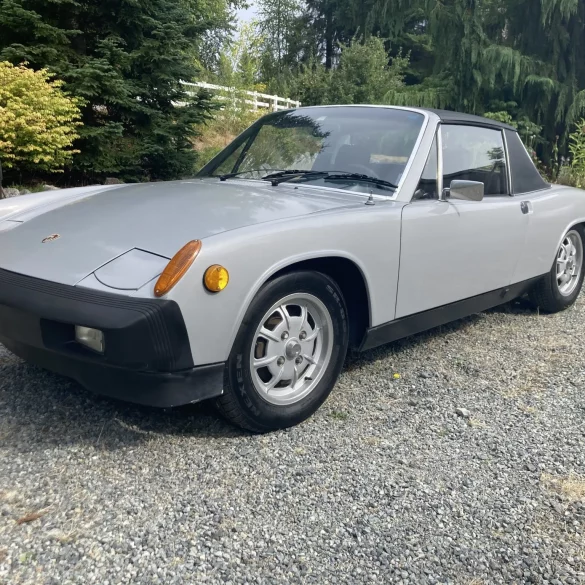
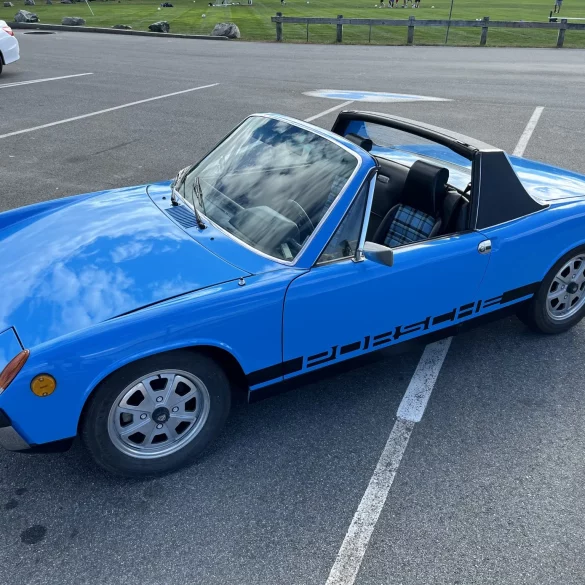
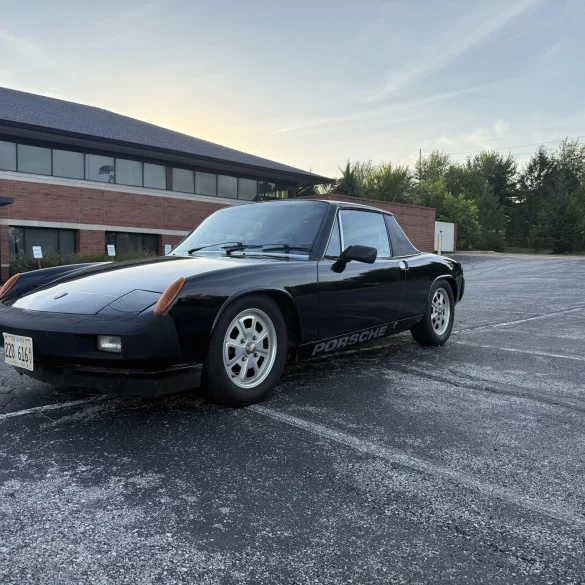
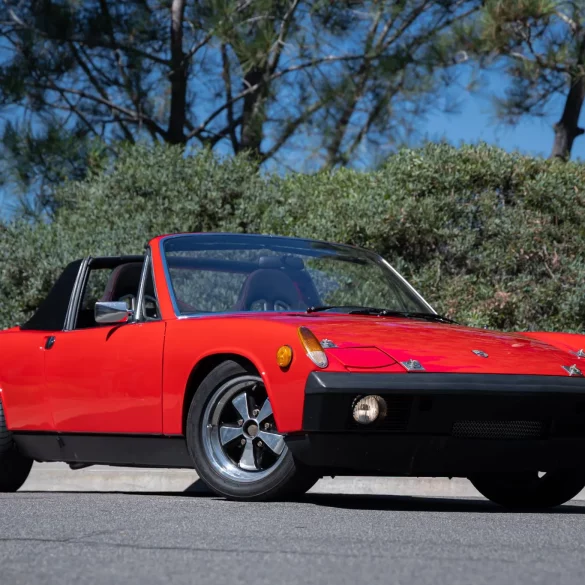

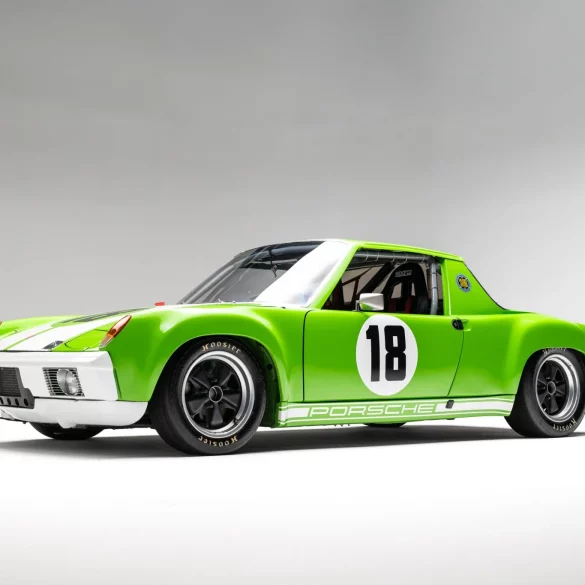
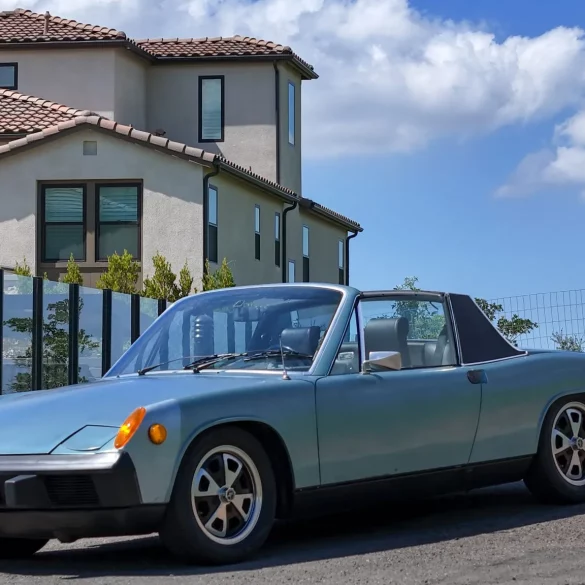
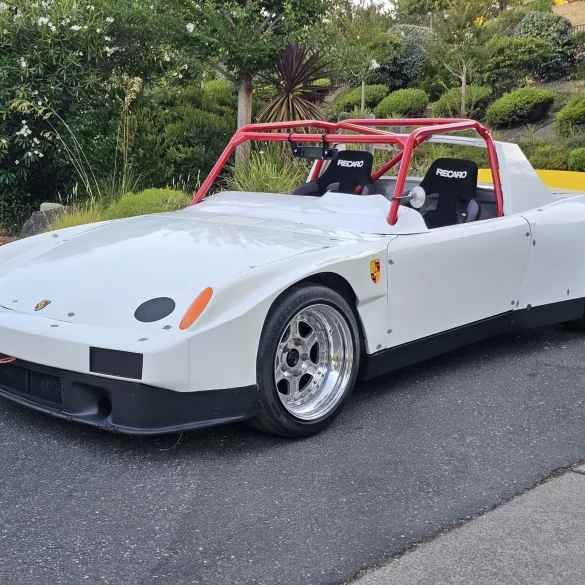
The Porsche 914 (1969-1976) has several variants, but some models are significantly more sought-after due to their rarity, performance, or historical significance. Here are the most desirable Porsche 914 variants, ranked by collector appeal and investment potential.
Why It’s Sought-After: The only factory-built six-cylinder 914, using the 2.0L flat-six from the 911T. Higher performance than the standard four-cylinder models, with 110 hp and a five-speed manual transmission. Standard five-lug wheels, 911-style brakes, and upgraded suspension improve handling. Extremely rare – only 3,351 units produced. Prices have skyrocketed, often exceeding $125,000+ for pristine examples.
Key Features: 2.0L flat-six engine (110 hp). Five-lug wheels and 911-style suspension/brakes. Factory oil tank in rear trunk. More powerful and smoother than four-cylinder models.
Why It’s Sought-After: The most desirable factory variant of the 914/6, built for racing homologation. Featured steel fender flares, 911S-style suspension, limited-slip differential, and upgraded brakes. Many of these cars were converted into full 914/6 GT race cars. Factory-built M471 cars are extremely rare, making them worth $200,000+ in today’s market.
Key Features: Factory steel widebody flares. 911S-derived suspension, brakes, and five-lug wheels. Racing pedigree – the 914/6 GT won its class at Le Mans in 1970.
Why It’s Sought-After: Considered the best-driving four-cylinder 914. The 2.0L flat-four made 95-100 hp, more power than earlier 1.7L and 1.8L models. Improved side-shift transmission (1973-on) for better gear engagement. Many featured desirable options like sway bars, limited-slip differential, and appearance group upgrades.
Key Features: 2.0L engine (95-100 hp). Side-shift transmission (1973+). Available with limited-slip differential and sway bars.
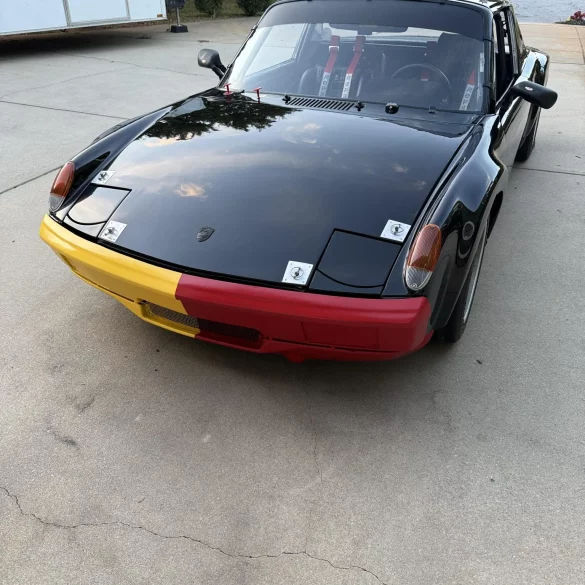
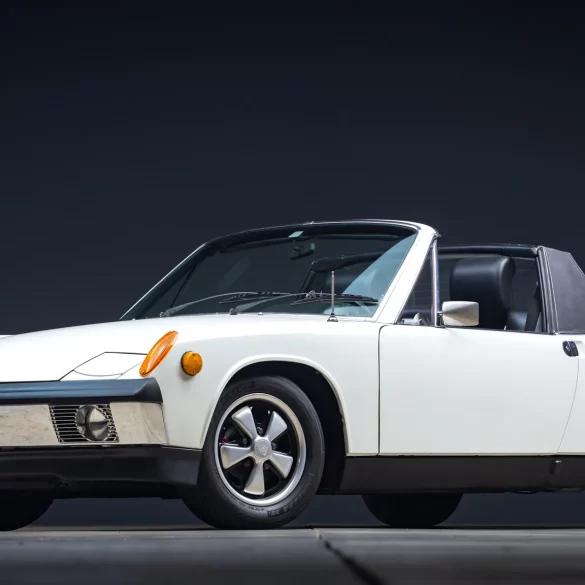
Why It’s Sought-After: Can-Am special edition celebrating Porsche’s racing success. Two color schemes: Bumblebee (black with yellow accents). Creamsicle (white with orange accents). Only 1,000 units were made, with around 500 of each color. Featured front and rear sway bars, Mahle alloy wheels, and paint-matched trim.
Key Features: Rare Can-Am inspired special edition. Two unique color combinations. Factory sway bars and sport package.
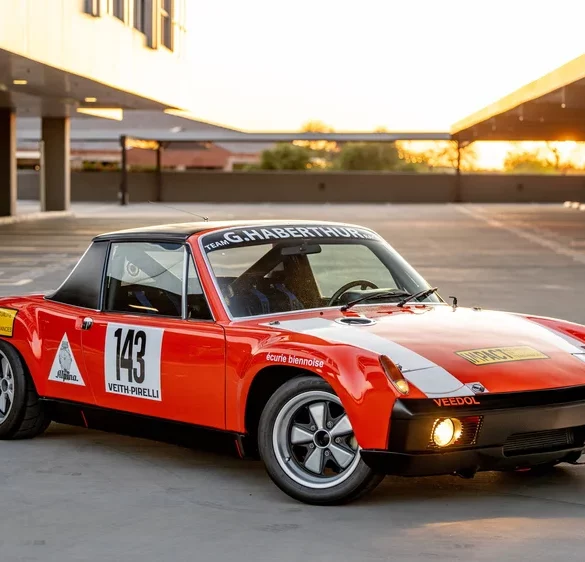
Why It’s Sought-After: Factory-built and privateer race cars that competed at Le Mans, Nürburgring, and Daytona. Featured over 200 hp in racing spec and ultra-lightweight bodywork. The 914/6 GT finished 6th overall at the 1970 24 Hours of Le Mans. Genuine factory-built race cars are valued at $500,000+ today.
Key Features: Racing widebody flares and lightweight body panels. Over 200 hp in race trim. Historic racing success, including Le Mans podium finishes.
Why It’s Sought-After: The last years of 914 production, making them collectible. U.S. versions had impact bumpers but still featured the 2.0L engine. Some late-production cars were special-ordered with desirable options.
Key Features: Last production years of the 914. 2.0L engine (95 hp). Improved side-shift transmission and options like appearance packages.
Most Valuable: 914/6 M471 GT (Factory GT models) – Can exceed $200,000+.
Most Collectible: 914/6 (Any variant) – Prices have surged past $125,000+.
Best Four-Cylinder Option: 914 2.0 (1973-1976) – A great driver’s car with appreciation potential.
Rare Special Edition: 914 Limited Edition (Bumblebee & Creamsicle) – Low production, rising values.
The “best” Porsche 914 model years depend on what you’re after (collectibility vs. drivability vs. value), but most experts and enthusiasts tend to favor certain years/variants. Here’s a breakdown of what tends to be regarded as the strongest 914-model years/variants to aim for — and why.
The 914/6, with its 2.0-liter flat-six engine (derived from early 911s), is widely regarded as the most desirable and collectible 914. It offers significantly stronger performance and better driving dynamics than the four-cylinder 914/4. Because production was very limited — only about 3,300 914/6 cars were built — these remain rare compared to 914/4s, which helps preserve their value and makes them sought after by collectors. For someone interested in a 914 that feels closer to a “true Porsche sports car” rather than an entry-level model, a good-condition 914/6 is hard to beat in terms of value and driving experience.
Among the four-cylinder 914s, the 1973–1974 2.0-liter versions stand out as the best-balanced cars for most buyers — they offer a good mix of performance, handling, and practicality without the rarity premium of a 914/6. The 2.0-liter engine in those years delivered solid performance improvement over earlier 1.7- or 1.8-liter 914/4s, making the 914 more usable as a regular driver — and thus a smart buy for someone who wants a 914 they can enjoy rather than just store.
Because rust and structural issues are common on 914s (especially with age), many owners and experts argue that condition, rust-free structure, and originality matter far more than the exact build year. A well-maintained late-model 914/4 or a clean, original-spec 914/6 is virtually always “better” than a poorly cared-for “rare” version. In other words: “a good 1975 2.0-liter is often better than a rusted 1971 1.7” — assuming the latter is in rough shape.
In recent years the Porsche 914 has evolved from an “affordable oddball” to a respected classic — and its market values reflect that shift. According to recent data, clean, original 914/4 cars in good condition typically trade in the ballpark of $20,000–$40,000 USD, depending on condition, originality, mileage, and documentation. More modest or project-quality cars can still be found in lower ranges, but the era when 914s routinely sold for low four figures is essentially over.
That said, not all 914s are equal — there’s a big gap between the “standard” 914/4 and the more desirable variants. The six-cylinder Porsche 914/6 remains the crown jewel of the 914 family. Demand for 914/6s (and other rare or well-documented 914/4s) continues to climb: top-tier examples — particularly well-preserved, matching-numbers cars — have recently sold for significantly more, with some auction and valuation guides showing 914/6 values rising well above typical 914/4s.
Overall sentiment in enthusiast media suggests that the 914 has “grown up”: once-dismissed as a compromise between Porsche and VW, the 914 is now appreciated for its mid-engine layout, driving balance, and uniqueness. That change in perception, combined with increasing interest in air-cooled classics more broadly, helped fuel a surge in demand and pricing from about 2018 through 2021.
However, the recent market appears to have stabilized. Prices for many 914/4 examples seem to have plateaued rather than continuing to climb dramatically — signaling a more mature, steady market rather than a speculative boom.
If you’re buying a “typical” 914/4, expect to pay mid-range classic-car money: $20K–$40K for a clean, usable car, more for lower-mileage/ well-preserved examples. If you’re shopping 914/6 (or rare/ well-documented 914/4s), plan for a premium — values on those continue to rise, and well-sorted examples can command significantly higher prices. For sellers: originality, documented history, and maintenance records matter more than ever. Cars that show provenance and good condition tend to perform best. For buyers on a budget or looking for a “driver” rather than a collectible — 914 remains one of the most accessible historic P-cars, but quality varies widely, so do due diligence.
For a free printable version of this checklist plus lots more details, be sure to check out our Porsche 914 Inspection Checklist guide.
✅ Inspect the battery tray and “hell hole” under the battery for rust—check if it has compromised the suspension console.
✅ Check the longitudinal members (inside and out) for structural rust. Sagging doors when opened are a key sign of weakened structure.
✅ Examine the jack points—if they’re soft or rusted, it indicates extensive corrosion in the longitudinals.
✅ Inspect the rear firewall behind the seats for signs of water intrusion and rust.
✅ Look under the rear trunk seal for bubbling paint or rust around the edges.
✅ Check the front trunk floor and spare tire well for rust, especially near the corners.
✅ Inspect the targa roof seals for leaks—common source of water intrusion into the cabin.
✅ Perform a cold start—early models with D-Jetronic fuel injection may have cold start problems due to sensor or injector issues.
✅ Look for fuel leaks around the injector rails and fuel lines—original lines are prone to cracking.
✅ Ensure the engine idles steadily at around 900 RPM—rough idle may indicate vacuum leaks.
✅ Check for blue smoke at startup, which indicates worn valve guides.
✅ Inspect the pushrod tube seals—a common source of oil leaks.
✅ Ensure the oil temperature gauge works; overheating is a known issue if the cooling system is dirty or failing.
✅ If it’s a 914/6, verify the engine is a genuine six-cylinder unit, not a converted four-cylinder.
✅ Test for grinding when shifting into 2nd gear—a common sign of worn synchros in the 901 gearbox.
✅ Check the reverse gear—difficulty engaging reverse is a known issue due to worn linkage bushings.
✅ Inspect the shift linkage bushings for slop or excessive play—this affects gear engagement precision.
✅ Ensure the clutch cable is properly adjusted—914s are known for developing slack in the cable.
✅ Inspect the CV joints and axle boots for cracks or leaking grease.
✅ Check for play in the steering rack—looseness indicates wear, which affects handling.
✅ Inspect the torsion bar mounts for rust and cracks.
✅ Look for sagging rear suspension—worn or collapsed rear springs are common in high-mileage 914s.
✅ Listen for clunks or creaks when turning—worn ball joints or bushings are likely culprits.
✅ Inspect the brake calipers for leaks—original calipers are prone to leaking at the piston seals.
✅ Check the condition of the brake proportioning valve located in the rear—it often fails and leads to uneven braking.
✅ Ensure the emergency brake works—many 914s have inoperative or poorly adjusted parking brakes.
✅ Test the pop-up headlights—ensure they raise and lower smoothly without sticking.
✅ Inspect the turn signal switch and wiper stalk—common failure points in 914s.
✅ Check the voltage regulator and generator—dim lights or slow cranking can indicate charging system problems.
✅ Inspect the targa top for proper fitment and cracks—warped or damaged tops may not seal properly.
The Porsche 914 is an automotive icon with a unique personality, known for its mid-engine balance, targa top, and minimalist design. Developed in partnership with Volkswagen, it became a beloved sports car for enthusiasts seeking a pure driving experience. However, as with any vintage car that’s now over four decades old, the 914 is not without its challenges. Hidden rust, drivetrain quirks, and electrical issues can easily turn a dream car into a costly project if you’re not careful. Below, we outline some of the most common problems to consider before buying. For a more in-depth review, we have a full guide to Porsche 914 problems and how to solve them.
Rust is by far the most critical issue you’ll face when buying a Porsche 914. The car’s unibody construction means that rust can severely affect its structural integrity, making repairs expensive and labor-intensive. The most notorious rust-prone area is the battery tray and the “hell hole” just beneath it on the passenger side. Battery acid leaks and water intrusion often cause rust in this area, which can spread to the longitudinals, suspension console, and firewall, leading to major structural damage. The floor pans, rocker panels, jack points, and wheel wells are also common trouble spots, especially on cars that have been exposed to moisture. Both the front and rear trunk floors are prone to rust due to poor drainage and moisture buildup. When inspecting a 914, look for signs of bubbling paint, mismatched panels, or patchwork repairs. Use a flashlight and a magnet to check for hidden rust and filler. Serious rust in critical structural areas can be a dealbreaker, as repairs can be extensive and costly. Always prioritize finding a solid body over a mechanically perfect but rusted example.
The Porsche 914’s engine options range from the Volkswagen-derived flat-four in 1.7L, 1.8L, and 2.0L forms to the Porsche flat-six in the rare 914/6. While these engines are generally reliable, age and deferred maintenance can lead to several problems. Oil leaks are a common issue, particularly from the pushrod tube seals, rear main seal, and valve covers. Overheating can occur due to clogged oil coolers, malfunctioning thermostats, or improperly tuned fuel injection systems. Early 914s with D-Jetronic fuel injection are prone to vacuum leaks, failing sensors, and wiring issues, which cause rough idling, misfires, and hard starting. In contrast, the later L-Jetronic system is slightly more reliable but still suffers from air leaks and worn components. Worn valve guides, piston rings, and low compression are common in high-mileage engines, leading to excessive smoke and reduced power. When inspecting a 914, check for oil leaks, blue smoke (indicating oil burning), and rough running. Perform a compression test and ensure the engine starts easily when cold. Rebuilding a 914 engine can be costly, especially for the 914/6, so it’s crucial to assess engine health thoroughly.
The Porsche 914 is equipped with a 5-speed manual transmission, but due to its age and complex shift linkage, it’s prone to several issues that can affect drivability. One of the most common problems is worn synchros, particularly in 1st and 2nd gears, resulting in grinding during shifts. The shift linkage design, which involves multiple bushings and joints, can wear out over time, causing vague or imprecise gear changes. Sloppy shifter feel and difficulty finding gears are typical symptoms. Clutch issues are also common, with slippage or hard engagement often due to a worn clutch disc, pressure plate, or improperly adjusted clutch cable. Additionally, the CV joints and axle boots are prone to cracking and wear, which can lead to drivetrain vibration or clicking noises during acceleration. When inspecting a 914, pay attention to how the car shifts—watch for smooth engagement and listen for whining or grinding noises. A well-maintained transmission should shift easily without excessive play or noise. Rebuilding the gearbox or replacing the shift linkage can be expensive, so it’s essential to test the drivetrain thoroughly.
The Porsche 914’s suspension and steering systems are relatively simple, but after decades on the road, many components will show significant wear. Worn ball joints and tie rod ends are common and can lead to loose or imprecise steering, while aging bushings in the suspension arms result in clunking noises and degraded handling. The rear springs can sag over time, causing the car to sit unevenly and affecting its cornering ability. Shock absorbers often wear out, leading to a bouncy or unsettled ride. Additionally, the steering rack may develop excessive play or binding if not properly maintained, compromising control and precision. The 914’s wheel bearings can also wear out, causing humming or grinding noises, especially during cornering. When inspecting a 914, check for excessive steering play, uneven tire wear, and listen for unusual noises over bumps. Ensure the car tracks straight and feels responsive during a test drive. Replacing suspension and steering components can restore the car’s original handling characteristics, but extensive work can be costly and labor-intensive.
The Porsche 914 features four-wheel disc brakes, an advanced setup for its time, but age and wear can compromise their effectiveness. Leaking brake calipers are a common issue, especially in cars with original or older components, leading to a soft or spongy pedal feel. Worn brake rotors and pads reduce stopping power and may cause vibrations or pulsation under braking. The master cylinder can fail with age, resulting in inconsistent braking pressure or the brake pedal sinking to the floor. Old rubber brake lines may crack and leak, compromising brake performance and safety. Brake fluid contamination from moisture can also reduce effectiveness and lead to internal corrosion in the hydraulic system. When inspecting a 914, check for firm pedal response, even braking performance, and signs of fluid leaks around the calipers and master cylinder. If the car pulls to one side or the brakes feel weak, a full brake system inspection and possible overhaul may be needed. Rebuilding calipers, replacing rotors, and upgrading to stainless steel brake lines can significantly improve performance and reliability.
The interior of the Porsche 914 can show significant wear and deterioration due to age, sun exposure, and moisture, especially in cars that have spent years outdoors. Cracked dashboards and faded or torn seat upholstery are among the most common issues, caused by prolonged exposure to UV rays. Door panels and carpets often warp or discolor, especially if the car has suffered from water leaks around the targa top or window seals. Headliners may sag or become stained, and gauge faces can fade or develop condensation inside. In many 914s, owners have replaced original interior components with aftermarket parts, reducing the car’s authenticity and value. Weatherstripping around the windows and targa roof often deteriorates, allowing water to enter and cause further damage. When inspecting a 914, check for signs of water intrusion under the carpets and in the rear firewall area. Ensure all gauges and switches are functional, and look for factory-correct materials and trim if originality matters to you. Restoring the interior can be expensive, especially if sourcing period-correct materials is necessary.