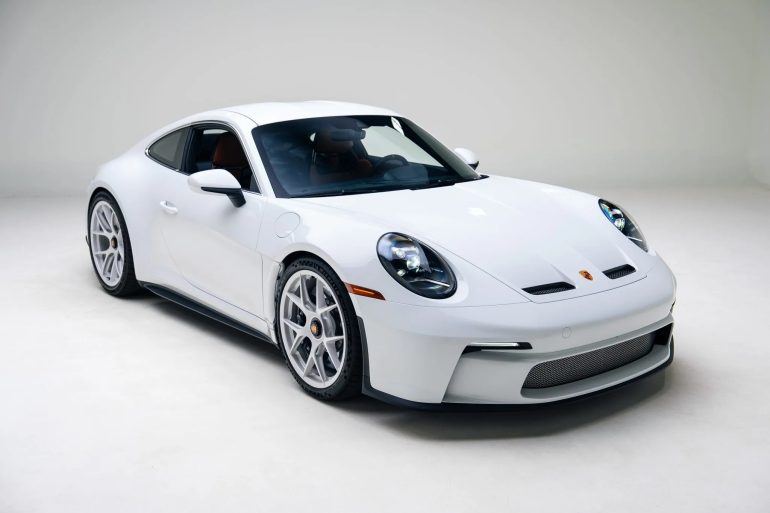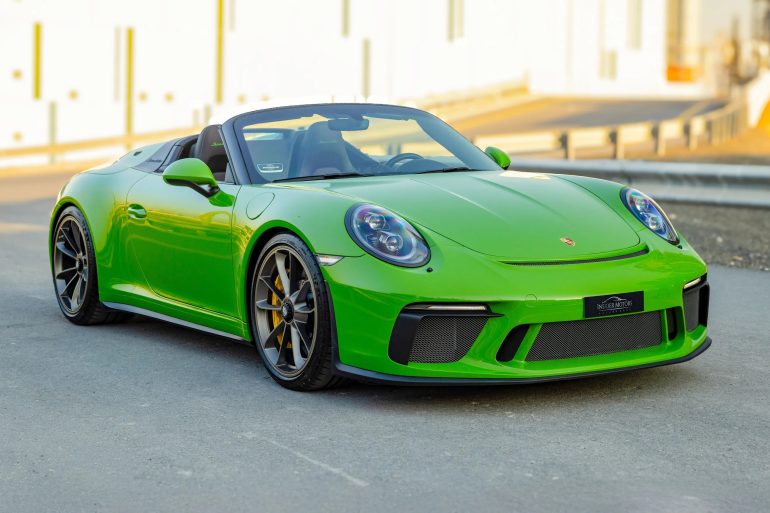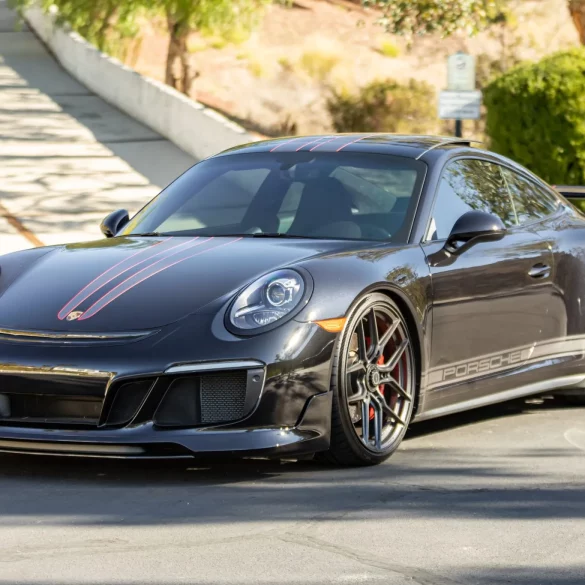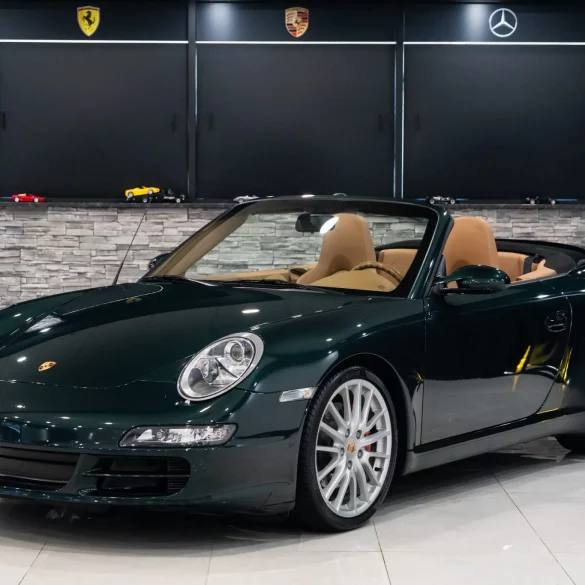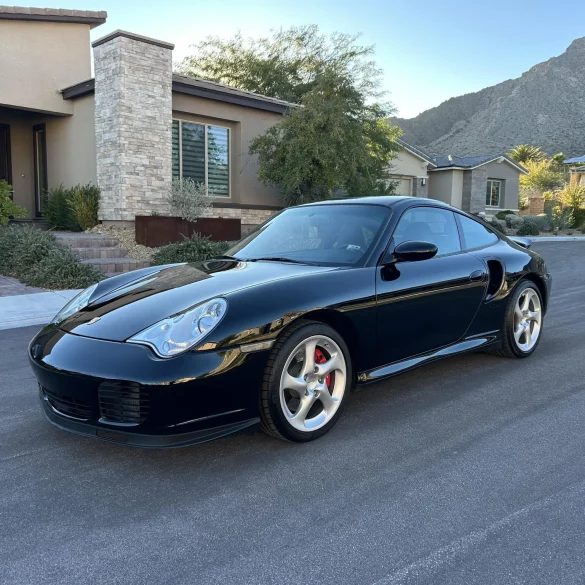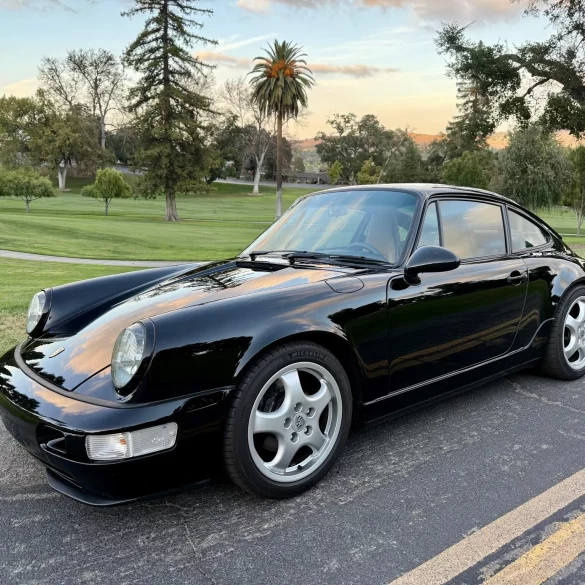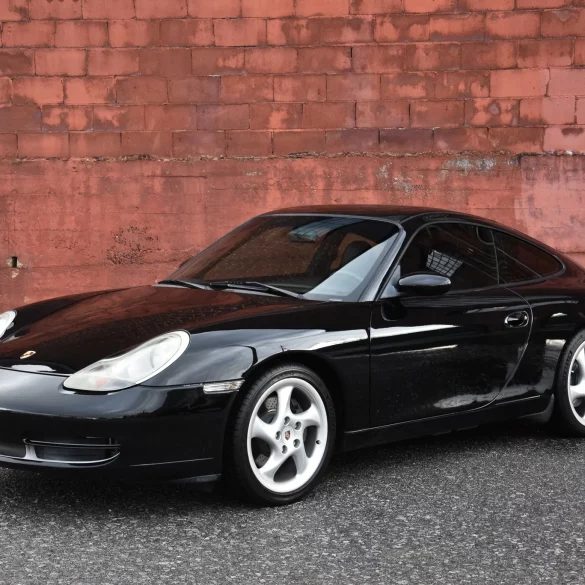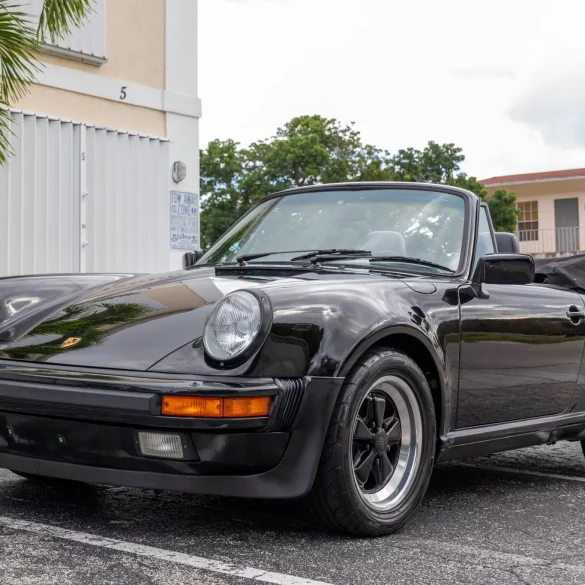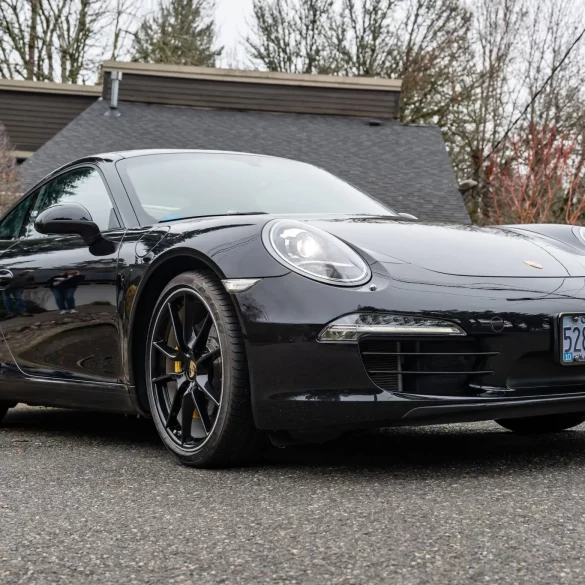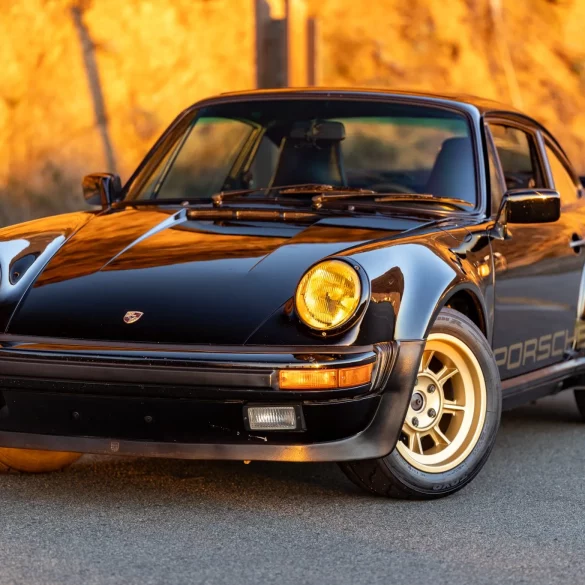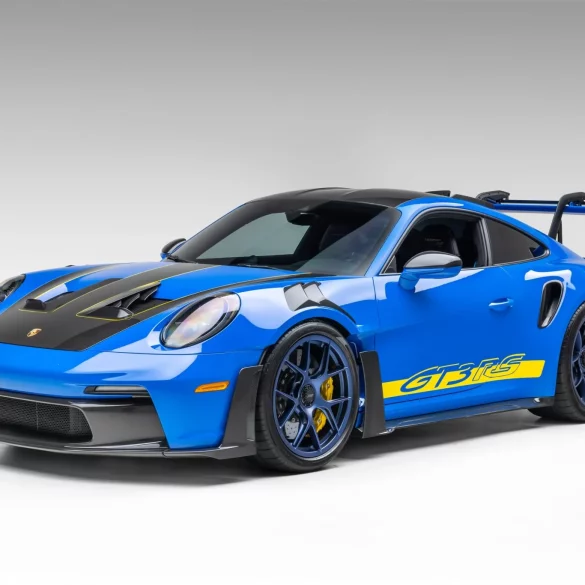
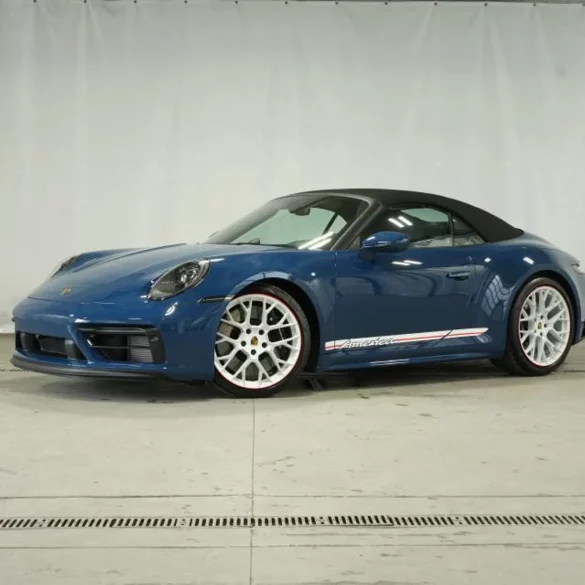
The Porsche 911 Carrera GTS America Edition is a limited-production special version of the 911 Carrera GTS Cabriolet designed specifically for the North American market,...


Browse Porsche 911 models for sale, featuring our own member-listed cars alongside a curated selection of the best and most desirable 911s available from across the web. Spanning every generation—from classic air-cooled models to modern turbocharged and hybrid variants—the Porsche 911 is celebrated for its timeless design, rear-engine performance, and everyday usability. Whether you’re searching for a collectible classic, a track-focused GT model, or a modern daily driver, this page brings together standout Porsche 911 listings.
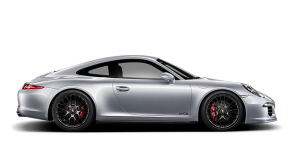
Browse available Porsche 911s from our member classifieds alongside carefully curated cars from across the web. We showcase only the most interesting, well-presented, and desirable 356s—giving collectors a smarter way to find their next classic.
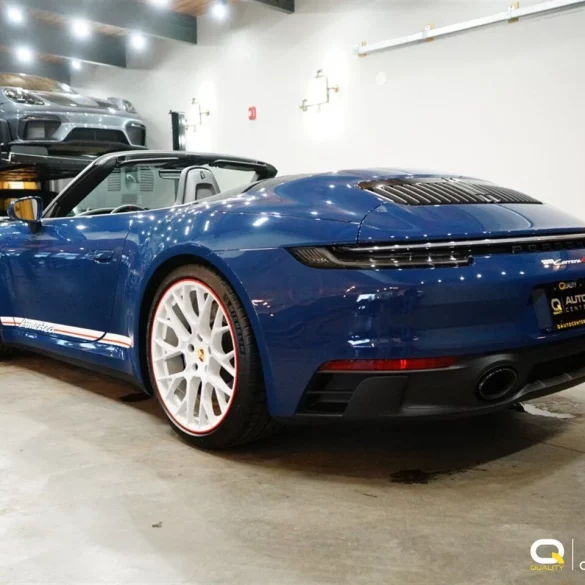
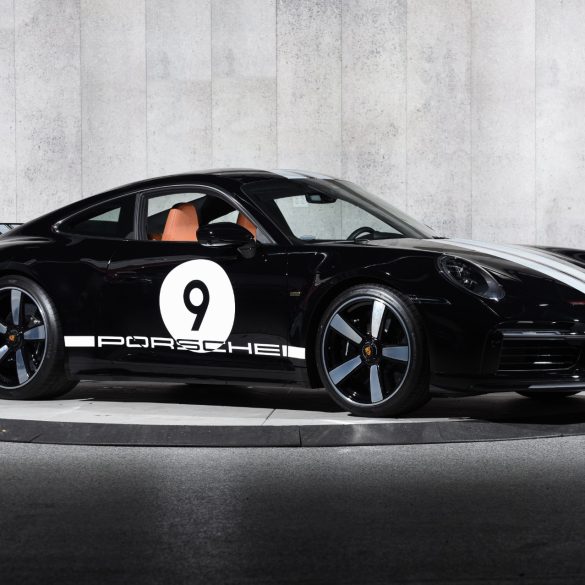
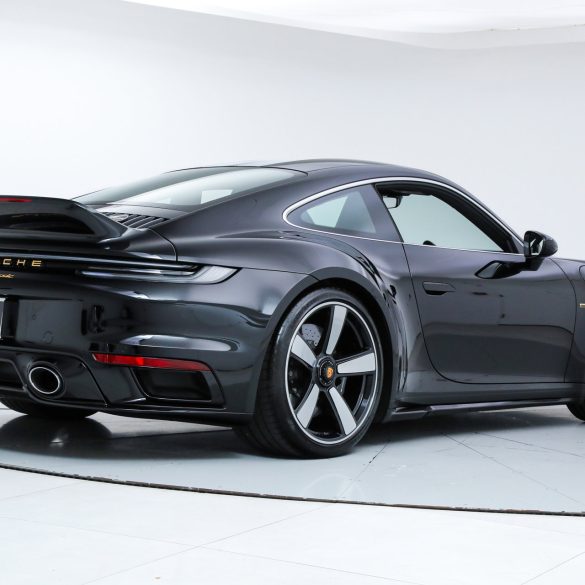
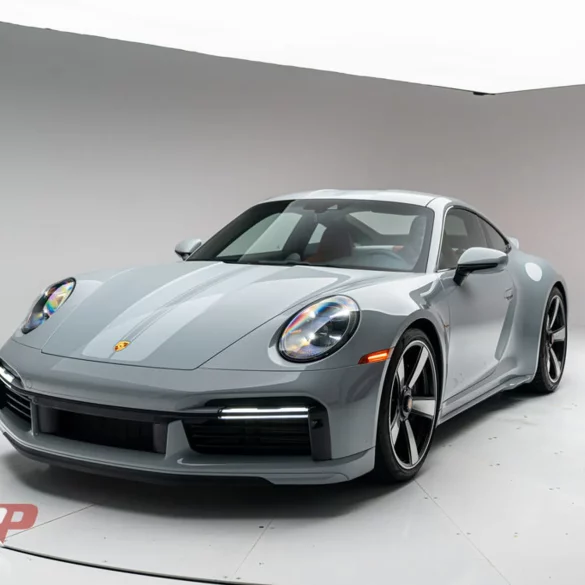
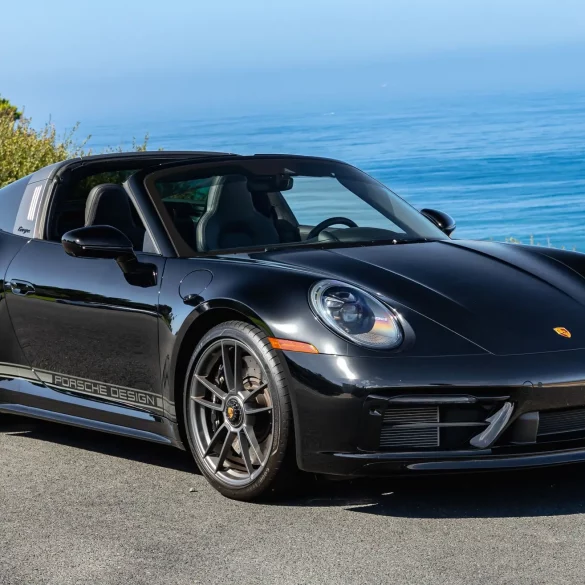
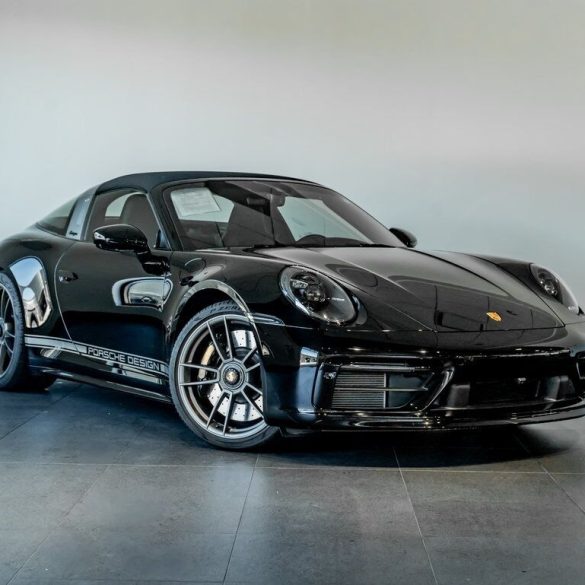
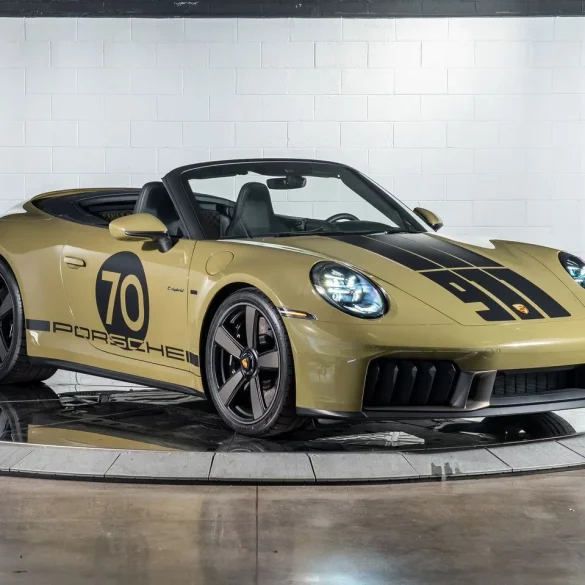
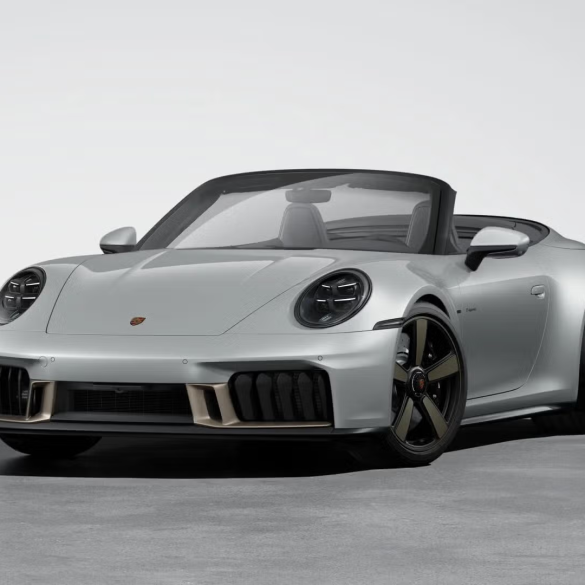
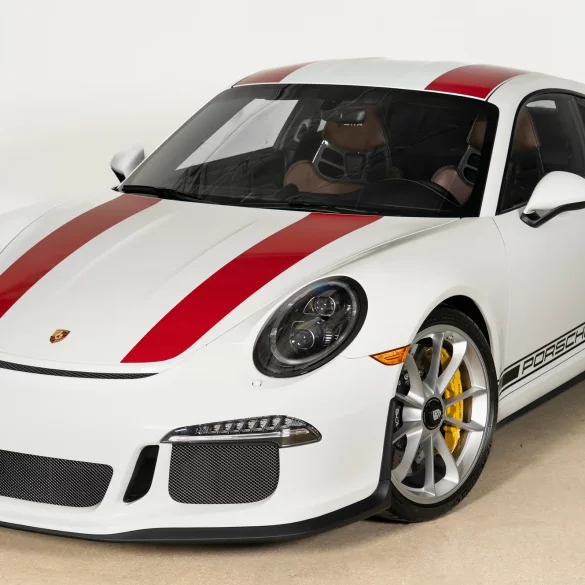
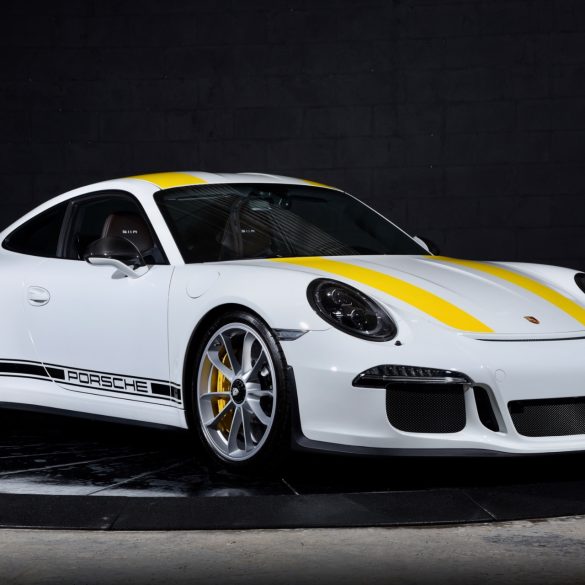
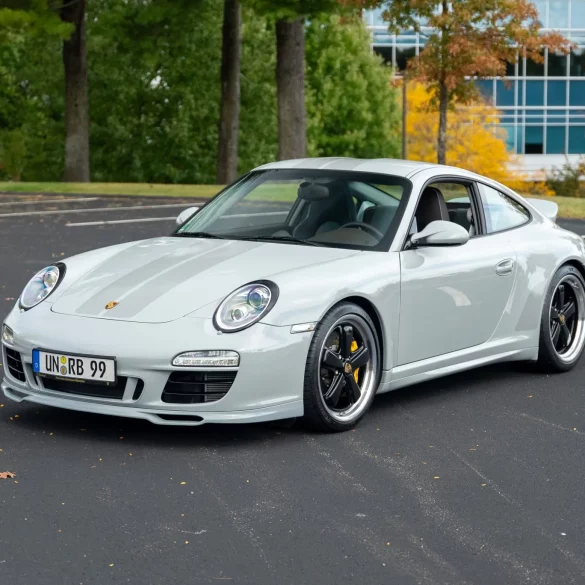
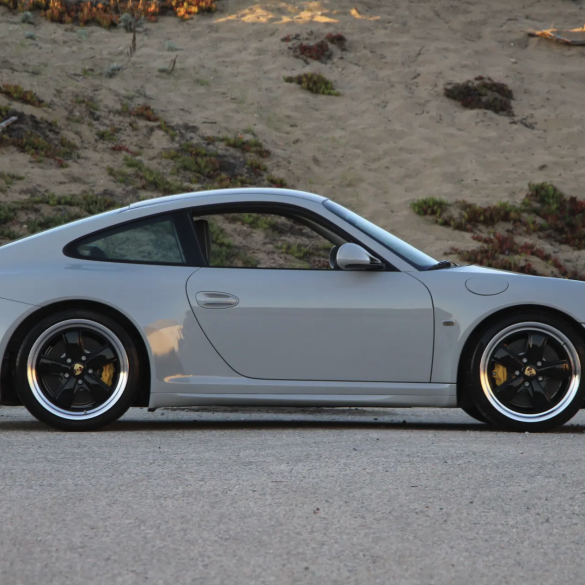
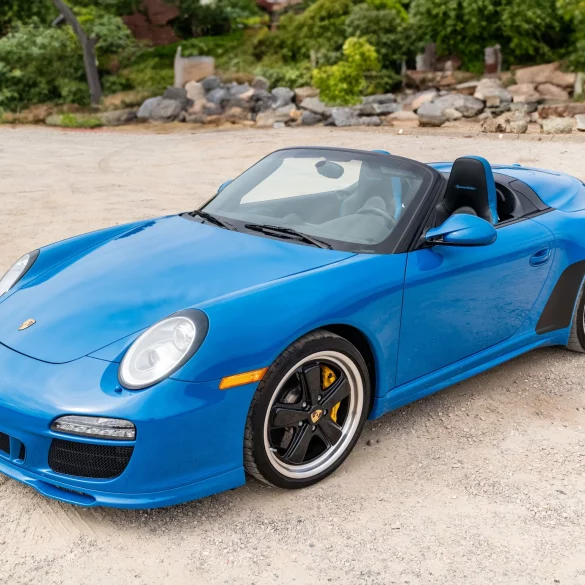
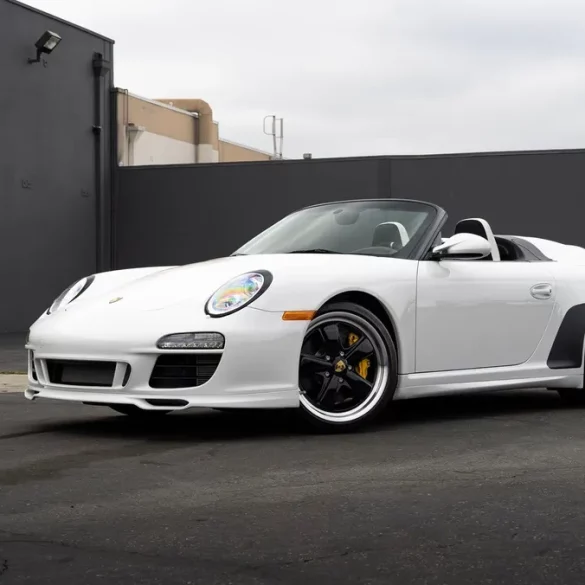
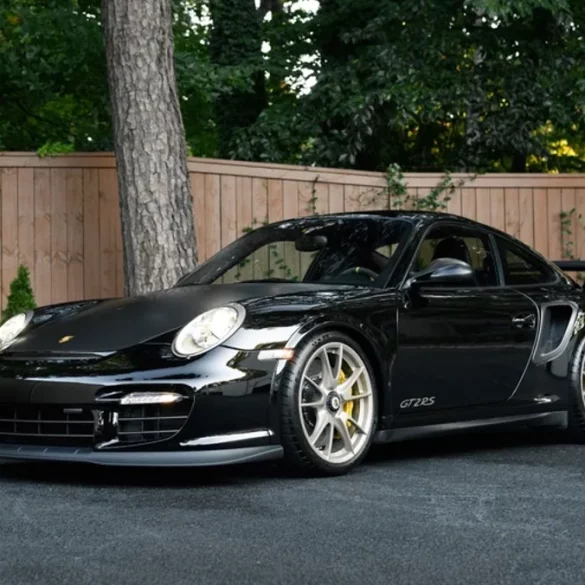
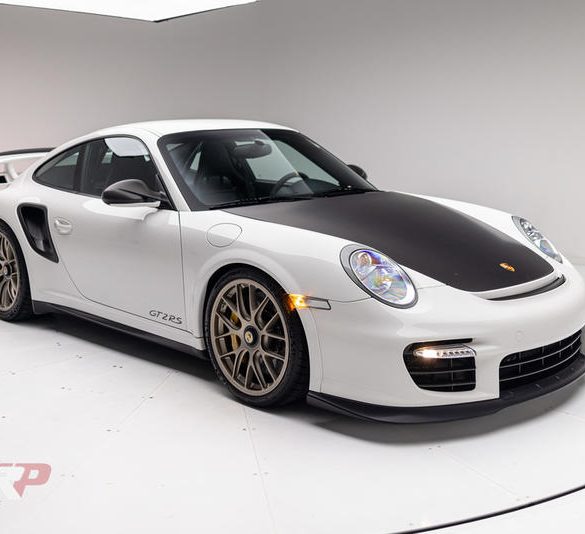
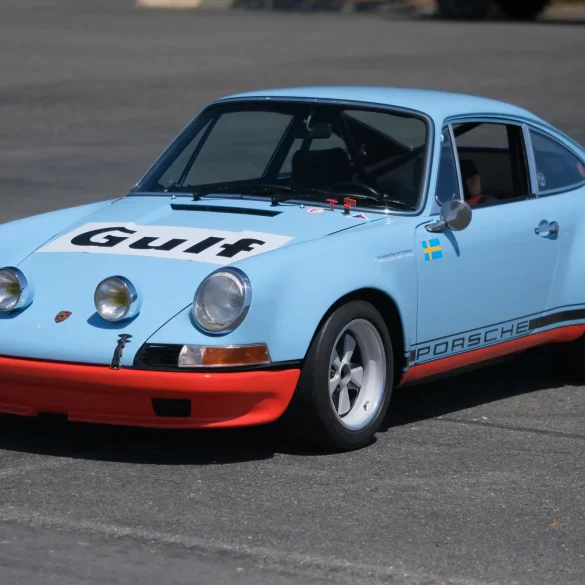
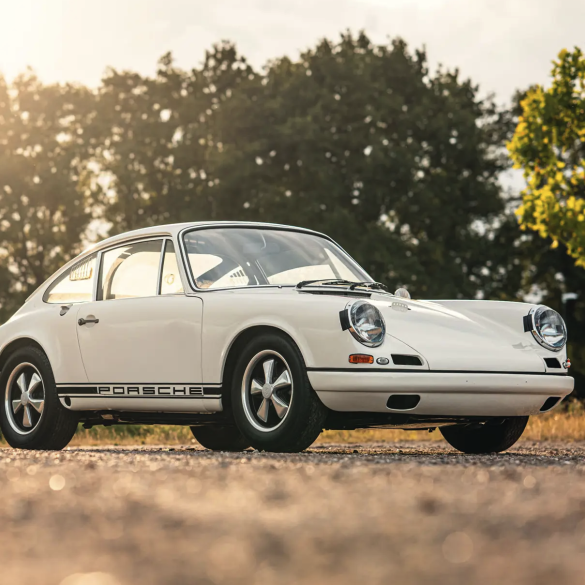
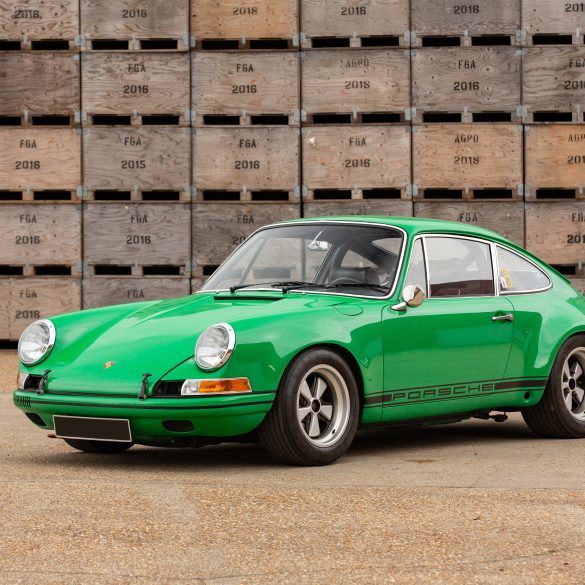
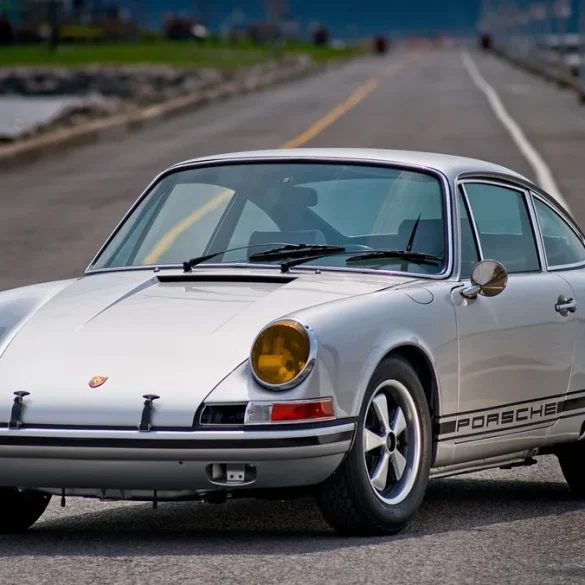
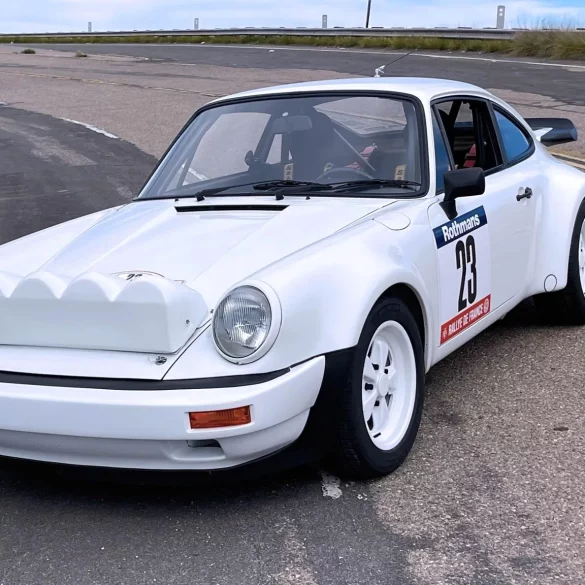
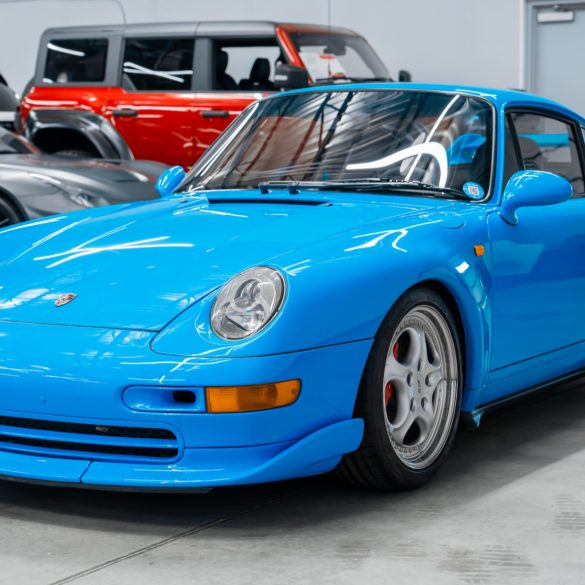
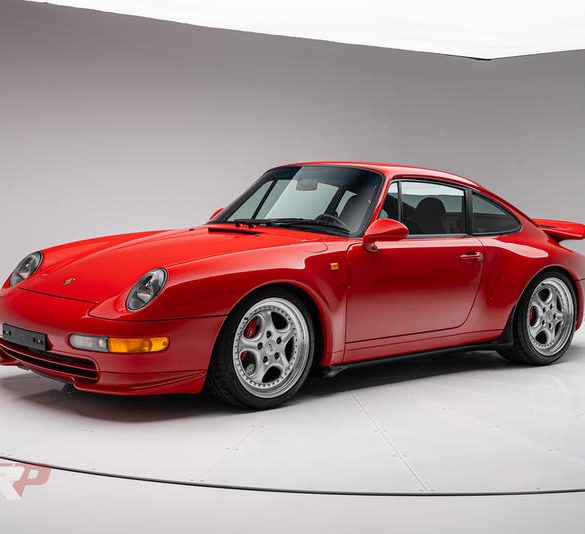
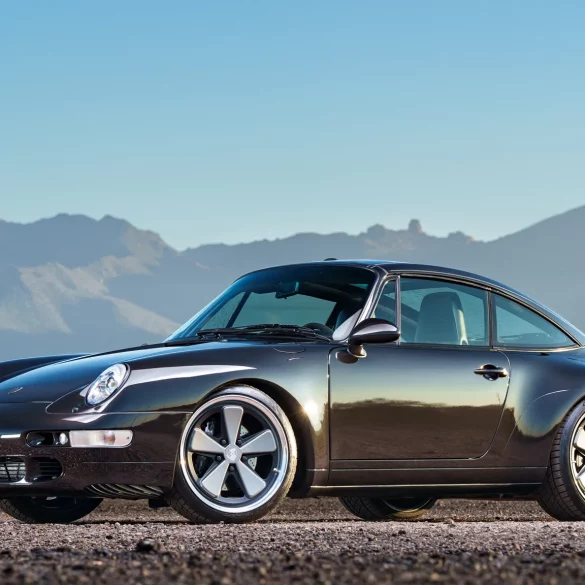
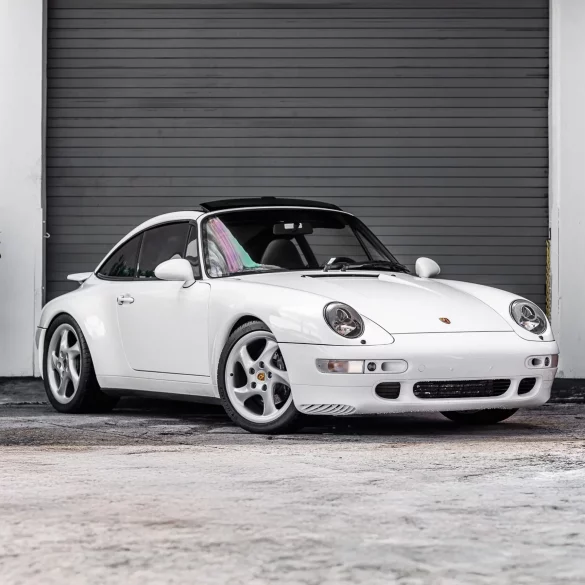
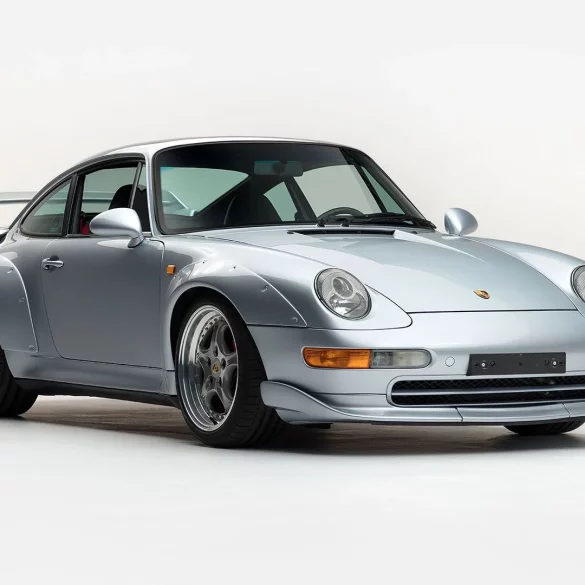
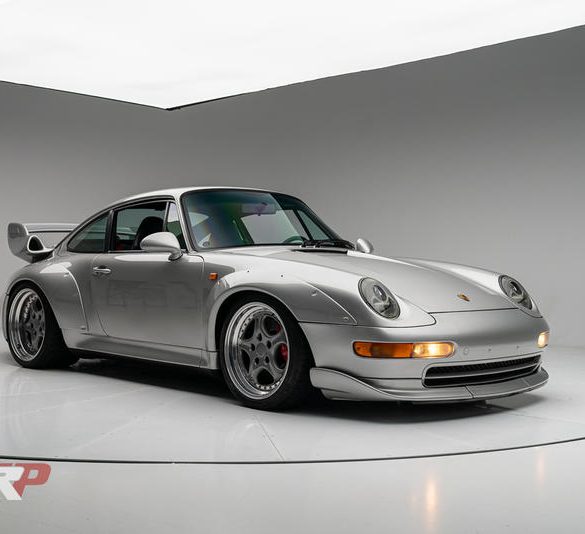
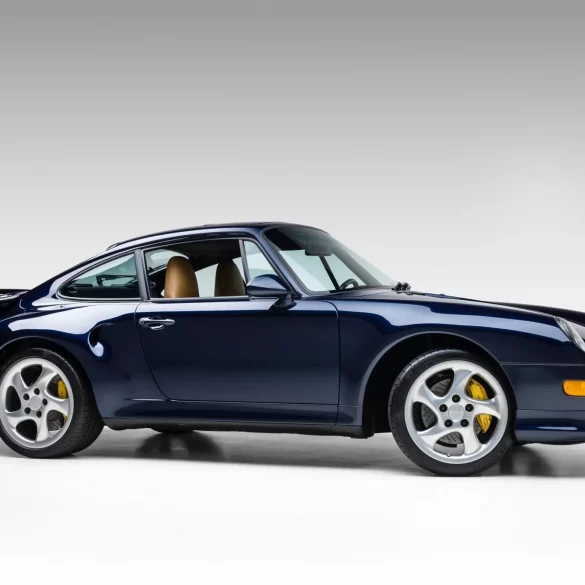
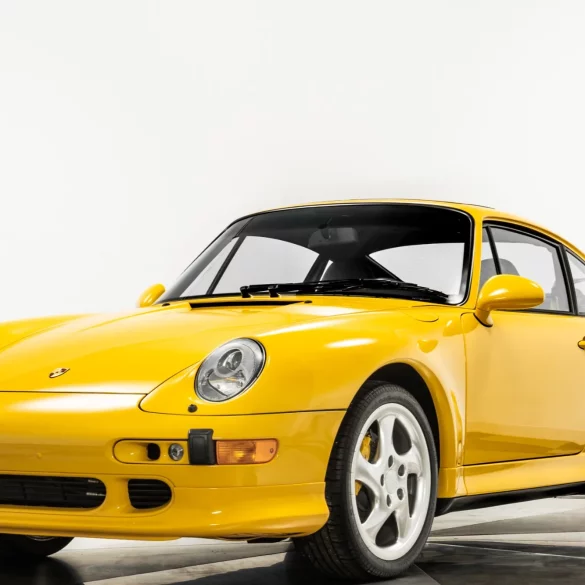
The truly special and unique Porsche 911s at auction or for sale.
This is a website obsessed with Porsches and especially 911s so our answer is "whichever generation you want to buy is great". And we mean it. There’s no single “best” Porsche 911 generation that suits everyone — the ideal generation depends heavily on what you care most about (driver feel, budget, maintenance risk, modern comfort, or collectability). Here's how we think about each generation and the kind of buyer that would love it:
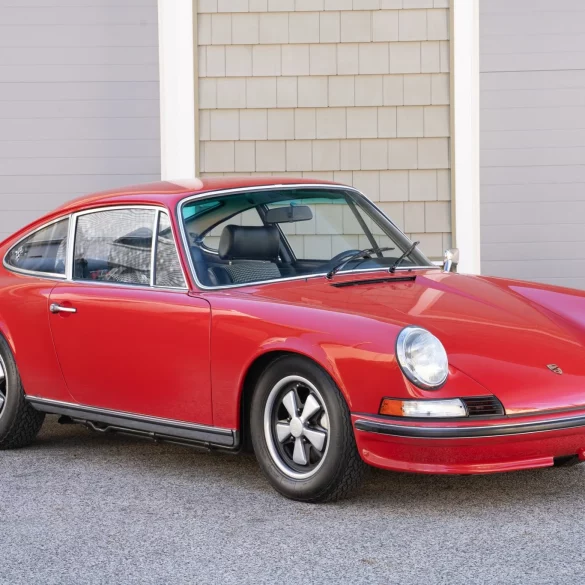
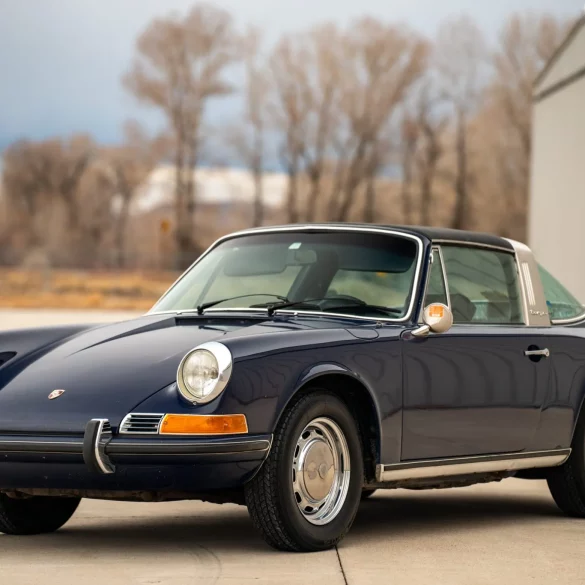
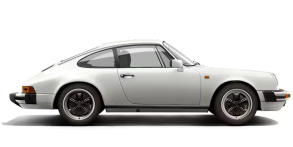
The original long-hood 911 is the purest expression of the model’s DNA: lightweight, mechanical, and completely analog. It delivers unmatched steering feel and classic Porsche charm, but it is truly a vintage experience — minimal safety systems, basic comfort, and constant attention required. Values are firmly in collector territory, and ownership is as much about preservation as enjoyment. This generation is best for collectors and purists who prioritize historical significance, originality, and classic driving connection over convenience or daily usability.
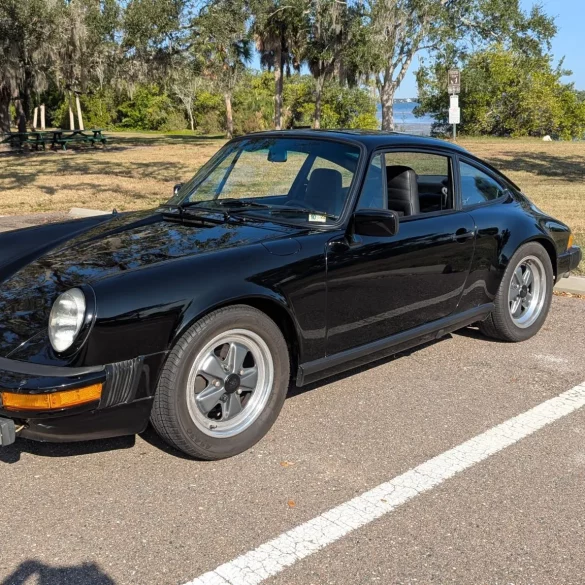
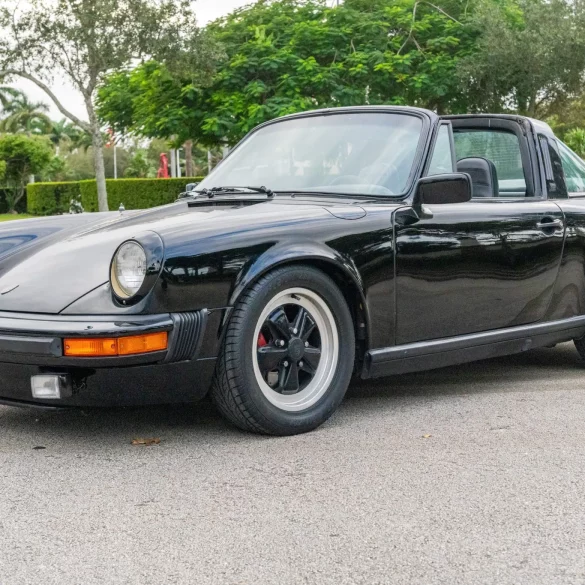
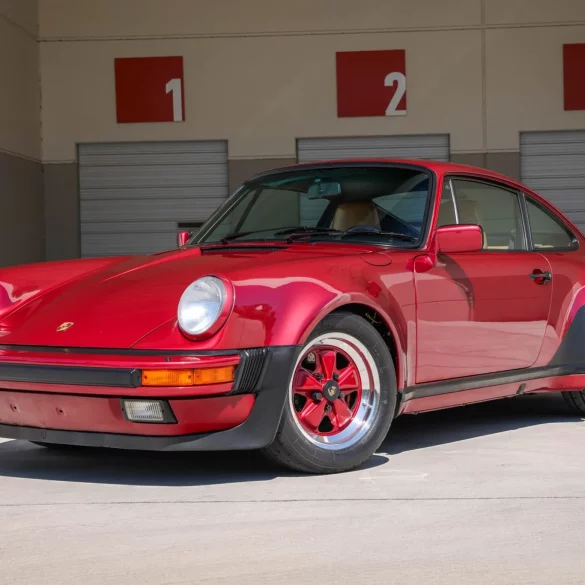
The G-Series introduced impact bumpers, improved safety, and key mechanical upgrades while retaining air-cooled identity. Later models like the Carrera 3.2 and SC blend classic style with greater reliability and real-world usability, making this generation a strong entry point into vintage 911 ownership. This generation is best for enthusiasts who want classic air-cooled character but with more usability and dependability than early long-hood cars.
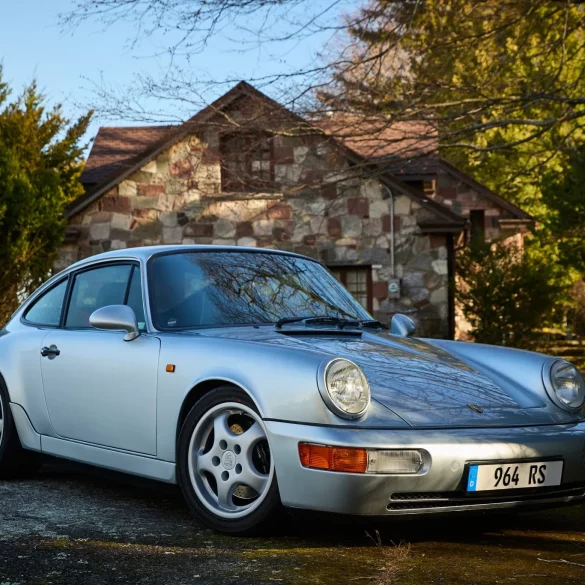
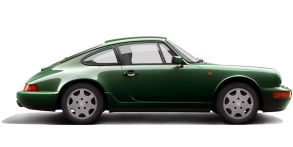
The 964 bridges the classic and modern worlds — still air-cooled, but with power steering, ABS, modern suspension, and improved comfort. It retains raw mechanical character while becoming far more livable. It’s also highly collectible. Best for those buyers who want vintage authenticity but intend to drive the car regularly and enjoy modern convenience without losing air-cooled charm.
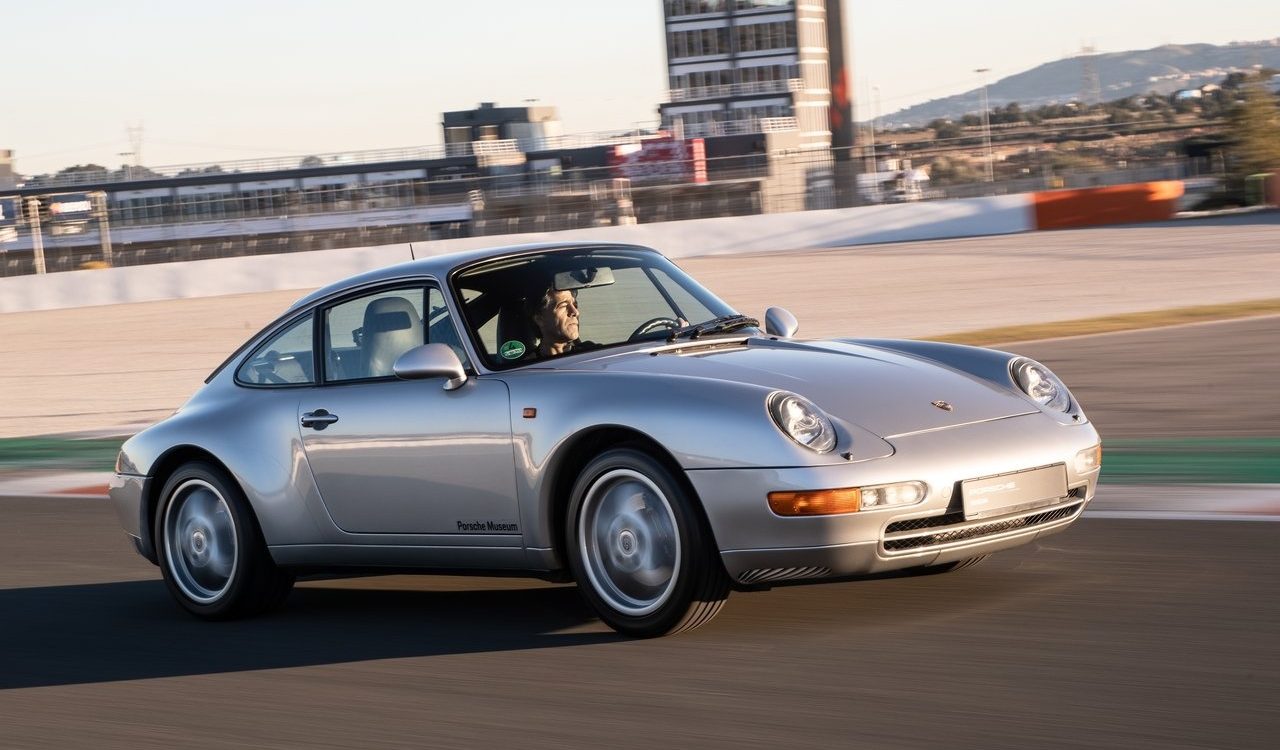
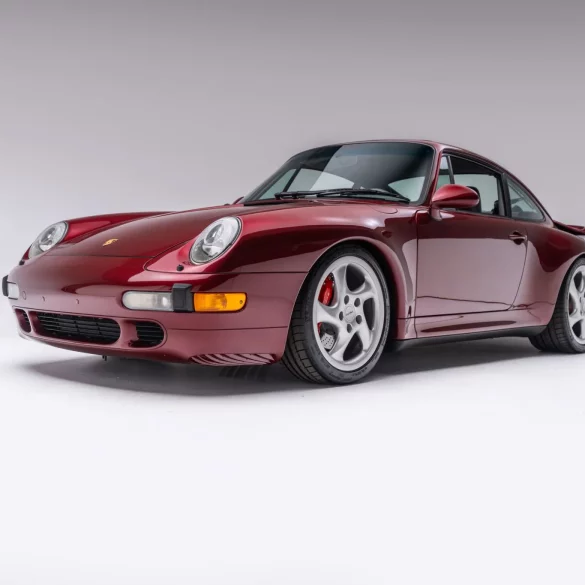
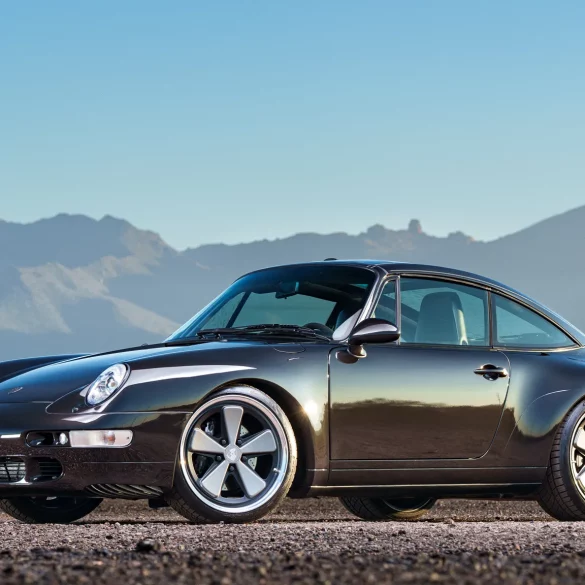
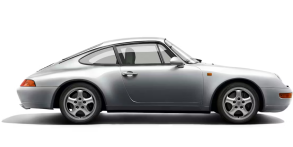
Often considered the ultimate air-cooled 911, the 993 delivers refinement, better handling, and improved reliability while retaining classic feel. It sits at the peak of desirability for collectors and discerning enthusiasts. Ideal for buyers seeking the best of air-cooled heritage with maximum usability and long-term value appreciation.
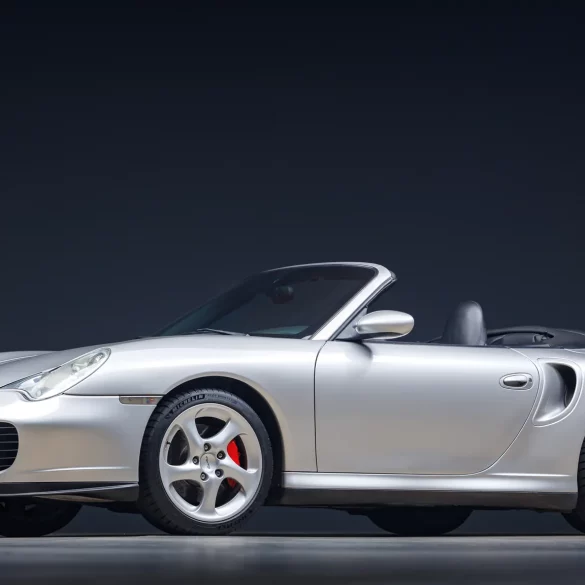
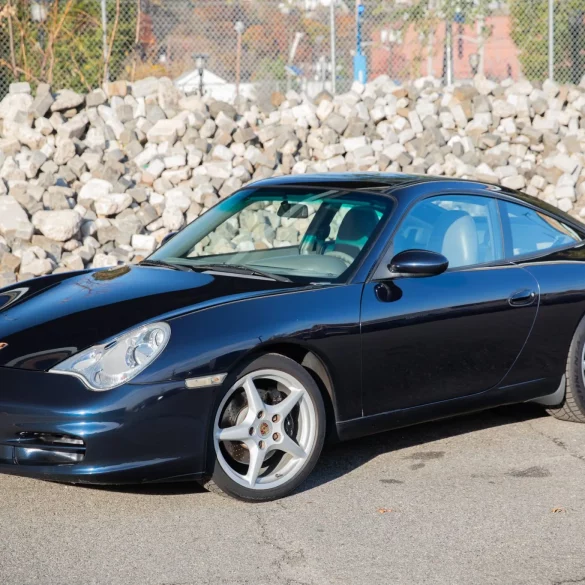
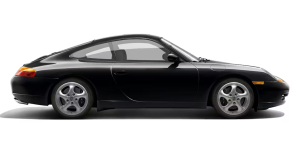
The first water-cooled 911 marked a major shift. Performance improved dramatically, but early engines came with reliability concerns. Today, it is the most affordable entry point into 911 ownership and delivers strong driving thrills for the price. Great for value-focused buyers who want the 911 driving experience and are willing to prioritize condition, maintenance history, and smart shopping.
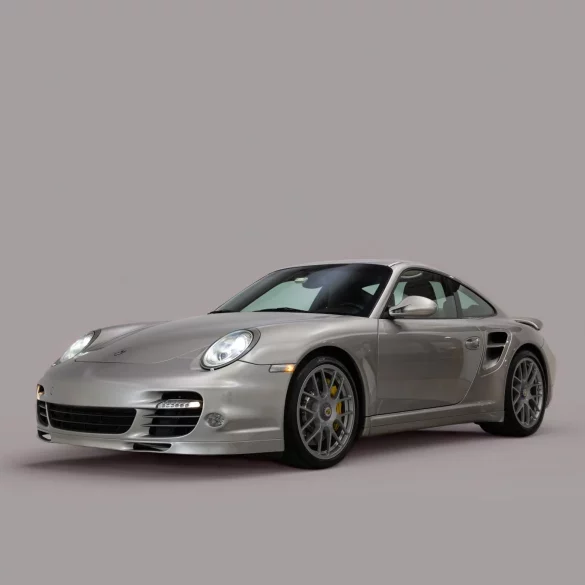
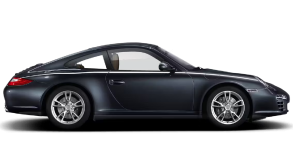
Often seen as the “sweet spot” modern 911, the 997 blends classic proportions with improved interior quality and modern performance. Later 997.2 models also resolved major reliability concerns. Best for buyers seeking an engaging, well-balanced 911 that still feels connected and mechanical but is comfortable enough for daily use.
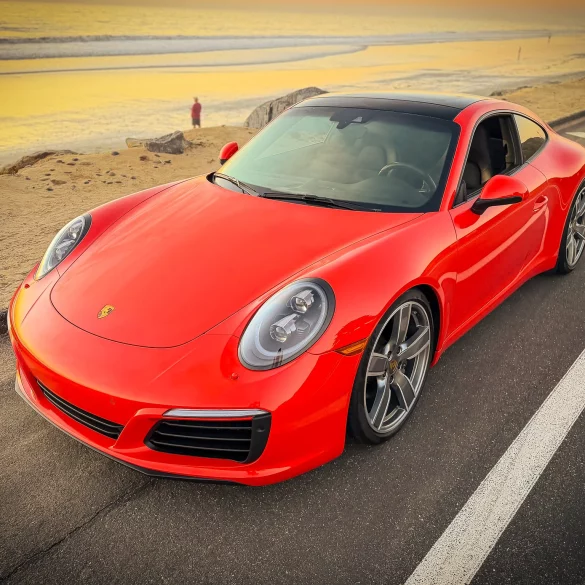
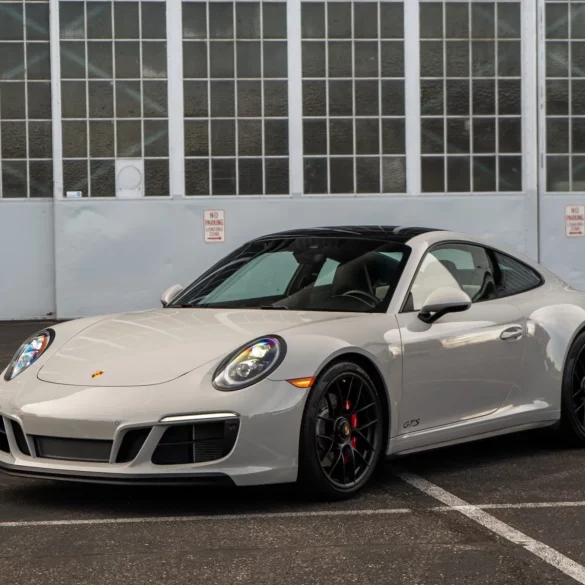
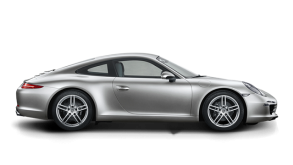
A major leap in chassis design and refinement, the 991 introduced wider platforms, advanced tech, and stronger everyday usability. Slightly more polished and less raw, it excels as a daily-capable sports car. Ideal generation for drivers who want a modern, luxurious 911 that can be driven daily while still delivering high performance and strong reliability.
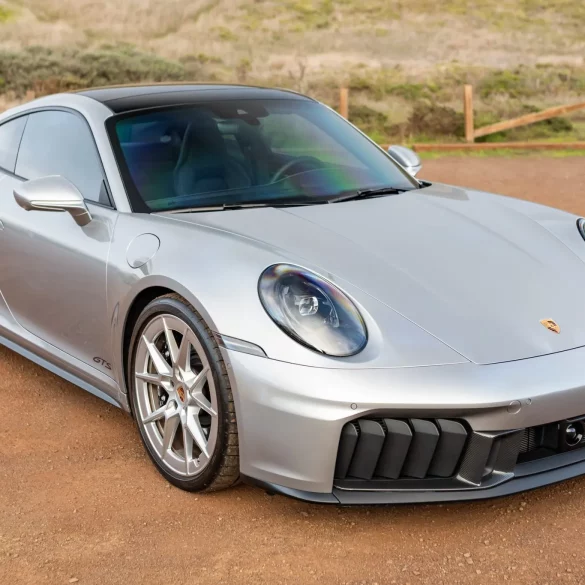
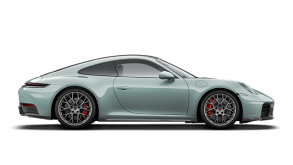
The most advanced and performance-focused 911 yet, the 992 blends cutting-edge technology with huge performance gains and luxury. It feels more digital, but also more capable than ever. The latest generation is for buyers who want maximum performance, modern tech, and a premium ownership experience with minimal compromise.
As you can tell, the “best” Porsche 911 generation depends entirely on what you want from ownership. Each generation tells a different story — from mechanical purity to modern performance precision. Whether your priority is nostalgia, daily usability, investment potential, or pure driving engagement, there is a 911 generation that aligns perfectly with your goals.
Gun to our heads, if you’re looking for a balanced sweet spot that blends performance, usability, reliability, and long-term value, for many buyers the generation I’d most recommend is the 991 (2012–2019). The 991 strikes a rare balance: it offers modern performance and comforting refinement — enough to handle daily driving or long trips — while still preserving strong connection to 911 DNA. It’s comfortable enough for everyday use, yet capable enough for spirited driving. Features such as improved suspension geometry, refined interiors, and advanced systems make ownership far more manageable than in earlier air-cooled or very old models. For someone entering or upgrading within the 911 world without jumping into “collector-status” pricing, it represents one of the most complete packages.
Here’s a breakdown of which Porsche 911 generations and variants tend to hold their value best — and under what circumstances. I group them by strength type (collector appeal, value retention, performance-variant premium), to help you match market behavior to your buying goals.
The 993 generation is widely viewed as the crown jewel of air-cooled 911s. It combines classic 911 character with modern-era refinements, making it the most desirable “classic 911” in today’s market. Because it’s the final air-cooled generation, demand among collectors and enthusiasts remains robust, especially for clean, well-maintained examples. Even non-Turbo or base 993 Carreras tend to command strong prices compared to many older air-cooled 911s. For buyers seeking long-term value retention, originality, and classic 911 feel with decent usability — the 993 remains arguably the safest “classic era” bet.
Best for: Collectors, air-cooled purists, long-term investment buyers who want a 911 with strong historical significance and rising demand.
The 997 generation continues to be popular because it blends many of the classic 911 traits with modern usability. Later 997.2 cars especially benefit from improved engines and fewer historical issues, which helps maintain value. Among the 991 generation — and as the 992 gains ground — the broader popularity of water-cooled 911s, improved reliability, modern amenities and performance keeps demand healthy. In fact, recent data suggests 911 coupes retain a high proportion of their value over time, with some estimates citing value retention of around 80–85% after five years. For drivers who want a car that’s usable, modern, and still carries the “911” badge prestige — these water-cooled generations represent a sweet spot of value-to-usability balance.
Best for: Buyers who want a 911 that’s practical enough for regular use, with good resale stability and less worry about older 911 quirks.
Performance-focused variants tend to hold value best, regardless of generation — whether it’s a 993 Turbo, a 997 GT3 RS, or a later 991/992 top-spec model. Their rarity, performance credentials, and desirability help sustain demand even when base models depreciate. Among air-cooled 911s, turbocharged or wide-body models — especially well-kept examples — remain some of the most expensive and collectible. For many owners, these variants offer the best “value holding + performance enjoyment” balance — strong driver appeal plus greater likelihood of appreciation or stable resale value.
Best for: Enthusiast buyers and collectors wanting maximum performance, exclusivity, and long-term desirability — especially if they plan to keep rather than daily-drive.
Early generations with heavy wear or modifications: Older 911s (especially pre-964 or early water-cooled) can have unpredictable maintenance histories; poor upkeep or modifications erode value quickly.
Low-spec or high-mileage base models: Even among popular generations, valueless trim or high miles may lead to steeper depreciation compared to well-maintained, desirable trims.
Over-spec’d maintenance or performance cars used as daily drivers: High-performance variants offer strong value when cared for, but frequent use, neglect, or deferred maintenance can reduce their long-term worth — especially if originality suffers.
The strongest overall value retention tends to cluster around late air-cooled 911s (especially 993), well-maintained 997/991 water-cooled generations, and rare, high-performance variants. If you buy well — clean history, desirable spec or rarity, proper maintenance — a 911 can hold much of its value over time, often outperforming typical depreciating cars by a wide margin. Indeed, the 911 is often cited as one of the best value-holding performance cars on the market today. In many cases, your choice between “daily-usable 911” and “collector 911” will determine value retention more than the generation itself. Maintenance, originality, and how the car is used matter as much — or more — than model year.
If you’re thinking about a Porsche 911 and want one that’s especially great for weekend-driving fun — winding roads, spirited back-road runs, sunny day cruising, maybe even occasional track days — some generations and variants stand out more than others. Different 911s bring very different personalities, so the “best for fun” depends on what kind of driving makes you happiest. Below are the 911 generations/variants that tend to excel at weekend-driving fun — and why.
The 993 is widely regarded as the most refined “classic” 911 — the last of the air-cooled line and perhaps the most emotionally rich 911 chassis Porsche built. It balances vintage analogue feel with surprisingly polished handling for its age. The 993’s multi-link rear suspension, improved build quality, and air-cooled flat-six soundtrack deliver a driving experience that feels alive, mechanical, and deeply connected. Many enthusiasts call it the 911 that “does it all”: classic character, beautiful sound, and a chassis still capable enough to enjoy on twisty roads or mountain passes. Best for purists who want a true 911 soul, relish classic sound and mechanical connection, and don’t mind a slightly more raw, more involved ownership experience.
For someone who wants a “vintage-era 911” but with more usable comfort than pre-’70s long-hood cars, the 964 sits in a sweet middle ground. With improved suspension, optional all-wheel drive (on Carrera 4 models), and relatively modern chassis feel for the era, the 964 remains a favorite among drivers who want weekend fun without being too precious about mileage or comfort. It’s often praised as one of the most agreeable “classic generation” 911s to actually drive, especially on scenic drives or back-roads. Best for drivers wanting classic 911 character with a more manageable ride and everyday usability than older air-cooled cars.
The 997 generation — particularly the later 997.2 versions and performance-oriented trims — is often called the “sweet spot” 911 for many buyers. It blends modern ergonomics and reliability with engaging driving feel, low-end usability, and enough power to be thrilling. The 997’s combination of classic 911 proportions with more civilized daily manners makes it a great candidate for weekend fun that doesn’t require giving up comfort. Many owners find it especially rewarding for spirited drives or occasional track use thanks to its mix of rawness and refinement. Best for drivers who want a modern-outfitted 911 that’s lively, dependable, and fun — ideal for spirited weekend drives and occasional long trips.
For those who want weekend fun without sacrificing comfort, refinement, or modern amenities, the 991 (and early 992) generations deliver. These 911s are powerful, stable, fast, and easy to drive hard — but they’re also usable for everyday roads or long-distance cruising. Their improved suspension, better ergonomics, and modern braking/traction help make them not just fast, but forgiving and confidence-inspiring. For many, this generation is about blending supercar-like capability with sports-car soul. Best for drivers who want a high-performance, capable 911 for fun drives — but still want comfort, modern amenities, and versatility.
If I were buying a 911 today just for pure driving enjoyment — the kind where I spend Sundays on scenic drives, twisty roads, maybe a track day now and then — I’d be looking first at:
A 993 (if I want that classic air-cooled magic)
A 997.2 GTS / Sport (for balance of power, feel, and reliability)
A 991 or early 992 (for modern performance and refinement, with maximum usability)
Each of those delivers a slightly different flavor of what “fun” means — pure nostalgia, balanced excitement, or modern thrills — but all have one thing in common: they keep the 911 spirit alive while giving a driver real excitement behind the wheel.
If you’re trying to figure out which Porsche 911 generation + variant gives you the best “bang for the dollar”, there are a handful of sweet-spot combinations that tend to hit the balance of performance, reliability, usability, and resale value. What “best for the money” means will depend on your budget and what you want out of the car — but the picks below are widely regarded as among the strongest in terms of value-to-enjoyment ratio today.
The 997.2 is often viewed as the sweet spot for 911 lovers who want classic 911 character with fewer of the reliability worries associated with earlier 996/997-1 cars. The 997.2 uses the updated “MA1” flat-six engine that avoids most of the infamous IMS / bearing / bore-scoring problems of older water-cooled engines. For what you get — rear-engine balance, acceptable weight, good performance from naturally aspirated engines, modest complexity compared with modern 911s — the entry price tends to offer excellent value. One enthusiast described the 997.2 (under reasonable maintenance) as “rock-solid daily / weekend 911.”
Why it’s “best value”: decent daily usability, fairly modest maintenance costs (compared with older or ultra-modern cars), and price levels that often undercut newer 911s — making performance + status more accessible.
If you can spend a bit more, then the 991 generation becomes hard to beat for overall value. Reliability on these mid-generation 911s is strong (many reviewers call them among the most dependable used 911s on the market). The 991 pairs modern-day comfort and usability — a roomy interior (for a 911), better ride quality, modern electronics and safety — with impressive performance. For many, this generation is the best “do-it-all” 911: capable daily driver, weekend fun car, and long-term keeper in one.
Why it’s “best value”: you get almost everything you want from a 911 — performance, prestige, comfort, reliability, and relative ease of ownership — without paying super-collectible premiums.
If I were in the market right now and money mattered — but I still want that “real 911” experience — I’d focus on either:
A 997.2 Carrera or Carrera S/4S — if I want a more “analog-era” 911 that’s still reasonable to maintain.
A 991.1 / 991.2 Carrera S (or GTS if budget allows) — if I want the most complete blend of comfort, performance, usability, and long-term reliability.
Between the two, the 991 tends to feel more “future-proof” (modern amenities, better daily usability), while the 997.2 generally represents the best value-per-dollar if you accept slightly older tech but pay significantly less up front.
The Porsche 911 market remains one of the strongest and most resilient segments in the performance car world. Even as broader used-car markets have cooled from post-pandemic highs, 911 values have largely stabilized rather than collapsed, especially for well-optioned, enthusiast-focused variants. Modern used 911s continue to command premium pricing compared to other luxury sports cars, reflecting the model’s timeless appeal, broad buyer base, and reputation for usability alongside performance.
In the late-model used market, pricing remains firm across most trims. Five- to seven-year-old 911s often retain a large percentage of their original MSRP, particularly Carrera GTS, Turbo, Turbo S, and GT models. Buyers are still willing to pay up for low-mileage examples with strong service history, desirable options, and manual transmissions where available. While base Carrera models see more normal depreciation, they still outperform most competitors in long-term value retention.
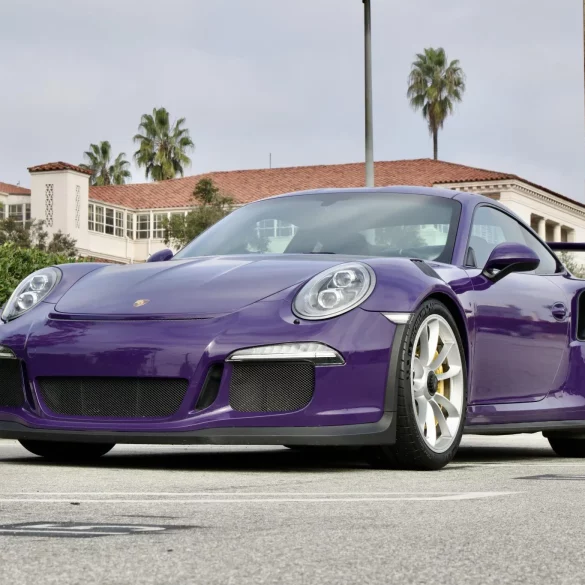
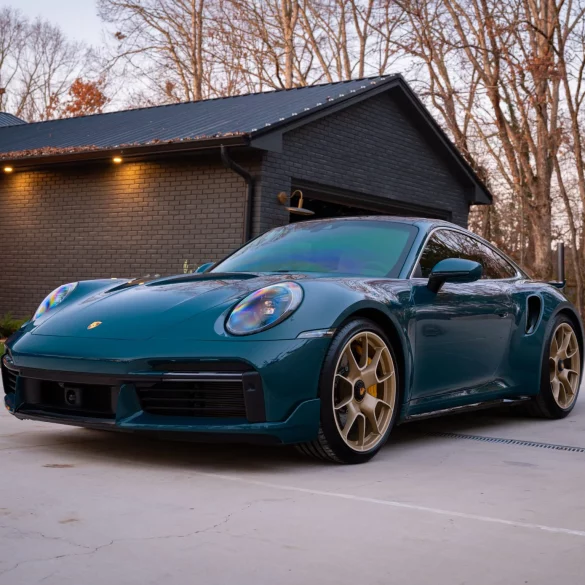
The strongest performers continue to be performance-oriented variants. GT3 and GT3 RS models remain exceptionally desirable, with many examples trading at or above their original MSRP, especially low-mile and well-documented cars. Turbo and Turbo S models also remain in high demand thanks to their combination of extreme performance and everyday usability. Carrera GTS models consistently punch above their weight in the used market, acting as a sweet spot between standard Carreras and full GT cars.
Classic and air-cooled 911s remain a major pillar of the overall market. Values for the 993 generation, in particular, have remained stable or continued to appreciate modestly, supported by its status as the final air-cooled 911. Earlier air-cooled cars and special variants—such as Turbos, RS models, and limited-production trims—continue to attract collector interest, with condition, originality, and documentation playing an increasingly important role in pricing.
Across generations, buyer preferences are becoming more defined. Naturally aspirated engines, manual transmissions, limited-production models, and cars with clear enthusiast intent tend to outperform the broader market. Conversely, heavily modified cars or poorly documented examples are seeing softer demand, even if the underlying model remains desirable. Originality and transparency are becoming key value drivers as buyers grow more selective.
Looking ahead, the transition toward electrification and hybridization in future 911s appears to be reinforcing interest in earlier internal-combustion models rather than weakening it. Many buyers see current and previous generations as representing a high point in Porsche’s traditional engineering philosophy, which is helping support prices. While global economic conditions can cause short-term fluctuations, the long-term outlook for the Porsche 911 market remains strong, particularly for well-chosen examples that align with enthusiast demand.