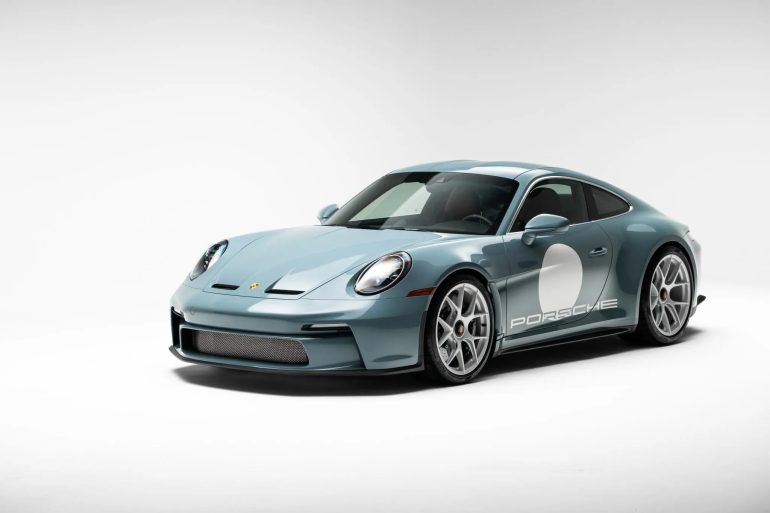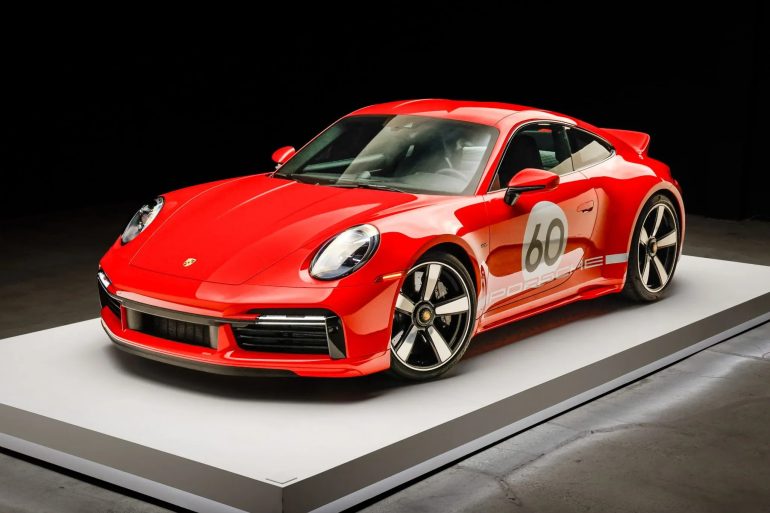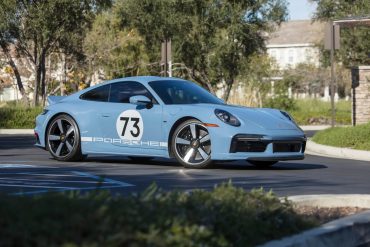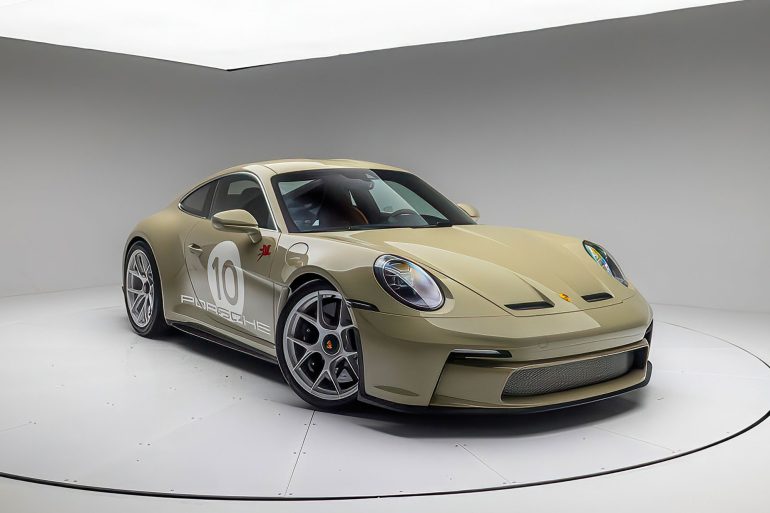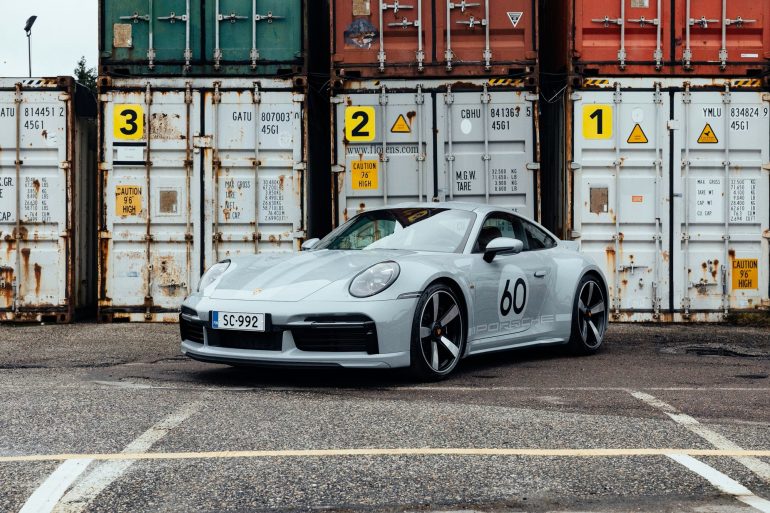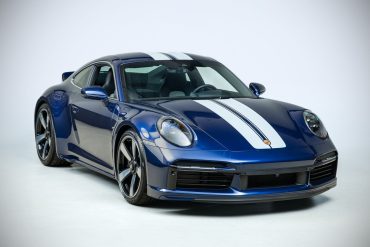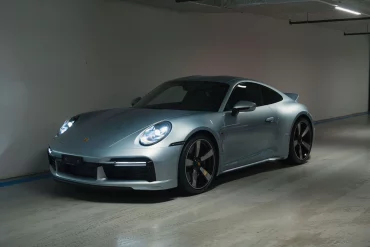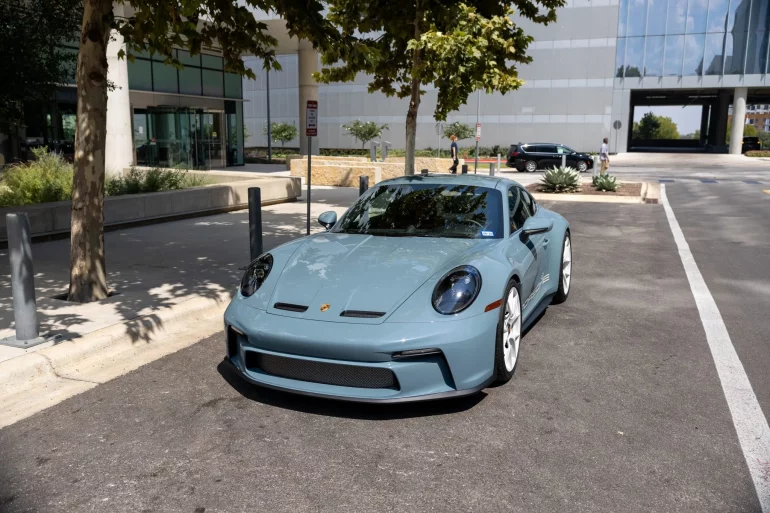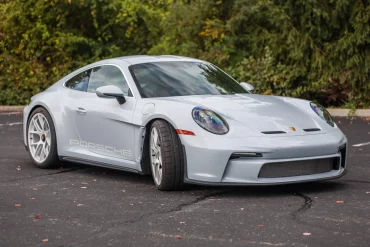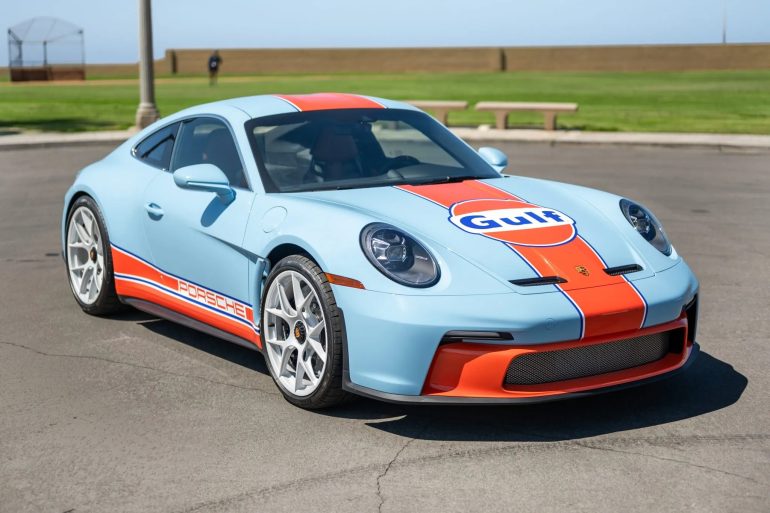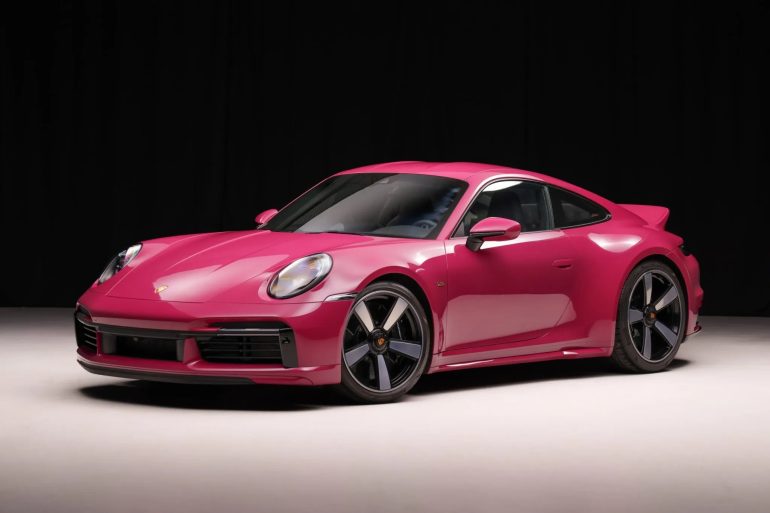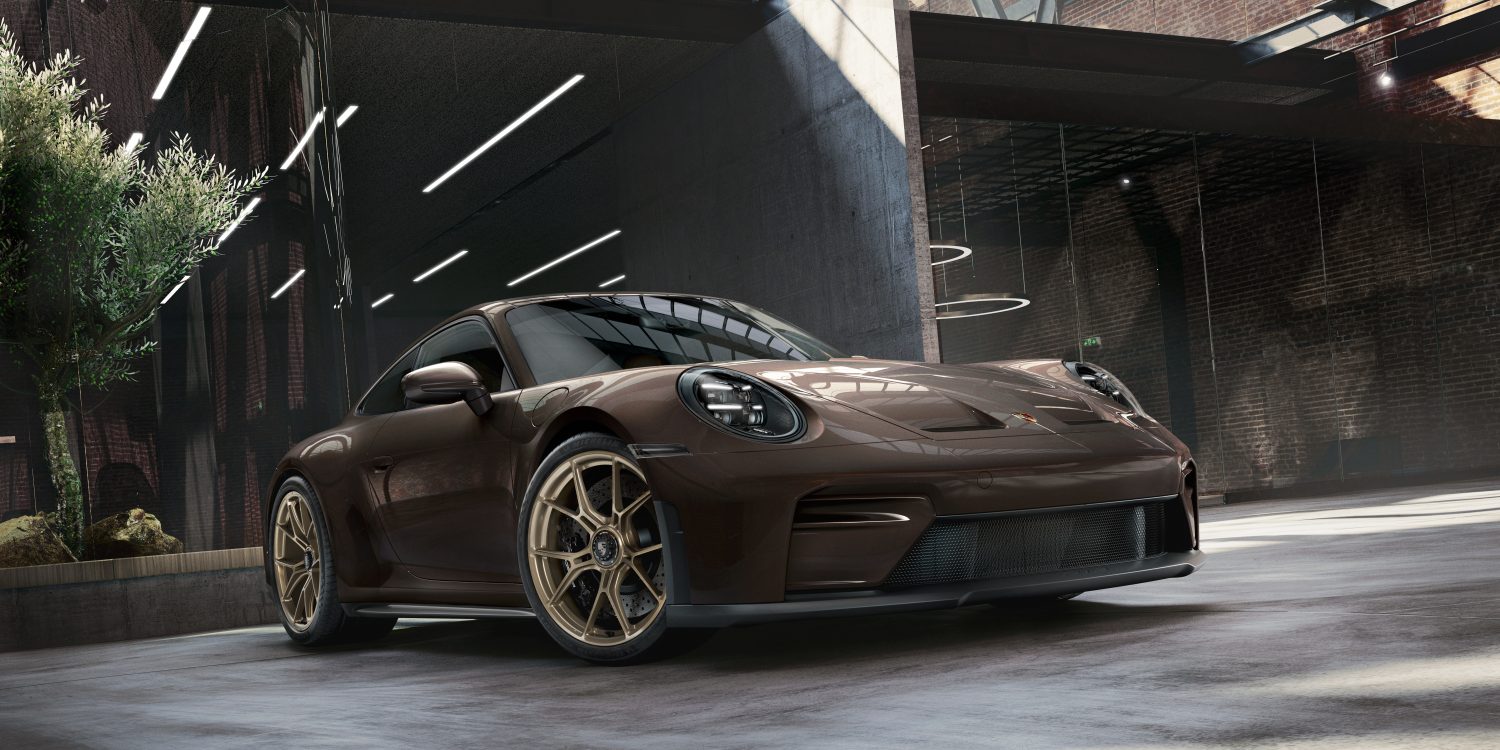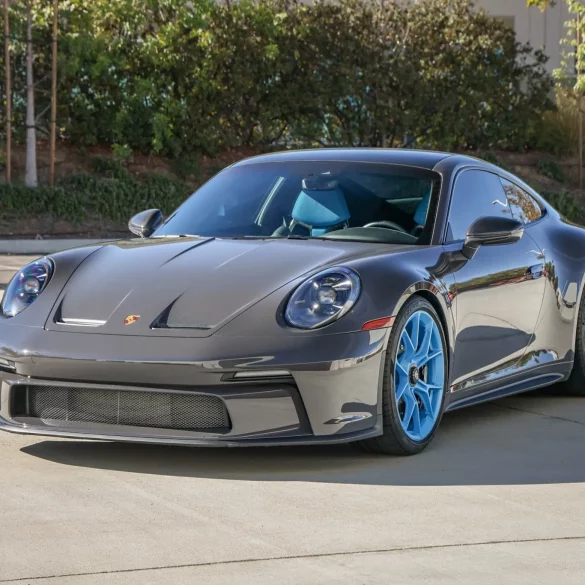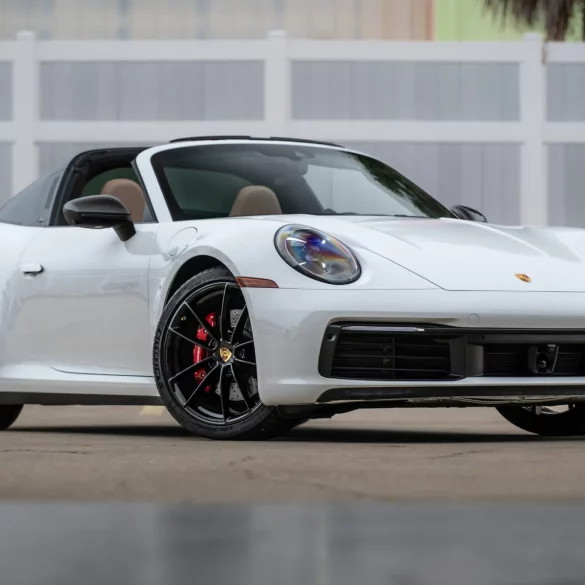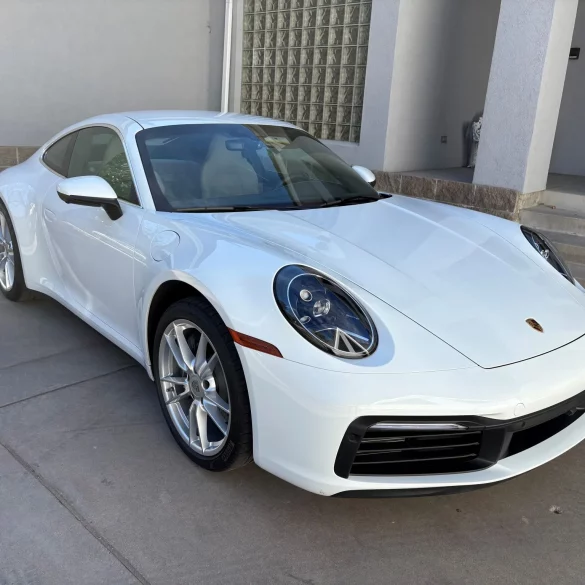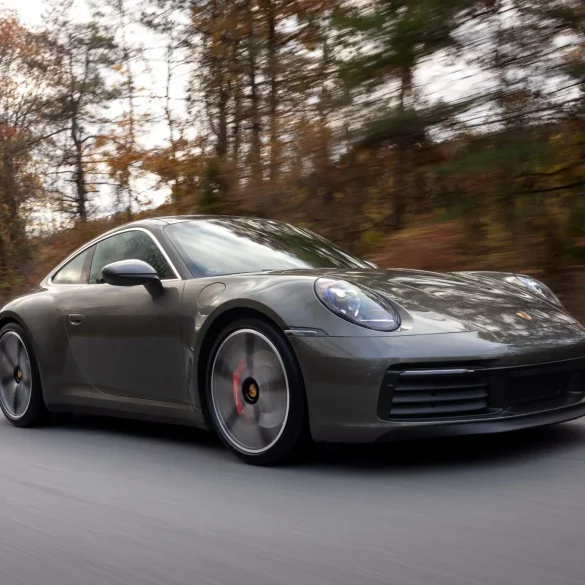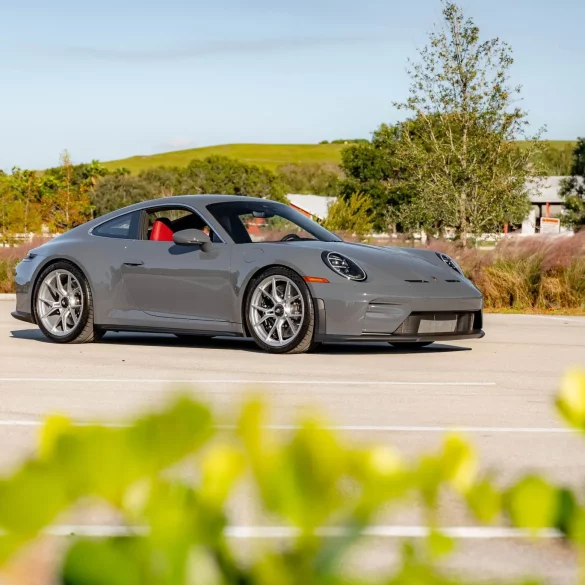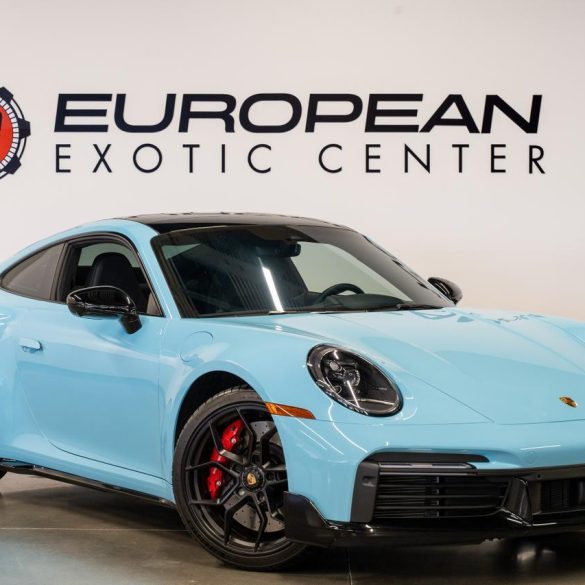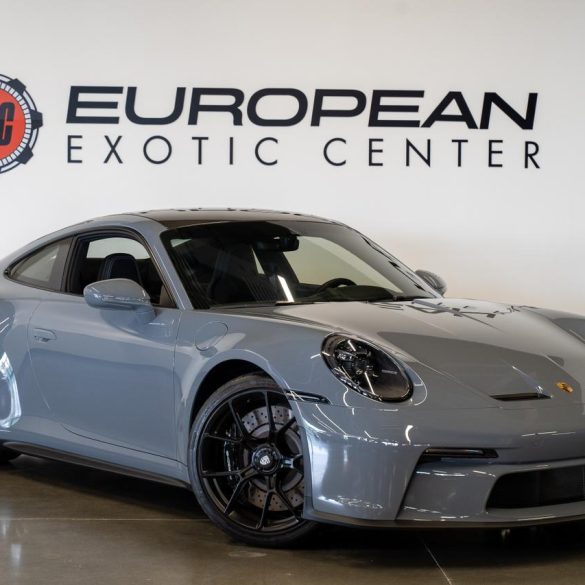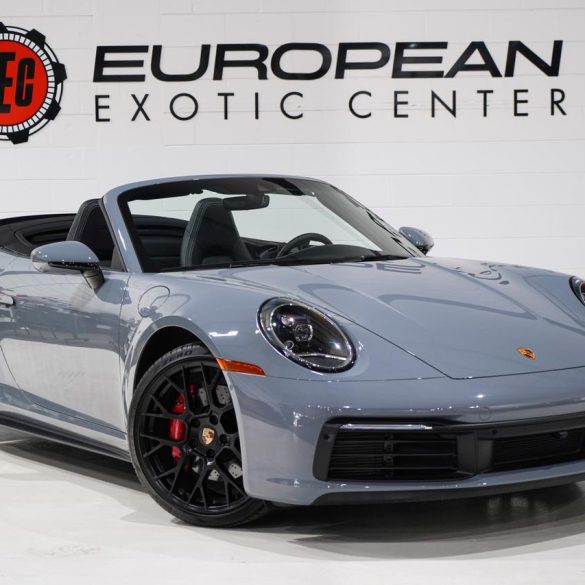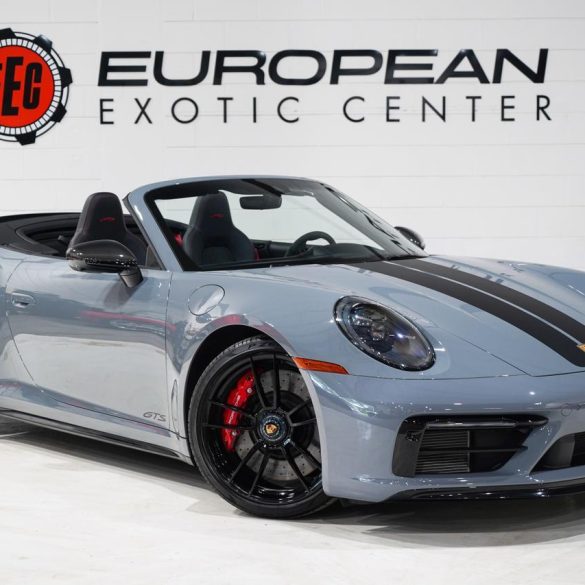
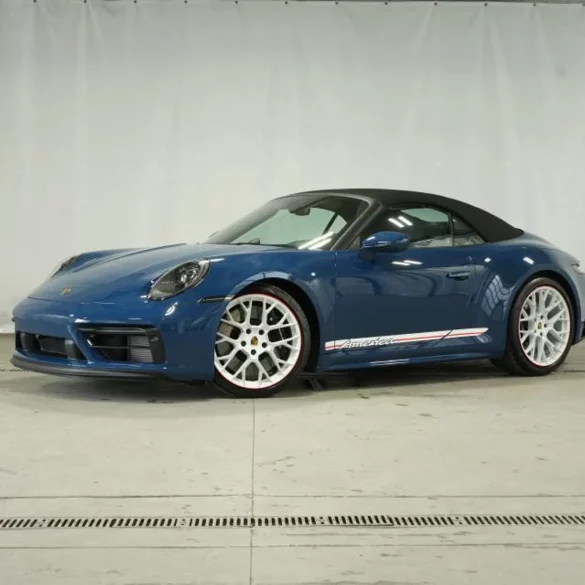
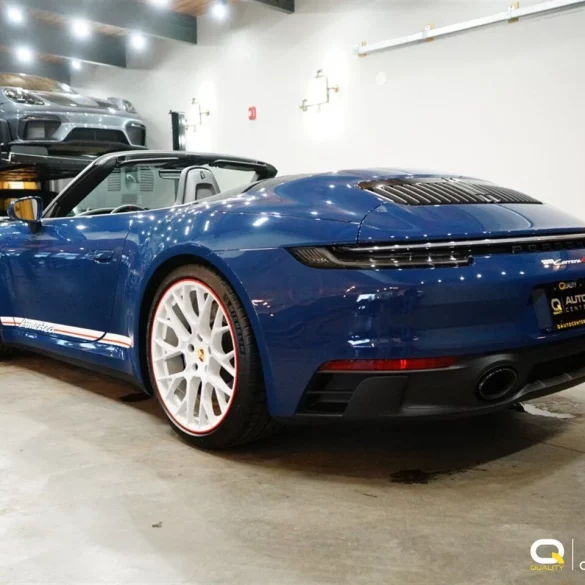
The Porsche 911 Carrera GTS America Edition is a limited-production special version of the 911 Carrera GTS Cabriolet designed specifically for the North American market,...


The Porsche 911 (992) represents the most advanced evolution of Porsche’s iconic sports car to date. Introduced in 2020, the 992 builds on the strengths of the 991 with a wider stance, more rigid chassis, and a significantly upgraded interior packed with modern technology. Despite its increased sophistication, the 992 remains unmistakably a 911—retaining rear-engine balance, sharp steering, and everyday usability.
The 992 spans everything from refined daily drivers to extreme GT and Turbo variants. This page curates Porsche 911 (992) for sale listings from across the web, combining trusted Porsche dealers, major auction platforms, and exclusive member listings. Whether you’re shopping for a nearly new Carrera, a well-optioned GTS, or a high-performance GT model, this is your hub.
Refine Search: All 911s / 992 Carrera / 992 Carrera 4 / 992 Carrera S / 992 Carrera T / 992 Carrera 4S / 992 Targa 4 / 992 Targa 4S / 992 Carrera GTS / 992 Carrera 4 GTS / 992 Targa 4 GTS / 992 Turbo / 992 Turbo S / 992 GT3 / 992 GT3 Touring / 992 GT3 RS / 992 GT2 RS / 992 Turbo 50 / 992 Spirit 70 / 992 Dakar / 992 S/T / 992 Edition 50 / 992 Sport Classic / 992 America Edition 911
Browse available 992-era Porsche 911s from our member classifieds alongside carefully curated cars from across the web. We showcase only the most interesting, well-presented, and desirable 992 911s—giving collectors a smarter way to find their next classic.
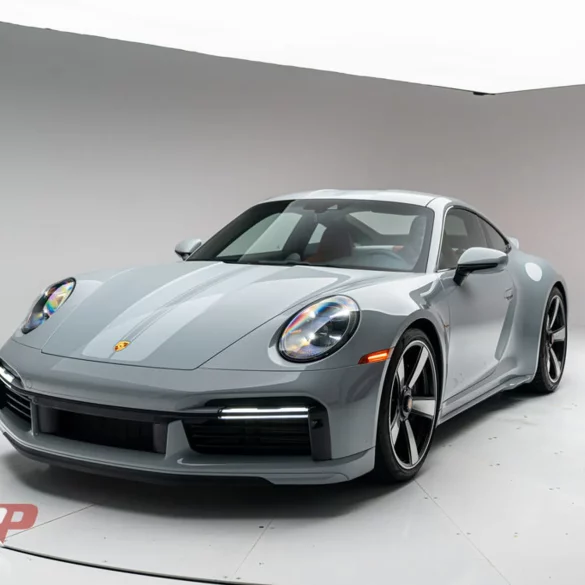
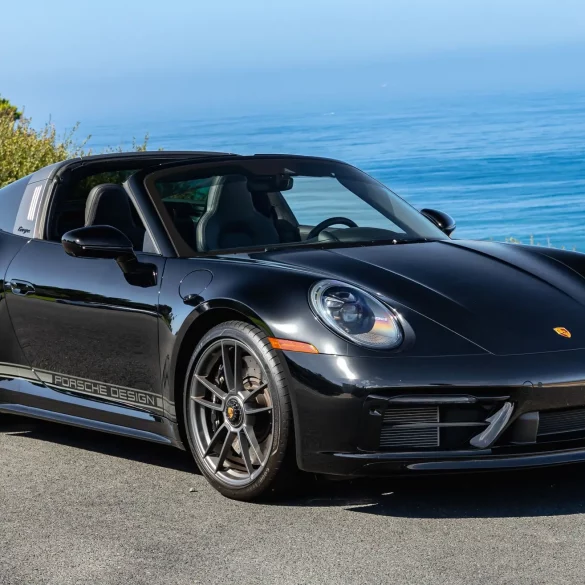
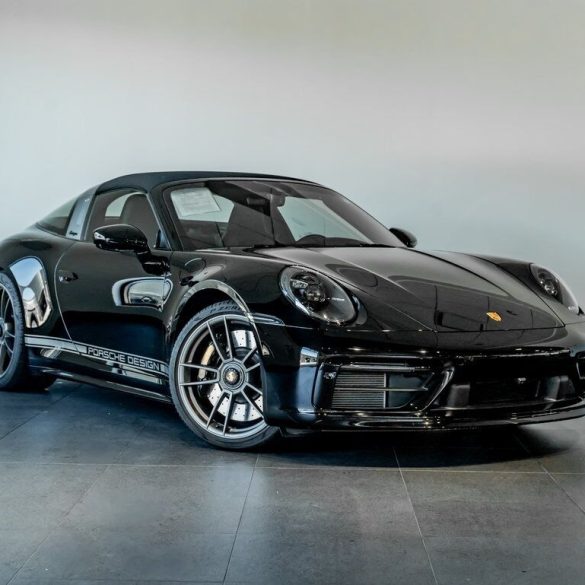
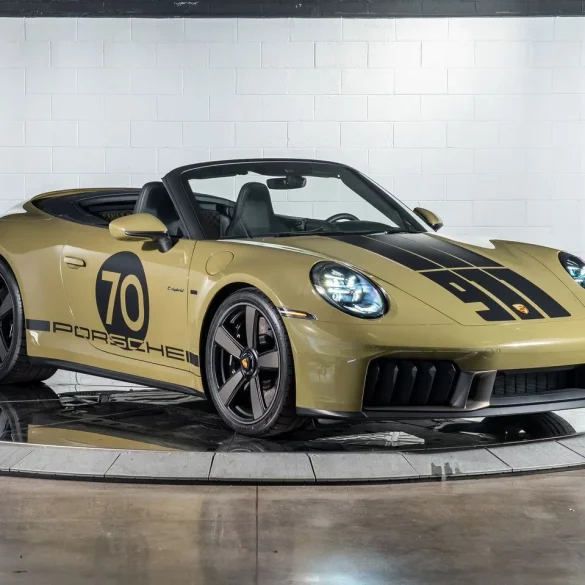
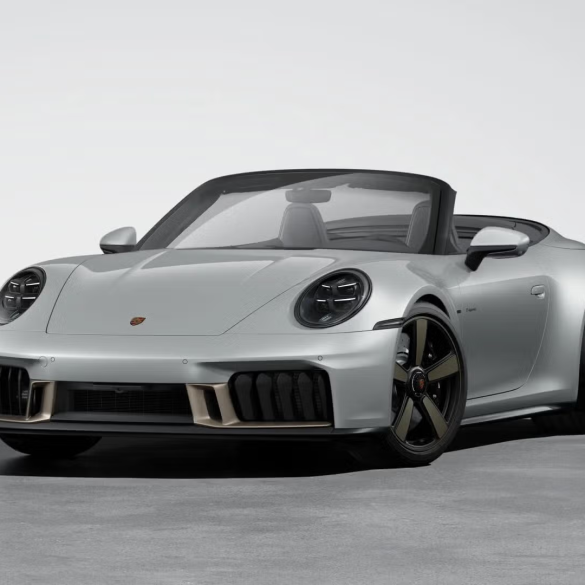
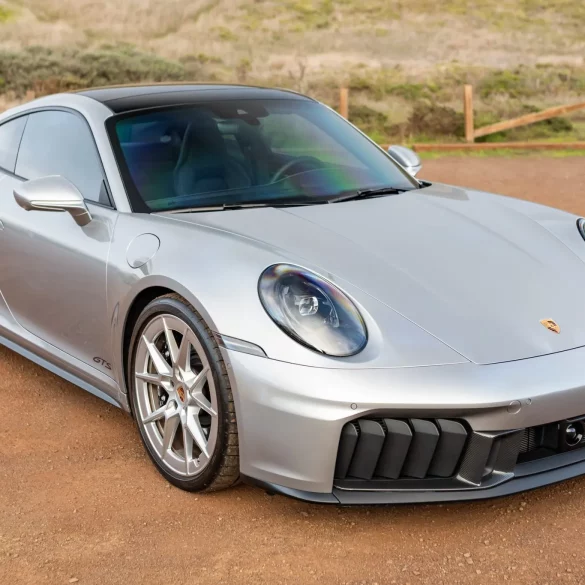
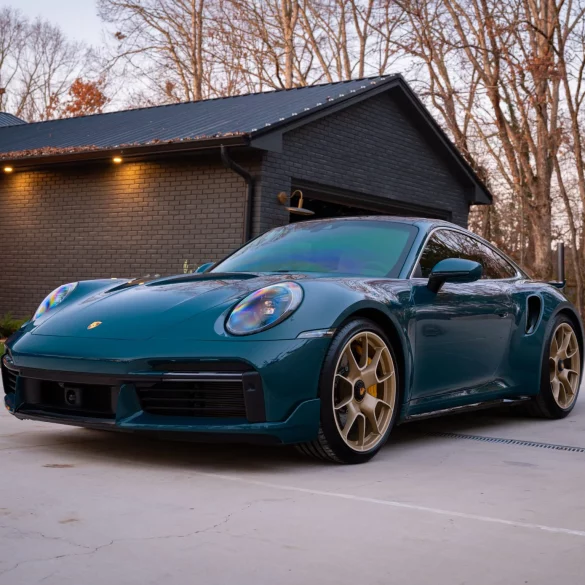
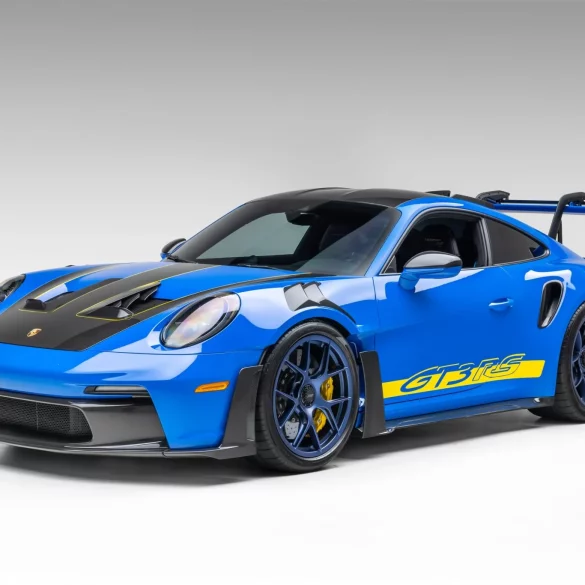
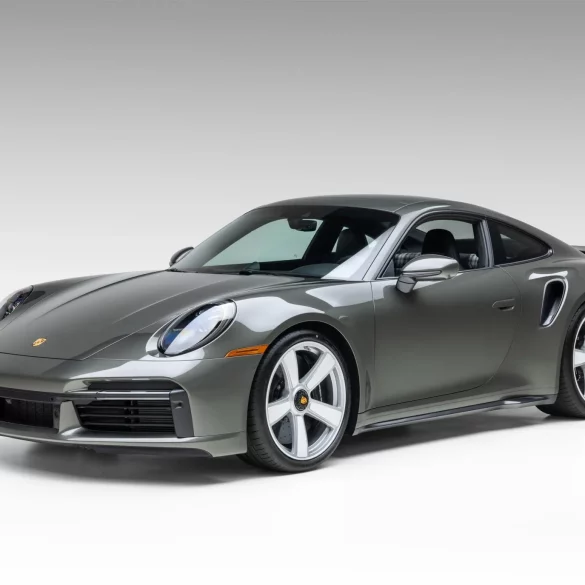
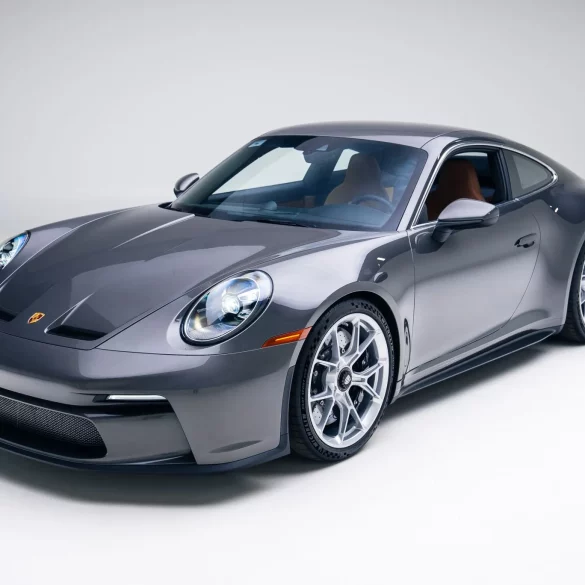
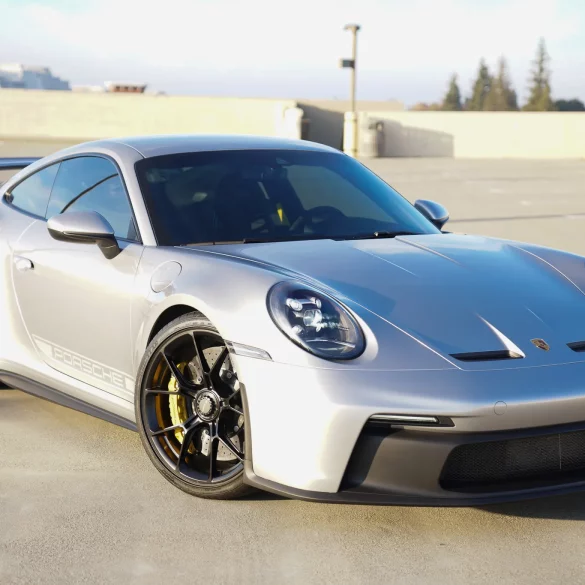
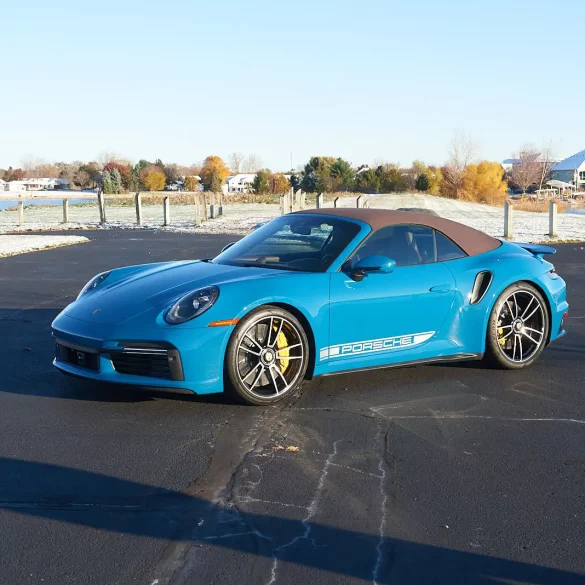
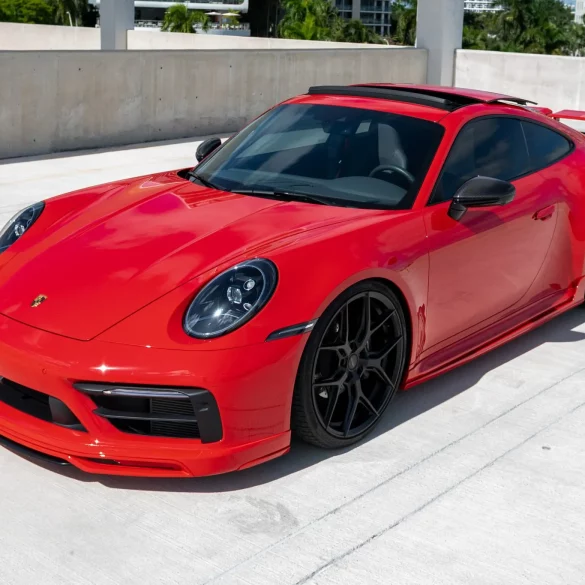
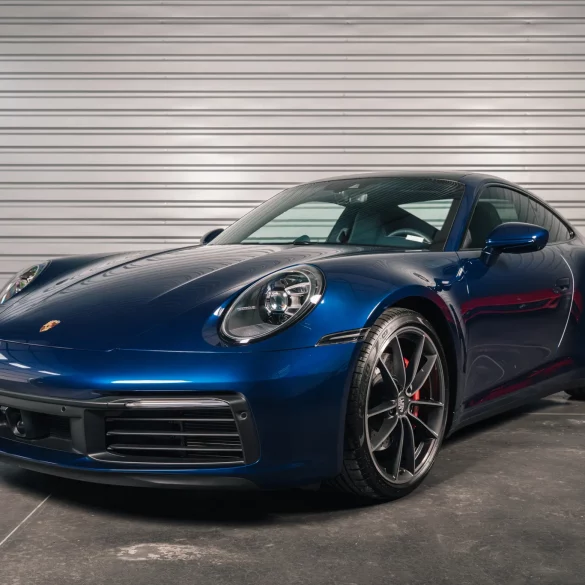
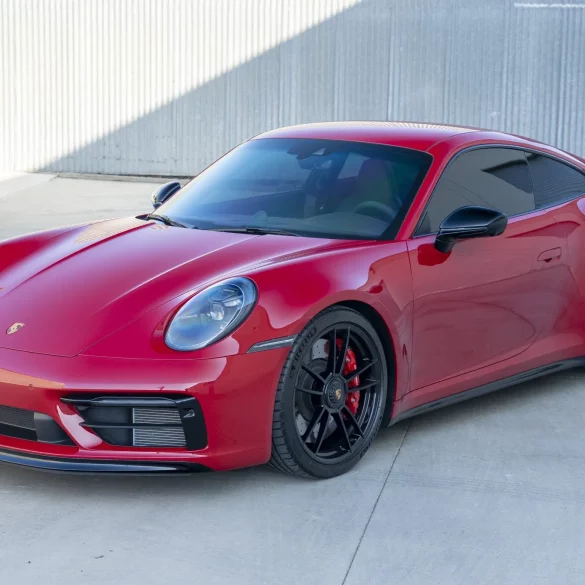
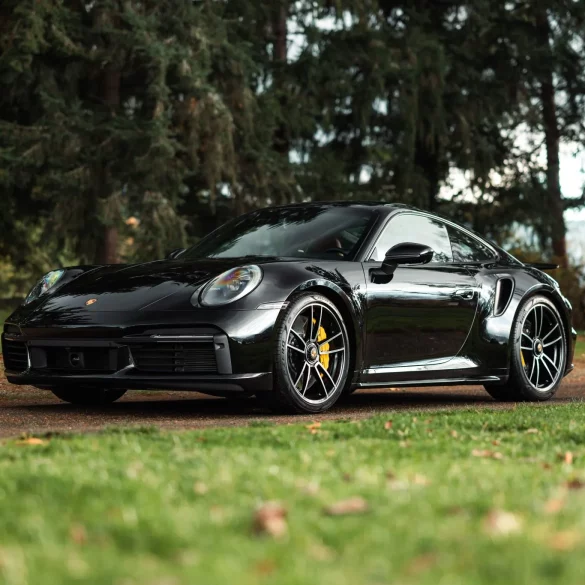
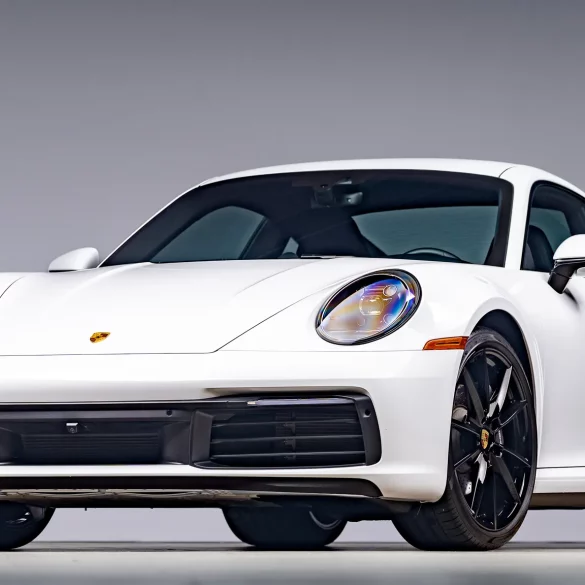
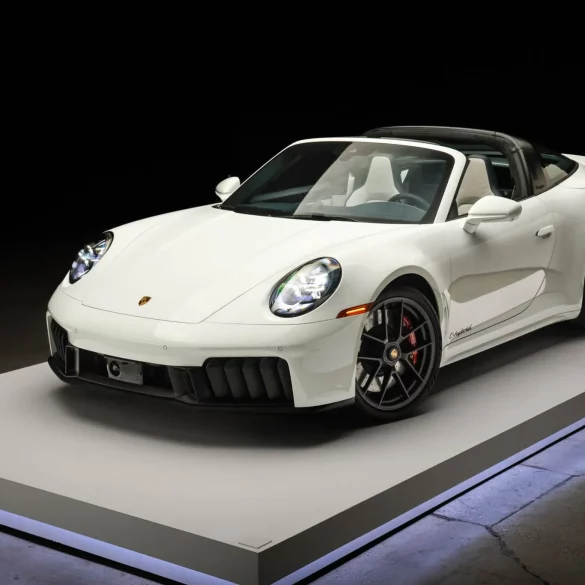
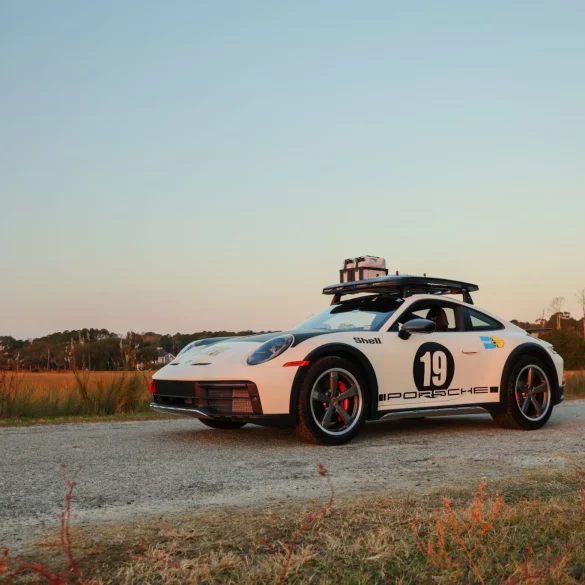
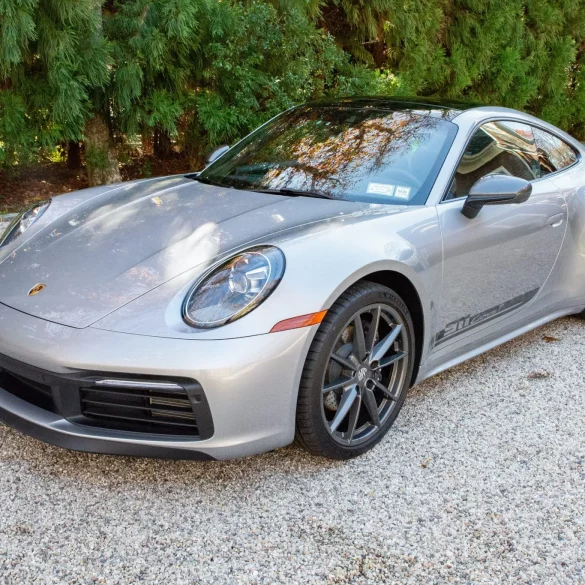
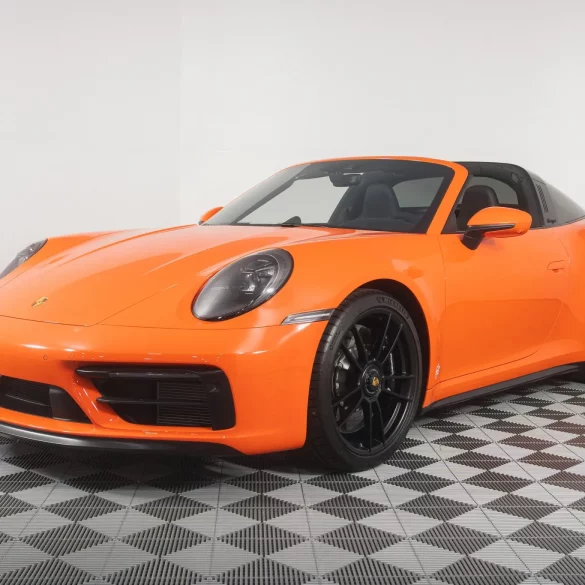
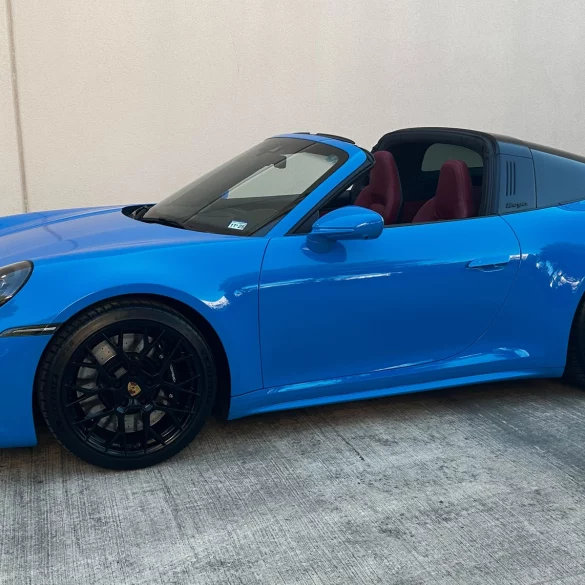
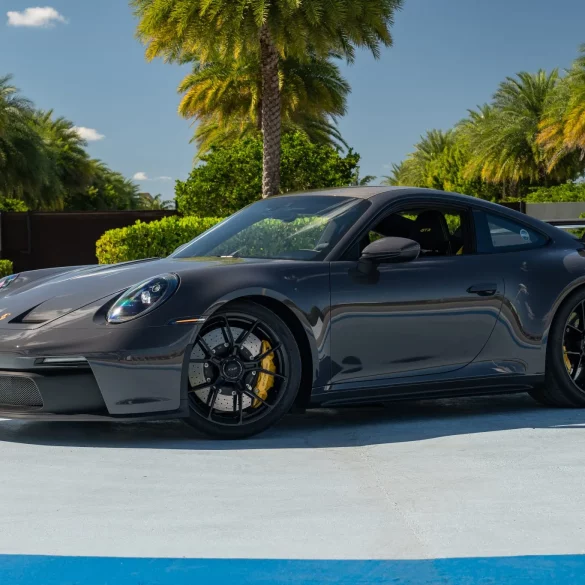
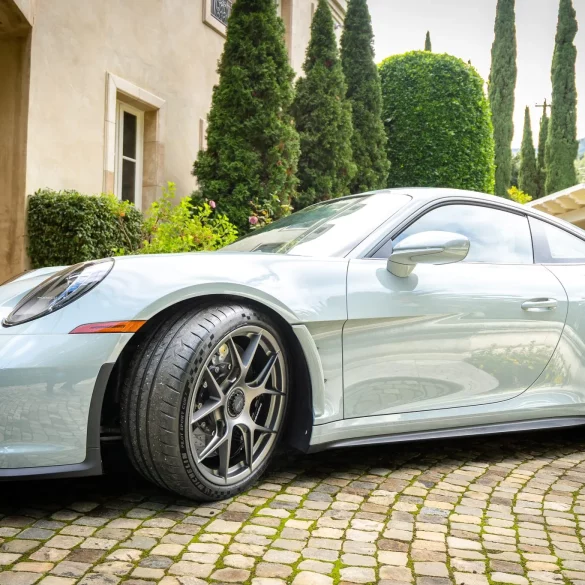
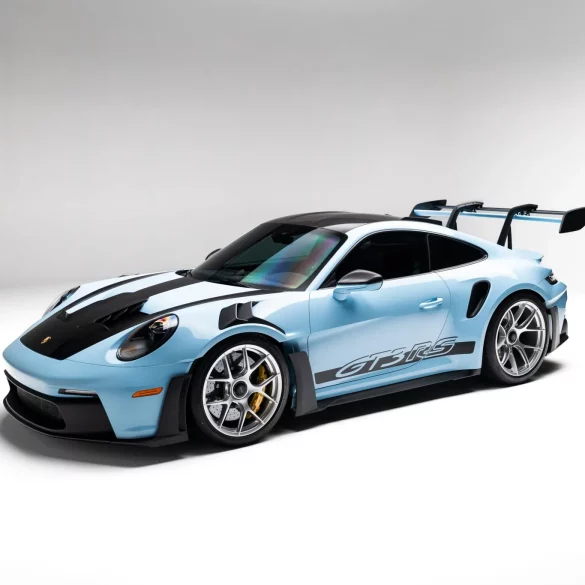
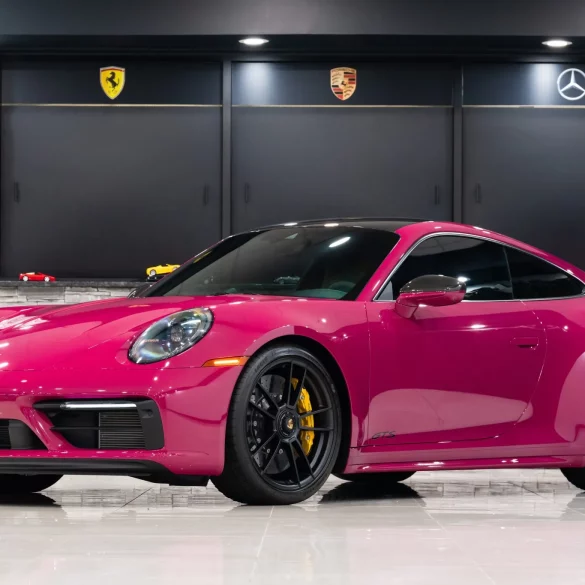
The truly special and unique 992 generation Porsche 911s at auction or for sale.
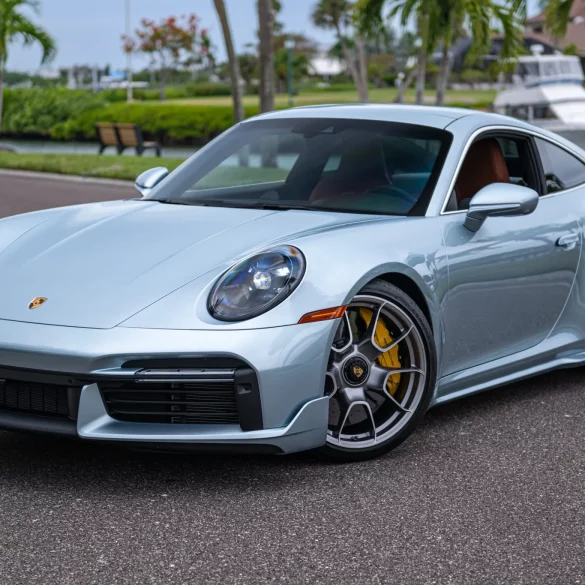
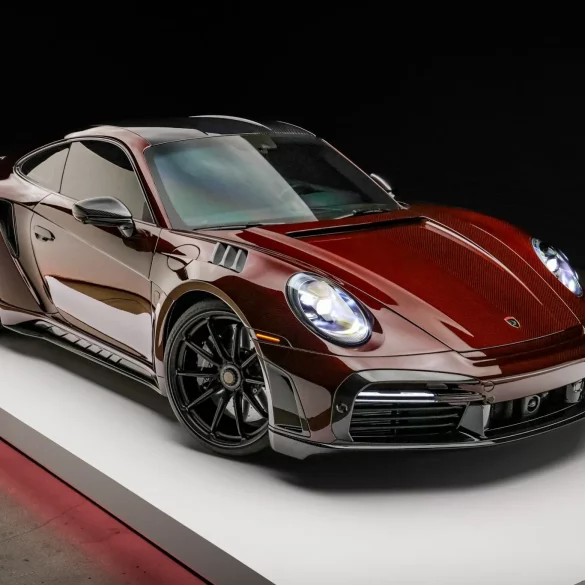
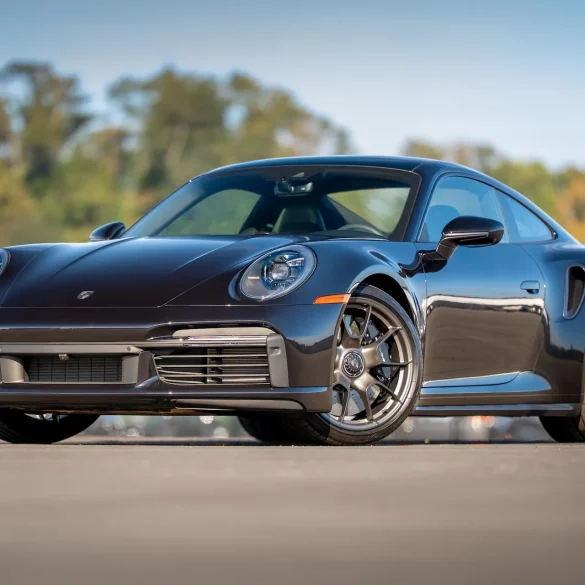
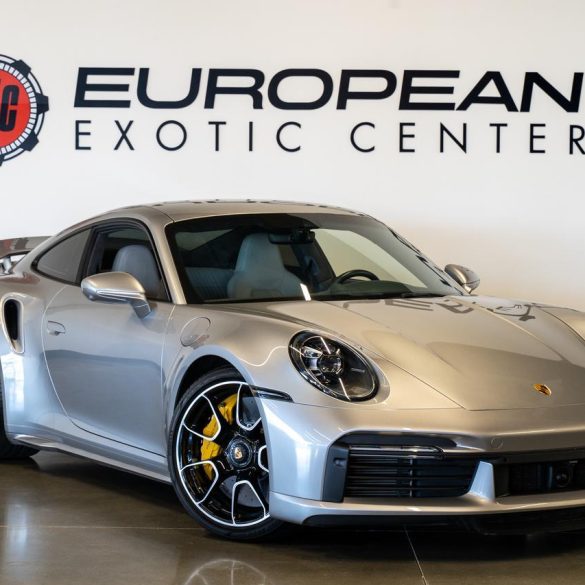
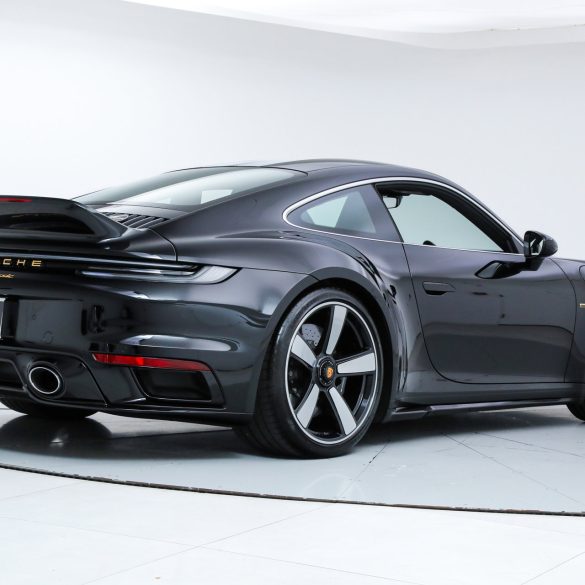
The 992 Turbo S sits near the top of desirability for this generation thanks to its blend of mind-bending performance, all-weather usability, and refined technology. With phenomenal acceleration, advanced all-wheel drive, and an immensely capable chassis, the Turbo S appeals to both performance buyers and collectors. Its status as the fastest, most capable all-around 911 in the 992 lineup makes it one of the strongest value retainers on the market.
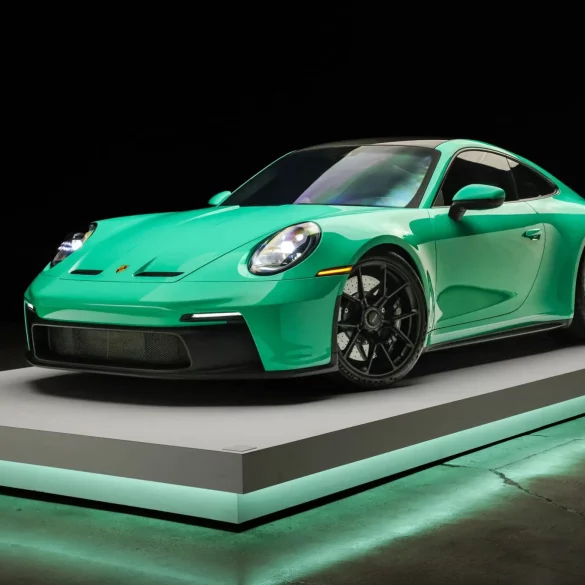
The 992 GT3 is one of the most eagerly anticipated and popular 911 variants of the modern era. With a naturally aspirated, high-revving 4.0-liter flat-six, rear-wheel drive, and comprehensive motorsport-derived aerodynamics and suspension, the GT3 delivers one of the purest driving experiences available in a production Porsche. Enthusiasts value its driver engagement, track capability, and relative rarity — all of which help support strong resale pricing.
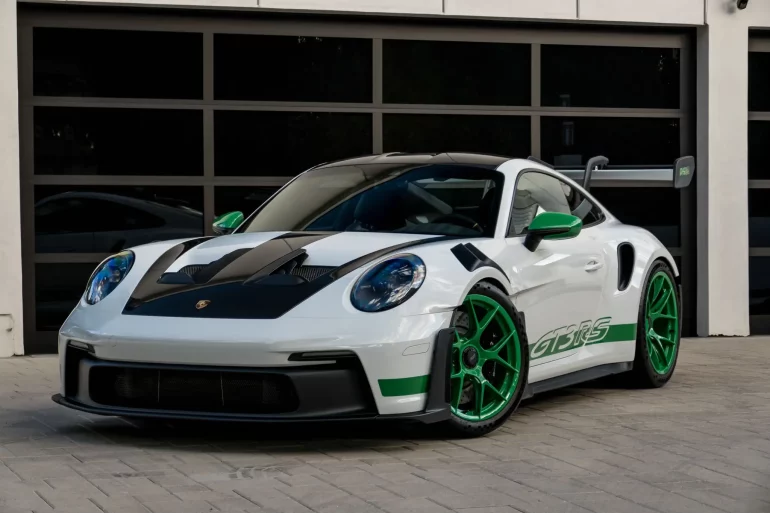
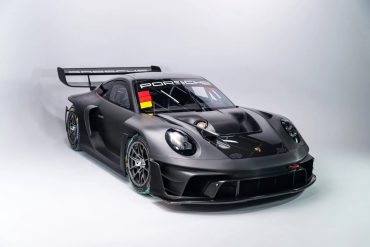
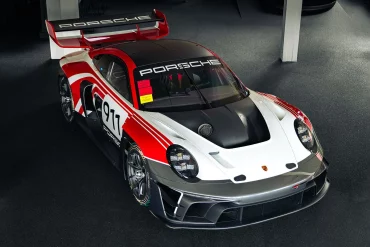
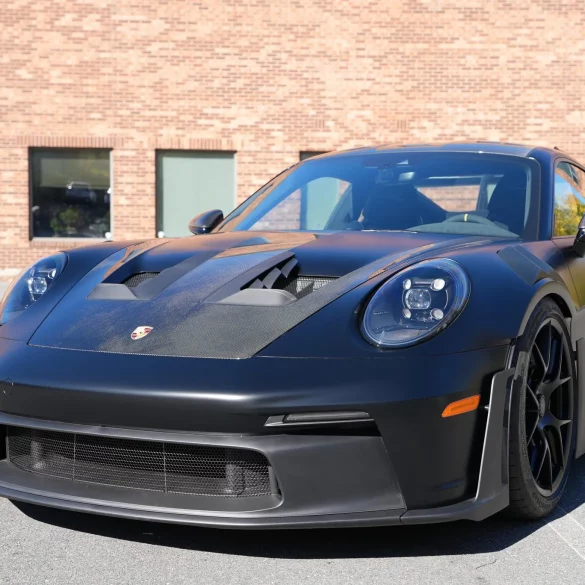
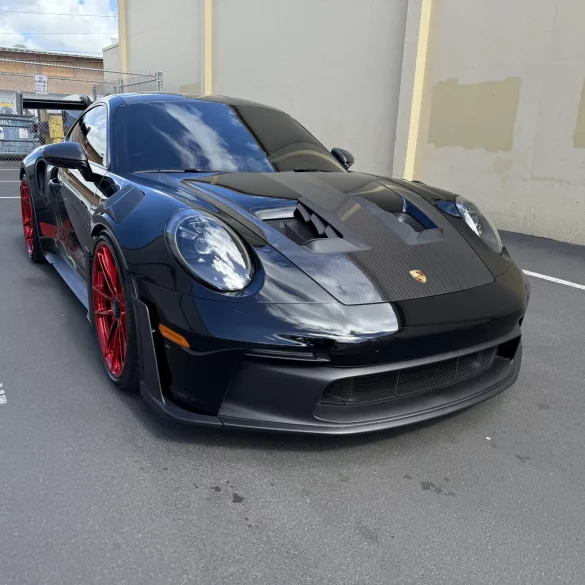
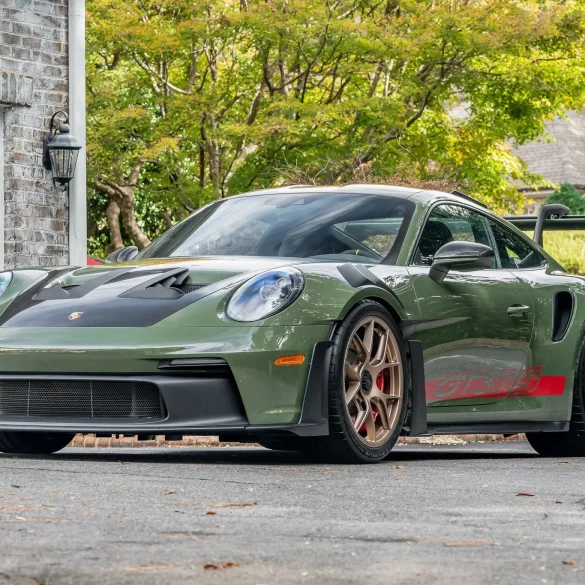
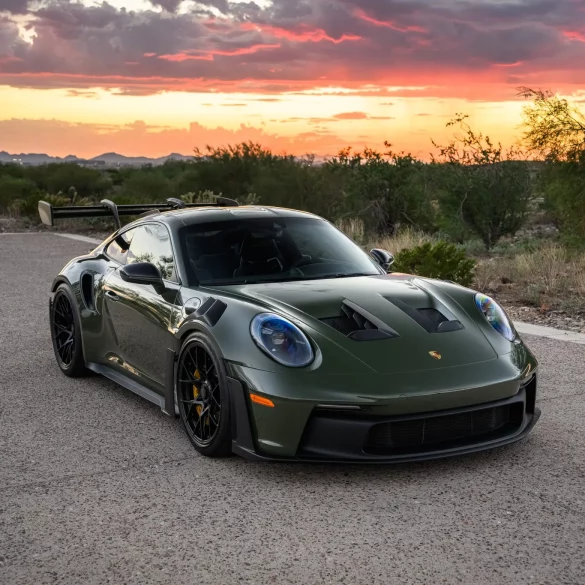
The 992 GT3 RS takes the GT3 formula even further, emphasizing downforce, weight savings, and track speed. With advanced aerodynamics, even more aggressive suspension tuning, and a focus on lap time performance, the GT3 RS is a halo car that many collectors prize. Its limited availability and high performance make it one of the most sought-after variants in the 992 lineup.
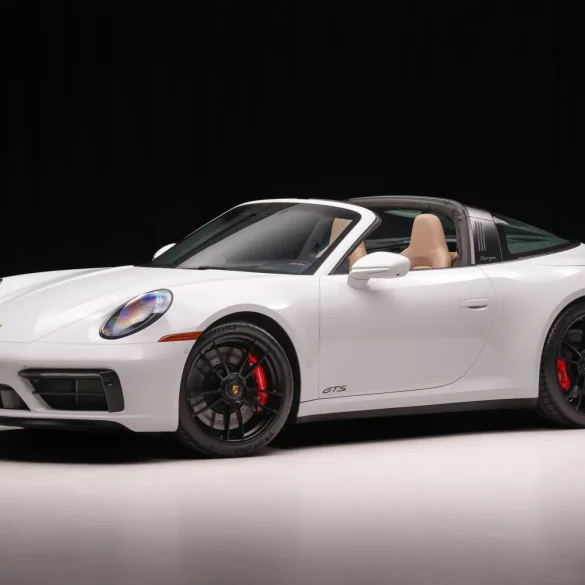
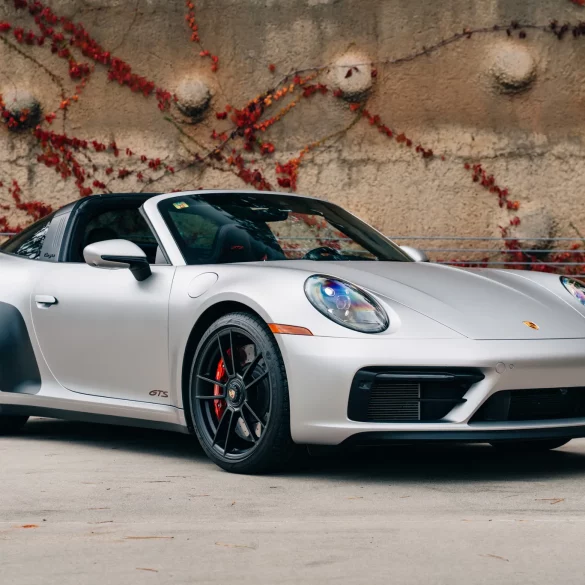
The Carrera GTS balances performance and everyday usability in a way that resonates with a broad segment of enthusiasts. Positioned between the S and GT models, the GTS delivers extra power, sportier suspension tuning, and often desirable factory equipment. Its versatility and performance appeal make it one of the most consistently chosen non-GT variants in the new 911 market.
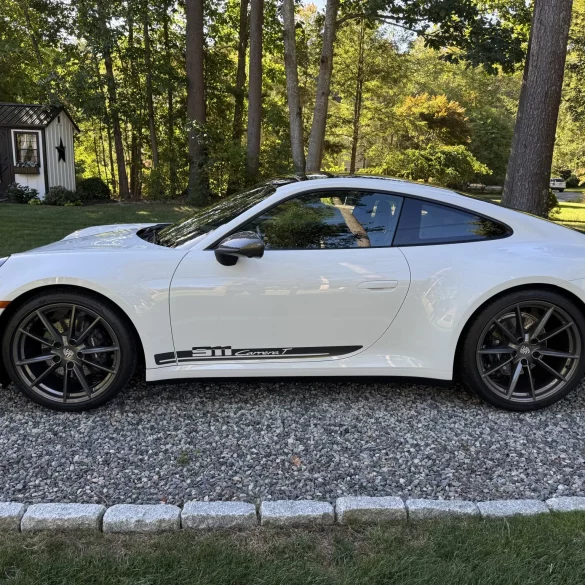
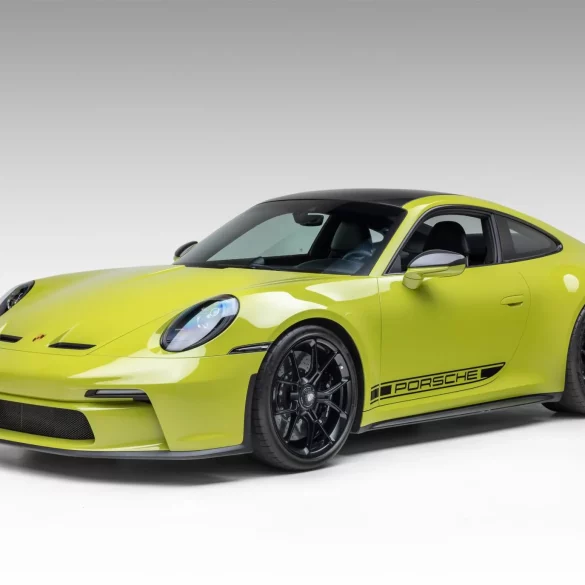
The 911 T offers a more focused, driver-centric take on the Carrera formula, with reduced weight and emphasis on engagement rather than absolute power. For buyers who want a more analog feel in a modern 911, the 992 T has developed a dedicated following. Its relative rarity compared with base Carreras and its enthusiast appeal give it strong value retention relative to the broader 992 field.
While not a specific variant, manual-transmission 992s (especially in GTS and GT3 trims) are increasingly prized and often command a premium. Enthusiast interest in manuals remains strong, and as they become rarer in modern sports cars, these cars hold value better than their automatic counterparts in similar condition and specification.
Peak performance: GT3, GT3 RS, Turbo S and GTS models showcase the best of what the 992 platform can offer. Balanced appeal: Models like GTS and 911 T appeal to both spirited drivers and daily users, broadening their buyer base. Rarity & engagement: Limited production and enthusiast-focused options (manuals, RS aerodynamics) help drive desirability and pricing strength. Modern technology: The 992’s advanced chassis, electronics, and ergonomics give even entry-level models a compelling contemporary feel.
The early Porsche 911 (992) market has settled into a mature, highly segmented phase, where pricing is driven far more by variant, specification, and mileage than by age alone. After the post-launch and pandemic-era volatility, values for most early 992s have stabilized, with strong demand concentrated around performance-focused trims. Buyers today are informed and selective, rewarding desirable specs while allowing softer pricing on base cars with higher miles or fewer options.
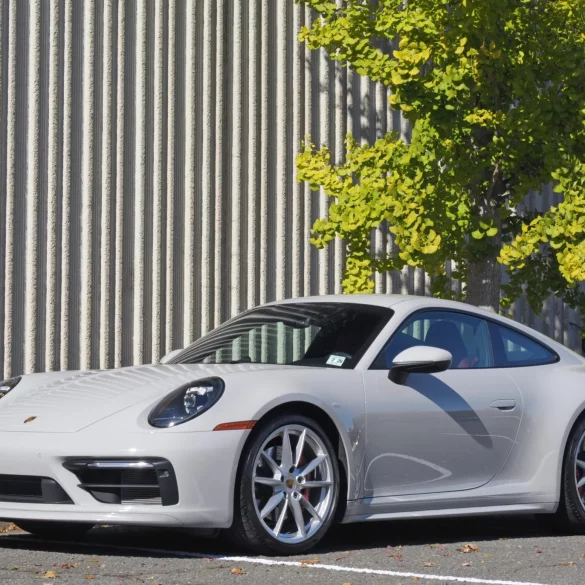
At the entry and mid levels, 992 Carrera and Carrera S models now trade in a more predictable range. Clean, well-optioned early Carreras typically sit in the mid-$80,000 to low-$100,000 range, while Carrera S models often land in the $100,000–$120,000+ range, depending on mileage, drivetrain, and options like Sport Chrono, PASM, and premium interiors. Manual cars and low-mile examples tend to sit at the top of these ranges, while higher-mile or lightly optioned cars see more negotiation.
Performance variants continue to command the strongest pricing. The 992 Turbo S remains one of the most resilient modern 911s, with early examples commonly trading in the $180,000–$220,000+ range, depending on condition and spec. Demand remains strong due to its combination of extreme performance, everyday usability, and relatively limited supply. Similarly, the 992 GT3 has held its value exceptionally well, with early cars frequently trading well above original MSRP, especially manual or low-mile examples with desirable factory options.
At the top of the market, the 992 GT3 RS represents a clear outlier. Early RS cars continue to command significant premiums, often well beyond standard GT3 and Turbo S pricing. Limited production, extreme performance focus, and strong collector demand have kept pricing elevated, making the GT3 RS one of the strongest value performers in the entire 992 lineup.
A notable trend across the early 992 market is the growing premium for specification and documentation. Buyers increasingly prioritize low mileage, clean ownership history, and desirable factory options, while cars with average specs or deferred maintenance take longer to sell. Manual transmissions, performance seats, lightweight packages, and enthusiast-oriented configurations consistently outperform more comfort-focused builds.
Overall, the early 992 market can be characterized as stable, selective, and performance-driven. While base models have normalized after early hype, high-spec Carreras, GTS, Turbo S, and GT cars continue to show strong pricing and liquidity. For buyers, this means better opportunities on standard trims — and continued competition for the most desirable early 992 variants.
Buying the new 992.2 means prioritizing the latest performance and technology that Porsche has to offer. The most compelling reason to choose the 992.2 is the groundbreaking T-Hybrid powertrain found in the GTS models, which delivers significantly more power and instant torque than its predecessor, along with enhanced efficiency. Even the base Carrera benefits from engine improvements, making the entire lineup more potent. Furthermore, you gain the peace of mind of a full new-car warranty and the ability to customize the vehicle to your exact specifications, alongside the most current technology, including advanced driver assistance systems and new Matrix LED headlights. However, the price is significantly higher, and you must accept the loss of several traditional 911 elements. This includes the move to a fully digital cockpit, replacing the beloved analog center tachometer. Critically for driving purists, the manual transmission has been dropped from the base Carrera and the GTS, and the addition of hybrid components makes the car heavier.
Opting for a used 992.1 offers a superb value proposition, as the car has already absorbed the initial years of depreciation, making it substantially cheaper than the new model. The 992.1 is highly attractive to enthusiasts because it is the last generation to retain the analog center tachometer, providing a more classic feel and connection to the car's heritage. Moreover, the 992.1 generation is your last chance to acquire a manual transmission in the base Carrera, Carrera S, or GTS trims, which are now PDK-only on the 992.2. Being a lighter car without the hybrid system, some drivers also prefer its slightly more nimble and unfiltered driving dynamics. The trade-off is accepting older technology; while still modern, the PCM system and driver aids are not the latest available. Additionally, the 992.1 GTS lacks the sheer power and instantaneous torque delivery of the new T-Hybrid model, and you'll be dealing with a shortened or non-existent factory warranty.
The 992.2 is the mid-cycle refresh (facelift) of the Porsche 911, bringing the platform into a new era with significant changes focused on powertrain technology and digitalization. The most impactful difference is the introduction of the T-Hybrid system in the high-performance GTS models. The 992.2 GTS now features an all-new 3.6-liter flat-six engine paired with an electric motor integrated into the transmission, making it the first street-legal 911 to use a hybrid setup. This system replaces the previous 3.0-liter twin-turbo engine and delivers a substantial increase in horsepower. Even the base Carrera model receives an engine revision, including the addition of a turbocharger borrowed from the previous-generation GTS, resulting in a slight power boost.
Beyond the engine bay, the interior and user interface have undergone a major digital transformation. The most controversial change for purists is the replacement of the iconic, center-mounted analog tachometer—a hallmark of the 911—with a fully digital 12.65-inch curved display. Furthermore, the traditional turning motion used to start the car has been replaced with a standard Start/Stop button. The new generation also sees a shift in transmission availability: the manual gearbox is no longer offered on the base Carrera and has been dropped from the high-performance GTS, which is now exclusively paired with an 8-speed PDK automatic transmission.
Finally, the exterior and chassis were subtly but functionally revised. The 992.2 features redesigned bumpers with active air flaps at the front to optimize cooling and aerodynamics. The lights have also been updated, particularly with the introduction of new Matrix LED headlights. For driving dynamics, many higher-tier features have become standard; for example, rear-axle steering is now included as standard on the GTS model. Essentially, the 992.2 embraces a more powerful, technologically sophisticated, and partially electrified future, while the 992.1 remains notable as the last 911 generation to offer the traditional analog tachometer and a wider availability of the manual transmission.