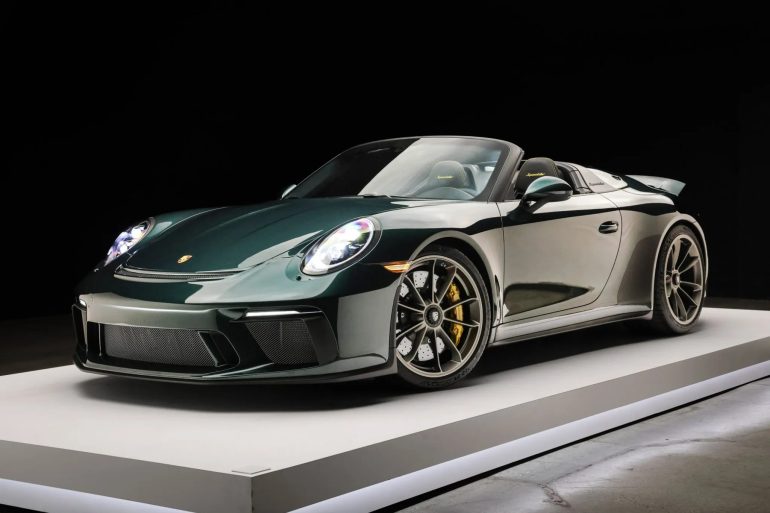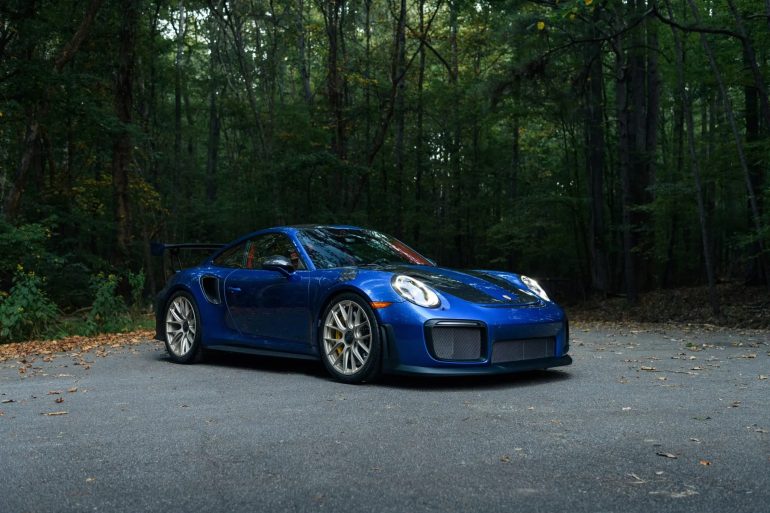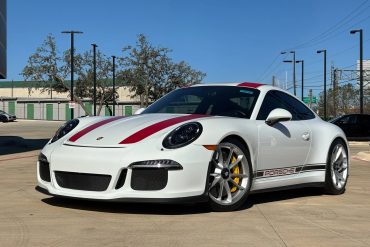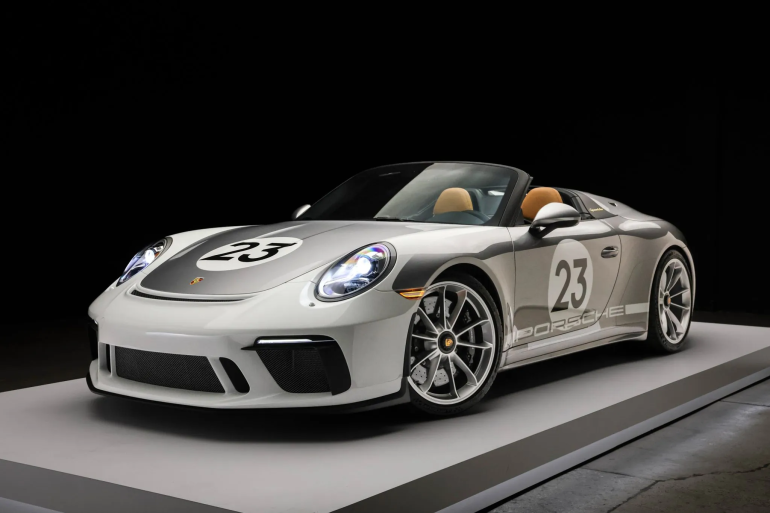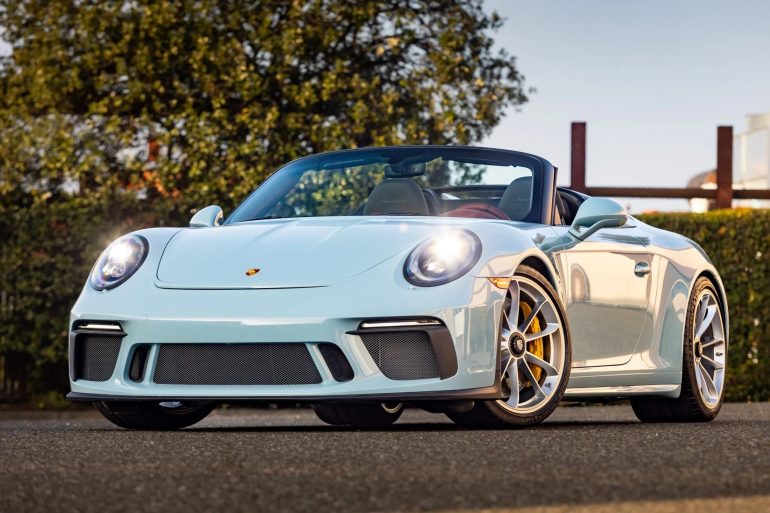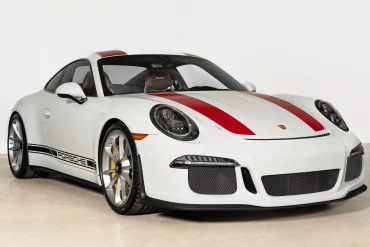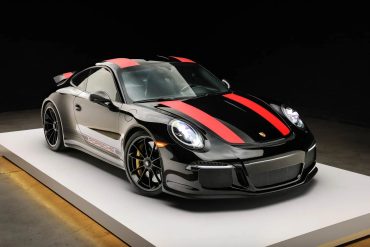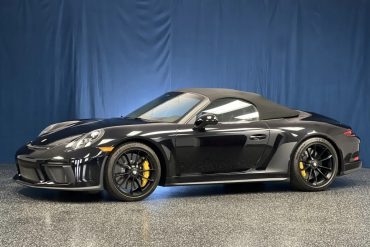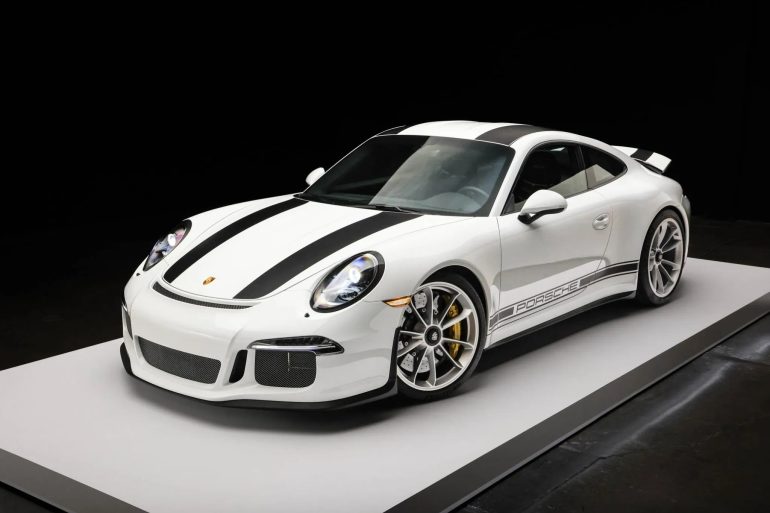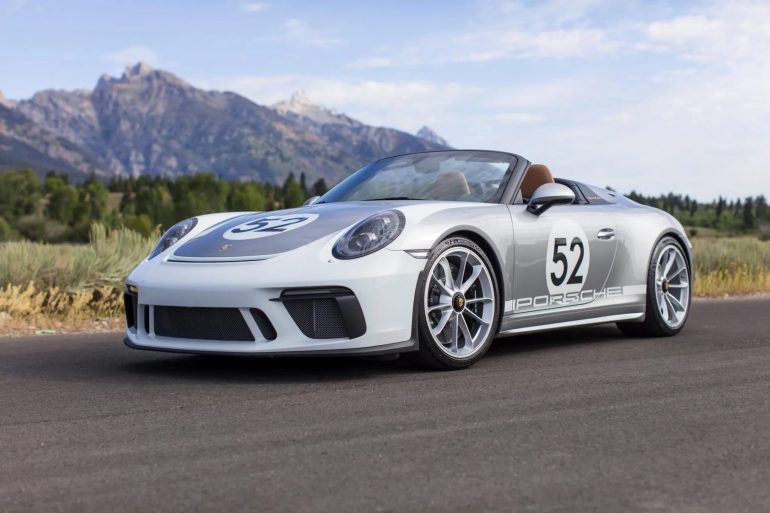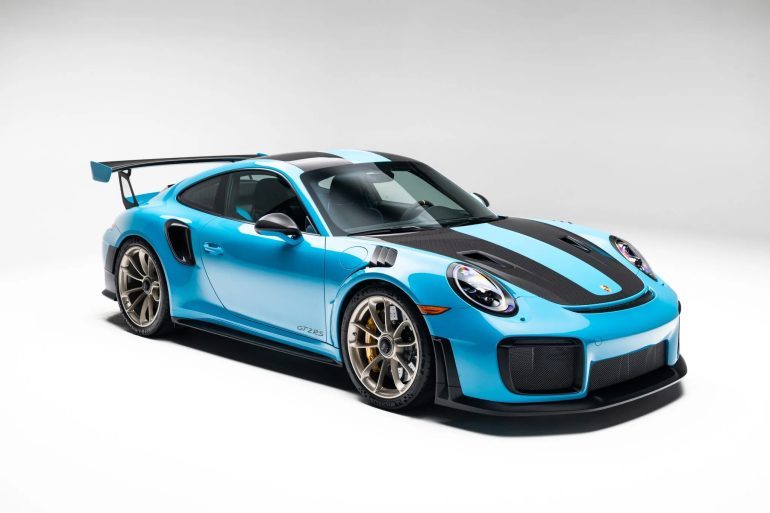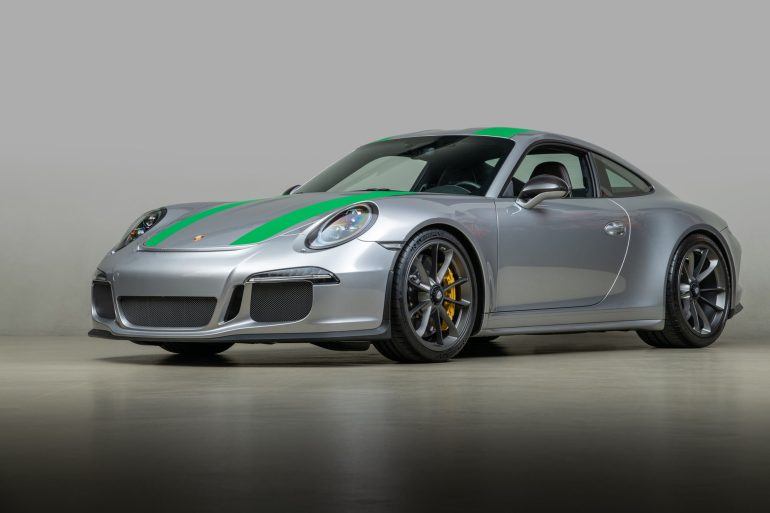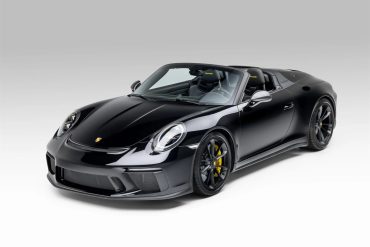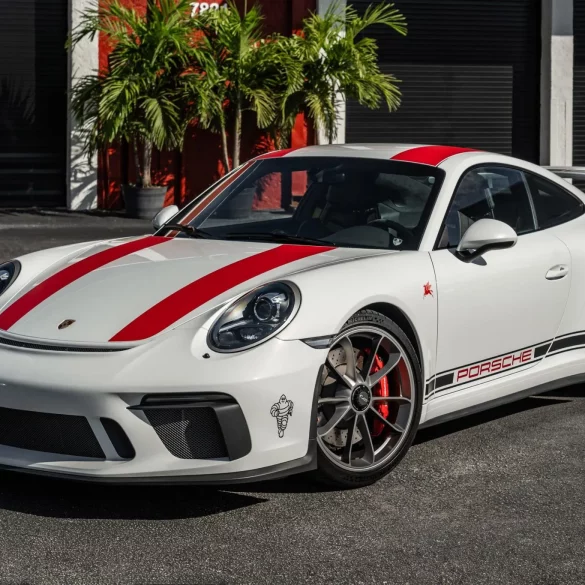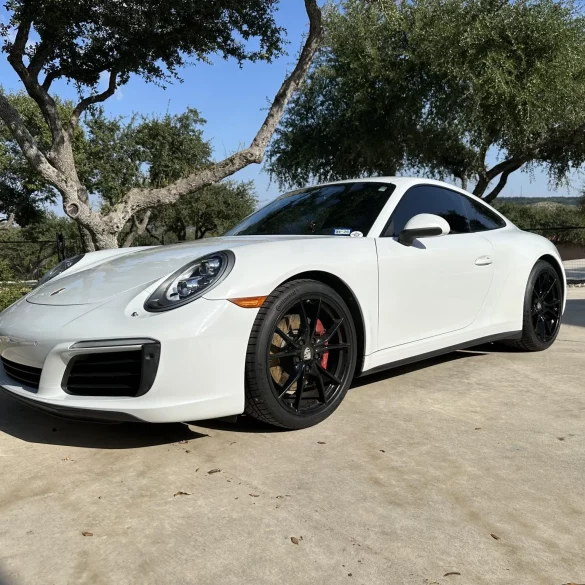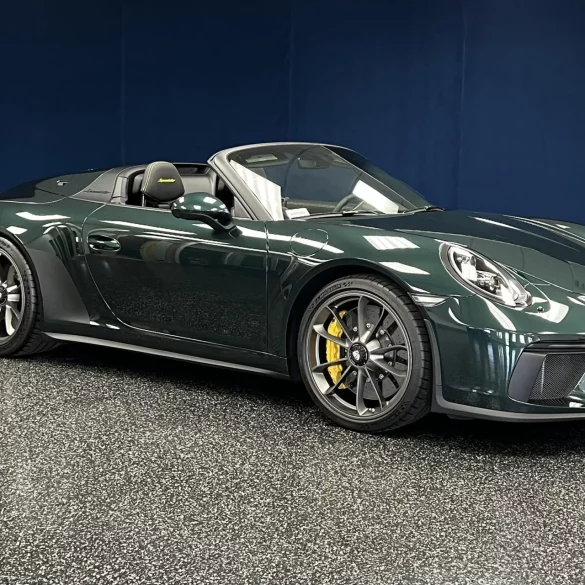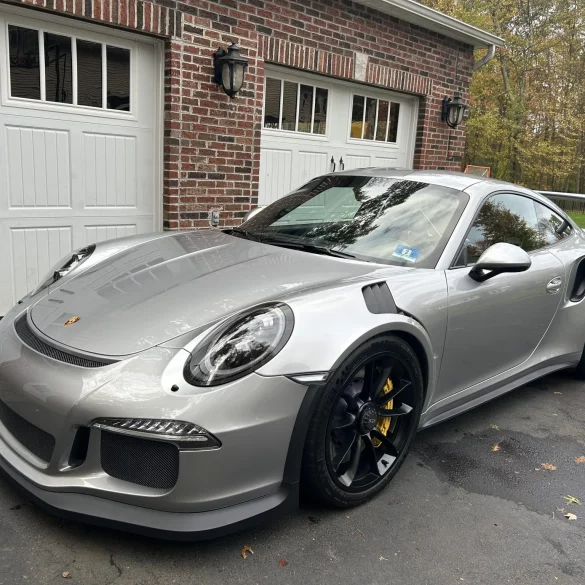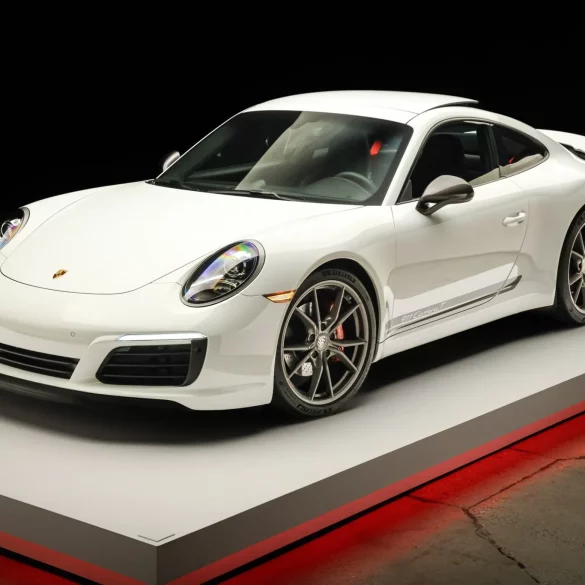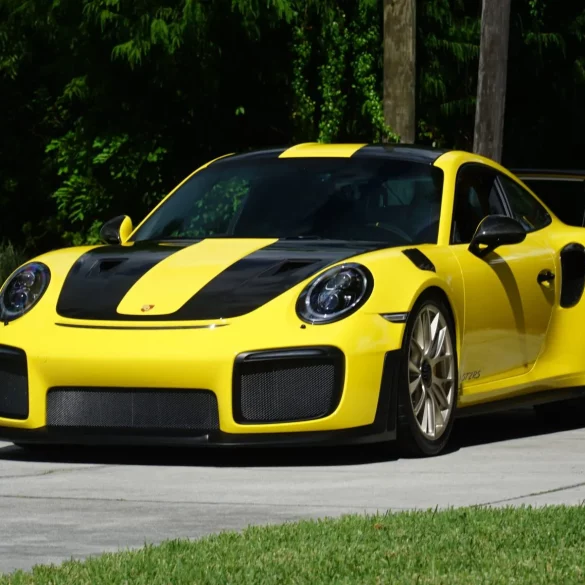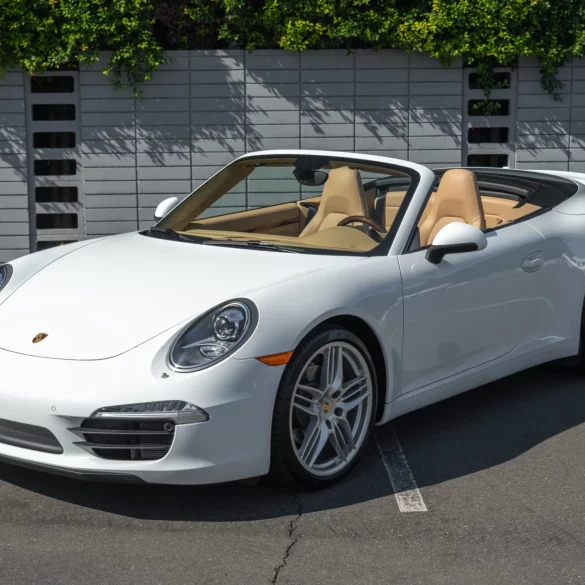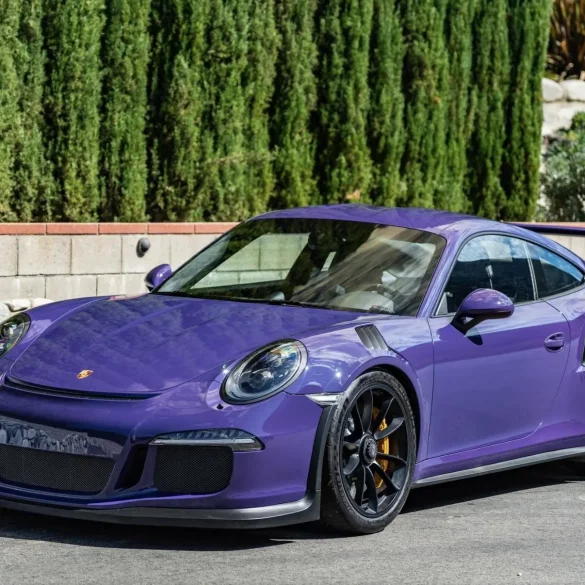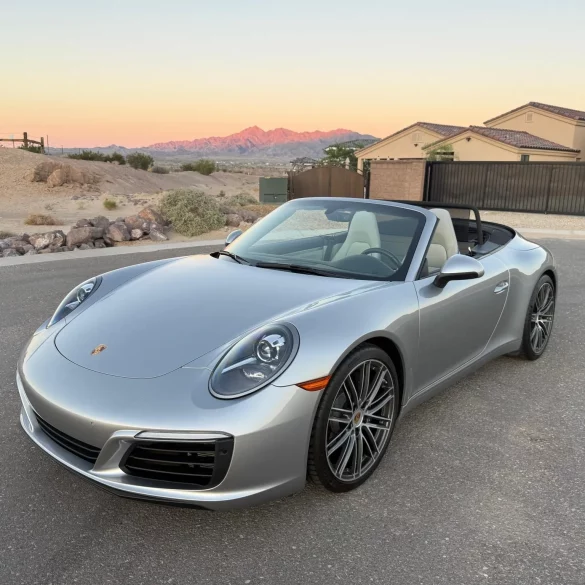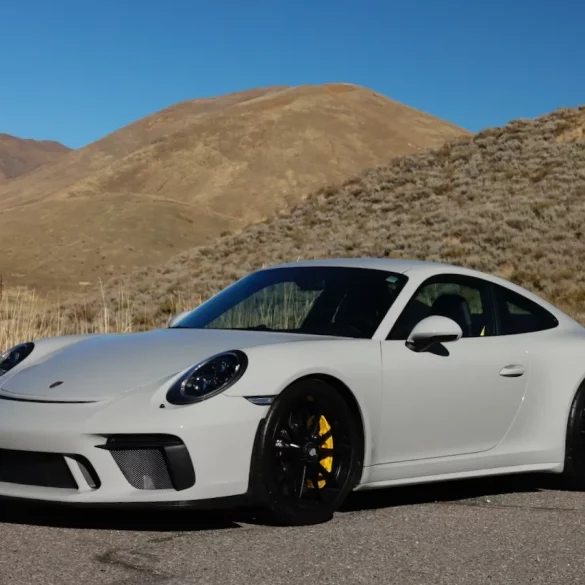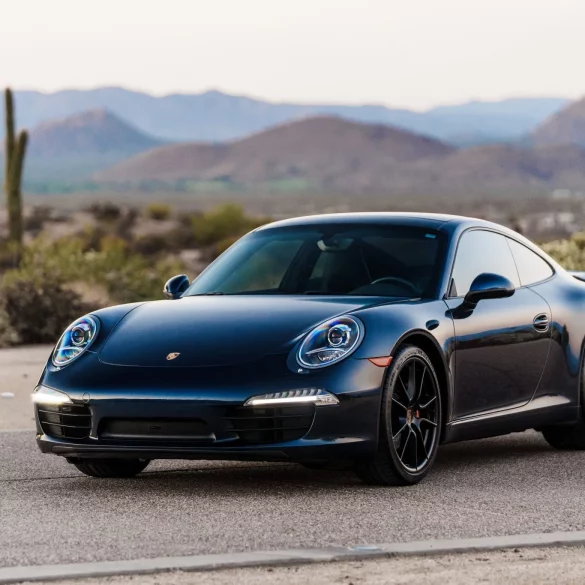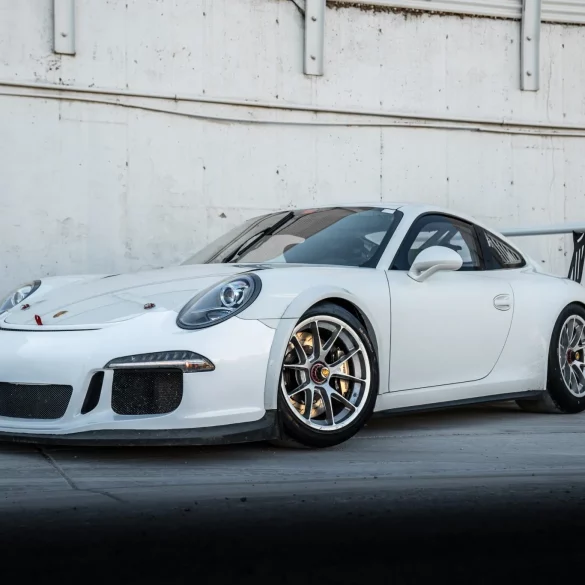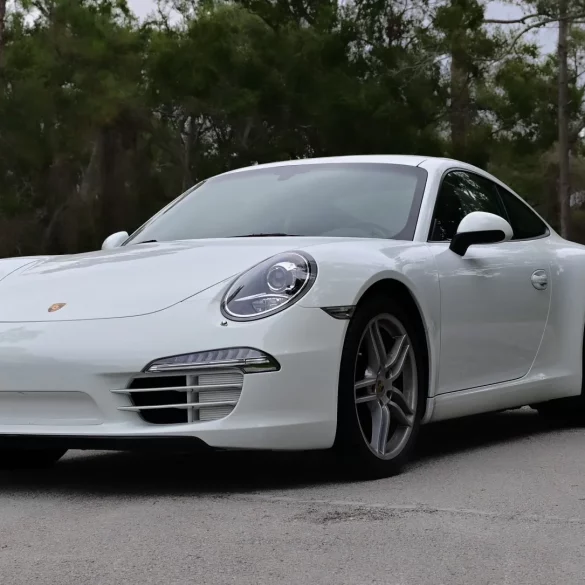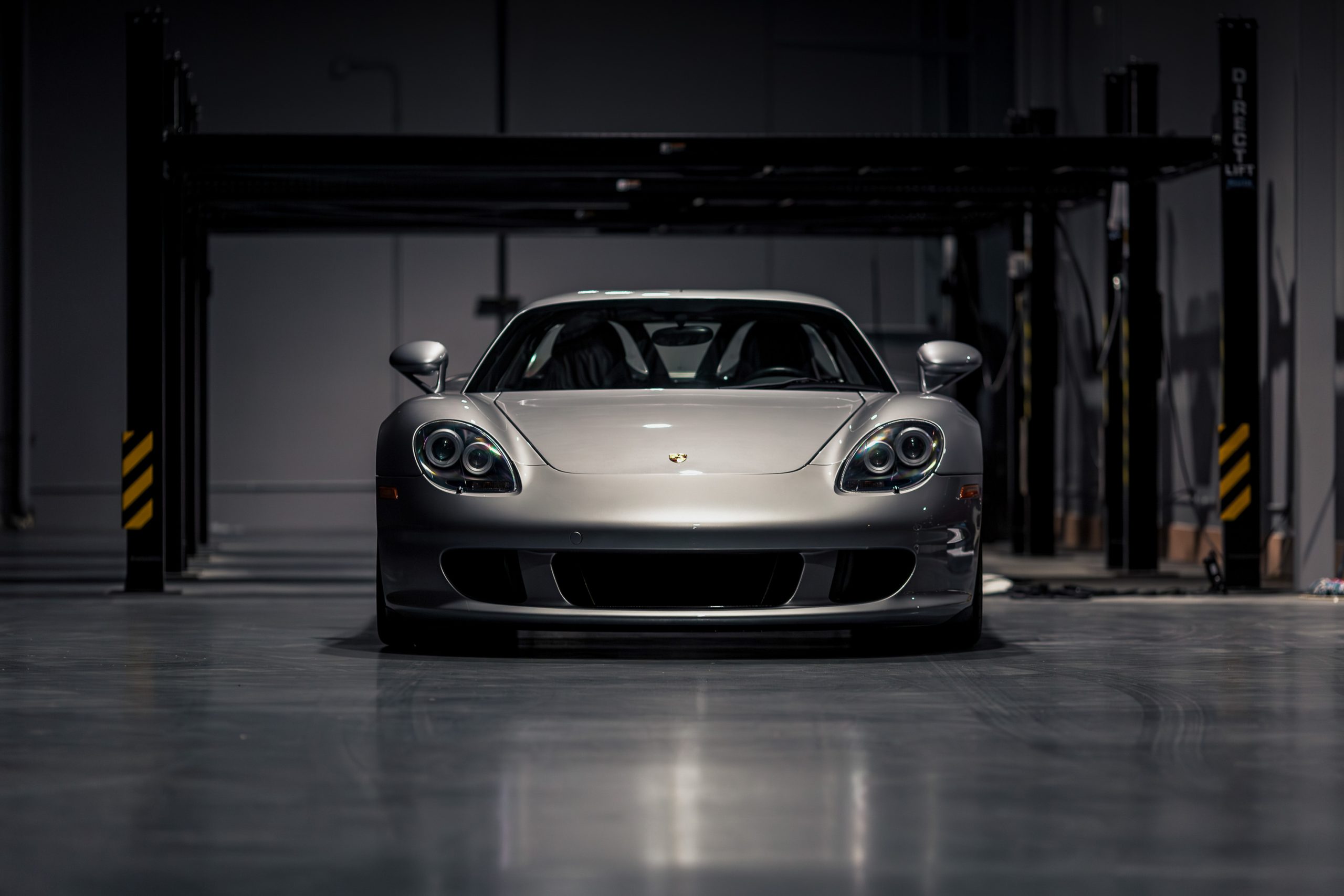
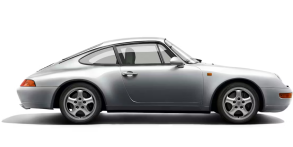
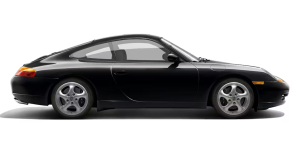
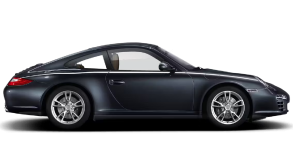
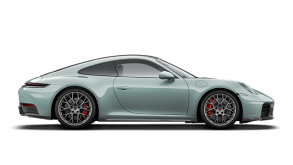
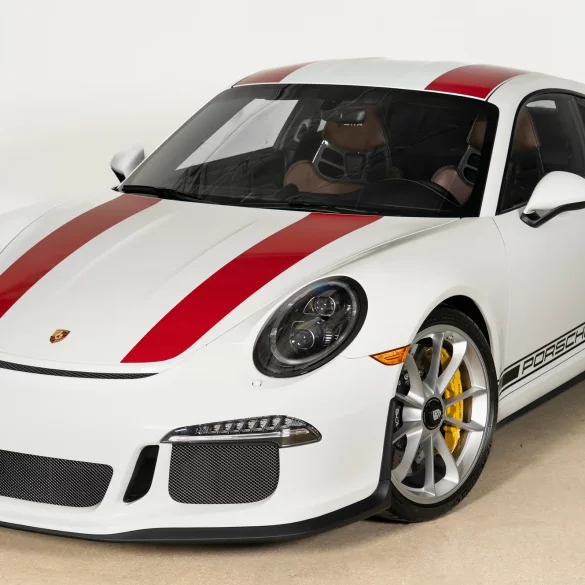
Limited to 991 units, the 2016 Porsche 911 R is celebrated as a purist icon, combining the GT3 RS’s 500-HP 4.0-liter flat-six with a lighter,...


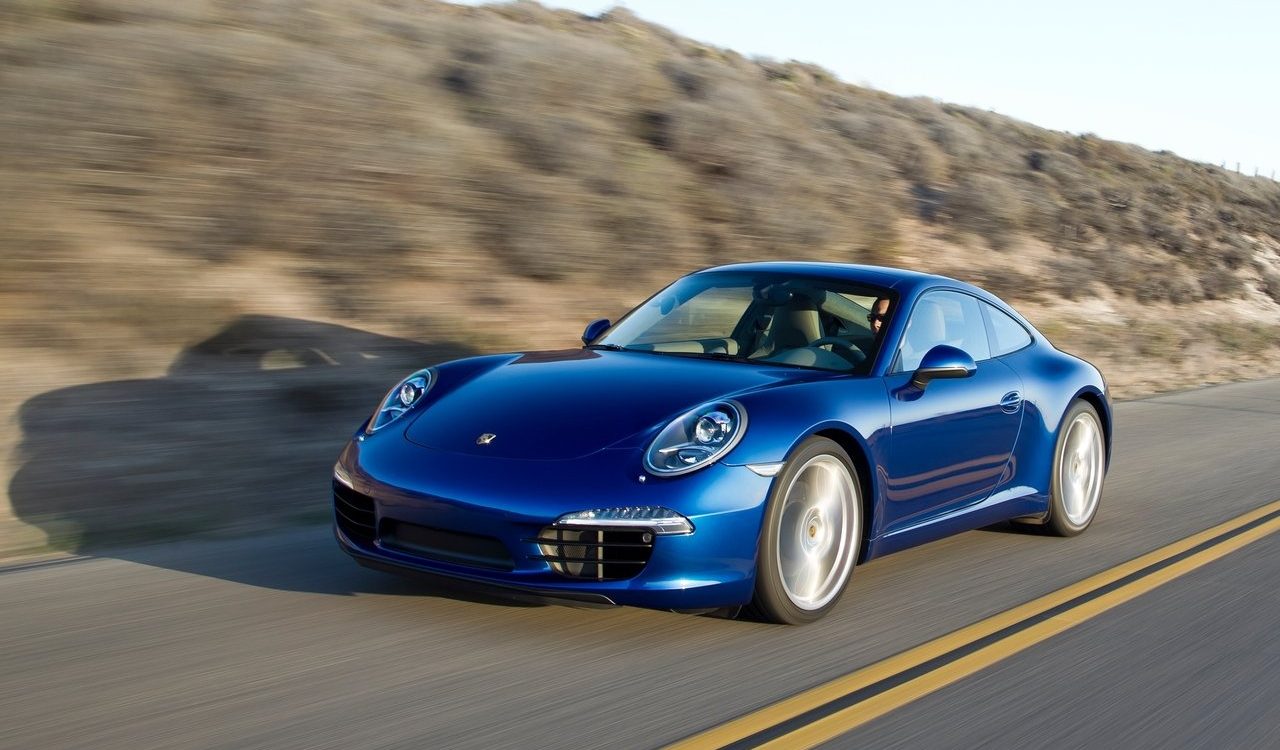
The Porsche 911 (991) represents a major leap forward in the evolution of Porsche’s iconic sports car. Introduced in 2012, the 991 brought a longer wheelbase, wider track, and a more advanced chassis, dramatically improving stability, ride quality, and interior space. Despite its modern underpinnings, the 991 retained the unmistakable 911 character—rear-engine balance, precise steering, and everyday usability.
Spanning both the naturally aspirated 991.1 era and the turbocharged 991.2 update, this generation offers one of the broadest and most compelling 911 lineups ever produced. This page curates Porsche 911 (991) for sale listings from across the web, including top Porsche dealers, major auction platforms, and exclusive member listings.
Refine Search: All 911s / 991 Carrera / 991 Carrera 4 / 991 Carrera S / 991 Carrera 4S / 991 Carrera T / 991 Targa 4 / 991 Targa 4S / 991 Turbo / 991 Turbo S / 991 Carrera GTS / 991 Carrera 4 GTS / 991 Targa 4 GTS / 991 R / 991 GT3 / 991 GT3 RS / Speedster / 991 GT2 RS
Browse available 991-era Porsche 911s from our member classifieds alongside carefully curated cars from across the web. We showcase only the most interesting, well-presented, and desirable 991 generation 911s—giving collectors a smarter way to find their next classic.
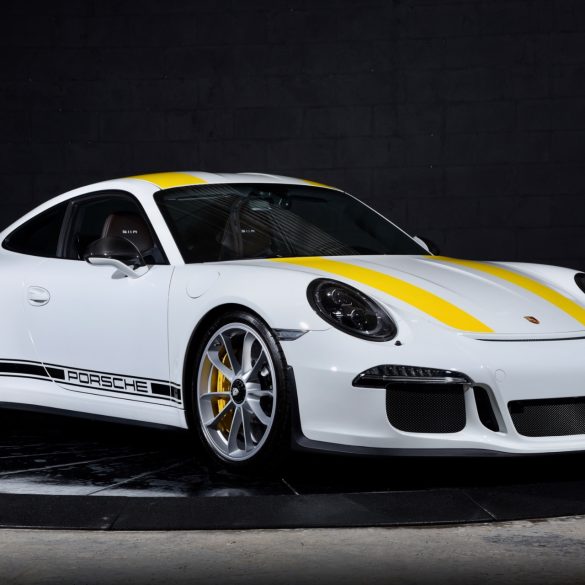
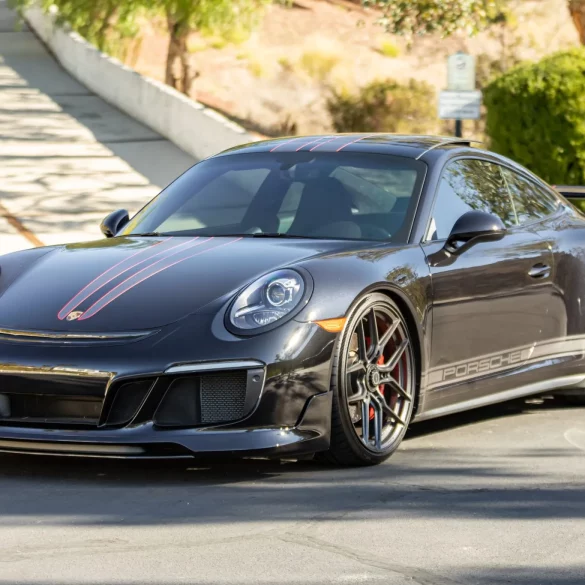
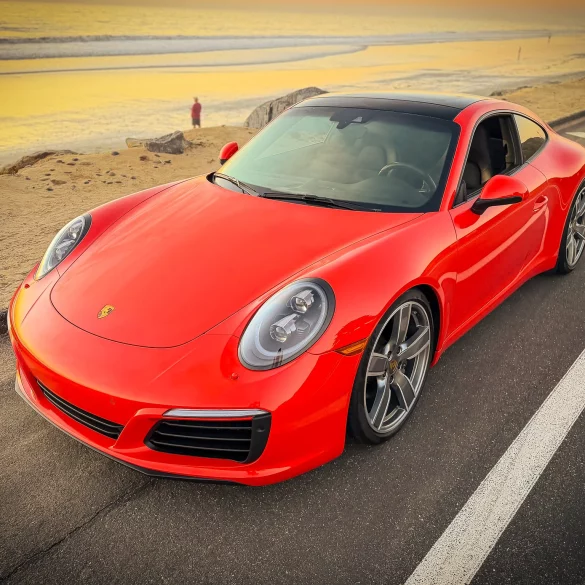
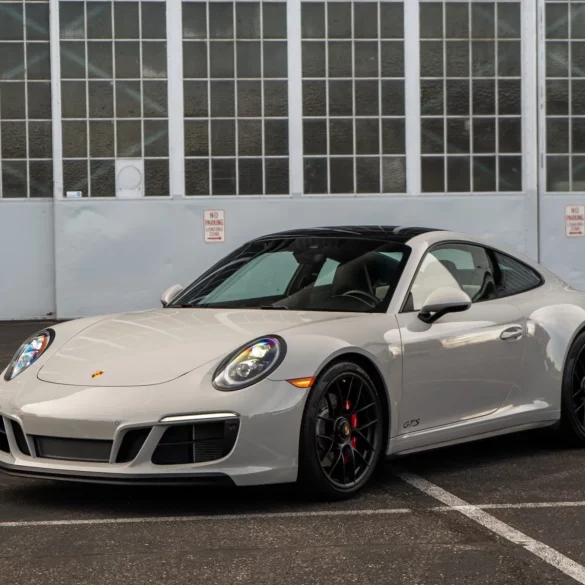
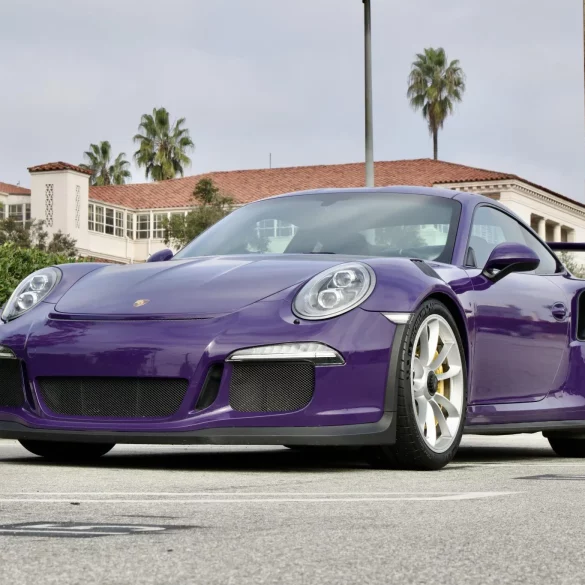
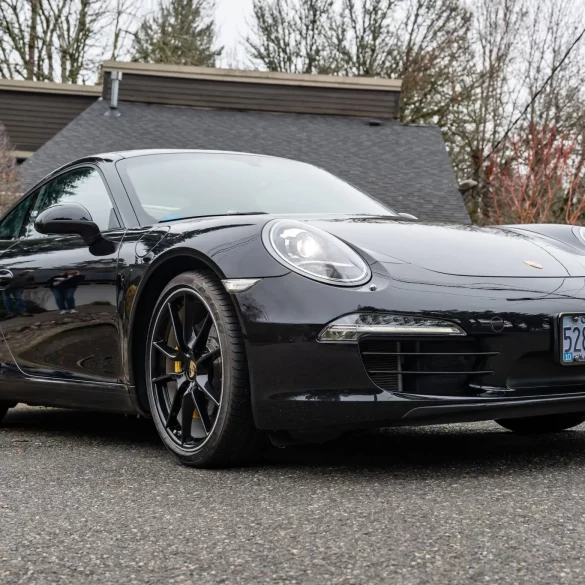

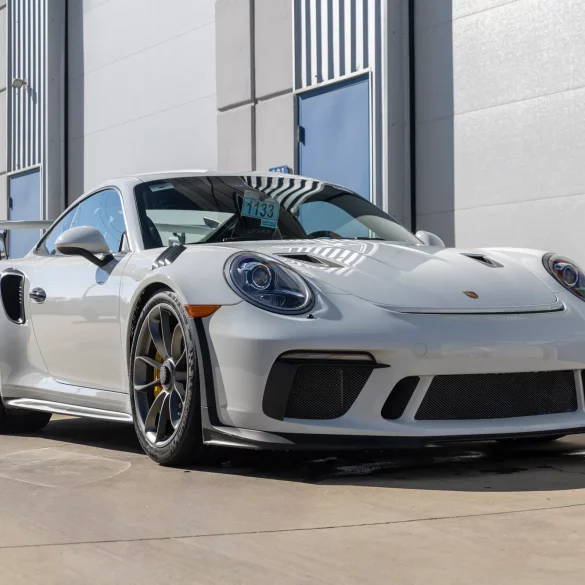
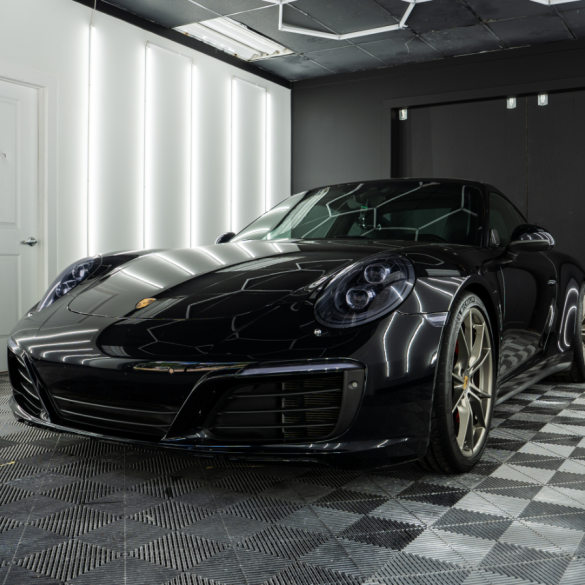
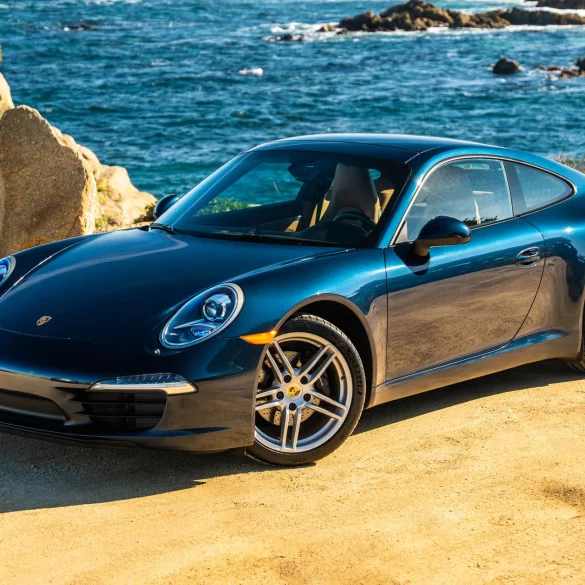
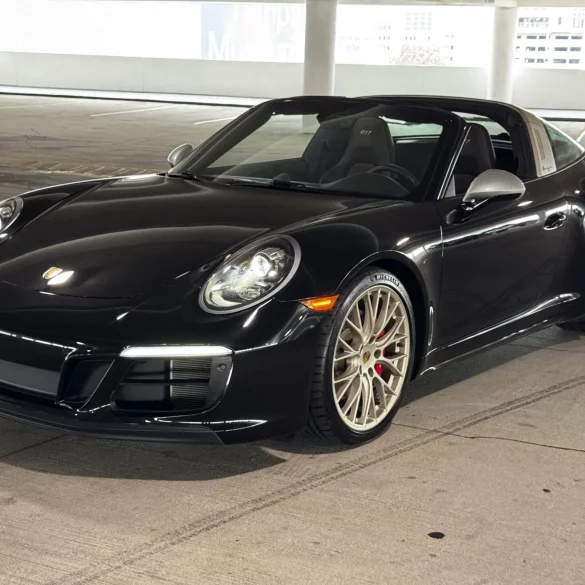
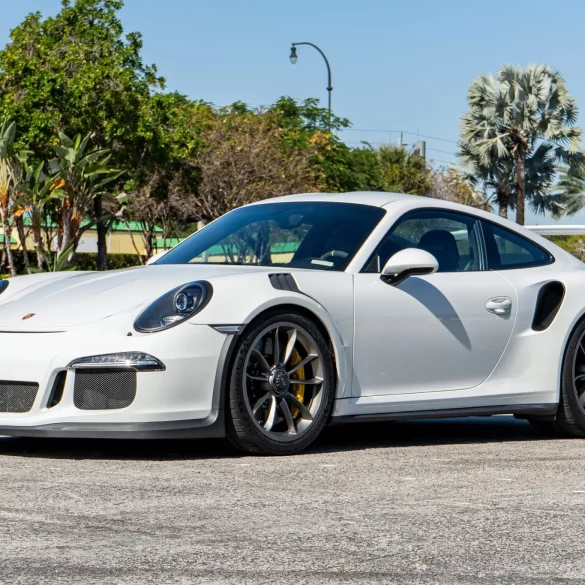

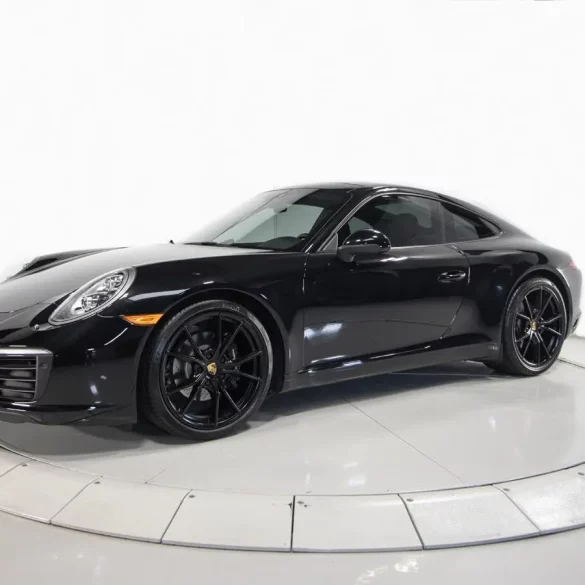
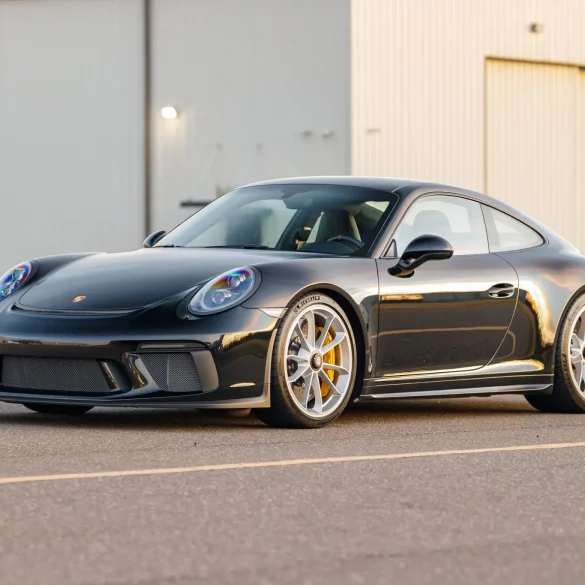
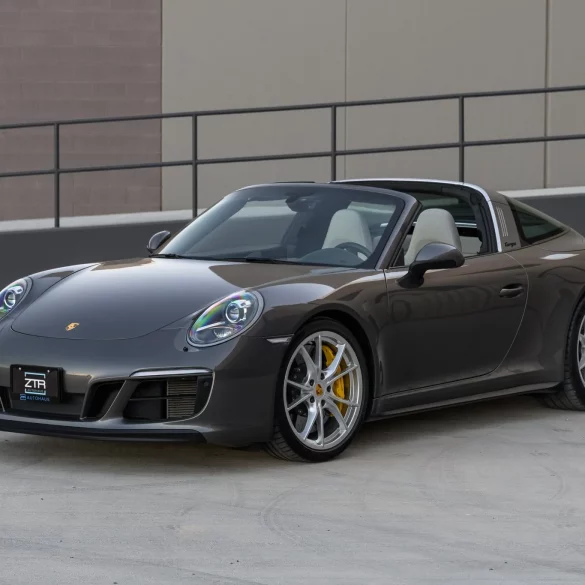
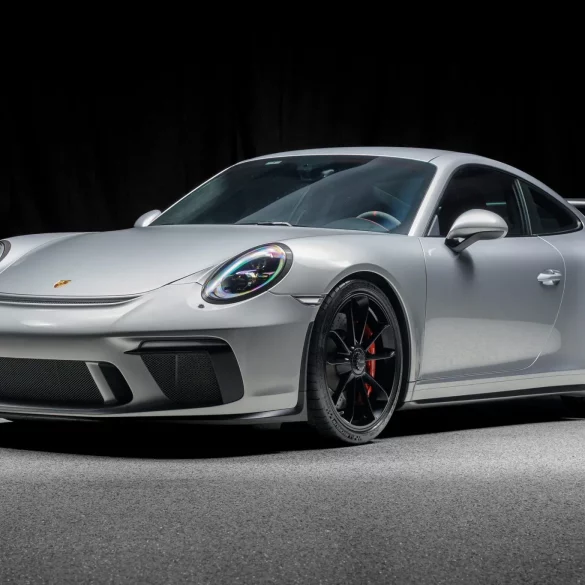
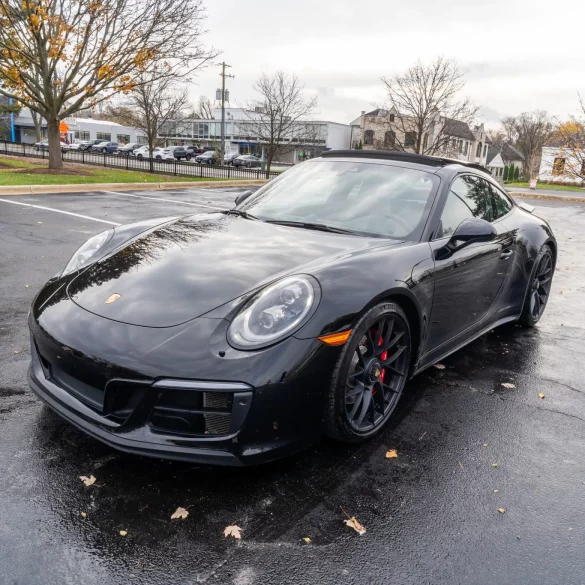
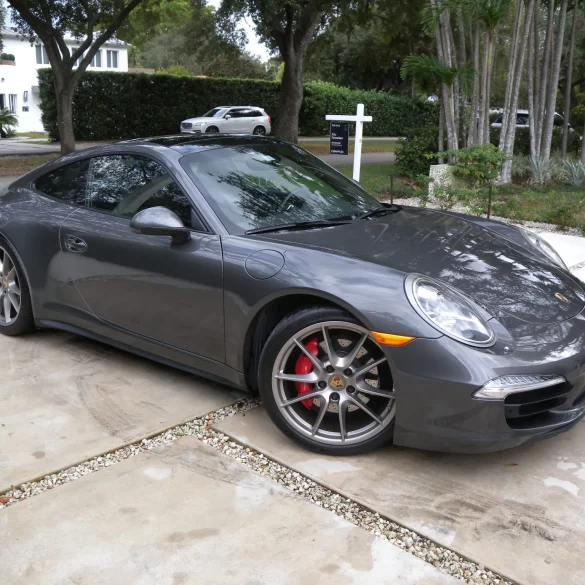
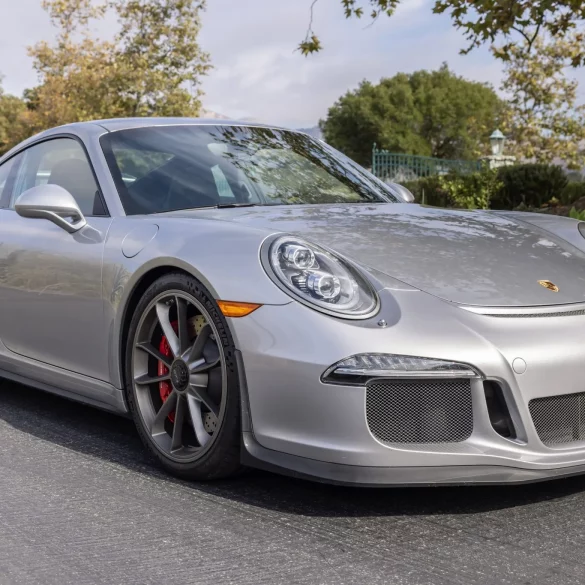
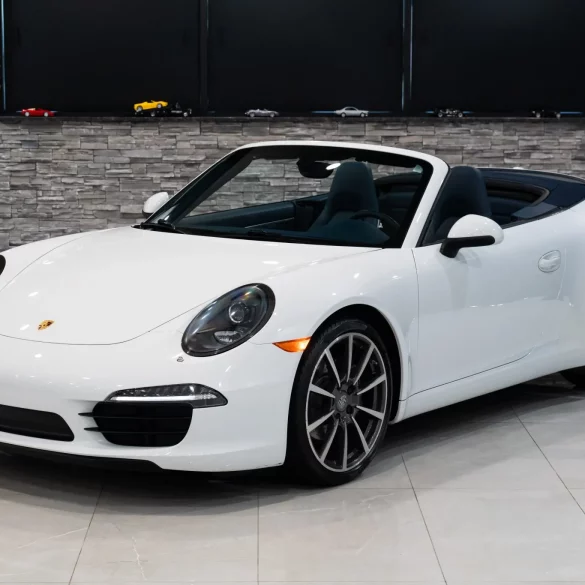
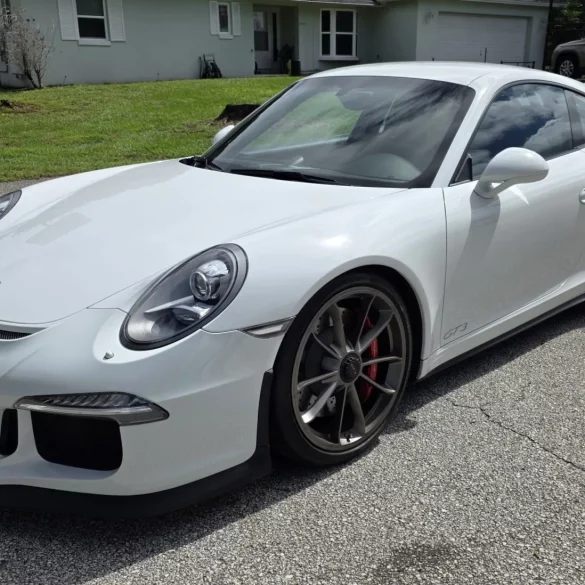
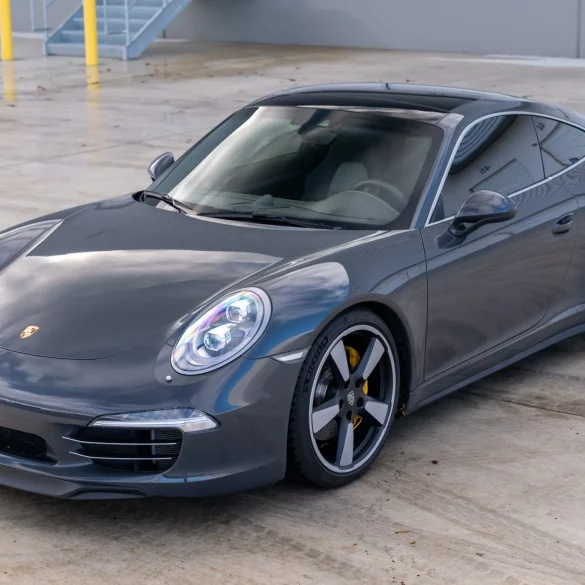
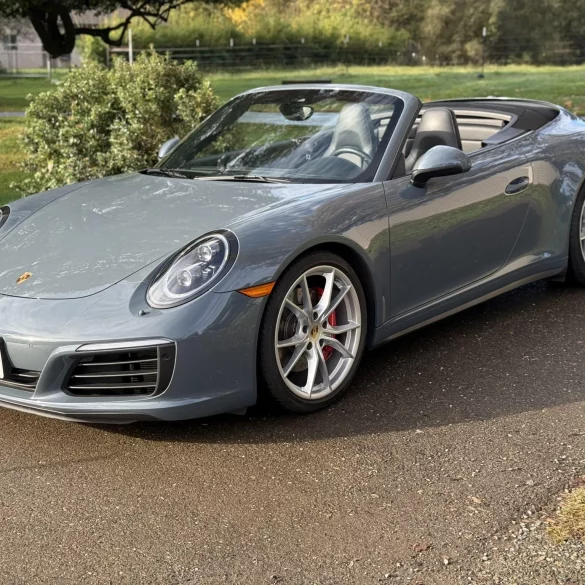

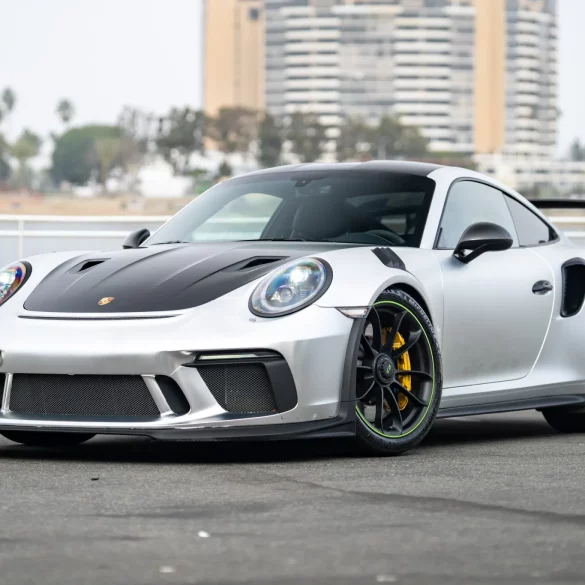
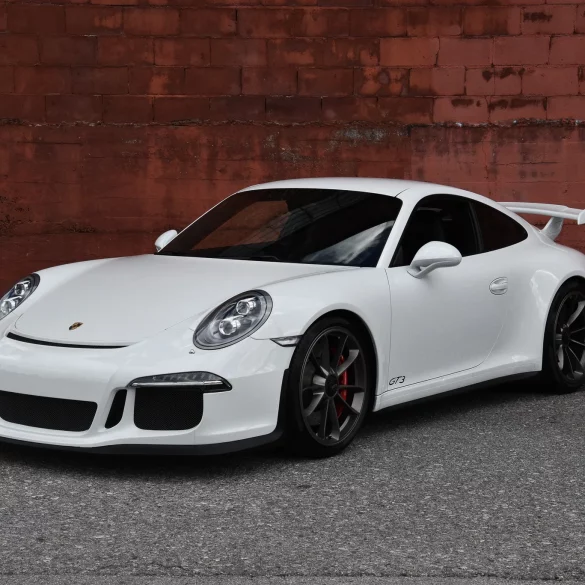
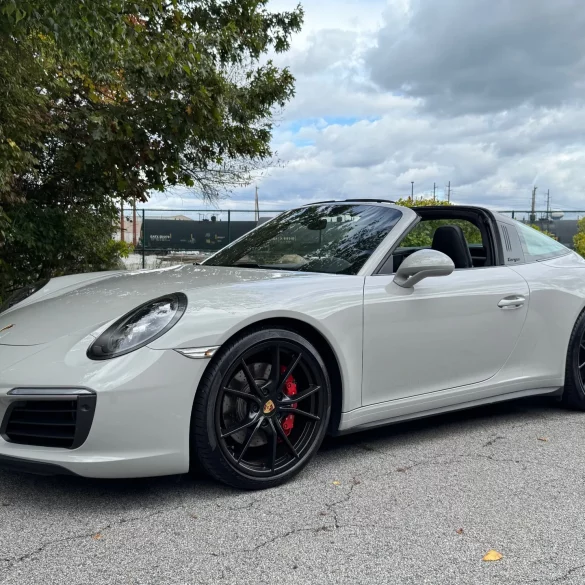
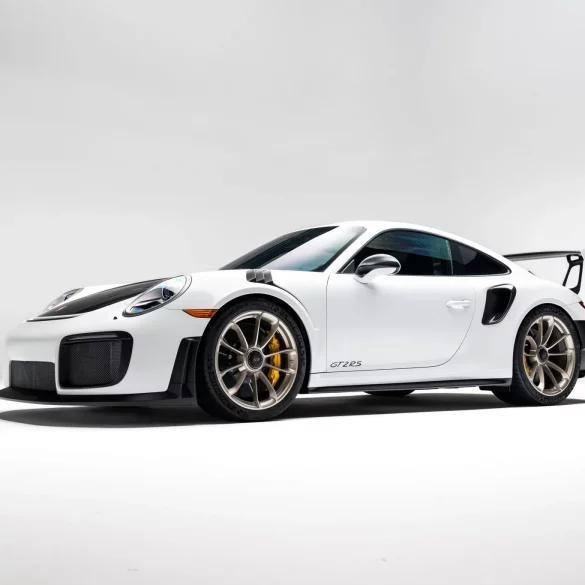
The truly special and unique 991 generation Porsche 911s at auction or for sale.
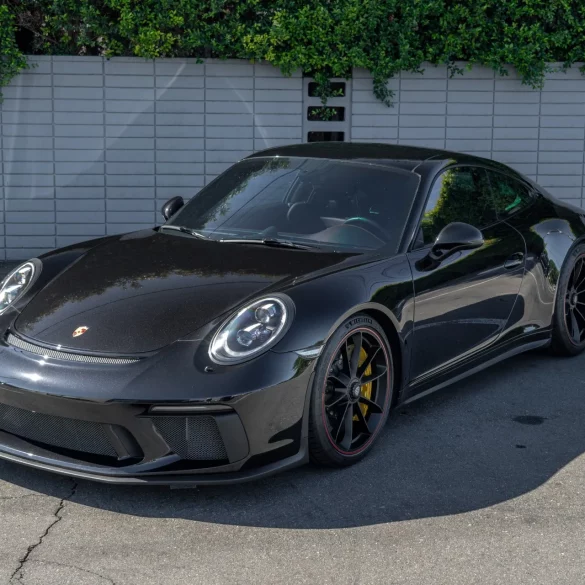
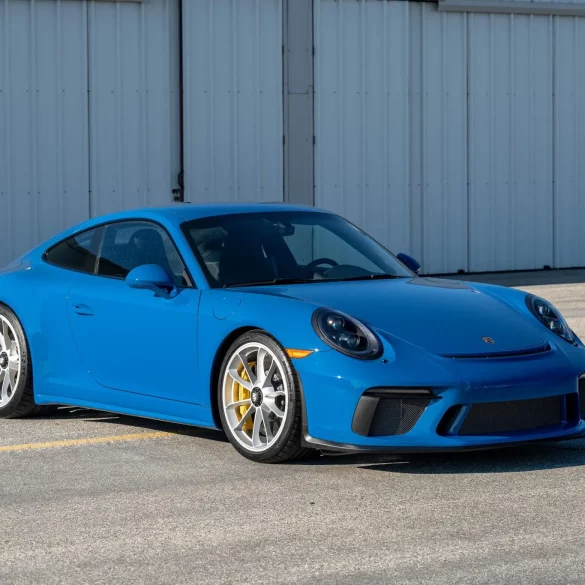
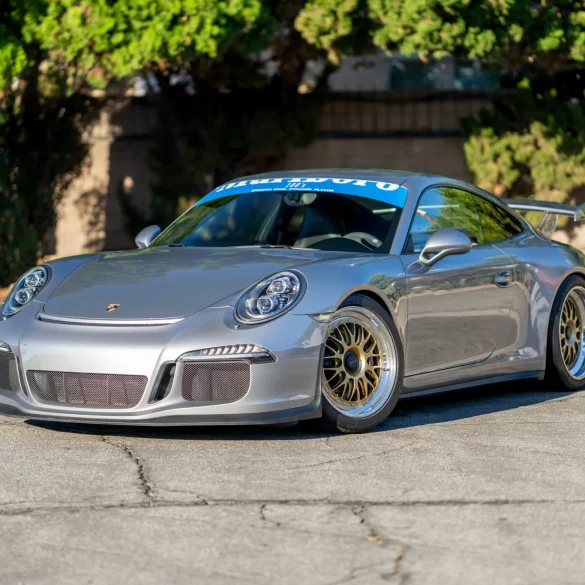
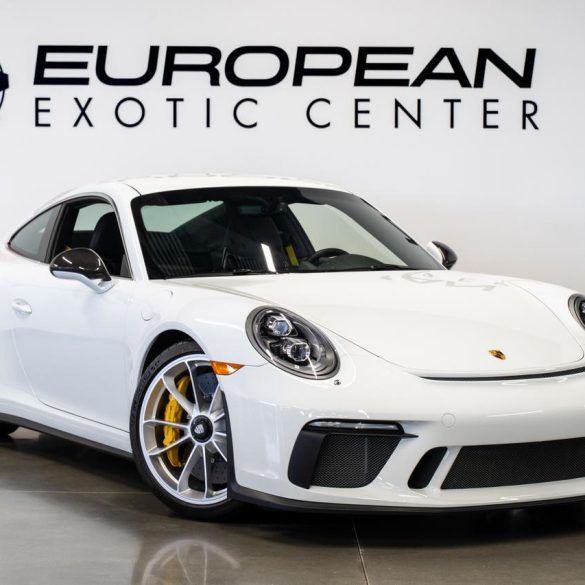
The 991 GT3 is widely regarded as one of the most desirable 991 variants. Known for its naturally aspirated, high-revving flat-six, razor-sharp chassis, and track-inspired dynamics, the GT3 appeals to purists and performance buyers alike. Both 991.1 (2014–2016) and 991.2 (2017–2019) models are highly sought, with manual gearbox examples commanding particularly strong pricing thanks to their analog engagement and limited availability.
The GT3 RS represents the pinnacle of road-going performance in the 991 generation. With aggressive aerodynamics, lightweight components, and track-focused suspension calibration, the GT3 RS takes the GT3 formula even further. Limited production numbers and clear enthusiast demand help these models retain and often appreciate value, especially low-mile, well-maintained examples.
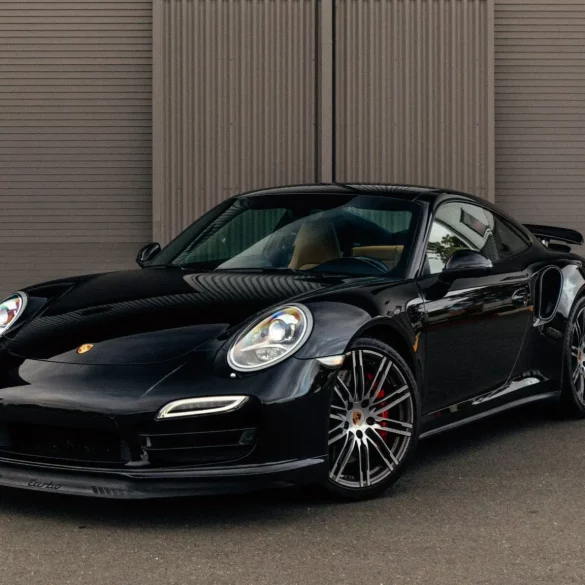
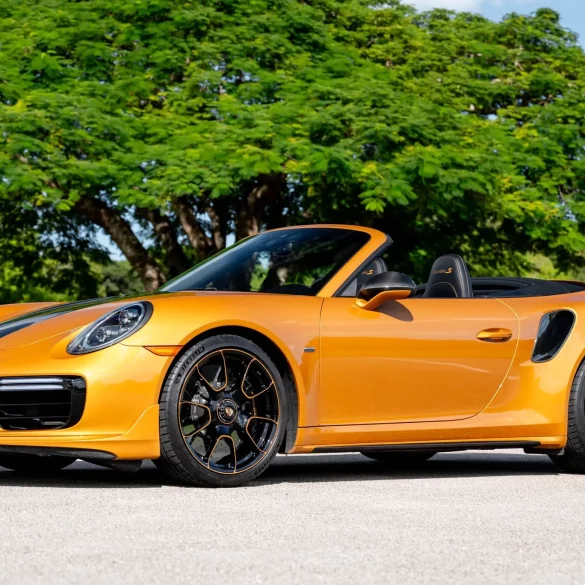
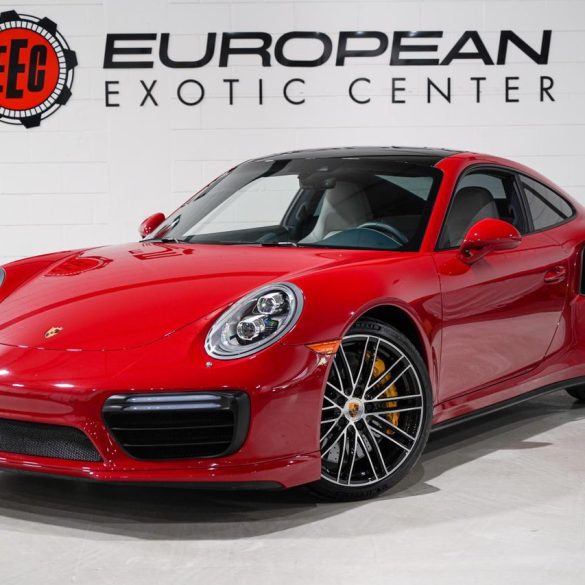
The 911 Turbo and Turbo S are among the most desirable all-around 991 variants due to their blend of extreme performance, everyday usability, and refined technology. The Turbo S — with more power, upgraded brakes, and enhanced features — often commands a premium over the standard Turbo. Both models are prized for their effortless acceleration and all-weather capability thanks to all-wheel drive, and they remain among the strongest value holders in the 991 market.
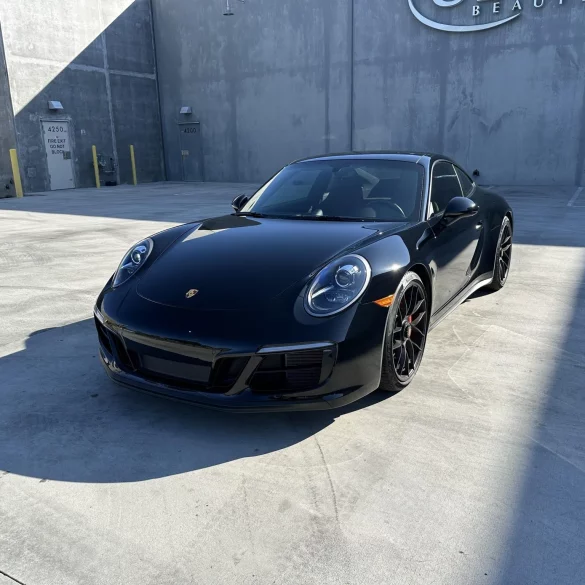
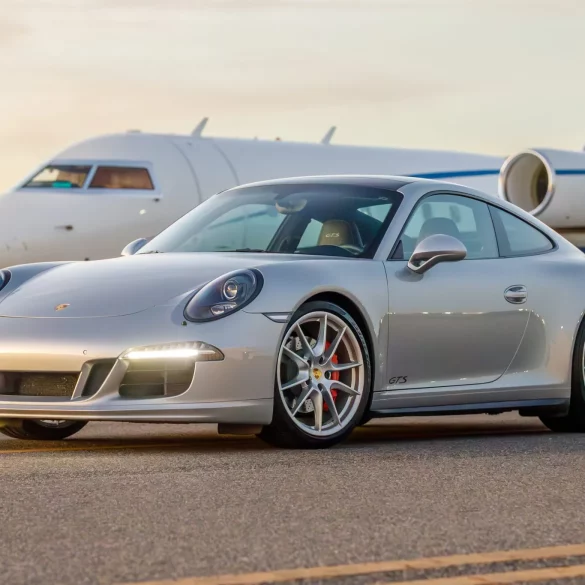
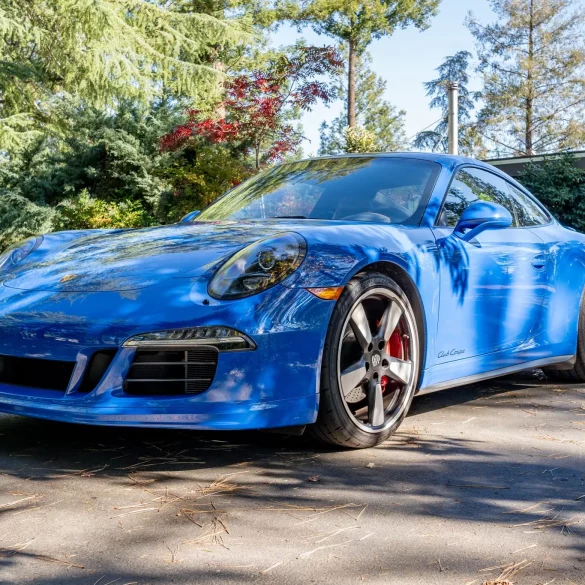
The Carrera GTS sits between the standard Carrera and GT models in performance and desirability. With enhanced power, sport-tuned chassis components, unique styling cues, and a well-rounded driver experience, the GTS is considered by many buyers to be the “sweet spot” of the 991 line. Demand tends to outstrip supply for clean, well-optioned GTS examples, which helps support strong resale values.
The 911 T is one of the most interesting value propositions within the 991 generation. Positioned as a lighter, more driver-focused variant of the Carrera, the 911 T emphasizes engagement over outright power, often pairing with a manual gearbox and a pared-down feature set. Enthusiasts appreciate its purity and relative rarity compared to other Carrera variants, which has helped increase demand and interest in well-specified 911 T examples.
Although not a standalone variant, manual-transmission 991s deserve special mention. Manuals became rarer as the generation progressed, and clean, well-maintained manual cars—especially in desirable trims like GT3, GTS, or Turbo (where available in limited markets)—often command a premium over PDK equivalents. Enthusiast demand for manuals helps bolster their value.
Performance & Character: Variants with stronger performance credentials (GT3, Turbo, GT3 RS) naturally attract more buyers. Balance of Usability: Models like GTS and Turbo offer a compelling mix of daily drivability and performance. Collector Appeal: Limited production numbers, special trims (like the 911 T), and manual gearboxes add scarcity and desirability. Value Retention: These variants tend to retain value better than base Carreras, especially in excellent condition with strong documentation.
The 991.1 GT3 is widely regarded as the strongest value holder among early 991 variants. Its naturally aspirated 3.8-liter flat-six, sharp, track-ready chassis, and purity of experience make it one of the most desirable “driver’s” 911s of the modern era. On top of strong enthusiast appeal, limited production and enduring demand help clean, well-documented GT3 examples maintain high resale prices relative to other 991.1 models.
The 991.1 Turbo and especially the Turbo S have impressive value retention thanks to their mix of mind-bending performance, everyday usability, and technology that still feels competitive today. These variants are prized for their twin-turbo power, all-wheel drive confidence, and strong acceleration figures. The Turbo S, with its higher output and upgraded hardware, typically commands a premium over the standard Turbo in the used market — making both some of the best value holders in the early 991 lineup.
The Carrera GTS occupies a sweet spot between the standard Carrera and full GT cars. With increased power, a sport-tuned chassis, and often desirable factory options, the 991.1 GTS draws broad appeal from buyers who want a more engaging 911 without jumping up to GT3 or Turbo pricing. Its balanced performance and broad enthusiast appeal help it hold value better than similarly aged standard Carrera or Carrera S models.
Among non-GT and non-Turbo variants, manual-transmission Carrera S and Carrera 4S models generally hold value better than their automatic counterparts. Enthusiasts prize manual gearboxes for engagement and rarity in later 991s, and when paired with good service history, solid condition, and desirable options (Sport Chrono, PASM, Sport Exhaust), these cars often outperform Tiptronic or PDK-only examples at resale.
Though not as valuable as GT3 or Turbo cars, early 911 T models — especially those with manuals and desirable option packs — have developed a strong niche following. Their focus on reduced weight and driver engagement makes them appealing to purists, and that support helps them hold value better than equivalent spec base Carreras.
Performance & character: Models with more compelling performance credentials tend to attract more competitive bidding at resale.
Rarity or desirability: Limited production (e.g., GT3) or enthusiast-preferred options (manual gearboxes) support stronger residuals.
Broad appeal: Turbo and GTS variants appeal to a wider spectrum of buyers — from daily drivers to collectors — which supports pricing.
Documentation & condition: Regardless of variant, 991.1 cars with full service history, clean records, and careful maintenance always retain more value than undocument cars.
The Porsche 911 (991) market has continued to demonstrate strong resilience and selective growth as the generation transitions from everyday used sports car to recognized modern classic. In recent years, values have stabilized at elevated levels across the lineup, with standout variants such as the GT3, GT3 RS, Turbo, and Turbo S consistently commanding higher prices than base Carreras. Clean, early 991.1 models — especially those with manual transmissions or desirable factory specifications — often trade at upper five-figure to low six-figure prices, reflecting both enthusiast demand and a maturing collector market that favors engagement and originality.
Pricing data from late-2023 through 2025 shows that performance-oriented 991 variants maintain stronger resale strength than their more pedestrian counterparts. For example, well-documented 991 GT3s from the early part of the generation regularly sell in the high $90,000–$130,000+ range for clean examples, with exceptionally low-mile or rare-option cars exceeding that. Similarly, Turbo and Turbo S models often hold firm pricing in the $80,000–$140,000+ range, depending on trim level, mileage, and condition. These values have remained robust even as broader automotive markets have softened, indicating that buyer interest in high-performance 911s remains strong.
Another noticeable trend is that manual transmission 991s are increasingly prized by enthusiasts, often attracting premiums over PDK equivalents when all else (condition, mileage, documentation) is equal. Manual cars — particularly 991 Carrera S and 4S models with strong service histories — are frequently at the top of the market for naturally aspirated 911 coupes, with well-maintained examples commonly listing in the mid-to-upper five figures. This manual premium reflects a broader classic-car movement, as drivers seek engagement and rarity in a generation increasingly dominated by dual-clutch or automatic gearboxes.
Documentation and condition have become even more important market differentiators. Cars with complete service histories, original build sheets, and evidence of regular maintenance (including PDK/gearbox service, IMS/RMS mitigation where relevant, and cooling system refreshes) tend to command noticeably stronger pricing compared to similar cars with incomplete records. Well-preserved, under-mile examples with factory options such as Sport Chrono, PASM, Sport Seats, and premium audio packages generally outperform comparables without such features.
Overall, the 991 market in 2025 can best be described as mature and selective. Values are unlikely to see dramatic swings, but strong examples — especially in desirable trims — continue to be actively sought by buyers. Enthusiasts appreciate that the 991 generation strikes a compelling balance between classic 911 character and modern performance, which helps sustain demand across a wide range of variants from Carreras to GT2, GT3 RS, and Turbo S models.
Yes — Porsche 911 (991) cars are widely viewed as a good long-term investment today when approached strategically, but not all 991s offer the same upside. Unlike speculative bubbles in other classic car segments, the 991 market has matured into a quality-driven, enthusiast-led market where condition, variant, documentation, and ownership history matter far more than simple age or mileage.
One of the strongest arguments for the 991 generation is its place in 911 evolution. Produced from roughly 2012–2019, the 991 blends classic 911 design cues and driver engagement with modern technology, handling, and performance. This generation remains approachable as a daily-usable 911 but also appeals to collectors because it represents a sweet spot between analog engagement and modern refinement — particularly in variants like the GT3, GT3 RS, Turbo, and Turbo S.
From an investment standpoint, top-tier 991 variants have shown robust value retention and, in some cases, genuine appreciation. Early GT3 models — particularly manual gearbox examples from the 991.1 era — continue to trade strongly and are increasingly coveted by enthusiasts who value the naturally aspirated engine and analog focus. Similarly, GT3 RS cars and Turbo S variants have established themselves as collectible modern 911s, with prices holding firm even as broader markets fluctuate. These performance-focused models combine rarity, performance credibility, and strong enthusiast demand — key ingredients in a resilient collectible.
Standard Carrera and Carrera S models can also be good investments, if they meet certain criteria. Manual transmissions, desirable factory options (Sport Chrono, PASM, Sport Exhaust), low ownership counts, and thorough service documentation significantly improve their value retention compared with base or automatic-equipped cars. Anecdotally, well-specced manual Carreras with strong maintenance records are outperforming many Tiptronic or poorly documented 911s in the resale market, as purist demand continues to outstrip supply.
That said, not every 991 will be a strong investment. Cars with incomplete maintenance history, heavy modification, or unresolved mechanical issues tend to lag in value. Buyers should also be aware that the generic Carrera market — while stable — is less likely to see dramatic appreciation on its own, especially compared with premium variants. The smart investment approach in the 991 world prioritizes condition and desirability over model year alone.
In summary, Porsche 911 (991) cars can be a good investment today — particularly if you focus on high-demand trims (GT3, GT3 RS, Turbo/Turbo S), prioritize excellent condition and documentation, and plan to hold the car long-term. While not every 991 will appreciate dramatically, the strongest examples have proven to be resilient, desirable, and increasingly collectible as the generation ages — making them solid candidates for both enjoyment and long-term value stability.
The difference in driving dynamics between the Porsche 911 991.1 and 991.2 comes down less to chassis changes and more to how the cars deliver performance, respond to inputs, and engage the driver. On paper they’re closely related, but from behind the wheel they feel meaningfully different—especially to an enthusiast.
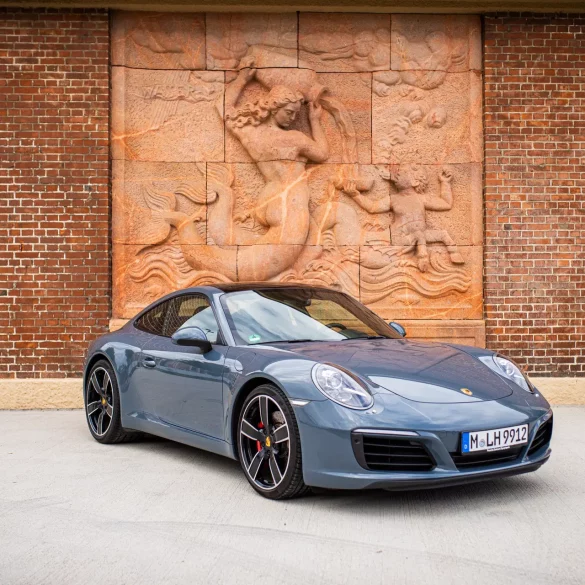
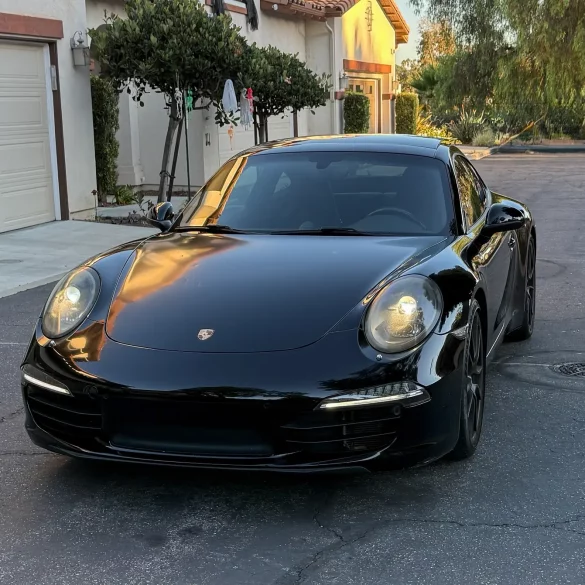
Engine character is the biggest divider. The 991.1 uses naturally aspirated flat-six engines across the Carrera range, and that defines its driving feel. Throttle response is immediate, power builds progressively, and the car rewards revs in a very linear, predictable way. You tend to work the engine harder, use more of the rev range, and feel more mechanically connected to what the rear wheels are doing. By contrast, the 991.2 introduced turbocharging to Carreras, which transformed how the car accelerates. The 991.2 feels significantly quicker in everyday driving, with a surge of torque available much earlier in the rev range. It’s easier to drive fast, but the power delivery is more compressed and less theatrical.
Steering feel and front-end feedback are subtly different. Both generations use electric power steering, but many drivers feel the 991.1 communicates more naturally at the limit. The front end feels slightly lighter and more talkative, especially when loading the car mid-corner. The 991.2’s steering is still precise and confidence-inspiring, but the extra torque and slightly heavier overall feel give it a more planted, serious demeanor rather than the playful balance the 991.1 often exhibits.
Chassis balance vs. outright speed. The 991.1 tends to feel more balanced and adjustable, particularly when driving enthusiastically on a winding road. You can modulate throttle and weight transfer more delicately, and the car feels eager to rotate without ever feeling nervous. The 991.2, with its added torque, is more dominant on corner exit and straight-line acceleration, but that torque can overwhelm the rear tires sooner if you’re careless. The result is a car that feels faster and more capable, but slightly less nuanced at lower speeds or when being pushed progressively.
Transmission behavior reinforces the difference. Manual gearboxes in the 991.1 feel especially rewarding because the engine encourages rev matching and gear selection as part of the experience. In the 991.2, the manual still works well, but the turbo torque means fewer shifts and less incentive to chase redline. PDK in the 991.2, however, is exceptionally well matched to the engine—quick, decisive, and always in the right gear—making the car devastatingly effective but more automated in feel.
Overall personality: driver’s car vs. performance tool. The 991.1 is often described as the more emotionally engaging car. It invites you to drive it harder, listen to the engine, and interact with the chassis. The 991.2 feels more modern and dominant, excelling in real-world speed, daily usability, and outright performance with less effort required from the driver. Neither is better universally—they simply appeal to different priorities.
In simple terms: Choose the 991.1 if you value engine sound, throttle response, and classic 911 engagement. Choose the 991.2 if you want faster acceleration, easier everyday performance, and a more modern, torque-rich driving experience. Both are excellent 911s—but they reward drivers in different ways.