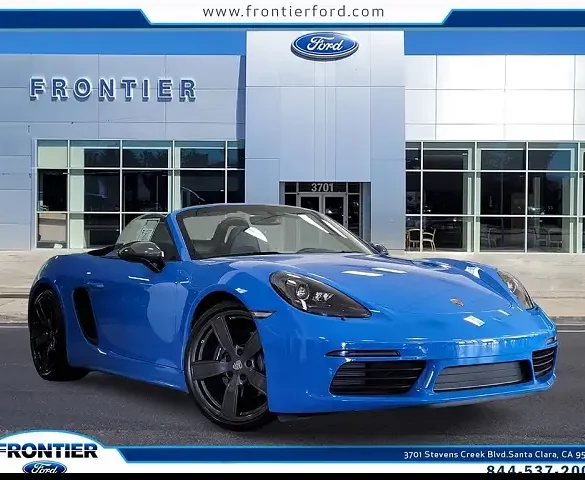
Vehicle Highlights Body StyleConvertible MPG City/Hwy21/27 Drive TypeRWD TransmissionAutomatic Engine4 Cyl FuelGasoline Interior ColorBlack Exterior ColorBlue Top Features DVD Keyless Entry Spoiler Heated Seats Wind...


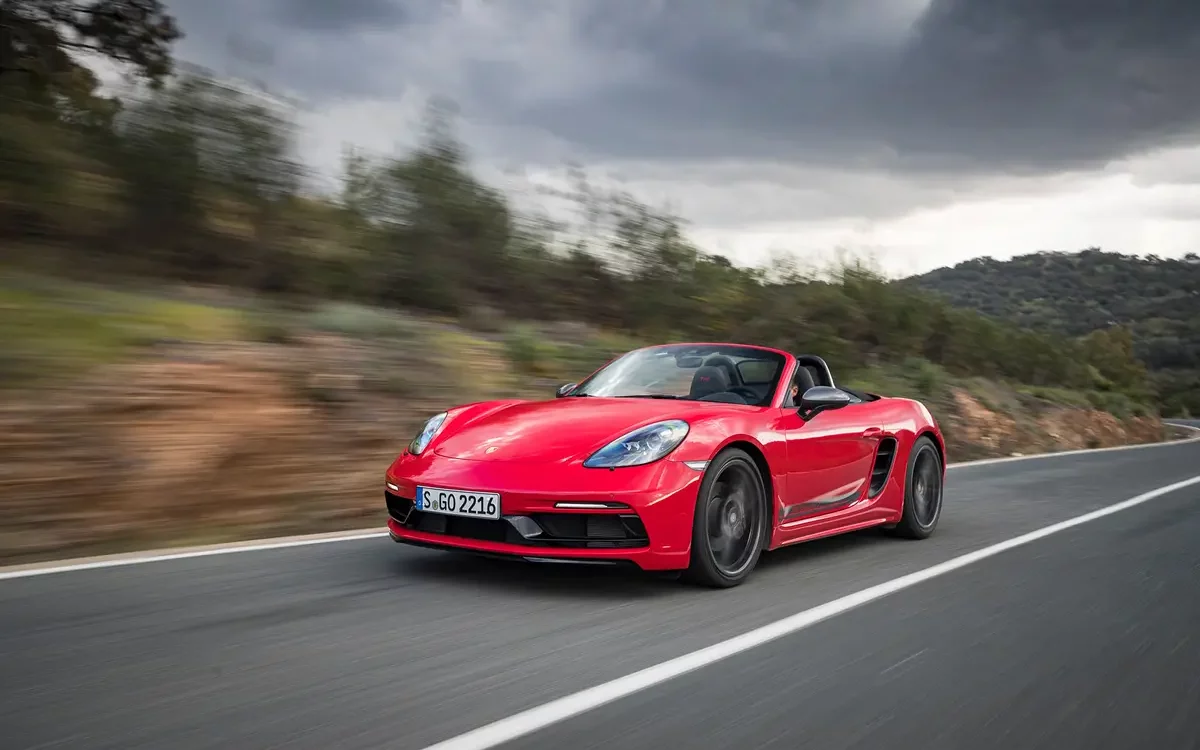
The Porsche 718 Boxster (982) represents a major turning point in the Boxster story. Introduced as the fourth-generation Boxster, the 718 brought turbocharged four-cylinder power to Porsche’s mid-engine roadster lineup, delivering stronger low-end torque, modern performance, and improved efficiency—while retaining the balance, precision, and everyday usability.
For buyers today, the 982 Boxster offers a compelling blend of modern technology, sharp handling, and real-world performance. It’s faster and more capable than previous base Boxsters, more refined for daily use, and still one of the best-handling sports cars in its class. Whether you’re shopping for a daily driver, a weekend roadster, or a modern Porsche.
Refine Search: All Boxsters / Base / Boxster S / Boxster T / Boxster GTS / Boxster Spyder / Boxster Spyder RS
Browse Porsche Boxster (982s) listed by our community alongside a curated selection of the most interesting and well-kept examples for sale across the web. We highlight only standout fourth generation Boxsters - making it easier to find the right car without the endless searching.
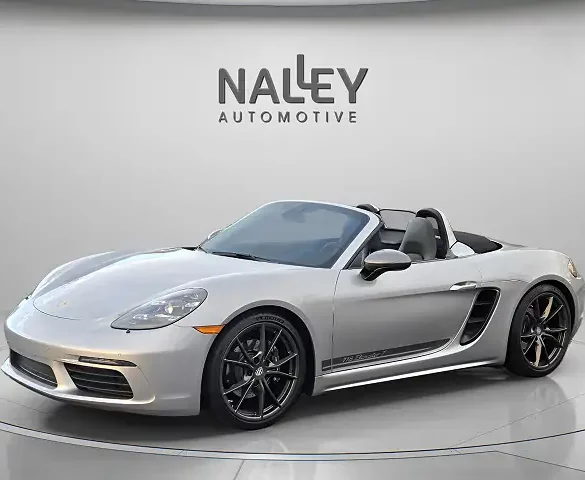
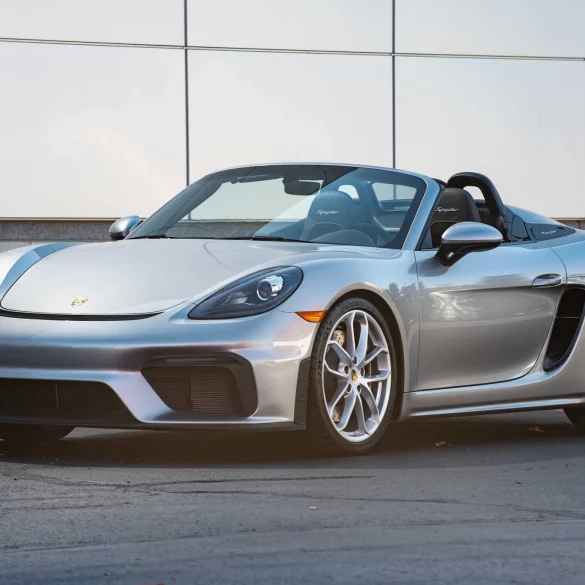
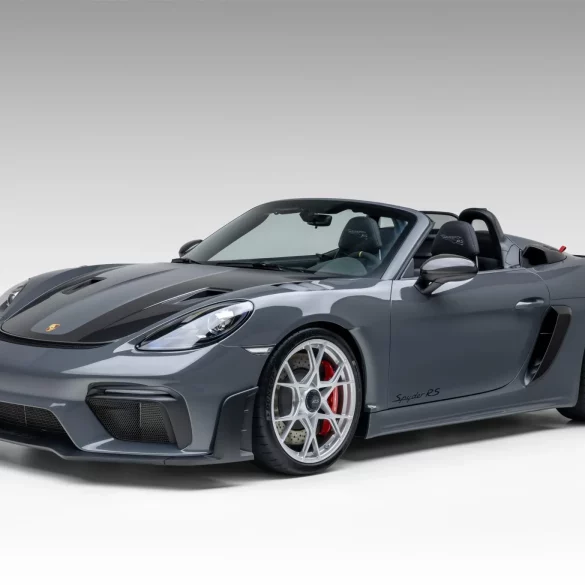
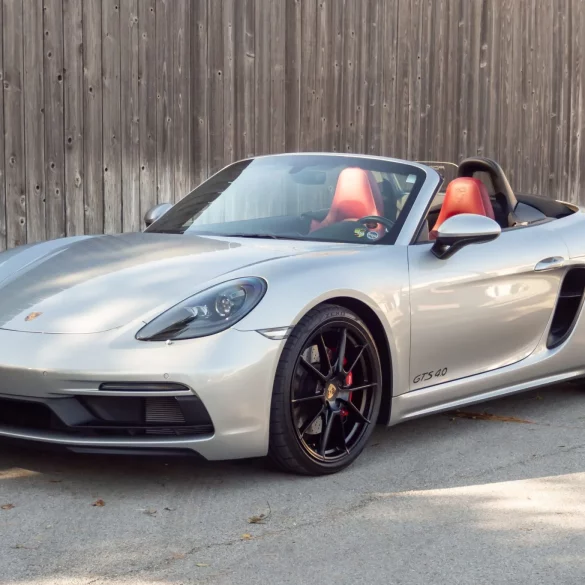
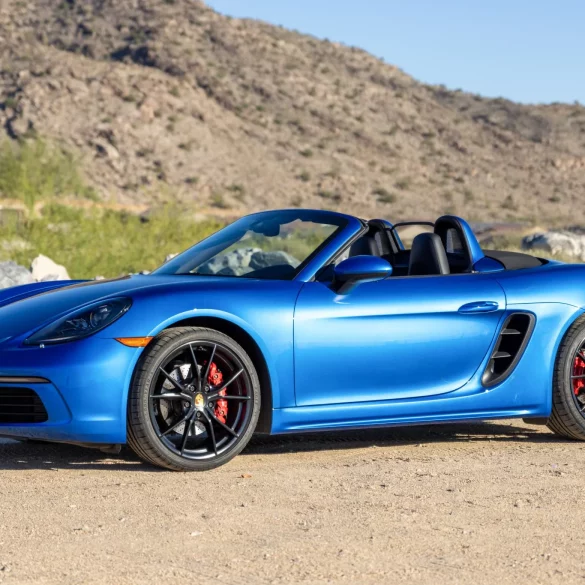
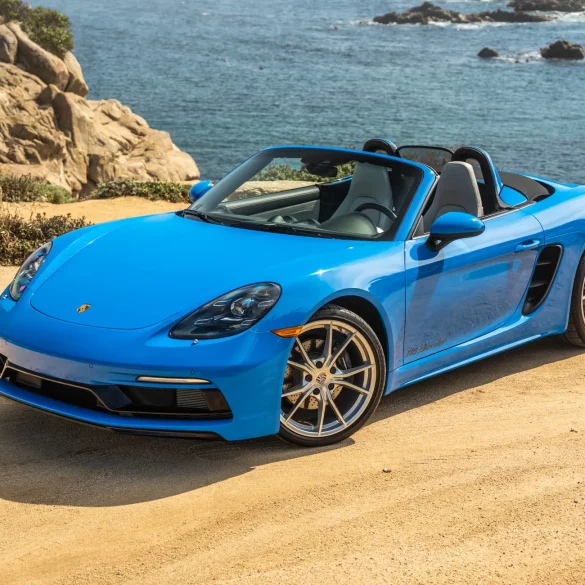
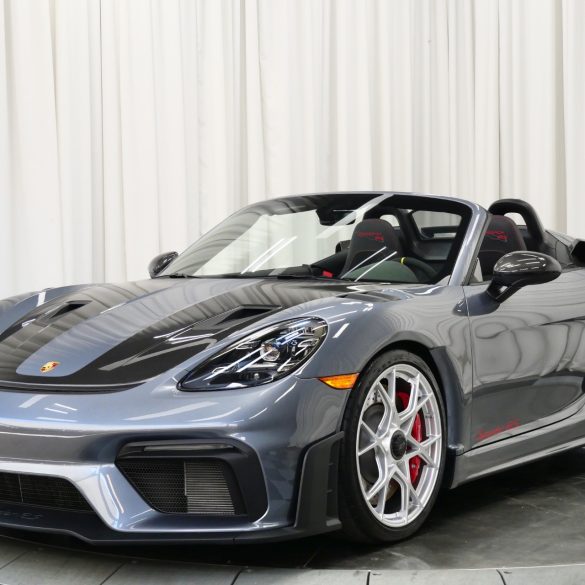
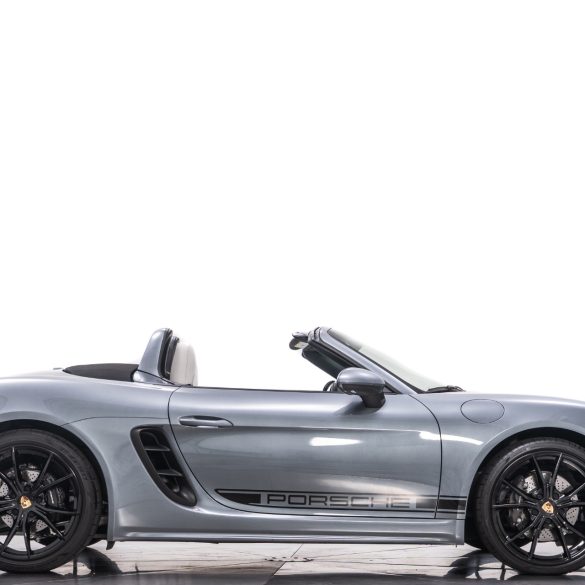
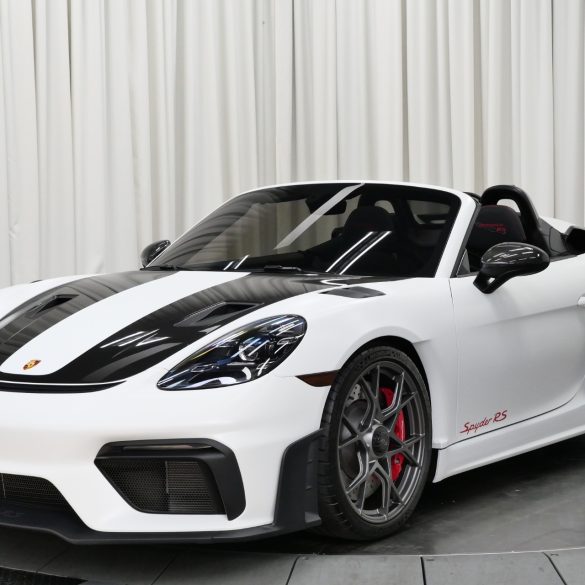
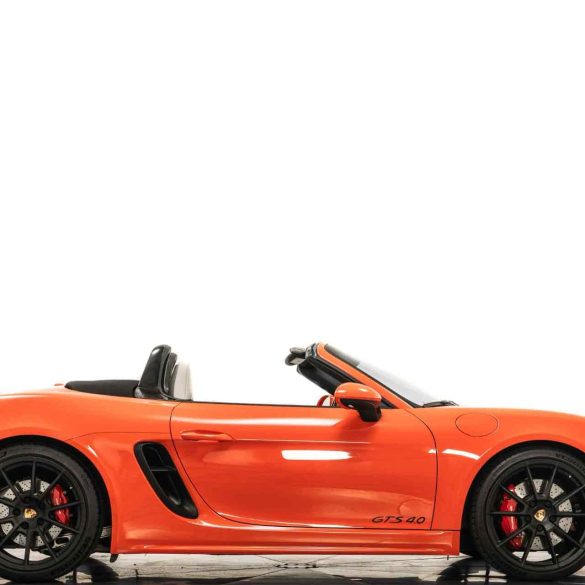
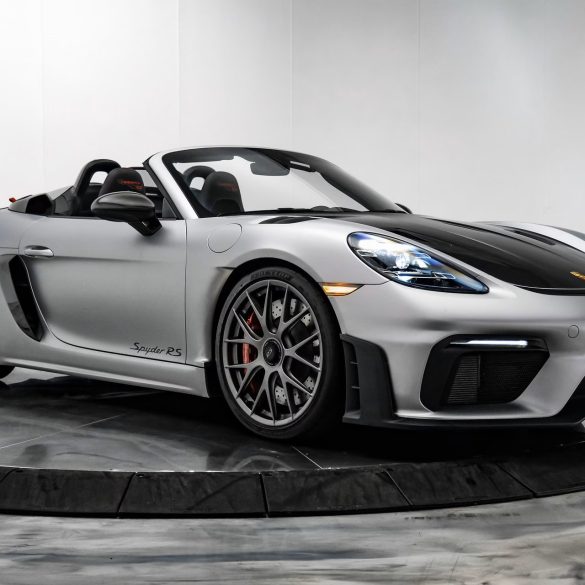
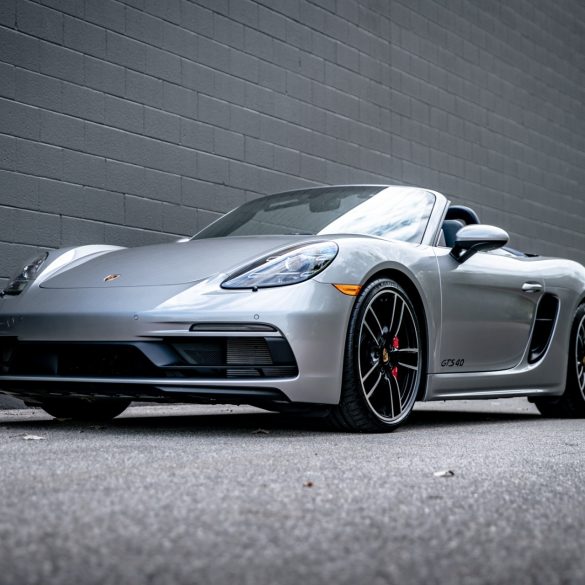
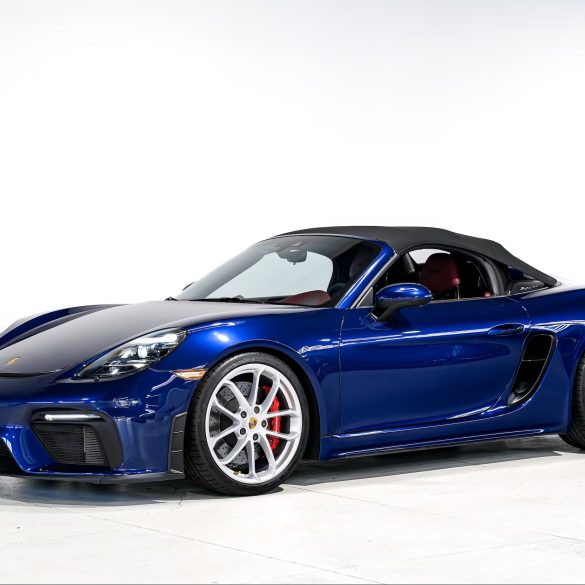
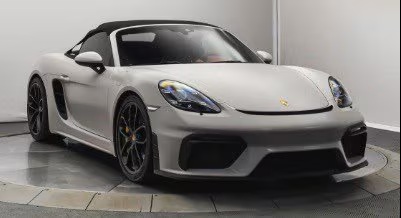
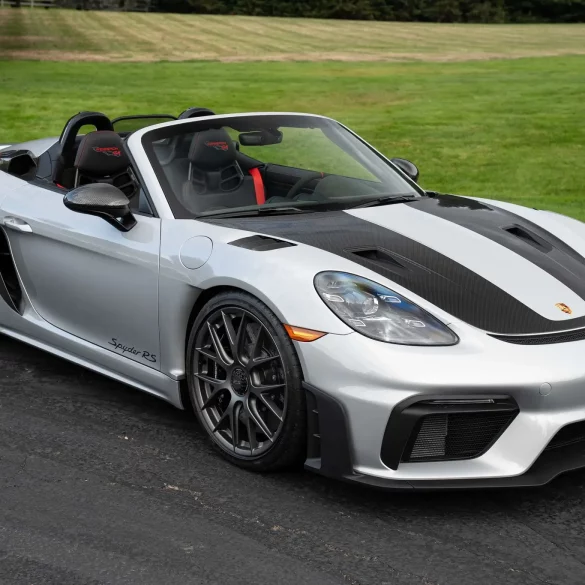
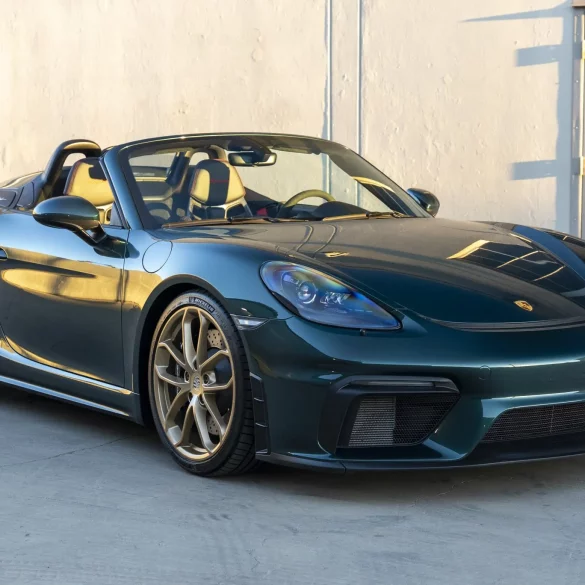
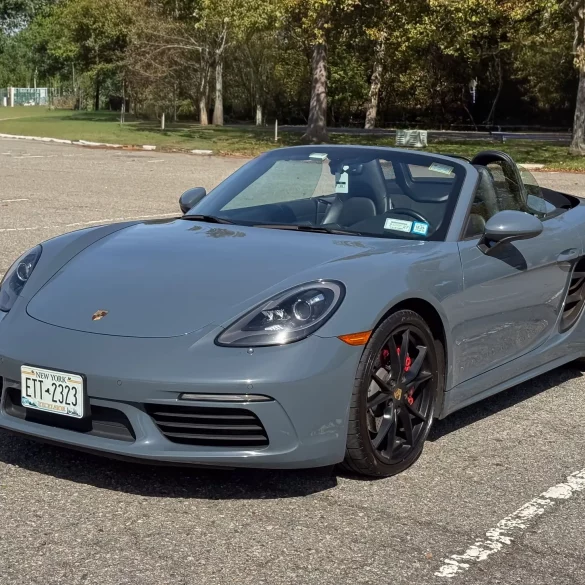
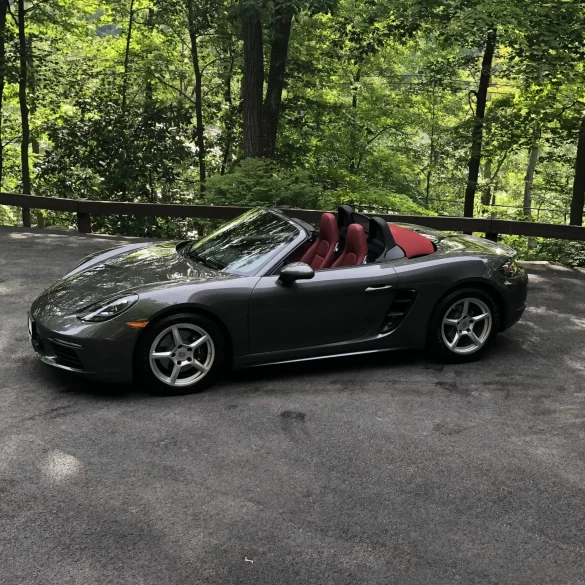
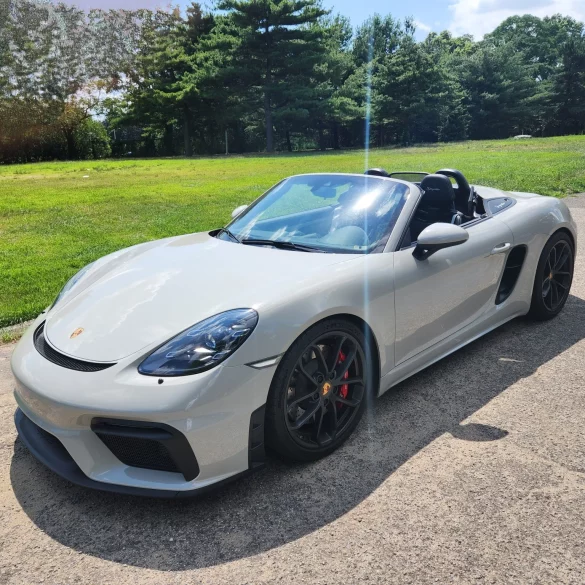
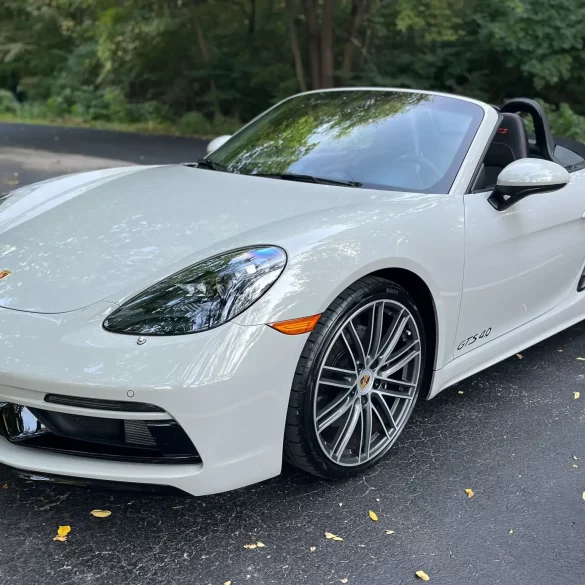
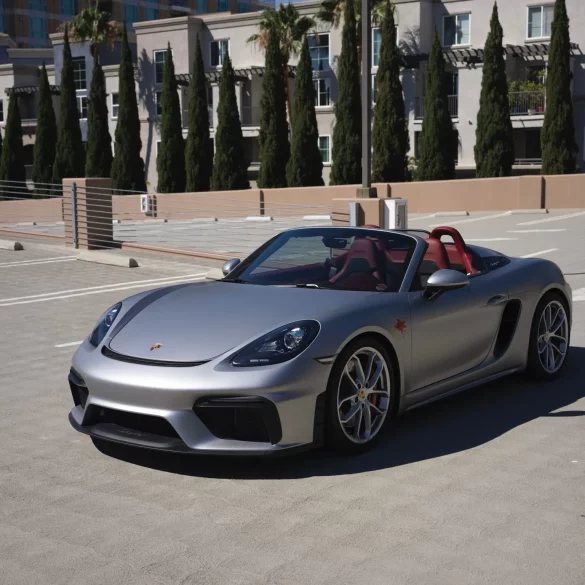
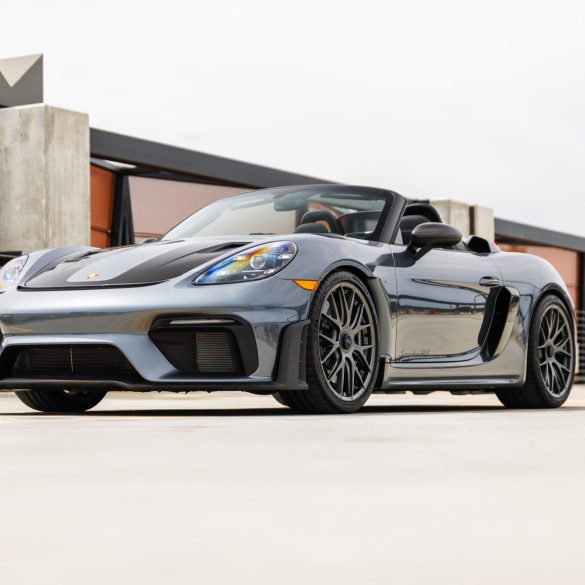
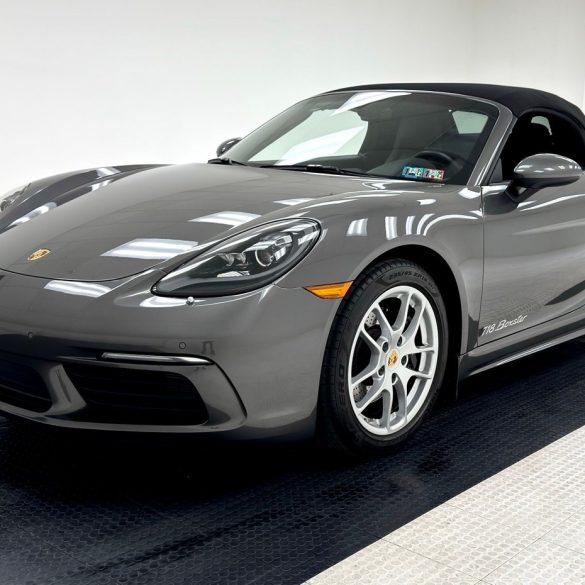
The 718 Boxster GTS 4.0 is widely regarded as the most desirable and best-value-retaining 982 Boxster. It brings back the beloved naturally aspirated 4.0-liter flat-six in a modern chassis, delivering a rich engine note, linear power delivery, and dynamic driving character that many purists feel is missing from the turbo-charged 4-cyl models. Because of this, clean, well-maintained GTS 4.0 examples attract strong enthusiast demand and tend to retain their value better than most other 982 trims.
Closely related to the GTS 4.0, the 718 Boxster Spyder is the track-oriented variant with a lighter weight focus and additional chassis upgrades. The Spyder also uses the 4.0-liter flat-six (shared with the GTS 4.0), and its more hardcore performance setup — including a sportier suspension and a focus on driving purity — earns it strong interest among buyers. Because of this niche appeal and limited production numbers compared to base models, Spyder values hold up well in the used market.
The 718 Boxster S (with the turbocharged flat-four) occupies a strong middle ground: more performance than the base 718, but not as pricey as the flat-six models. This variant offers solid power and strong everyday usability, and if the car has good service history and desirable options (PASM, Sport Chrono, lightweight wheels, etc.), it usually holds value reasonably well — especially relative to base 982 cars. Buyers who want sharp acceleration and handling without going to the highest trims often seek out the 718 S.
Across the 982 lineup, manual-transmission Boxsters (where available) tend to hold their value better than their PDK-only counterparts. Manual gearboxes are rarer, especially in enthusiast-focused trims like the GTS 4.0 or Spyder, and many buyers prize them for engagement and purity of experience. As manuals become less common, their desirability and relative value retention increase.
Base Porsche 718 Boxster (Turbo-4) — The entry-level 718 (with the smaller turbocharged four-cyl engine) offers an affordable way into modern Porsche ownership, but it typically holds value less strongly than the higher-performing S, GTS 4.0, or Spyder variants. Enthusiasts often favor more power and engagement, which softens demand for base trims in the used market.
Heavily Modified Cars (Any Trim) — Regardless of variant, Boxsters with extensive aftermarket modifications (engine tunes, body kits, suspension mods) tend to depreciate more quickly and attract fewer buyers than well-kept, original cars.
Performance & Character — The GTS 4.0 and Spyder bring back flat-six sound and feel, which appeals more to enthusiasts and collectors.
Rarity & Enthusiast Appeal — Manual transmissions, limited-run trims, and hard-to-find options make certain 982s more desirable.
Balanced Use — 718 S and well-optioned cars offer strong performance with good everyday usability — a combo that broadens the buyer base on resale.
2018–2023 718 Boxster (982) — Best All-Around Range The 982 718 Boxster was introduced for the 2017 model year and has been refined steadily through the following years. Most buyers and used-car guides point to 2018–2023 as a strong window for selecting a 718 Boxster, because these model years benefit from Porsche’s early production refinements and fewer initial “teething” issues compared with the very first year of a new generation. This generation—introduced in 2017 with the 718 name—brought turbocharged engines to the lineup and generally solid reliability when properly maintained.
Throughout those years, buyers have access to a wide range of variants (base 2.0 L, S, GTS, and later 4.0 variants) with incremental improvements in infotainment, chassis calibration, and dealer awareness of common 982 issues. Well-maintained examples from this range tend to be easier to inspect, have documented service history from multiple prior owners, and typically deliver the best balance of modern performance with used-car value.
Within the 2018–2023 window, GTS 4.0 and other flat-six powered versions are often considered among the best buys if you want a more emotional driving experience and stronger value retention. The 4.0-liter flat-six variants (like the GTS or Spyder) combine classic Porsche engine feel with the modern 718 chassis, and well-sorted used examples have broad enthusiast appeal. These trims typically hold their value well relative to base turbo-4 models due to rarity and desirability among purists.
The 2017 Boxster 718 — as the debut year of the 982 generation — is one model year some buyers approach with a bit more caution. First model years of new platforms frequently undergo minor revisions after initial owner feedback and early assembly issues are addressed. While there are no widespread serious reliability red flags specific to 2017 reported, early examples can exhibit minor quirks (software/infotainment behavior, calibration refinements, etc.) simply because they were the first iteration of the updated 718 format. A thorough pre-purchase inspection is especially important for 2017 cars to confirm there are no early issues.
Across the 982 run, the base 2.0 L turbo-four Boxster tends to depreciate more quickly than higher-trim or flat-six models. While these are perfectly capable sports cars, many enthusiasts and used-car shoppers prefer the stronger performance or sound of the 4.0-liter variants (GTS 4.0, Spyder). If long-term value retention is a priority — or if resale desirability is important — the base turbo-4 models are generally less sought after relative to their more powerful siblings.
Best Model Years/Lines to Target:
2018–2023 982 Porsche 718 Boxster: Sweet spot of refinement and used-market maturity.
2020–2023 Flat-Six Variants (GTS 4.0 / Spyder): Strong performance and enthusiast appeal — tends to hold value best.
Years/Specs to Be Cautious Of:
2017 models: First year on a new platform — fewer refinements, more potential early quirks.
Base Turbo-4 models (all years): Good everyday performance but softer long-term demand/resale compared with higher-trim/flat-six variants.
Regardless of year, the most important thing with a 982 Boxster is a clean maintenance history and pre-purchase inspection (PPI) — this generation has “very few mechanical issues” overall when compared with older Boxster generations, but proper service history dramatically reduces ownership risk.
One of the biggest talking points with the 982 Boxster is the engine choice: turbocharged 2.0- and 2.5-liter flat-four engines in the base 718 and 718 S, versus the naturally aspirated 4.0-liter flat-six in GTS 4.0, Spyder, and select higher trims. When shopping, understand how each engine performs and ages: turbo engines can deliver strong midrange torque, but they also add complexity (intercooler systems, boost plumbing, turbo bearings) that should be inspected closely for leaks, smoke on startup, or boost lag anomalies. The flat-six variants are generally simpler and often more desirable due to sound and character, but any used car — turbo or flat-six — should have documented oil-change history and a clean compression/leak-down report.
Most 982 Boxsters equipped with the PDK (dual-clutch gearbox) require regular transmission service to stay reliable for long-term ownership. Confirming documented PDK fluid and filter changes at the recommended intervals is essential, as skipping this maintenance can prematurely wear clutches or mechatronics. If you’re considering a manual, pay particular attention to clutch wear, smooth pedal engagement, and any unusual noises when shifting. Proper transmission servicing and inspection history reduce the risk of expensive future repairs.
Even though the 982 Boxster is newer than earlier generations, age and heat cycles can still take their toll on accessory components like water pumps, coolant expansion tanks, intercoolers (on turbo models), and thermostat housings. During a test drive, watch for stable temperature readings, no coolant smell, and thoroughly inspect hoses and plastic pieces for weakness or cracks. Because high cooling system repair costs can surprise buyers, a clean cooling inspection — including checking for dried residue or coolant staining — is vital.
The 982 Boxster benefits from an advanced chassis and suspension over earlier generations, but years of coil-over and bushing wear can dull ride quality and handling precision. On a test drive, look for smooth steering with no vague zones, check for knocks or clunks over bumps, and watch for uneven tire wear — all signs that suspension components may need attention. Optional systems like PASM (Porsche Active Suspension Management) should be tested in all available modes to make sure the adaptive dampers function properly; a reactive and composed suspension improves both daily driving and spirited cornering.
As with all Boxsters, the 982’s convertible top is a key ownership aspect. Test the top multiple times — it should operate smoothly, quietly, and completely with no hesitation in the motors or tails. Also inspect the soft-top fabric and seals for fading, staining, or tears, and check the drainage systems around the rear deck. Blocked drains can allow water into the cabin and damage electronics or trim pieces, so verify the car has no signs of interior dampness, musty odors, or discolored carpet — all of which signal past water intrusion.
Brake wear & rotor condition — Especially if the car has seen track use. Surface wear or scoring often indicates harder use.
TPMS / Tire condition — Uneven wear can highlight alignment or suspension issues.
Electronics / Infotainment — Ensure all screens, sensors, and driver assist features work; early 982 units sometimes had software quirks.
Body & Paint Matching — Look for consistent panel gaps and finish, signs of repainting, or evidence of minor collisions.
The Sport Chrono Package is one of the most sought-after options on the 982 Boxster. It includes dynamic driving modes (Normal, Sport, Sport Plus), a dashboard-mounted mode selector, a performance timer, and enhanced throttle/shift mapping. Sport Chrono sharpens throttle response and transmission behavior (especially with PDK), making the car feel significantly more engaging on twisty roads or track days. Because many buyers prioritize performance enhancements, it’s an option that often helps a car retain value.
PASM is an adaptive damping system that allows the Boxster to dial in a firmer, more controlled ride for performance driving or a softer, more comfortable ride for daily use. This flexibility makes the 718 feel sharper and more poised in a broader range of conditions. On the used market, cars with PASM tend to be more attractive because they offer both comfort and capability without aftermarket suspension upgrades.
The Limited-Slip Differential (LSD) helps improve traction and stability, especially during spirited driving or performance cornering. This option is highly prized by enthusiasts because it reduces wheel slip and improves power delivery to the pavement, making for a more confidence-inspiring and competent chassis. Because LSD directly enhances driving dynamics, it’s one of the options that helps the car appeal to more buyers later on.
Upgraded seats like Sport Seats Plus provide better bolstering and support during aggressive driving and long drives alike. Comfort-oriented features such as seat ventilation and heated seats add usability for everyday driving and climates with heat or cold. Higher-end seating often shows up in buyer checklists as a must-have, making these options particularly valuable when evaluating used cars.
While standard brakes are more than adequate for most use, optional Sport Brakes and especially Porsche Ceramic Composite Brakes (PCCB) deliver exceptional stopping power, fade resistance, and lighter unsprung weight. These upgrades are especially desirable if you plan to drive aggressively or take the car to occasional track days. In the pre-owned market, cars equipped with robust brake packages tend to hold value better due to the enhanced performance potential.
A high-end audio system (such as Burmester® or BOSE®) is a solid comfort/tech upgrade that many buyers look for in a used car — especially those who enjoy daily driving or touring. Factory-installed premium audio tends to be more reliable and better integrated than aftermarket systems, making it an attractive resale feature.
The optional Porsche Head-Up Display projects important information (speed, navigation cues, etc.) onto the windshield. HUD enhances both safety and convenience, and buyers on the used market often consider it a valuable comfort/tech bonus.
While sports cars aren’t typically bought for tech, adaptive cruise control and other driver assist features (like lane-keeping assist) make the 982 significantly easier to live with on long drives and daily commutes. These options broaden a 718’s appeal and can make resale easier with a wider potential buyer pool.