

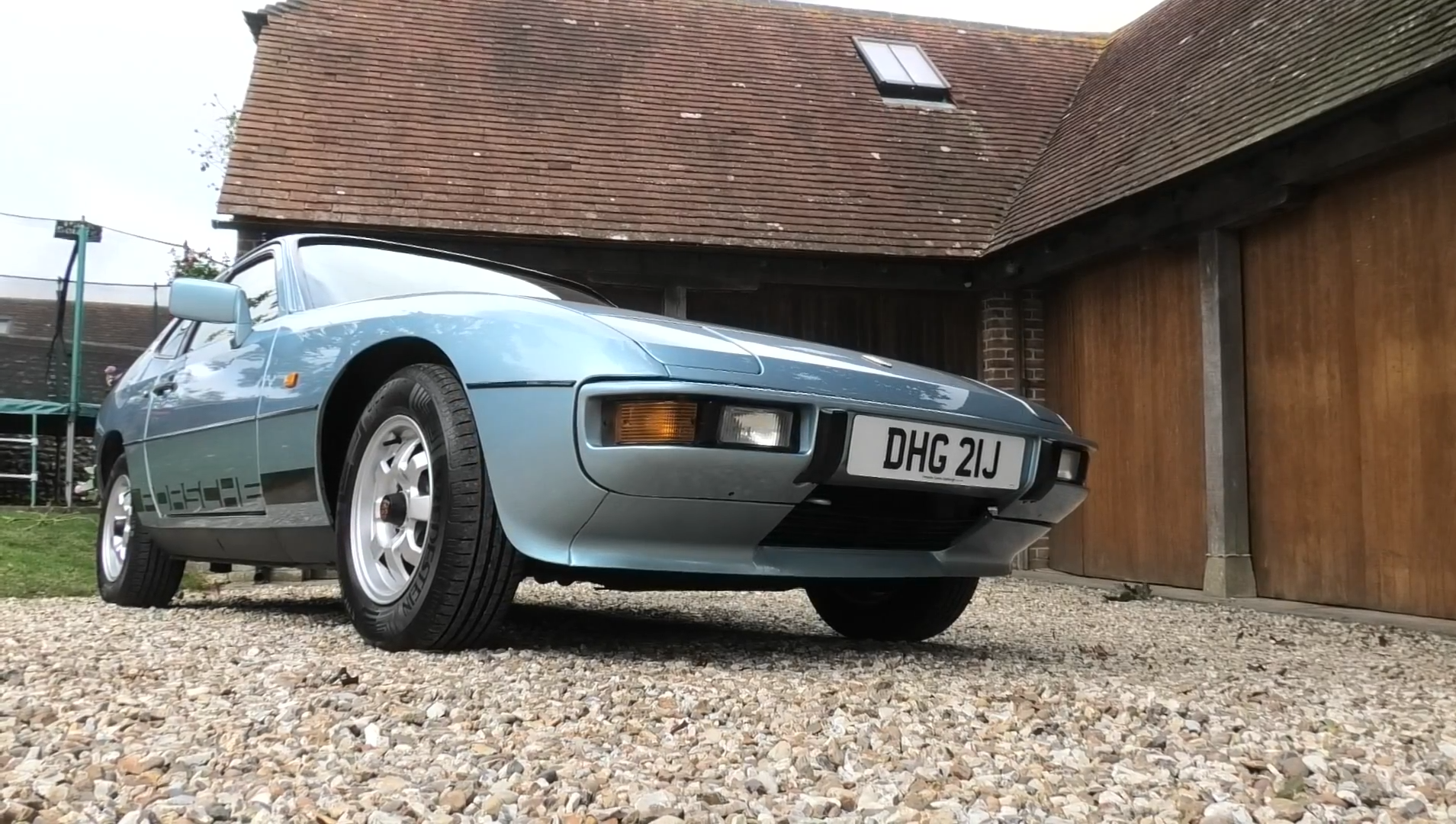
The Porsche 924 is often dismissed, but a drive in a well-kept example quickly exposes how misunderstood it really is. This 1981 car, immaculate despite its 40 years, shows why the 924 matters—not just to Porsche history, but as a driver’s car today.
Originally conceived as a joint Volkswagen–Porsche project, the 924 was taken over by Porsche after VW pulled out following the 1973 oil crisis. The result was Porsche’s first front-engined, water-cooled, transaxle sports car, launched in 1976 as a replacement for the 914. Its 2.0-litre inline-four came from Audi, paired with a rear-mounted gearbox to create near-perfect weight distribution. That layout laid the foundation for the later 944 and beyond.
From the driver’s seat, the 924 feels purpose-built. You sit low, the steering wheel is flat and unadjustable, and the inverted rev counter hints at motorsport intent. It isn’t fast by modern standards, but that misses the point. The steering is light and communicative, the chassis balanced, and the car feels eager on flowing roads. With roughly 48:52 weight distribution, it turns in cleanly and carries speed with confidence.
Ownership is classic-car reality: maintenance is constant, and parts like the fuel system aren’t cheap to refresh. Still, much of it relies on readily available Volkswagen and Audi components, making it more usable than its reputation suggests. Add a huge hatchback boot and everyday drivability, and the 924 proves its worth.
This car didn’t just broaden Porsche’s audience—it helped secure the company’s future. Written off for decades, the 924 now stands revealed as a genuine, rewarding Porsche that deserves a second look.
Source: Petrol Ped