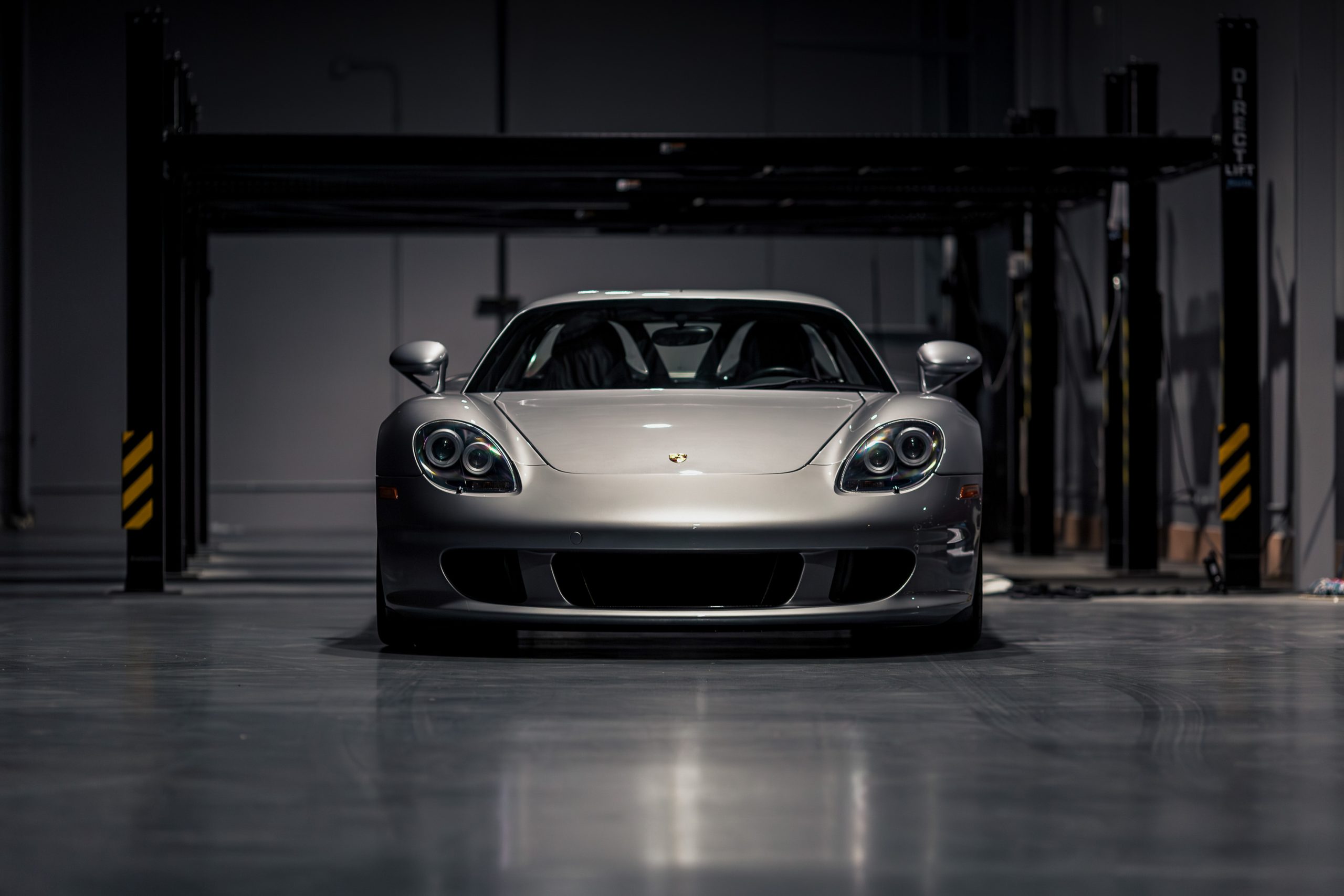

The Forgotten & Most Underrated Porsches
While the 911 dominates the headlines, there is a subculture of collectors who find more satisfaction in the "misfits." These cars were often underappreciated when new due to styling shifts, economic crises, or simply being overshadowed by the 911’s silhouette.
What are the best buying opportunities in the Porsche market? We ask the experts to pick the unloved and forgotten Porsches.
The wide array of available Porsche models may overwhelm a new enthusiast. We hope to narrow the options and make the selection task a little easier. We asked our team of Porsche experts and enthusiastic members and they didn't let us down. This page is a culmination of their opinions and experience. If you're shopping for a Porsche that is truly underrated or not loved but is still awesome, this is the page for you.
Under the Radar Porsche Cars To Think About
Buying a Porsche has never been easier—and paradoxically, it’s never been more predictable. The internet has a way of narrowing taste, amplifying consensus, and turning a handful of “approved” models into the default answers. GT cars, RS badges, halo models—there’s nothing wrong with them. But if you scratch beneath the surface of Porsche history, you’ll find a much richer, more interesting set of cars that most buyers simply overlook.
This list exists for people who don’t want to follow the crowd. These are the Porsches that get ignored because they sit between eras, lack fashionable badges, or challenge preconceived ideas of what a “proper” Porsche should be. They aren’t poster cars or social-media trophies. They’re cars you buy because you understand why Porsche built them—and because you actually intend to drive them.
Our perspective is shaped by ownership, not nostalgia. We’re not approaching this as armchair historians or speculators chasing the next auction headline. We’ve lived with these cars, driven them hard, maintained them, and compared them honestly to the models everyone tells you to buy instead. That changes the conversation. When you value steering feel, balance, mechanical clarity, and long-term usability, a very different set of Porsches starts to look compelling.
Many of these cars were misunderstood when new. Some were overshadowed by flashier siblings. Others arrived during awkward transition periods—new regulations, new technologies, new directions for Porsche as a company. History tends to punish those cars in the short term and reward them later. That’s exactly where opportunity lives: in models that were engineered with intent, but never given the cultural spotlight they deserved.
This isn’t about contrarianism for its own sake. It’s about recognizing that Porsche’s greatness has never been limited to its most famous models. If you want a Porsche that delivers real driving satisfaction, long-term value, and the quiet confidence that comes from choosing substance over hype, these are the ones to buy.
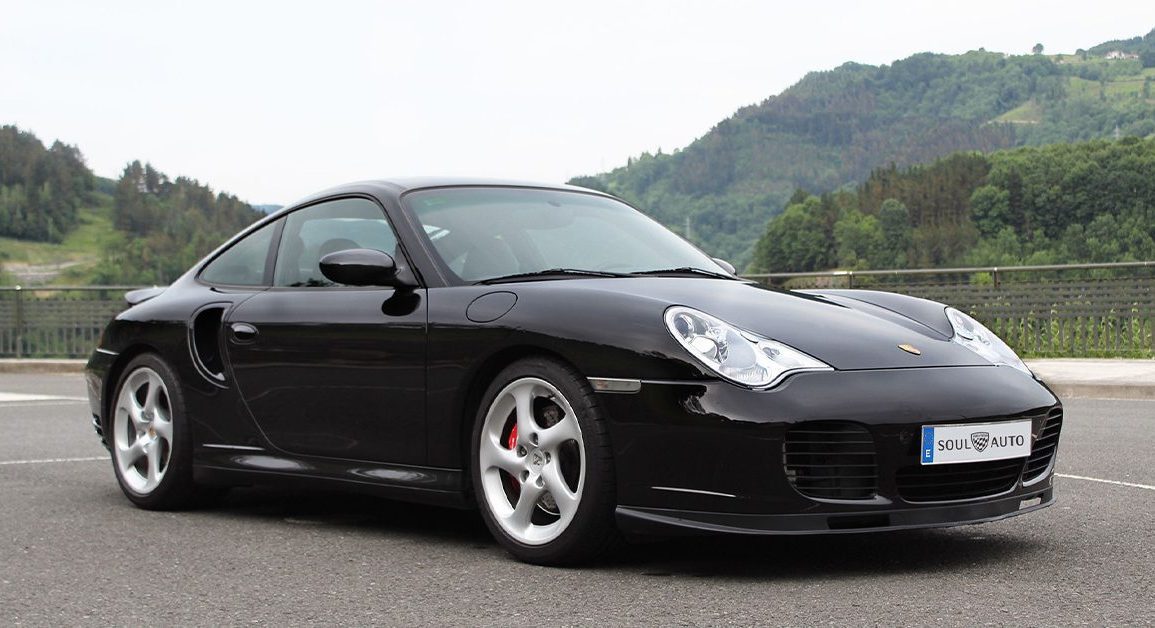
Forgotten & Underrated 911s.
These are the 911s that history skimmed past. Not rare enough to be worshipped, not flashy enough to be hyped—but engineered with the same rigor and intent as the models everyone chases. If you want the authentic 911 experience without the tax of consensus, this is where the smart money looks.
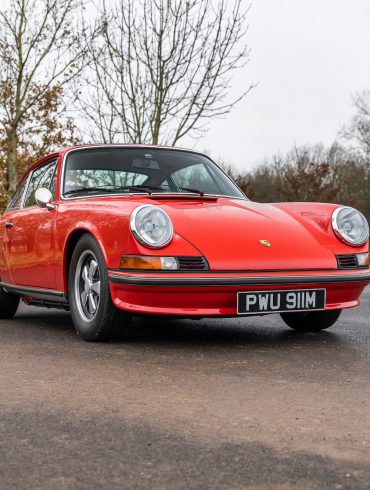
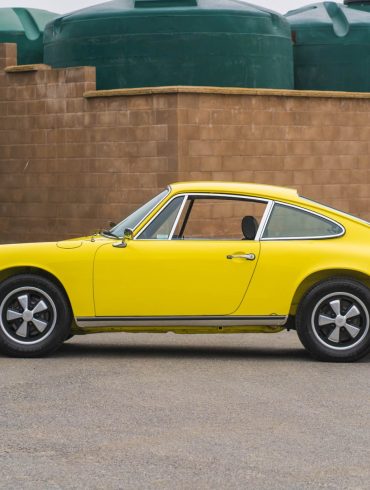
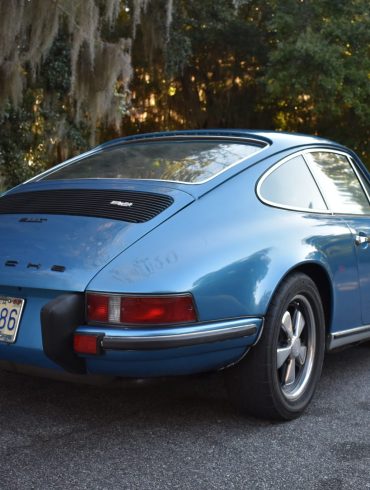
The "Transitional" 911: 1973.5 911T
It is a "half-year" car. Most collectors want the earlier "pure" 1973 or the later "impact bumper" cars.
What Makes It Special
The 911 Everyone Skips—And the One Smart Enthusiasts Actually Drive
The 1973.5 Porsche 911T is one of the most quietly misunderstood cars in the entire 911 lineage. As a half-year “transitional” model, it lives in the shadow of two far more celebrated neighbors: the early-1973 long-hood cars revered for purity, and the later impact-bumper G-Series cars prized for durability. As a result, the 1973.5 911T is often dismissed as neither one thing nor the other—which is precisely why it’s undervalued.
What makes the 1973.5 car unique is that it represents Porsche engineering in mid-evolution, not ideology. This was the first 911 to receive Bosch CIS (Continuous Injection System), a move driven by emissions and drivability rather than performance marketing. Purists criticized it at the time, but in practice CIS transformed the 911 into a more usable, more reliable, and more consistent car—especially in real-world conditions. Cold starts improved, drivability smoothed out, and maintenance became simpler over time.
From behind the wheel, the 1973.5 911T still feels unmistakably classic. It retains the long-hood body, light weight, mechanical controls, and intimate dimensions that define early 911s. Steering is pure, throttle response is predictable, and the car rewards momentum and finesse. Yet compared to earlier MFI cars, it is less temperamental and far easier to live with—making it one of the most usable early 911s you can actually enjoy regularly.
From a collector and buyer perspective, the 1973.5 911T occupies a rare sweet spot. It offers authentic early-911 character without the price premium, mechanical fussiness, or fragility associated with pre-’73 cars. As collectors increasingly separate “cars to preserve” from “cars to drive,” the 1973.5 T is quietly gaining appreciation—not as a museum piece, but as one of the smartest entry points into classic 911 ownership.
Key Data & Specifications
Engine: 2.4-liter air-cooled flat-six
Fuel System: Bosch CIS (first year)
Power: ~140 hp
Transmission: 5-speed manual (915)
Drivetrain: Rear-wheel drive
Weight: ~2,350 lbs (approx.)
Production & Market
Production Numbers: Limited to half-year run (exact totals vary by market)
Expected Price Today: ~$85k–$130k depending on condition, originality, and history
Known For
Being the only long-hood 911 with CIS fuel injection
Offering classic 911 feel with improved real-world drivability
The "Forgotten" Factor
It is a "half-year" car. Most collectors want the earlier "pure" 1973 or the later "impact bumper" cars.
Why it's Underrated
It is arguably the most drivable and reliable "Longhood" ever made, offering the classic thin-pillar aesthetic with modern starting and idling manners.
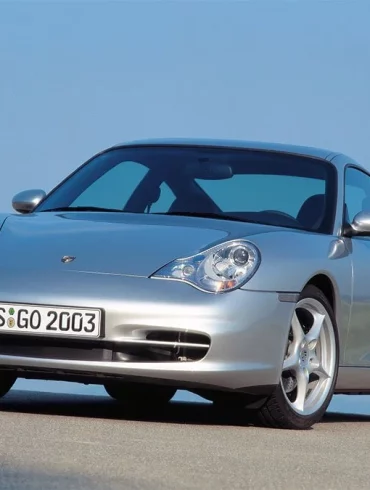
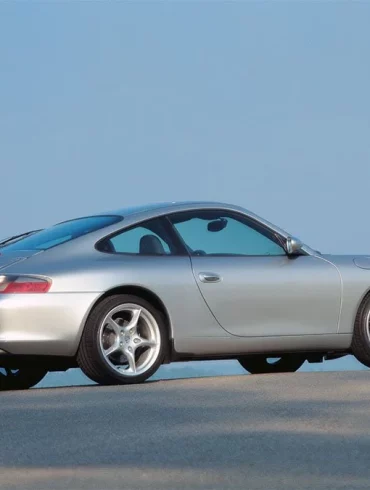
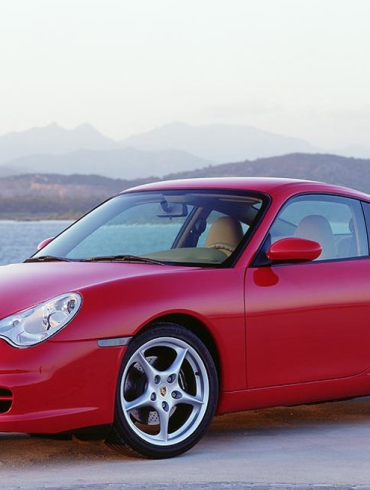
The "Unloved" 911: Porsche 996.2 Carrera (Manual)
The Best-Driving Modern 911 Nobody Wants to Admit They Love
What Makes It Special
The Porsche 996.2 Carrera (manual) is the most unfairly maligned great 911 Porsche has ever built. By the time the facelift arrived for 2002, the initial shock of water-cooling and “fried-egg” headlights had already done their damage to the 996’s reputation. Collectors moved on emotionally, even as Porsche quietly delivered a car that was better built, better driving, and more resolved than nearly anyone noticed.
What separates the 996.2 from earlier cars is refinement without dilution. Power increased, interior quality improved significantly, cooling and reliability were sorted, and the chassis tuning reached a sweet spot Porsche would not revisit until much later. Crucially, this generation retains hydraulic steering, compact dimensions, and a curb weight modern 911s can only dream of. The result is a car that feels light on its feet, transparent in its feedback, and genuinely engaging at real-world speeds.
On the road, a manual 996.2 Carrera is a reminder of what made the 911 special before size and complexity took over. Steering feel is rich and talkative, the rear engine still influences the car’s behavior in a way you can feel and manage, and the engine—while not exotic—delivers linear, usable power that encourages revs rather than brute force. It’s not a car that flatters inattentive drivers, but it rewards those who drive with intent.
From a buyer and collector perspective, the 996.2 Carrera manual sits squarely in undervalued inevitability territory. Prices remain suppressed by aesthetics and lingering stigma rather than substance. Yet mechanically honest, well-maintained examples are increasingly appreciated by drivers who care more about feel than fashion. As the market continues to separate “internet narratives” from actual driving experience, the 996.2 manual is quietly becoming one of the smartest modern classic 911 buys available.
Key Data & Specifications
Engine: 3.6-liter naturally aspirated flat-six
Power: ~320 hp
Torque: ~273 lb-ft
Transmission: 6-speed manual
Drivetrain: Rear-wheel drive
Weight: ~3,050 lbs (approx.)
0–60 mph: ~4.8 seconds
Production & Market
Production Numbers: High (which is part of the stigma—and the opportunity)
Expected Price Today: ~$35k–$55k depending on mileage, condition, and service history
Known For
Delivering exceptional steering feel and chassis balance
Being the most undervalued manual modern-era 911
The "Forgotten" Factor
Forgotten for a long time, collectors are finally looking past the headlights toward the narrow-body, rear-wheel-drive manual as the last "affordable" pure 911 experience.
Why it's Underrated
It is the lightest water-cooled 911, offering a raw, mechanical connection that the later, more refined 997 lacks.
The 911 "Standard": 911 SC (Super Carrera)
The 911 That Was Never Special—And Quietly Became One of the Best
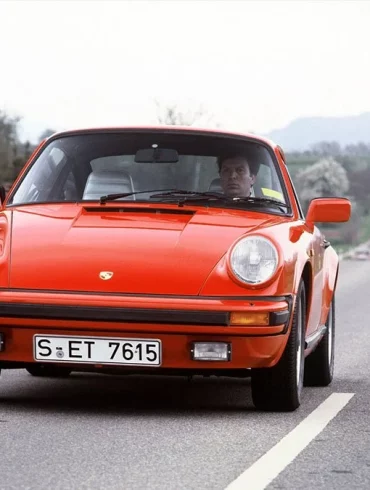
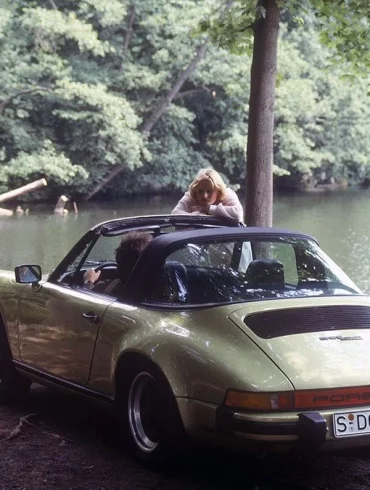
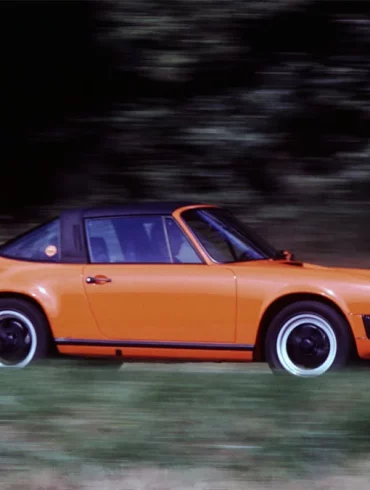
What Makes It Special
The Porsche 911 SC (Super Carrera) is the definition of an uncelebrated hero. It wasn’t the fastest 911, the rarest, or the most exotic—and that’s exactly why it’s been overlooked for decades. Built during a period when Porsche itself wasn’t even sure the 911 would survive, the SC was engineered to be durable, compliant, and globally viable rather than romantic. Ironically, that pragmatism is precisely what makes it one of the best classic 911s to own and drive today.
What separates the SC from earlier long-hood cars and later Carreras is robustness. Porsche overbuilt the 3.0-liter engine to meet tightening emissions and durability requirements, resulting in one of the most reliable air-cooled flat-sixes ever produced. Galvanized bodies improved rust resistance dramatically, build quality tightened, and the cars were designed to tolerate real-world use rather than occasional fair-weather driving. This was Porsche engineering for survival, not spectacle.
On the road, the 911 SC delivers an honest, confidence-inspiring experience that rewards drivers of all skill levels. Power delivery is linear and tractable, steering remains hydraulic and communicative, and the chassis is predictable rather than edgy. It lacks the razor sharpness of an RS or the drama of a Turbo—but it compensates with balance, approachability, and a sense that you can drive it every day without fear or fuss.
From a buyer and collector standpoint, the SC represents one of the most sensible entries into classic 911 ownership. Values have risen, but they remain grounded compared to earlier long-hood cars or special variants. Importantly, the SC is increasingly recognized not as a compromise, but as the baseline against which usable classic 911s are judged. It is the car that kept the 911 alive—and in doing so, became a classic in its own right.
Key Data & Specifications
Engine: 3.0-liter air-cooled flat-six
Power: 180 hp (early) to 204 hp (later)
Torque: ~175–188 lb-ft
Transmission: 5-speed manual (915)
Drivetrain: Rear-wheel drive
Steering: Hydraulic
Weight: ~2,650 lbs (approx.)
Production & Market
Production Numbers: ~58,000 cars
Expected Price Today: ~$45k–$80k depending on year, condition, and originality
Known For
Having one of the most durable air-cooled 911 engines ever built
Saving the 911 line during Porsche’s most uncertain era
The "Forgotten" Factor
For a long time, the SC was the "cheap 911." It was the car people bought to turn into "outlaws" or race cars. The SC’s engine is "overbuilt" and arguably the most bulletproof air-cooled motor Porsche ever produced.
Why it's Underrated
Because of that, original, unmolested 911 SCs are becoming rarer than the more "desirable" 3.2 Carreras.
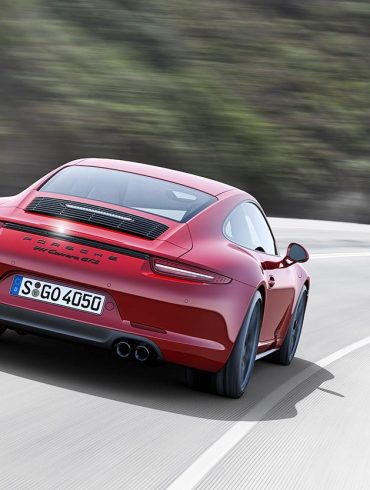
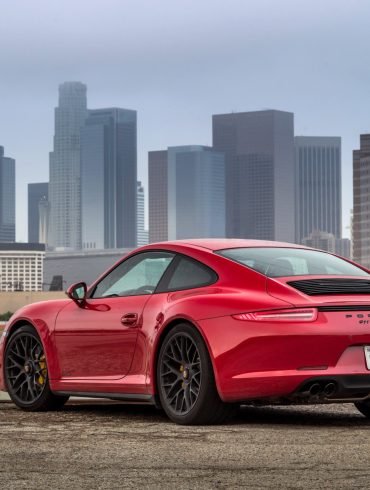
Porsche 911 Carrera GTS (991.1) Manual
The Last Naturally Aspirated, Hydraulic-Steering Carrera—and One of the Smartest 911s You Can Buy
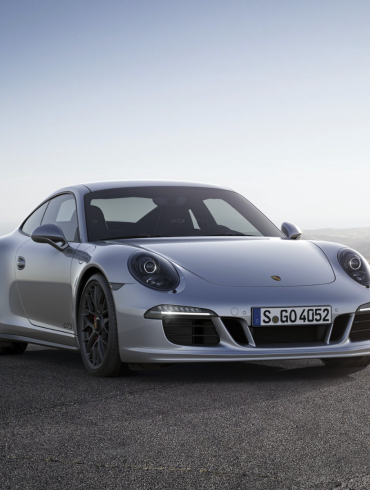
What Makes It Special
The Porsche 911 Carrera GTS (991.1) with a manual transmission is one of the most quietly exceptional modern 911s Porsche has ever built—and one that most buyers still overlook. Sitting between the Carrera S and the GT cars, the 991.1 GTS never shouted for attention. Instead, it delivered a perfectly judged blend of performance, usability, and mechanical feel that makes it arguably the best “real-world” 911 of the modern era.
What makes the 991.1 GTS special is timing. It arrived at the exact intersection where Porsche’s old and new philosophies briefly overlapped. The naturally aspirated 3.8-liter flat-six delivers linear power and real sound, while the chassis still uses hydraulic steering, providing feedback later electric systems simply cannot replicate. At the same time, the car benefits from modern rigidity, refinement, and reliability—making it usable every day without feeling diluted.
On the road, a manual 991.1 GTS feels effortlessly right. Steering is weighted and communicative, the engine rewards revs rather than torque spikes, and the car flows down a road instead of overwhelming it. It’s fast without being intimidating, engaging without being demanding, and polished without losing personality. Many experienced drivers quietly admit this is the 911 they’d actually want to live with long term.
From a buyer and collector perspective, the 991.1 GTS manual sits in hidden-gem territory. Later 991.2 cars went turbocharged, losing sound and immediacy. Earlier cars lack the GTS’s cohesion. GT models command premiums and demand compromises. The 991.1 GTS, meanwhile, offers a closed-loop formula Porsche will never repeat: NA engine, hydraulic steering, manual gearbox, and modern build quality. As buyers increasingly prioritize feel over figures, this car’s appeal is only growing.
Key Data & Specifications
Engine: 3.8-liter naturally aspirated flat-six
Power: ~430 hp
Torque: ~325 lb-ft
Redline: ~7,800 rpm
Transmission: 7-speed manual
Drivetrain: Rear-wheel drive
Weight: ~3,250 lbs (approx.)
0–60 mph: ~4.0 seconds
Production & Market
Production Numbers: Moderate (manuals are a minority)
Original MSRP: ~$114,000 USD
Expected Price Today: ~$95k–$130k depending on mileage, spec, and condition
Known For
Being the last naturally aspirated, hydraulic-steering Carrera
Delivering near-GT engagement with true daily usability
The "Forgotten" Factor
For enthusiasts who want a modern 911 that still feels mechanical, alive, and deeply connected, the 991.1 Carrera GTS isn’t a compromise. It’s a quiet endgame—and one of the best-kept secrets in the entire 911 lineage.
Why it's Underrated
The 991.1 GTS manual suffers from being too well-rounded. It isn’t rare enough to be exotic, extreme enough to be a GT car, or controversial enough to spark debate. But Porsche history consistently rewards cars that get the fundamentals exactly right—and this one does.
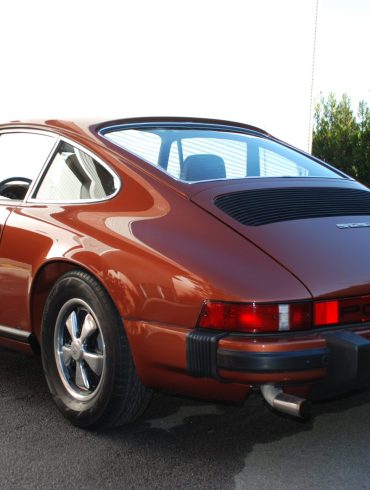
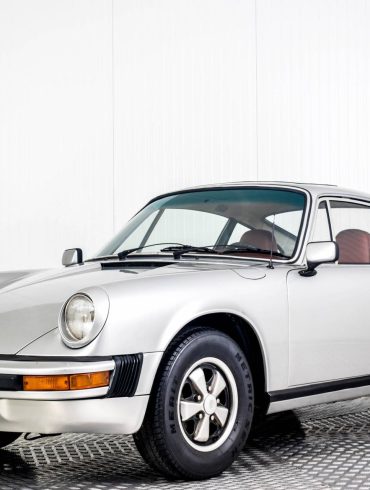
The Four-Cylinder 911: Porsche 912E (1976)
The 911 Nobody Wanted—And One of the Smartest Air-Cooled Buys Today
What Makes It Special
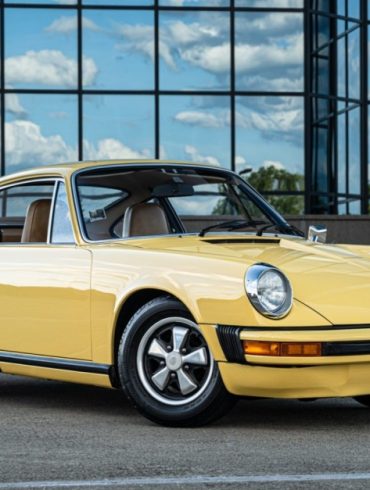
The Porsche 912E occupies a strange and often misunderstood corner of 911 history. Built for just one year and only for the U.S. market, the 912E arrived as a stopgap—bridging the end of the original 912 and the arrival of the 924. Because it didn’t fit the mythology of the flat-six 911, it was ignored almost immediately. Decades later, that oversight has turned the 912E into one of the most quietly compelling forgotten air-cooled Porsches you can buy.
What makes the 912E special isn’t what it lacks—it’s what it keeps. You get the full G-body 911 chassis, classic proportions, hydraulic steering, and air-cooled simplicity, paired with a lighter four-cylinder engine derived from the 914. The result is a car that weighs less over the rear axle, feels more neutral at the limit, and delivers a driving experience closer to early short-wheelbase 911s than its era suggests.
On the road, the 912E is all about momentum and balance. Power is modest, but throttle response is immediate, steering is beautifully communicative, and the car rewards smooth inputs rather than brute force. It’s the kind of 911 you can push hard without intimidating speeds—making it deeply satisfying on back roads and far less stressful to own than more powerful contemporaries.
From a buyer and collector standpoint, the 912E sits in a rare value pocket. It offers authentic 911 ownership, air-cooled charm, and everyday usability at prices that remain well below comparable SCs and Carreras. As collectors increasingly recognize that driving enjoyment isn’t measured in cylinder count, the 912E is being re-evaluated not as a compromise—but as the thinking enthusiast’s 911.
Key Data & Specifications
Engine: 2.0-liter air-cooled flat-four (914-derived)
Power: ~90 hp
Torque: ~100 lb-ft
Transmission: 5-speed manual (915)
Drivetrain: Rear-wheel drive
Weight: ~2,300 lbs (approx.)
Body Style: G-body 911
Production & Market
Production Numbers: ~2,100 cars (U.S. only)
Original MSRP: ~$10,800 USD (1976)
Expected Price Today: ~$45k–$70k depending on condition, originality, and documentation
Known For
Being the only G-body 911 sold with a four-cylinder engine
Delivering classic 911 feel with improved balance and usability
The "Forgotten" Factor
The 912E was never meant to be aspirational—it was meant to keep Porsche alive in a difficult regulatory moment. That practicality is exactly what gives it character today. It represents a time when Porsche prioritized balance, efficiency, and driving feel over prestige.
Why it's Underrated
This car only existed for one year as a gap-filler between the 914 and the 924. It’s a 911 body with a VW-sourced 2.0L Type 4 engine. Only 2,099 were built. It is technically one of the rarest production Porsches ever made.
Porsche 911 Carrera S (997.1) Manual
The Last Truly Analog Modern 911—and the One Everyone Overthinks
What Makes It Special
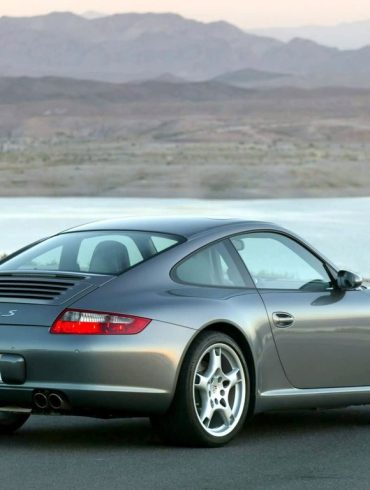
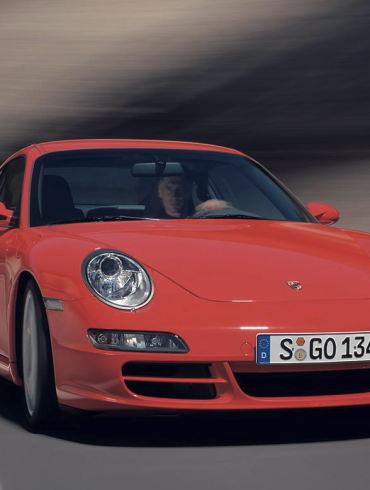
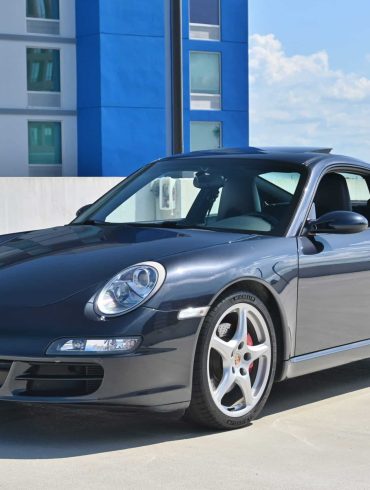
The Porsche 997.1 Carrera S (manual) sits at a fascinating intersection in 911 history. It belongs to the generation widely regarded as the perfect modern size—compact, muscular, and unmistakably 911—yet it predates the layers of technology that would soon soften the driving experience. While most buyers reflexively chase the later 997.2 to avoid IMS anxiety, the 997.1 has quietly become the purist’s modern 911 for those who prioritize feel over forum narratives.
What makes the 997.1 special is not just what it has, but what it doesn’t. This is a naturally aspirated flat-six paired to hydraulic steering, a proper manual gearbox, and a chassis that still feels light on its feet. The car communicates constantly—through the wheel, the pedals, and the seat—without filters or modes getting in the way. Later cars became faster and safer, but they never became more talkative.
On the road, a manual 997.1 Carrera S feels alive in a way many newer 911s simply don’t. Steering is rich and textured, the engine encourages revs rather than relying on torque, and the car flows naturally down a road instead of overpowering it. It’s fast enough to be exciting, compact enough to feel agile, and analog enough to reward skill. This is a 911 you drive with, not one that drives around you.
From a buyer and collector perspective, the 997.1 Carrera S is the most misunderstood value play in the modern 911 market. Yes, IMS concerns exist—but they are manageable, well-understood, and often already addressed on enthusiast-owned cars. In return, buyers get a driving experience that Porsche would never repeat: classic steering feel, modern reliability, and timeless proportions. As the market matures and fear gives way to experience, the 997.1 manual is increasingly viewed not as a risk—but as the last chance to buy a truly analog modern 911 at a rational price.
Key Data & Specifications
Engine: 3.8L naturally aspirated flat-six
Power: ~355 hp
Torque: ~295 lb-ft
Redline: ~7,300 rpm
Transmission: 6-speed manual
Drivetrain: Rear-wheel drive
Weight: ~3,100 lbs (approx.)
0–60 mph: ~4.6 seconds
Production & Market
Production Numbers: High (which keeps prices grounded)
Original MSRP: ~$83,000 USD
Expected Price Today: ~$45k–$70k depending on mileage, service history, and IMS solution
Known For
Delivering the best steering feel of any modern 911
Representing the final pre-digital, pre-overengineered Carrera
The "Forgotten" Factor
The 997.1 Carrera S is overlooked because buyers fixate on what could go wrong rather than what it feels like when everything is right. Yet Porsche history consistently rewards cars that capture the end of an era—and this one marks the closing chapter of truly analog modern 911s.
Why it's Underrated
The 997.1 still has hydraulic steering (purer feel than later electric systems) and a more "old-school" Porsche engine sound. The 997 generation is widely considered the peak "modern classic" size. Everyone chases the 997.2 because it eliminated the IMS bearing risk. If the IMS has been addressed, a 997.1 S offers 90% of the 997.2 experience for roughly 60% of the price.
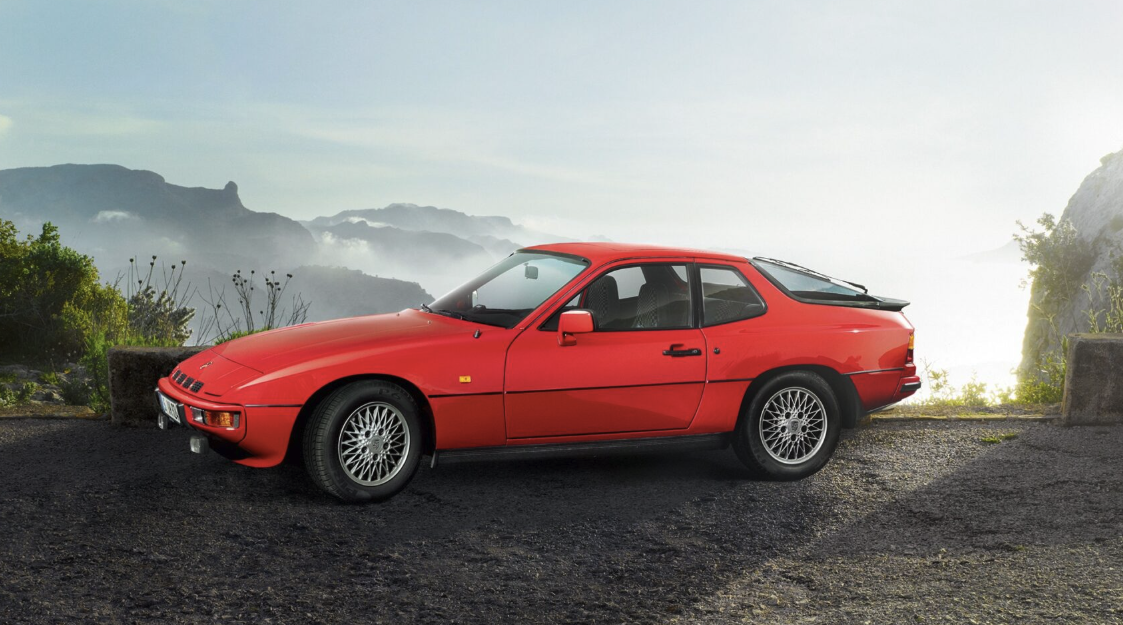
The Forgotten & Underrated Non-911s
Porsche’s greatest ideas didn’t always wear a 911 badge. Mid-engine balance, transaxle perfection, V8 grand touring, and even unlikely platforms produced some of the most satisfying Porsches ever built. These cars reward buyers who understand engineering over image—and they remain some of the best value plays in the brand’s history.
The Narrow-Body Hero: Porsche 924S (1988)
The Lightweight Porsche Everyone Ignores—and the One That Gets the Fundamentals Exactly Right
What Makes It Special
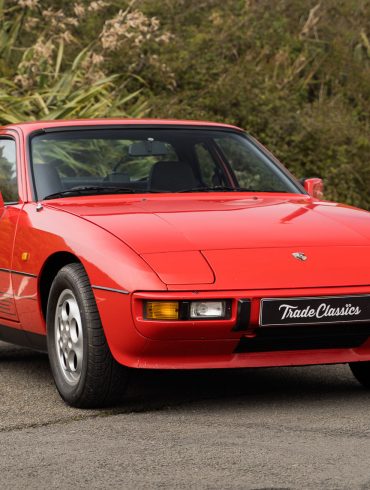
The 924S was never flashy enough to be loved and never flawed enough to be infamous—which is why it was forgotten. But Porsche history repeatedly rewards cars that prioritize lightness, balance, and feel over image.
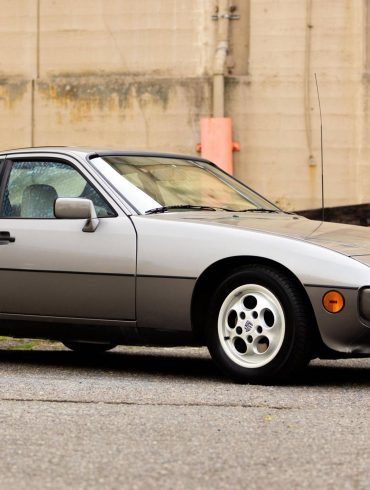
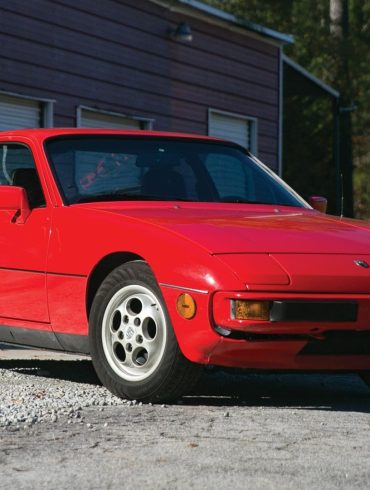
The 1988 Porsche 924S is one of the most unfairly overlooked cars in Porsche’s modern history. Caught between the early, Audi-engined stigma of the original 924 and the broader, more muscular appeal of the 944, the 924S is routinely dismissed as a placeholder. In reality, it is one of the purest, best-balanced, and most honest Porsches of the transaxle era—and arguably the one that most closely reflects Porsche’s original lightweight sports car ethos.
What makes the 924S special is its timing and specification. By 1988, Porsche had fully sorted the transaxle platform. The 924S received the 2.5-liter Porsche-built flat-four from the 944, improved suspension tuning, stronger brakes, and meaningful interior updates—while retaining the lighter, narrower body of the original 924. The result is a car that weighs less than a 944, feels more agile, and delivers a more intimate driving experience.
On the road, the 924S shines where numbers don’t matter. Steering is beautifully weighted and communicative, balance is near perfect thanks to the front-engine/rear-transaxle layout, and the chassis encourages momentum driving in the best Porsche tradition. It doesn’t overwhelm the driver—it teaches them. Many experienced enthusiasts quietly admit that a well-sorted 924S feels more Porsche-like than heavier, more powerful contemporaries.
From a buyer and collector standpoint, the 1988 924S sits in a rare value sweet spot. It offers real Porsche engineering, excellent reliability, and classic driving feel at a fraction of the cost of air-cooled 911s or even well-kept 944s. As collectors increasingly reassess lightweight, analog cars—and as transaxle Porsches continue their long-overdue renaissance—the 924S is being re-evaluated not as an entry-level compromise, but as a narrow-body hero hiding in plain sight.
Key Data & Specifications
Engine: 2.5-liter naturally aspirated flat-four (Porsche-built)
Power: ~160 hp
Torque: ~155 lb-ft
Transmission: 5-speed manual
Drivetrain: Front-engine, RWD
Weight: ~2,750 lbs (approx.)
0–60 mph: ~7.5 seconds
Production & Market
Production Numbers: Final-year run (1988 most desirable)
Expected Price Today: ~$10k–$20k depending on condition and originality
Known For
Delivering the best balance of the early transaxle Porsches
Being one of the most affordable, usable, and rewarding vintage Porsches
The "Forgotten" Factor
The 924 was long mocked for its Audi-sourced engine, but the 924S changed the game by dropping the 944’s 2.5L Porsche engine into the narrower, more aerodynamic 924 body.
Why it's Underrated
Its a real sweet spot model, with the 1988 model year received a power bump to 160 hp.
The Analog Roadster: Porsche Boxster S (986)
The Pure Mid-Engine Porsche Everyone Forgot to Re-Evaluate
What Makes It Special
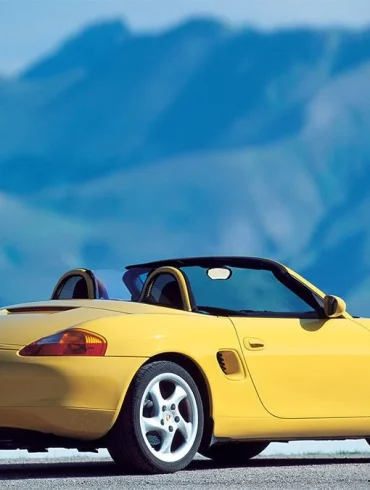
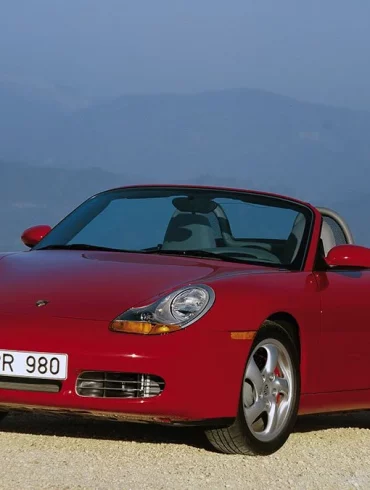
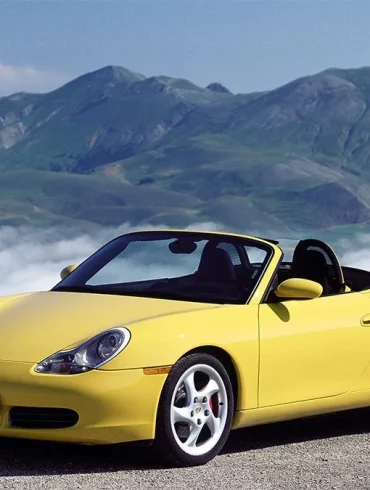
The Porsche Boxster S (986) is one of the most genuinely underrated driver’s cars Porsche has ever produced. Born at a time when Porsche needed a modern, accessible sports car to survive, the early Boxster was unfairly framed as a “lesser 911” rather than judged on its own merits. Two decades later, that misunderstanding has created one of the best analog Porsche bargains still available.
What makes the 986 Boxster S special is its fundamental correctness. A mid-engine layout, near-perfect weight distribution, hydraulic steering, modest curb weight, and a naturally aspirated flat-six combine into a chassis that feels intuitive and alive. Porsche didn’t overthink this car. There are no gimmicks, no modes, no artificial layers—just a mechanically honest sports car engineered around balance and feedback.
On the road, the Boxster S delivers something modern Porsches struggle to replicate: approachability without dullness. Steering feel is excellent, the chassis communicates clearly, and the car rewards smooth inputs rather than aggression. You can explore its limits at sane speeds, making it deeply satisfying on real roads. With the roof down, the sensory experience—engine note, induction sound, steering feedback—is richer than many more expensive Porsches.
From a buyer and collector standpoint, the 986 Boxster S sits squarely in “inevitable reappraisal” territory. Manual cars with proper maintenance histories are increasingly sought after by enthusiasts who value feel over status. As later Boxsters became faster but heavier and more complex, the early S stands out as the most analog, most transparent open-top Porsche of the modern era—and one of the last true bargains in the brand’s lineup.
Key Data & Specifications
Engine: 3.2-liter naturally aspirated flat-six
Power: 250 hp (early) to 260 hp (later)
Torque: ~225 lb-ft
Transmission: 6-speed manual (Tiptronic optional)
Drivetrain: Mid-engine, RWD
Steering: Hydraulic
Weight: ~2,900 lbs (approx.)
0–60 mph: ~5.5 seconds
Production & Market
Production Numbers: High (global production, which keeps prices grounded)
Original MSRP: ~$50,000 USD
Expected Price Today: ~$18k–$35k depending on mileage, condition, and transmission
Known For
Delivering exceptional steering feel and chassis balance
Being one of the most engaging open-top Porsches ever built
The "Forgotten" Factor
The Boxster S was never unloved because it was bad—it was overlooked because it didn’t fit the 911-centric narrative. Yet when judged honestly, it delivers exactly what Porsche has always done best: lightness, balance, and communication.
Why it's Underrated
The car that saved Porsche. Because so many were built, they remained cheap for decades, but clean, low-mile 986 S models are disappearing.
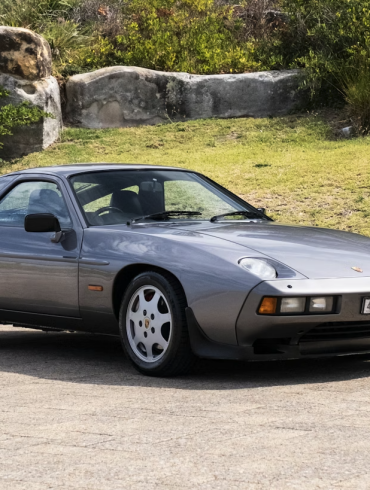
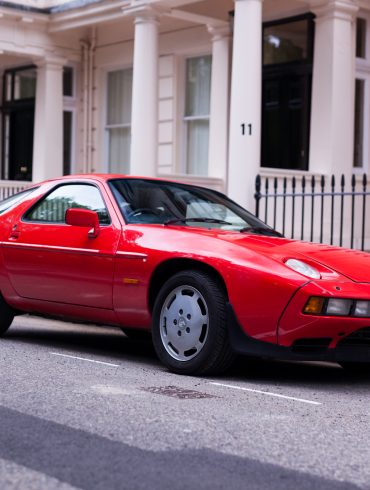
The "Other" V8: Porsche 928 S (Early S1/S2)
The Porsche V8 Everyone Forgets—And the One That Best Explains the 928
What Makes It Special
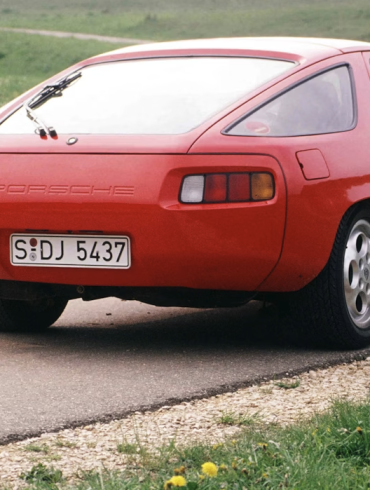
The early Porsche 928 S—specifically the S1 and S2 cars—represents the most misunderstood chapter of Porsche’s V8 experiment. Overshadowed by the later S4 and GTS models, these early S cars are often dismissed as “not the one to have.” In reality, they are the most honest, most analog, and most characterful versions of the 928—and increasingly, the ones enthusiasts actually enjoy driving.
What makes the early 928 S special is simplicity. Before the platform gained weight, electronics, and complexity, the S1/S2 models retained a purer expression of Porsche’s original vision: a high-speed GT with balance, refinement, and mechanical clarity. The naturally aspirated V8 is smooth, responsive, and understressed, while the transaxle layout delivers superb weight distribution and stability that still feels modern today.
On the road, early 928 S cars feel lighter and more connected than their later counterparts. Steering is hydraulic and communicative, the chassis is confidence-inspiring rather than overwhelming, and the car encourages long, fast drives rather than brute-force acceleration. This is a Porsche built for covering ground effortlessly, not chasing lap times—and in that role, it excels.
From a buyer and collector perspective, the early 928 S sits in a rare undervalued pocket. Prices remain well below later GTS models, yet these cars offer the core 928 experience with fewer systems to maintain and a more analog feel. As collectors increasingly recognize the value of early, simpler versions of complex cars, the S1/S2 928 is quietly gaining appreciation—not as a substitute for a 911, but as a distinct and legitimate Porsche philosophy.
Key Data & Specifications
Engine: 4.7-liter naturally aspirated V8
Power: ~300 hp (varies by market/year)
Torque: ~283 lb-ft
Transmission: 5-speed manual (automatic optional)
Drivetrain: Front-engine, RWD
Weight: ~3,300 lbs (approx.)
0–60 mph: ~6.0 seconds
Production & Market
Production Numbers: Moderate (S1/S2 combined)
Original MSRP: ~$45,000–$50,000 USD
Expected Price Today: ~$25k–$45k depending on condition, mileage, and transmission
Known For
Delivering the most analog and least complex 928 driving experience
Offering exceptional high-speed stability and balance
The "Forgotten" Factor
The early 928 S was ignored because it wasn’t the final evolution—and Porsche collectors often chase endpoints rather than origins. But origins matter. These cars reveal what the 928 was meant to be before regulation, complexity, and market pressures reshaped it.
Why it's Underrated
People fear the complex maintenance, but the early 16-valve V8s are more robust than people think.
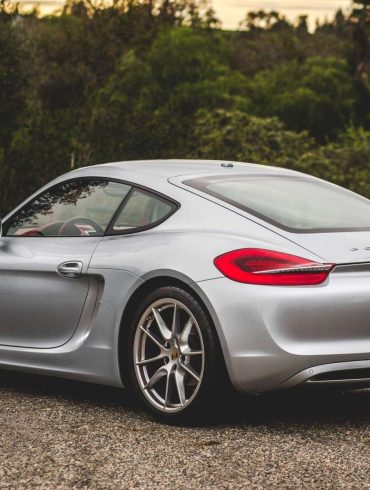
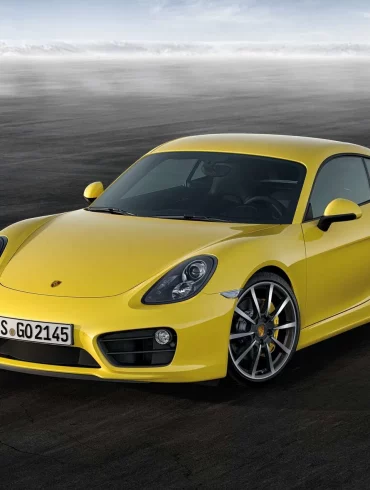
The Last of the Flat-6: Porsche Cayman S (981)
The Final Naturally Aspirated Cayman—and One of Porsche’s Most Complete Driver’s Cars
What Makes It Special
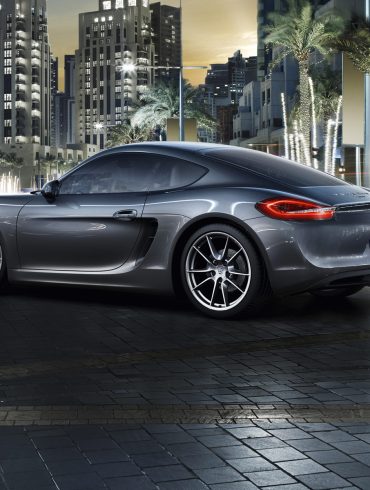
The Porsche Cayman S (981) represents a quiet but hugely important milestone in Porsche history: the end of the naturally aspirated flat-six Cayman. Overshadowed by the later turbocharged 718 cars and often skipped in favor of GT4 variants, the 981 S is routinely underestimated despite being one of the most balanced, rewarding, and complete sports cars Porsche has ever built.
What makes the 981 Cayman S special is how perfectly resolved it is. By this point, Porsche had fully mastered the mid-engine platform. Chassis rigidity, suspension tuning, steering feel, and power delivery all converged into a car that feels cohesive rather than compromised. The 3.4-liter flat-six is eager, linear, and musical—delivering character that later turbocharged four-cylinder cars simply cannot replicate.
On the road, the 981 S feels effortlessly right. Hydraulic steering communicates clearly, the car rotates naturally, and the engine rewards revs without demanding constant aggression. It’s fast enough to thrill, refined enough to daily drive, and transparent enough to teach drivers what the chassis is doing at all times. Many experienced enthusiasts consider it the sweet spot between earlier Caymans’ simplicity and later models’ performance obsession.
From a buyer and collector perspective, the 981 Cayman S sits in classic “last of its kind” territory. It offers the sound, feel, and response of a naturally aspirated Porsche flat-six in a modern, usable package—without the price or theater of GT cars. As emissions regulations and electrification continue to reshape Porsche’s lineup, the 981 S is increasingly viewed not as a middle child, but as the definitive non-GT Cayman.
Key Data & Specifications
Engine: 3.4L naturally aspirated flat-six
Power: ~325 hp
Torque: ~273 lb-ft
Redline: ~7,800 rpm
Transmission: 6-speed manual or PDK
Drivetrain: Mid-engine, RWD
Weight: ~3,050 lbs (approx.)
0–60 mph: ~4.7 seconds
Production & Market
Production Numbers: Moderate (global production)
Original MSRP: ~$63,000 USD
Expected Price Today: ~$45k–$70k depending on mileage, transmission, and condition
Known For
Being the last naturally aspirated flat-six Cayman before turbocharging
Delivering one of Porsche’s most balanced and confidence-inspiring chassis
The 981 S with the Sport Exhaust is widely considered one of the best-sounding Porsches of the modern era.
The "Forgotten" Factor
The 981 Cayman S suffers from being too good and too sensible. It wasn’t marketed as extreme, rare, or revolutionary—it was simply excellent. But Porsche history consistently rewards cars that represent the end of something important.
Why it's Underrated
In 2026, we are deep into the era of 4-cylinder turbos and EVs. This has made the 981-generation (2013–2016) a massive sleeper. The Cayman GTS gets all the love, but people forget just how great the regular Cayman S was. A near perfect weekend fun car.
Porsche Panamera GTS (970.2)
The Last Analog Panamera—and One of Porsche’s Best-Kept Secrets
What Makes It Special
For enthusiasts who want a modern Porsche with real character, everyday usability, and a drivetrain that will never exist again, the Panamera GTS isn’t just a sleeper. It’s one of the smartest modern Porsche buys hiding in plain sight.
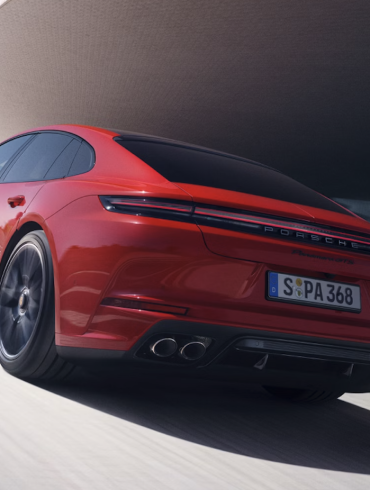
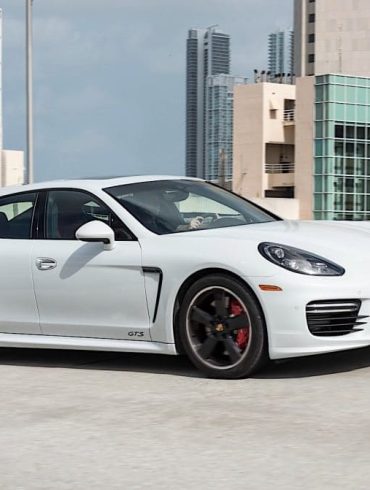
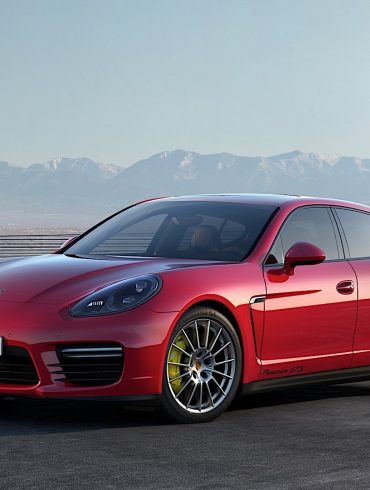
The Porsche Panamera GTS (970.2) is one of the most quietly brilliant modern Porsches—and one that most buyers still don’t properly understand. Lost between the Turbo’s headline numbers and later hybridized, tech-heavy generations, the 970.2 GTS represents the final, fully resolved, naturally aspirated Panamera. It is the car Porsche would build if the brief were simply: make the best driver’s Panamera possible.
What makes the 970.2 GTS special is restraint. Instead of chasing outright power or luxury excess, Porsche focused on feel. The naturally aspirated 4.8-liter V8 delivers linear, immediate response with real character, while the chassis tuning—lowered ride height, PASM recalibration, and standard Sport Chrono—creates a car that feels far smaller and more agile than its size suggests. This is a four-door Porsche that genuinely behaves like one.
On the road, the Panamera GTS surprises even seasoned enthusiasts. Steering is hydraulic and communicative, the chassis rotates willingly, and the engine encourages revs rather than relying on boost. It’s fast without feeling overbearing, refined without feeling isolated. Compared to later Panameras packed with screens, modes, and hybrid complexity, the 970.2 GTS feels decidedly analog—a rare trait in a modern luxury performance sedan.
From a buyer and collector perspective, the 970.2 GTS sits squarely in sleeper territory. Values remain grounded despite the car offering a naturally aspirated V8, Porsche chassis tuning, everyday usability, and long-distance comfort. As emissions regulations and electrification have erased this formula entirely, the market is beginning to recognize the GTS as the sweet spot of the first-generation Panamera—and arguably the most emotionally satisfying one.
Key Data & Specifications
Engine: 4.8-liter naturally aspirated V8
Power: ~440 hp
Torque: ~384 lb-ft
Transmission: 7-speed PDK
Drivetrain: Rear-wheel drive (AWD optional in some markets)
Steering: Hydraulic
Weight: ~4,400 lbs (approx.)
0–60 mph: ~4.2 seconds
Production & Market
Production Numbers: Limited relative to Turbo and 4S models
Original MSRP: ~$113,000 USD
Expected Price Today: ~$45k–$70k depending on mileage, condition, and specification
Known For
Being the last naturally aspirated V8 Panamera
Delivering true Porsche steering feel in a four-door sedan
The "Forgotten" Factor
It features a naturally aspirated 4.8L V8 that sounds like a muscle car, paired with Porsche’s incredible PDK transmission. As Panameras move toward smaller turbocharged engines and hybrid setups, this high-revving V8 will be remembered as the peak of the model's "soul.
Why it's Underrated
The 970.2 Panamera GTS suffers from being too good and too sensible. It didn’t shout for attention and arrived just before turbocharging and electrification reshaped Porsche’s entire lineup. As a result, it was quickly overshadowed—even though it may be the most honest and rewarding Panamera Porsche ever built
The Fun Ones to Buy
Not every great Porsche needs to be analyzed to death. These are the cars that deliver immediate joy, real-world usability, and enormous driving satisfaction at attainable prices. No collector anxiety, no mythology required—just honest, engaging Porsches you can buy today and enjoy right now.
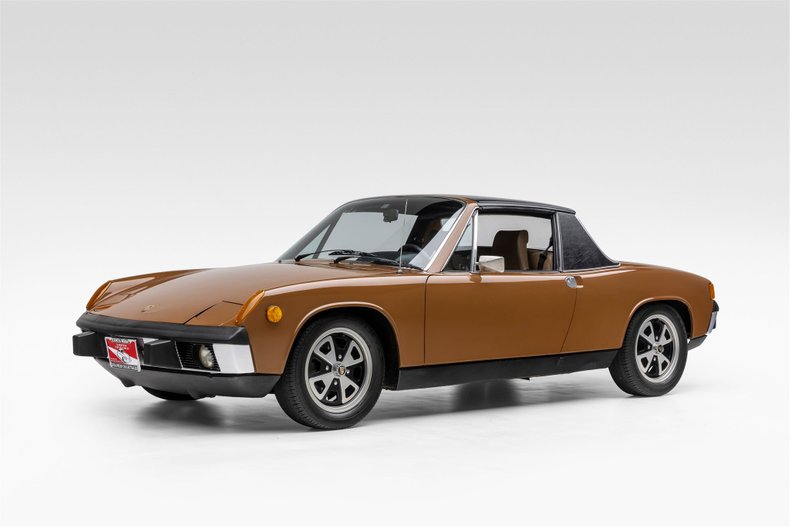
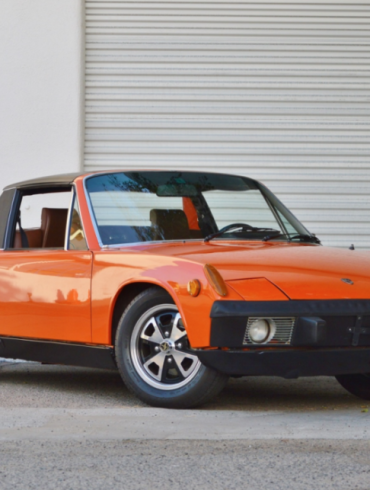
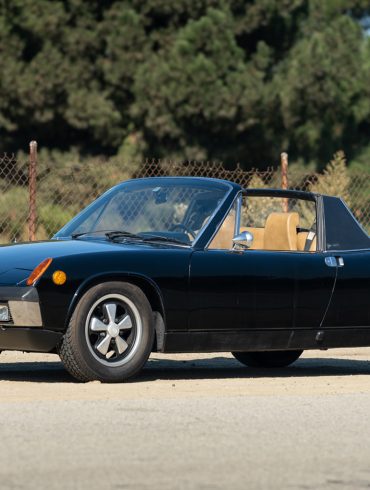
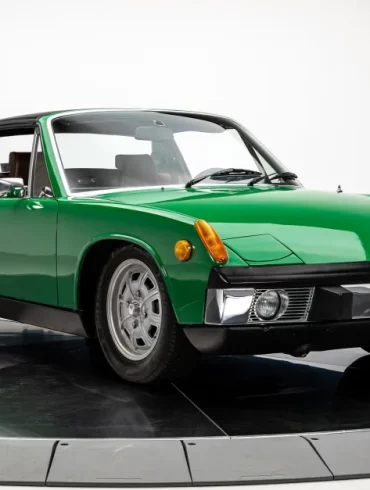
The Entry-Level Connoisseur: Porsche 914 2.0L
It is the lightest mid-engine Porsche ever. The 2.0L engine gives it enough "poke" to be a genuine mountain-road weapon.
What Makes It Special
The Porsche 914 2.0L is the definition of an entry-level connoisseur’s Porsche—a car routinely dismissed by badge-focused buyers and quietly adored by those who care about fundamentals. Overshadowed by the 914-6 and misunderstood because of its Volkswagen association, the 2.0-liter four-cylinder version is, in reality, the best-balanced and most usable expression of the 914 concept.
What separates the 914 2.0 from lesser four-cylinder variants is intent. Porsche-engineered cylinder heads, improved torque, better drivability, and stronger brakes transformed the car into something genuinely special. With the engine mounted amidships and weight kept exceptionally low, the 914 delivers handling purity that foreshadowed everything Porsche would later perfect with the Boxster and Cayman—decades ahead of its time.
On the road, the 914 2.0 is all about momentum and feedback. Steering is light and direct, the chassis rotates naturally, and the car communicates grip changes with clarity modern cars struggle to match. It’s not fast in a straight line, but it’s endlessly engaging, rewarding precision and smoothness rather than power. In many ways, it feels closer to a vintage race car than a road-going sports coupe.
From a buyer and collector perspective, the 914 2.0 occupies a sweet spot few other Porsches can match. It offers authentic Porsche engineering, mid-engine balance, mechanical simplicity, and real usability at prices that remain accessible. As collectors increasingly reassess non-911 Porsches and recognize the importance of mid-engine layout to Porsche’s future, the 914 2.0 is steadily shedding its “cheap Porsche” stigma and emerging as a thinking enthusiast’s classic.
Key Data & Specifications
Engine: 2.0-liter air-cooled flat-four (Porsche-designed heads)
Power: ~95 hp
Torque: ~118 lb-ft
Transmission: 5-speed manual
Drivetrain: Mid-engine, RWD
Weight: ~2,100 lbs (approx.)
0–60 mph: ~10.5 seconds
Production & Market
Production Numbers: ~16,000 units (2.0-liter cars)
Original MSRP: ~$4,600 USD
Expected Price Today: ~$35k–$60k depending on condition, originality, and rust history
Known For
Being Porsche’s first true mid-engine road car
Delivering exceptional balance and driver feedback at accessible speeds
The "Forgotten" Factor
The 914 2.0 was ignored because it wasn’t exotic enough, powerful enough, or branded loudly enough. But Porsche history has a habit of vindicating cars that get the fundamentals right. Today, the 914 2.0 stands as proof that purity doesn’t require prestige—just good engineering.
Why Its Underrated
It was once called the "VW-Porsche." (OUCH).
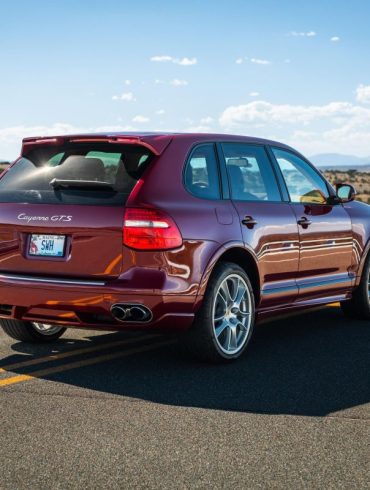
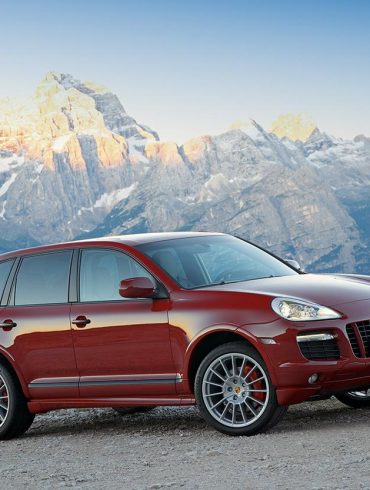
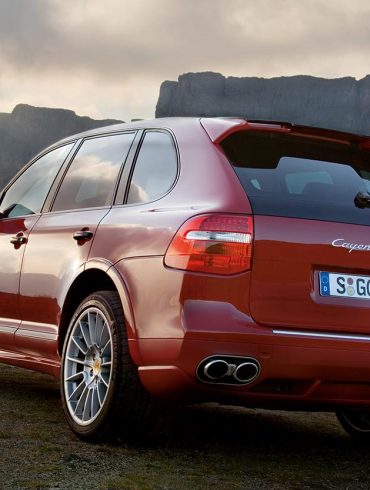
The SUV Unicorn: Cayenne S / GTS (Manual)
The Three-Pedal Porsche SUV That Shouldn’t Exist—and Never Will Again
What Makes It Special
The manual-transmission Porsche Cayenne S and GTS are true SUV unicorns—cars most collectors don’t even realize were possible, let alone worth seeking out. Built during Porsche’s most experimental and survival-driven era, these early Cayennes paired genuine Porsche engineering with a six-speed manual at a time when the idea of a driver-focused performance SUV was still heretical. Today, they stand as one of the most overlooked—and increasingly intriguing—modern Porsches.
What makes the manual Cayenne special is authenticity. This wasn’t a token gesture or a marketing checkbox; the three-pedal setup fundamentally changes the character of the vehicle. Combined with a naturally aspirated V8, proper low-range transfer case, locking center differential, and real off-road hardware, the manual Cayenne delivers a level of mechanical involvement that no modern performance SUV even attempts. It’s a reminder that the first-generation Cayenne was engineered with genuine depth, not just badge ambition.
On the road, the experience is surprisingly engaging. Steering is hydraulic and weighted, throttle response is immediate, and the manual gearbox forces the driver to manage the V8’s torque rather than simply summon it. Off-road or in poor conditions, the drivetrain feels indestructible. This is not a luxury appliance—it’s a Porsche that happens to be an SUV, and it rewards drivers who treat it as such.
From a buyer and collector standpoint, manual Cayennes occupy a rare intersection of rarity, usability, and inevitability. Production numbers were tiny, survival rates are shrinking, and Porsche will never build another manual SUV—especially not with a naturally aspirated V8 and real off-road hardware. As the enthusiast market broadens beyond traditional sports cars, the Cayenne S and GTS manuals are quietly transitioning from oddity to cult classic.
Key Data & Specifications
Engine: Cayenne S: 4.5L naturally aspirated V8, Cayenne GTS: 4.8L naturally aspirated V8
Power: 340 hp (S) / 405 hp (GTS)
Torque: ~310–369 lb-ft
Transmission: 6-speed manual (extremely rare)
Drivetrain: All-wheel drive
Production & Market
Production Numbers: Very low (manuals are a tiny fraction of total Cayenne production)
Original MSRP: ~$55k–$70k+ USD
Expected Price Today: ~$35k–$70k+ depending on condition, mileage, and exact specification
Known For
Being the only V8, manual-transmission Porsche SUV ever built
Delivering real driver engagement in a segment that abandoned it entirely
The "Forgotten" Factor
Collectors often chase purity in sports cars but forget that engineering purity can exist in strange places. The manual Cayenne S and GTS are strange—but they are also honest, deeply capable, and impossible to recreate under modern regulations and market realities.
Why Its Underrated
The idea of a manual SUV was absurd to most buyers in the late 2000s, making them incredibly rare today because nobody ordered them.
The "Wide-Body" Sneak: 996 Carrera 4S
The Turbo Look Without the Turbo Tax—and the Best-Looking Water-Cooled 911
What Makes It Special
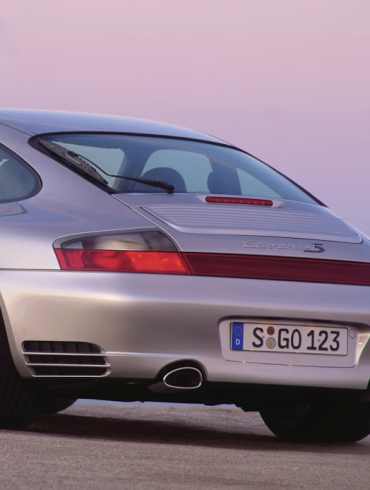
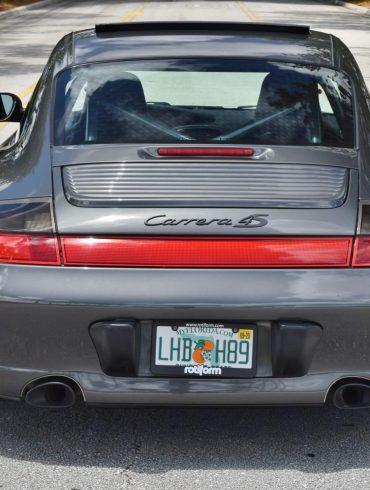
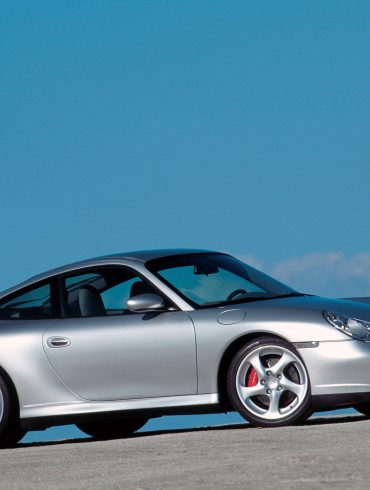
The Porsche 996 Carrera 4S is one of the clearest examples of a great Porsche being overlooked for the wrong reasons. Overshadowed by the 996 Turbo and dismissed by those fixated on engine specs alone, the 4S quietly delivered one of the most complete and visually resolved 911 packages of the modern era. Today, it’s increasingly recognized as the prettiest water-cooled 911 Porsche ever built—and one of the smartest to own.
What makes the 996 4S special is what Porsche gave it. It uses the Turbo’s wide body, suspension, brakes, wheels, and all-wheel-drive system—but crucially, without the rear wing. The result is a wide-hipped, planted, muscular 911 with cleaner lines and better proportions than either the narrow-body Carrera or the winged Turbo. It looks intentional, understated, and timeless in a way the standard 996 never quite achieved.
On the road, the Carrera 4S feels confident and composed rather than aggressive. The naturally aspirated 3.6-liter flat-six delivers linear power, the AWD system adds stability in all conditions, and the hydraulic steering provides genuine feedback modern cars lack. It’s not a GT car and it doesn’t pretend to be—it’s a fast, confidence-inspiring road 911 that thrives on real pavement, not lap times.
From a buyer and collector perspective, the 996 4S sits in a rare sweet spot. It offers Turbo aesthetics, Turbo hardware, classic hydraulic steering, and modern usability—without the maintenance complexity, heat management concerns, or pricing of forced induction models. As the market continues to separate “internet narratives” from actual ownership experience, the 996 Carrera 4S is increasingly viewed not as a consolation prize, but as the thinking enthusiast’s modern classic.
Key Data & Specifications
Engine: 3.6L naturally aspirated flat-six
Power: ~320 hp
Torque: ~273 lb-ft
Transmission: 6-speed manual or Tiptronic
Drivetrain: All-wheel drive
Brakes & Suspension: Turbo-derived
Weight: ~3,350 lbs (approx.)
0–60 mph: ~4.8 seconds
Production & Market
Production Numbers: Moderate (far fewer than standard Carreras)
Original MSRP: ~$83,000 USD
Expected Price Today: ~$45k–$70k depending on mileage, transmission, and condition
Known For
Using the 996 Turbo’s wide body without the rear wing
Being widely regarded as the most beautiful water-cooled 911
The "Forgotten" Factor
The 996 4S suffers from being too good-looking and too competent to stand out in spec-sheet culture. It doesn’t chase extremes—it perfects balance. And in Porsche history, cars that quietly perfect balance tend to age exceptionally well.
Why Its Underrated
It is stuck in the 996 "unloved" era, but it is a visual masterpiece. The 996 4S is often called the most beautiful water-cooled 911 because it uses the Turbo’s wide body, brakes, and suspension—but without the wing.