
2nd Gen Porsche Panamera Buyer's Guide
Buying a 971 Generation Porsche Panamera? Our Buyer’s Guide Covers Key Models, Potential Issues, Market Values, Expert Tips, What To Expect & MUCH More.
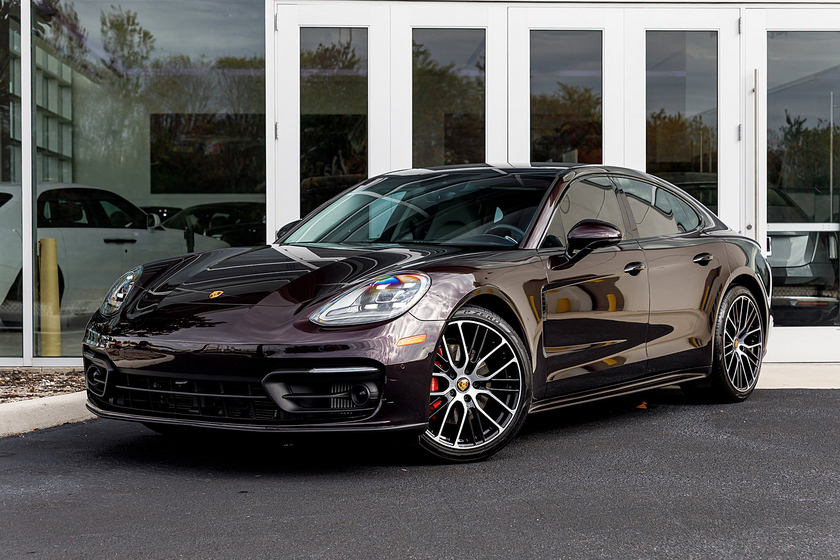
The second-generation Porsche Panamera (971) represents the point where Porsche truly refined the Panamera formula. Launched for the 2017 model year, the 971 moved the Panamera onto the new MSB platform shared with the Bentley Continental GT, dramatically improving proportions, handling, and overall cohesion. Visually cleaner, dynamically sharper, and technologically far more advanced than the first generation, the 971 finally silenced most critics who questioned whether a four-door Porsche could feel authentically “Porsche.” From behind the wheel, it delivers a blend of performance, luxury, and everyday usability that few rivals can match.
As a used buy, the 971 Panamera is an exceptionally compelling proposition. It offers modern infotainment, advanced driver assistance systems, and a wide range of powertrains—from efficient V6 models to ferocious Turbo and Turbo S variants—while benefiting from strong build quality and impressive long-distance comfort. Importantly, depreciation has made many examples far more accessible than when new, allowing buyers to step into a genuinely high-performance luxury sedan at a fraction of its original price. When properly specified and maintained, the 971 is equally comfortable as a daily driver, long-distance grand tourer, or high-speed autobahn cruiser.
In this Second-Generation Porsche Panamera (971) Buyer’s Guide, we break down everything prospective buyers need to know. We’ll cover the key models and variants, common issues and ownership considerations, real-world market values, and expert tips to help you buy the right car. Whether you’re cross-shopping luxury sedans, upgrading from a first-gen Panamera, or simply looking for one of the most complete performance four-doors Porsche has ever built, this guide will help you understand what to expect—and how to buy smart.
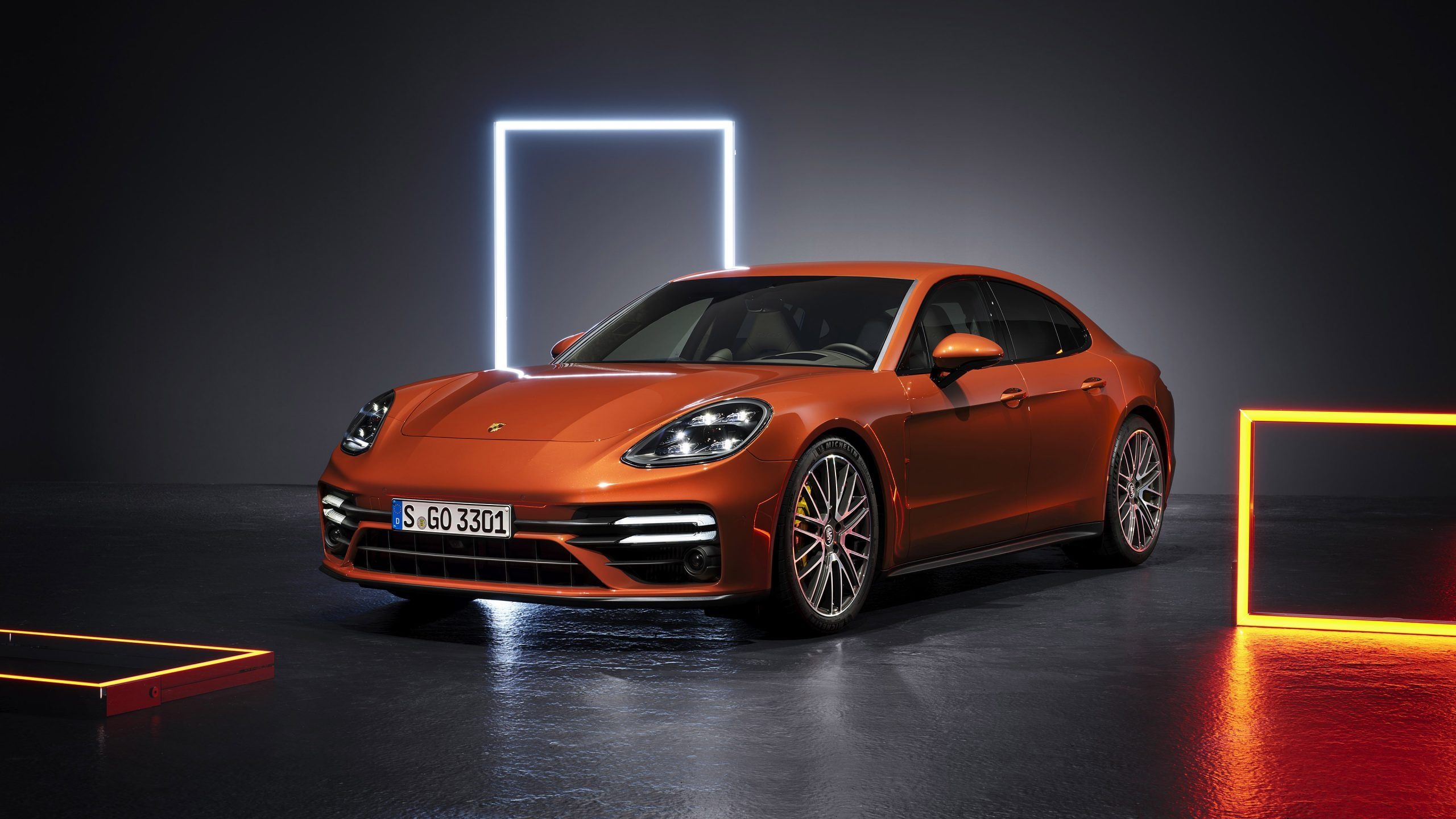
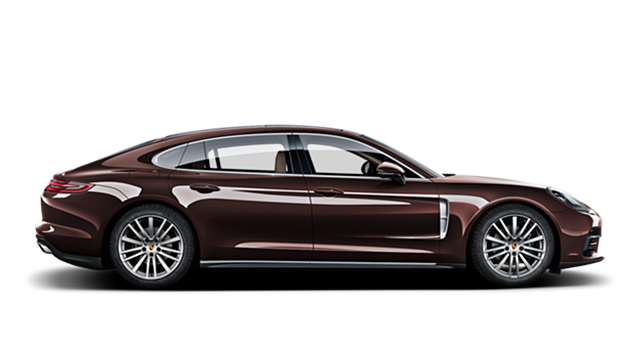
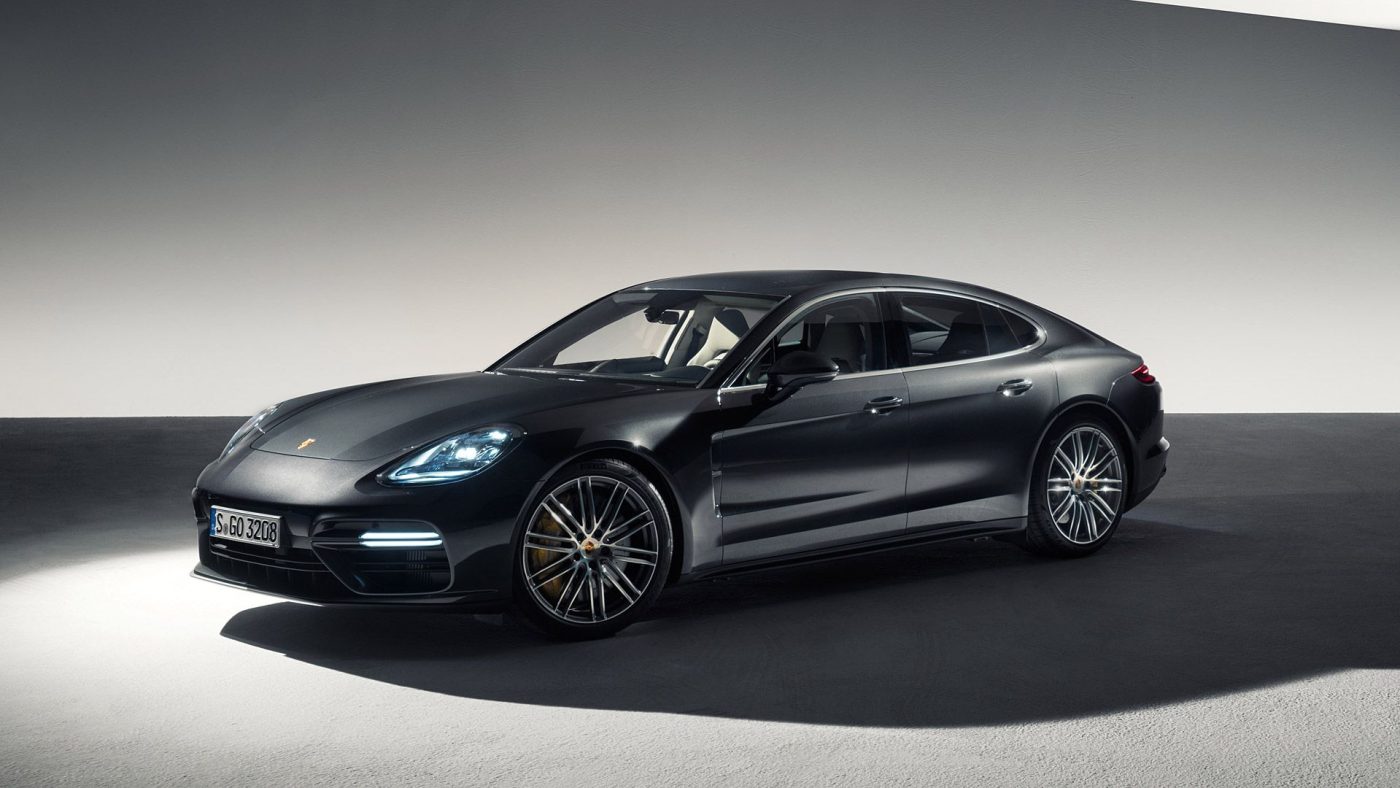
Why the 2nd Gen Porsche Panamera is a Great Car to Buy
The second-generation Porsche Panamera (971) succeeds because it finally brings every part of the concept together. Built on Porsche’s MSB platform, the 971 is lighter, stiffer, and far better proportioned than its predecessor, which translates directly into sharper handling and a more cohesive driving experience. It feels unmistakably like a Porsche from behind the wheel—stable at speed, precise in its steering, and confident on challenging roads—while still delivering the comfort and refinement expected of a luxury four-door grand tourer.
From a performance standpoint, the 971 offers something for nearly every type of buyer. The V6 models provide strong everyday pace with impressive efficiency, while the GTS, Turbo, and Turbo S variants deliver genuinely supercar-level acceleration in a four-seat package. Crucially, the Panamera’s chassis, braking, and drivetrain systems are engineered to handle this performance without feeling overwhelmed, making even the most powerful versions usable and composed in real-world driving.
As a used purchase, the 971 Panamera represents outstanding value. Depreciation has brought many well-optioned examples into attainable price ranges, often undercutting rivals while offering superior driving dynamics and build quality. Compared to traditional luxury sedans, the Panamera feels more engaging and special, yet it remains practical enough for daily use, long road trips, and family duties.
Ultimately, the second-generation Panamera is a great car to buy because it blends Porsche performance, luxury, and usability better than almost anything else in its class. When properly maintained and thoughtfully specified, it delivers a rare combination of excitement and everyday comfort—making it one of the most complete high-performance luxury sedans on the market today.
Porsche 2nd Gen Panamera (971) Variants - A Quick Primer for Buyers On The Variants & Specials To Think About.
We already have ultimate guide to the Porsche Panamera (2nd Gen) so we don't want to repeat everything here. Instead, we will give you a quick primer and summary about the main 971 Panamera variants, some of the core model year changes and we will talk about some special editions worth noting as you think about your potential purchase.
Key Variants & Differences
The second-generation Porsche Panamera (971), produced from 2017 to 2023, is where Porsche fully realized the Panamera concept. Built on the new MSB platform, the 971 brought sharper styling, better proportions, improved driving dynamics, and a more modern interior. Just as importantly, Porsche offered a wide and sometimes confusing range of variants.
Panamera & Panamera 4 (V6 Models)
The base Panamera and Panamera 4 models serve as the entry point to the 971 lineup. Powered by a turbocharged V6, these cars deliver strong real-world performance, smooth power delivery, and excellent refinement. While they lack the emotional appeal of the V8 models, they are far from slow and make outstanding daily drivers. The all-wheel drive adds year-round confidence, making it a popular choice for buyers prioritizing comfort, tech, and practicality.
Panamera 4S
The Panamera 4S is widely considered one of the best all-around variants in the 971 range. It steps up to a more powerful engine and sharper chassis tuning while retaining everyday usability. Acceleration is noticeably stronger than the base cars, and the overall driving experience feels more “Porsche-like” without crossing into excess. Represents the ideal balance between performance, luxury, reliability, and long-term value.
Panamera GTS
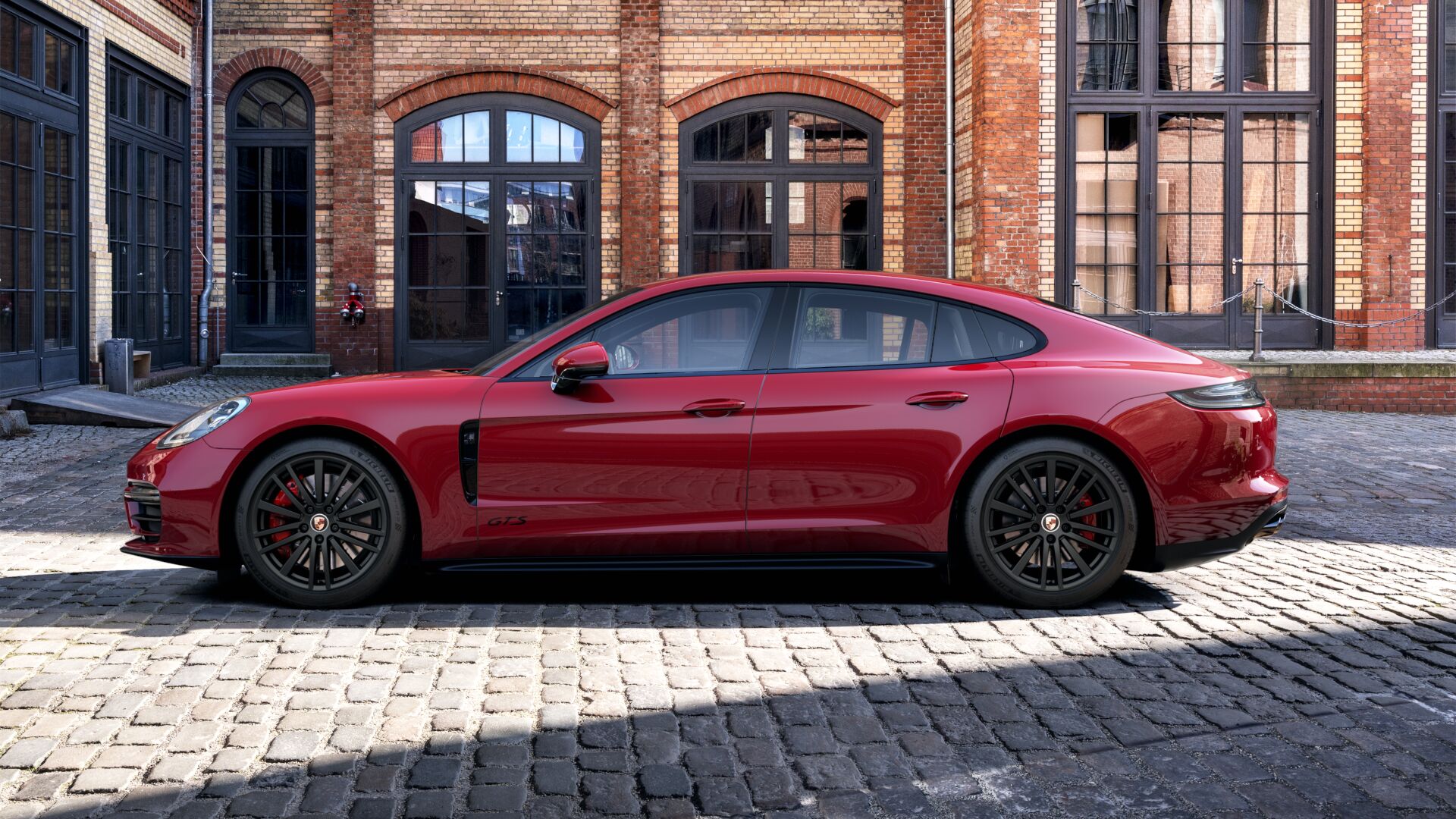
The Panamera GTS is the enthusiast’s choice in the second-generation lineup. Tuned for driver engagement, it features a more aggressive suspension setup, standard performance equipment, distinctive styling elements, and a characterful engine note. Compared to Turbo models, the GTS focuses less on outright straight-line speed and more on handling precision, throttle response, and driver involvement. It’s the Panamera thats feels most like a traditional Porsche sports car.
Panamera Turbo & Turbo S
At the top of the performance hierarchy sit the Panamera Turbo and Turbo S. These models transform the Panamera into a true super-sedan, offering explosive acceleration, immense torque, and effortless high-speed capability. Standard all-wheel drive, advanced suspension systems, and high levels of luxury equipment make them brutally fast yet refined. The Turbo S adds further performance upgrades and exclusivity, making it the flagship of the range. These variants appeal to buyers who want maximum performance.
Panamera Hybrid Models (E-Hybrid Range)
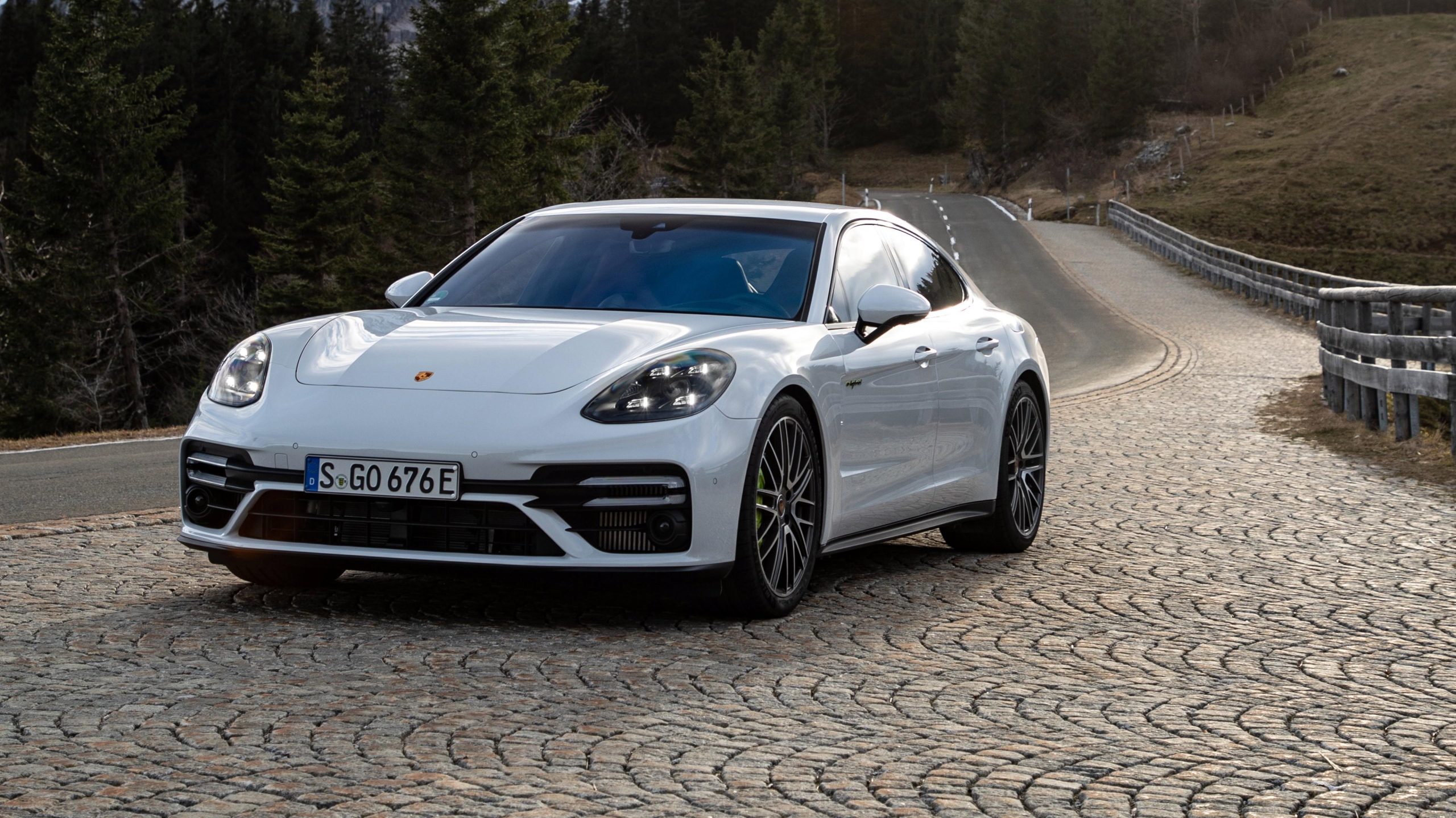
The 971 generation expanded Porsche’s hybrid strategy significantly. E-Hybrid models combine strong performance with improved efficiency and the ability to drive short distances on electric power alone. Unlike earlier hybrids, these Panameras feel genuinely quick and well integrated, though they do carry additional weight. They are best suited to buyers who want cutting-edge technology, lower emissions, and strong mid-range performance rather than pure driving involvement.
Panamera Sport Turismo
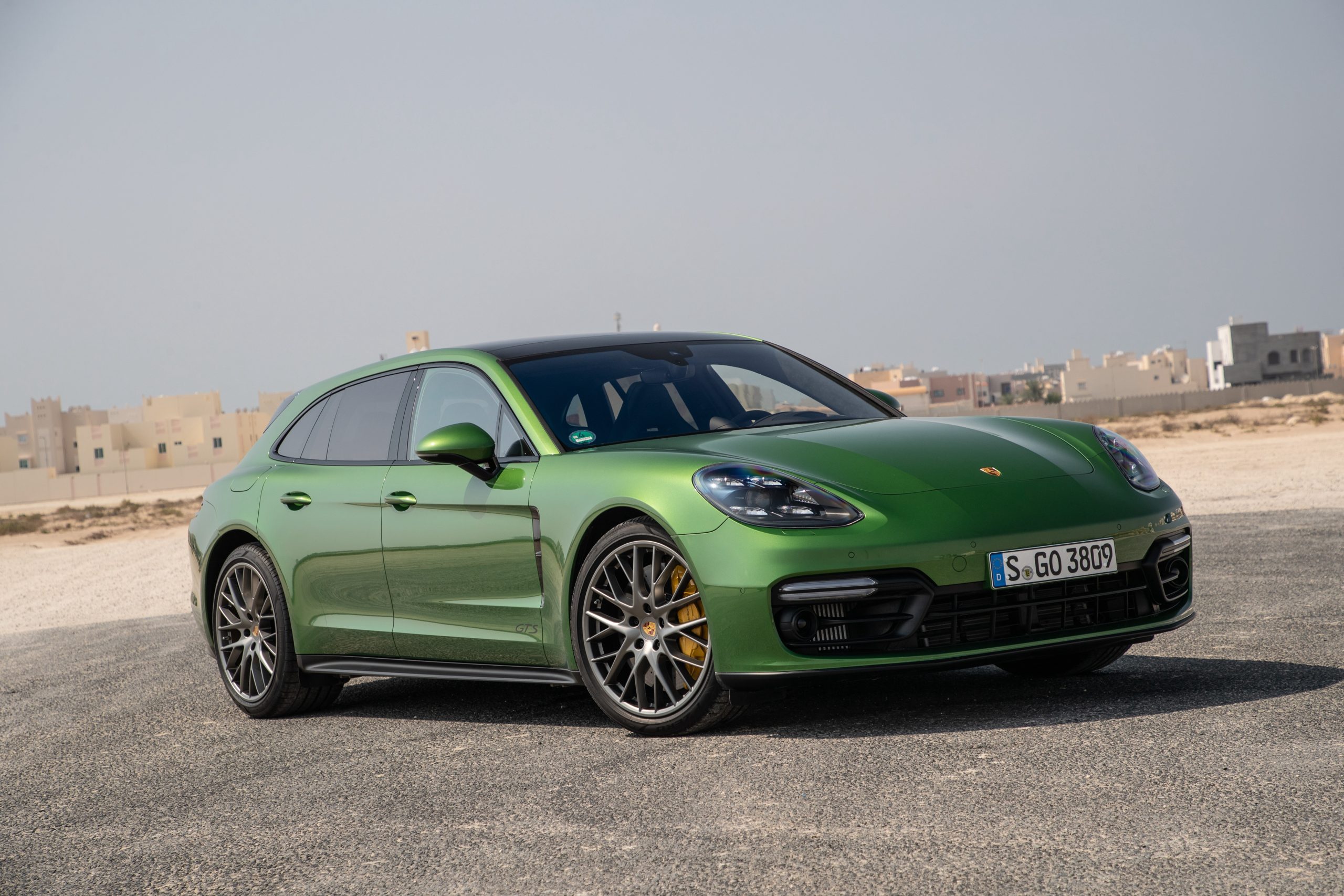
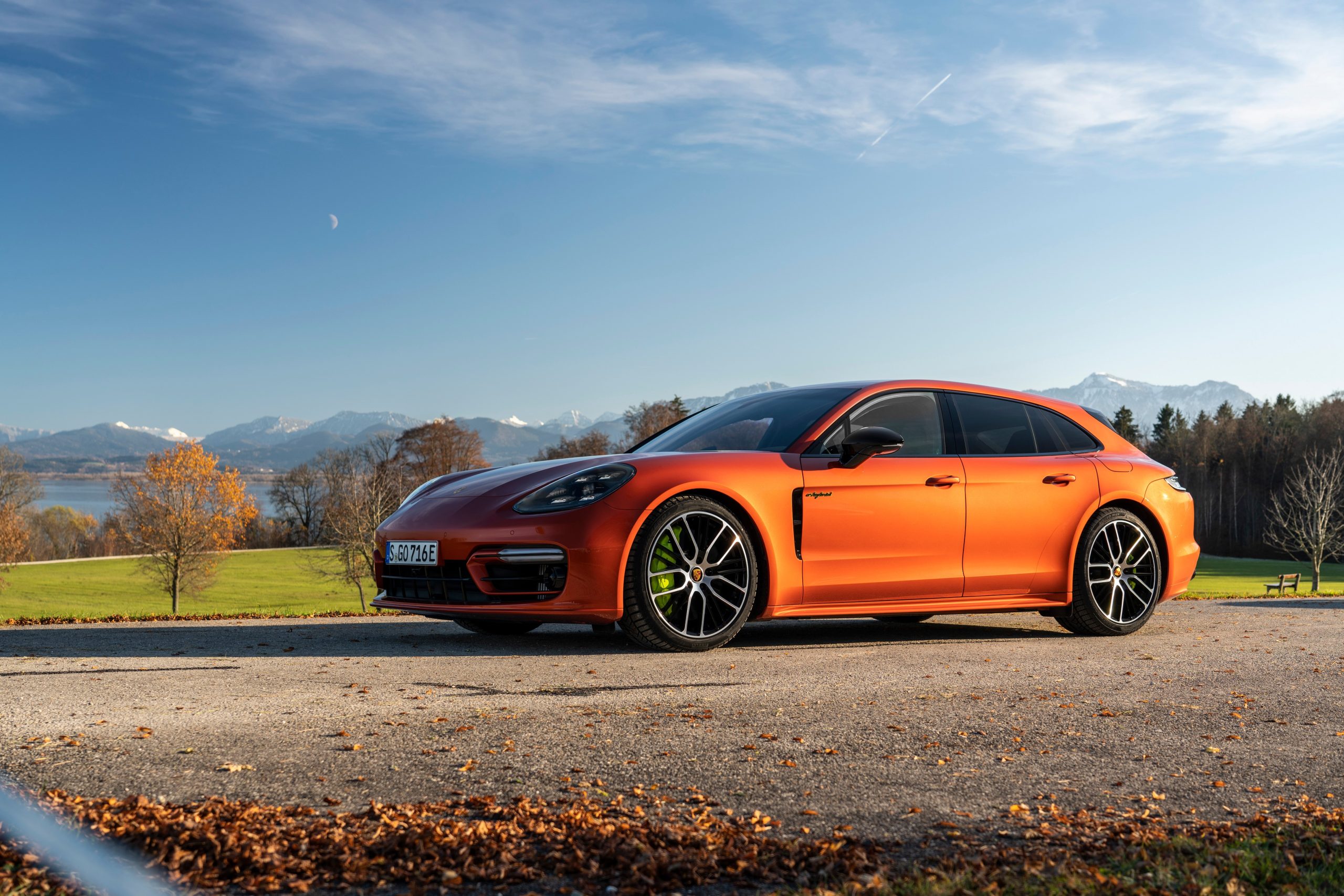
The Sport Turismo body style adds a wagon-like profile to the Panamera lineup, increasing cargo capacity and rear-seat practicality without sacrificing performance. Available across multiple trims, the Sport Turismo appeals to buyers who want maximum versatility while retaining the Panamera’s driving dynamics. It is especially popular in performance variants, where it offers a rare blend of speed, space, and everyday usability.
Executive (Long-Wheelbase) Variants
Executive versions of the Panamera feature a longer wheelbase designed to enhance rear passenger comfort. These models are aimed more at chauffeured or luxury-focused buyers than driving purists. While mechanically similar to standard models, they prioritize rear-seat space and ride comfort over sharp handling, making them less common among enthusiasts.
Model Year Changes (2016-2023)
Here’s a model-year guide to the second-generation Porsche Panamera (971) — how the car evolved from its 2017 debut through the end of its run. This focuses on the meaningful changes buyers should know when comparing years.
2017 Model Year — All-New Second Generation Launch
The 971 Panamera launched for the 2017 model year as a significant overhaul compared to the first generation. Porsche introduced a new MSB platform with improved proportions, a wider stance, and a sleeker design, paired with a thoroughly modern interior featuring touch controls and larger displays.
Early powertrains included updated turbocharged V6 and V8 engines, and Porsche added plug-in hybrid options shortly after the initial launch. The second-gen car also debuted with a broad range of body styles, including the standard liftback, Sport Turismo, and longer-wheelbase Executive variants, expanding its appeal beyond traditional sedans.
2018–2020 — Mature Model Run with Broad Lineup
Across the 2018 through 2020 model years, the 971 platform remained largely consistent in structure and offerings. Porsche continued refining power outputs and adding hybrid variants, such as the Turbo S E-Hybrid, which paired electrification with high-performance V8 power.
The range included standard Panamera trims, Turbo models, GTS, and multiple hybrid derivatives, giving buyers flexibility between efficiency and performance. It was also during this period that Porsche optimized many of the 971’s systems — chassis tuning, PDK transmission calibration, and suspension options — enhancing both ride quality and driver engagement without major revisions.
2021 Model Year — Facelift & Refresh (971.2)
The most significant mid-cycle update arrived with the 2021 model year. Porsche introduced a facelifted front fascia with a reshaped bumper and updated styling cues, including revised LED lighting and a continuous rear light strip that matched the contemporary design language of newer models. The previously optional “Sport Design” front end became standard on many trims.
Powertrains were updated across the range — the base twin-turbo V6 saw revised output figures, hybrid models received larger battery capacity and increased power, and several high-performance variants (like the GTS, Turbo S, and E-Hybrid versions) gained performance, torque, and improved drivability. Porsche also expanded equipment and standardized more advanced safety/driver-assist features.
2022–2023 Model Years — Refinement & Features
For 2022 and 2023, the facelifted 971 platform remained mostly unchanged mechanically and stylistically, but Porsche continued to refine standard content and technology. Adaptive cruise control became standard across many trims, and incremental software and connectivity upgrades improved daily usability.
Powertrain and feature availability largely carried over from the 2021 refresh, but the cumulative effect was a more cohesive and technologically up-to-date vehicle. Buyers in these years received the benefits of the earlier facelift — stronger engines and modernized styling — with stability and strong residual value behavior.
Summary of 971 Model Year Evolution
2017: All-new generation with updated platform, interior tech, and body styles.
2018–2020: Range consolidation, expanded hybrid and performance options.
2021: Mid-cycle facelift brought refreshed looks, increased power, larger hybrid battery, and updated standard equipment.
2022–2023: Stability in lineup with feature refinement and standardization, representing the most polished version of the second generation before the next redesign.
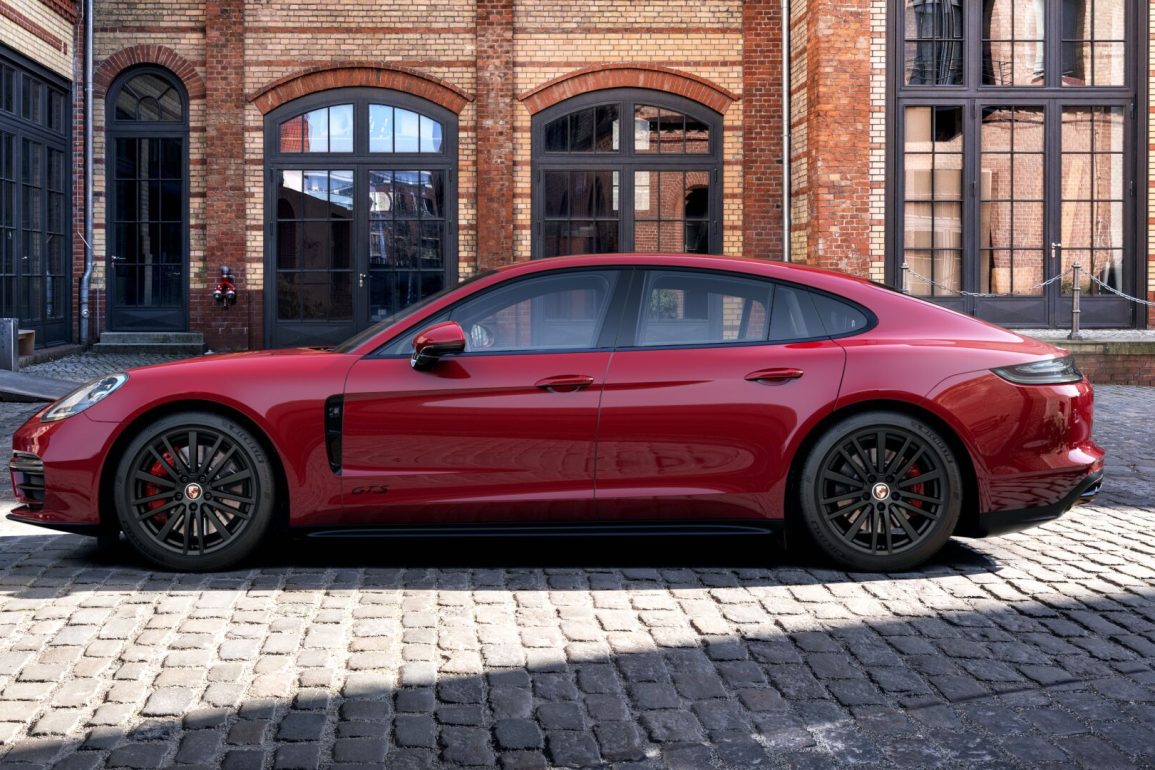
2nd Gen Porsche Panamera (971) Market Value & Pricing
The second-gen Panamera holds stronger residual values than many other luxury sedans, largely because it offers a compelling blend of performance, sophistication, and everyday usability that buyers still prize in the used market. According to market benchmarks, base 971 Panamera models average around roughly $37,000–$55,000, while mid-range trims like the Panamera 4 and 4S sit near the mid-$50Ks on average. Higher-spec variants — especially GTS, Turbo, and Turbo S — command significantly more, with average indexed values often well into the $80,000–$127,000+ range depending on trim, mileage, and options.
Pricing for specific examples varies widely based on model year, condition, powertrain, and specification. For instance, older 2017–2018 examples of base or 4S Panameras may list in the low-to-mid-$30Ks to $50Ks, while late-run 2021–2023 Turbo S and hybrid models can approach or exceed $80,000–$100,000 in clean condition with moderate miles. Real-world listings also show strong interest in executive and Sport Turismo body styles, which often trade at a premium relative to standard sedans.
Overall, the 971’s depreciation — while still present in the early years — has stabilized across much of the range, meaning well-sorted examples tend to hold their value relatively well compared to many rival luxury sedans. Buyers should expect price spreads based heavily on trim and options: higher-performance and better-equipped cars retain more value, while base V6 models represent the most accessible entry points into Panamera ownership.
What Are Second Generation Panameras Worth?
Here’s a detailed breakdown of Porsche Panamera (971) values by condition and model type. The Panamera had always had solid demand given its versatility. They are increasingly affordable and available across many budgets.
Project Cars & Non-Runners
$10,000 – $25,000
At the very lowest end of the 971 market are project cars, non-runners, or examples with significant mechanical issues or incomplete titles. These often include high-mile base Panameras from the early years (2017–2018) or vehicles that have sat unused for long periods. Cars in this bucket typically require major repairs, significant service, or complete recommissioning before they’re a reliable daily driver. While bargain hunters might be tempted, expect substantial investment beyond the purchase price to bring these cars up to modern standards — and plan a cash cushion for work.
Daily Drivers / High-Mileage
$25,000 – $45,000
Cars in this range are operable daily drivers but often with higher mileage (~80k+ miles) and average condition. This bucket primarily includes base V6 models and early Panamera 4 or 4S cars that may be missing desirable options or have cosmetic wear. They typically run and drive fine and can be a solid value play, especially when a buyer is comfortable performing preventive maintenance. However, expect more frequent service — brakes, tires, suspension bushings, and routine PDK fluid changes should all be part of the budget. Clean history is preferred, but cosmetic and tech quirks common.
Clean Drivers / Well-Sorted Examples
$45,000 – $65,000
This is the most desirable mainstream bucket for the 971 Panamera today. Cars here are turnkey, well-maintained, and cosmetically clean with moderate mileage and strong service history. You’ll find Panamera 4S, well-equipped base cars, and even some Sport Turismo or Executive models in this price band. Sweet spot for buyers who want modern tech, confidence in condition, and long-term usability without chasing top-end performance variants. With good maintenance and the right spec, examples here can be excellent everyday drivers.
Nice Specs / Low-Mileage
$65,000 – $90,000+
This bucket includes low-powertrain wear examples, lower mileage cars, and more desirable trims. Think Panamera GTS, Turbo, and some hybrid variants from late in the model run (2020+) with strong options. These cars tend to combine better performance, equipment, and aesthetic appeal, which helps them retain value more aggressively. Buyers in this range are paying for both condition and specification, and they’ll typically get a more engaging driving experience and a vehicle ready to enjoy without immediate service worries. These examples often sell at a premium.
Top Tier / Exceptional
$90,000 – $130,000+
At the top end are the best-condition, lowest-mileage, and highest-spec 971 Panameras — often Turbo S, Turbo S E-Hybrid, or rare GTS Sport Turismo cars with excellent documentation and desirable factory options. These examples trade closer to modern luxury benchmarks and are sometimes bought by enthusiasts who intend to keep them long-term or by buyers who want virtually new performance at a used-car price. In this bucket, you’ll see cars essentially representing the high watermark of the 971’s potential — almost new condition, strong tech, premium packages, and the fastest engines.
Factors That Affect Value
Model Year & Mid-Cycle Refresh
Model year is one of the most fundamental value drivers for the 971 Panamera. Early cars from 2017–2020 were the first generation of the MSB platform and often represent the best entry values, but cars from 2021 onward benefit from a mid-cycle facelift that brought updated styling, refined powertrains, and improved technology. Facelift models typically command higher values due to newer features, stronger performance figures (especially in hybrids), and more desirable standard equipment. Buyers often pay a premium for later years that combine modern tech with lower depreciation.
Variant & Powertrain
Which Panamera you choose matters enormously. Base Panamera and Panamera 4 models are the most affordable but also the least performance-oriented. 4S, GTS, Turbo, and Turbo S variants extract markedly stronger performance and desirability, which is reflected in pricing. Hybrid models (especially Turbo S E-Hybrid) blend performance with efficiency and have carved out a strong niche, though their values fluctuate with battery condition and perception of hybrid complexity. In general, stronger performance and rarer trims carry higher prices and stronger resale support.
Mileage & Use Profile
Mileage remains a direct indicator of value. Lower-mileage examples typically command higher prices, especially when paired with excellent service history and desirable trim. But mileage alone is not everything — a highway-driven Panamera with regular maintenance can be more attractive than a low-mile garage queen that sat unused for years. Cars with sustained use and proper servicing often hold value better because they are perceived as mechanically healthier and ready for daily use.
Condition & Service History
Condition is equally important. A clean, well-maintained Panamera with documented service and no accident history will always be more valuable than a cosmetically pristine but poorly maintained car. Buyers should prioritize cars with records showing routine PDK servicing, suspension and brake work, and any updates from factory campaigns or recalls. Detailed documentation supports confidence and a stronger resale narrative.
Rarity, Specs & Options
Certain configurations and options elevate value. Unique exterior colors, premium interior trims, sport or carbon packages, ceramic brakes, PASM, Sport Chrono, and leather upgrades all boost desirability. Hybrid variants, Sport Turismo body styles, and Executive (long-wheelbase) models often command premiums due to their relative rarity and specific use-case appeal. Collectors and enthusiast buyers tend to gravitate toward distinctive specs that are less commonly found in the used market.
Investment Potential
Current Market Sentiment
The 2nd-gen Panamera’s market has matured, and depreciation is no longer the dominant story it was in early years. Values have shown signs of stabilization, particularly for desirable trims such as the GTS, Turbo, and Turbo S E-Hybrid. Enthusiast and luxury buyers alike now view the 971 as a compelling used option that delivers performance close to modern supercars while retaining everyday usability. Unlike some luxury sedans that continue to fall rapidly, strong examples of high-spec Panameras have held value better in recent years.
Electrification & Hybrid Appeal
Hybrid Panameras occupy a unique position: they illustrate how Porsche blends electrification with performance without diluting the brand’s core identity. Models like the Turbo S E-Hybrid may attract future collectors precisely because they represent an early performance-hybrid pinnacle. That said, long-term value hinges on battery health and confidence around hybrid system servicing, so buyers who secure verified maintenance and battery condition stand to benefit most.
Desirable Variants with Strong Appeal
Not all Panameras are created equal in the investment context. GTS and Turbo S models are among the strongest candidates for value retention and possible modest appreciation, as they are enthusiast favorites with powerful drivetrains and distinctive character. Limited editions, unique color combinations, low-mileage examples, and rare trims (like Sport Turismo GTS with factory options) hold appeal among collectors and often outperform base models over time.
Broader Trends in Luxury Performance Sedans
The broader market for internal-combustion luxury performance cars is evolving as electrification accelerates. Cars that represent the best of the ICE era — like the 971 Panamera in its top trims — may gain relative collector interest as they age. Unlike mass-market luxury sedans, rare performance variants with compelling stories and documented maintenance are likely to retain greater long-term appeal. Shifts toward EVs and hybrid technology, combined with nostalgia for traditional powertrains, could further bolster interest in the right Panamera examples.
Practical Investment Perspective
It’s important to temper investment expectations: the 971 Panamera is not a traditional blue-chip classic like early 911s, but it does offer value stability in desirable trims and configurations. Buyers focused on enjoyment first and potential value second tend to make the strongest investment decisions. Purchasing the best-maintained, best-equipped Panamera you can afford generally yields the best total ownership experience, with the added benefit that certain trims may hold or slightly appreciate over time, especially in low-supply segments.
Recent 2nd Gen Porsche Panamera Values & Market Sales Trends
Below, our friends at Classic.com chart recent sales and trends in the Porsche Panamera (971) market. We have only shared a few of the core markets, so don't forget to go to classic.com to see the rest.
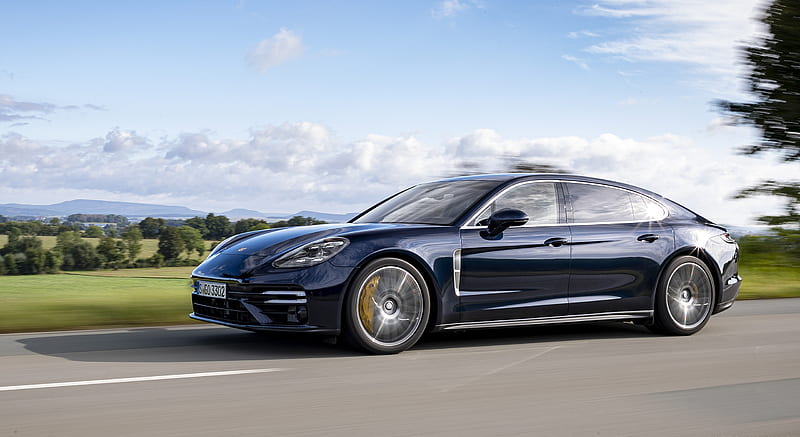
2nd Gen Porsche Panamera Driving Experience & What to Expect
What They Said at The Time
When the 971 Panamera debuted for the 2017 model year, journalists were unanimous in noting that Porsche had addressed nearly every criticism of the first-generation car, most notably with improved proportions, dynamics, and overall presence. Car and Driver called it “a Porsche 911 with four doors,” noting the sleeker styling and “more exhilarating driving dynamics” compared to its predecessor, and emphasized that the redesign finally aligned the Panamera’s performance potential with its visual intent.
“The Panamera — a Porsche 911 with four doors — is totally redone with crisper styling and more exhilarating driving dynamics.” - Car and Driver
Performance reviews reflected that sentiment on the road. In testing the 2017 Panamera 4S, Car and Driver highlighted that the twin-turbo V6 could generate performance figures that “leave little daylight between the Panamera 4S and the 911 Carrera 4S,” with a 0–60 mph run in 3.6 seconds and remarkable lateral grip, underscoring how effectively Porsche fused luxury sedan comfort with true sports-car performance. Similarly, MotorTrend noted that the Panamera’s eight-speed PDK and new air suspension delivered “effortlessly rapid progress down the road,” while adaptive systems worked in the background to keep the handling sharp without intruding on comfort.
Journalists also remarked on the Panamera’s dual-personality capability — poised and composed in relaxed cruising modes yet keenly responsive when pushed. In MotorTrend’s early drives, reviewers highlighted a Powertrain and chassis combination that was “remarkably smooth and responsive” with a “muted, oily snarl” from the V6 and refined V8 engines, noting that the adaptive systems delivered both “luxury-car ride quality” and thrilling performance when called upon.
“If you need a Mercedes S-Class but lust for a sports car, the 2017 Panamera is the Porsche for you.” - Motor Trend
Critics did offer balanced notes too. Some observed that while the design and dynamics had improved dramatically, certain aspects — such as the exhaust character on smaller engines — weren’t as emotionally engaging as the naturally aspirated engines of earlier eras. Nonetheless, Edmunds praised the 2017 Panamera for finally marrying executive-class luxury with “sports-car-like handling around turns,” and for delivering strong acceleration and a modern, technology-rich interior that set it apart from rivals.
“captivates with its exhilarating performance and luxurious design.” - Edmunds
In summary, the contemporary press consensus on the 971 Panamera was overwhelmingly positive: reviewers acknowledged Porsche had transformed a divisive luxury sedan into a credible high-performance grand tourer. With sharp handling, strong acceleration across the range, and improved aesthetics complementing its engineering, journalists broadly agreed that the second-generation Panamera had definitively proven itself as a worthy competitor to traditional luxury and high-performance sedans alike.
What to Expect Today
From the moment you sit in a 971 Panamera, it’s clear Porsche approached this car as something more than just a luxury sedan. The steering is direct and communicative, the body control impressively flat, and the chassis feels poised much more like a GT sports car than a traditional executive cruiser. Thanks to the MSB platform’s improved rigidity and optimized weight distribution, the Panamera feels settled through corners — you sense what the tires are doing, and the feedback through the wheel encourages confidence whether you’re threading through mountain roads or navigating twisty backroads.
Adaptive suspensions (PASM, optional air suspension, rear-axle steering on many trims) play a key role here. In comfort mode, the ride soaks up highway thumps and potholes with composure; in sport or sport-plus, the car sharpens instantly, balancing crisp responses with enough compliance to stay composed. This adaptability lets the Panamera be both a refined grand tourer and an enthusiastic driver’s car, depending on the situation and how you set it up.
Performance expectations shift depending on the variant — but across the board, the 971 Panamera feels fast and capable:
V6 & 4S Models: The turbo-charged V6 and V6-based 4S offer strong throttle responses and robust mid-range torque. They’re quick in real world driving, overtaking without fuss, and provide effortless highway cruising with smooth power delivery.
GTS: This is widely regarded by enthusiasts as the sweet spot for driving engagement. The GTS delivers a more visceral throttle and exhaust note, sharper handling calibrations, and a more interactive experience that leans into the Porsche DNA without going to the extremes of a Turbo.
Turbo & Turbo S / Turbo S E-Hybrid: These variants redefine what a large four-door can do. With explosive throttle response, massive torque across the rev range, and near-supercar acceleration, they make merging and passing effortless. The hybrid variants add instant torque from the electric motor, combining blistering speed with improved everyday drivability.
Across all trims, the transmission (PDK) is quick, intuitive, and adapts beautifully from smooth upshifts in relaxed driving to razor-sharp changes when pushed.
Despite all the performance hardware, the Panamera remains remarkably user-friendly as a daily car. The seats are supportive, visibility is good for its class, and the cabin layout is intuitive. Adaptive cruise, driver assist systems, and modern infotainment make commuting and long distances less fatiguing. In traffic or city environments, the steering lightens and suspension compliance improves in comfort settings — it’s a large car, but not an unwieldy one.
Refinement levels are impressively high; wind and road noise are well suppressed, and even higher-output engines feel relaxed at cruising speeds. Fuel economy is typical for performance cars of this caliber, but the efficient V6 and hybrid options temper consumption compared to pure V8 variants.
Where the Panamera truly shines is in spirited driving. Swap to sport modes, dial in the adaptive features, and the 971 responds with a sharpness that surprises given its size. Brake performance is strong and confidence-inspiring, particularly on cars equipped with larger discs or PCCB ceramic options. Rear-axle steering — available on many trims — enhances agility at lower speeds while boosting stability at speed.
This combination means the Panamera is comfortable cruising one day and credible on a canyon road or backroad run the next. It doesn’t feel like a compromised sports car or a cushy luxury sedan — it balances both with intent and finesse.
If you’re considering a 2nd-gen Panamera, expect a multifaceted driving experience: poised and civilized when cruising, but capable of rewarding engagement when pointed at challenging roads. Each trim level offers a distinct flavor — the V6/4S for balanced GT use, GTS for driver-focused thrills, and Turbo/Turbo S for high-performance luxury without compromise.
For many owners, the Panamera is the ideal solution for those who want 911-level dynamics in a four-seat package — a car that doesn’t force you to choose between performance and practicality. As long as you respect its complexity and maintain it properly, the 971 delivers one of the most complete and compelling driving experiences in the modern luxury performance sedan segment.
Getting Real - Costs to Own & Maintenance
Owning a 2nd-gen Panamera offers a refined, capable luxury experience — but that refinement comes with above-average maintenance costs compared with mainstream cars. According to industry estimates, the Panamera’s average annual repair and maintenance cost is around $1,192 per year — roughly 80% higher than the industry average — and is likely to increase as the car ages and mileage rises.
Routine services such as oil changes and inspections typically cost significantly more than everyday vehicles. Owners report that even basic services can add up — oil changes for Panameras have been mentioned in real-world threads at several hundred dollars each, and independent estimates place them around $450–$500 depending on location and labor. Beyond routine care, suspension, cooling system, and transmission services (especially fluid changes for PDK transmissions) are recommended at regular intervals and will add to long-term costs.
Real owners often report total annual spend closer to $2,000–$3,000 per year in maintenance and repairs, particularly when factoring in tires, brake wear, and high-use items — with a set of performance tires every 2–3 years costing around $2,000, and substantial brake pad/rotor jobs running similarly. Given this, many experienced Porsche owners recommend budgeting $2,000+ annually as a planning figure if you’re driving the car regularly and maintaining correct service intervals.
Parts Availability & Pricing
Parts for the 971 Panamera are generally readily available through Porsche dealers and the aftermarket, but pricing reflects its luxury performance pedigree. Routine parts like filters, fluids, and pads are priced higher than mainstream vehicles, and specialist components often command a premium. For example, even basic parts such as brake pads and rotors on high-performance trims can range into the thousands of dollars when OEM parts and labor are included.
Oil filters, air filters, and spark plugs are inexpensive in isolation, but labor costs are notable due to the car’s complexity and parts packaging, which often extends service times and labor charges. Independent European car specialists can sometimes be less expensive than dealerships, but high-spec trims (like Turbo, Turbo S, or E-Hybrid versions) may still require Porsche-specific knowledge and tooling.
While performance parts, hybrid system components, and suspension pieces are generally available, rare or discontinued items (especially for older model years) can temporarily spike in price or wait time. Shopping around between authorized dealers, performance parts suppliers, and specialist importers often yields the best balance of price and warranty support.
Insurance Costs for a 2nd-Gen Porsche Panamera
Insurance for the Panamera is above average compared to typical sedans due to its performance capability and repair costs. Larger engines, turbocharged variants, and hybrid models generally carry higher premiums than base V6 trims. Data on newer Panameras shows typical 5-year total insurance costs exceeding $10,000–$11,000, with annual premiums often in the low- to mid-$2,000 range, depending on driver profile, location, and coverage level.
Younger drivers, high-performance variants (GTS, Turbo S, E-Hybrid), and those with driving histories including tickets or accidents can expect higher rates, while experienced drivers with clean records and bundled policies (e.g., homeowner + auto) typically see more reasonable premiums. Certified Pre-Owned (CPO) Panameras may also help reduce insurance costs slightly due to warranty coverage and perceived lower risk.
Summary Budget Expectations
For a well-maintained second-generation Panamera, here’s a typical ownership cost breakdown (varying by trim and usage):
Annual Maintenance & Repairs: ~$1,500–$3,000+
Tires & Brakes (periodic): ~$1,500–$4,000 every 2–3 years
Insurance: ~$1,800–$2,500 per year for most drivers
Fuel: ~$2,500–$4,000 annually for typical use
Total Realistic Annual Budget: ~$7,000–$12,000+ depending on powertrain, mileage, and owner habits
These figures don’t include depreciation, financing, or registration fees but reflect the “pure ownership” perspective many buyers will encounter.
Bottom Line for Buyers
The 2nd-gen Panamera delivers premium performance and comfort, but comes with costs to match. Regular service and high-spec maintenance items are more expensive than mainstream cars, insurance is above average, and performance tires/brakes add periodic spikes. That said, careful budgeting, use of independent specialists, and documented service history can help keep total ownership costs manageable for those who value a refined yet thrilling luxury performance experience.
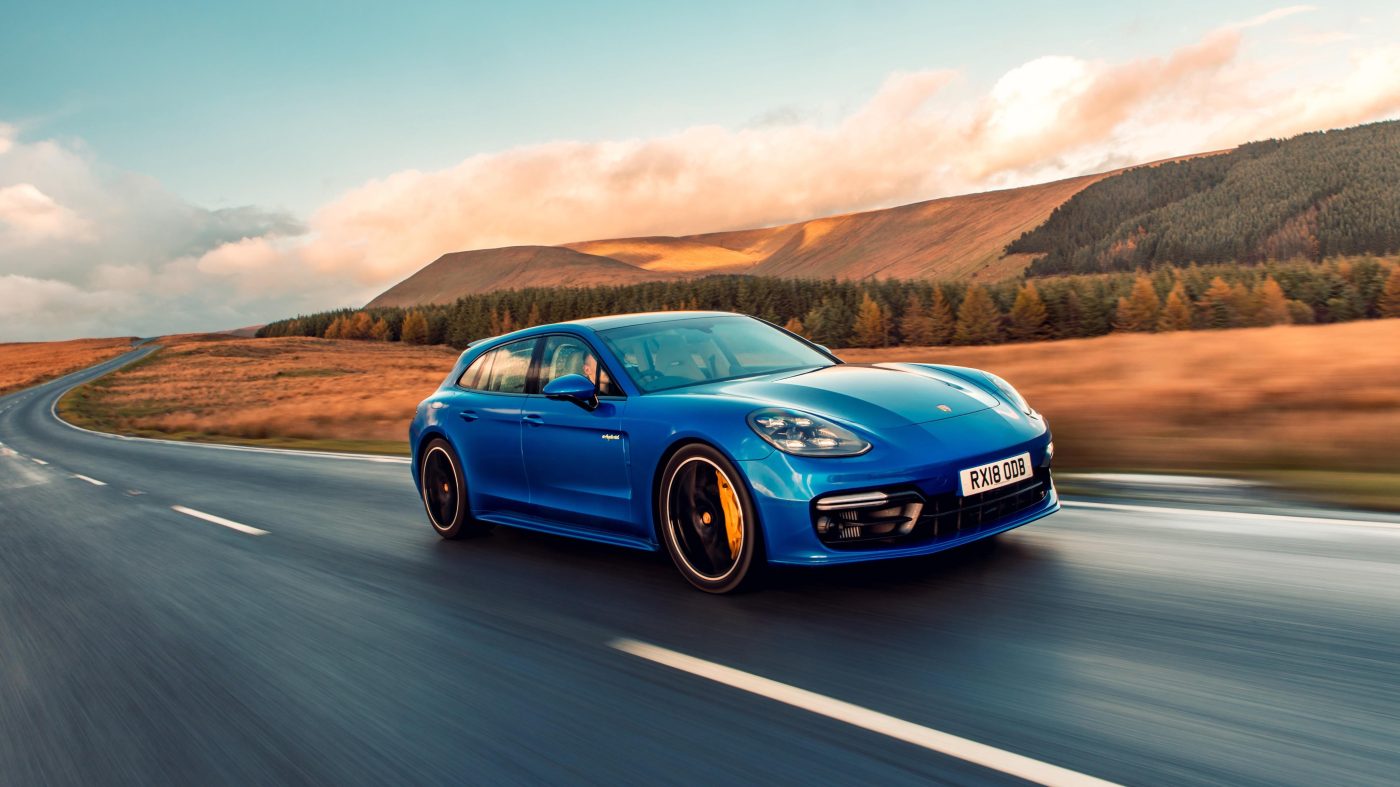
Other Key Buying Considerations
Ensuring Performance, Authenticity, and Long-Term Enjoyment
These are the issues that commonly influence ownership satisfaction, long-term reliability, and buyer confidence. The second-gen Panamera is rewarding if approached with eyes wide open. Prioritize complete service records, a thorough PPI, and sensible spec choices. Factor typical maintenance costs into your budget, and adopt a long-term ownership mindset rather than expecting a “cheap Porsche.” When well maintained and properly chosen, the second generation delivers luxury performance, grand-touring comfort, and driver engagement in a package few other luxury sedans can match.
Pre-Purchase Inspection by a Porsche Specialist
A thorough pre-purchase inspection (PPI) by a Porsche-savvy technician is essential for any 971 Panamera. These cars are complex, and many issues — including air suspension wear, PDK transmission health, hybrid system checks (on E-Hybrid variants), and electronic faults — can be subtle or intermittent. A PPI helps uncover hidden problems early, giving you negotiating power and peace of mind.
Service History & Documentation
Comprehensive service documentation significantly affects both reliability and value. Look for records showing:
Regular PDK fluid changes
Suspension service (especially on air-suspension cars)
Brake and tire history
Battery and hybrid system maintenance (for E-Hybrids)
Any recalls or software updates
Cars with consistent, documented care tend to be more reliable and easier to insure or resell.
Trim & Specification Choices
Specification matters with the 971 Panamera, perhaps more than with many luxury cars:
Transmission: PDK is the preferred choice for performance and refinement; earlier Tiptronic automatics are competent but less engaging.
Suspension: PASM and air suspension greatly enhance ride quality and handling but add complexity and potential repair costs.
Drivetrain: AWD (Panamera 4, 4S, Turbo) improves traction and value retention compared to RWD Panameras.
Options: Sport Chrono, ceramic brakes, premium audio, and rear-seat comfort packages increase both enjoyment and long-term desirability.
A thoughtfully specified car will feel more complete and often retains value better.
Hybrid & Battery (E-Hybrid Models)
E-Hybrid Panameras pair electric motors with potent internal combustion engines. They offer strong performance and better fuel economy, but hybrid systems introduce considerations buyers must understand:
Battery health and capacity
Hybrid system service records
Availability of EV-mode range and charging behavior
Long-term battery replacement costs
A battery test and full hybrid system diagnostic should be part of your PPI process.
Option & Package Impact on Value
Options don’t just add features — they directly influence future resale value:
SportDesign packages & wheels often show higher desirability
Premium audio and display upgrades improve daily enjoyment
Rear-seat comfort/officer packages add value for chauffeured use
Rare or desirable options help certain 971 examples stand out in classified searches and can soften depreciation.
Typical Wear Items & Anticipated Maintenance
Some components on a 971 Panamera wear more quickly or are more costly to maintain:
Air suspension components (compressors, struts, lines)
High-performance brakes and tires (especially on Turbo and Sport Turismo trims)
PDK fluid and filter replacements
Clutch packs on some Tiptronic cars
Hybrid system software/thermal management checks
Understanding expected service intervals helps you plan ahead and avoid surprises.
Insurance, Registration & Local Costs
Insurance premiums for the Panamera are higher than average due to performance, replacement costs, and repair complexity. Premiums vary based on driver profile, trim level (Turbo/Turbo S often cost more), and location. Additionally, registration costs in some states are tied to vehicle value, which can be higher than comparable sedans.
Getting insurance quotes early in the buying process can prevent unpleasant surprises.
Depreciation Curve & Resale Timing
The 971’s depreciation has flattened in recent years, especially on desirable trims like GTS, Turbo, and high-spec hybrid variants. Understanding where a specific model sits in its depreciation curve helps you choose the best buying window — for example, late-model facelift examples often offer the most features and strongest residuals relative to price.
Body Style & Use Case Match
The 971 Panamera comes in several body styles, and your choice should align with your intended use:
Standard sedan: The best balance of price, performance, and practicality.
Sport Turismo (wagon): Superior cargo capacity and versatility — especially appealing for active lifestyles or families.
Executive (long-wheelbase): Enhanced rear comfort, ideal for repeat highway travel or chauffeur use.
Each body style slightly affects pricing, value retention, and desirability.
Community & Specialist Network
One underrated advantage of the Panamera is a large, active owner and specialist community. Enthusiast forums, service networks, and Porsche-focused shops provide invaluable insights on common issues, recommended service providers, retrofit solutions, and DIY maintenance tips. Having that network support can make ownership smoother and more enjoyable.
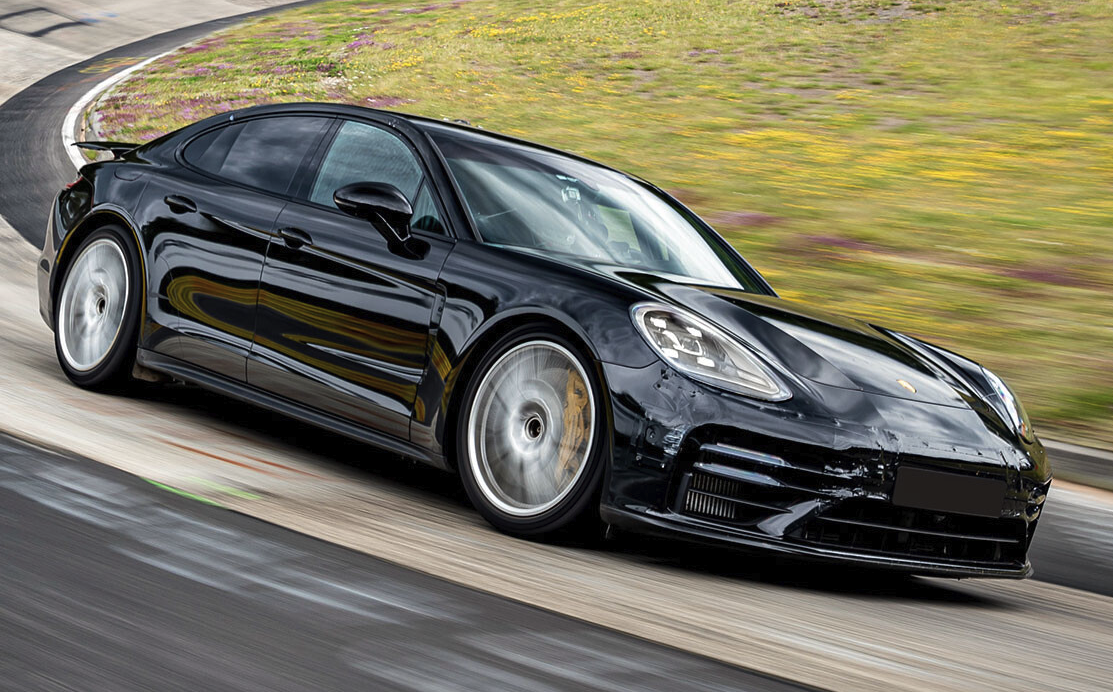
Common 2nd Gen Porsche Panamera Problems
What Buyers Should Know
While the Porsche Panamera is known for its overall reliability and refinement, it’s still a high end German sports car with specific quirks to be aware of. A well-maintained second generation Porsche Panamera can be an incredibly rewarding car to own, but buying the wrong one can lead to frustrating expenses. Here are the most common issues and red flags to look for. These aren’t theoretical “might happen” items, but problems reported repeatedly by owners, specialists, and long-term testers..
(see our full article on common Porsche Panamera problems here).
Air Suspension Wear & Failure
Many second-generation Panameras are equipped with adaptive air suspension, particularly higher trims and well-optioned cars. Over time, air springs can develop leaks and compressors can become overworked, especially on higher-mileage examples. Owners may notice the car sitting unevenly, frequent compressor noise, or suspension warning messages. While the system delivers excellent ride quality when functioning correctly, repairs are expensive, making suspension condition one of the most important areas to inspect before purchase.
PDK Transmission Concerns
The PDK dual-clutch transmission used in the 971 is generally robust, but issues typically arise from deferred maintenance rather than design flaws. Cars that have missed recommended fluid and filter changes may exhibit harsh shifts, hesitation at low speeds, or shuddering during stop-and-go driving. Routine PDK servicing is critical, as neglected transmissions can lead to costly clutch or mechatronic repairs. Buyers should always verify documented PDK service history.
Engine Oil Leaks & Seal Failures
Despite the Panamera’s advanced engineering, oil leaks can develop over time, particularly on higher-output engines. Common sources include valve cover gaskets, camshaft housing seals, timing covers, and oil cooler lines. Symptoms often include oil smells, smoke on startup, or visible residue in the engine bay. While these leaks are rarely catastrophic, repairs are labor-intensive due to tight packaging, which can significantly increase repair costs.
Electrical & Infotainment Gremlins
Like many modern luxury cars, the 971 Panamera can experience intermittent electrical issues as it ages. These may involve the PCM infotainment system, seat controls, climate interfaces, or driver-assistance features. Symptoms range from unresponsive screens to random warning messages. While individual components are not always expensive, diagnosing intermittent faults can be time-consuming and costly, making thorough system testing during inspection essential.
HVAC & Climate Control Issues
Climate control problems occasionally arise due to failing actuators, temperature sensors, or control modules. Buyers may notice uneven temperatures between zones, weak airflow, or rear climate controls that do not respond correctly. While these issues are typically not severe, they can detract from daily comfort and may indicate underlying electrical or sensor-related problems that require attention.
Brake & Tire Wear
The Panamera’s size, weight, and performance capabilities mean brake and tire wear is higher than average. Performance trims in particular consume pads, rotors, and tires more quickly than conventional sedans. Symptoms include brake squeal, excessive dust, and uneven tire wear. Replacement costs can be substantial, especially on larger wheel packages or ceramic brake-equipped cars, so buyers should factor wear items into their budget.
Hybrid System & Battery Considerations (E-Hybrid Models)
Hybrid Panameras introduce additional complexity through their high-voltage battery and electric drive components. Over time, battery capacity naturally degrades, which can reduce electric-only range. Warning messages, inconsistent charging behavior, or reduced EV performance may signal underlying issues. Battery replacement is costly if the car is out of warranty, making battery health reports and warranty coverage especially important for hybrid buyers.
Cooling System Sensors & Components
Cooling system issues on the 971 often involve thermostats, temperature sensors, or coolant hoses rather than major mechanical failures. Symptoms may include erratic temperature readings or warning lights. While individual components are relatively affordable, diagnosing cooling issues can be time-consuming and should not be ignored, as improper thermal management can affect long-term engine health.
Exhaust System Corrosion
In colder climates or areas where road salt is common, exhaust components such as heat shields, hangers, and sections of piping can corrode over time. Owners may notice rattling noises, exhaust leaks, or visible rust underneath the car. While not unique to the Panamera, exhaust repairs can add up due to labor and part costs, especially on performance variants.
AWD Transfer Case & Differential Wear
All-wheel-drive Panameras rely on transfer cases and differentials that require regular fluid service. When neglected, seals can leak and internal components can wear prematurely. Symptoms may include drivetrain shudder under acceleration, fluid smells, or unusual noises from the rear of the vehicle. Preventative fluid changes are inexpensive compared to the cost of repairing drivetrain components, making service records particularly important for AWD models.
Final Buyer Perspective
Most common second-generation Panamera problems stem from complexity and deferred maintenance, not fundamental design flaws. Well-maintained examples with documented service histories are generally reliable and rewarding to own, while neglected cars can become expensive quickly. Buyers should prioritize a Porsche-specialist pre-purchase inspection, verify key service intervals, and budget realistically for wear items. When approached carefully, the 971 Panamera remains one of the most capable and complete luxury performance sedans of its era.

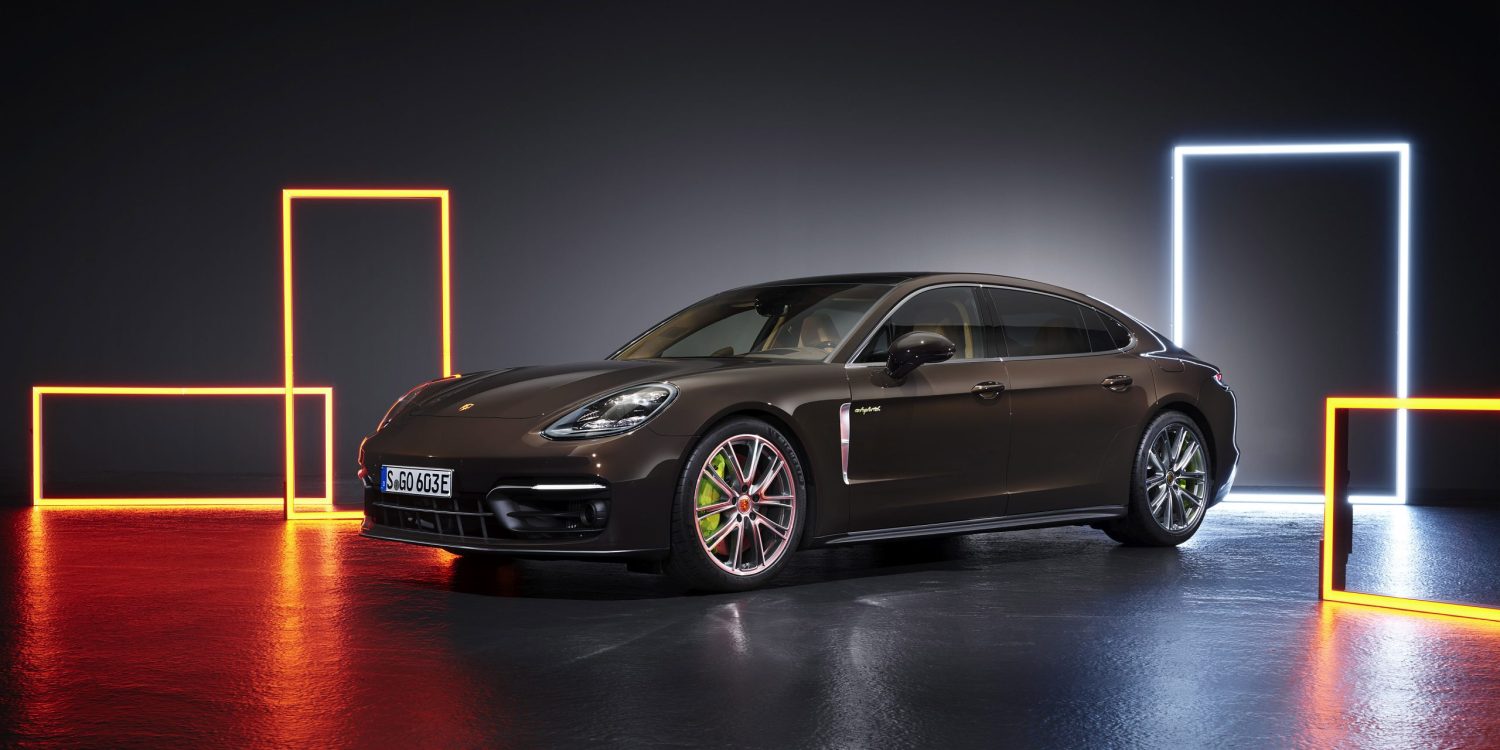
Buying A 2nd Gen Porsche Panamera (971) FAQs
Here are all the questions we've received from readers considering a second generation Porsche Panamera
Is the second-generation Porsche Panamera a reliable car?
The 971 Panamera was engineered with high-end components — adaptive suspension, PDK dual-clutch transmission, advanced electronics, and, in many cases, hybrid powertrains. When these systems are properly maintained and serviced on schedule, many owners report years of trouble-free ownership with excellent performance and refinement. Compared with its luxury performance peers (like high-trim BMW 7 Series, Mercedes S-Class, or Audi A8), the Panamera’s reliability record is respectable — particularly on later model years and cars with documented dealer or specialist service.
The biggest determining factor in real-world reliability is service history. A Panamera with a consistent maintenance record — including scheduled PDK fluid changes, suspension checks, timely brake and tire service, and hybrid battery system monitoring — is far more likely to be reliable long term than one with gaps in documentation, long service intervals, or unknown ownership. Cars that have spent most of their life on highway miles with proper care tend to have fewer problems than low-mile city cars that sat unused for long periods.
Reliability challenges tend to come from complexity rather than mechanical failure out of nowhere:
Air suspension — expensive to repair if components age or leak
PDK transmission service — critical, and missed servicing can accelerate wear
Electronics & infotainment — occasional quirks, not usually catastrophic
Hybrid components (on E-Hybrid models) — battery health and electric systems require attention
These aren’t unique to the Panamera; they reflect the reality of sophisticated luxury performance cars with advanced tech.
Later 971 model years (2019+ and facelifted 2021+ cars) benefit from improved engineering, updated software, and stronger factory options — and many may still be under factory or Certified Pre-Owned (CPO) warranty coverage, which significantly improves short-term reliability peace of mind. Older or out-of-warranty cars require a more careful inspection and a maintenance reserve for potential repairs.
The 2nd-gen Panamera is not a “bulletproof” everyday commuter like a Corolla, but it is reliable relative to its class — when it’s been maintained properly. A well-sorted example with documented service, a clean inspection, and the right specification can deliver years of dependable use. In contrast, a neglected Panamera — especially one with deferred maintenance on key systems — can quickly become expensive and frustrating.
Which second-generation Panamera models are the best to buy?
For most buyers, the Panamera 4S represents the best all-around choice in the second-generation lineup. It strikes an ideal balance between performance, refinement, and everyday usability. With strong power delivery, all-wheel drive traction, and a chassis that feels unmistakably Porsche-engineered, the 4S delivers engaging driving dynamics without the higher purchase price and running costs of the flagship models. It is quick enough to feel special, comfortable enough for daily use, and widely available with desirable options, making it one of the safest and most satisfying choices in the 971 range.
For drivers who prioritize engagement and character, the Panamera GTS is often considered the enthusiast’s pick. Porsche tuned the GTS with sharper suspension calibration, more aggressive throttle response, and a sportier exhaust note, giving it a more visceral feel than other variants. While it does not match the outright straight-line performance of the Turbo models, it offers a more connected driving experience that appeals to those who want their four-door Porsche to feel as close as possible to a sports car. As a result, GTS models tend to be especially desirable on the used market.
Buyers seeking maximum performance should look to the Panamera Turbo, Turbo S, or Turbo S E-Hybrid. These models transform the Panamera into a true super-sedan, delivering immense acceleration, effortless high-speed cruising, and cutting-edge technology. The Turbo S stands as the flagship internal-combustion model, while the Turbo S E-Hybrid adds electric torque and limited EV capability on top of already extreme performance. These variants are best suited to buyers who want top-tier power and prestige and are comfortable with higher purchase prices and ownership costs.
The E-Hybrid models more broadly are an excellent option for buyers who want strong performance combined with improved efficiency. These plug-in hybrids offer impressive low-end torque, smooth urban driving in electric mode, and reduced fuel consumption compared to pure combustion models. They are especially appealing for suburban or city driving, though buyers should pay close attention to battery health and warranty coverage when shopping used.
Finally, the Sport Turismo body style deserves special mention. Available across several trims, it adds meaningful cargo space and practicality without compromising the Panamera’s handling or performance. For buyers who want a more lifestyle-oriented vehicle — whether for family use, road trips, or active hobbies — the Sport Turismo offers added versatility while retaining the same core driving experience.
In summary, the best second-generation Panamera to buy depends on priorities. The 4S is the smartest all-rounder, the GTS is the most engaging to drive, the Turbo and Turbo S models deliver maximum performance, and the Sport Turismo variants offer unmatched practicality. When paired with a strong service history and a proper pre-purchase inspection, any of these models can be an excellent choice within the 971 lineup.
What are the most common problems to watch for?
Common issues include air suspension wear, missed PDK transmission services, electronic and infotainment glitches, oil leaks on higher-output engines, and brake and tire wear. Hybrid models add battery-health considerations. None of these are guaranteed failures, but all should be evaluated carefully during a specialist pre-purchase inspection.
How expensive is it to maintain a second-gen Panamera?
Maintenance costs are higher than average. Most owners should budget roughly $7,000–$12,000 per year including maintenance, tires, insurance, fuel, and a reserve for unexpected repairs. High-performance trims and hybrid models sit toward the upper end of that range, while V6 models are more affordable to run.
Is a pre-purchase inspection really necessary?
Yes. A Porsche-specialist pre-purchase inspection is essential for the 971 Panamera. Many issues—such as air suspension leaks, PDK behavior, hybrid system health, or electronic faults—are not obvious on a short test drive. A proper PPI can save thousands and provide valuable negotiating leverage.
Should I avoid high-mileage second generation Panameras?
Not necessarily. A higher-mileage Panamera with complete service records can be a better buy than a low-mileage example with unknown history. Highway-driven cars often age better than short-trip city cars, but buyers should budget for suspension, brakes, tires, and drivetrain servicing as mileage increases.
Are hybrid (E-Hybrid) Panameras a good choice?
E-Hybrid Panameras can be excellent daily drivers, offering strong performance and improved efficiency. However, buyers should pay close attention to battery health, charging behavior, and warranty coverage. Hybrid models are best purchased with remaining factory or CPO warranty for added peace of mind.
How does the Panamera compare to rivals like the S-Class or BMW 7 Series?
The Panamera is generally more engaging to drive than traditional luxury sedans, offering sharper steering, better handling, and a more performance-focused character. While it may ride slightly firmer than some rivals, it delivers a more rewarding experience for drivers who value dynamics as much as comfort.
Do some 971 Panameras still have warranty coverage?
Yes. Many newer or lower-mileage 971 Panameras—especially 2019+ examples—may still have factory warranty or Porsche Certified Pre-Owned (CPO) coverage. Warranty status can significantly reduce near-term ownership risk and is an important value factor when comparing similar listings.
What’s the biggest mistake buyers make when buying a 2nd gen Panamera?
The most common mistake is buying the cheapest example available without considering service history or future maintenance costs. A well-maintained, higher-priced Panamera is almost always a better long-term buy than a neglected bargain. Condition, documentation, and inspection results matter far more than headline price.