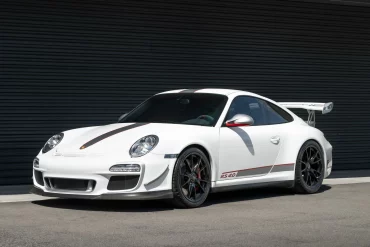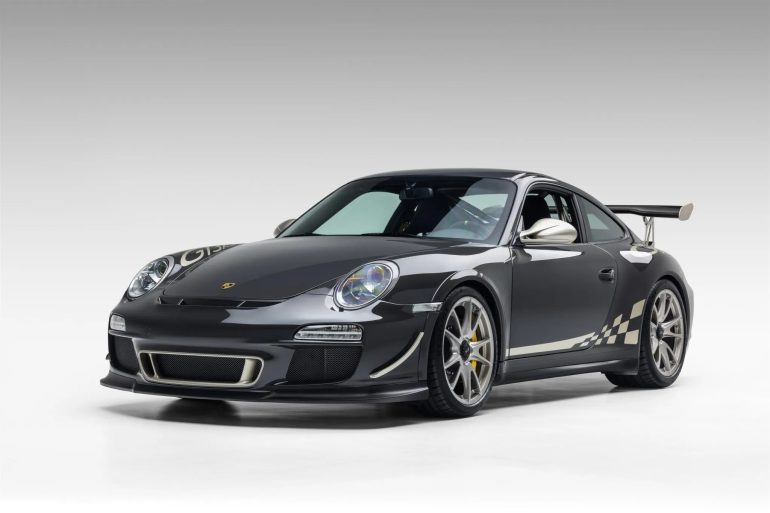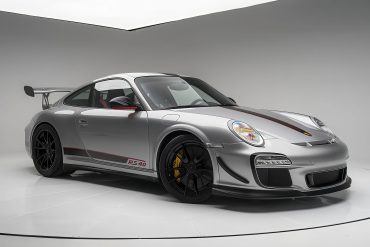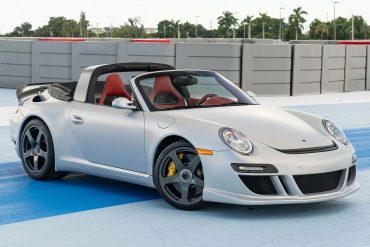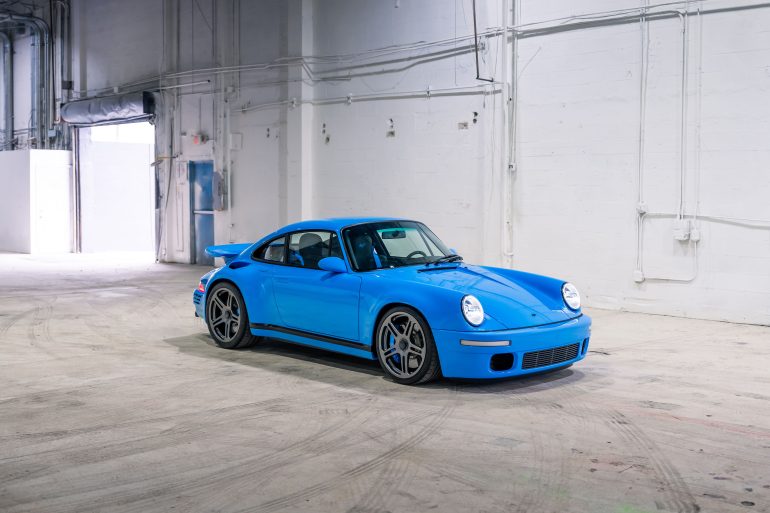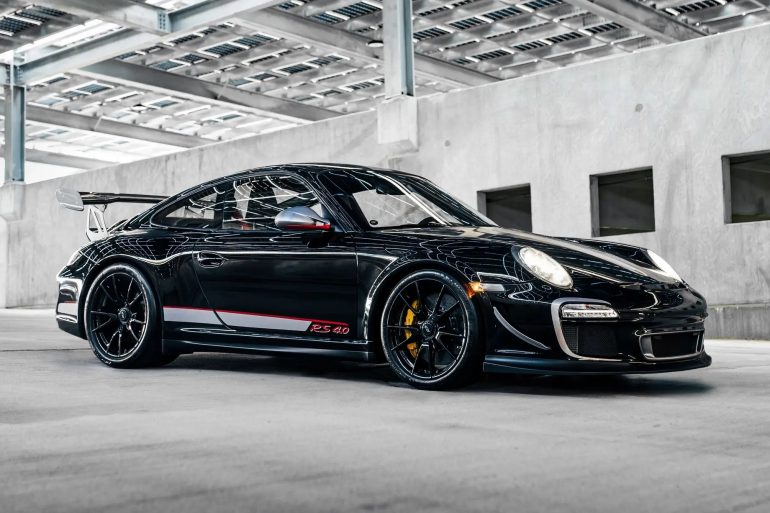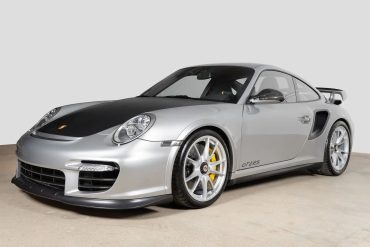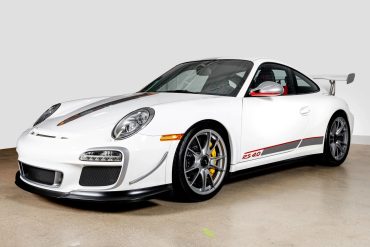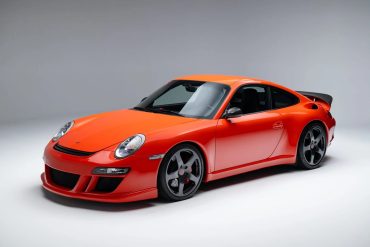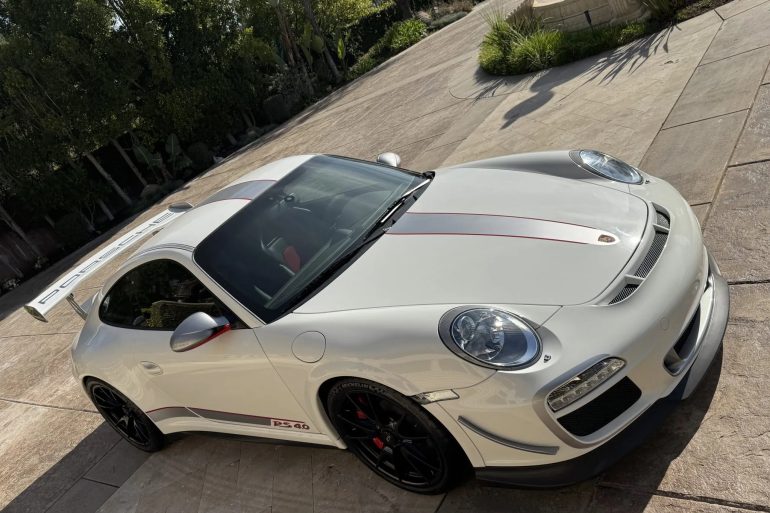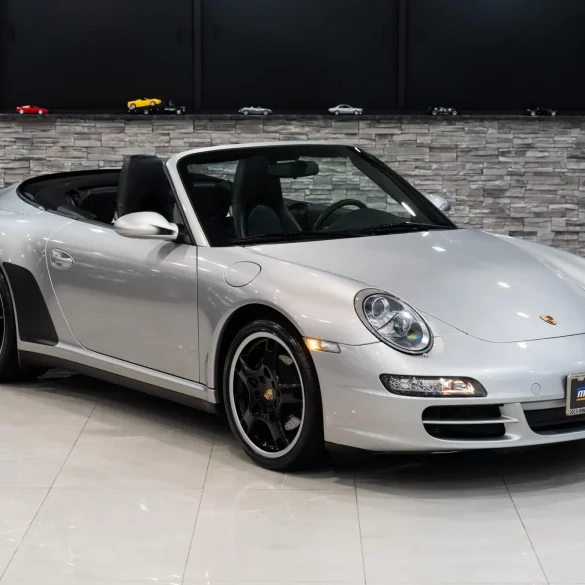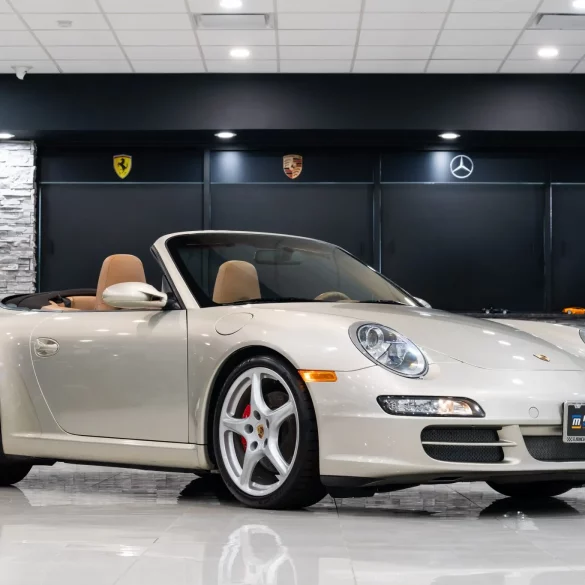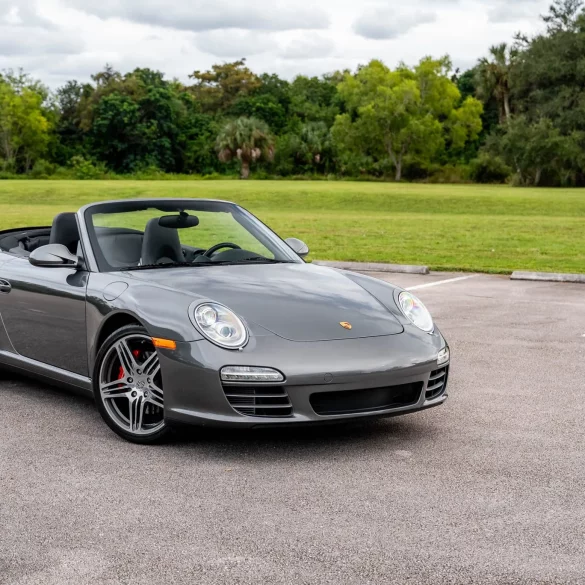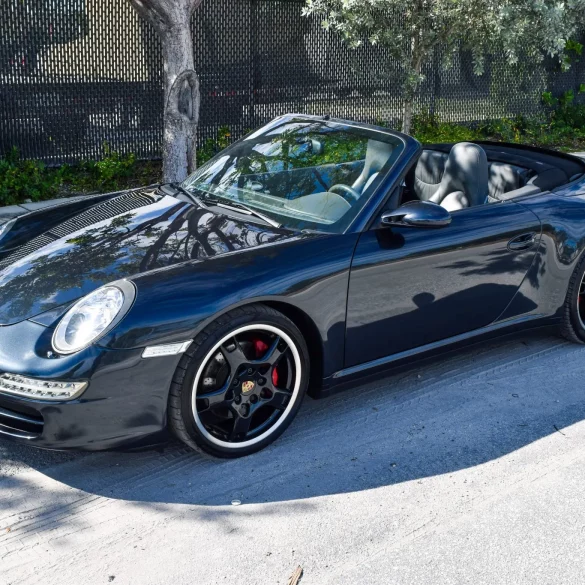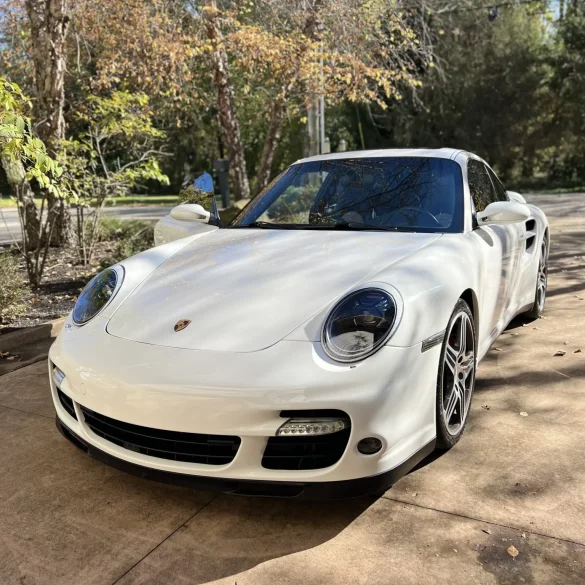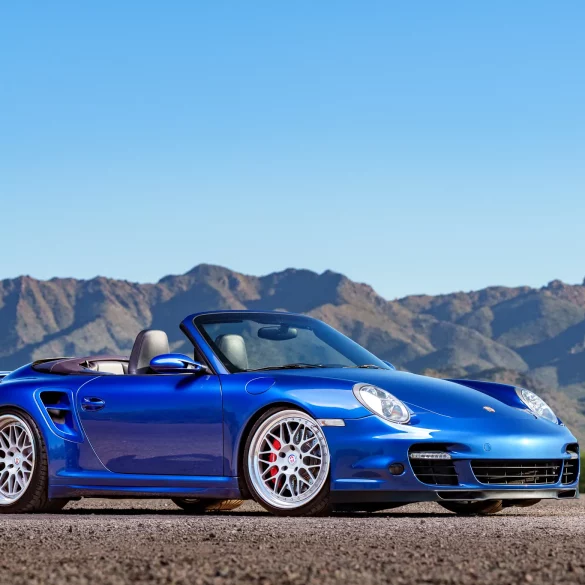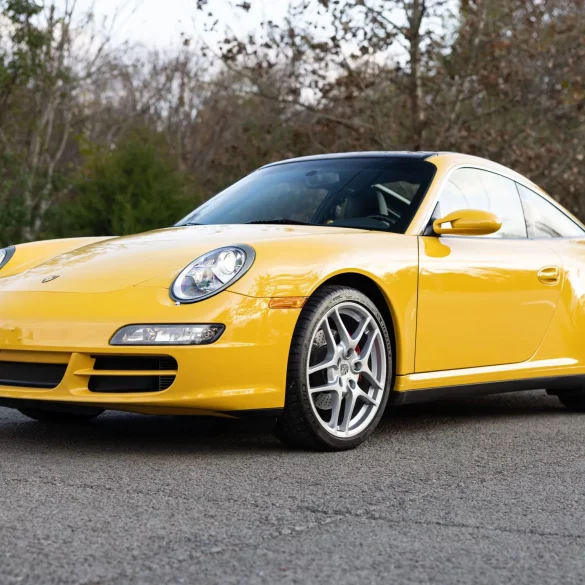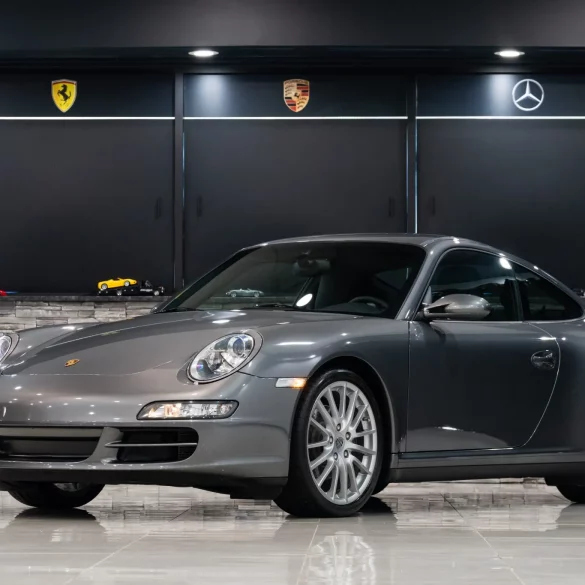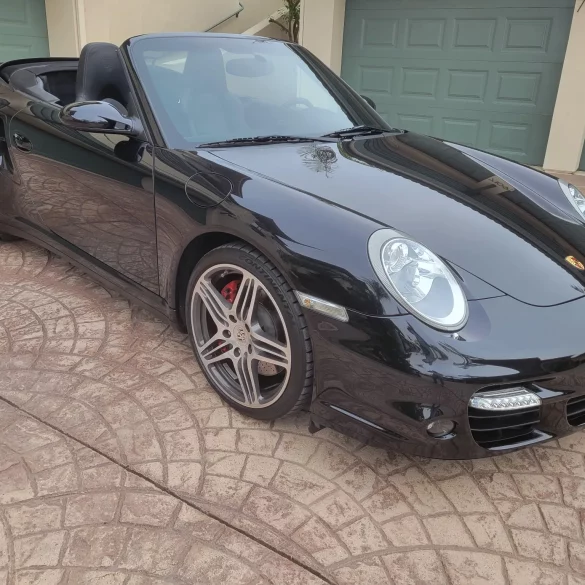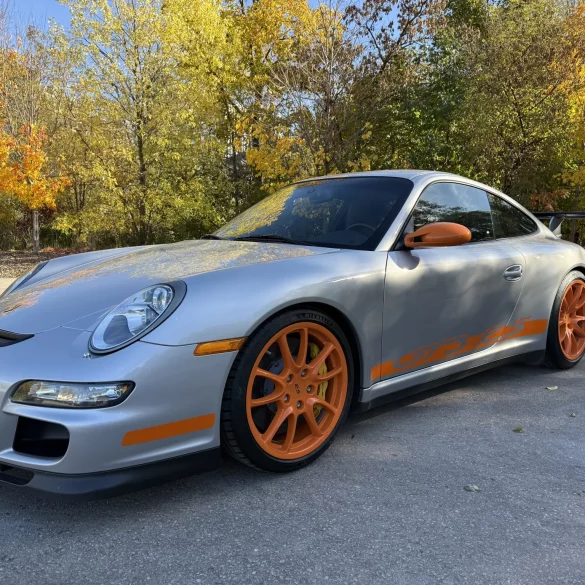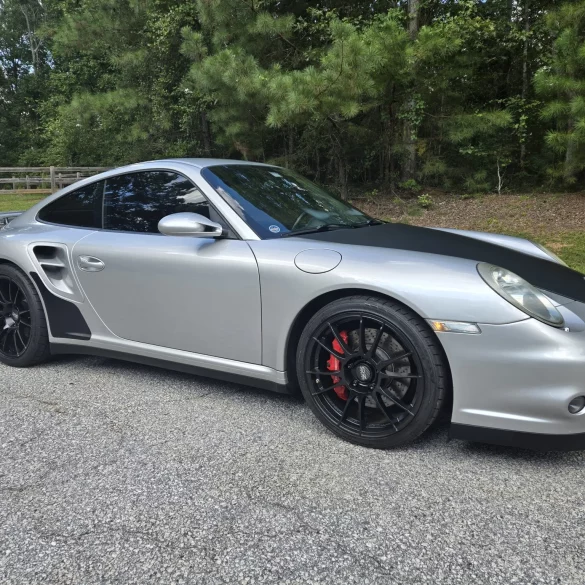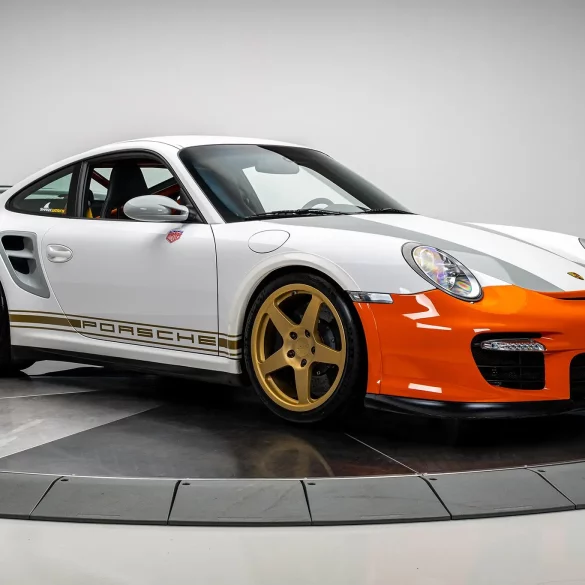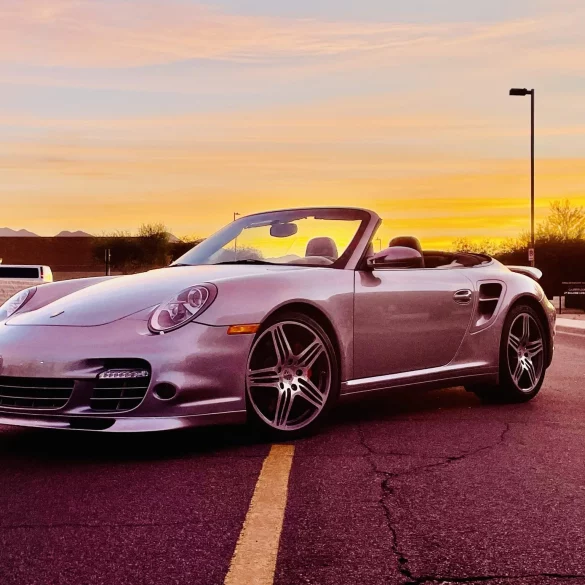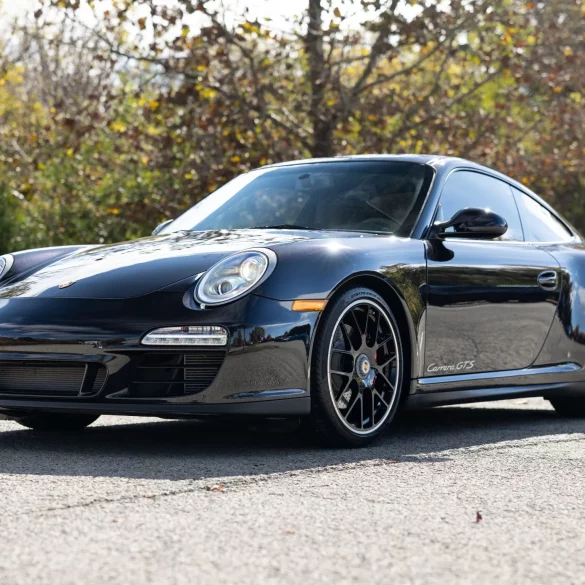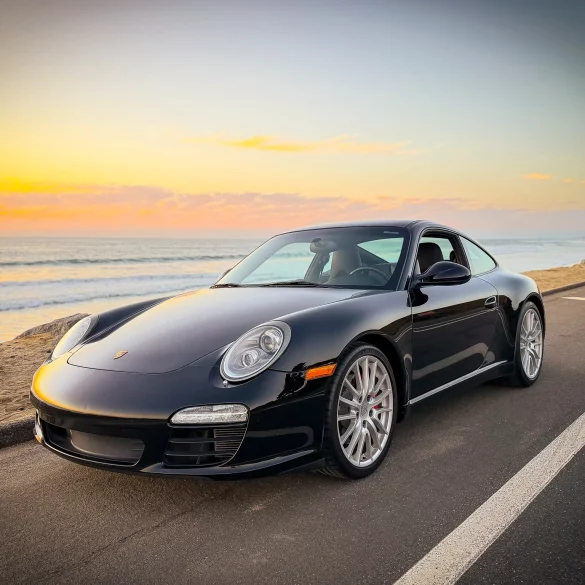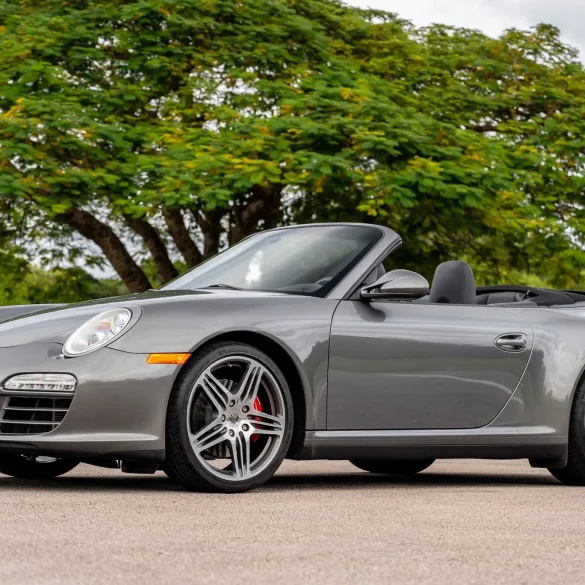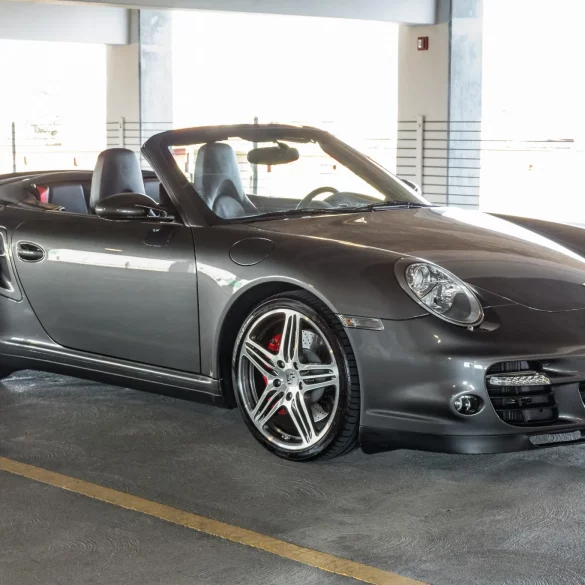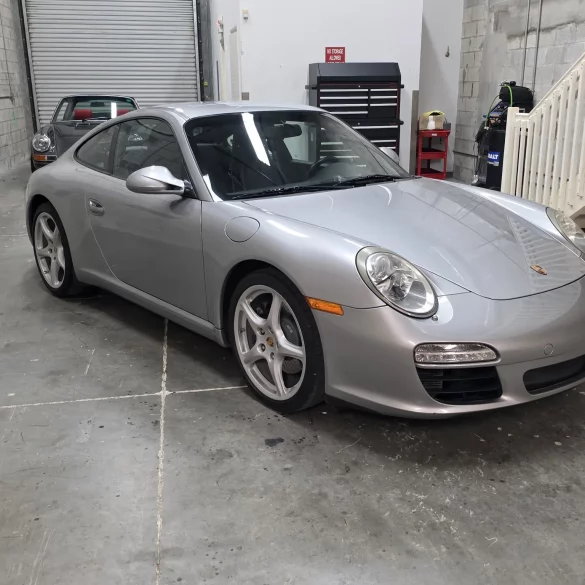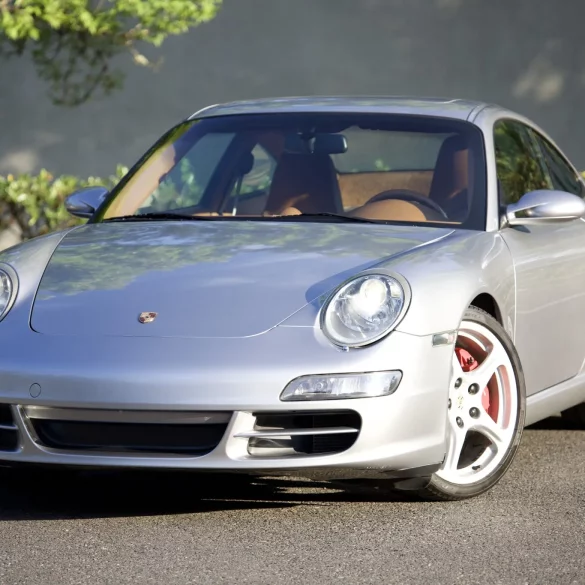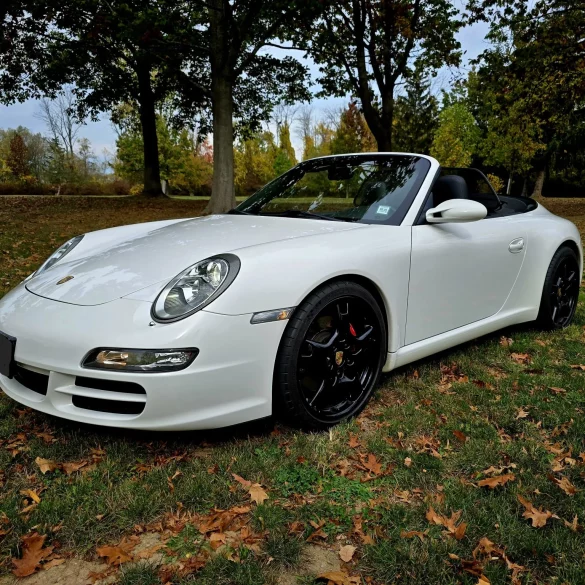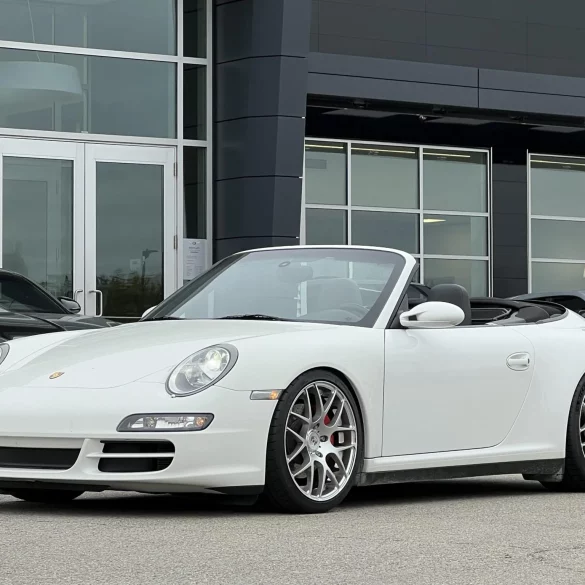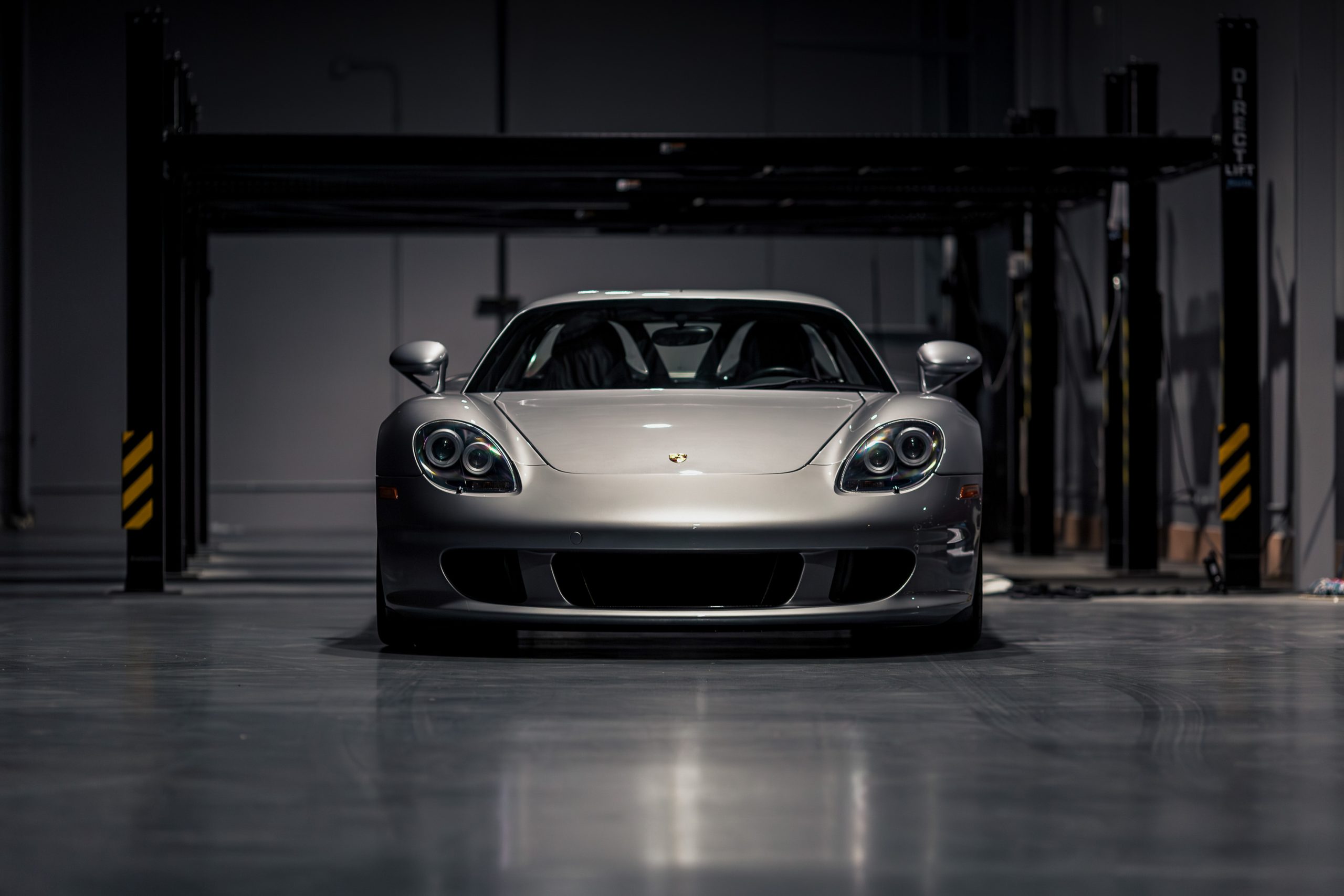
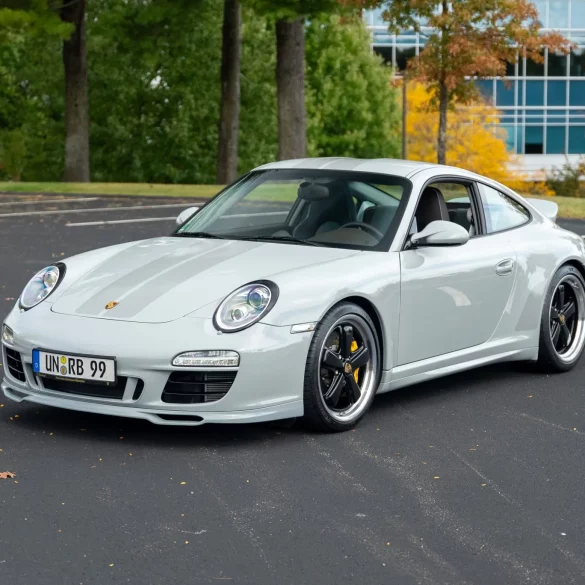
This 2010 Porsche 911 Sport Classic is #148 of 250 examples produced for the European market and was initially registered in Germany before being acquired...


The Porsche 911 (997) is widely regarded as one of the greatest all-around Porsche 911 generations ever built. Introduced in the mid-2000s, the 997 marked a return to classic 911 styling cues while delivering major improvements in performance, build quality, and interior design over the 996. With round headlights, a more premium cabin, and a broad range of engines and drivetrains, the 997 successfully bridged the gap between analog feel and modern refinement.
Today, the 997 is prized for its versatility. It offers a wide spectrum of ownership experiences — from approachable Carrera models to ferocious Turbo and GT variants — all while maintaining strong driving engagement and everyday usability. This page curates Porsche 911 (997) for sale listings.
Refine Search: All 911s / 997 Carrera / 997 Carrera S / 997 Carrera 4 / 997 Carrera 4S / 997 Targa / 997 Targa 4S / 997 Turbo / 997 Turbo S / 997 GT2 / 997 GT2 RS / 997 Speedster / 997 Carrera GTS / 997 Carrera 4 GTS / 997 GT3 / 997 GT3 RS / 997 Sport Classic
Browse available 997-era Porsche 911s from our member classifieds alongside carefully curated cars from across the web. We showcase only the most interesting, well-presented, and desirable 997 generation 911s—giving collectors a smarter way to find their next classic.
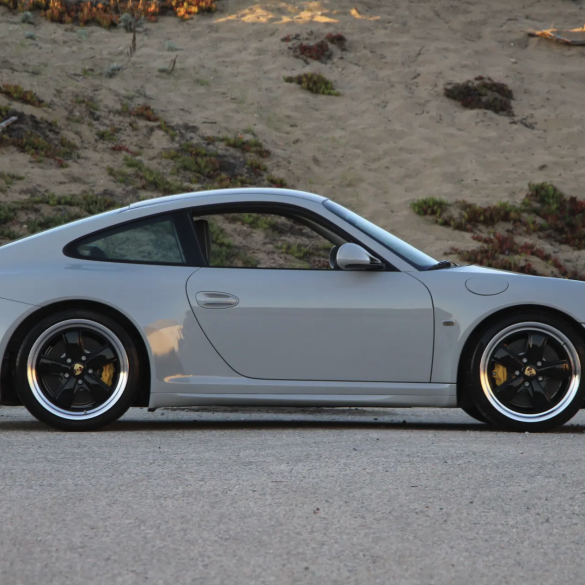
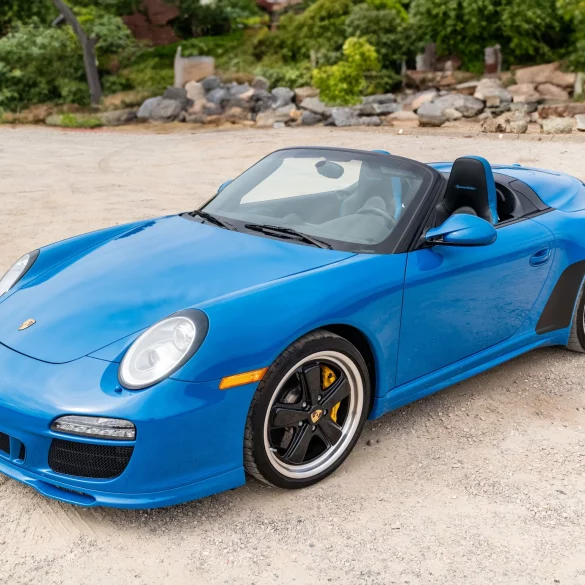
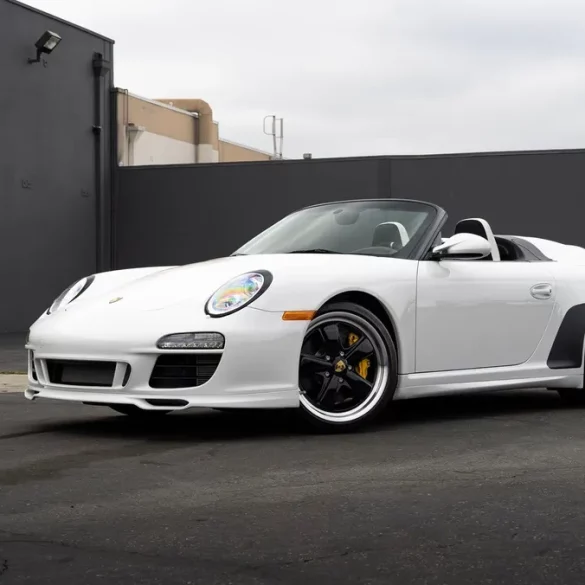
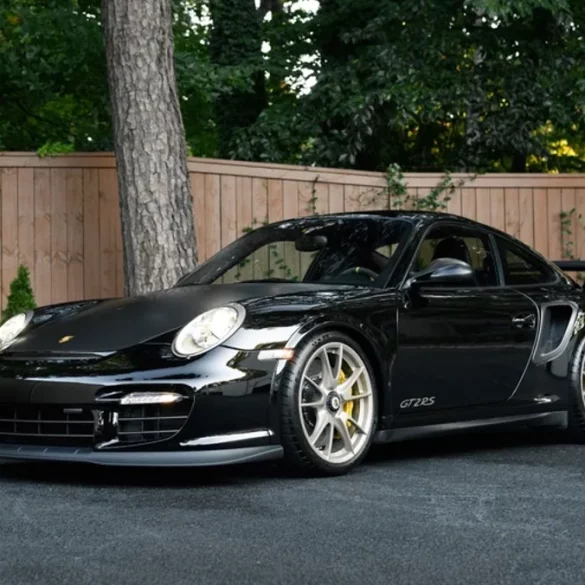
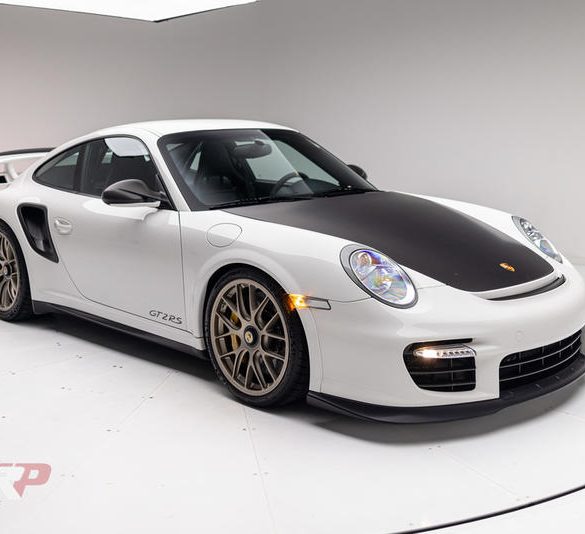

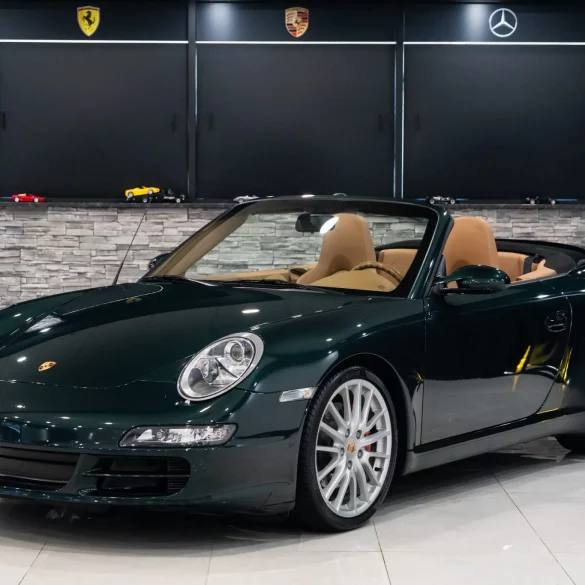

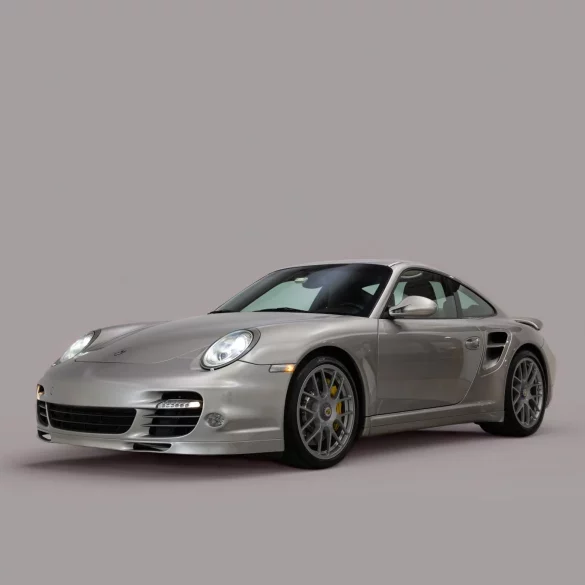
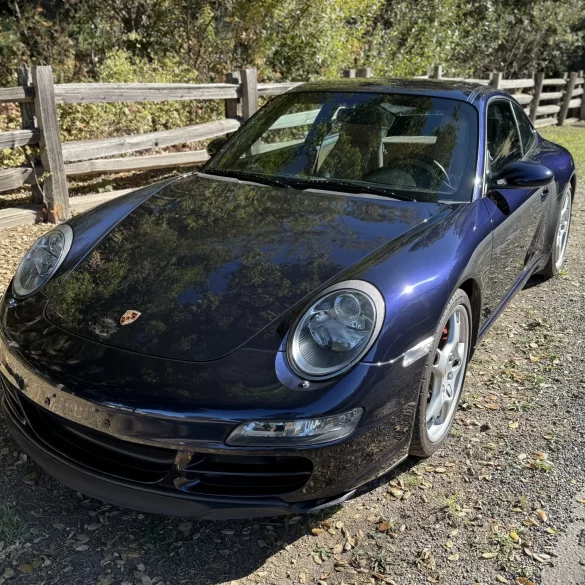
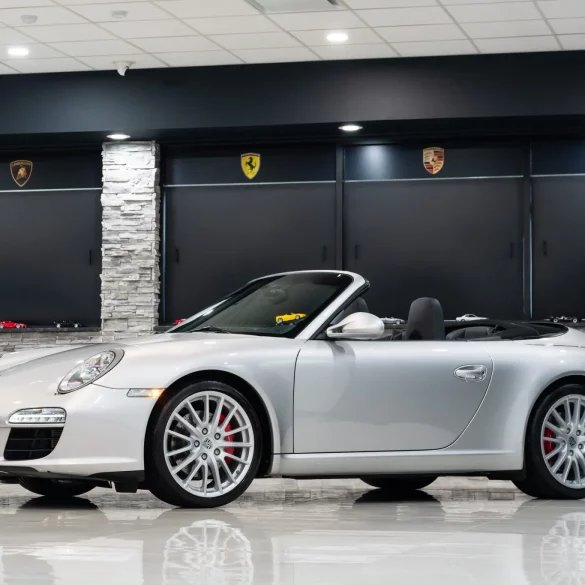
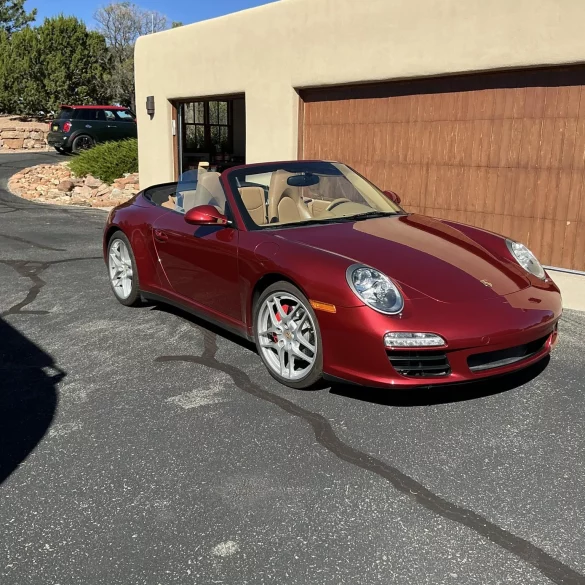


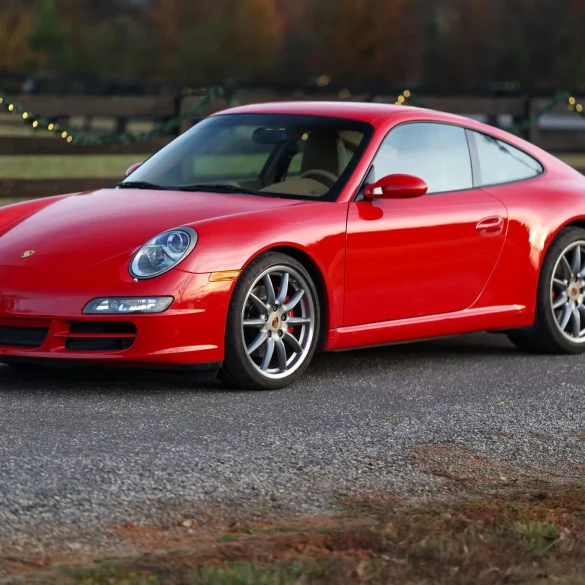
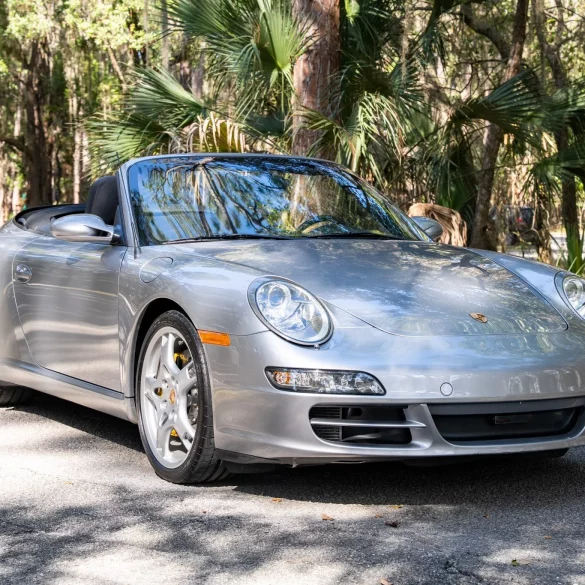
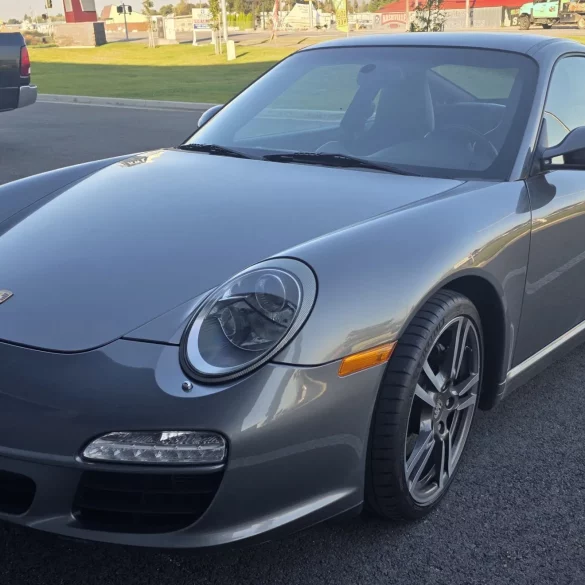
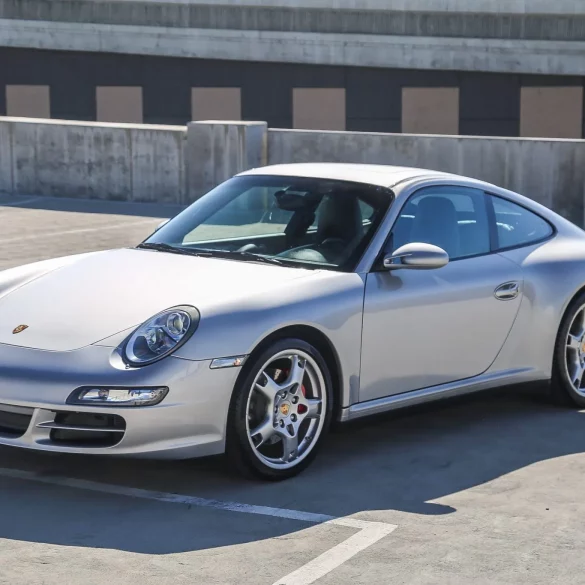
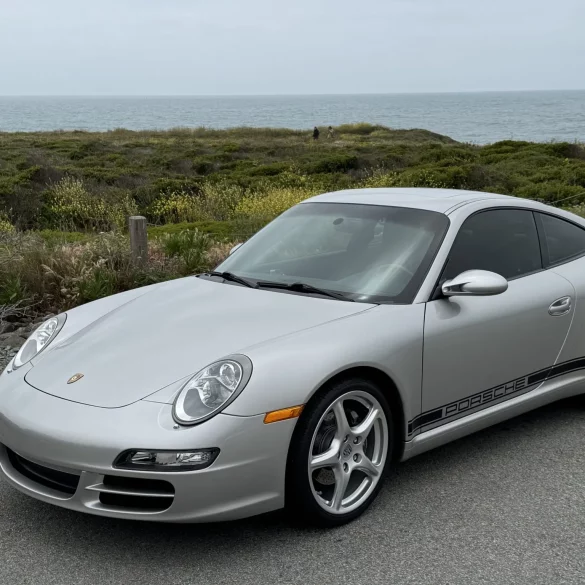
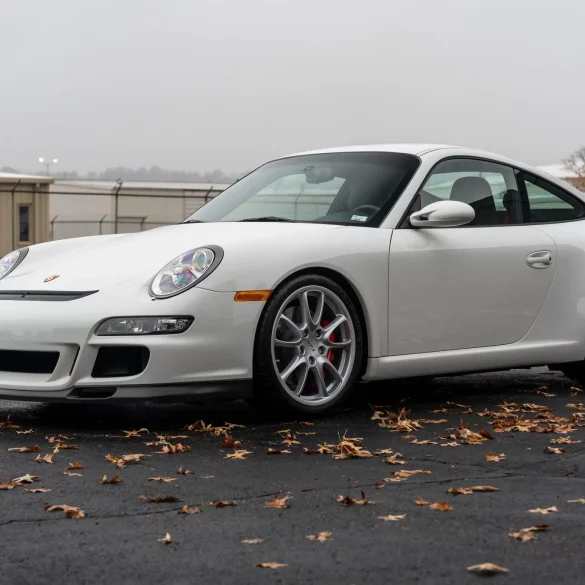
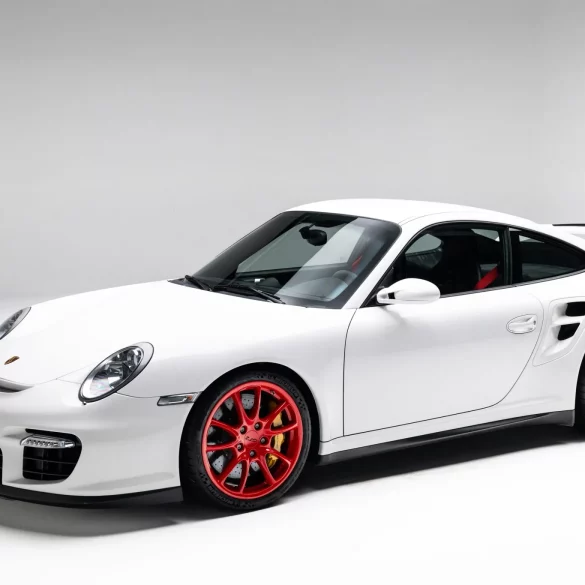
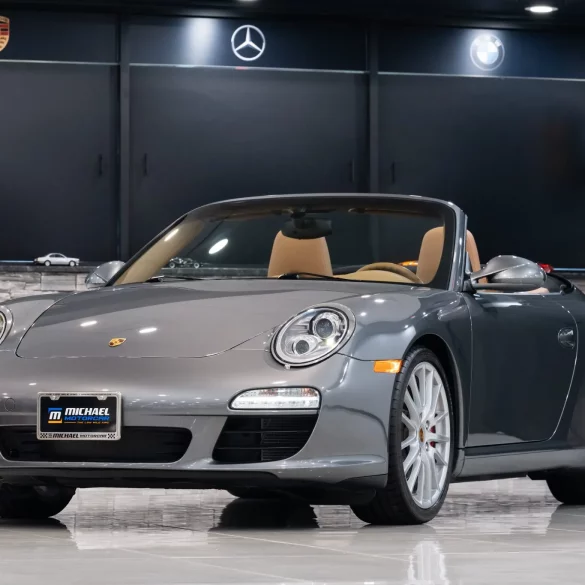

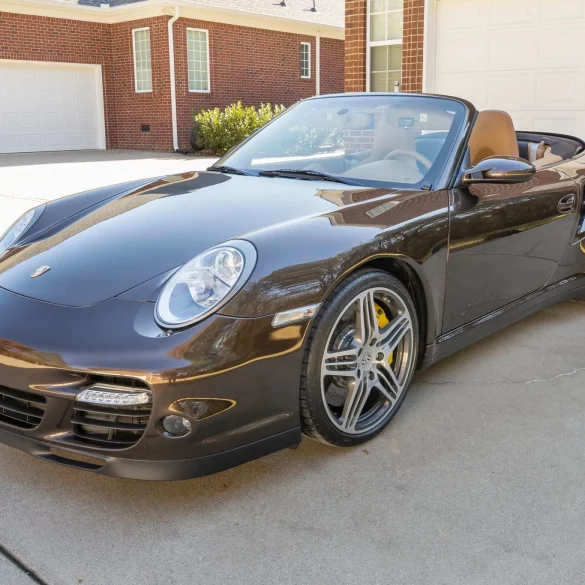


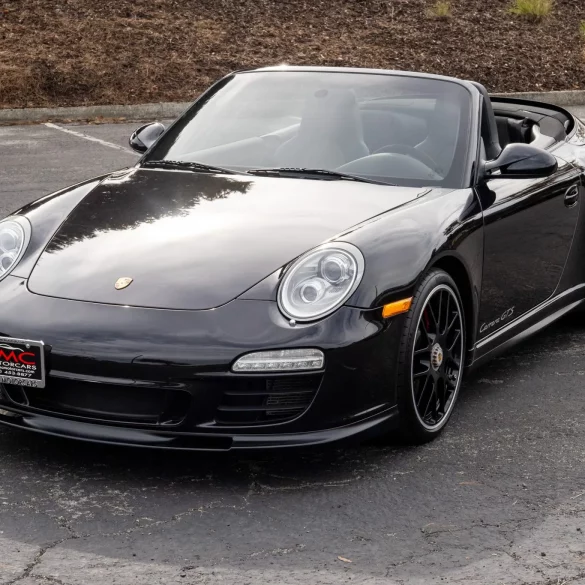
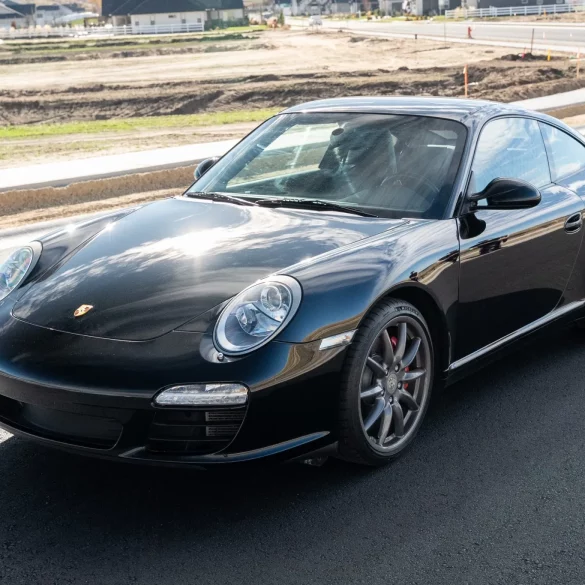
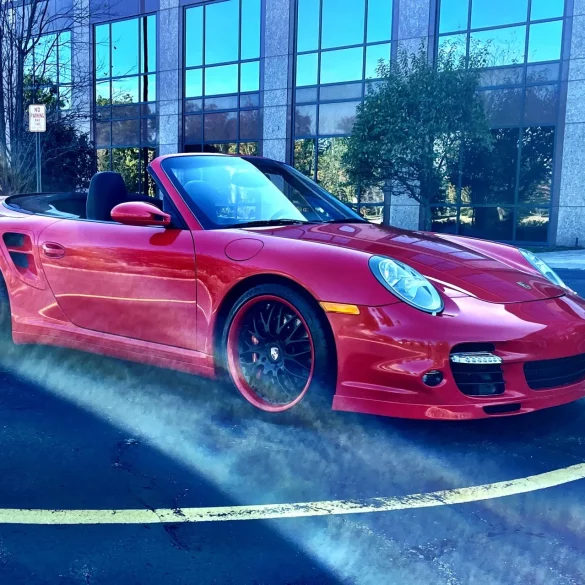
The truly special and unique 997 generation Porsche 911s at auction or for sale.
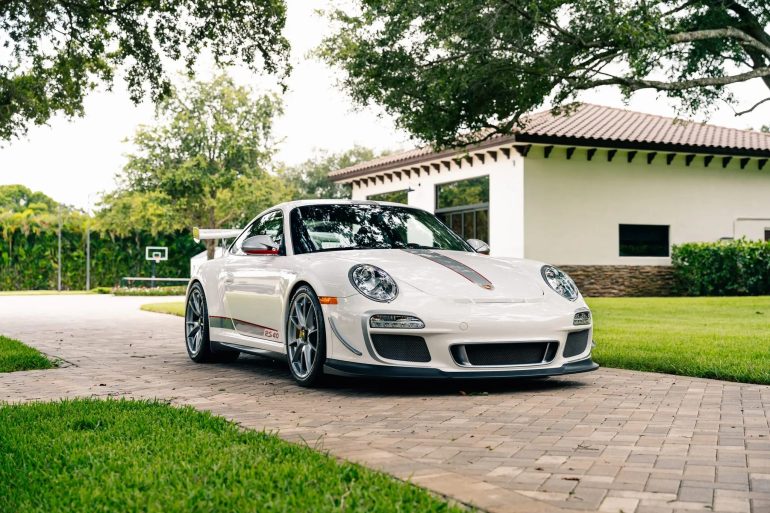
The 997 GT3 is widely regarded as the most desirable “pure” driver’s 911 of its generation. Offered in both 997.1 (2007–2009) and 997.2 (2010–2012) forms, the GT3 brings a high-revving naturally aspirated flat-six, a track-tuned chassis, and an engaging manual or PDK gearbox. Its sharp handling, analog driver feel, and motorsport pedigree have made it a perennial favorite — and its values hold up much better than many other 997 variants. Manual transmission GT3s, in particular, are especially collectible.
The 997 Turbo and its more potent sibling, the Turbo S, remain blue-chip entries in the modern 911 lineup. Featuring twin-turbocharged power, all-wheel drive, and effortless performance, these models provide hypercar-level acceleration with daily usability — a combination that attracts a broad buyer base. The Turbo S — with additional power, upgraded brakes, and more advanced suspension technology — often commands a premium over standard Turbo examples. Both are among the strongest value retainers in the 997 market.
The Carrera GTS slots perfectly between the standard Carrera and full-bred GT3. With a slightly more aggressive chassis, expanded power, and often very desirable options from the factory (Sport Chrono, PASM, sport seats, etc.), the GTS delivers great real-world performance without the full track focus of GT variants. Because of this balance and its strong enthusiast appeal, the Carrera GTS is one of the most sought-after “sweet spot” 997 models.
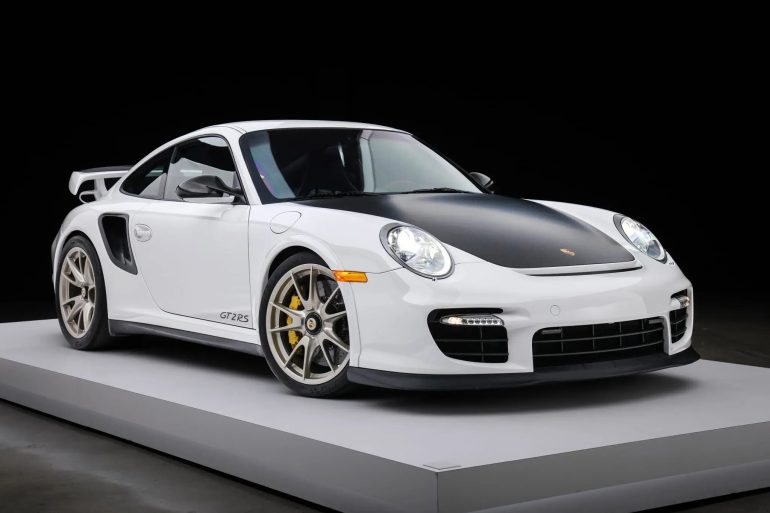
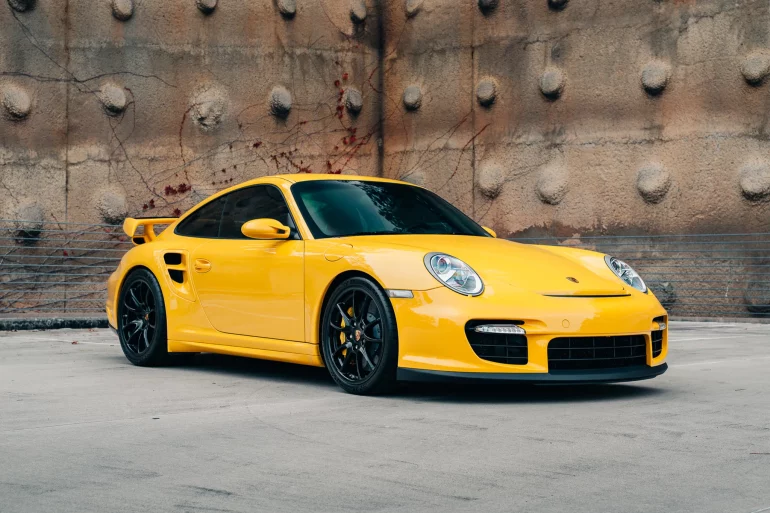
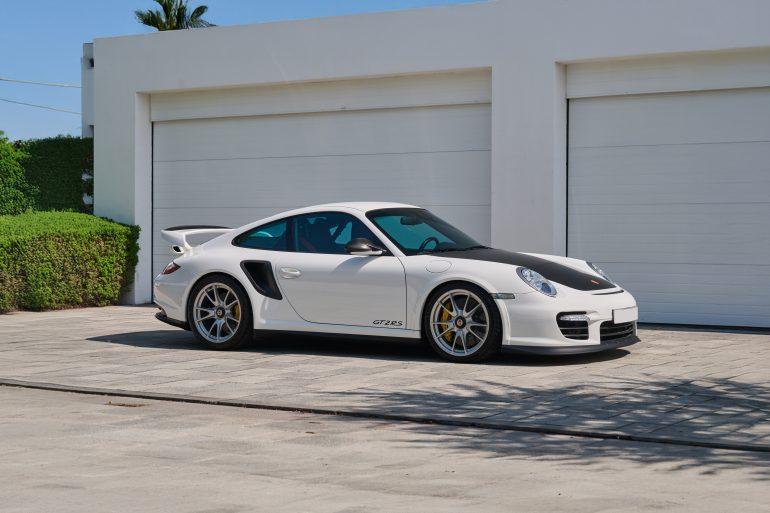
The 997 GT2 occupies the top tier of naturally aspirated turbocharged excellence — combining rear-wheel drive with massive twin-turbo power and a race-derived chassis. As one of the most extreme road-legal 911s of the era, the GT2 commands significant attention from collectors and performance buyers. Limited production numbers, high performance, and a unique driving character support robust values relative to other 997 trims.
While not as rare or expensive as the GT variants, the Carrera S and 4S models — especially those with desirable factory options such as Sport Chrono, PASM, Sport Exhaust, and unique exterior/interior combos — remain highly sought after. Cars that pair a manual gearbox, tasteful options, and strong condition often outperform base Carreras in value retention. The 4S widebody adds visual and chassis appeal that many buyers prefer.
Performance & Character: Models like the GT3, Turbo/Turbo S, and GT2 offer performance that remains thrilling even by modern standards, keeping demand high. Balanced Appeal: The Carrera GTS delivers a compelling blend of performance and usability that resonates with a wide range of buyers. Manual Demand: Across trims, manual transmissions (where available) tend to hold value better due to rarity and enthusiast appeal. Documentation & Condition: Cars with strong maintenance records, clean history, and careful ownership always outperform less documented examples.
The 997.1 GT3 is the strongest value holder of the early 997 generation and one of the most desirable modern-era 911s overall. Powered by the Mezger-derived naturally aspirated flat-six, paired with a track-focused chassis and a manual gearbox, it delivers a level of engagement that later, more digital cars struggle to match. Limited production, motorsport pedigree, and enduring enthusiast demand mean clean, well-documented GT3s hold value exceptionally well and are largely insulated from broader used-car market swings.
The 997.1 Turbo remains a top-tier value performer thanks to its Mezger-based twin-turbo engine, all-wheel drive, and immense real-world performance. As one of the last Mezger-powered Turbo models, it has gained increasing respect among collectors and enthusiasts. Well-maintained examples with original specification and strong service history consistently trade at a premium over standard Carreras and show excellent long-term value retention.
While more common than GT models, the Carrera GTS occupies a desirable middle ground between standard Carreras and full GT cars. With added power, wider bodywork (on some versions), sport-focused tuning, and typically strong factory specs, GTS models attract buyers who want performance and usability in equal measure. This balance helps early GTS cars hold value better than base Carrera and Carrera S variants.
Among non-GT early 997s, the Carrera 4S—especially in manual form—tends to hold value better than most. The widebody styling, improved traction, and strong visual presence make it more desirable than narrow-body Carreras. Cars with sought-after options like Sport Chrono, PASM, and Sport Exhaust consistently outperform lesser-specified examples in the resale market.
Clean, manual Carrera S coupes represent the strongest mid-tier value holders within the early 997 range. While they don’t command GT-level pricing, depreciation has largely flattened for good examples with strong service history. Enthusiasts continue to favor manuals for engagement and long-term desirability, giving these cars better value retention than Tiptronic-equipped or heavily optioned luxury-focused builds.
Early Tiptronic cars, base Carreras with minimal options, Cabriolets, and heavily modified examples tend to see softer demand and more price sensitivity. While still excellent drivers, they generally underperform the variants listed above when it comes to long-term value retention.
If value retention is a priority when shopping an early 997, focus on GT3 first, followed by Turbo, then GTS, manual Carrera 4S, and manual Carrera S coupes with strong documentation. As always, condition, originality, and service history matter just as much as the badge on the decklid.
The Porsche 911 (997) market continues to attract strong interest from both enthusiasts and collectors, with values demonstrating maturity and selective strength rather than broad, speculative spikes. In recent years, pricing for well-sorted 997s has stabilized: clean early 997.1 Carreras with good service history typically trade in the mid-range used sportscar bracket, often around $30,000–$60,000, depending on mileage, condition, transmission type, and options. Manual-transmission examples generally command higher pricing than automatics or Tiptronic cars, reflecting ongoing enthusiast demand for driver-engaged examples.
Higher-spec models have shown far stronger pricing resilience. Early 997 GT3 models, particularly low-mile and well-documented examples, have seen prices remain elevated relative to broader 997 entries, frequently trading above $90,000–$120,000+ in the current market, with particularly pristine cars reaching higher values depending on spec and history. Similarly, 997 Turbo and Turbo S cars maintain robust pricing thanks to compelling performance, all-wheel drive usability, and the Mezger-derived engine in the first-generation Turbo; these models often trade in the $80,000–$140,000+ range, with Turbo S examples and rare configurations typically at the upper end.
One noticeable trend is the growing premium placed on condition, documentation, and low mileage. Buyers are increasingly discriminating, rewarding examples with complete service records, factory build sheets, and evidence of regular maintenance. Cars with documented IMS upgrades, recent major services, and verified history consistently outperform less verified peers. As a result, the gap between “good” and “excellent” cars has widened: well-presented examples sell more quickly and for stronger money than similar cars with sparse records or uncertain history.
Another trend is the market stratification between 997.1 and 997.2 periods. While both generations are collectible, late-model 997.2 cars—with their revised engines, updated electronics, and available PDK transmissions—often carry a pricing edge in the mid-used range due to perceived refinement benefits and broader availability of service histories. Conversely, early 997.1 cars with manual gearboxes and desirable options (Sport Chrono, PASM, sport seats) remain highly sought and often command premiums among purists.
Overall, the 997 market in 2025 reflects a mature, nuanced classic-car segment: values are less volatile than in earlier years, especially for Carreras, but remain supported by genuine demand for performance variants like GT3, Turbo, and well-spec’d manual cars. Enthusiasts continue to prize cars that balance usable performance, classic 911 character, and strong documentation, which keeps pricing stable and positions the 997 as a compelling value proposition among modern classics.
Yes — Porsche 911 (997) cars can be a good investment today, but they are best viewed as selective, long-term holds rather than quick appreciation plays. The 997 market has matured, and values are now driven by variant desirability, condition, documentation, and transmission choice rather than broad speculation.
One of the strongest arguments for the 997 as an investment is its position in 911 history. Produced from 2005–2012, the 997 blends classic 911 proportions with modern performance and usability, making it appealing to both traditional enthusiasts and newer buyers. As later generations have grown larger, more complex, and more expensive, the 997 increasingly feels like the last “right-sized” modern 911, which helps support long-term demand.
From an investment standpoint, not all 997s perform equally. Top-tier variants such as the 997 GT3, GT3 RS, Turbo, Turbo S, and GT2 are already established as strong value holders. These models benefit from motorsport pedigree, Mezger-based engines (in GT and Turbo models), limited production, and sustained global demand. Prices for clean, well-documented examples have remained resilient even when broader used-car markets soften, making them the safest bets within the generation.
Standard Carrera and Carrera S models can also make sense as investments, but only when bought carefully. Manual-transmission coupes with strong service history, desirable options (Sport Chrono, PASM, Sport Exhaust), and minimal modifications are the most likely to hold value. Depreciation has largely flattened for good examples, meaning owners can often enjoy the car without significant downside, though dramatic appreciation should not be expected. Tiptronic cars, Cabriolets, and poorly documented examples tend to lag.
A key theme in the 997 market today is buyer selectivity. Documentation, originality, and maintenance matter more than ever. Cars with complete service records, factory build sheets, and evidence of proper care consistently outperform similar cars without paperwork. This makes the 997 market feel more like a mature collector segment than a speculative one.
In summary, Porsche 911 (997) cars are a good investment when bought correctly. GT and Turbo variants offer the strongest long-term upside, while well-specified manual Carreras provide stability and enjoyment with relatively low risk. The best approach is to buy the right car, at the right price, with the intention to hold and enjoy it — that’s where the 997 shines both emotionally and financially.
Short answer: No — you shouldn’t be “worried,” but you should be informed. The 997 generation of Porsche 911 does have some well-known mechanical topics, but most of the alarm-style warnings you’ll see online are overstated or outdated. With the right buying approach and inspection, most issues are manageable, predictable, and far less frightening than the internet lore suggests.
IMS Bearing Concerns (997) The IMS bearing issue that haunts internet discussions is far less relevant on the 997 than on earlier 996 models. Porsche redesigned the IMS system for the 997, making failures rare rather than inevitable. While no mechanical component is completely immune to problems, documented service history, regular oil changes, and a proper pre-purchase inspection dramatically reduce any remaining risk. For most buyers, IMS should be something to verify—not something to fear.
Rear Main Seal (RMS) Leaks Rear main seal leaks do occur on some 997s, but they are typically minor oil seepage issues rather than catastrophic failures. RMS leaks are usually visible during inspection and are often addressed during clutch replacement or other drivetrain service. While repairs can be costly if done in isolation, they are manageable and should be viewed as a maintenance consideration rather than a reason to avoid an otherwise well-kept car.
Cooling System Components Like any aging performance car, the 997 can experience wear in cooling system components such as water pumps, thermostats, and coolant expansion tanks. These parts are considered normal wear items rather than design flaws, and failures are usually predictable rather than sudden. Cars with documented cooling system updates are often better buys than neglected examples, and a PPI will quickly identify any concerns.
Suspension and Chassis Wear Suspension components, including bushings, shocks, and control arms, commonly show wear on higher-mileage or enthusiast-driven 997s. This isn’t unique to the 997—it’s typical for any performance-oriented sports car. Worn suspension parts can affect ride quality and handling but are straightforward to diagnose and refresh, often restoring the car to like-new driving feel.
Transmission Considerations (Manual and PDK) Manual 997s should be checked for clutch wear, smooth gear engagement, and absence of grinding, especially on higher-mile cars. PDK-equipped 997s are generally very reliable, but they do require regular fluid and filter servicing. Most transmission issues arise from deferred maintenance rather than inherent flaws, making service records far more important than transmission type alone.
Electrical and Interior Aging As 997s age, minor electrical or interior issues can surface, including window regulators, switches, infotainment glitches, or sensor faults. These are typically nuisance issues rather than reliability threats and are common across many modern-era cars of similar age. A careful inspection and functional check during a PPI can uncover most of these items before purchase.
Final Takeaway The Porsche 911 (997) does not suffer from a single “cursed” mechanical flaw. Instead, it presents a set of well-understood, manageable ownership considerations that reward informed buyers. With strong documentation, a thorough PPI, and realistic expectations for maintenance, a 997 is a dependable, rewarding 911—not a liability.