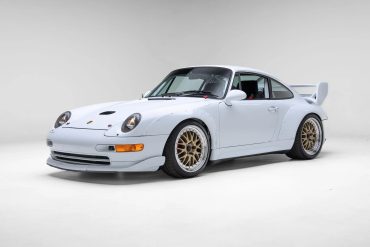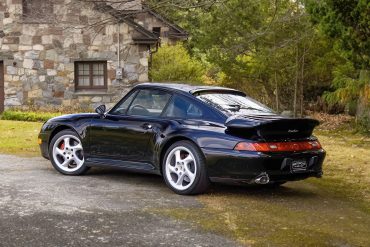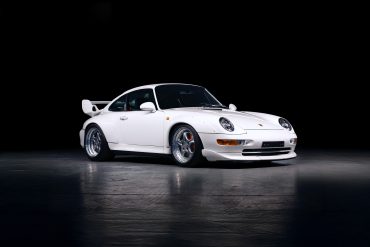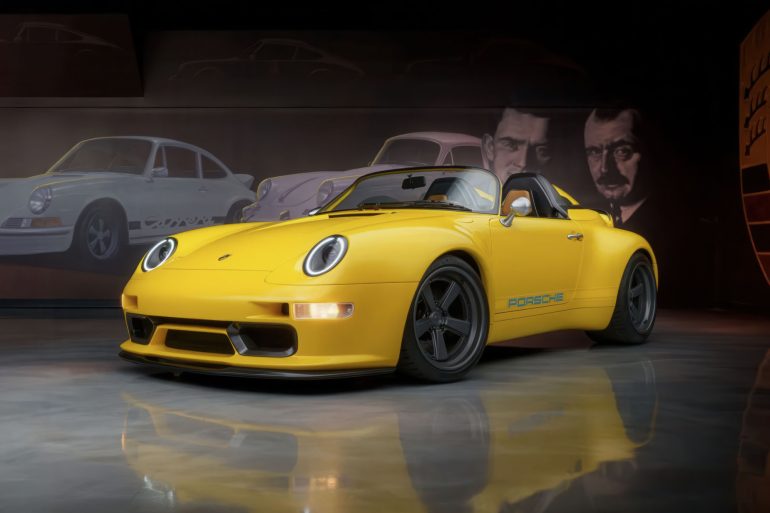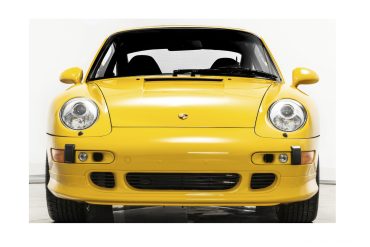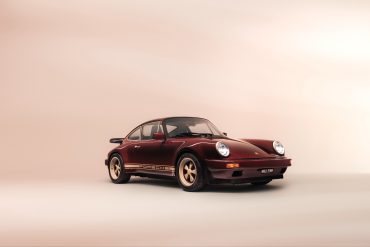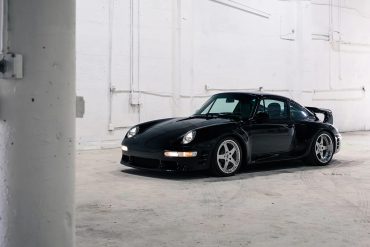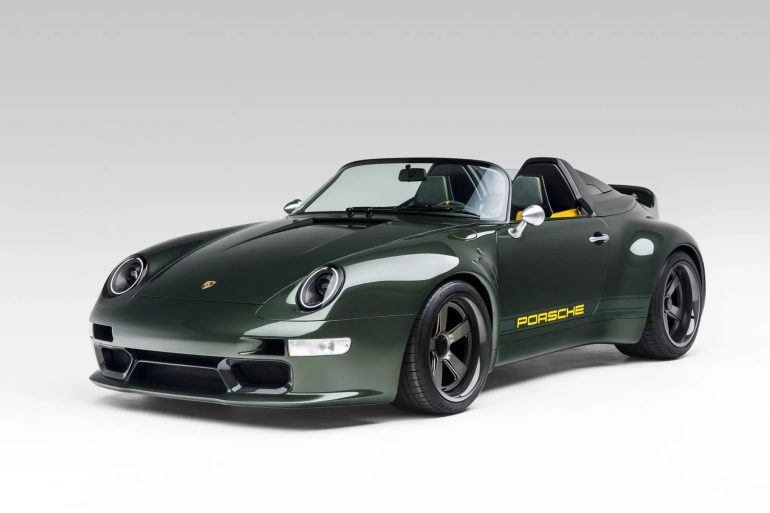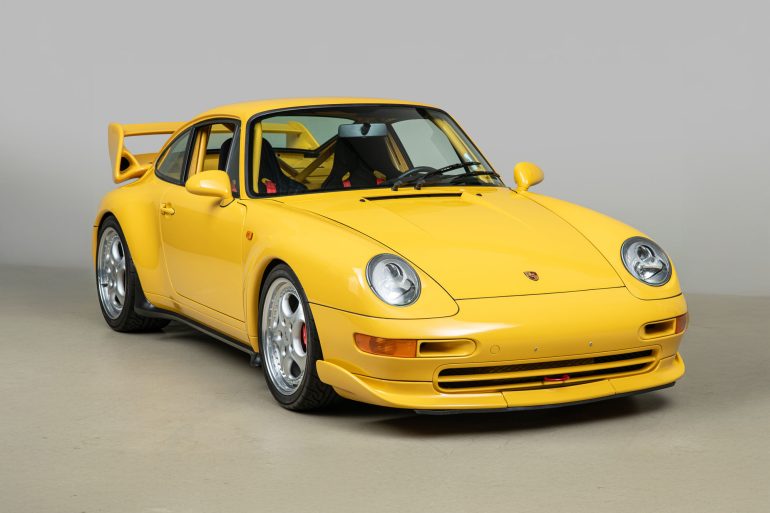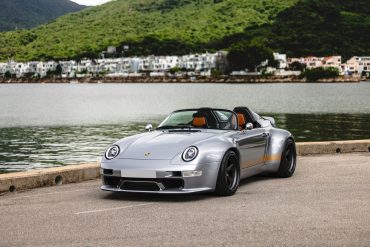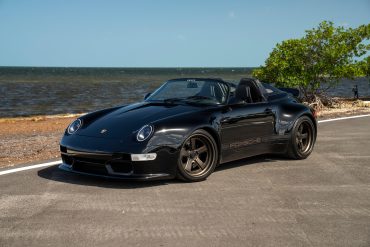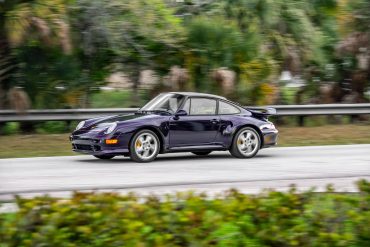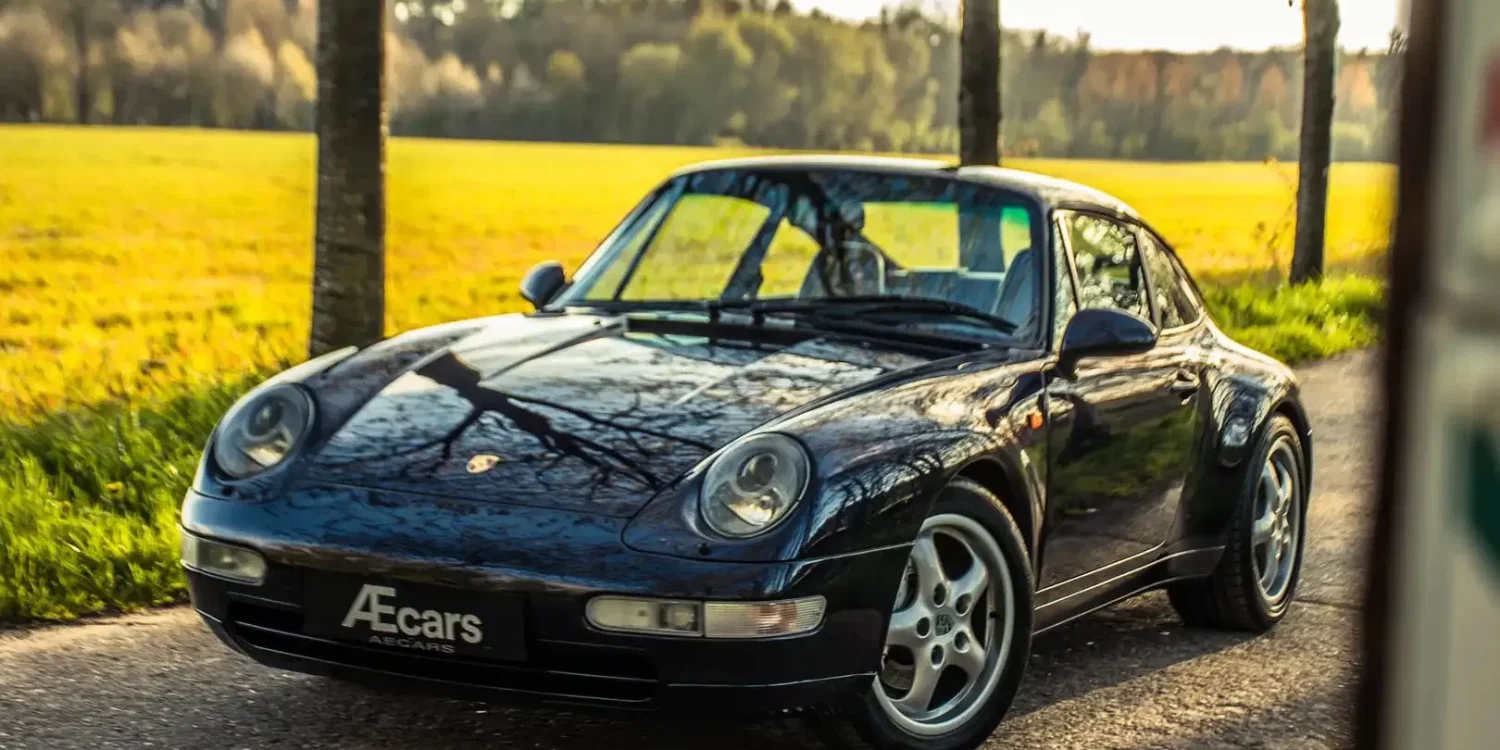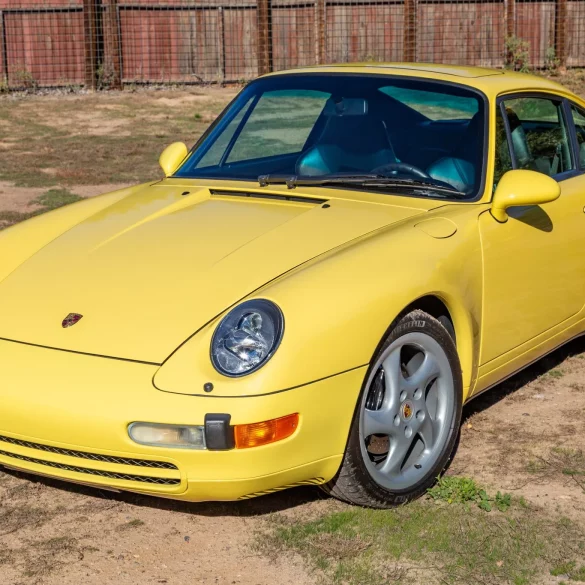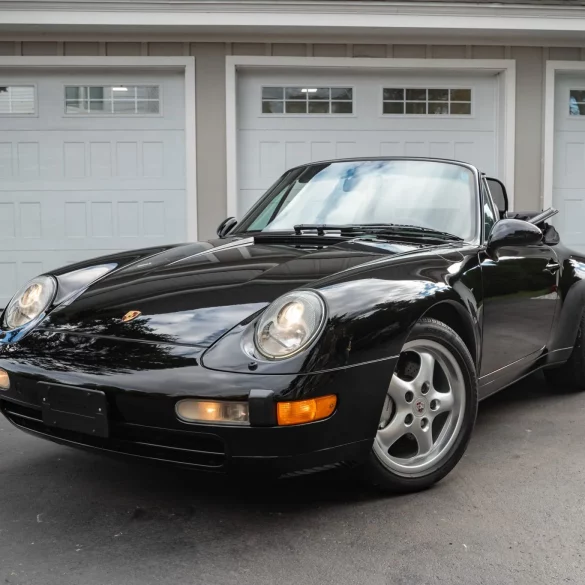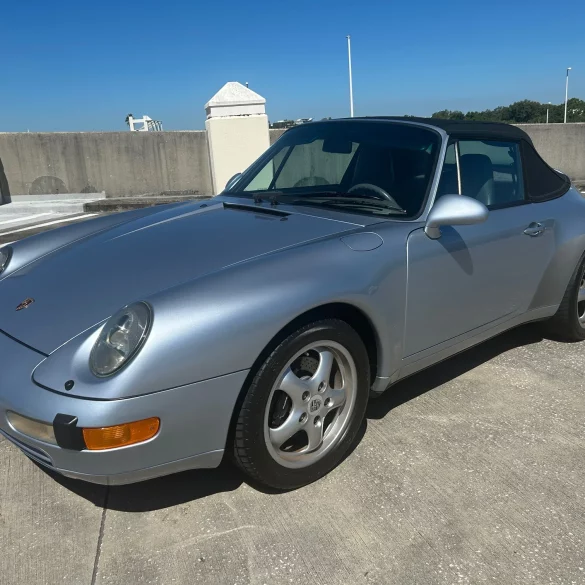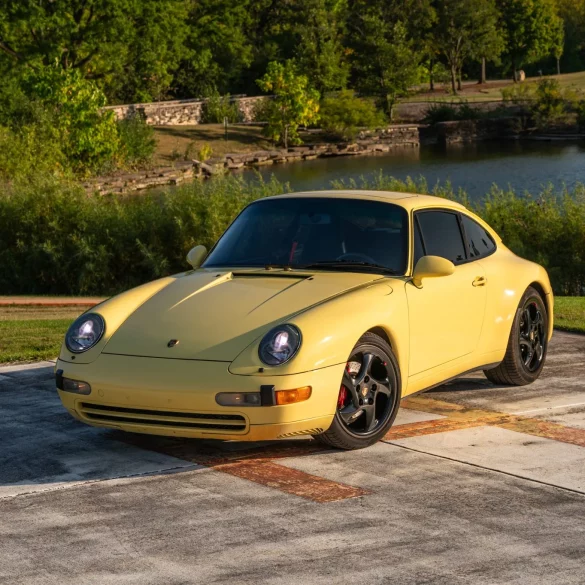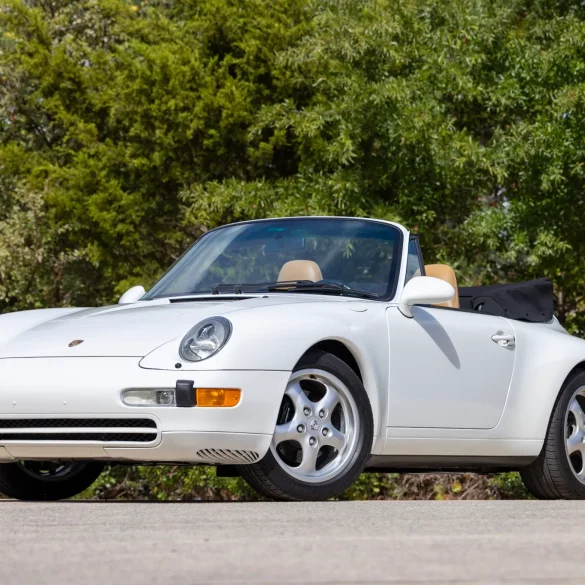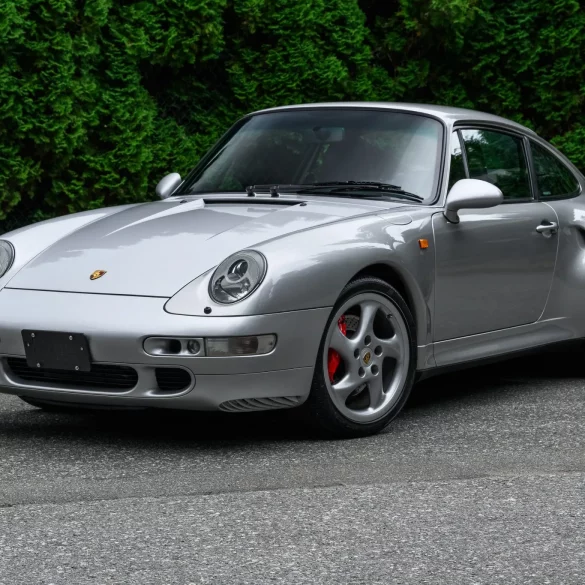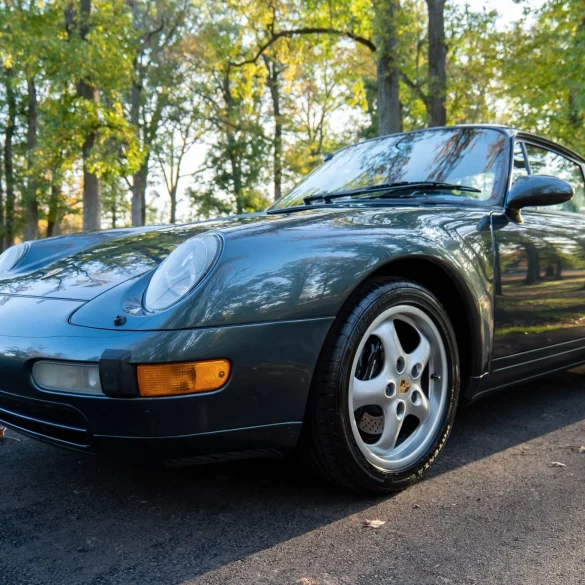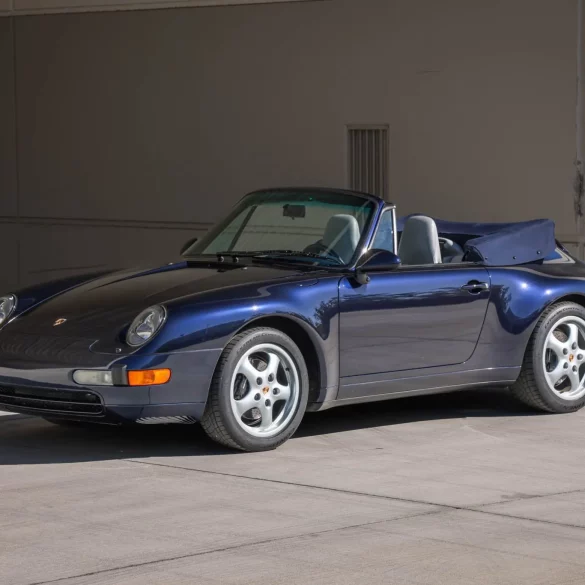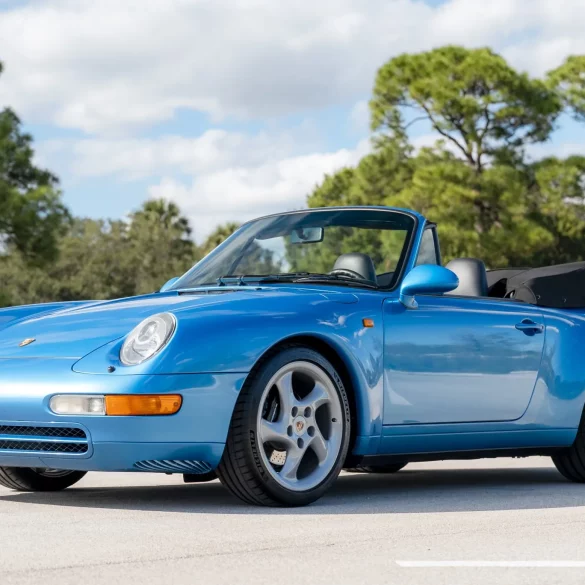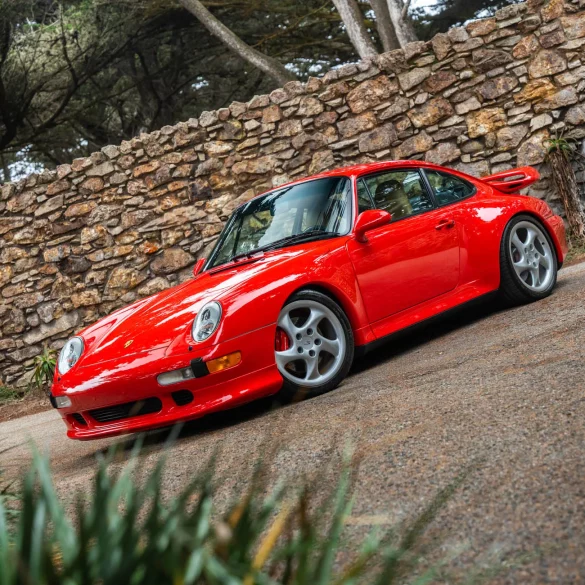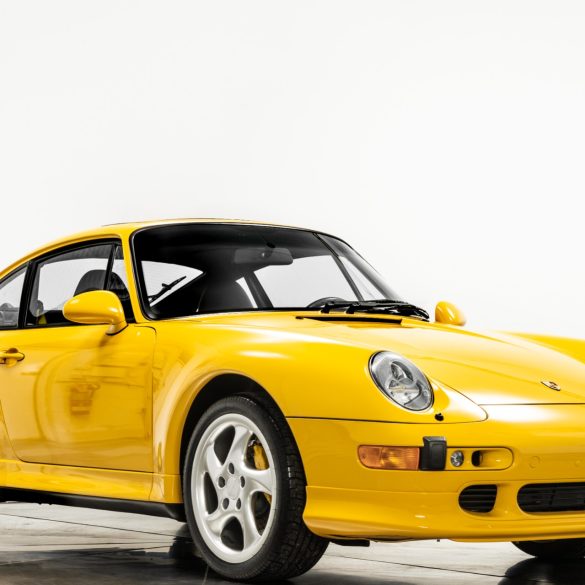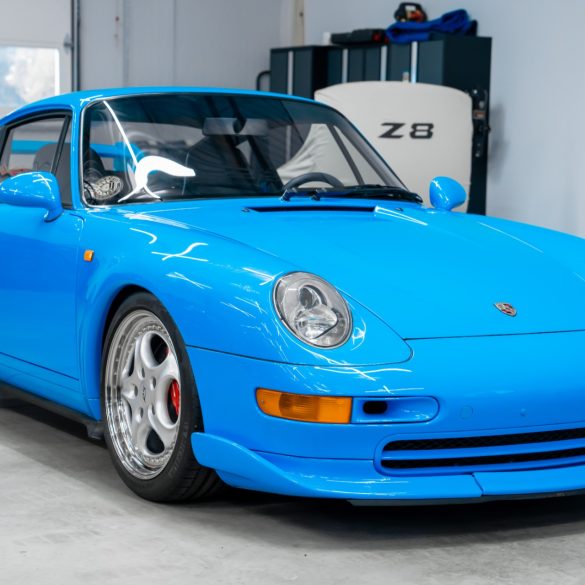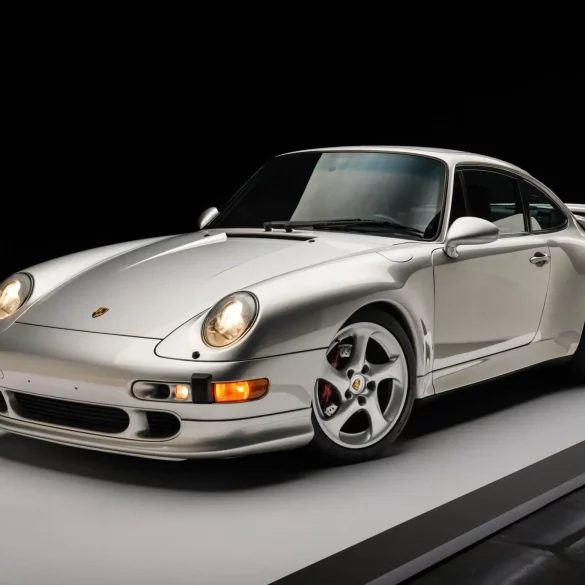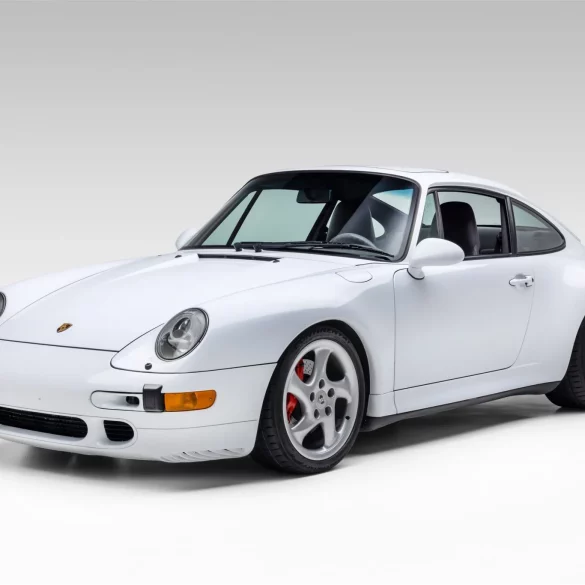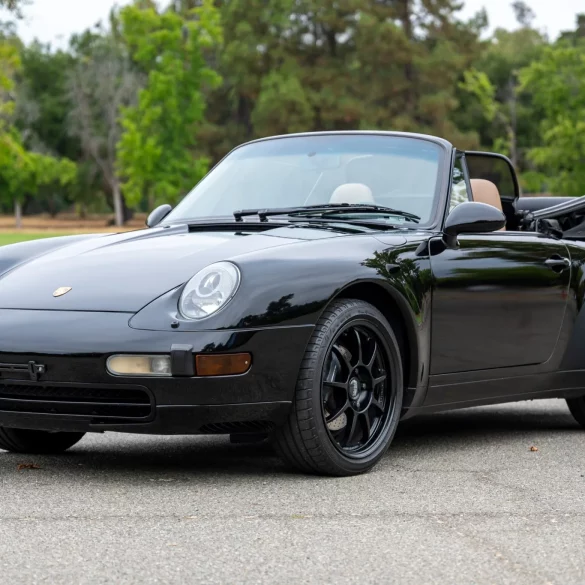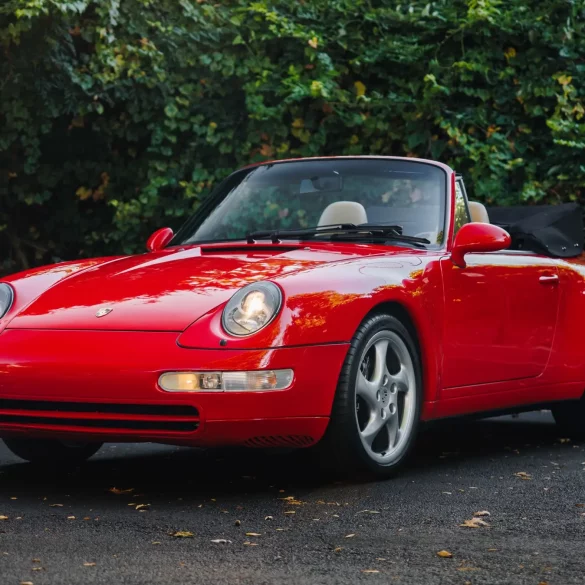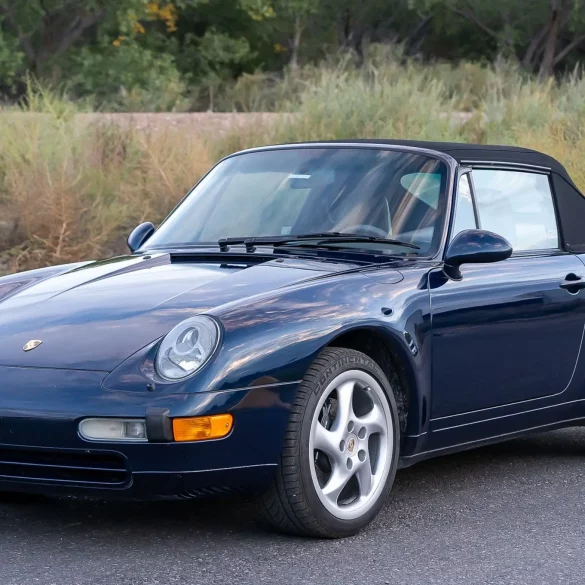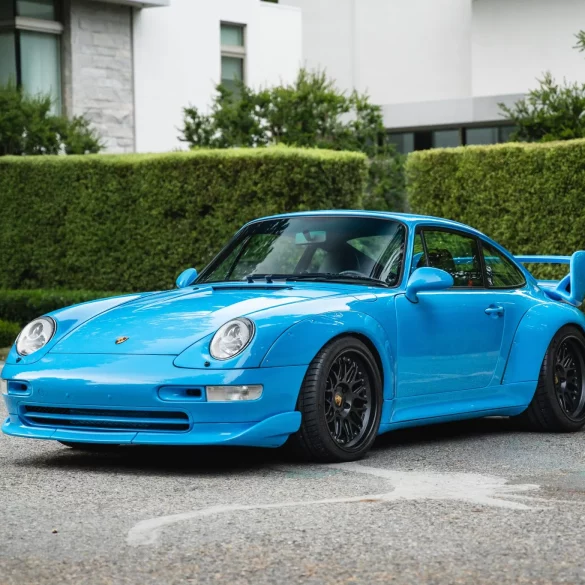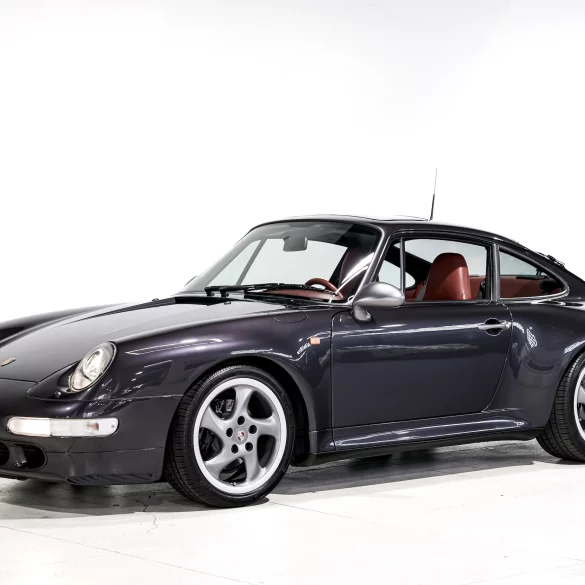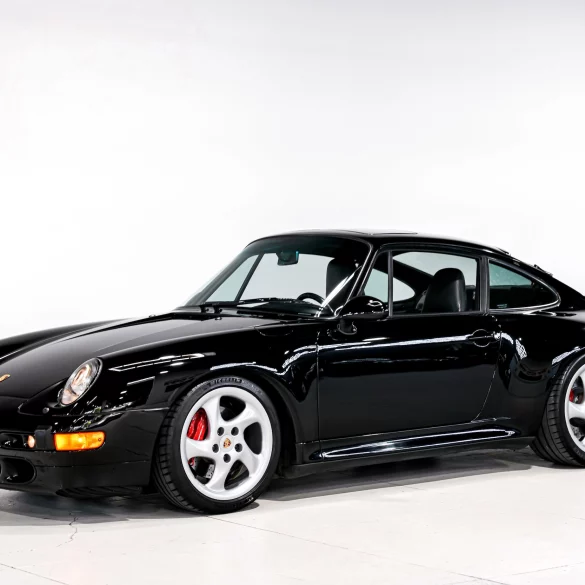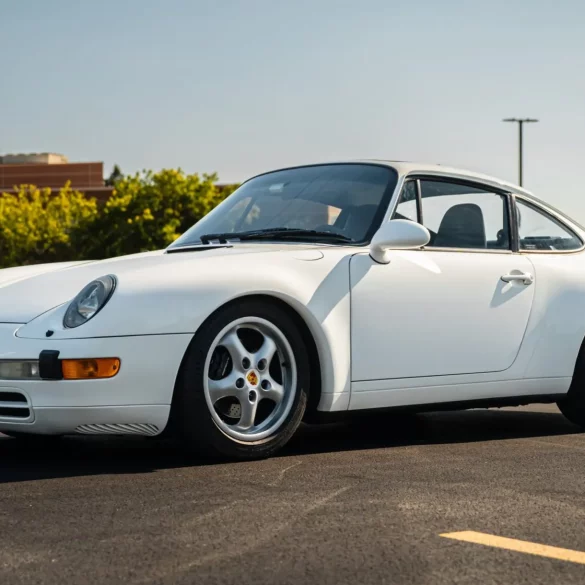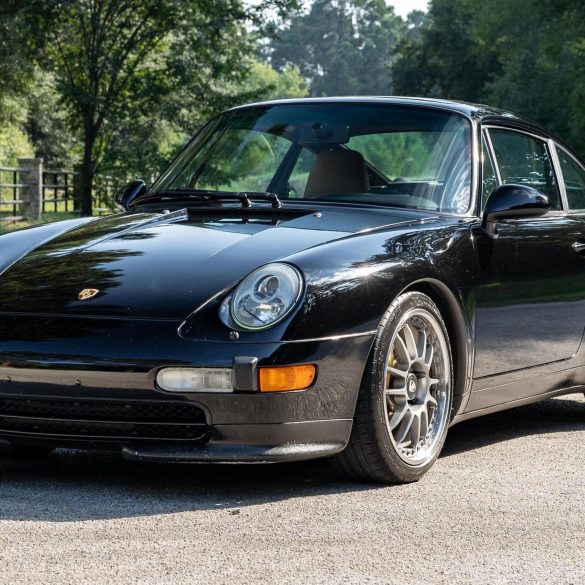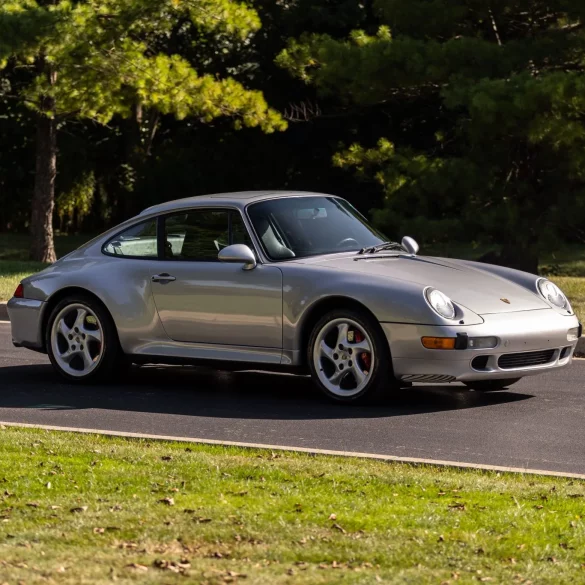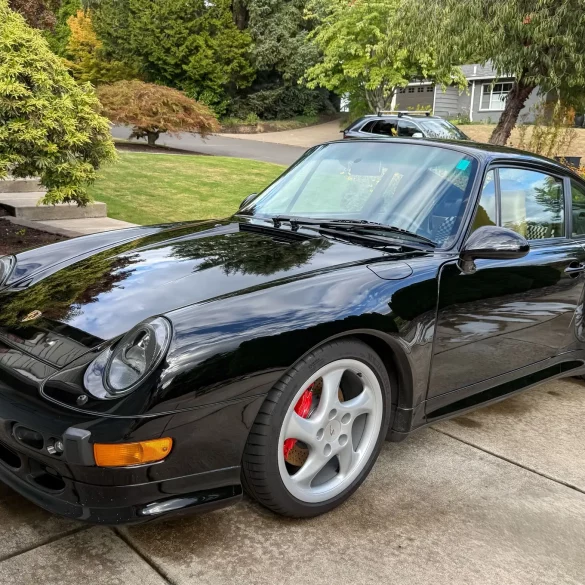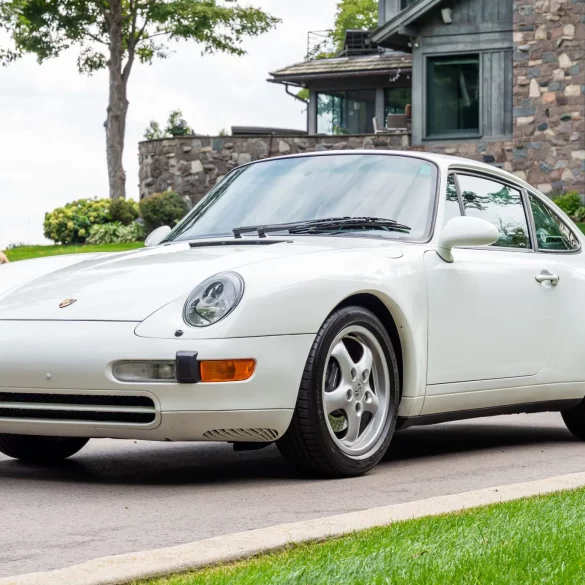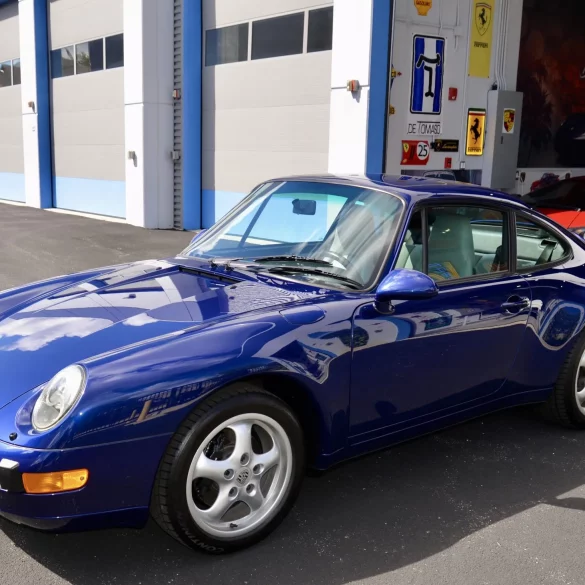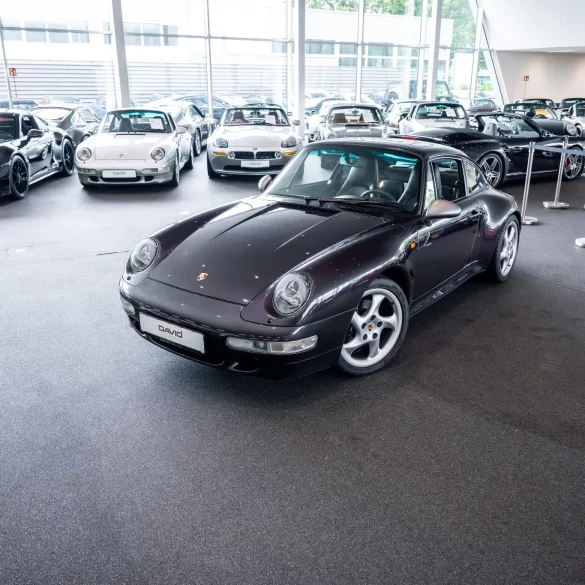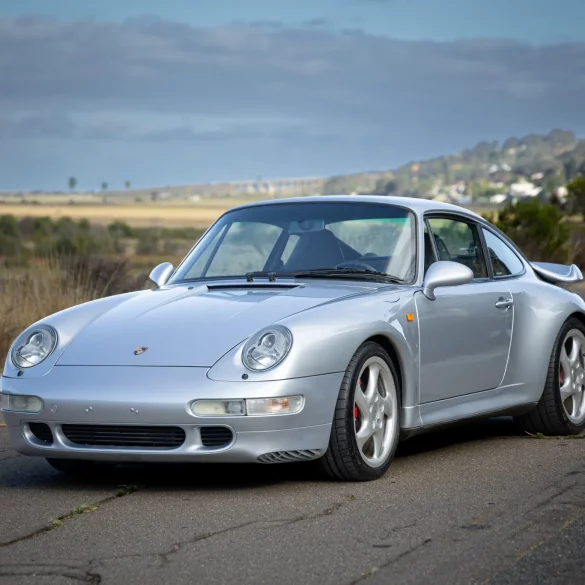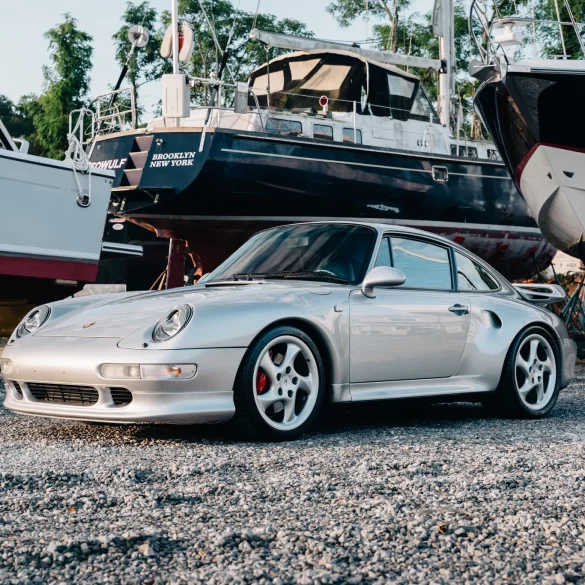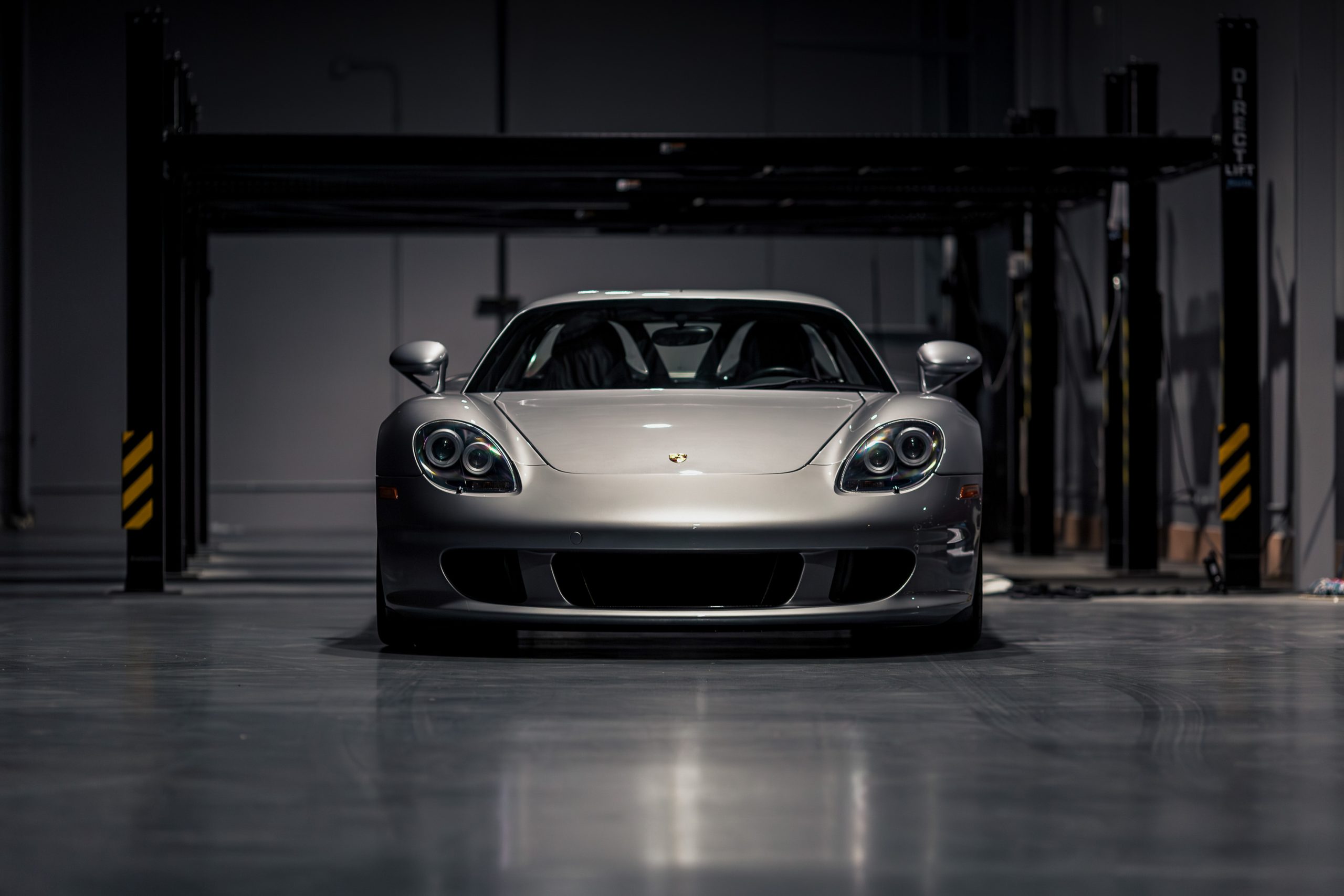
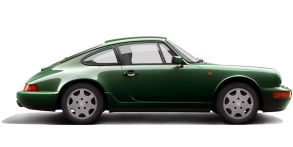
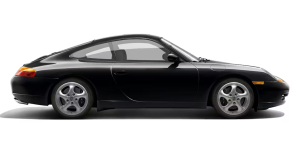
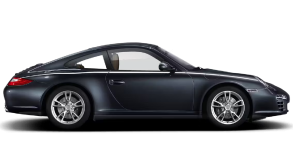
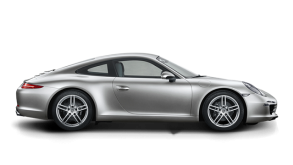
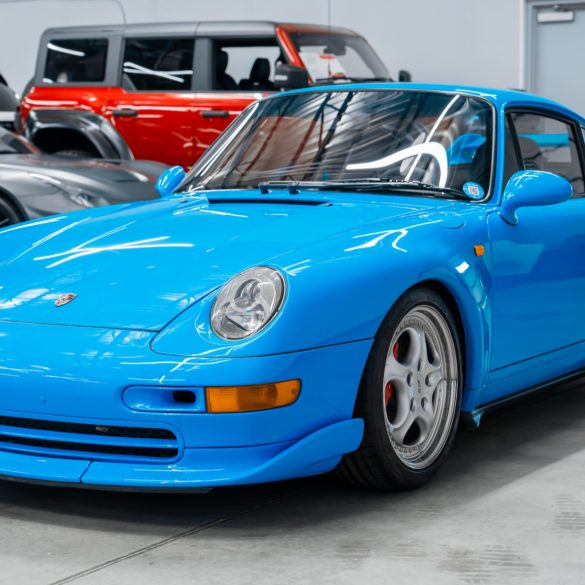
1995 Porsche 911 Carrera RS -Rare RoW Only Model, Amazing Color, Clubsport Wing Riviera Blue 1995 911 Carrera RS in Riviera Blue over Black with...


The Porsche 911 (993) holds a uniquely important place in Porsche history as the last air-cooled 911 ever produced. Built from the mid-1990s until the arrival of the water-cooled 996, the 993 refined everything enthusiasts loved about earlier generations while delivering meaningful improvements in performance, build quality, and everyday usability. With its wider stance, multi-link rear suspension, and unmistakable air-cooled flat-six, the 993 is one of the most complete classic 911s.
Today, the 993 sits at the peak of air-cooled desirability, blending vintage character with modern drivability. This page curates Porsche 911 (993) for sale listings from across the web — combining trusted Porsche specialists, major auction platforms, and exclusive member listings — making it easy to compare the best examples currently available.
Refine Search: All 911s / 993 Carrera / 993 Carrera 4 / 993 Carrera S / 993 Carrera 4S / 993 Turbo / 993 Turbo S / 993 GT2 / 993 Targa / 993 Carrera RS
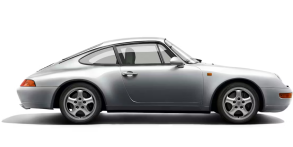
Browse available 993-era Porsche 911s from our member classifieds alongside carefully curated cars from across the web. We showcase only the most interesting, well-presented, and desirable 993 generation 911s—giving collectors a smarter way to find their next classic.
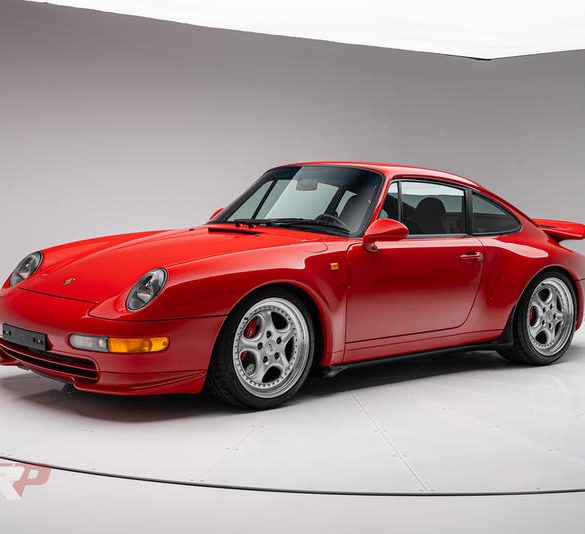
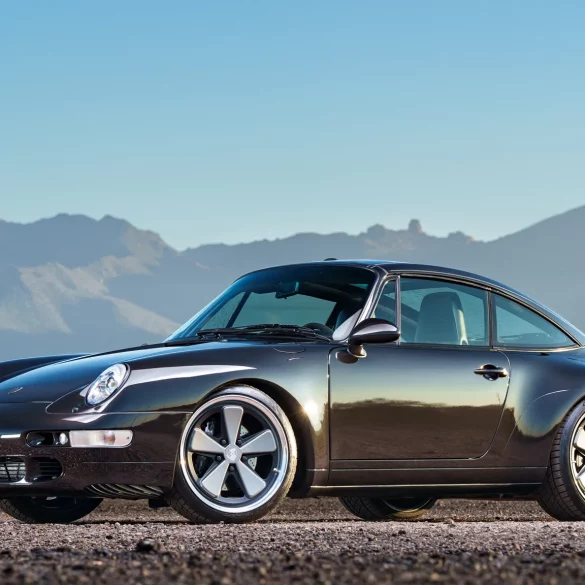
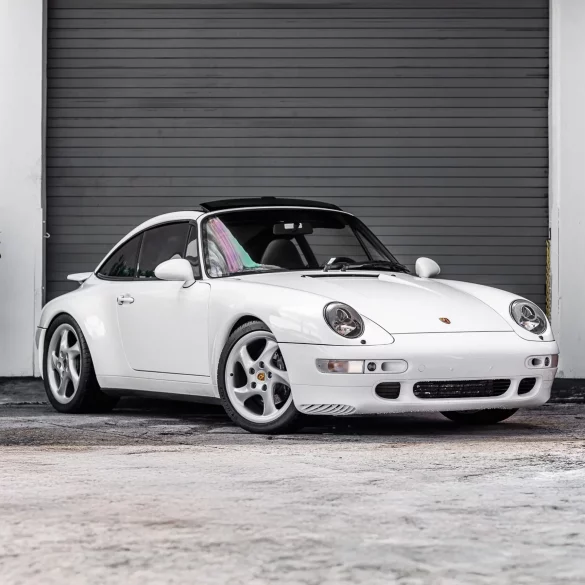
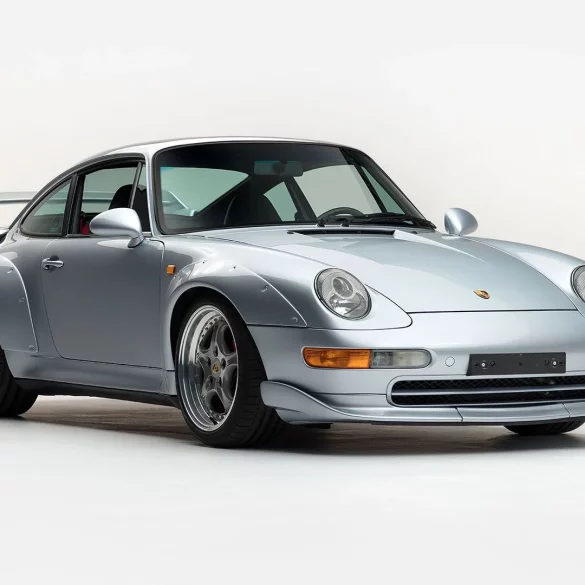
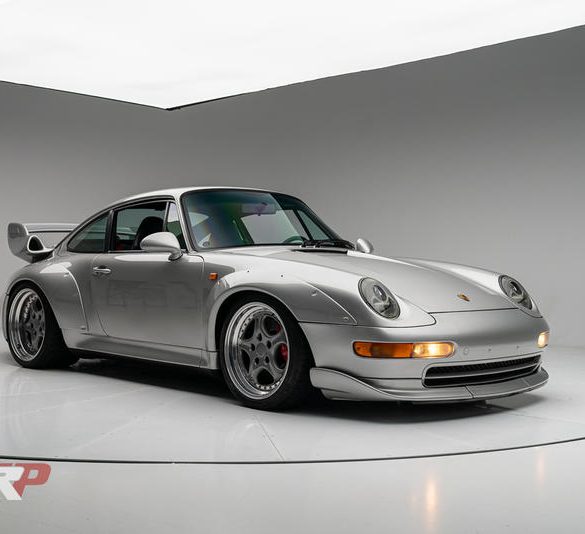
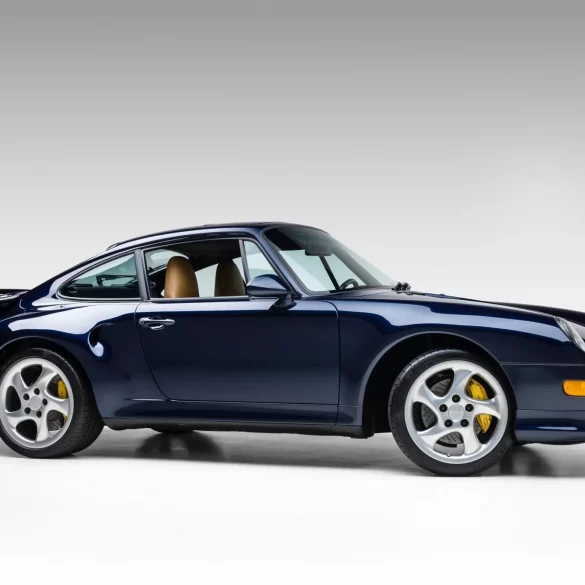
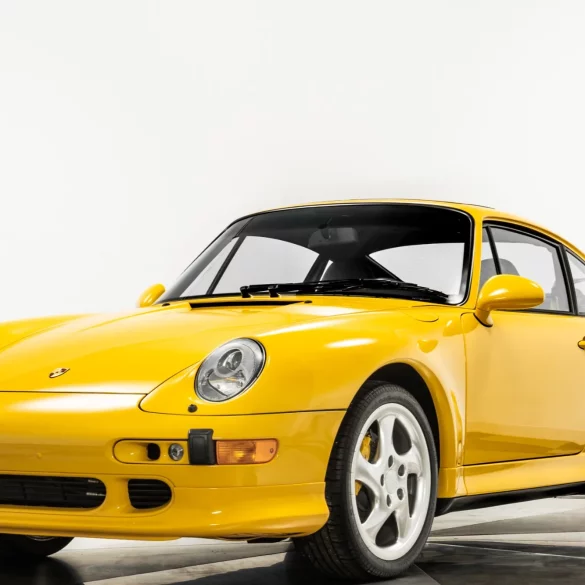
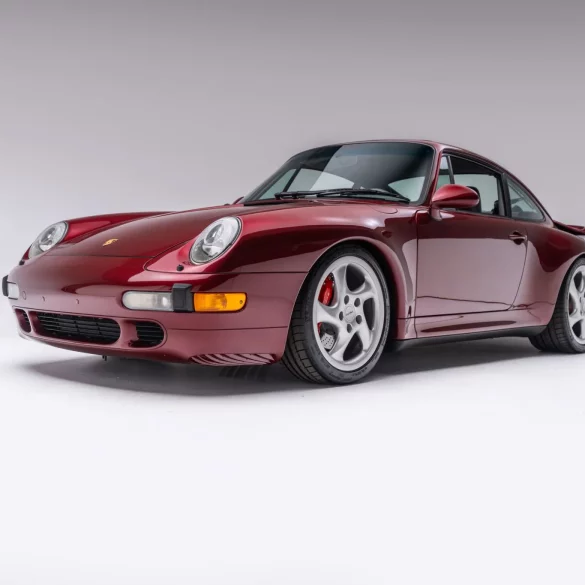
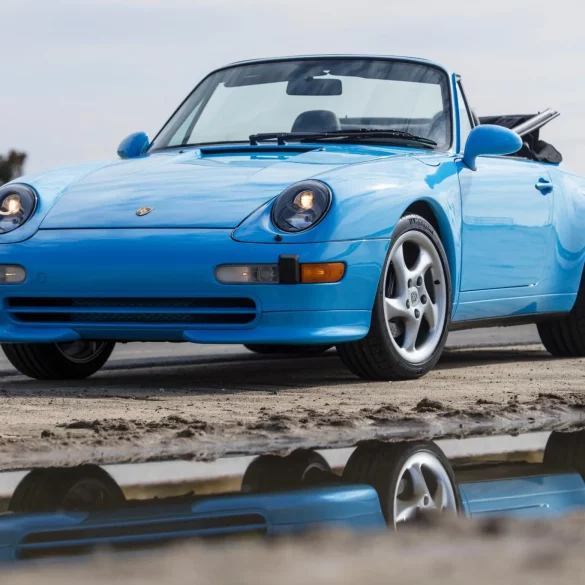
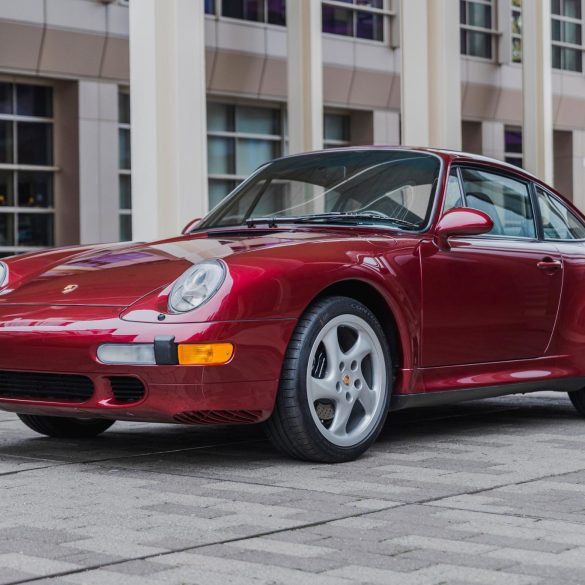
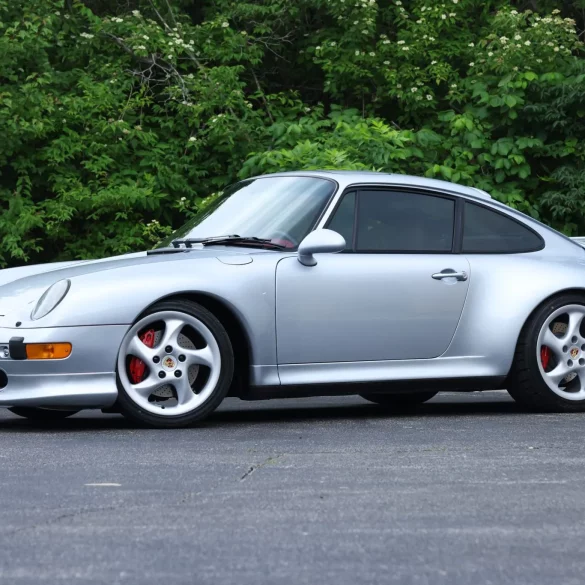
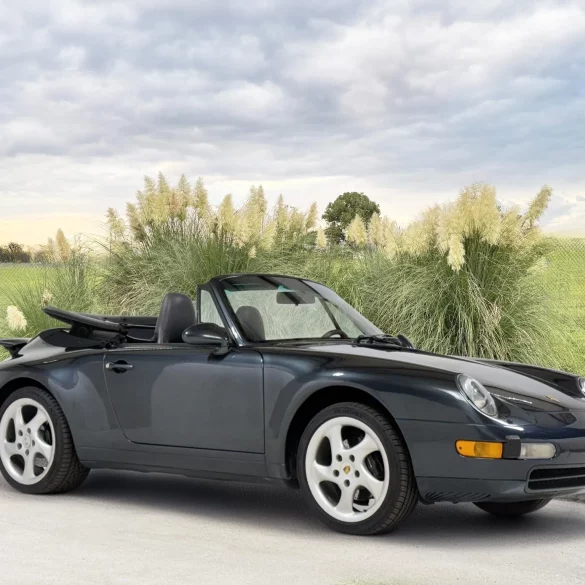
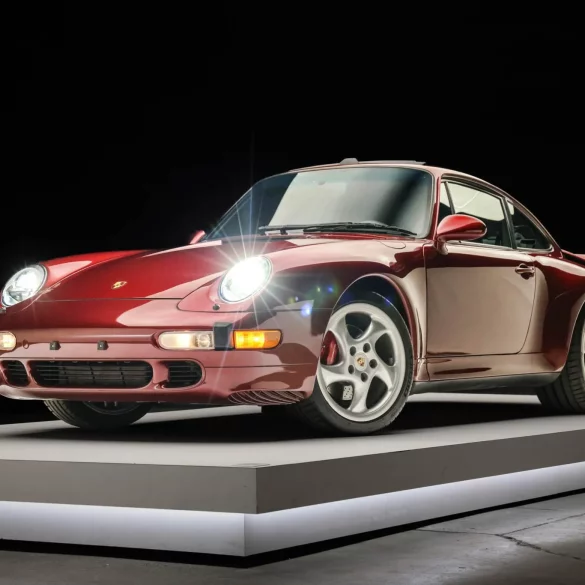
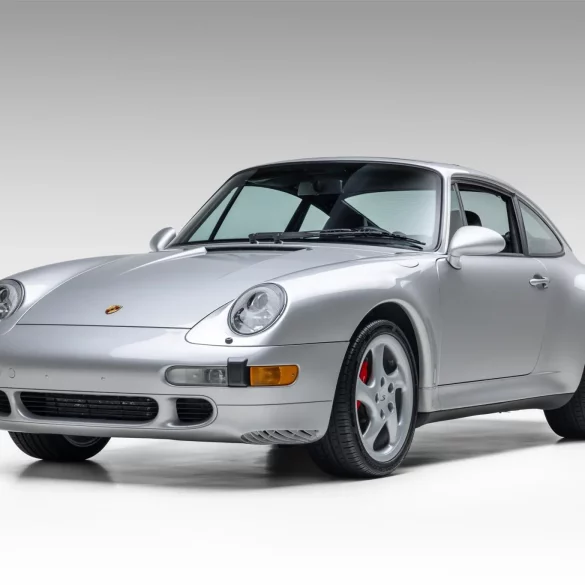
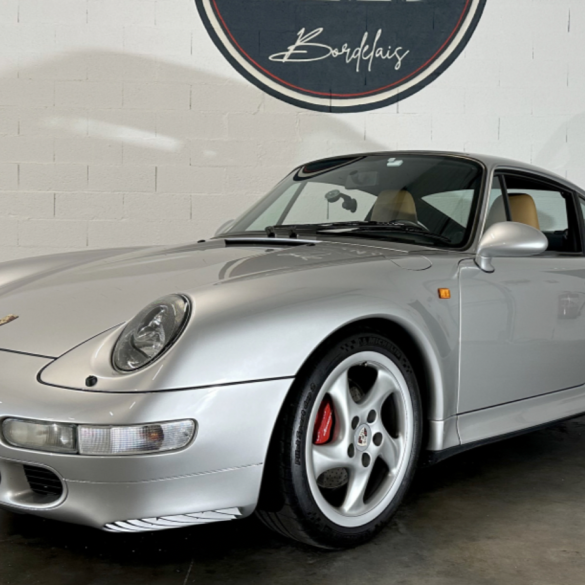
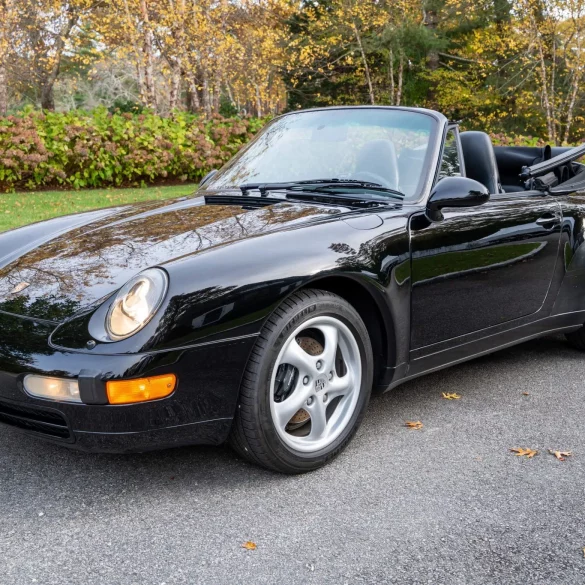
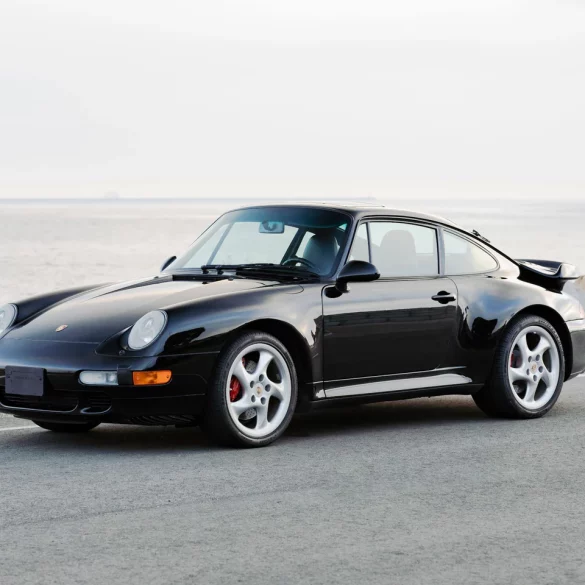
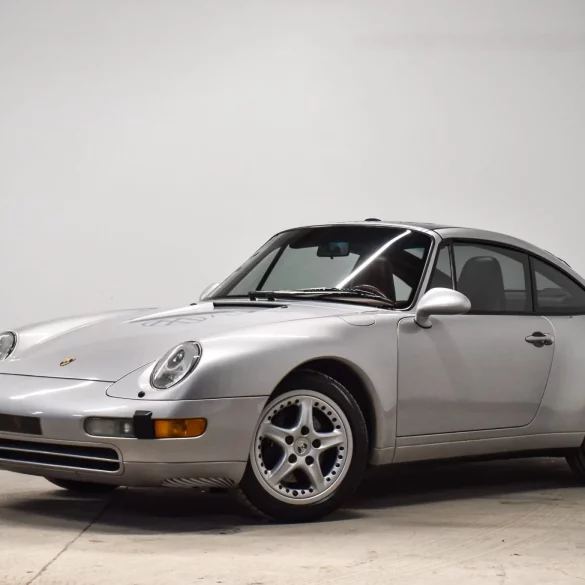
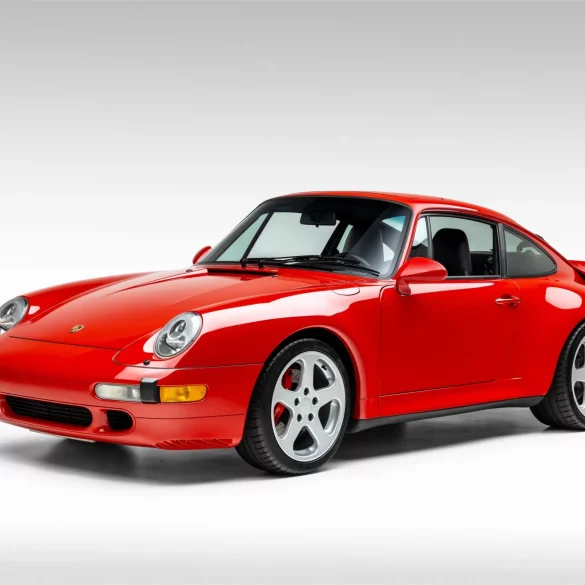
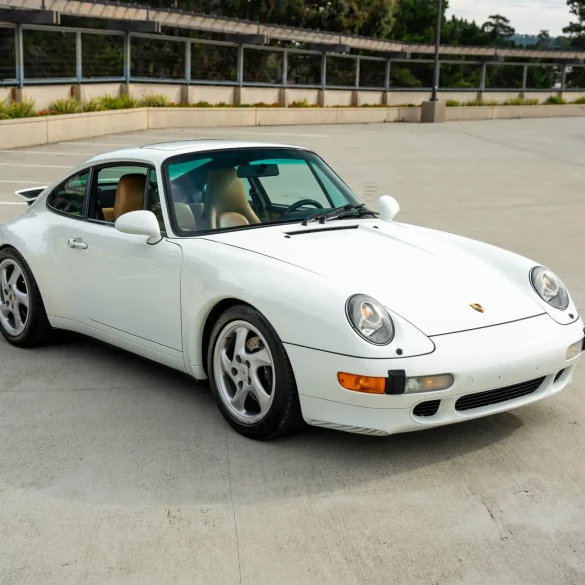
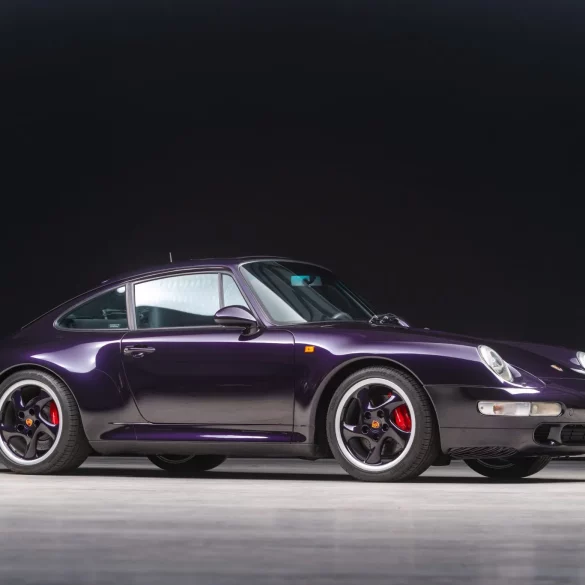
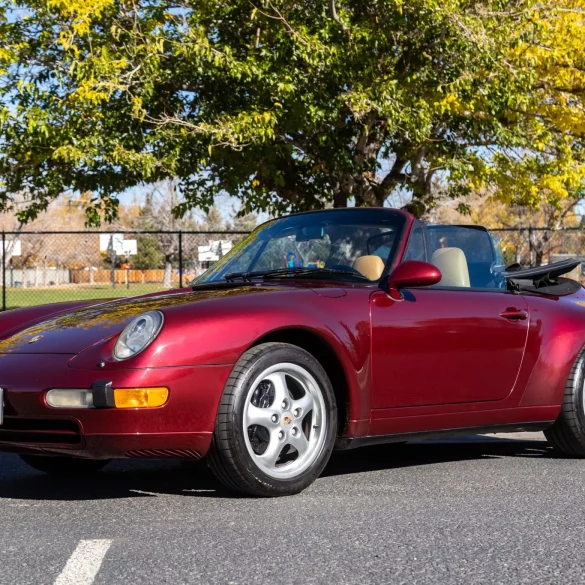
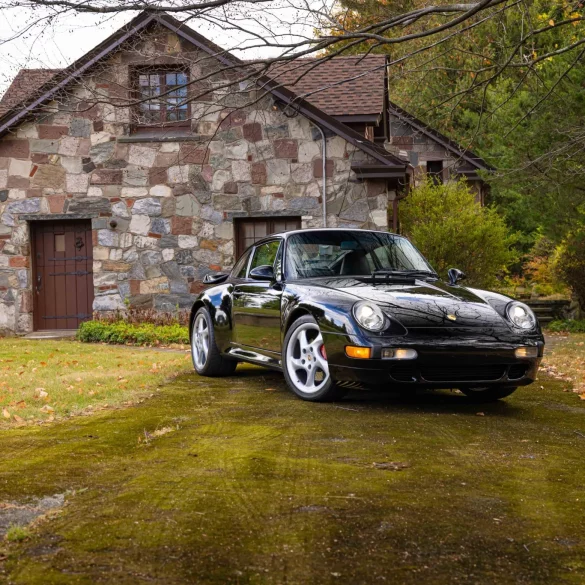
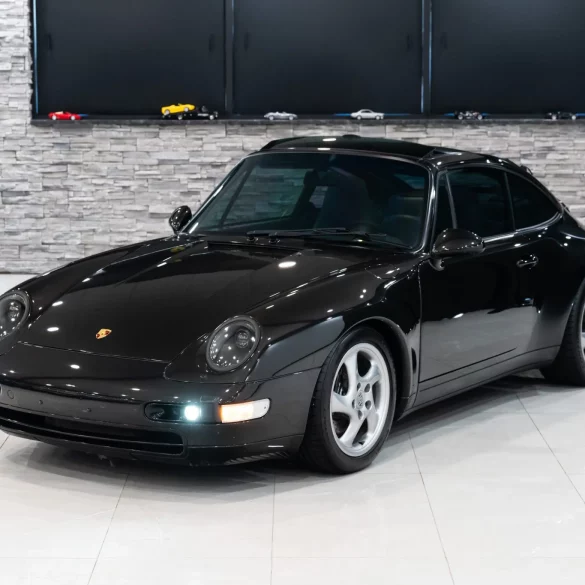
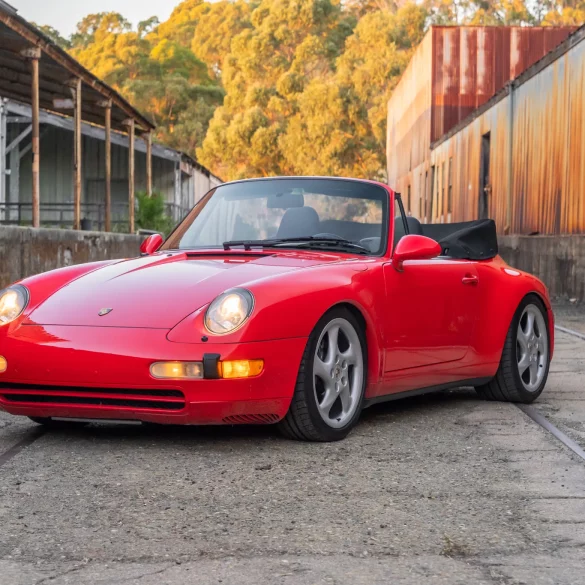
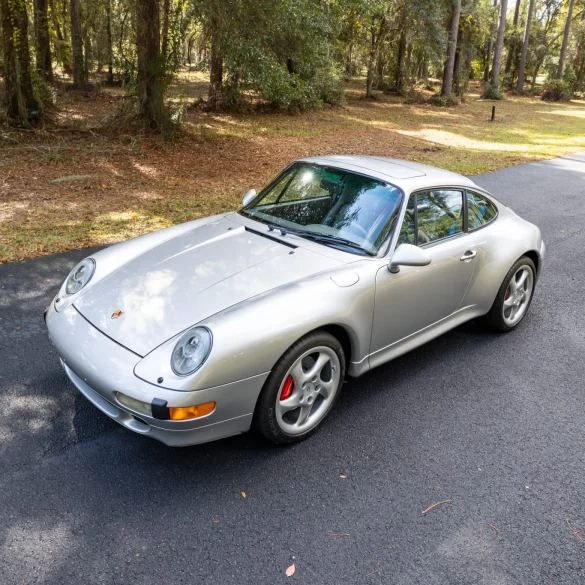
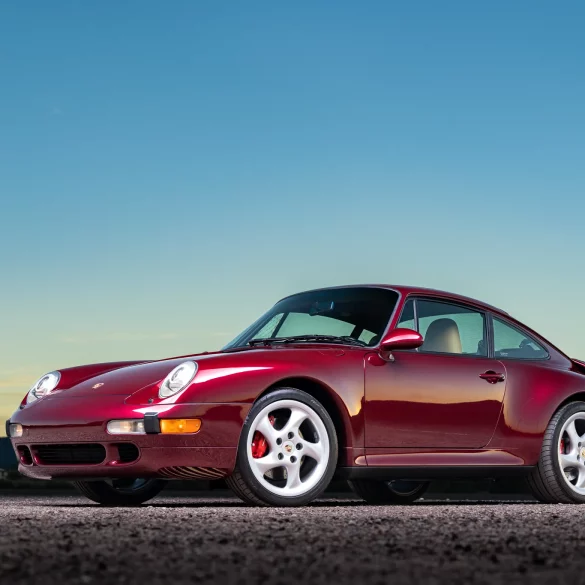
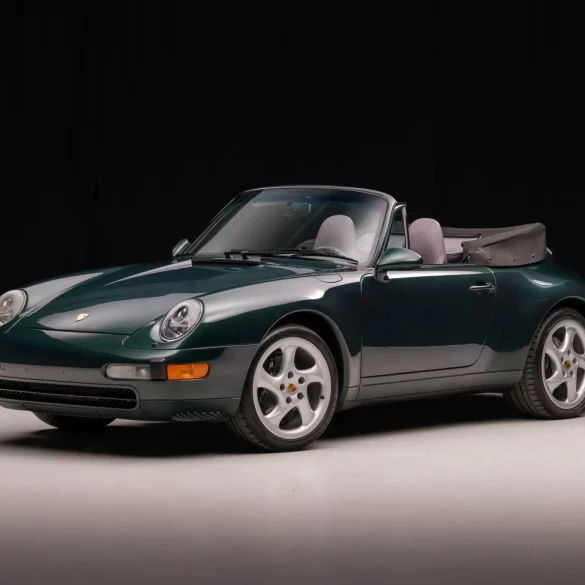
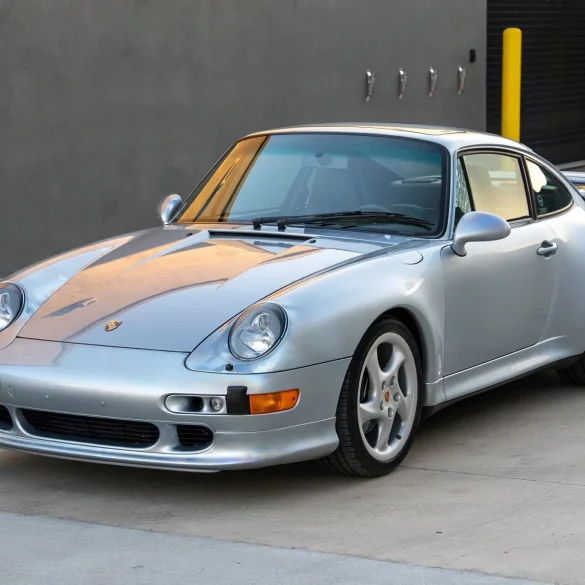
The truly special and unique 993 generation Porsche 911s at auction or for sale.
The 993 Carrera RS stands at the top of the 993 desirability hierarchy. Designed as a lightweight, track-oriented homologation model, the 993 RS combines reduced weight, stiffer suspension, and a razor-sharp chassis with the final air-cooled flat-six. Its rarity and driver-first focus make it one of the most collectible air-cooled 911s ever, with prices that reflect both performance pedigree and scarcity.
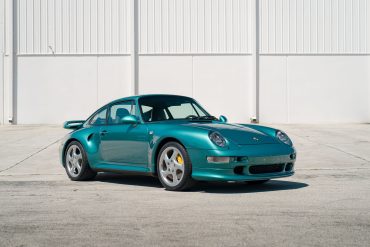
The 993 Turbo (particularly the later Turbo S) is one of the most revered performance versions of the 911. With twin-turbocharged power, all-wheel drive, and a distinctive widebody stance, the 993 Turbo was among the fastest production cars of its era. The Turbo S — with upgraded suspension, brakes, and interior appointments — is even more desirable due to its limited production and higher specification, often trading at a premium over standard Turbos in the used market.
The 993 Carrera 4S brings widebody styling, enhanced grip from all-wheel drive, and a more refined chassis feel to the air-cooled lineup. It’s a favorite among collectors who want performance and classic character without stepping all the way up to Turbo or RS pricing. The 4S’s distinctive looks and balanced dynamics help it retain strong demand relative to standard Carrera coupes.
Within the 993 Turbo family, special editions such as the X50 Europe package or lightweight Turbo S variants carry extra interest. These cars offer higher power outputs or subtle performance enhancements and are rarer than the regular Turbo models, which supports stronger pricing. Enthusiasts often seek them out for their unique combination of exclusivity and performance within the Turbo lineup.
The 993 Carrera S represents a sporting midpoint between the base Carrera and RS. Paired with sport-tuned suspension and sometimes desirable options like sport seats or factory short-shift kits, the S and its variants (such as S Club Sport) attract buyers who want a more engaging air-cooled experience without jumping to full RS levels. These variants often outperform base coupes in the resale market when presented in strong, documented condition.
The 993 Carrera RS is the strongest value holder of the entire generation and one of the most collectible air-cooled 911s ever built. As a lightweight, motorsport-inspired homologation model, it combines rarity, performance pedigree, and the significance of being part of the final air-cooled era. Demand for genuine, well-documented RS examples remains global and resilient, and values have proven largely insulated from broader market softening.
The 993 Turbo S sits just below the RS in desirability and is a blue-chip classic in its own right. With limited production numbers, upgraded performance, and distinctive specification over the standard Turbo, the Turbo S consistently commands a premium. Collectors value its combination of twin-turbo power, all-wheel drive, and exclusivity, making it one of the safest long-term holds in the 993 lineup.
The standard 993 Turbo remains one of the most reliable value performers among air-cooled 911s. As the first twin-turbo 911 and one of the fastest production cars of its era, it carries significant historical weight. Well-maintained, original examples continue to trade strongly, particularly cars with low mileage, full documentation, and minimal modification.
The Carrera 4S has emerged as one of the strongest non-Turbo, non-RS value holders in the 993 range. Featuring the widebody Turbo look paired with a naturally aspirated engine and all-wheel drive, the 4S offers visual drama and everyday usability. Its relative rarity compared to standard Carreras and its distinctive appearance help support long-term demand and pricing.
The Carrera S, especially in manual coupe form, consistently outperforms base Carrera models in value retention. With sportier suspension tuning and a more focused driving experience, it appeals to purists who want a driver-centric air-cooled 911 without the cost or intensity of an RS. Clean, original examples with strong service history tend to hold value very well.
Standard base Carrera models, Tiptronic cars, Cabriolets, and heavily modified examples tend to see softer value retention compared to the variants above. While still desirable classic 911s, they are more sensitive to mileage, condition, and market cycles.
Across the board, the strongest value holders share key traits: limited production, performance or motorsport relevance, manual transmissions, widebody styling, and clear enthusiast intent. As the final air-cooled 911 generation, the 993 enjoys a structural demand advantage that continues to reward the most special and best-preserved variants.
The Porsche 911 (993) market remains one of the strongest segments in the classic car world, with persistent demand for well-preserved, original examples and limited-production variants. As the final air-cooled 911 generation, the 993 combines classic character with improved drivability and reliability, which keeps values elevated relative to many other classic sports cars. In recent years, mainstream models like Carrera coupes—especially manual, rear-wheel drive cars with good service history—have held firm in the upper five-figure range, with clean examples often trading around $80,000–$120,000+ depending on specification, mileage, and region. These values reflect steady interest from both drivers and collectors rather than speculative price spikes.
Specialist variants continue to outperform the broader market. For example, 993 Carrera RS models consistently command substantial premiums, with well-sorted examples frequently surpassing $200,000 and in some cases reaching significantly higher figures at auction or in private sales. Similarly, 993 Turbo S variants hold especially strong pricing among turbocharged 911s; their limited production, higher specification, and desirability drive robust prices that often outpace standard Turbo 993 cars. These trends show buyers remain willing to pay top dollar for rare or high-performance examples that combine classic appeal with distinctive performance credentials.
Auction results and private-sale data over the past 12–24 months also suggest that 993 prices have entered a stable, quality-driven phase rather than a broad upswing. Enthusiasts and collectors have grown more selective, with sharp differentiation between cars that are lightly used with documented provenance and those with unclear history, significant wear, or extensive modifications. Cars with strong documentation—original Kardex or build sheets, matching numbers, and complete service records—command noticeably higher values than comparable cars without such provenance. This emphasis on quality over broad rarity has been reflected in recent sale prices and listing behavior.
Geographically, 993 market performance has varied modestly: in markets like the U.S. and parts of Europe, values for top examples remain strong and resilient, supported by high buyer demand and robust collector communities. In contrast, some other regions have seen softer demand for high-mileage or less desirable variants, which has introduced more negotiation room and longer sale cycles for those cars. Despite these nuances, the overarching trend is one of consistent interest and stable pricing for well-specified, well-preserved 993s.
Finally, broader classic car market trends—including an increased appreciation for analog driving feel and rising interest from younger collectors—have helped support the 993’s profile. As future generations of buyers seek air-cooled cars with both classic character and usability, the 993’s position as a “gateway into serious 911 collecting” has strengthened, helping sustain demand and price resilience.
Yes — Porsche 911 (993) cars are widely regarded as a good long-term investment today, especially when compared with many other classic cars. However, the investment outcome depends heavily on the specific model, condition, documentation, and how you plan to use or hold the car.
The Porsche 911 (993) holds a special place in the collector market because it was the last of the air-cooled 911s, produced from 1995–1998. That alone gives it historical significance, but the investment case goes deeper. The 993 combines classic 911 character with more refined mechanicals, better reliability, and improved handling compared with earlier air-cooled generations. Enthusiasts and collectors prize the 993 as a bridge between classic and modern 911s, which supports enduring demand and, by extension, value retention.
Unlike the rapid and often unpredictable price surges seen in other classic car segments, the 993 market has settled into a more stable and quality-driven price pattern. Values are supported less by speculative buyers and more by actual demand from enthusiast owners and collectors who want to use and enjoy the cars. Mainstream models such as clean Carrera coupes typically trade in the upper five figures (often $80,000–$120,000+ for desirable, well-documented examples) rather than in extreme, bubble-era price territory. Meanwhile, special variants—such as the 993 Carrera RS or 993 Turbo S—continue to command premiums that reflect rarity and performance pedigree.
Not all 993s are equal as investments. High-demand variants tend to hold or appreciate better:
993 Carrera RS: Often the strongest value performer, with prices regularly well into six figures and strong bidding at auctions.
993 Turbo S: A blue-chip choice within turbocharged 911s, with limited numbers and high specification pulling strong pricing.
993 Turbo (standard): A durable performer in the investment landscape, reflecting classic performance and broad appeal.
Carrera 4S / manual Carreras: Typically less premium than RS or Turbo S but still strong holds, especially when in excellent condition.
By contrast, 993s with unclear service history, heavy modification, or collision repair history often lag in relative value, even if the underlying model is desirable.
One of the most important investment lessons in the 993 market is this: documentation matters more than mileage alone. Cars with a Porsche Certificate of Authenticity (COA), Kardex/build sheet, full service records, and minimal ownership changes almost always outperform similar cars without that history. Buyers are paying premiums for confidence and provenance—a clear signal that the 993 market functions more like a mature collectible segment than a speculative bubble.
In summary, 911 (993) cars remain good long-term investments when bought correctly. They are not guaranteed short-term flips, but well-chosen 993s—especially rare or high-spec models—have shown resilience and, in many cases, steady appreciation over the last decade. The best investment candidates are:
Highly desirable variants (RS, Turbo S, early manual Carreras).
Well-documented, numbers-matching examples.
Cars in excellent condition with strong maintenance history.
When buying a Porsche 911 (993), documentation is a major factor in value, confidence, and long-term desirability. As the last air-cooled 911, the 993 attracts informed buyers who expect a clear paper trail. Well-documented cars consistently sell faster and command meaningful premiums over similar examples without records.
A Porsche Certificate of Authenticity (COA) or original Kardex / build sheet is the foundation of any serious 993 purchase. This paperwork confirms how the car left the factory, including original exterior and interior colors, engine and transmission numbers, production date, and factory options. Matching numbers are especially important in the 993 market, and factory documentation helps verify originality and protect buyers from incorrectly represented cars.
Service records and maintenance history are equally important. Ideally, a 993 should come with a comprehensive service file showing routine maintenance, major services, and any significant repairs over time. While it’s rare for a decades-old car to have complete records from new, consistent documentation from reputable Porsche specialists greatly increases buyer confidence. Evidence of major work—such as clutch replacement, suspension refreshes, or engine reseals—is particularly valuable.
If the car has been restored or undergone major cosmetic or mechanical work, restoration documentation should be included. This may consist of invoices, parts lists, and photo documentation showing paintwork, body repairs, engine rebuilds, or interior restoration. Buyers strongly prefer restorations that were done to factory-correct standards, and cars without proof of work are often discounted, even if they present well cosmetically.
Ownership history and provenance also add value. A clear chain of ownership, long-term custodianship, or evidence of careful prior ownership all strengthen a car’s story. Cars that have passed through fewer owners—especially enthusiast or collector hands—often attract more interest and achieve higher sale prices.
Finally, original accessories and factory items help elevate a 993 above the average example. Items such as the owner’s manuals, service booklet, tool kit, jack, spare wheel, air compressor, factory keys, window sticker, and original dealer paperwork all contribute to completeness. While none are essential individually, together they signal careful ownership and help justify premium pricing.
In short, the most desirable Porsche 911 (993) listings include factory verification, consistent service history, transparent restoration records (if applicable), and a clear ownership story. In today’s market, strong documentation isn’t optional—it’s a core part of the car’s value.