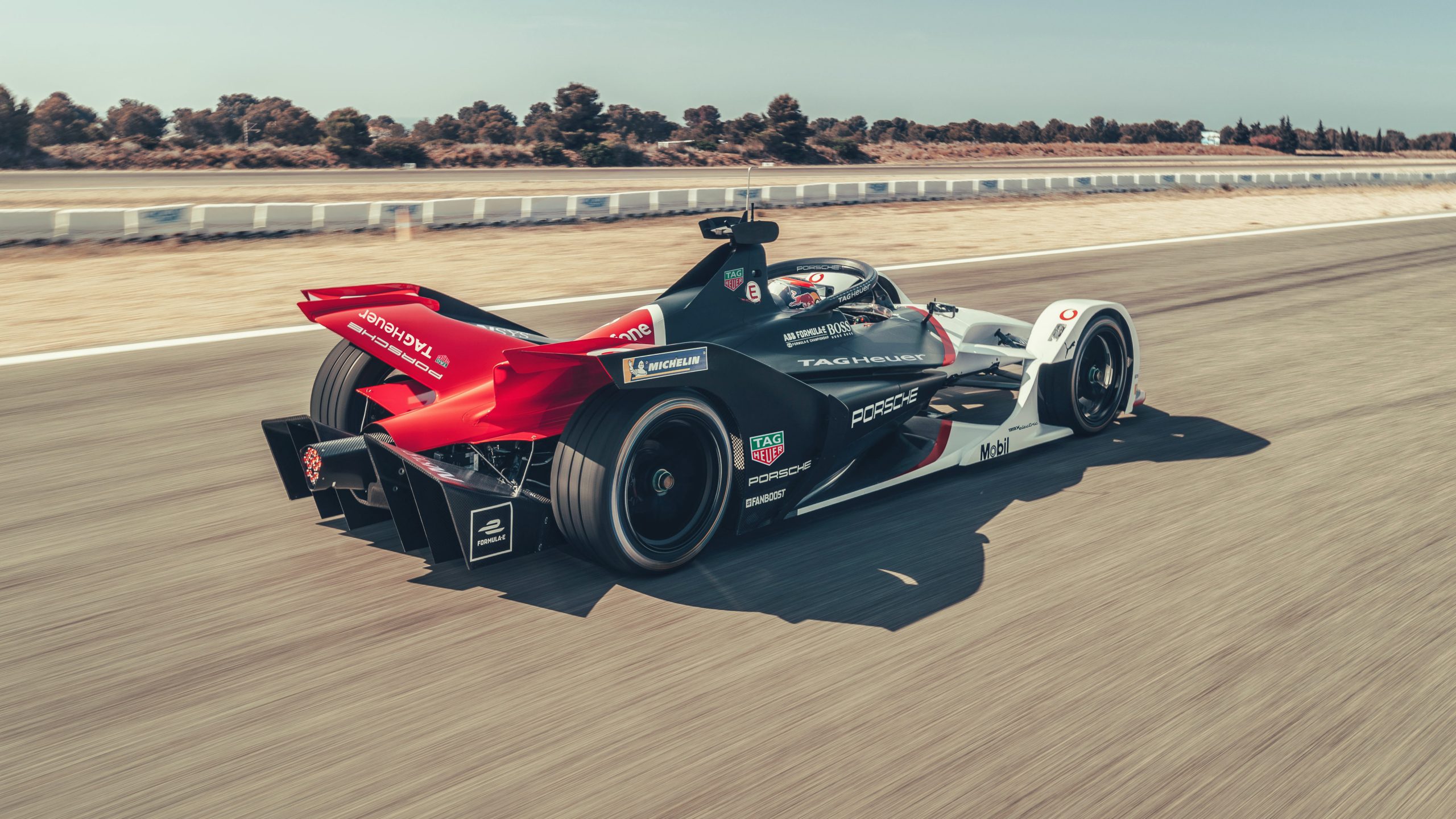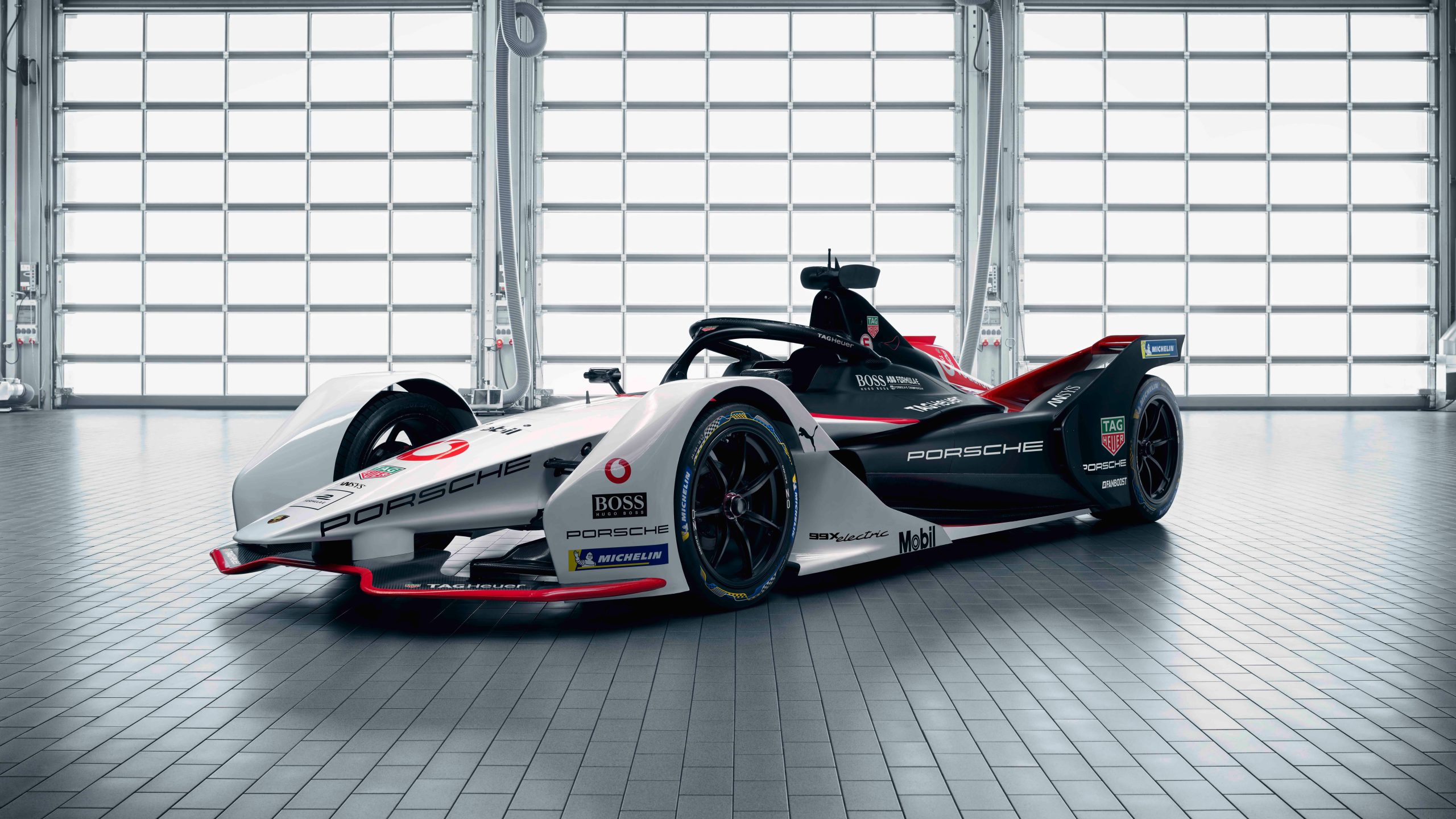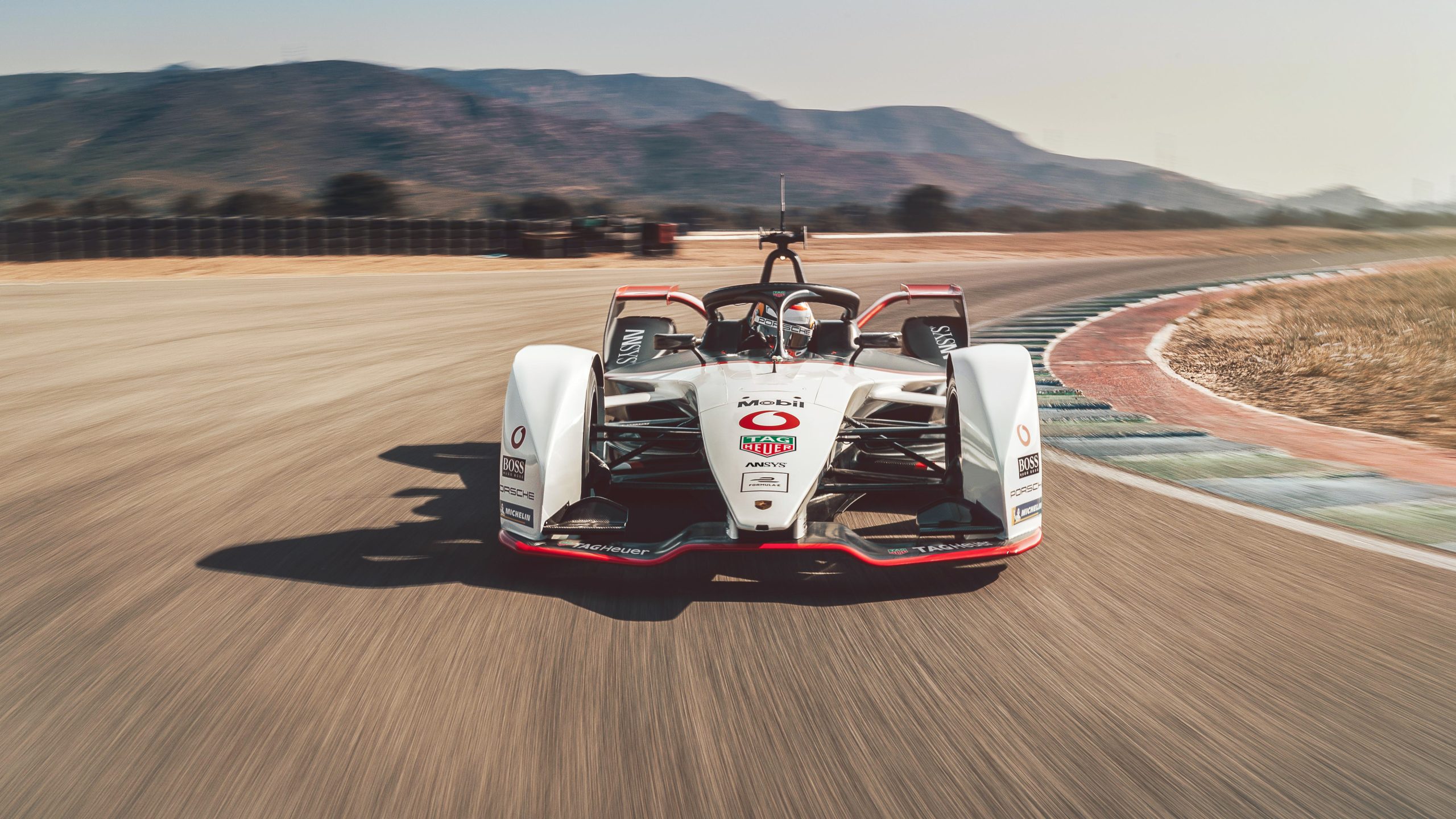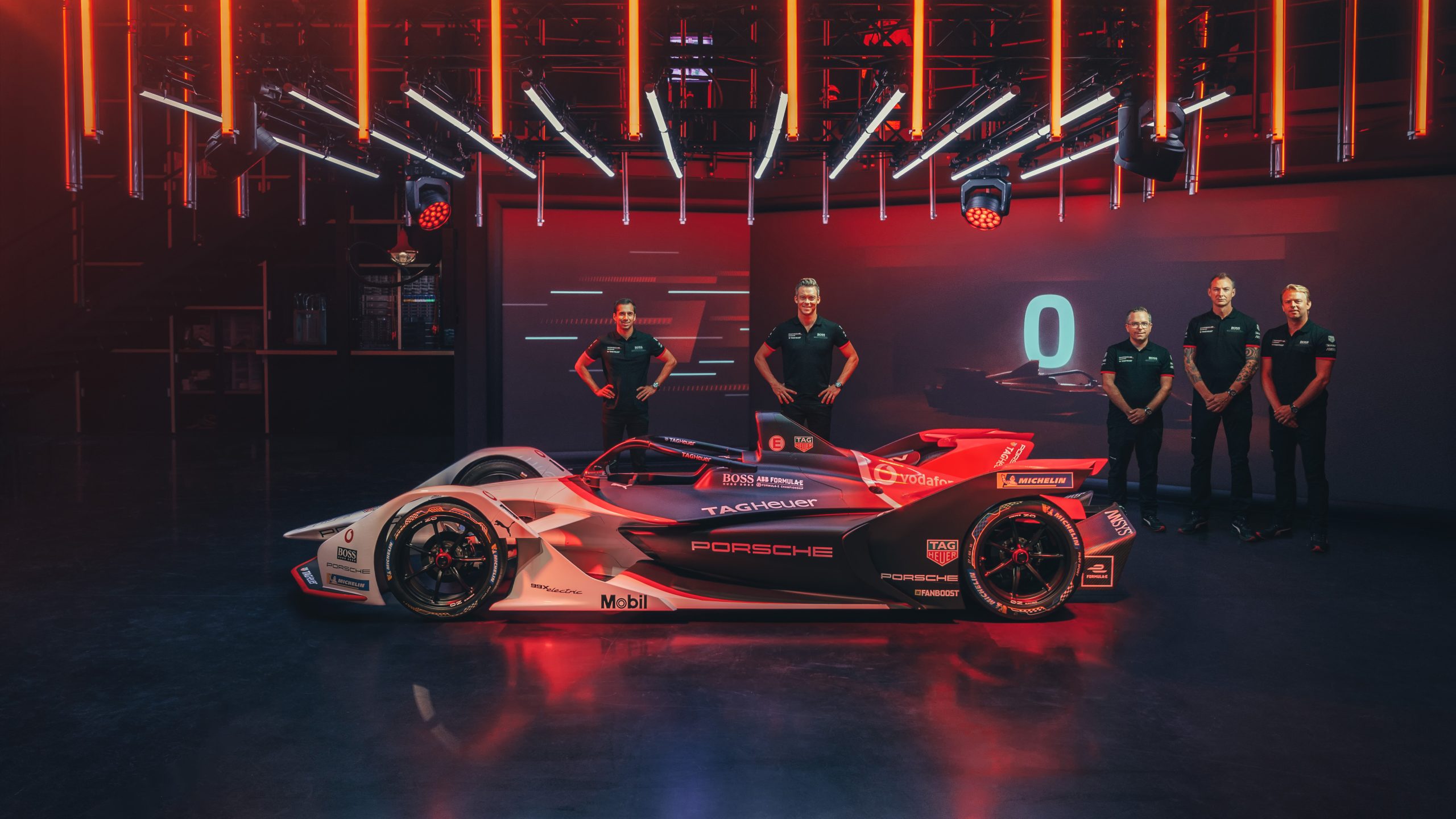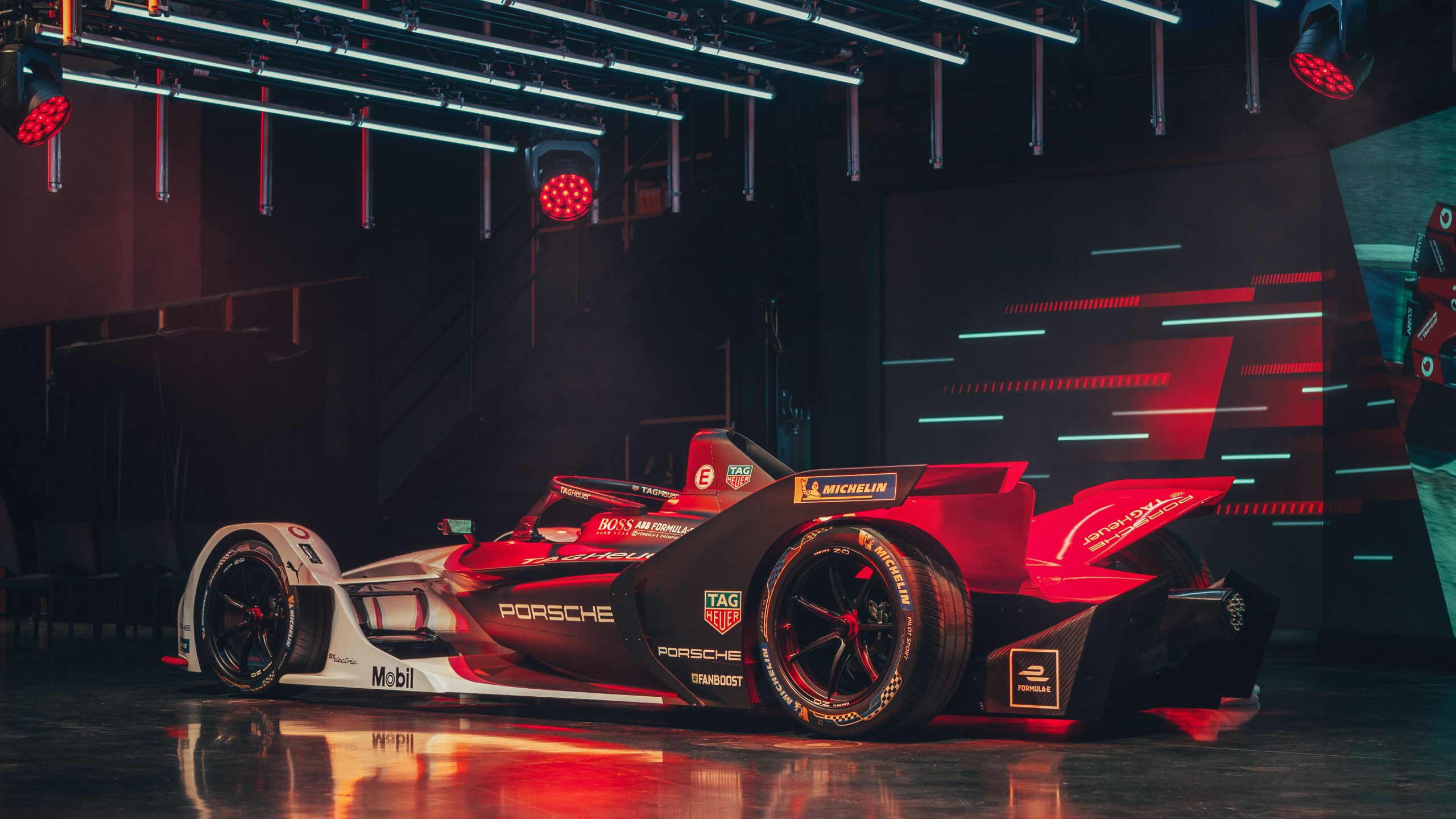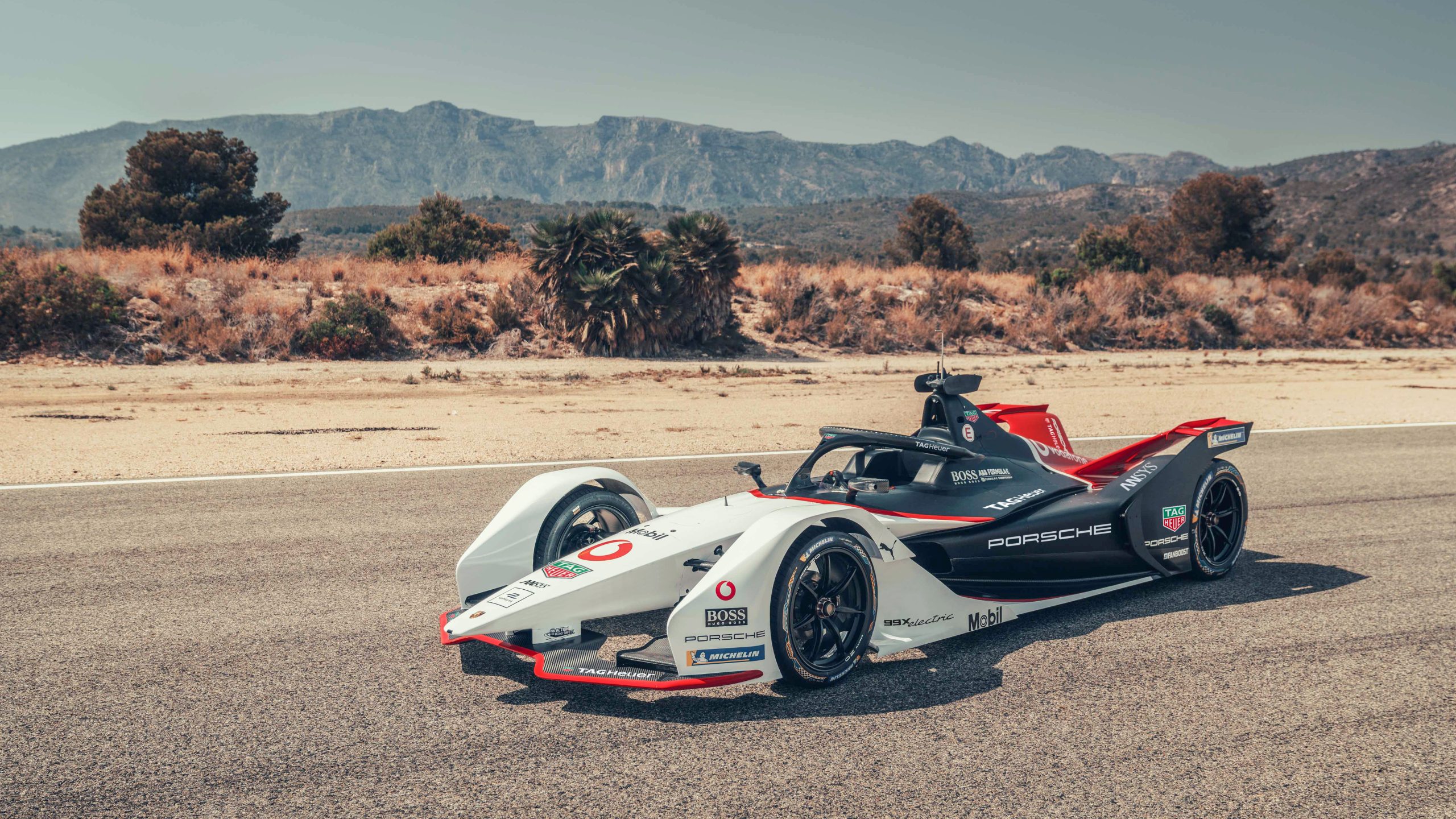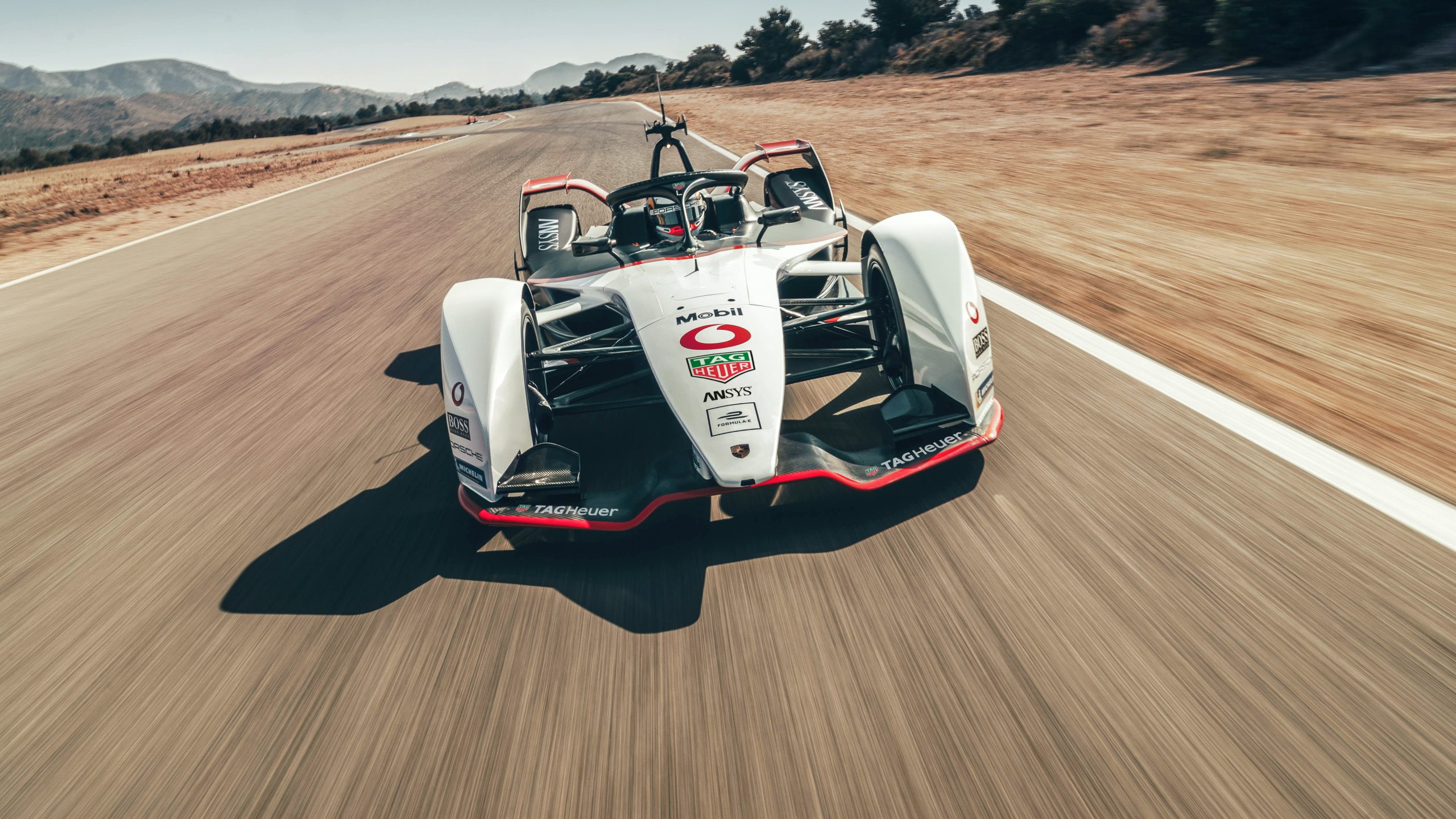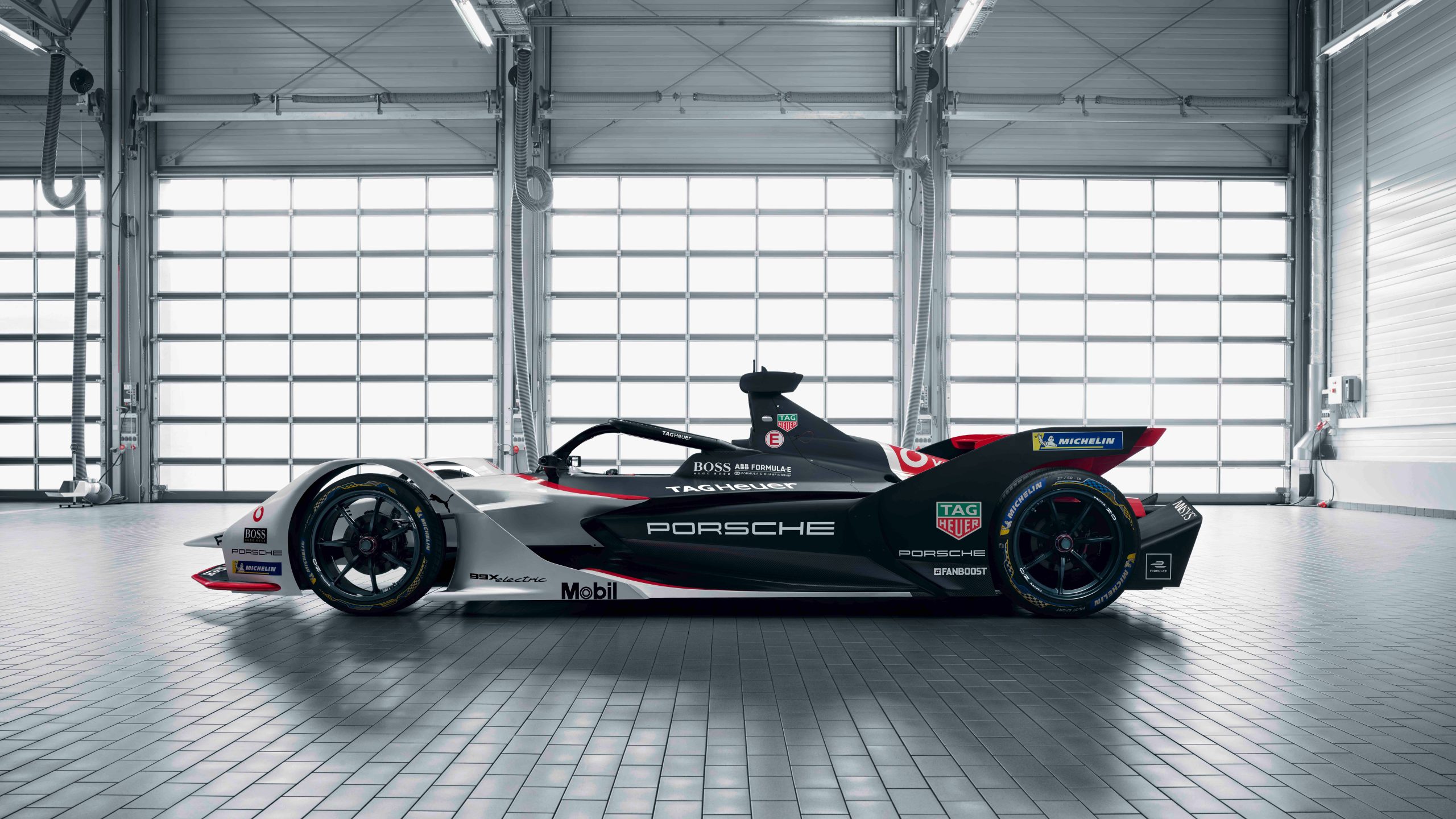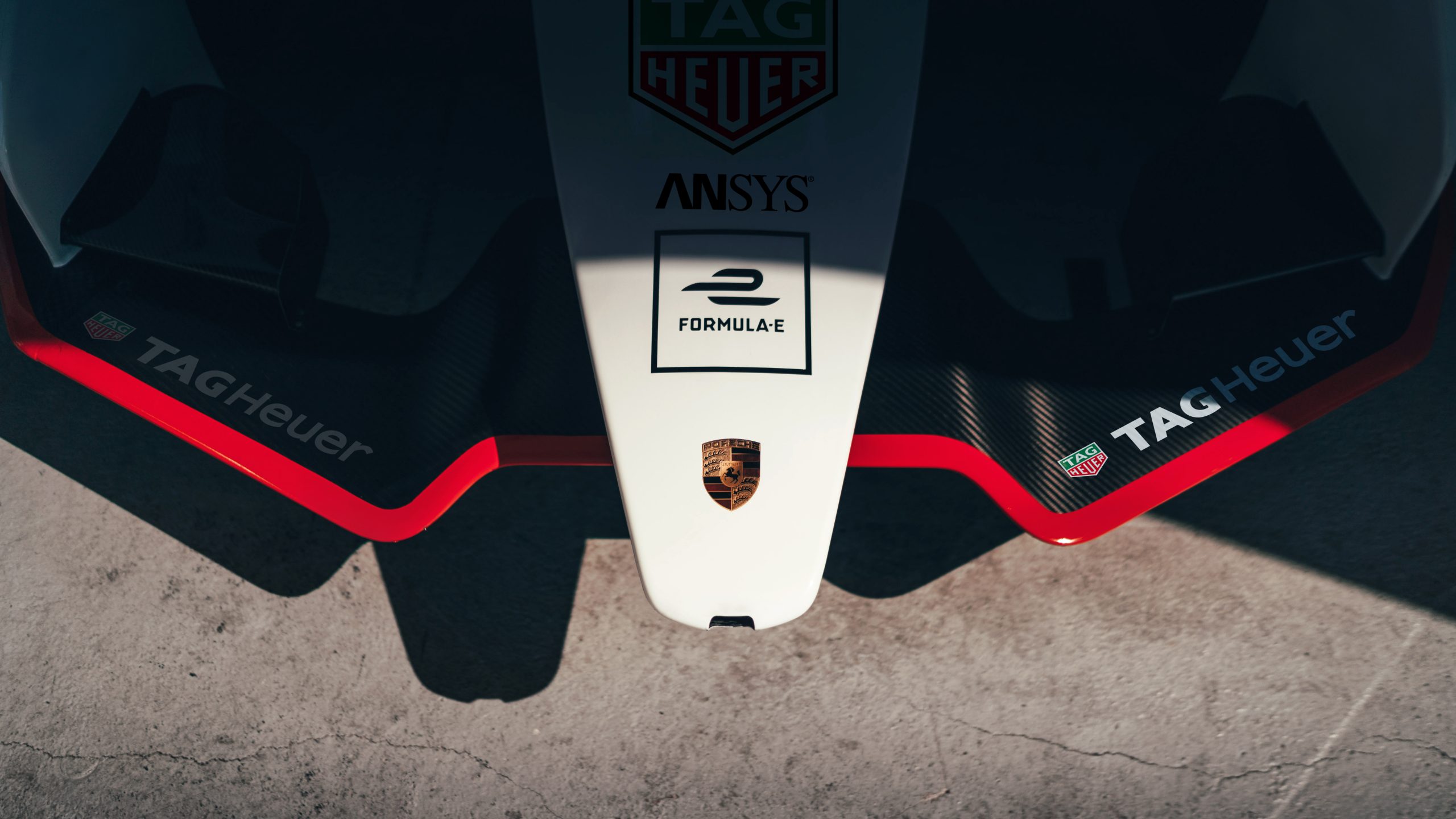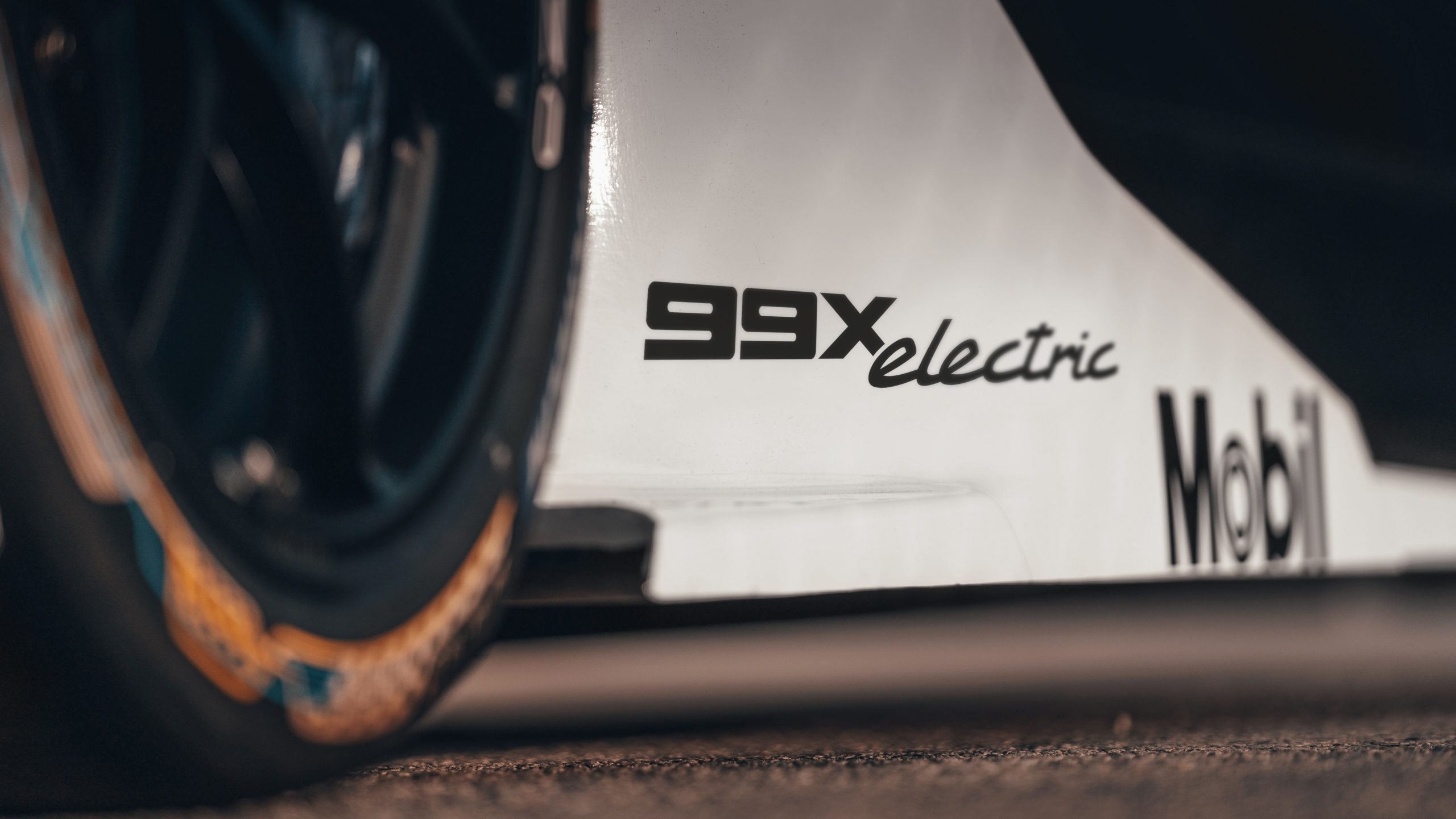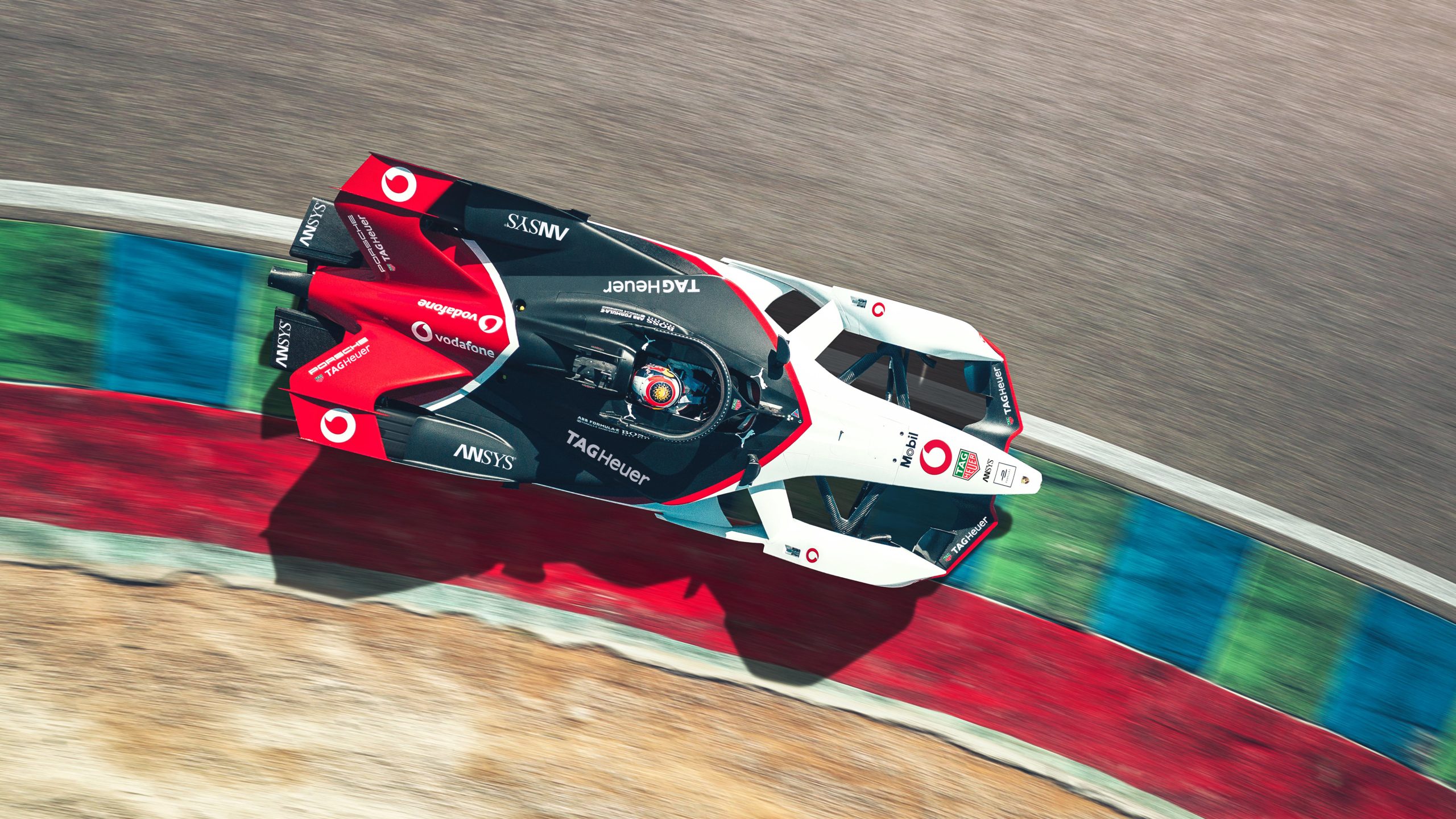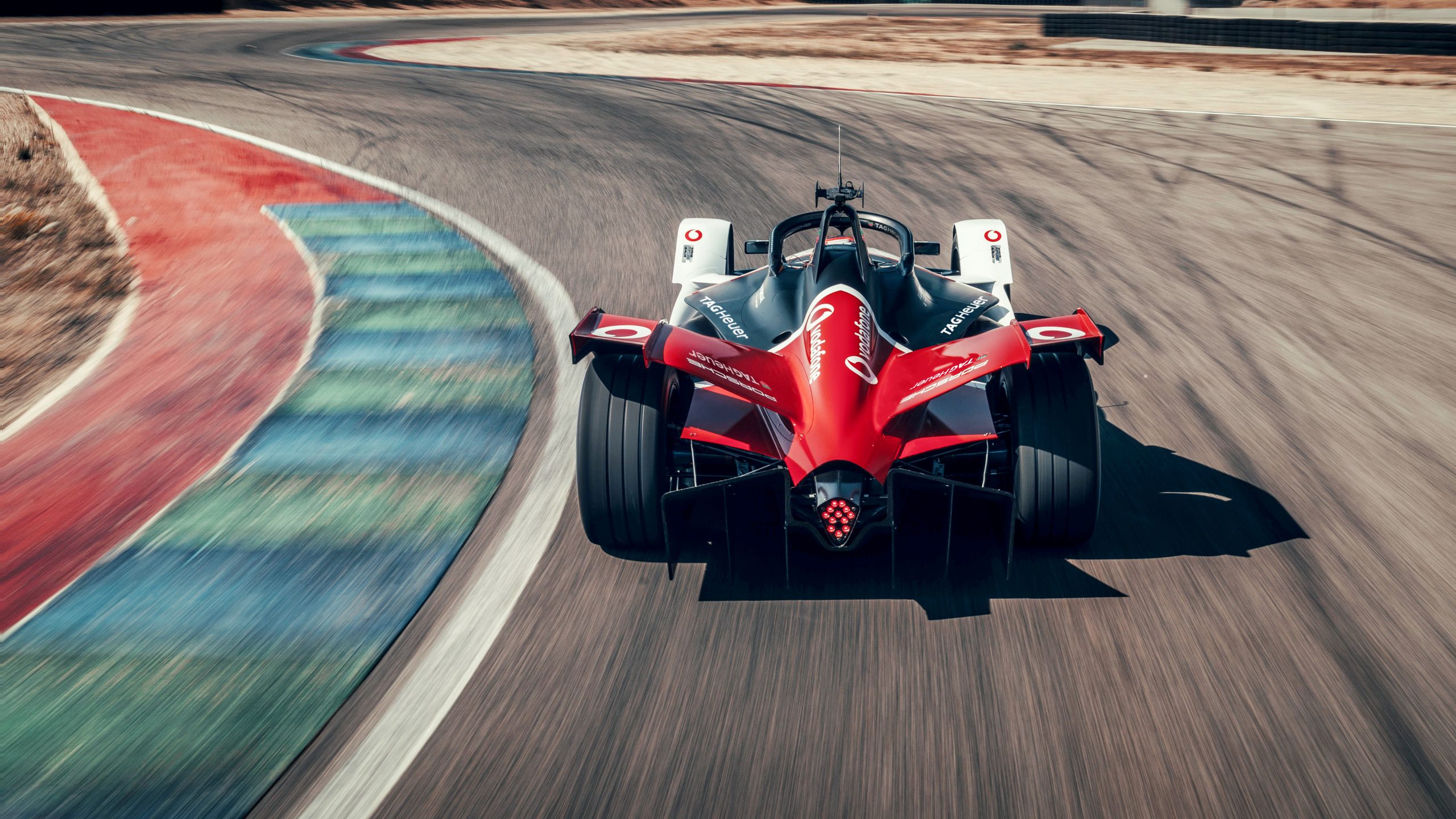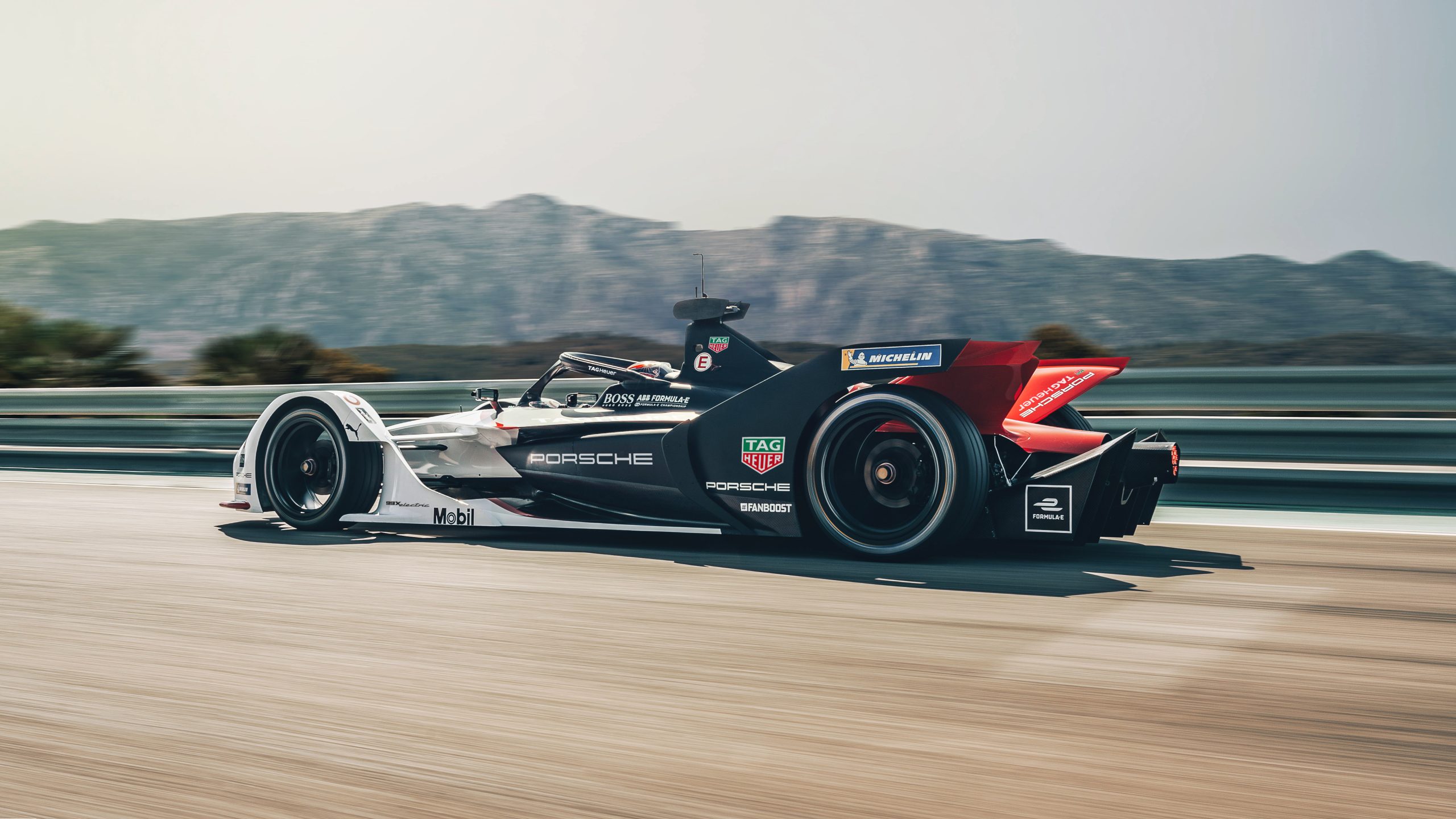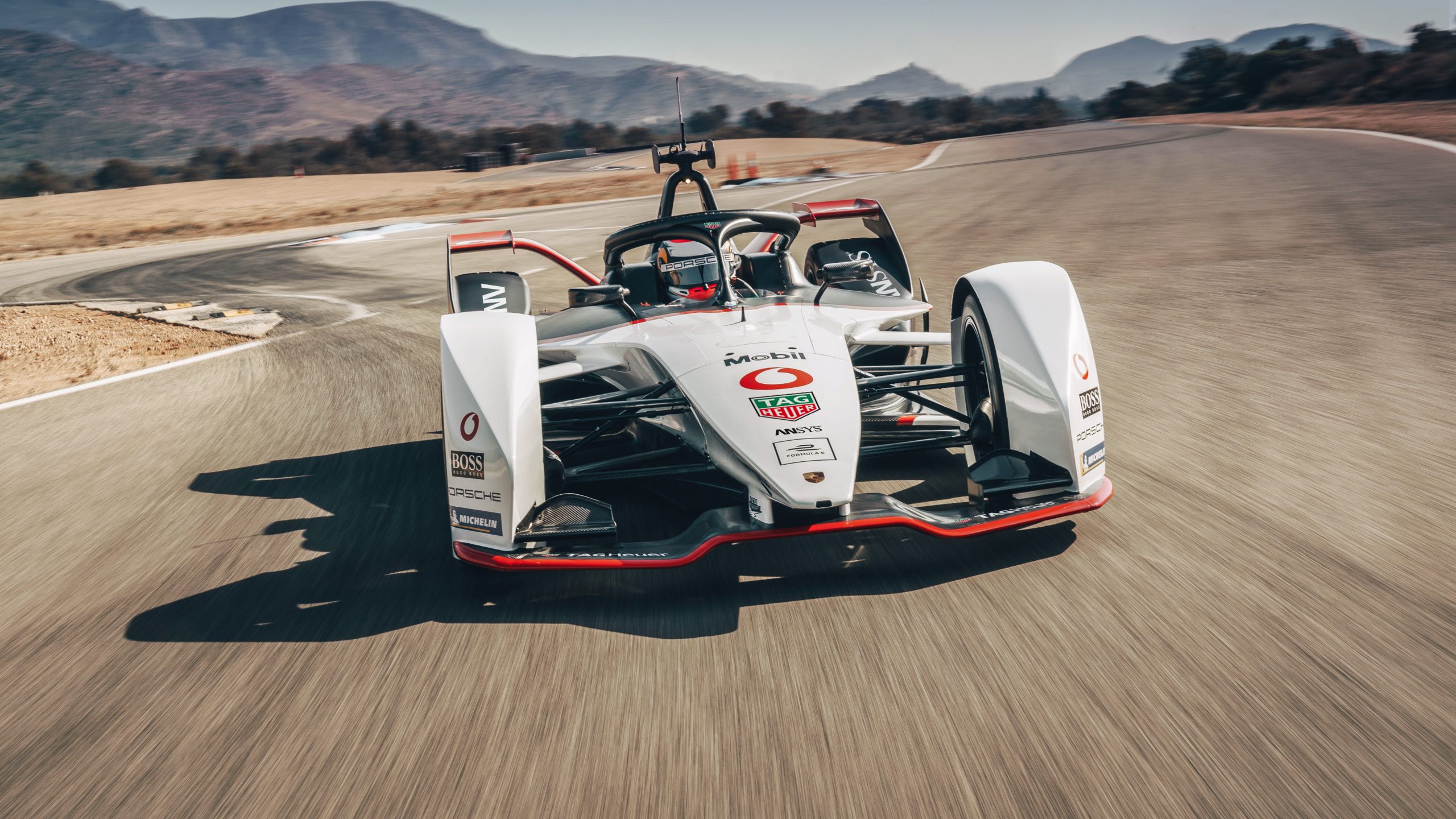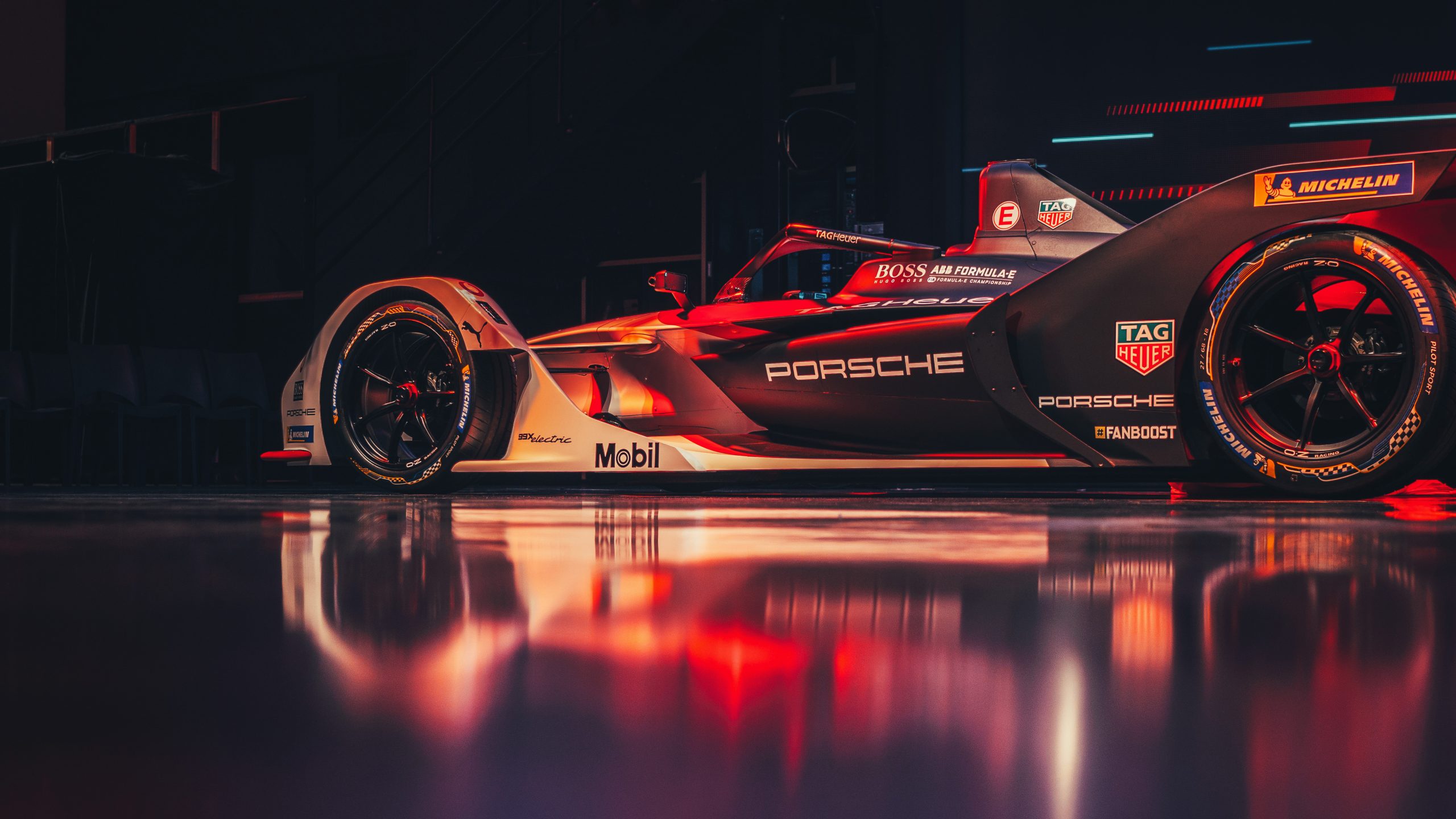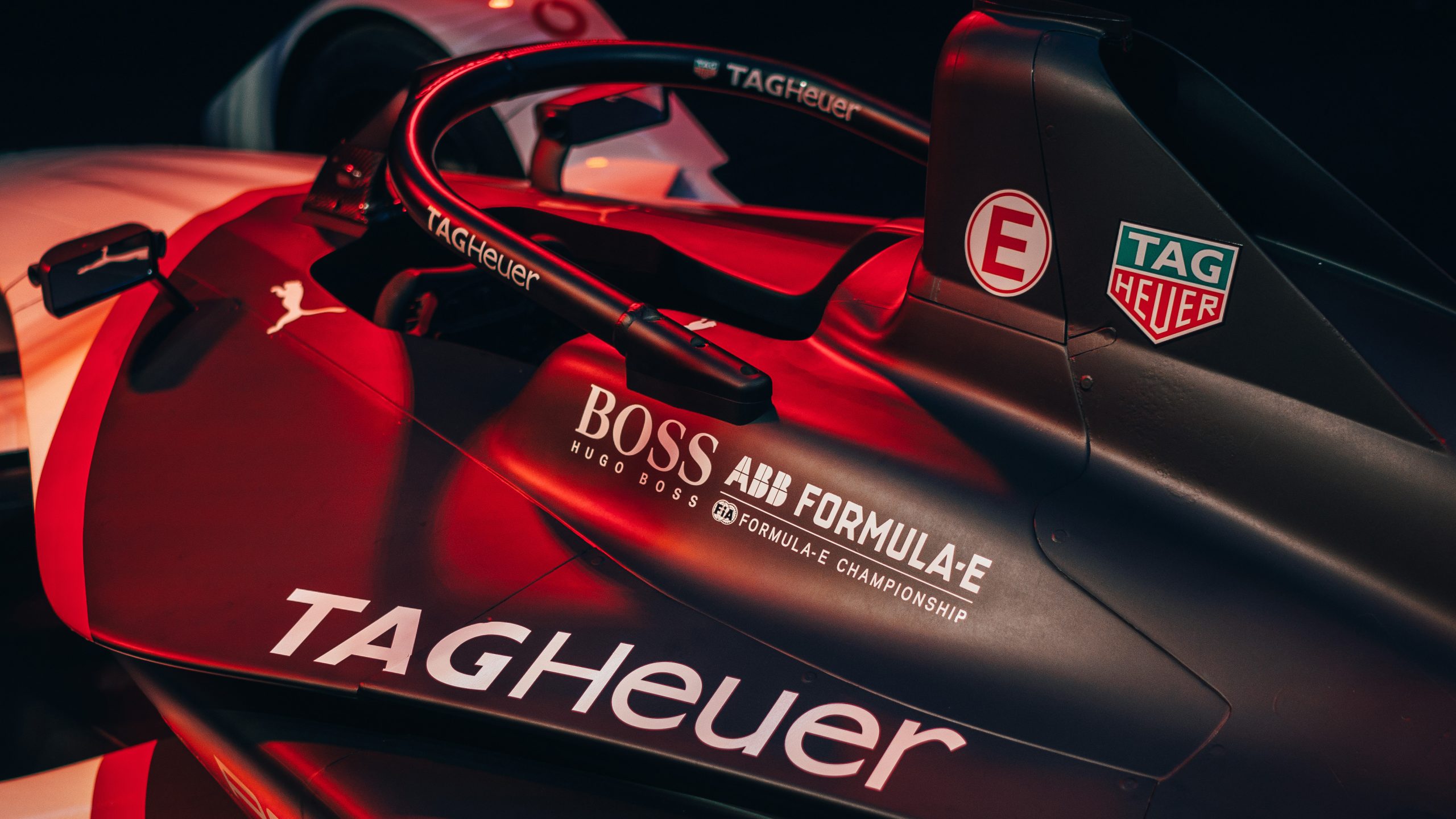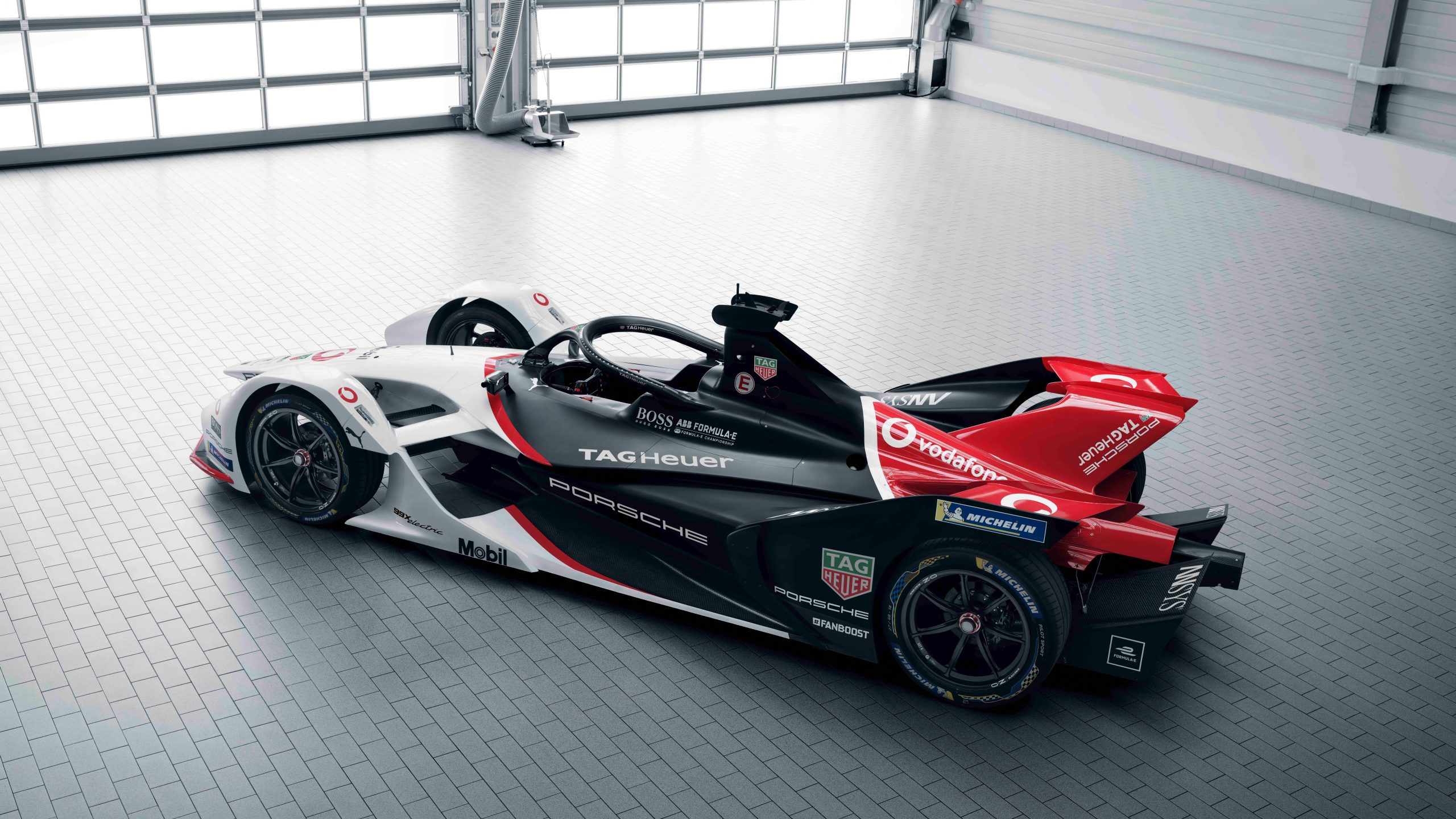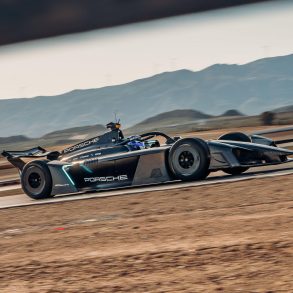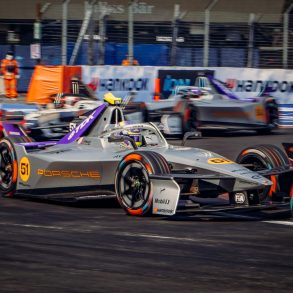


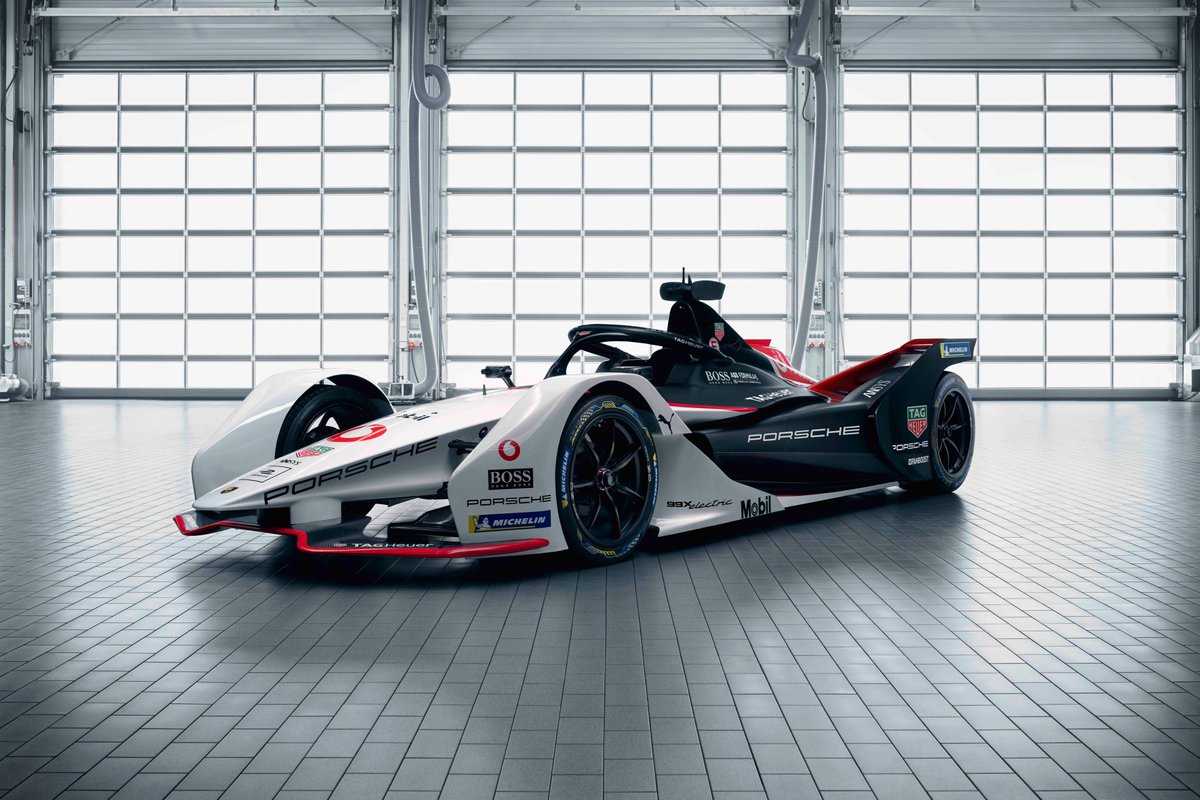
Porsche 99X Electric (Gen 2) (Formula E) – Porsche’s First All-Electric Works Racer
When Porsche announced it was leaving the World Endurance Championship to focus on Formula E, it was a big signal that the future of Weissach motorsport would be electric. That future arrived in 2019 with the Porsche 99X Electric – the brand’s first factory all-electric race car and the car that carried Porsche through the Gen2 era of Formula E (Seasons 6–8). Concept and Positioning
The 99X Electric was built around the spec Spark SRT05e Gen2 chassis and the common 54 kWh battery, but everything that made the car “Porsche” sat in the powertrain, software and systems wrapped around that hardware. Porsche used its signature 800-volt electrical architecture – the same philosophy that would underpin the Taycan – and treated Formula E as a development lab for future road-car technology.
The name “99X” followed internal Porsche prototype convention and positioned the car as a link between the brand’s past race cars and its new electric era, while “Electric” left no doubt about the mission.
Technical Highlights
While the chassis and battery were common to the grid, the way Porsche used them wasn’t. Key numbers for the original 99X Electric in the Gen2 era:
- Power (race): 200 kW (268 hp)
- Power (Attack Mode): 235 kW (315 hp)
- Power (qualifying / Fanboost): up to 250 kW (335 hp)
- Battery: 54 kWh (52 kWh usable), 800 V system
- 0–100 km/h (0–62 mph): ~2.8 seconds
- Top speed: ~280 km/h (174 mph)
- Minimum weight (incl. driver): 900 kg, with the battery alone around 385 kg
Porsche’s in-house components focused on the rear-axle powertrain: electric motor, inverter, single-speed transmission, differential, and sophisticated software for energy management and brake-by-wire blending. Simulation tools (notably from Ansys) were heavily used to optimise efficiency and thermal management – critical in a series where usable energy is capped.
Design and Aerodynamics
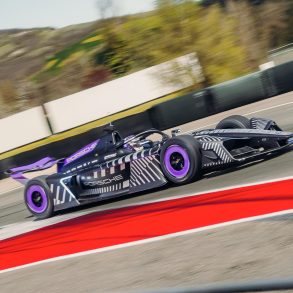
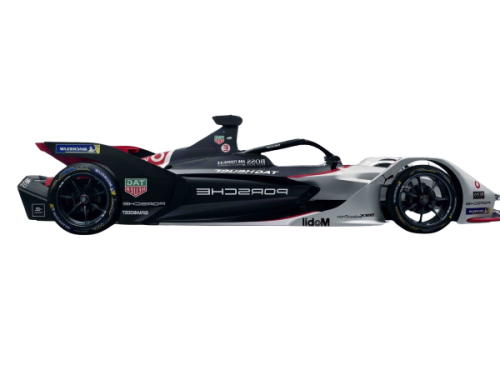
With a spec chassis, there’s limited aero freedom, but Porsche made the most of livery and detail work. The early cars ran in white with red and black accents, clearly linked to the brand’s LMP1 and GT programs, before moving to darker, more aggressive schemes as the program matured.
The visual changes masked continuous under-the-skin software and hardware refinements: revised rear suspension geometry, updated inverters and motor maps, better cooling packaging, and ever more aggressive energy-recovery strategies as the team learned how to race electric at the limit.
Racing Story: From Newcomer to Race Winner
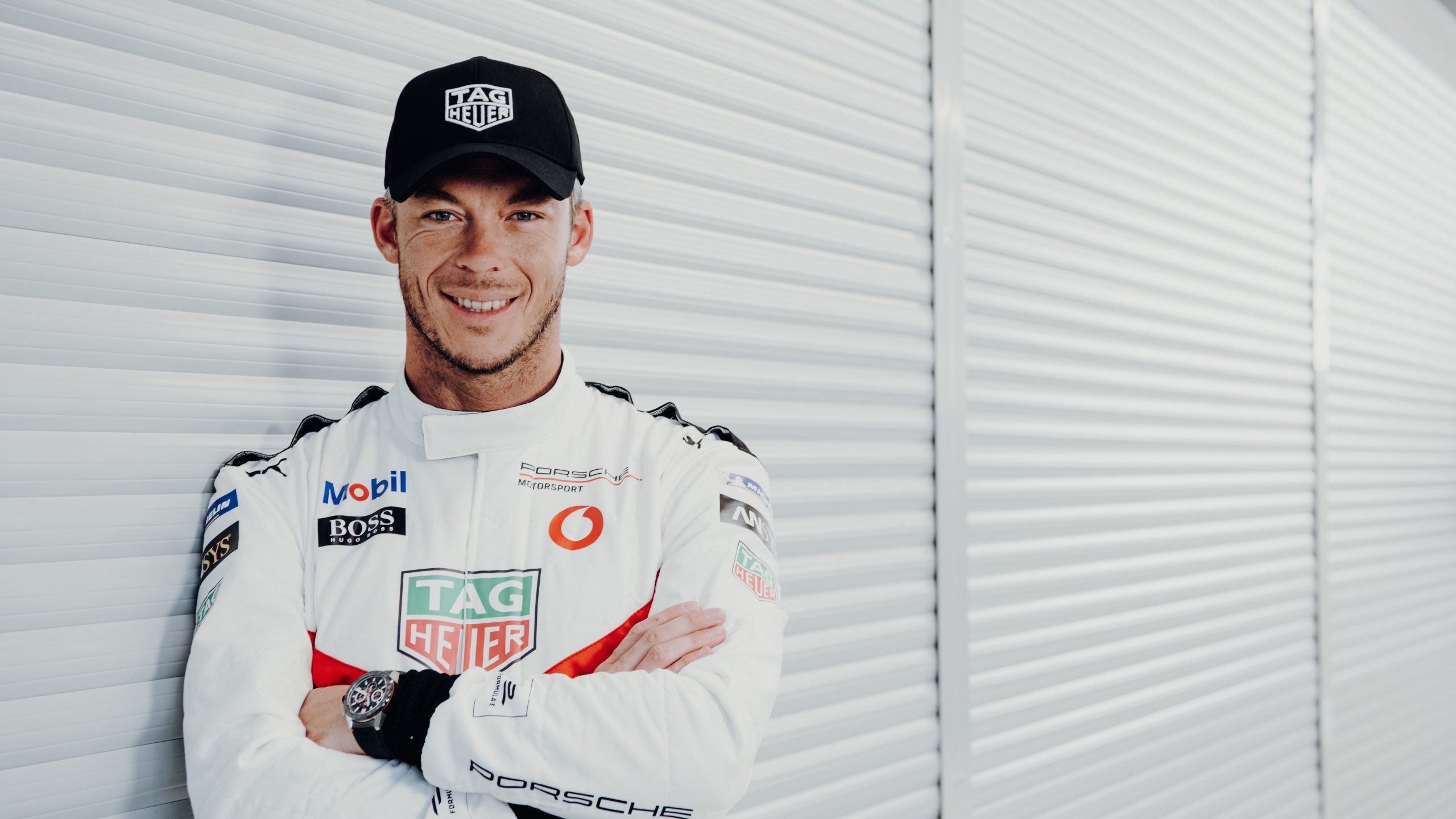
Porsche’s Formula E debut came at the 2019 Diriyah E-Prix, where André Lotterer immediately put the 99X Electric on the podium – a huge statement for a brand new entry.
The first seasons were about learning:
- Season 6 (2019-20): Strong debut, regular points, a podium right out of the box.
- Season 7 (2020-21): First podium for Pascal Wehrlein in Rome, as Porsche honed its race-craft and energy strategy.
- Season 8 (2021-22): Breakthrough. In Mexico City 2022, Wehrlein scored Porsche’s first Formula E victory – and did it in style with a 1–2 finish ahead of teammate Lotterer. It was also Porsche’s first single-seater win in more than 30 years.
By the end of the Gen2 era, the 99X Electric had gone from “rookie unknown” to a consistent front-runner. More importantly for Porsche, the program had done its job: the team had built up deep knowledge in high-voltage systems, software-driven race strategy and long-life, fast-charging battery use – knowledge that would bleed straight into road cars and set the stage for the next major step: Gen3.
Why It Matters
For enthusiasts, the Gen2 99X Electric is the car that proved Porsche belonged in electric single-seaters at all. It connected the Taycan’s 800-volt tech with visible, high-profile success on city streets, and it laid the foundations – both human and technical – for the title-contending Gen3 generations that followed.
Pictures & Gallery